What you’ll learn:
- Cyclospora cases vary widely by state, so your local risk may look very different from the national picture.
- Check your state’s cases—not every outbreak is happening where you live.
- Health officials aren’t recommending that people stop eating fruits and vegetables—just avoid recalled products and follow basic food-safety practices.
Salad has become this summer’s most second-guessed meal. As cyclosporiasis cases climb to unusually high levels across the U.S., plenty of people are wondering whether it’s still safe to eat leafy greens. The concern isn’t lettuce itself—it’s that while one large outbreak has been traced to recalled iceberg lettuce, investigators still haven’t identified the source of every cluster. That uncertainty makes it harder to know exactly what to avoid.
Two deaths have been reported in Michigan, both in people with serious underlying health conditions. At the same time, cyclosporiasis is treatable, and most healthy adults recover fully with appropriate care. Health officials also aren’t advising people to stop eating fruits and vegetables. Instead, they’re recommending avoiding recalled products and following standard food-safety practices.
Where you live matters, too: some states have reported only a handful of cases this season, while others account for much of the national total.
Here’s what we know so far—and what’s happening in your state—as the CDC and state health departments investigate a season that’s already running well above normal, with one confirmed lettuce-linked outbreak alongside several smaller clusters whose sources are still under investigation.
What is cyclospora?
Cyclospora is a microscopic parasite, Cyclospora cayetanensis, that causes an intestinal illness called cyclosporiasis. People become infected by eating food or drinking water contaminated with the parasite—most often fresh produce that was irrigated, washed, or handled with contaminated water somewhere in the supply chain. Unlike many stomach bugs, Cyclospora doesn’t typically spread directly from one person to another because the parasite needs time outside the body to become infectious.
New from Noom
Microdose GLP-1Rx Plus
An affordable way to start your GLP-1 journey with Compounded Tirzepatide.

*Initial 3 week subscription and 4 weeks of medication from $79 plus tax and $199 per month plus tax for 12 week subscription thereafter. Final pricing depends on program selection. Noom GLP-1Rx Plus Microdose Program involves medication (when appropriate), healthy diet, exercise and support. Individual results vary. Meds & personalization based on need as determined by a third-party clinician. Medications are not reviewed by FDA for safety, efficacy, or quality. No affiliation with Eli Lilly and Company, the only US source of FDA-approved tirzepatide. Not available in all 50 US states.


Cases rise every year during the typical May-through-August Cyclospora season, but 2026 has been an outlier. Since May 1, the CDC has recorded more than 22,700 suspected and confirmed cases—far exceeding the roughly 3,500 to 4,500 cases usually reported over an entire year.
Cyclospora timeline: Foods, confirmed sources, and the recall
The CDC, FDA, and state investigators have traced the largest outbreak this season to shredded iceberg lettuce grown at a Taylor Farms de México facility in Guanajuato, Mexico, and served at Taco Bell locations. Here’s how the investigation has unfolded:
- Late June: Illnesses begin appearing in a concentrated Midwest cluster centered on Michigan, Ohio, Indiana, Kentucky, and West Virginia.
- July 17: Taylor Farms de México recalls all iceberg lettuce produced at its Guanajuato facility, covering products sold at retail and through food-service channels. At Walmart, the recalled items were sold under the Marketside brand and included Iceberg Salad (12 oz. and 24 oz.) and Shredded Lettuce (8 oz. and 16 oz.) with best-by dates between July 18 and August 3. The recalled products were distributed to 27–28 states.
- July 24: The CDC confirms the outbreak has spread across nine states: Illinois, Indiana, Kansas, Kentucky, Michigan, Ohio, Oklahoma, Pennsylvania, and West Virginia.
- Early August: More than 6,300 illnesses have been linked to this outbreak. The CDC’s map of reported illnesses now includes 15 states because it also counts people who became sick after traveling to an affected state.
Two deaths—both involving Michigan residents with significant underlying health conditions—have been linked to the outbreak. At least 278 people have been hospitalized.
Outside this lettuce-linked outbreak, the CDC says it’s also investigating several separate Cyclospora clusters around the country. Some appear confined to individual states, while others haven’t yet been linked to a common food source, underscoring that not every case this season is connected to the recalled lettuce.
What officials still don’t know about cyclospora and the current outbreak
Despite weeks of investigation, several important questions remain unanswered. Cyclospora is notoriously difficult to trace compared with bacteria like Salmonella because investigators can’t rely on whole-genome sequencing—the tool that often links sick people to a specific food. Instead, they piece together outbreaks using patient interviews, supply-chain traceback, and more limited genetic testing, a process that’s slower and often less definitive.
Some of the biggest unanswered questions include:
- No recalled product has tested positive. A lettuce sample initially flagged as positive for Cyclospora on July 18 was reclassified as a false positive the following day. As of early August, investigators still hadn’t confirmed the parasite in any recalled lettuce. Instead, the link to the outbreak is based on epidemiologic evidence, including patient interviews and supply-chain traceback.
- Testing at the suspected farm came up negative. Mexican health authorities reported that lettuce and water samples from the implicated Taylor Farms de México facility tested negative for Cyclospora. The FDA said that doesn’t necessarily clear the facility because any contaminated produce would likely have been harvested and shipped weeks before inspectors collected samples.
- Not every illness fits the lettuce connection. In Michigan, the hardest-hit state, about 12% of people with cyclosporiasis reported no exposure to lettuce or a fast-food meal, suggesting at least some infections may have come from other sources.
- Another outbreak remains unexplained. The FDA is also investigating a separate cluster of Cyclospora illnesses that, as of late July, hadn’t been linked to any specific food.
- Why 2026 has been so unusual is still up for debate. One infectious disease expert has suggested that changes to CDC surveillance beginning in 2025 may have influenced how cases are detected and reported. Federal officials, however, say those changes don’t explain the unusually high number of illnesses this season.
Taken together, those unknowns help explain why health officials continue to investigate the outbreak even after the lettuce recall. The recalled products account for one major cluster, but they don’t yet explain every case reported this summer.
What are the symptoms of cyclosporiasis?
One reason Cyclospora outbreaks can be difficult to investigate is that symptoms usually don’t begin right away. Most people get sick about 1 week after exposure, though symptoms can appear anywhere from 2 to 14 days later. By then, it can be difficult to remember everything you ate over the previous couple of weeks.
The most common symptoms include:
- Watery diarrhea, which can be frequent and, notably for Cyclospora, sometimes explosive
- Loss of appetite and unintended weight loss
- Bloating, abdominal cramping, and increased gas
- Nausea and fatigue
Some people also develop a low-grade fever or vomiting, though these symptoms are less common.
Without treatment, symptoms often follow a relapsing pattern—improving for a few days before returning—and can last for weeks or even longer. Fortunately, cyclosporiasis is treatable with a 7- to 10-day course of the antibiotic trimethoprim-sulfamethoxazole (TMP-SMX), and most otherwise healthy adults recover fully.
If you’ve had persistent diarrhea and routine stool testing hasn’t found a cause, ask your healthcare provider whether you should be tested specifically for Cyclospora. The parasite isn’t always included in standard stool test panels.
Cyclosporiasis cases by state
If you’ve been wondering whether cyclosporiasis could affect you, the answer depends in part on where you live. Some states have reported only a handful of cases this season, while others are dealing with hundreds—or even thousands.
Nationally, the CDC has reported 10,468 laboratory-confirmed, domestically acquired cases as of its Aug. 4 update, along with more than 12,255 additional reports still under review, bringing the total to more than 22,700 illnesses.
Why are there two case counts? The table below includes both the CDC’s national surveillance data and, where available, totals published by individual state health departments. CDC figures include only laboratory-confirmed, domestically acquired cases, while many state dashboards update more quickly and may also include probable cases. As a result, some state totals are higher than the CDC’s figures.
Here’s where things stand today.
| State | CDC confirmed | State reported* | Hospitalizations |
|---|---|---|---|
| Michigan | >4,000 | 12,485 (Aug. 6) | 193 |
| Indiana | 500–999 | 1,705 | — |
| North Carolina | 500–999 | 867 (Aug. 4) | 24 |
| Ohio | 500–999 | 4,900+ (Aug. 4) | — |
| Illinois | 200–499 | — | — |
| Kansas | 200–499 | 615 (Aug. 5) | — |
| Kentucky | 200–499 | — | — |
| New York | 200–499 | 833 (Aug. 3) | — |
| Oklahoma | 200–499 | 426 (Aug. 4) | 25 |
| Arkansas | 50–199 | — | — |
| Florida | 50–199 | 352 (Aug. 1) | — |
| Georgia | 50–199 | — | — |
| Iowa | 50–199 | 226 | — |
| Louisiana | 50–199 | — | — |
| Massachusetts | 50–199 | — | — |
| Missouri | 50–199 | 1,095 (Aug. 2) | — |
| Nebraska | 50–199 | — | — |
| New Jersey | 50–199 | — | — |
| Pennsylvania | 50–199 | 28 (July 16) | — |
| Tennessee | 50–199 | — | — |
| Texas | 50–199 | — | — |
| Virginia | 50–199 | 126 | — |
| West Virginia | 50–199 | 280 (Aug. 4) | 20 |
| Wisconsin | 50–199 | 160 (July 29) | 3 |
| Alabama | 1–49 | 28 (July 20) | 2 |
| Alaska | 1–49 | — | — |
| Arizona | 1–49 | — | — |
| California | 1–49 | — | — |
| Colorado | 1–49 | — | — |
| Connecticut | 1–49 | — | — |
| Idaho | 1–49 | — | — |
| Maine | 1–49 | — | — |
| Maryland | 1–49 | — | — |
| Minnesota | 1–49 | 41 | — |
| Mississippi | 1–49 | — | — |
| Nevada | 1–49 | — | — |
| New Hampshire | 1–49 | — | — |
| North Dakota | 1–49 | — | — |
| Oregon | 1–49 | — | — |
| Rhode Island | 1–49 | — | — |
| South Carolina | 1–49 | — | — |
| South Dakota | 1–49 | — | — |
| Utah | 1–49 | — | — |
| Vermont | 1–49 | — | — |
| Washington | 1–49 | — | — |
| Wyoming | 1–49 | — | — |
| Delaware | 0 (not listed) | — | — |
| Hawaii | 0 (not listed) | — | — |
| Montana | 0 (not listed) | — | — |
| New Mexico | 0 (not listed) | — | — |
States that have reported zero cyclosporiasis cases
According to reports, three states have reported no cyclosporiasis cases since May 1:
- Hawaii
- Montana
- New Mexico
- Delaware
*Published numbers as of Friday, August 7
Full state-by-state map: CDC surveillance dashboard · CDC outbreak locations map
Cyclospora outbreak: What’s safe to eat?
Despite the uptick in cases, most produce—including most lettuce—is still considered safe. The confirmed risk is narrow: one recalled batch of iceberg lettuce from Taylor Farms de México, not fruits and vegetables broadly.
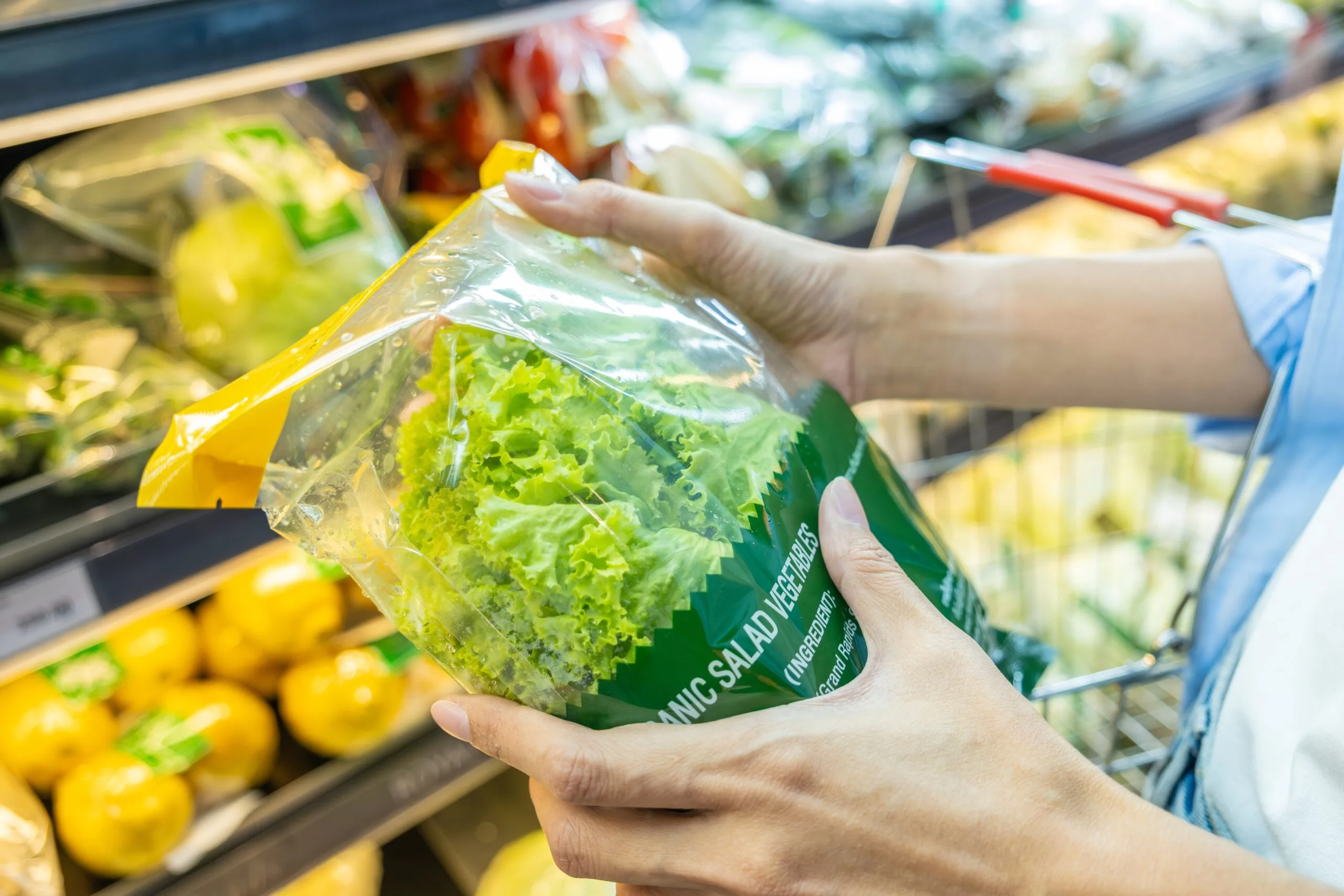
- Check the recall first. Taylor Farms de México recalled all iceberg lettuce sourced from its central Mexico facility on July 17, 2026, after it was linked to the outbreak. The recall covers iceberg lettuce sold at retail and served through food-service channels, including blended products like 50/50 and 80/20 mixes, chopped salad kits, and romaine-iceberg combinations—not just plain bags of iceberg. At Walmart, the retail items were sold under the Marketside brand: Iceberg Salad (12 oz. and 24 oz.) and Shredded Lettuce (8 oz. and 16 oz.), with best-by dates between July 18 and August 3. The recalled lettuce reached at least 27 states. If you have bagged lettuce, a mixed-greens blend, or a salad kit at home, check the ingredient list for iceberg lettuce, then compare the brand and dates against the recall notice before eating it.
- Cook when practical. Cooking produce to at least 158°F (70°C) destroys Cyclospora. While that’s not practical for foods like salads, it can reduce the risk for vegetables that are normally cooked.
- Buy whole heads over bags. Whole-head lettuce goes through less handling than pre-cut or bagged greens.
- Wash produce. Rinse fruits and vegetables under running water before eating or preparing them. Washing can reduce dirt and some contamination, but it may not remove Cyclospora completely.
- Cover the basics. Scrub firm produce like melons and cucumbers with a clean brush, cut away bruised spots, and wash your hands and surfaces before and after prepping food.
- Know the foods that have been associated with cyclospoaisis. Outside this outbreak’s recalled lettuce, past U.S. cyclospora outbreaks have been linked to basil, cilantro, raspberries, snow peas, and premade salad or coleslaw mixes. None of these currently have a confirmed positive product test tied to this year’s outbreak—they’re just foods worth applying the usual food-safety basics to.
- Don’t cut produce from your diet over this. Officials haven’t found evidence tying the outbreak to fruits and vegetables broadly—skipping produce trades a real, long-term health benefit for a small, short-term sense of control.
Read the full breakdown: Cyclospora Outbreak 2026: Is Lettuce and Other Produce Safe to Eat?

See if your insurance
covers GLP-1s.
The form only takes 2 minutes to answer. We’ll handle the rest.
GET STARTED
See if your insurance
covers GLP-1s.
The form only takes 2 minutes to answer. We’ll handle the rest.
GET STARTEDThe bottom line: Check your state’s cases; don’t stop eating produce
This year’s cyclospora season is already the largest recorded in the U.S., with more than 22,700 suspected and confirmed cases reported across states nationwide. While one major outbreak has been linked to recalled iceberg lettuce, investigators are still working to explain why cases have climbed so far beyond normal in other parts of the country.
The good news is that the risk isn’t all salads or all produce. Most fruits and vegetables remain safe to eat, and health officials aren’t recommending that people stop eating them. Instead, the evidence points to a much more targeted approach: avoid recalled products, follow basic food-safety practices, and pay attention to persistent symptoms. If you’ve had watery diarrhea that lasts more than a few days—especially after eating fresh produce—ask your healthcare provider whether you should be tested specifically for Cyclospora, since it isn’t always included on routine stool tests.
Where you live can also help put your risk into perspective. Some states have reported only a handful of cases this season, while others have seen hundreds or even thousands. Knowing what’s happening in your state, checking recalls, and continuing to eat plenty of fruits and vegetables is a more evidence-based response than avoiding salads altogether.
Want more guidance on healthy eating and developing healthy habits that last? Download Noom on iOS and Android for free.
Editorial standards
At Noom, we’re committed to providing health information that’s grounded in reliable science and expert review. Our content is created with the support of qualified professionals and based on well-established research from trusted medical and scientific organizations. Learn more about the experts behind our content on our Health Expert Team page.