Scroll through social media and you’ll notice a pattern: many of today’s weight-loss trends revolve around simple drinks you can make at home. Coffee blends, infused waters, high-fiber drinks, and “hormone-resetting” cocktails promise meaningful results with minimal effort—often using ingredients already in your kitchen.
It’s an appealing idea that a single beverage can unlock the key to weight loss without major changes to how you eat or live. But how well do these claims actually hold up? This guide breaks down the most talked-about weight-loss trends of 2026 and the evidence behind them.
Why are there so many weight loss drinks?
Weight loss drinks promise an easy fix to a complex process—but what’s often missing is context. Viral trends make weight loss seem simple and predictable, as if one drink can put you in control.
In reality, progress comes from patterns over time: how you eat most days, how you move your body, how you manage stress, and how consistently those habits show up. And for many people, biology plays a meaningful role—something no drink or “hack” can override on its own.
Below, we review 11 of the most popular viral weight-loss drinks of 2026. We’ll cover why they’ve gained attention, what science suggests about whether they work as promoted, and how to think about their potential benefits.
Noom’s Most Powerful Program
A dual-pathway GLP-1 and behavior change for lasting results.
11 weight loss drinks, reviewed
1. Baking soda trick
What is it? A drink made by mixing baking soda (sodium bicarbonate) with water, sometimes with lemon juice, and drinking it before meals or on an empty stomach.
The claim: Drinking baking soda can “alkalize” your body, improve digestion, boost metabolism, or help you lose weight.
What the science actually says: Baking soda can temporarily neutralize stomach acid, which is why it’s sometimes used as an antacid. But it doesn’t change your body’s tightly regulated blood pH, burn fat, or cause meaningful weight loss. Taking too much can cause nausea, vomiting, diarrhea, and a large sodium load; it can also be dangerous for people with certain health conditions or who take some medications.
The verdict: This isn’t a weight-loss hack. The claims about alkalizing your body and speeding fat loss aren’t supported, and drinking baking soda carries more downside than potential benefit.
Noom-recommended tips: Skip baking soda drinks for weight loss. If you have frequent indigestion or reflux, talk with a healthcare professional about safer, evidence-based treatment options. For sustainable weight loss, focus on eating patterns and habits you can repeat over time.
2. Olive oil before bed
What is it? A tablespoon of extra-virgin olive oil, taken plain or mixed with lemon juice shortly before bed.
The claim: Drinking olive oil before bed can reduce inflammation, improve digestion, and lead to weight loss while you sleep.
What the science actually says: Extra-virgin olive oil has well-studied heart-health benefits when it’s used regularly as part of a balanced eating pattern, especially when it replaces saturated fats. But there’s no evidence that taking it as a bedtime shot makes those benefits stronger or promotes weight loss. One tablespoon has about 120 calories, and drinking oil before lying down can trigger reflux or digestive discomfort for some people.
The verdict: Olive oil can be a healthy fat, but the bedtime timing isn’t special. Adding a nightly shot on top of your usual intake may work against a weight-loss goal.
Noom-recommended tips: Use olive oil in meals you enjoy—such as on vegetables, salads, beans, or fish—and let it replace butter, creamy dressings, or higher-calorie sauces. Skip this trend if it causes reflux or if you have a condition that affects fat digestion.
Noom’s Most Powerful Program
A dual-pathway GLP-1 and behavior change for lasting results.
3. The coffee loophole
What is it? A recipe that involves adding spices like cinnamon, cayenne pepper, and lemon to coffee—to be consumed when you’re hungry.
The claim: Drinking black coffee on an empty stomach or with added spices can reduce appetite, burn fat, and speed up weight loss.
What the science actually says: Coffee itself can slightly boost metabolism temporarily, and it may cause a small but brief appetite suppression. But that’s not enough to cause sustainable weight loss. Plus, excess caffeine can be dangerous. 
The verdict: Coffee doesn’t burn fat or drive weight loss with added spices, but enjoying it in moderation is fine.
Noom-recommended tips: Coffee can be part of a balanced diet, but it isn’t a weight-loss solution. Be mindful of caffeine intake and high-calorie add-ins, since sustainable weight loss depends on overall eating patterns—not a single drink.
4. The cortisol cocktail
What is it? A drink typically made with coconut water, orange juice, and a pinch of sea salt.
The claims: This drink is said to lower cortisol, reduce stress, boost energy, and support weight loss.
What the science actually says: This drink may help keep you hydrated and provide electrolytes and vitamin C, but it doesn’t lower cortisol levels or cause weight loss. Claims linking it to reduced stress, hormone balance, or fat loss are unsupported by evidence. 
The verdict: This beverage isn’t a solution for stress-related cortisol reduction or weight loss. Any short-term energy boost likely comes from hydration or sugar from the orange juice, not hormonal change.
Noom-recommended tips: Focus on well-established strategies that influence stress and weight over time—consistent hydration, balanced meals, regular movement, quality sleep, and stress-management habits like mindfulness or brisk walks. 
5. Pink Himalayan salt water
What is it? A morning drink made with warm water, a pinch of Himalayan pink salt, and sometimes flavored with lemon, ginger, apple cider vinegar, and/or honey.
The claims: It’s promoted as a way to boost metabolism, reduce bloating, and support weight loss.
What the science actually says: Experts confirm that pink Himalayan salt doesn’t promote weight loss. While staying hydrated is important for overall health, salt has no fat-burning properties. Any initial weight change is likely from water loss, not fat loss.
The verdict: The idea that the drink can boost metabolism, decrease bloating, or spark weight loss is unsupported. Salt doesn’t meaningfully affect these processes, and too much sodium can even lead to water retention rather than reducing it.
Noom-recommended tips: If you choose to try this, keep the salt amount very small. Focus on evidence-based habits—balanced meals, regular movement, and sustainable eating patterns—rather than expecting a single ingredient to drive weight loss.
6. Chia seed water
What is it? A drink made by soaking chia seeds in water until they thicken into a gel, then drinking the mixture.
The claims: The gelled drink can suppress appetite, support digestion, and help with weight loss.
What the science actually says: Chia seeds contain soluble fiber that forms a gel when soaked, which may slow digestion and help you feel fuller. A diet high in fiber can support appetite control and digestion, but it isn’t a weight-loss solution on its own and works best alongside balanced eating and other healthy habits.
The verdict: Drinking chia seed water may help you feel fuller between meals or support regular digestion, but it does not directly burn fat or dramatically speed weight loss.
Noom-recommended tips: If you enjoy chia seed water, treat it as a way to add fiber and nutrients to your day. Make sure seeds are properly soaked before drinking to avoid digestive discomfort, and focus on overall eating habits and hydration as the foundation for sustainable weight management.
Access GLP-1 Weight Loss with Noom
Explore a wide range of prescription medications supported by Noom’s program.
Microdose GLP-1rx
Noom GLP-1rx
Noom GLP-1rx Plus
Wegovy®
Ozempic®
Metformin
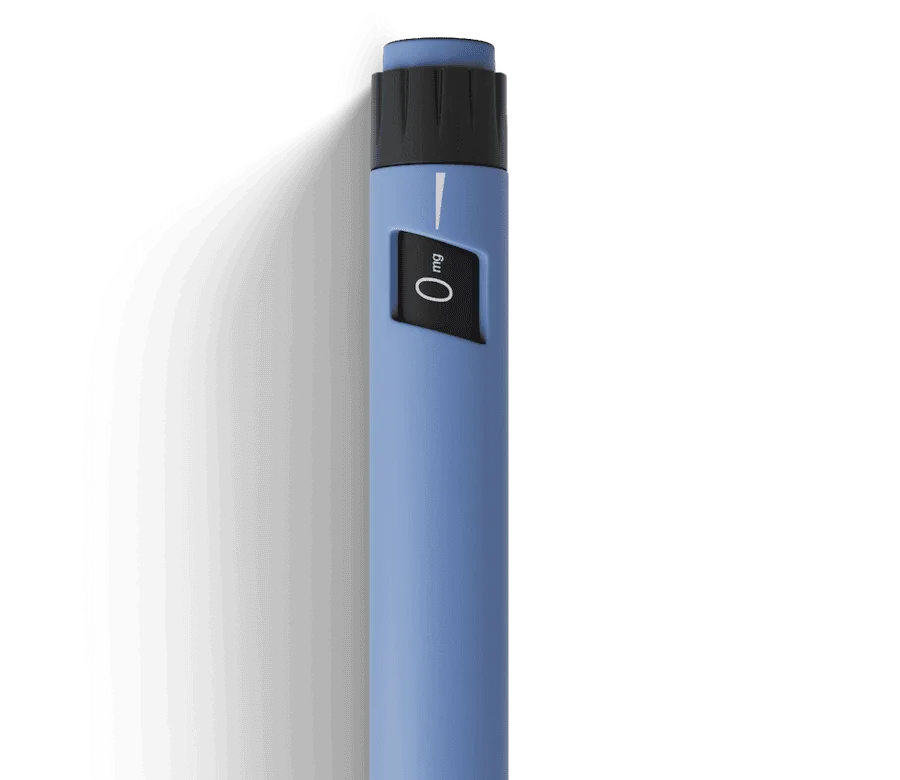
Zepbound®
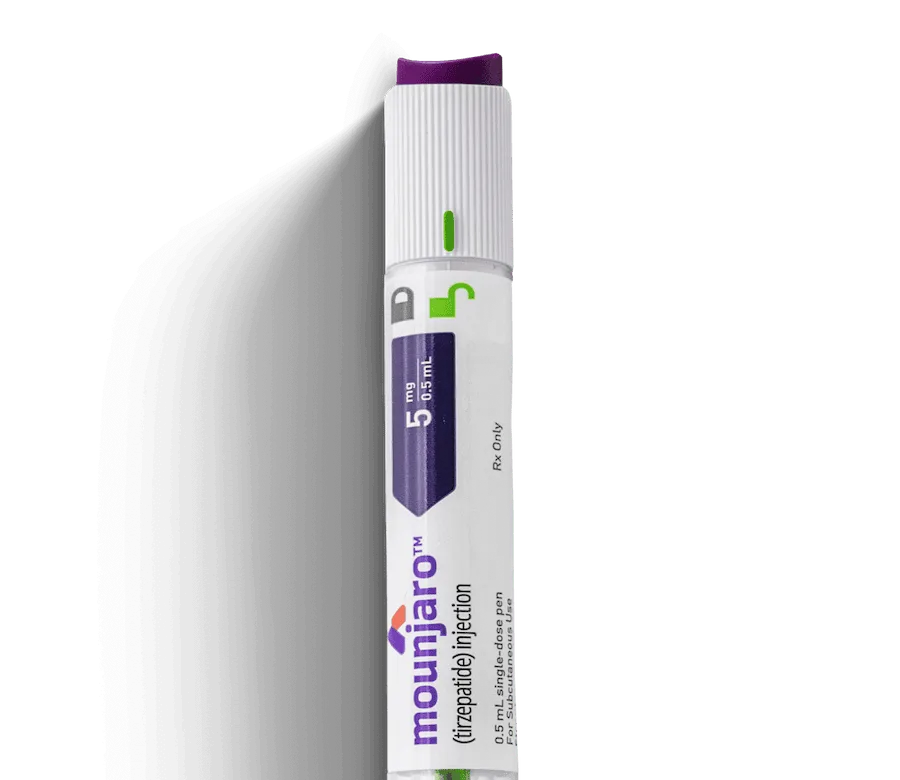
Mounjaro®
Liraglutide
7. Natural Mounjaro
What is it? A mixture of water, lemon, honey, ginger, and sometimes butterfly pea flowers or purple dragon fruit that people drink before meals.
The claim: This homemade drink can mimic the (off-label) weight loss effects of the prescription drug Mounjaro.
What the science actually says: No combination of foods or liquids can activate GLP-1 pathways like prescription Mounjaro or other GLP-1 medications. There’s no evidence this drink triggers meaningful appetite suppression, metabolic hormone changes, or fat loss.
The verdict: This drink isn’t a substitute for prescription medication, and any weight-related change is likely due to replacing higher-calorie beverages with a low-calorie drink—not because of metabolic hormone shifts or direct effects on appetite regulation.
Noom-recommended tips: If you are interested in weight loss medication, see if you qualify for Noom Med. A clinician can go through all the options available to you and prescribe the right option for you, if needed.
8. Oatzempic
What is it? A blended drink of raw oats, water, and lime juice.
Claim: This smoothie-like beverage can help people lose weight by mimicking the (off-label) weight loss effects of Ozempic. 
What the science actually says: There’s no evidence that the drink itself causes weight loss beyond what you’d expect from its ingredients. Oats contain fiber that can help you feel fuller, because fiber slows digestion, but the beverage doesn’t trigger hormone pathways like prescription GLP-1s.
The verdict: “Oatzempic” doesn’t provide unique weight-loss effects and is not comparable to medications like Ozempic. There’s no reason to believe it “boosts metabolism” or delivers drug-like results.
Noom-recommended tips: Again, see if you qualify for Noom Med. You’ll be paired with a clinician who can find the right weight loss medication for you and prescribe it, if needed.
9. Gelatin weight loss trick
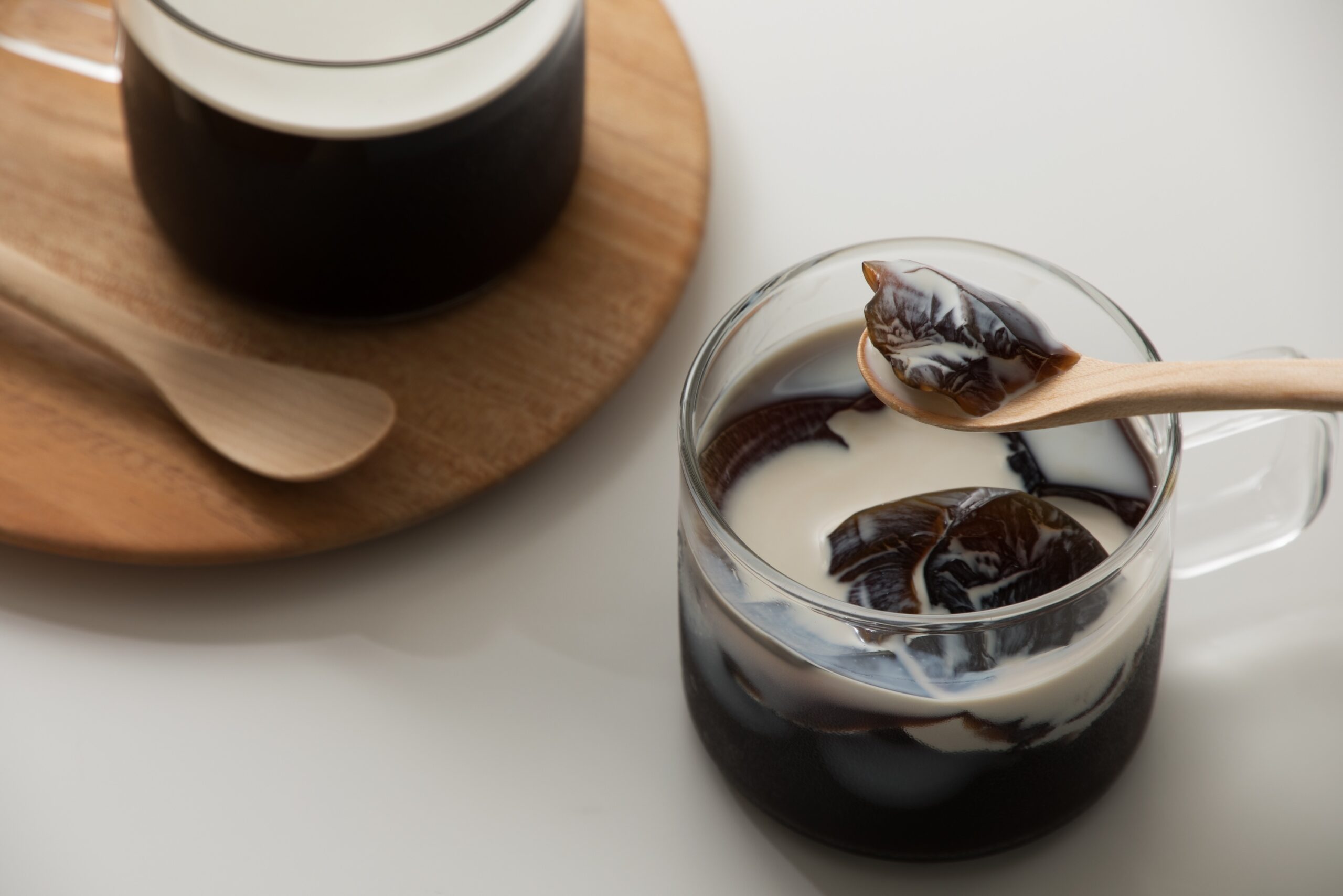
What is it? A pre-meal drink made by dissolving unflavored gelatin in liquid and drinking it shortly before eating.
The claims: Drinking the gelatin mixture before meals may increase fullness so that you’ll eat less at meals.
What the science actually says: Gelatin contains protein, which may help increase feelings of fullness. Drinking it before a meal might reduce hunger, but eating whole foods is likely more effective.
The verdict: This isn’t a weight-loss hack. At best, gelatin can help you feel slightly fuller before a meal, but it doesn’t burn fat or drive meaningful weight loss on its own.
Noom-recommended tips: If feeling satisfied is the goal, focus on protein-rich whole foods like eggs, yogurt, beans, or lean meats. They’re more filling, more nutritious, and easier to build into everyday meals.
10. Okra water
What is it? A drink made by soaking sliced okra pods in water overnight or until a thick mucilage forms.
The claims: The mucus in the okra pods can supposedly support digestion, improve gut health, and cause weight loss.
What the science actually says: Okra water contains small amounts of soluble fiber, but most of okra’s fiber and nutrients stay in the vegetable itself. There’s no strong evidence that drinking it leads to weight loss or meaningful changes in blood sugar.
The verdict: Okra water can be very low in calories, but it doesn’t significantly impact fat loss or metabolic changes on its own.
Noom-recommended tips: For appetite control and metabolic support, eating whole okra provides far more fiber and nutrients than drinking okra water. Try adding it to stir-fries, roasting it, or tossing it into soups and stews as part of a balanced eating pattern.
11. Protein shake before bed
What is it? A protein shake consumed in the evening, often shortly before bed.
The claim: Drinking protein before bed helps you burn fat while you sleep and leads to faster weight loss or extra muscle growth.
What the science actually says: Your body can digest and use protein overnight, which can support muscle repair. But studies haven’t found a clear advantage to having protein specifically before bed when you’re already getting enough protein across the day. A shake won’t make your body burn more fat overnight.
The verdict: A bedtime protein shake isn’t a weight-loss shortcut. It can be a convenient option if it helps you meet your daily protein goal, especially if you’re active or finding it hard to eat enough protein, but timing matters less than your overall intake.
Noom-recommended tips: Choose a shake that fits your overall eating pattern and is low in added sugar. If a shake feels too heavy before bed, try a smaller protein-rich snack instead. People with chronic kidney disease or another condition that requires limiting protein should check with their healthcare provider before increasing their intake.
11 weight loss drinks, ranked
While no drink can replace a healthy diet and consistent exercise, some are better than others. Here’s how these weight loss drinks compare and which might be worth a sip:
| Viral drink | Verdict | Noom recommendations |
|---|---|---|
| Chia seed water | 🟢 Minimal downside | Chia seeds are high in fiber, which can help you feel fuller and eat less over time. You don’t need to drink them; eating them sprinkled over oatmeal or yogurt is just as beneficial. |
| Gelatin trick | 🟢 Minimal downside | Including adequate protein in your diet can help you feel satisfied sooner and reduce portion size when done consistently. |
| Protein shake before bed | 🟢 Minimal downside | A shake before bed won’t burn fat overnight, but it can help you meet your daily protein goal if it fits your overall eating pattern. |
| Baking soda trick | 🔴 Not supported | Baking soda doesn’t burn fat or alkalize your body. Skip it for weight loss, especially because large amounts can cause side effects and add a lot of sodium. |
| Cortisol cocktail | 🔴 Not supported | Staying hydrated can help you feel better, but drinks don’t lower stress hormones or target belly fat. |
| Pink Himalayan salt water | 🔴 Not supported | Water supports digestion, but adding salt increases sodium without helping with fat loss—and may cause bloating. |
| Okra water | 🔴 Not supported | Okra has benefits when eaten, but soaking it in water doesn’t provide enough nutrients to impact weight loss. |
| Natural Mounjaro | 🔴 Not supported | This drink doesn’t affect appetite hormones or work like prescription weight-loss medications. |
| Oatzempic | 🟡 Unlikely to help | Oats are a filling, high-fiber food whether eaten or blended into a smoothie, but they don’t mimic hormones like GLP-1 medications. |
| Olive oil before bed | 🟡 Unlikely to help | Olive oil is a healthy fat when used in meals, but bedtime timing doesn’t add benefits. Use it as a swap for butter or creamy sauces rather than adding a nightly shot. |
| Coffee loophole | 🟡 Unlikely to help | Caffeine may slightly boost energy and curb appetite short-term, but the added spices and strict timing don’t meaningfully affect fat loss. |
Why trends fall short and what works instead
Most viral weight-loss trends take one small piece of truth—like the benefits of hydration, fiber, protein, or olive oil—and turn it into a promise that one drink can transform your results. But no single ingredient or timing trick can replace the habits that support health and weight management over time.
The most helpful approach is to keep the parts you genuinely enjoy, such as a high-fiber drink or a protein shake that helps you meet your needs, without expecting them to do all the work.
“Most weight loss trends make weight loss seem simpler than it is. In reality, progress comes from the basics: eating well, moving your body, and taking care of yourself. Lasting weight loss comes from repeating those patterns over time—not from chasing a single solution.” – Dr. Karen Mann, MD, Noom Medical Director

The Easy Way
to lose weight and get healthy.
Moving toward sustainable weight loss
Weight-loss trends can be compelling, but they rarely lead to lasting change on their own. Noom takes a different approach—one that focuses on building habits, understanding how your mind and body work, and creating an eating pattern you can stick with over time. Through personalized guidance, psychology-based lessons, and tools that help you make sense of your choices, Noom supports progress that fits into real life.
Try Noom to explore a science-backed program designed to help you build sustainable habits.
Editorial standards
At Noom, we’re committed to providing health information that’s grounded in reliable science and expert review. Our content is created with the support of qualified professionals and based on well-established research from trusted medical and scientific organizations. Learn more about the experts behind our content on our Health Expert Team page.