What you’ll learn:
- There isn’t one baking soda trick. Viral versions mix baking soda with different ingredients and make different claims about how they might help with weight loss.
- There’s no evidence that drinking baking soda burns fat, boosts metabolism, or causes weight loss.
- Baking soda is high in sodium and can cause digestive side effects or interact with some medications, while taking excessive amounts can be dangerous.
If you’ve seen videos or ads highlight the baking soda trick for weight loss, you may have noticed there isn’t just one version. Some people mix baking soda into a glass of water, others take it as a shot with lemon juice, and still others combine it with apple cider vinegar. You may also see versions that add ingredients like pink salt or honey. And some come packaged as “secret” recipes supposedly recommended by celebrities or doctors.
Part of the confusion is that there isn’t one baking soda trick—or even one explanation for why it’s supposed to work. Depending on the version, baking soda is said to “alkalize” your body, boost your metabolism, reduce bloating, improve digestion, or help you burn more fat. It’s an appealing idea that we’ve seen with other quick fixes: a simple weight-loss ritual made with something already in your kitchen.
What makes the trend a little more complicated is that some of those claims draw on known effects and research on sodium bicarbonate. The FDA recognizes sodium bicarbonate as an antacid, and research shows that larger, carefully calculated doses can improve performance during certain types of intense exercise. But neither of those effects tells us whether putting baking soda in a glass of water will help you lose weight.
We’ll break down the different versions of the baking soda trick, where the claims come from, and what the research actually shows. We’ll also talk to Maggie Hudspeth, RDN, Senior Manager of Coaching at Noom, about whether any part of the trend is worth keeping—and what to know before making baking soda water a regular habit.
What is the baking soda trick for weight loss?
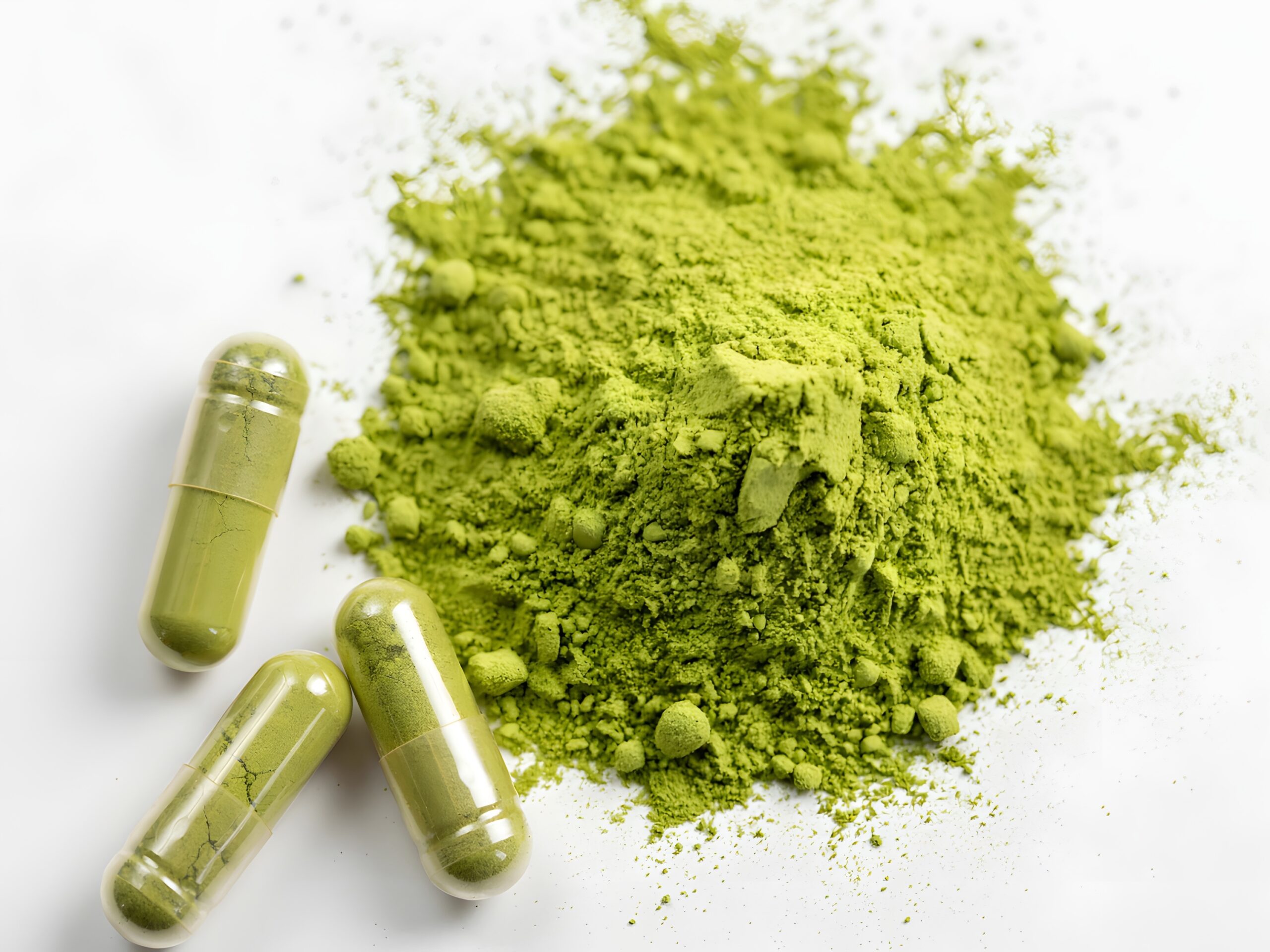
The baking soda trick isn’t one specific recipe. It’s a catch-all name for several viral drinks that use baking soda, or sodium bicarbonate, as the main ingredient and promise to make weight loss easier. Depending on the version, the drink is supposed to “alkalize” the body, boost metabolism, reduce belly bloat, improve digestion, “detox” the body, or help you exercise harder and burn more calories.
Noom’s Most Powerful Program
A dual-pathway GLP-1 and behavior change for lasting results.
The timing is often part of the pitch, too. You may see recommendations to drink baking soda first thing in the morning, on an empty stomach, before a meal, or before exercise. Some versions suggest that this timing helps the drink work better, but there’s no established baking soda recipe, dose, or schedule for weight loss.
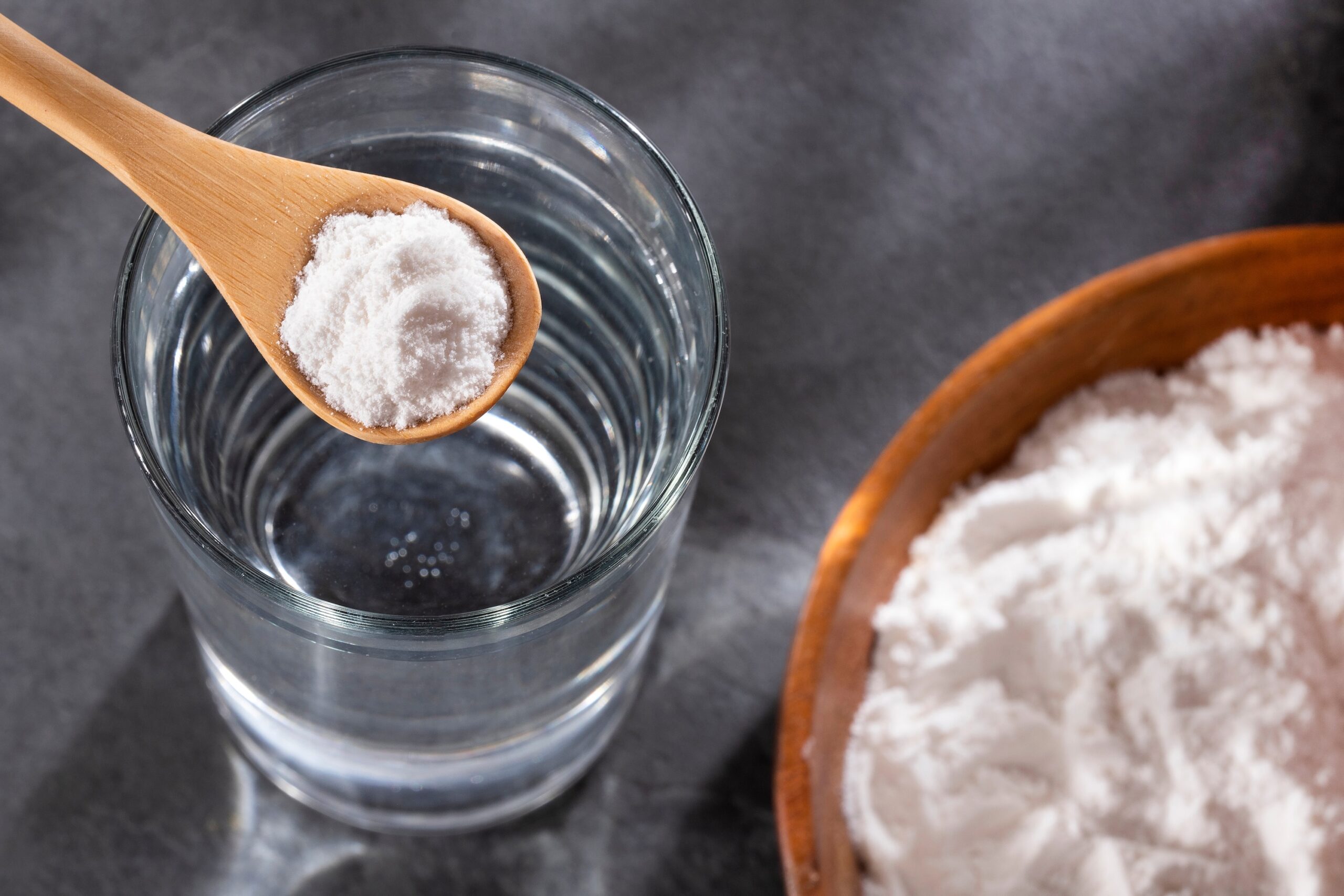
The recipes themselves vary, but versions circulating online commonly use about ¼ to ½ teaspoon of baking soda. You might also see them called the “baking soda water trick,” “baking soda shot,” “baking soda cleanse,” or “bariatric baking soda water shot.”
The most common versions include:
- Baking soda and water: About ¼ to ½ teaspoon mixed into a glass of water, sometimes described as “alkaline water.”
- Baking soda and lemon: A more concentrated shot that combines baking soda with water and lemon juice.
- Baking soda and apple cider vinegar: Baking soda mixed with apple cider vinegar and water, often promoted for weight loss, digestion, or “detoxing.”
- Other add-ins: Some recipes add ingredients like pink salt, honey, or even cayenne, usually with additional claims about hydration, metabolism, or digestion.
“I can see why these recipes are appealing,” says Hudspeth. “They take familiar ingredients and connect them to things people associate with weight loss, like better digestion, less bloating, or a faster metabolism. But adding more ingredients doesn’t necessarily make a drink more effective. The important question is whether there’s evidence that it actually helps people lose weight.”
You may also come across versions presented as a “secret” recipe from Oprah Winfrey, Dr. Mehmet Oz, or other celebrities, doctors, and public figures. There’s no evidence that any of these public figures have endorsed a baking soda drink for weight loss. AI-generated audio and video can make these promotions look convincing, so seeing a familiar face attached to a viral recipe doesn’t mean that person actually recommended it.
What all these versions have in common is the idea that baking soda can somehow make weight loss easier. Some of the explanations borrow from things sodium bicarbonate actually does in the body—but that doesn’t mean those effects translate into weight loss.
Does the baking soda trick for weight loss work?
There’s no clinical evidence that drinking baking soda, alone or combined with other ingredients, directly causes weight loss or burns body fat. But some of the claims surrounding the trend do start with known properties of sodium bicarbonate. Here’s where the science and the social-media claims diverge.
Claim: Baking soda makes your body more alkaline and burns fat
One of the main theories behind the baking soda trick is that because sodium bicarbonate is alkaline, drinking it makes your body less acidic, boosts metabolism, and helps you burn more fat.
That’s not how your body normally regulates pH. Blood pH stays within a very narrow range—about 7.35 to 7.45—thanks largely to your lungs and kidneys. What you eat and drink can change the pH of your urine, but that doesn’t mean it meaningfully changes your blood pH or puts your body into a fat-burning state.
There’s also no evidence that drinking baking soda speeds up your resting metabolism or specifically targets belly fat.
Access GLP-1 Weight Loss with Noom
Explore a wide range of prescription medications supported by Noom’s program.
Microdose GLP-1rx
Noom GLP-1rx
Noom GLP-1rx Plus
Wegovy®
Ozempic®
Metformin
Zepbound®
Mounjaro®
Liraglutide
“Your body is already very good at regulating its pH,” says Hudspeth. “You don’t need a special drink to make your body more alkaline, and changing the pH of your urine doesn’t mean you’ve changed your metabolism or started burning more fat.”
Claim: Baking soda reduces bloating and improves digestion
There’s some truth behind this one. Sodium bicarbonate is an antacid that neutralizes stomach acid and can temporarily relieve occasional heartburn or acid indigestion.
But feeling less bloated or having less indigestion isn’t the same as losing body fat. And baking soda can actually cause gas and stomach discomfort because its reaction with stomach acid produces carbon dioxide.
Claim: Drinking baking soda in the morning helps you lose weight
Timing is part of many versions of the baking soda trick. You’ll often see baking soda water—or a more concentrated baking soda and lemon shot—recommended first thing in the morning or on an empty stomach. The idea is that taking it before eating can kick-start your metabolism, reduce your appetite, or help your body burn more fat throughout the day.
There’s no evidence that drinking baking soda in the morning makes it more effective for weight loss. Sodium bicarbonate doesn’t become a fat burner because your stomach is empty, and there’s no established time of day when taking it boosts metabolism or fat loss.
The morning ritual may still feel like it’s doing something. A baking soda and lemon shot fizzes dramatically, and drinking a glass of water when you wake up can leave you feeling fuller or simply get you to drink more water. But those effects aren’t evidence that the baking soda is increasing fat burning.
Claim: Baking soda can help you exercise harder
This claim does have some evidence behind it—but in a very specific context. Research on athletes and physically active people suggests that sodium bicarbonate supplementation can improve performance during certain types of high-intensity exercise, particularly intense efforts lasting about 30 seconds to 12 minutes. That’s very different from showing that baking soda helps with everyday exercise or makes a casual workout more effective for weight loss.
The research also shouldn’t be taken as a reason to start adding more baking soda to your water. Sports studies generally use carefully calculated doses based on body weight, and the amounts are much higher than what you’ll typically see in viral drinks. Taking large amounts of baking soda can also lead to more serious complications, which we’ll cover below.
More importantly, improved performance during a specific type of intense exercise isn’t the same as weight loss. The research doesn’t show that sodium bicarbonate boosts metabolism, burns fat, or makes a morning baking soda drink a weight-loss aid.
“This is a good example of how a claim can start with something true and then get stretched too far,” notes Hudspeth. “Baking soda may help with performance during certain types of intense exercise, but that’s very different from saying a small amount in your morning water will boost your metabolism or cause weight loss.”
The baking soda trick: Does lemon or apple cider vinegar make a difference?
Depending on the version of the baking soda trick, you might see it combined with lemon juice, apple cider vinegar, pink salt, honey, or other ingredients. There’s no evidence that any combination turns baking soda into a weight-loss aid.
- Lemon juice: Lemon adds vitamin C, but the dramatic fizz is simply the citric acid reacting with baking soda to produce carbon dioxide. There’s no evidence the combination burns fat.
- Apple cider vinegar: ACV has been studied on its own for possible effects on appetite, blood sugar, and weight, but that doesn’t mean combining it with baking soda works better. In fact, baking soda neutralizes some of vinegar’s acidity.
- Pink salt: Some recipes add a pinch of pink Himalayan or sea salt, often with claims about hydration or electrolytes. It adds sodium and trace amounts of minerals, but there’s no evidence that adding salt makes baking soda more effective for weight loss.
- Honey: Honey may make the drink easier to tolerate, but it also adds sugar and calories. It hasn’t been shown to give baking soda any additional weight-loss effect.
Is drinking a baking soda trick safe?
Baking soda might not feel like something you need to think about dosing—it’s a kitchen staple, after all. But baking soda is sodium bicarbonate, the same active ingredient used in some over-the-counter antacids. Drinking a small amount occasionally may be tolerated by many healthy adults, but that doesn’t mean it’s a risk-free weight-loss remedy—or one that’s been shown to work. How much you take, how often you take it, and your health and medications all matter.
Here’s what to keep in mind:
- The sodium adds up quickly. A ½ teaspoon of baking soda contains about 650 milligrams of sodium. That’s more than a quarter of the American Heart Association’s recommended daily maximum of 2,300 milligrams—and more than 40% of its ideal limit of 1,500 milligrams for most adults.
- It can cause digestive side effects. Baking soda reacts with stomach acid to produce carbon dioxide, which can lead to gas and stomach discomfort. So while sodium bicarbonate can relieve occasional heartburn as an antacid, it may actually leave some people feeling more bloated.
- It can interact with medications. Sodium bicarbonate can affect how some medications work or are absorbed, which is especially important if you take prescription drugs regularly.
- Some people need to be more careful with it. The extra sodium can be an issue if you have high blood pressure, kidney or heart problems, or have been told to limit sodium. Pregnancy and breastfeeding are also reasons to check with your healthcare provider before using it regularly.
If any of those apply to you—or you’re considering drinking baking soda regularly—check with your healthcare provider or pharmacist first.
“It’s easy to assume something is harmless because it’s already in your kitchen, but the amount matters,” says Hudspeth. “Baking soda adds a significant amount of sodium very quickly, and it can affect medications and certain health conditions. If you’re thinking about drinking it regularly, that’s something I’d talk through with your healthcare provider first.”

The Easy Way
to lose weight and get healthy.
Can drinking baking soda be dangerous?
Taking a lot of baking soda is a different story. A study of several reported cases of sodium bicarbonate toxicity found that repeatedly taking excessive amounts was primarily associated with severe metabolic alkalosis and electrolyte imbalances. And very large amounts taken at once were sometimes associated with gastric rupture.
Those cases involved much more baking soda than you’d typically find in a viral drink, so they aren’t representative of what’s likely to happen after occasionally drinking a small amount. But they’re a good reminder that more isn’t better—especially since there’s no evidence that increasing the amount makes baking soda more effective for weight loss.
FAQs: Baking soda and weight loss
Is there a real baking soda recipe to lose weight?
There’s no clinically proven baking soda recipe for weight loss. Recipes vary widely in how much baking soda they use, what they mix it with, and when they recommend drinking it, but none has been shown to cause weight loss or burn body fat.
How much baking soda should you drink to lose weight?
There isn’t a recommended dose of baking soda for weight loss because it hasn’t been shown to work for that purpose. Taking more won’t make it more effective and can significantly increase your sodium intake and the chance of side effects.
Is it better to drink baking soda in the morning or at night?
There’s no evidence that drinking baking soda at a particular time of day makes it more effective for weight loss. Claims about taking it first thing in the morning, before meals, or at night are part of different versions of the trend, not clinically established weight-loss recommendations.
Is baking soda water the same as alkaline water?
Not exactly. Adding baking soda to water raises its pH, making it more alkaline, but commercially sold alkaline water may use different minerals or processes to raise its pH. Neither has been shown to change your blood pH in a way that causes weight loss.
Did Oprah or Dr. Oz recommend the baking soda trick?
There’s no evidence that Oprah Winfrey, Dr. Mehmet Oz, or other public figures whose names appear alongside viral versions of the baking soda trick have endorsed these weight-loss recipes. AI-generated videos, audio, and advertisements can make these supposed endorsements look convincing, so a celebrity’s name or likeness isn’t proof that they actually recommended it.
Can baking soda interact with medications?
Yes. Sodium bicarbonate can affect how some medications work or are absorbed. If you regularly take prescription medication, check with your doctor or pharmacist before making baking soda water a habit.
Reviews from real Noom users
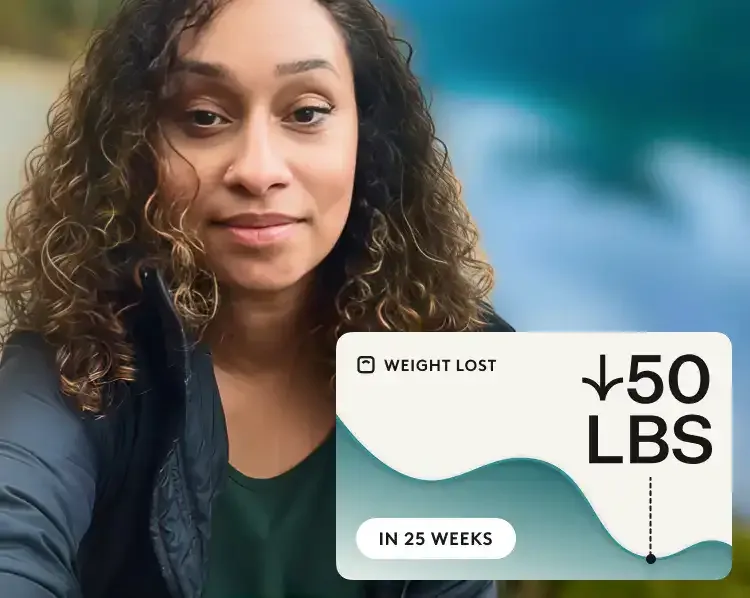
“My favorite parts of Noom are the care team and other Noomers. Sharing and getting help made me feel like I wasn’t doing it alone. That support made all the difference.”
Desirea N. — Real Noom user
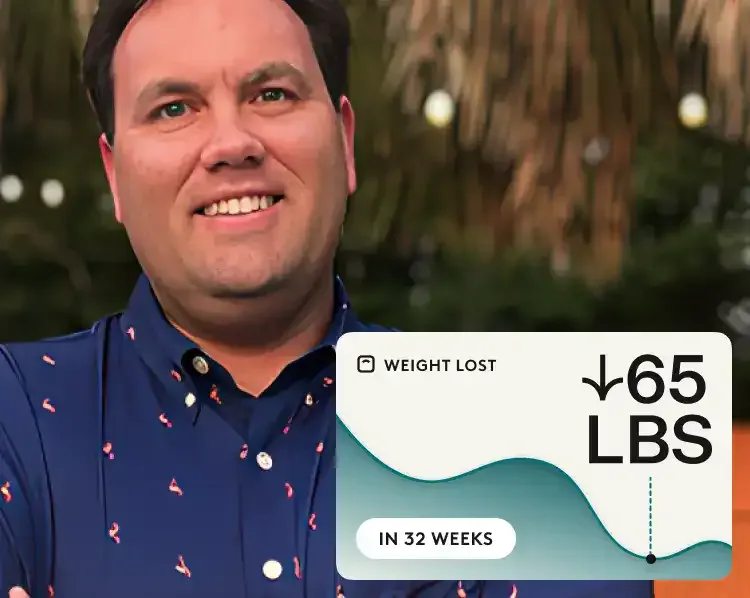
“Noom has taught me that every day is a new chance to make better, healthier choices. It’s taught me how to stop overeating.”
Matthew M. — Real Noom user
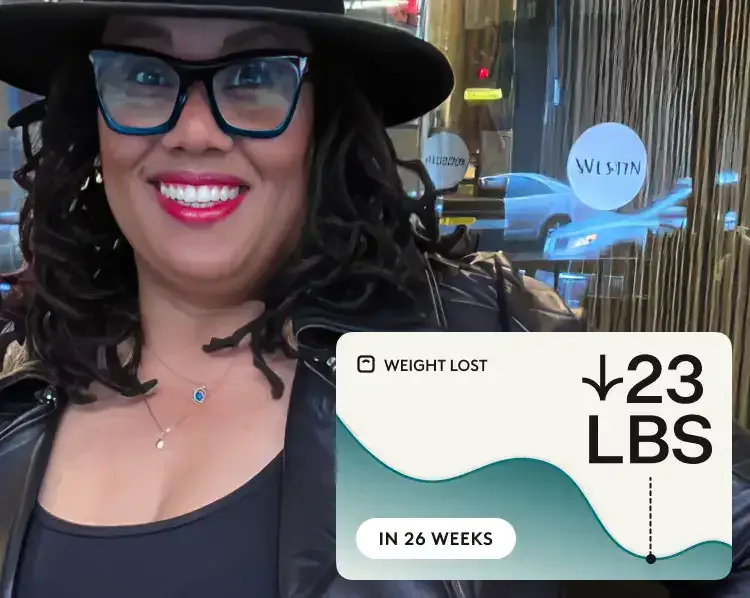
“Clinicians who understand how supportive medication can be is one of the best parts of Noom! I was convinced I wouldn’t have success but I’m down 11 pounds in two months.”
Lila M. — Real Noom user
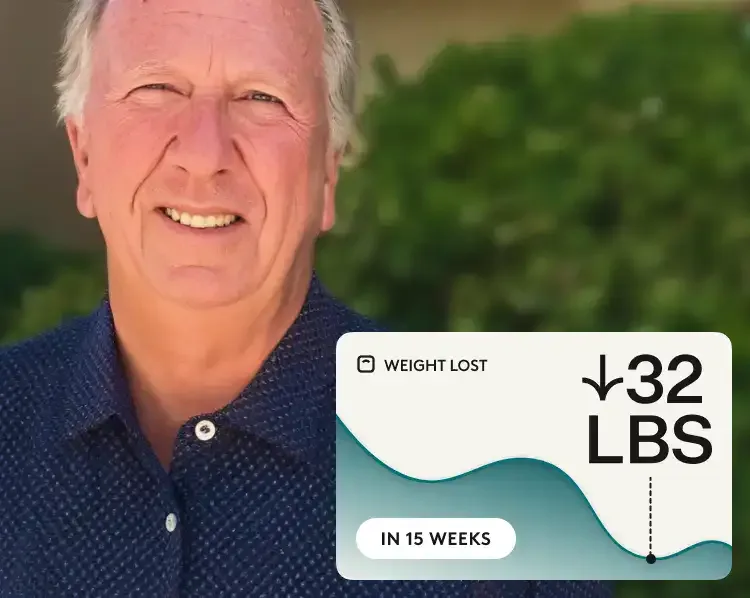
“Noom provided me with the medication which I could not get through Medicare. I have learned the tricks to better eating and life in general.”
Steve M. – Real Noom user
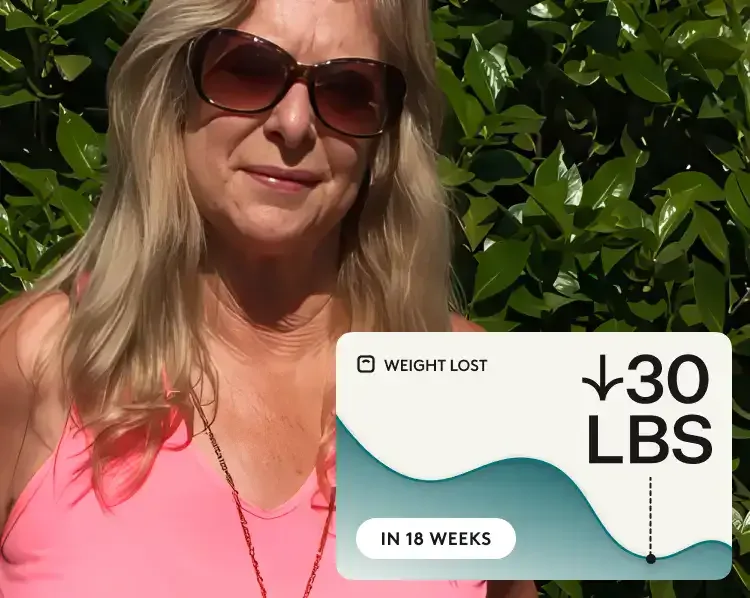
“Noom has changed my life and I’m so thankful, I feel great, have more energy and am no longer prediabetic.”
Daisy R. – Real Noom user
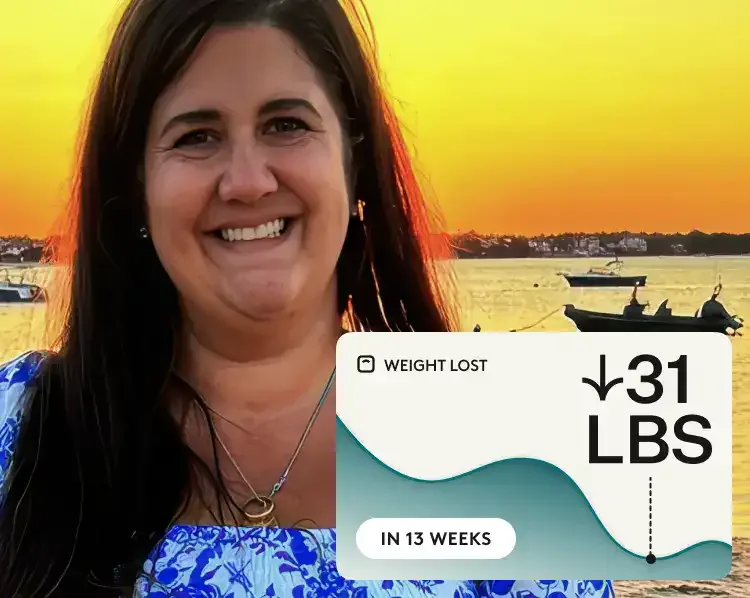
“All of the Noom providers that I’ve met with have been exceptional and prescribed medications that are appropriate for my situation and health.”
Sarah R. – Real Noom user
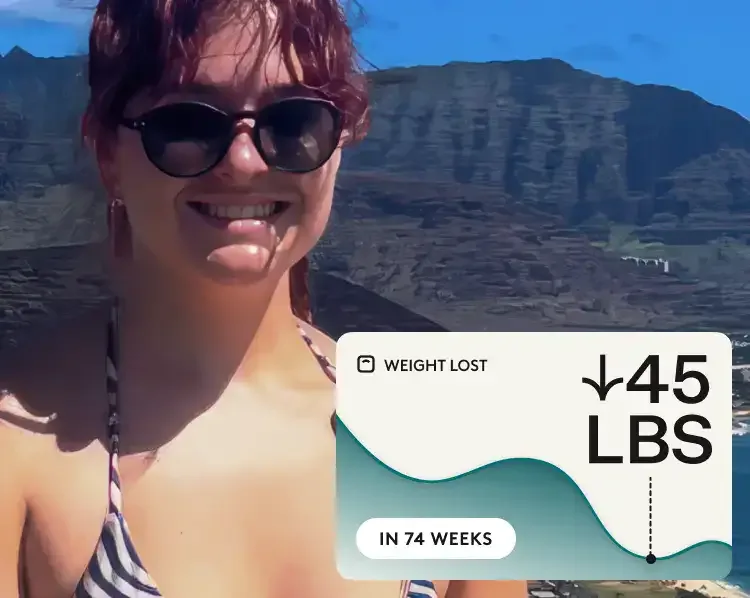
“Noom made the process so simple and now I feel full, free from diet obsession, and at ease in my body again.”
Madison S. – Real Noom user
“My doctor recommended Noom after I was frustrated trying to lose weight. The lessons helped change my relationship with food. My body feels lighter & energized.”
Sonday K. – Real Noom user
“I built healthy habits with coaching and lessons that make me confident I can maintain my weight loss long term.”
Cam K. – Real Noom user
“With the right medication through Noom, hunger and sugar cravings finally quieted and I have the tools to break the cycle.”
Laura TR. – Real Noom user
“Cravings and food noise are gone, I finally feel confident in the healthy habits I’ve built to last with Noom.”
Jessica S. – Real Noom user
The bottom line: Baking soda can’t help you lose weight
There are plenty of versions of the baking soda trick, but none has been shown to help people lose weight. Mixing baking soda with water, lemon juice, apple cider vinegar, pink salt, or honey doesn’t change that—and neither does drinking it at a particular time of day.
What makes the trend convincing is that some of the claims borrow from things sodium bicarbonate really can do. It can neutralize stomach acid, and larger, carefully calculated doses can improve performance during certain types of intense exercise. But those effects don’t mean a baking soda drink boosts metabolism, burns belly fat, or makes your body more likely to lose weight.
If someone does see the scale move after starting one of these drinks, it’s worth looking at what changed around the ritual. Drinking more water, replacing a higher-calorie beverage, or making other changes to eating habits are more plausible explanations than the baking soda itself.
“The part of these trends I always want people to pay attention to is the habit underneath them,” says Hudspeth. “If a new ritual gets you to drink more water, replace a sugary drink, or be more intentional about what you’re eating, those can be meaningful changes. You don’t need the baking soda to get those benefits.”
For help building habits that fit your life and support your goals, download Noom on iOS or Android for personalized guidance, practical tools, and daily support to keep you moving forward.
Editorial standards
At Noom, we’re committed to providing health information that’s grounded in reliable science and expert review. Our content is created with the support of qualified professionals and based on well-established research from trusted medical and scientific organizations. Learn more about the experts behind our content on our Health Expert Team page.