
What you’ll learn:
- All three Mounjaro® injection sites—abdomen, thigh, and upper arm—deliver the medication equally well.
- Proper preparation and technique help make the process smoother, safer, and less uncomfortable over time.
- Most injection site reactions are mild and short-lived. Knowing how to handle common issues like minor leakage or soreness keeps you confident week after week.
Mounjaro® can be highly effective for blood sugar management and is often prescribed off-label for weight loss. But because it’s taken as a once-weekly injection that you give yourself, many people considering it have concerns and questions about the process. Will it hurt? Will I know what I’m doing? How do I choose the right spot?
That first injection can feel like a big step. But the reality is that many people use Mounjaro® every week, and the process usually becomes routine pretty quickly once you understand the basics. Getting comfortable with injections typically comes down to three things: knowing where to inject, understanding how the pen works, and following a consistent technique. It also helps to know what’s considered normal afterward—and what’s worth checking in with your doctor about.
You may have also seen online debates about whether one injection site works better than another—whether the stomach, thigh, or arm absorbs the medication differently or leads to stronger effects. It’s a common question, and the research is actually more straightforward than the internet makes it seem.
Questions about bruising, small amounts of medication on the skin, or what to do if something feels off are common, too.
This guide walks through all of it: how the pen works, where to inject, what the research says about different injection sites, and the practical details that can make weekly injections feel much more manageable.

The Easy Way
to lose weight and get healthy.
See if you qualify
What is Mounjaro® and how is it administered
Mounjaro® is a once-weekly medication used for type 2 diabetes that’s also commonly prescribed off-label for weight loss. The active ingredient, tirzepatide, helps lower appetite, slow digestion, and regulate blood sugar, which can manage diabetes and help people eat less and lose weight.
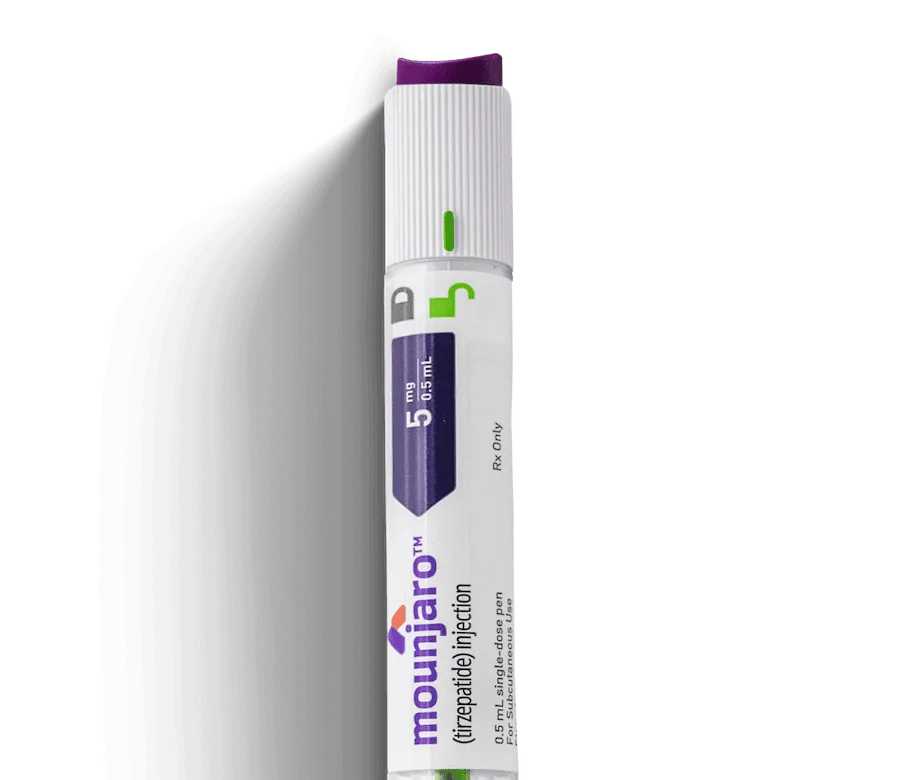
Mounjaro® comes in a prefilled injection pen that’s designed to be used at home. The medication is injected just under the skin into fatty tissue, not into muscle or a vein. Because the medication works slowly over time, you only need one injection per week.
A lot of people are surprised by how simple the pen is once they see it in person. You place it against your skin, press the button, and the pen delivers the medication automatically. The needle is very small and stays hidden inside the pen during the injection, so you don’t see it, and most people barely feel it.
If you’ve never given yourself an injection before, it’s completely normal to feel unsure at first. But once you learn where to inject and how the pen works, the process usually becomes much more routine than people expect.
How to give yourself a Mounjaro® injection
Feeling nervous before your first injection is completely normal. Read through your medication guide before you do anything else, and take your time with it. Understanding what Mounjaro® does and how it works can make the process feel less intimidating.
Pick a quiet time—somewhere you won’t be rushed or distracted. Gather all your supplies in one place. Learning about injection site rotation early is also a good idea, since switching where you inject each week helps prevent skin irritation and ensures consistent absorption.
Checking your specific pen instructions
Mounjaro® pens come in different dose strengths, and while the basic process is the same, always review the instructions with your specific pen. The Eli Lilly instructions provide step-by-step instructions for your specific pen, including priming steps and dose completion indicators. If anything feels unclear, call your pharmacist or healthcare provider.
Mounjaro® injection instructions: Step by step
Whether this is your first injection or your twentieth, a consistent routine makes the process feel smoother. Following the same sequence each week builds confidence and ensures you’re getting the full benefit of your medication.
What to do before your Mounjaro® injection
Here’s how to prepare before injecting:
Access GLP-1 Weight Loss with Noom
Explore a wide range of prescription medications supported by Noom’s program.Microdose GLP-1rx
Noom GLP-1rx
Noom GLP-1rx Plus
Wegovy®
Ozempic®
Metformin
Zepbound®
Mounjaro®
Liraglutide
- Remove the pen from the refrigerator. Keep the gray base cap on until you’re ready to inject.
- Wash your hands thoroughly. Use soap and water before handling the pen.
- Check the pen label and expiration date. Make sure you have the correct medication and dose, and confirm that the pen has not expired.
- Inspect the pen and medication window. Don’t use the pen if it looks damaged. The medication should be colorless to slightly yellow and should not be frozen, cloudy, or contain particles.
- Choose your injection site. Mounjaro® can be injected into the abdomen, thigh, or upper arm. Rotate injection sites weekly to help prevent irritation.
- Inspect and clean the skin. Avoid areas with cuts, bruising, redness, tenderness, scars, or irritation. Clean the area with an alcohol swab and let it dry before injecting.
How to inject with the Mounjaro® injection pen
Once everything is prepared, you’re ready to inject:
- Position the pen. Hold it at a 90-degree angle—straight up and down—against your chosen injection site. Don’t angle it to the side.
- Press down firmly. You’ll hear a first click, which means the injection has started. This is your signal to stay steady.
- Keep the pen pressed against your skin. Count slowly to 5. This timing matters—it gives the medication enough time to fully enter the fatty tissue beneath your skin. Don’t lift or shift the pen during this time.
- Listen for the second click. This confirms the injection is complete and the full dose has been delivered.
- Check the dose window. The indicator should show that the dose is complete. You shouldn’t see medication remaining in the window.
The pen’s built-in safety features—clicks, dose window, automatic needle retraction—take the guesswork out of the process.
What to do after the injection
- Remove the pen straight up. Pull it away from your skin in one smooth, upward motion.
- Dispose of the pen immediately. Place it in an FDA-cleared sharps container. Never throw used pens in regular trash or recycling.
- Don’t rub or massage the site. This can cause irritation. If there’s a small drop of blood, apply gentle pressure with a clean tissue or cotton ball.
- Record the location. Note where you injected in your tracking system so you can rotate to a different spot next week.
How do I know if I injected Mounjaro® correctly?
This is one of the most common questions, especially early on. Here’s what a successful injection looks and feels like:
- Two distinct clicks. The first when the injection starts, the second when it’s complete.
- The dose window shows completion. After holding for 5 seconds, the indicator should confirm the full dose was delivered.
- Little to no medication on your skin. A tiny droplet at the injection site is normal. More than that might mean the pen was removed too soon.
- Brief, mild sensation. A quick pinch or slight sting is normal. Sharp or prolonged pain isn’t.
If you didn’t hear two clicks or if you noticed a significant amount of medication on your skin, don’t try to re-inject. Instead, reach out to your healthcare provider for guidance on what to do next.
Mounjaro® injection sites: Where can you inject?
There are three injection sites for Mounjaro®, and they all deliver the medication with equal effectiveness. Your abdomen, thigh, and upper arm each have enough subcutaneous fatty tissue to absorb tirzepatide and release it into your bloodstream over the course of the week.
These areas were chosen because they’re accessible, typically have adequate fat tissue, and sit away from bones, major blood vessels, and nerves. Rotating between these sites weekly helps prevent skin irritation and ensures consistent absorption.
Is one Mounjaro® injection site better than the other?
There’s no single “best” site—the right one is the one you can reach easily and inject comfortably. Many people start with the abdomen because it’s the most accessible, but you might find your thigh or upper arm works better over time.
Mounjaro® injection site: Stomach (abdomen)
The abdomen tends to be the go-to choice for most people starting Mounjaro®. It’s easy to see, easy to reach, and typically has plenty of fatty tissue for comfortable injection.
- Where to inject: Choose a spot at least two inches away from your belly button, in the fatty area of your lower or side abdomen. The official prescribing information recommends avoiding areas with scars, stretch marks, moles, or any skin that looks red or irritated.
- Why many people start here: Visibility is a big part of it—you can watch exactly what you’re doing, which builds confidence. The abdomen also offers generous space for weekly rotation.
- What to know about comfort: If you have less fatty tissue around your midsection, gently pinching the skin before injecting helps ensure the medication goes into fat rather than muscle.
Healthcare providers often recommend this site while you’re getting comfortable with injections.
Mounjaro® injection site: Thigh
The front and outer part of the thigh offers a convenient alternative, especially if you want to rotate away from the abdomen or if you simply find this area more comfortable.
- Where to inject: Target the front or outer section of your upper thigh—the area where you can easily pinch a fold of fatty tissue between your fingers. Stay at least four inches above your knee and four inches below your hip.
- What makes the thigh a solid option: It’s easy to see and reach, sitting or standing. Alternating between left and right thigh gives you a natural two-week recovery window for each side.
- A few things to keep in mind: Some people find the thigh slightly more sensitive than the abdomen, though this varies and usually improves after the first couple of injections. Avoid the inner thigh, which is closer to major blood vessels and nerves.
For additional guidance, check Noom’s safety information for Mounjaro®.
Mounjaro® injection site: Upper arm
The upper arm is an approved injection site, but it comes with a practical catch: most people can’t easily reach the correct area on their own.
- Where to inject: The injection goes into the fatty tissue on the back of your upper arm—not the muscle on the front or side. This area sits between your shoulder and elbow.
- When the upper arm works well: If someone can help with the injection, the upper arm gives your abdomen and thighs a break. It’s a useful rotation option, especially if you’re dealing with temporary soreness in other areas.
- The catch: Self-injection in the upper arm is awkward. Reaching behind your arm, positioning the pen correctly, and maintaining firm pressure while you can’t see what you’re doing is more contortion than most people want weekly.
If you inject solo, focusing on the abdomen and thigh makes the most practical sense—you’re not missing out on effectiveness by skipping the upper arm.
How to track injection sites
Tracking where you inject each week prevents a condition called lipohypertrophy—fatty lumps that form under the skin when the same spot gets injected repeatedly. These lumps aren’t just uncomfortable; they can interfere with medication absorption. The good news is that tracking doesn’t need to be complicated.
- Use a simple body diagram. Print one out and mark each week’s injection location. You can find free printable diagrams online, or your healthcare provider may have one.
- Use your phone. A notes app, calendar reminder, or medication tracking app works great. The Noom GLP-1 Companion can help you stay organized with your injection routine alongside your broader health goals.
- Take weekly photos. Quick snapshots of your injection areas can help you spot any changes, redness, or developing lumps over time.
- Keep a notebook near your supplies. Sometimes the simplest method is the most reliable. Jotting down the date, site, and side (left or right) takes seconds and gives you a clear record.
Whatever system you choose, the goal is straightforward: make sure you’re not injecting in the exact same spot every week. A good rotation pattern—alternating between abdomen, thigh, and upper arm, or simply shifting a couple of inches within one area—keeps your skin healthy and your medication working as intended.
Best injection site for Mounjaro®: Is there one?
This is one of the first questions people ask, and the answer is: No, there’s no single site that outperforms the others. All three approved areas deliver comparable absorption and effectiveness. Here’s what might make a difference for you:
- Personal comfort and accessibility – The best site is where you feel most at ease and can inject without difficulty. Some people gravitate toward the abdomen for visibility. Others prefer the thigh. What feels natural to you matters more than any theoretical advantage.
- Consistency over perfection – Rather than searching for a “perfect” spot, focus on building a reliable routine. Sticking with one or two general areas and rotating within them each week does more for long-term success than agonizing over which site might be marginally better.
- Rotation is what really matters – Using the exact same spot weekly can lead to lipohypertrophy, which affects both comfort and absorption. A simple rotation—shifting a couple of inches each week, or alternating between two sites—prevents this entirely.
If you’re considering tirzepatide for weight loss, remember that the consistency of your weekly injections matters far more than which of the three sites you choose.
Common Mounjaro® injection issues
Minor injection site reactions can happen, but they are relatively rare. In studies, injection site reactions were reported in about 3% of people taking Mounjaro®. These reactions were usually mild and temporary.
What’s normal after a Mounjaro® injection
Mild redness, slight swelling, or tenderness at the injection site affects a small percentage of people using Mounjaro® and usually resolves within a day or two. You might also notice a small bump or light bruising, particularly if you’re new to self-injection or accidentally nicked a tiny blood vessel. These are all part of your body’s normal response and aren’t cause for concern.
Managing minor injection site reactions
For mild reactions, simple self-care usually does the trick.
- A cold compress for 10 to 15 minutes reduces swelling.
- Keep the area clean and dry, and avoid tight clothing over the site.
- Prevention goes a long way too: rotate sites weekly, warm the pen beforehand, and make sure the skin is clean and dry before injecting.
Always follow proper injection guidelines each time.
When to contact your healthcare provider
While most injection site reactions are harmless, certain symptoms need professional attention. Reach out to your provider if you notice redness that spreads or worsens after 24 hours, pain that intensifies rather than fades, or any signs of infection—warmth, pus, red streaking, or fever. Severe allergic reactions are rare, but if you experience widespread rash, difficulty breathing, or swelling of your face or throat, seek immediate medical care.
What to do if Mounjaro® leaked out of the injection site
Seeing liquid where you just injected can be concerning, but it’s more common than you’d think and usually not a big deal.
- A small drop is normal. A tiny amount of medication at the site won’t affect your dose. This happens sometimes and doesn’t mean anything went wrong.
- Don’t re-inject. Even if you think you didn’t get the full dose, giving yourself another injection right away could mean getting too much medication, which increases the risk of side effects.
- Think about what might have caused it. Removing the pen too quickly or not holding it firmly enough against your skin are the most common reasons for leakage. For next time, focus on keeping the pen steady and counting to 5 before pulling it away.
- Note the amount. If it was more than a few drops, write down what happened so you can share it with your healthcare team.
- Contact your clinician if you’re unsure. When in doubt about whether you received your full dose, a quick call can give you peace of mind and help you adjust your technique.
What if I accidentally inject into muscle?
Don’t panic—this can happen, and it’s usually not dangerous. Sometimes the needle goes a little deeper than intended and reaches muscle tissue instead of the fatty layer under the skin.
- What you might notice: More soreness than usual at the injection site, and the discomfort may last a bit longer than a typical reaction.
- Who’s most at risk: People with less body fat in the injection area are more likely to accidentally inject into muscle. Pinching the skin to create a fold before injecting helps keep the medication in the fatty layer where it belongs.
- When to call your provider: If you experience severe or persistent pain at the injection site, or anything that feels significantly different from your usual post-injection experience, reach out to your healthcare team.
- For future injections: Injecting at a 90-degree angle into a pinched fold of skin is the best technique for staying in the subcutaneous layer.
Mounjaro® is designed for subcutaneous injection only. But if an intramuscular injection happens once, it’s not dangerous—it just isn’t the ideal delivery method. Technique improves with practice.
Common questions about Mounjaro® injections
Even after reading through all of this, you probably still have a few specific questions. Here are the ones that come up most often.
Does the Mounjaro® injection hurt?
Most people find Mounjaro® injections cause little discomfort—similar to a quick pinch. Proper injection preparation, like allowing the pen to reach room temperature and rotating injection sites, can reduce any stinging. The needle is very small, and the injection takes just seconds.
Is any Mounjaro® injection site best for weight loss?
No injection site works better for weight loss than others. The abdomen, thigh, and upper arm all deliver the medication effectively. Choose the site that feels most comfortable and accessible for you, then rotate regularly to prevent irritation.
What time of day should I inject Mounjaro®?
You can inject Mounjaro® at any time of day that works for your schedule, but it’s best to inject on the same day each week. Establishing a weekly routine helps you remember and makes the process feel more manageable.
Can I use the same injection site every week?
You should rotate injection sites each week rather than using the exact same spot. This prevents skin irritation and lumps and ensures consistent medication absorption. Move at least an inch away from your previous injection site within the same general area.
What if I inject Mounjaro® incorrectly?
If you think you missed part of your dose or injected incorrectly, don’t try to re-inject. Note what happened and contact your healthcare provider for guidance. Most injection concerns are minor, but your provider can help you adjust your technique for next time.
Does the choice of injection site affect side effects like nausea?
The injection site doesn’t influence side effects like nausea or stomach upset. These effects come from how the medication works in your body, not where you inject it. Rotating sites helps prevent local skin irritation but won’t change digestive side effects.
Can I inject Mounjaro® in the same spot as insulin?
If you take insulin, don’t inject Mounjaro® in the exact same spot. Use separate injection sites to avoid irritation and ensure proper absorption. You can use the same general area (like your abdomen), but space injections at least an inch apart.
Reviews from real Noom users
Desirea N. — Real Noom user
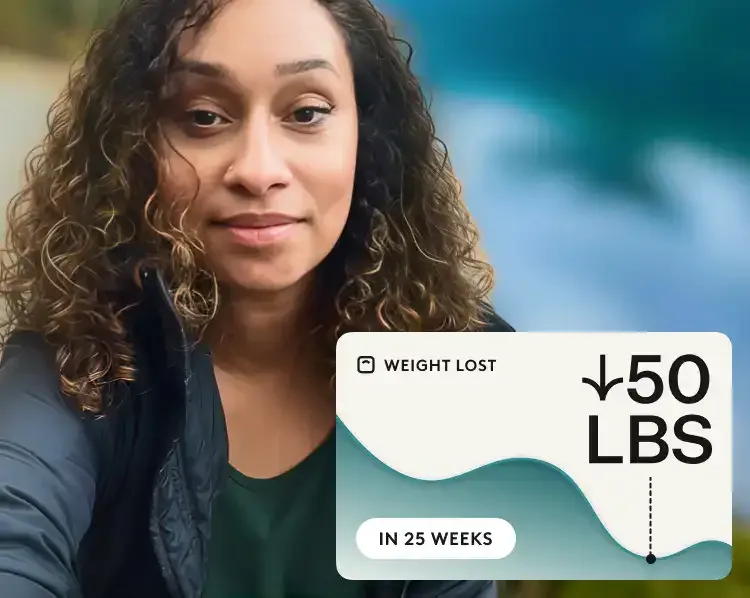
“My favorite parts of Noom are the care team and other Noomers. Sharing and getting help made me feel like I wasn’t doing it alone. That support made all the difference.”
Desirea N. — Real Noom user
Matthew M. — Real Noom user

“Noom has taught me that every day is a new chance to make better, healthier choices. It's taught me how to stop overeating.’’
Matthew M. — Real Noom user
Lila M. — Real Noom user
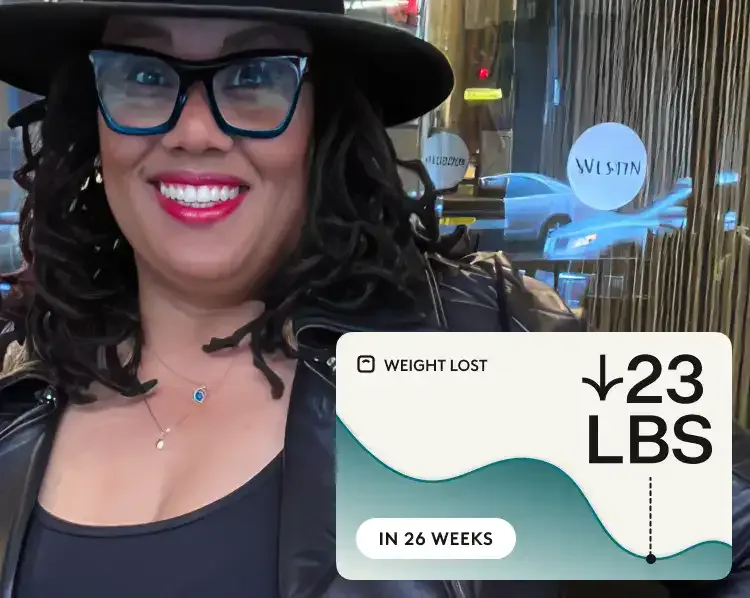
“Clinicians who understand how supportive medication can be is one of the best parts of Noom! I was convinced I wouldn’t have success but I’m down 11 pounds in two months.’’
Lila M. — Real Noom user
Steve M. — Real Noom user

“Noom provided me with the medication which I could not get through Medicare. I have learned the tricks to better eating and life in general.”
Steve M. – Real Noom user
Daisy R. — Real Noom user
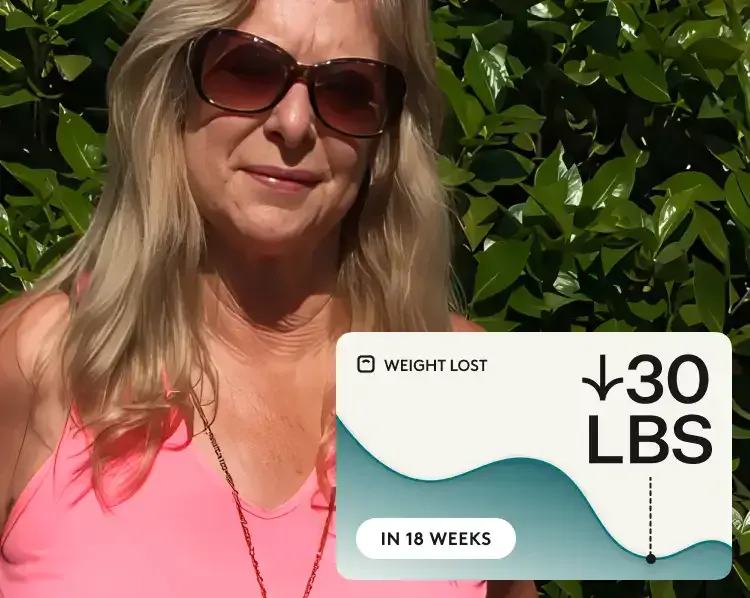
‘’Noom has changed my life and I’m so thankful, I feel great, have more energy and am no longer prediabetic.”
Daisy R. – Real Noom user
Sarah R. — Real Noom user

“All of the Noom providers that I’ve met with have been exceptional and prescribed medications that are appropriate for my situation and health.”
Sarah R. – Real Noom user
Madison S. — Real Noom user
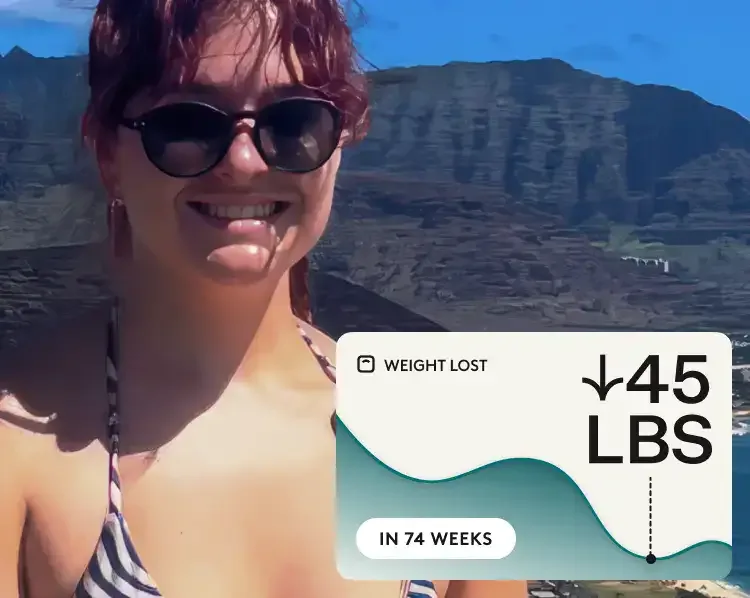
“Noom made the process so simple and now I feel full, free from diet obsession, and at ease in my body again.”
Madison S. – Real Noom user
Sonday K. — Real Noom user
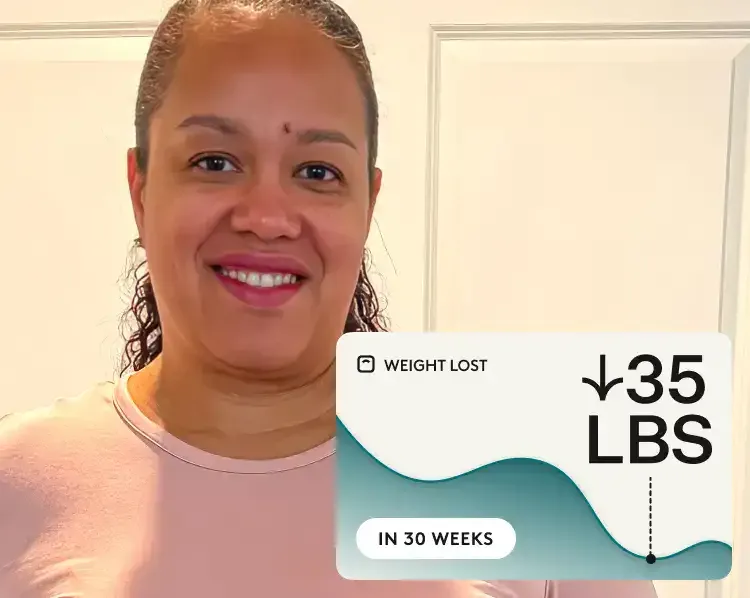
“My doctor recommended Noom after I was frustrated trying to lose weight. The lessons helped change my relationship with food. My body feels lighter & energized.”
Sonday K. – Real Noom user
Cam K. — Real Noom user
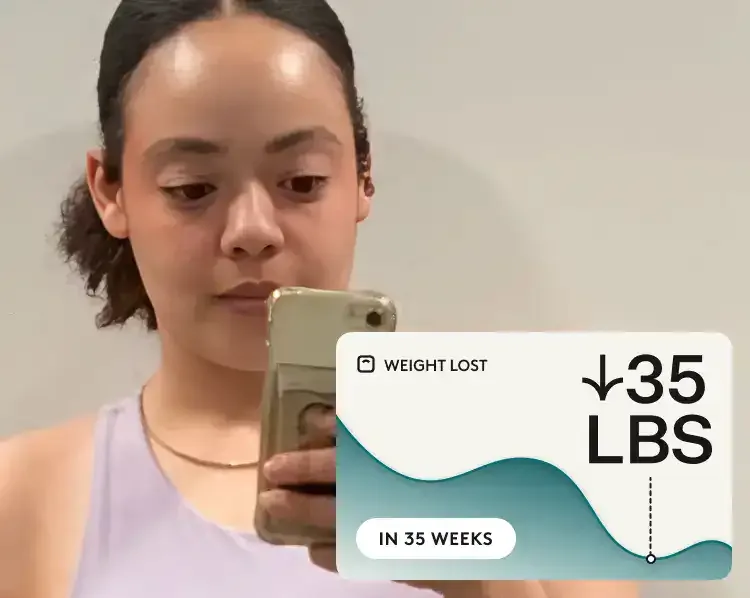
“I built healthy habits with coaching and lessons that make me confident I can maintain my weight loss long term.”
Cam K. – Real Noom user
Laura TR. — Real Noom user
“With the right medication through Noom, hunger and sugar cravings finally quieted and I have the tools to break the cycle.”
Laura TR. – Real Noom user
Jessica S. — Real Noom user
“Cravings and food noise are gone, I finally feel confident in the healthy habits I’ve built to last with Noom.”
Jessica S. – Real Noom user
The bottom line: The right Mounjaro® injection site is the one that’s most comfortable for you
Getting comfortable with Mounjaro® injections is a process, not a one-time event. What matters is building a calm, consistent routine—choosing a site that works for your body, rotating each week, and following proper technique.
No single injection site is better than another for results. The abdomen, thigh, and upper arm all do the same job. What makes the difference is showing up each week and paying attention to the small details—warming the pen, cleaning the site, holding steady through both clicks.
If you’re looking for personalized medical care combined with tools to build lasting habits while using a GLP-1 medication like Mounjaro®, Noom Med pairs you with a clinician who can prescribe the right medication for you. Your subscription also includes the GLP-1 Companion—practical tools, nutrition guidance, strength-focused workouts, and side effect support—all connected with Noom’s food logging and coaching so you’re never figuring things out alone.
Note: Mounjaro® is not FDA-approved to treat obesity or for weight loss.
Editorial standards
At Noom, we’re committed to providing health information that’s grounded in reliable science and expert review. Our content is created with the support of qualified professionals and based on well-established research from trusted medical and scientific organizations. Learn more about the experts behind our content on our Health Expert Team page.