
What you’ll learn:
- Burnjaro is a dietary supplement made from herbs and plant extracts and doesn’t contain any medication.
- Some Burnjaro ingredients, like berberine and garcinia cambogia, have shown small weight-loss effects on their own, but there’s no evidence the formula works.
- Burnjaro’s ingredient list varies across products, so it’s difficult to know exactly what you’re getting.
We’re seeing a new wave of products trying to cash in on the popularity of GLP-1 medications, like Zebound®, Mounjaro®, Wegovy®, and Ozempic®. Patches, gummies, and capsules that sound like the names of prescription medications or use the GLP-1 tag have become popular across social media.
What they all have in common is an attempt to align the name of an effective medication with a substance that doesn’t have the research behind it. Burnjaro is the latest product, and it seems to borrow from the brand name Mounjaro® to grab attention.
Burnjaro, or sometimes Burn Jaro, is a supplement marketed for fat burning and appetite control. Mounjaro® is an injectable medication made with tirzepatide that is FDA-approved to manage diabetes, but is often used off-label for weight loss. (Zepbound, its sister medication, is approved for weight loss.)
Burnjaro doesn’t contain any medication; it’s a blend of herbs and plant extracts. Does it have any research or connection to weight loss? Let’s look at what the research says about its ingredients and whether it can cause any weight loss or if it’s one to leave on the shelves.
What is Burnjaro?
Burnjaro is a dietary supplement sold online across various sites. It has appeared under numerous labels, like BurnjarMAX and BurnjarPro, and has a liquid drop alternative. You might also see it promoted as Slimjaro. The ingredients seem to vary depending on the version.
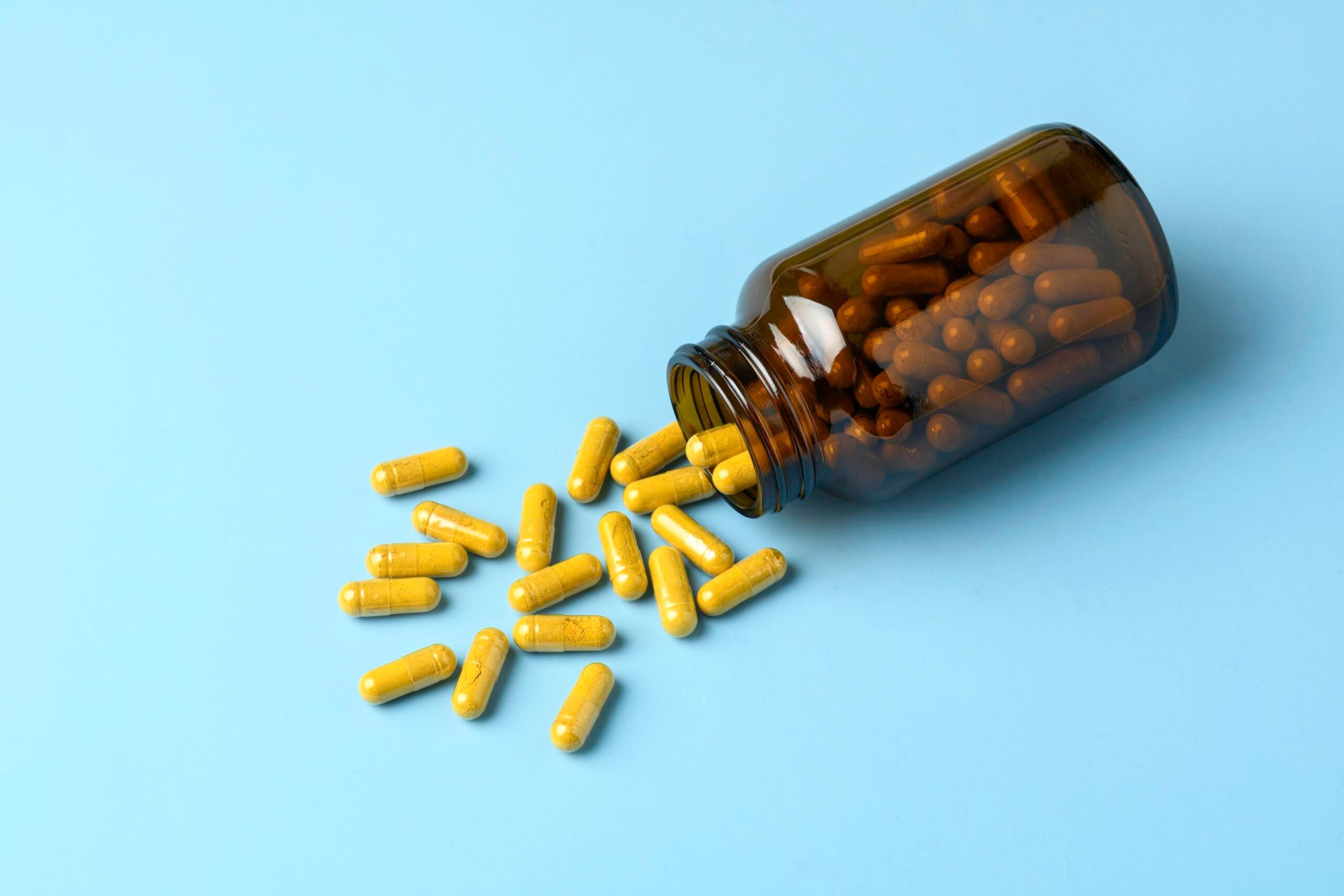
Burnjaro, the capsule version, is made from a blend of ingredients commonly found in weight-loss supplements, but they appear to vary depending on the version. Products might include herbs and plant extracts like berberine, green tea extract, garcinia cambogia, cinnamon bark extract, and Siberian ginseng, along with nutrients like chromium, magnesium, and vitamin D, or even probiotics.
Burnjaro doesn’t contain any medication.
What does Burnjaro claim to do?
Marketing for Burnjaro leans on the same broad language used across most fat-burner supplements. According to the brand’s promotional materials, Burnjaro is designed to:
- Support a faster, more efficient metabolism – marketed as helping the body burn calories more effectively throughout the day, not just during exercise.
- Help control appetite and cravings – positioned as making it easier to eat less without feeling deprived, similar to the appetite-suppressing language used to market GLP-1 medications.
- Boost daily energy levels – promoted as a side benefit of the metabolism-support ingredients, meant to offset the fatigue some people associate with dieting.
- Deliver noticeable results within a few weeks – promotional sites describe steady, visible progress on this timeline, along with reduced cravings and general improvements in how users feel day to day.
These are standard claims for the fat-burner supplement category, and they read as reassuring and non-specific. None of them are tied to a mechanism that’s been demonstrated for the Burnjaro formula itself.
Burnjaro ingredients: What the research shows
There isn’t any research on any Burnjaro formula. And one of the biggest red flags of the product is that Burnjaro’s ingredient list isn’t consistent across product ads. Depending on which retailer or review site you check, you’ll find completely different formulas.
One version centers on a “GlucoBio Blood Sugar Support” blend of cinnamon bark extract, Siberian ginseng, and berberine HCl, plus vitamin D3, magnesium, and chromium. Another version is made from green tea extract, caffeine, garcinia cambogia, L-carnitine, alpha-lipoic acid, and 5-HTP.
When the ingredient list changes depending on the source, it’s hard to know what you’re actually taking. And, while some of these ingredients have some compelling research around them related to metabolism and weight loss, none are strong enough to replace true GLP-1 medications.
Here’s what the research shows on the ingredients that show up most consistently across versions:
- Berberine, sometimes nicknamed “nature’s Ozempic,” has been studied in 23 clinical trials. The results show that people typically lose a little bit of weight, about 2 pounds.
- Green tea extract contains catechins (antioxidants) that have shown modest effects on calorie burn in some studies. But those effects come from oral doses studied in isolation, and results across trials are mixed.
- Garcinia cambogia, often marketed for appetite-suppressing effects, has inconsistent evidence for weight loss—some studies show a modest effect, others show none—and has also been linked to numerous reports of liver toxicity, some of them severe.
- Chromium has been studied for a possible role in blood sugar regulation. A review of several studies found it reduced body weight by about 2 pounds more than placebo—a very small difference.
Burnjaro vs. Mounjaro®: What’s the difference?
The “jaro” ending connects these two, but that’s where the similarity ends.
Mounjaro® contains tirzepatide, a medication that has been proven in clinical studies to lower appetite, slow digestion, and regulate blood sugar by activating GLP-1 and GIP receptors. When taken for weight loss as Zepbound® or Mounjaro® (off-label), studies have shown that people can lose an average of 21% of body weight over time.
Burnjaro is a supplement that mainly contains herbs. It doesn’t activate GLP-1 or GIP receptors, and none of its ingredients have been shown to replicate that mechanism.
Read more: What Is Mounjaro®? Weight Loss Benefits, Side Effects, and Cost
Does Burnjaro work for weight loss?
There’s no good evidence that Burnjaro causes weight loss. Despite marketing that echoes GLP-1 medications, the supplement has never been tested in a published clinical trial, so there’s no way to know whether the formula works as advertised.
Some of Burnjaro’s individual ingredients—such as berberine—have been studied on their own and may produce modest effects on blood sugar or body weight. But those findings can’t be applied to Burnjaro itself. The supplement combines multiple ingredients in undisclosed amounts, and there are no clinical studies showing that the finished product leads to meaningful weight loss.
Burnjaro: Safety and side effects
Because Burnjaro is sold as a supplement, it isn’t regulated the same way as medications. Here are a few specific things worth knowing:
- Berberine can cause nausea, upset stomach, constipation, or diarrhea, and can have additive effects with medications that lower blood sugar—a real concern for anyone on diabetes medication.
- Garcinia cambogia has caused liver damage in some case reports. It may also cause interactions with medications for depression, anxiety, and liver disease.
- Stimulant-containing versions (like the caffeine in green tea extract) may cause jitteriness, a faster heartbeat, or trouble sleeping in people sensitive to caffeine, especially above the typical 400 mg daily threshold.
- Quality control is a real concern. Burnjaro’s own ingredient lists don’t match across sources. It’s important to know what’s going into your body, but it’s hard to be sure when the labels are inconsistent.
As always, it’s important to check with your healthcare provider to make sure the supplements you take are safe for you based on your personal medical history.
FAQs about Burnjaro
How long does Burnjaro take to work?
The answer isn’t clear. Marketing claims citing “a few weeks” are promotional copy, not from published research.
What are the ingredients in Burnjaro GLP-1?
The ingredients vary across sites promoting the supplement. Burnjaro has been marketed with at least two different formulas, one centered on cinnamon and berberine, another on caffeine and green tea extract.
Is Burnjaro safe for kidneys?
There’s no published safety data on Burnjaro as a formula. Individual ingredients like chromium and berberine are generally considered reasonably safe at studied doses for healthy adults, but anyone with kidney disease, diabetes, or another chronic condition should talk to a doctor before trying an unregulated supplement.
Reviews from real Noom users
Desirea N. — Real Noom user
“My favorite parts of Noom are the care team and other Noomers. Sharing and getting help made me feel like I wasn’t doing it alone. That support made all the difference.”
Desirea N. — Real Noom user
Matthew M. — Real Noom user
“Noom has taught me that every day is a new chance to make better, healthier choices. It's taught me how to stop overeating.’’
Matthew M. — Real Noom user
Lila M. — Real Noom user
“Clinicians who understand how supportive medication can be is one of the best parts of Noom! I was convinced I wouldn’t have success but I’m down 11 pounds in two months.’’
Lila M. — Real Noom user
Steve M. — Real Noom user
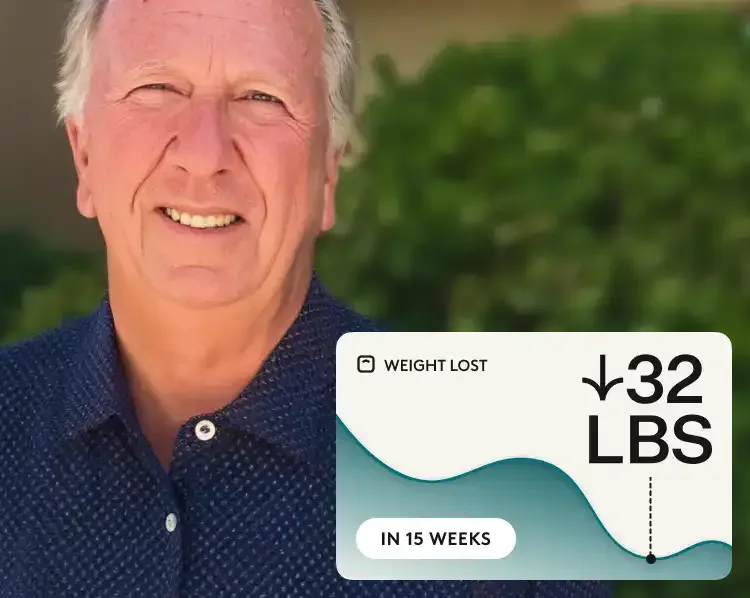
“Noom provided me with the medication which I could not get through Medicare. I have learned the tricks to better eating and life in general.”
Steve M. – Real Noom user
Daisy R. — Real Noom user
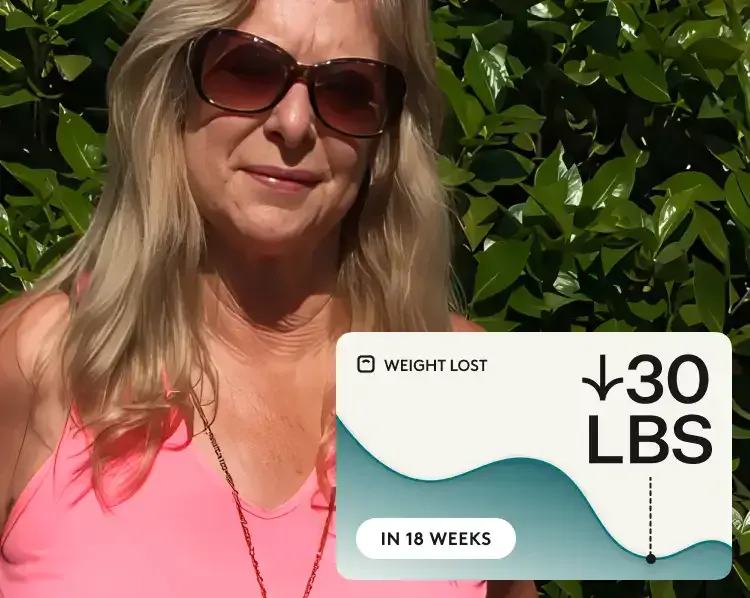
‘’Noom has changed my life and I’m so thankful, I feel great, have more energy and am no longer prediabetic.”
Daisy R. – Real Noom user
Sarah R. — Real Noom user
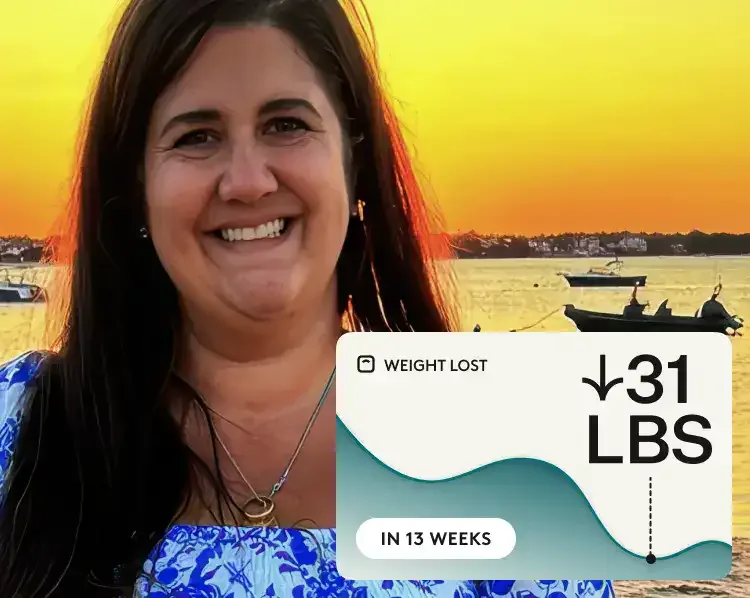
“All of the Noom providers that I’ve met with have been exceptional and prescribed medications that are appropriate for my situation and health.”
Sarah R. – Real Noom user
Madison S. — Real Noom user
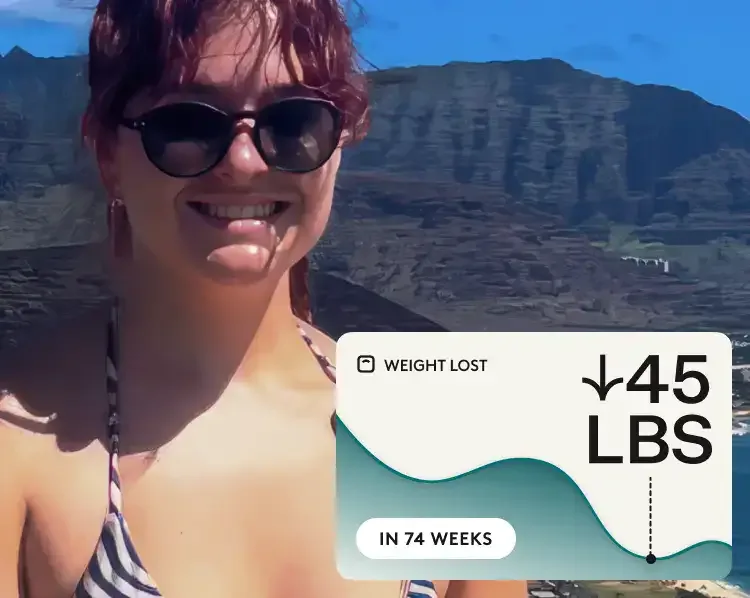
“Noom made the process so simple and now I feel full, free from diet obsession, and at ease in my body again.”
Madison S. – Real Noom user
Sonday K. — Real Noom user
“My doctor recommended Noom after I was frustrated trying to lose weight. The lessons helped change my relationship with food. My body feels lighter & energized.”
Sonday K. – Real Noom user
Cam K. — Real Noom user
“I built healthy habits with coaching and lessons that make me confident I can maintain my weight loss long term.”
Cam K. – Real Noom user
Laura TR. — Real Noom user
“With the right medication through Noom, hunger and sugar cravings finally quieted and I have the tools to break the cycle.”
Laura TR. – Real Noom user
Jessica S. — Real Noom user
“Cravings and food noise are gone, I finally feel confident in the healthy habits I’ve built to last with Noom.”
Jessica S. – Real Noom user
The bottom line: Burnjaro is a supplement and doesn’t work like Mounjaro®
Burnjaro trades on a name most people already associate with real, dramatic weight loss results—but the supplement itself hasn’t earned that association. Its formula shifts depending on where you buy it, its individual ingredients offer modest results at best, and none of it has been tested as the product actually sold.
Burnjaro borrows a name built on real, FDA-approved science, but the formula behind it isn’t the same thing—and it isn’t even a consistent formula from one source to the next. If you’re weighing a supplement against a prescription option, that’s a conversation worth having with a doctor.
If you are looking for guidance on habit building that can lead to sustained weight loss, sign up for a free trial of Noom. If you are interested in exploring your eligibility for weight loss medication, see if you qualify for Noom Med. Our licensed clinicians can evaluate your health history and determine whether a prescription medication like tirzepatide or semaglutide is right for you, prescribe it if needed, and then pair it with the coaching and habit-building tools to help results last.
Editorial standards
At Noom, we’re committed to providing health information that’s grounded in reliable science and expert review. Our content is created with the support of qualified professionals and based on well-established research from trusted medical and scientific organizations. Learn more about the experts behind our content on our Health Expert Team page.