

What you’ll learn:
- Metformin can support modest, gradual weight loss when used off-label, especially when combined with healthy lifestyle changes.
- Metformin works by improving insulin sensitivity and stabilizing blood sugar and can cause mild side effects like nausea or diarrhea.
- Generic metformin is inexpensive at just a few dollars a month.
If you’ve spent any time researching weight-loss medications, you may have noticed metformin coming up—even though it’s not technically a weight-loss drug. Often prescribed for type 2 diabetes, metformin has a long track record in metabolic health, and over time, clinicians started noticing something else: many people lost a modest amount of weight while taking it.
That’s led to a lot of questions. Does metformin actually help with weight loss? Who does it work best for? How does it compare to newer options like GLP-1 medications? And just as importantly, what does it cost?
Let’s walk through how metformin works in the body, what the research says about realistic weight-loss results, potential side effects, dosing basics, and how it stacks up against other medications like GLP-1s. Then you can decide, with your healthcare provider, whether metformin fits into a sustainable, long-term approach to weight management for you.
What is metformin?
Metformin is a commonly prescribed medication that helps lower blood sugar levels, most often used to treat type 2 diabetes. It works by reducing how much glucose the liver makes and improving how the body responds to insulin. While it’s not officially a weight-loss drug, it’s sometimes used off-label to support weight management—especially in people with insulin resistance or prediabetes.
How does metformin help people lose weight?
When combined with lifestyle changes like a healthy diet and regular exercise, metformin can help support weight loss in a couple of key ways:


- Increases appetite-suppressing molecules: Metformin appears to raise levels of a molecule associated with appetite regulation. This molecule is naturally elevated after intense exercise, a time when hunger is typically reduced. By mimicking this response, metformin may help curb cravings.
- Enhances insulin sensitivity: One of metformin’s primary roles is to help the body use insulin more effectively. Lowering glucose production in the liver and improving how cells respond to insulin and absorb glucose can reduce fat storage and promote a healthier metabolism.
- Balances blood sugar levels: Metformin helps keep blood sugar steady, preventing dramatic spikes and crashes.
The most important thing to know is that metformin isn’t a quick fix, and it doesn’t work the same for everyone. Weight changes are usually small and take time, and the medication works best when paired with sustainable habits like balanced meals, movement, and good sleep. It can also cause side effects (like nausea, bloating, or diarrhea), especially at the beginning. Starting with a low dose, taking it with food, or using an extended-release version can help. And while rare, it can contribute to low vitamin B12 levels over time, so it’s something worth checking if you use it long-term.
Who can take metformin for weight loss?
Metformin may be prescribed off-label for weight loss, typically for people with a BMI of 25 or greater, especially if they have insulin resistance, prediabetes, or polycystic ovary syndrome (PCOS). But the decision to prescribe metformin can vary based on individual health factors and a healthcare provider’s assessment.
How much weight can I lose taking metformin?
Studies consistently show modest but clinically meaningful weight loss, especially over time. What does that mean?
- In clinical trials, those who took metformin consistently lost an average of about 3.5% of their starting body weight over 12 months.
- Other studies in adults with elevated BMIs—including those with type 2 diabetes or prediabetes—show slightly higher average weight loss, an average of 7.3% over the same timeframe.
These results suggest that weight loss may be a bit greater for people with higher starting weights and some form of insulin resistance.
How long does it take to lose weight?
Metformin tends to work gradually, with most of the weight loss happening over the first 6 months to a year. That slower pace can actually help make the results more sustainable. Studies also show that people with prediabetes, insulin resistance, or higher starting BMIs often see the greatest percentage of weight loss, since metformin improves insulin sensitivity and glucose regulation in these groups.
It also works best when you pair it with lifestyle changes. People who combine metformin with improvements in diet and consistency are more likely to lose at least 5% of their body weight compared to using medication alone—highlighting that what you do day to day matters just as much as the prescription.
Metformin: Cost and insurance
Metformin is one of the most affordable prescription medications available, which is why it’s often used as a first-line option.
Metformin is available as both a low-cost generic and several brand-name versions. The generic form is what most people take and comes in both immediate-release (IR) and extended-release (ER) tablets.
Brand-name options are essentially different formulations of the same medication.
- Glucophage® is the original immediate-release version
- Glucophage XR® is an extended-release form designed to be taken once daily and may be easier on the stomach.
- Riomet® is a liquid option for people who have trouble swallowing pills.
- Glumetza® and Fortamet® are also extended-release versions that use different delivery systems, which can affect how the drug is absorbed and tolerated.
All of these are used to help manage blood sugar in type 2 diabetes, but they mainly differ in dosing, formulation, and cost.
Access GLP-1 Weight Loss with Noom
Explore a wide range of prescription medications supported by Noom’s program.Microdose GLP-1rx
Noom GLP-1rx
Noom GLP-1rx Plus
Wegovy®
Ozempic®

Metformin

Zepbound®
Mounjaro®
Liraglutide
Here’s a breakdown of what generic metformin and its brand-names typically cost:
| Type | Without insurance (cash price) | Notes |
|---|---|---|
| Generic metformin (IR) | $4–$20/month | Most commonly prescribed; very affordable |
| Generic metformin (ER) | $4–$29/month | Some plans require trying IR first |
| Glucophage® | $37/month | Insurance coverage varies; often more expensive than generic |
| Glucophage XR® | $42/month | Extended-release version |
| Riomet® | $672–$738/month | Liquid form; expensive without insurance |
| Glumetza® | $3,221–$3,691/month | Limited coverage; very high cash price |
| Fortamet® | $4,174–$4,664/month | Often requires prior authorization |
Here’s how insurance coverage typically works:
- Medicaid: Generally covers generic metformin when it’s prescribed for diabetes, prediabetes, or insulin resistance, often with little to no copay. Coverage is usually straightforward because metformin is considered a standard treatment for these conditions.
- Medicare Part D: Most plans cover generic metformin for approved metabolic uses, typically with very low copays (often around $0–$5 per month). Coverage is reliable when the prescription is tied to blood sugar or insulin-related diagnoses.
- Private insurance: Many private plans cover metformin for diabetes or prediabetes, but coverage can be less consistent when it’s prescribed specifically for weight loss, since that use is considered off-label. In those cases, some plans may deny coverage.
- Manufacturer and pharmacy discounts: While there aren’t brand-name manufacturer coupons for generic metformin, pharmacy discount programs, savings cards, and cash-pay pricing can significantly lower costs—sometimes to just a few dollars per month, even without insurance.
Read more: Metformin costs: With and without insurance coverage
Metformin: Dosage and how to take it for weight loss
Metformin is taken by mouth and adjusted slowly over time, with the goal of finding the lowest dose that works well for you with minimal side effects.
Metformin comes in two main forms, immediate- release (IR) and extended-release (ER), each with its own dosing guidelines. IR metformin is typically taken twice daily with meals, while ER versions are designed to be taken once daily and may be easier on the stomach.
Since weight loss is an off-label use for metformin, there isn’t an official, FDA-approved way to take it for this purpose, but dosing is usually as follows:
| Category | Immediate-release (IR) metformin | Extended-release (ER) metformin |
|---|---|---|
| Starting dose | Start at 500 mg twice daily or 850 mg once daily | 500 mg once daily with the evening meal |
| Dose escalation | The dose may be increased by 500 mg each week as tolerated. | Similar increase by 500 mg each week as tolerated. |
| Maintenance dose | Most people take between 500–2,550 mg per day, split into two or three doses. | Maintenance dose is typically 500–2,000 mg once daily. |
| Maximum dose | Up to 2,550 mg per day, | Up to 2,000 mg per day, |
Read more: Metformin dosage guide: Finding the right dose for weight loss
Metformin: Dosage adjustments and personalization
Think of your metformin dose as something that’s personalized over time. Healthcare providers typically start with a standard approach and then fine-tune it based on how your body responds. It’s important to remember that the considerations below are for weight loss, which is an off-label use for metformin, so it’s important to consult with your doctor about dose changes.
Situations that often require dose adjustments include:
- Side effects: Digestive issues like nausea, diarrhea, or stomach discomfort are the most common reason for dose changes. If this happens, your provider may slow down dose increases, lower your dose, or switch you to an extended-release version to make it easier to tolerate.
- Body weight and metabolic health: People with higher body weight, insulin resistance, or prediabetes may need higher doses to see benefits, while others do well on lower doses. Studies show that metformin tends to work best in people with insulin resistance, so dosing is often individualized.
- Kidney function: Your kidneys play a big role in clearing metformin from your body, so this is the most important factor. If kidney function is lower, providers may reduce the dose or avoid metformin altogether to prevent buildup and rare complications like lactic acidosis. That’s why regular kidney monitoring is standard if you’re taking it long-term.
- Age: Age alone doesn’t limit dosing, but adults over 65 are more likely to have reduced kidney function—even without symptoms. Because of this, providers usually take a more cautious approach, increasing doses more slowly and monitoring more closely.
Metformin: Tips for best weight loss results
Getting the most out of metformin isn’t just about the dose—it’s also about how and when you take it. A few simple habits can make the medication easier to tolerate and more effective over time.
- Take metformin at the same times each day: Metformin works best when taken at consistent times each day. If you’re on immediate-release metformin, it’s usually taken once or twice daily with meals, often breakfast and dinner. Extended-release (ER/XR) metformin is typically taken once daily with your evening meal, which many people find easier to remember and gentler on digestion. Sticking to a regular schedule helps stabilize blood sugar and improve long-term results.
- Take metformin with food: Always take metformin with food or right after eating. This is one of the most effective ways to reduce common side effects like nausea, bloating, cramping, and diarrhea—especially during the first few weeks. There aren’t specific foods you must avoid, but large amounts of refined carbs, sugary drinks, or alcohol can worsen stomach symptoms and make the medication harder to tolerate.
- Be intentional about dosing and habits to reduce side effects: Starting with a low dose and increasing slowly gives your digestive system time to adjust. If stomach issues linger, switching from immediate-release to extended-release metformin often helps. Staying well hydrated, eating balanced meals, and avoiding taking metformin on an empty stomach can also make a noticeable difference in how you feel day to day.
- Track your body’s changes: Pay attention to how your body responds over time. Useful things to track include digestive symptoms, appetite changes, energy levels, weight trends, and blood sugar markers if applicable. Noticing patterns—like fewer cravings or improved tolerance after dose changes—can help you and your healthcare provider decide whether your current routine is working or needs adjustment.
If you ever miss a dose, take it as soon as you remember—unless it’s close to your next scheduled dose, usually within 3 to 4 hours of the time you were supposed to take it, but confirm with your provider. In that case, skip the missed one and resume your normal schedule. Doubling up can increase side effects without adding benefits. Missing an occasional dose won’t undo your progress, but consistency over time is what helps metformin work best, so building it into a routine you can stick with is key.
What lifestyle changes should I make to lose weight on metformin?
While metformin can help improve insulin sensitivity and curb your appetite, it works best for weight loss when paired with healthy habits. Eating a balanced, lower-calorie, protein-rich diet, staying active, reducing stress, and getting enough sleep will all help you lose weight while taking metformin.
That’s where Noom comes in. Noom goes beyond just focusing on medications by offering a well-rounded, personalized approach to weight loss. It helps you tackle the psychological side of eating and build habits that stick.
- Eating a nutrient-dense diet: Fill your plate with colorful fruits and vegetables, lean proteins, whole grains, and healthy fats—so your meals are balanced and satisfying. Keep track of what you are eating to be sure you are eating enough protein to keep your muscle mass while you lose weight. Noom’s GLP-1 Companion will give you a protein target to hit to ensure you’re getting the right amount.
- Mindful eating: Focusing on what you are eating and enjoying it thoroughly can help you feel satisfied and ultimately eat less. Learn to pay attention to hunger and fullness cues, making meals more intentional and enjoyable.
- Finding movement you love: Whether it’s a quick walk, yoga, or strength training, Noom helps you figure out what works for your lifestyle and keeps you moving regularly.
- Reduce stress: Stress can impact both eating habits and overall health. Noom’s tools, like thought reframing and mindfulness exercises, can help you manage stress in healthier ways. Incorporating stress-reducing activities like deep breathing, journaling, or connecting with loved ones can prevent emotional eating and keep you focused on your goals.
- Improve your sleep: Quality sleep plays a critical role in weight management and overall wellness. Noom encourages creating a bedtime routine that supports better rest, such as limiting screen time before bed, maintaining a consistent sleep schedule, and managing stress in the evenings. Proper sleep helps regulate hunger hormones and can improve your ability to make healthier choices during the day.
By focusing on these core areas—nutrition, mindful eating, movement, stress management, and sleep—Noom helps you create a sustainable approach to weight loss that goes far beyond the scale.
If you qualify for Noom Med, you’ll get even more support. Noom Med connects you with a clinician who can determine if metformin is right for you and prescribe it if needed.
The best part? Your clinician will develop a plan that works for your unique goals and health history. And because weight loss is about more than just pills, they’ll guide you in building healthy habits, tackling obstacles, and creating lasting change with Noom’s tools and trackers.
Metformin: Side effects and safety
Metformin can cause side effects, mainly because it works directly in the gut and liver. By changing how glucose is absorbed and how food moves through the digestive system, it can temporarily upset digestion as your body adjusts—especially when you first start taking it or after a dose increase. Let’s take a look at the most common side effects and some more severe but rare side effects to watch out for.
Common side effects
- Nausea
- Diarrhea
- Stomach pain
- Loss of appetite
- Metallic taste in the mouth
Rare or severe side effects
- Lactic acidosis: This is a rare but serious condition affecting about 1 in 30,000 people, where lactic acid builds up in the bloodstream. Symptoms include muscle pain, severe tiredness, breathing problems, dizziness, abdominal pain, or an irregular heartbeat. People with kidney, liver, or heart issues, or those who drink heavily, are at a higher risk. If you notice these symptoms, call for emergency help right away.
- Kidney problems: If you notice swelling, fatigue, changes in urination, or shortness of breath, get immediate medical attention. Staying hydrated is a simple but effective way to support your kidneys.
- Allergic reactions: Allergic reactions are rare but serious. If you experience swelling, difficulty breathing, or a rash, seek immediate medical attention.
Read more: Metformin side effects: Symptom guide and management tips
FAQs about using metformin for weight loss
When you’re considering metformin for weight support, practical questions about daily use often come up. These common metformin for weight loss topics address real concerns about safely managing this medication alongside your lifestyle and health goals.
Can you drink alcohol while taking metformin?
Drinking alcohol can increase your risk of side effects like low blood sugar or lactic acidosis, according to studies. Moderation is key—stick to no more than one drink daily for women and two for men. Heavy drinking isn’t recommended while taking metformin, so discuss your alcohol habits with your healthcare provider for personalized guidance.
Read more: Metformin and alcohol: What you need to know
What happens if I miss a dose of metformin?
Take your missed dose as soon as you remember, unless it’s almost time for your next scheduled dose. Don’t double up to make up for the missed one. Missing a single dose usually isn’t harmful, but try to stick to your regular schedule for the best results.
How long can you safely take metformin?
Many people take metformin safely for years with proper monitoring—some studies show sustained benefits over decades. Your healthcare provider will check your kidney function and vitamin B12 levels regularly, since metformin can sometimes reduce B12 absorption over time. Regular check-ins help ensure ongoing safety and effectiveness.
Can you stop taking metformin at any time?
Don’t stop metformin suddenly without talking to your healthcare provider first. Stopping can affect blood sugar control and weight management progress. Your provider can help you stop safely if needed and discuss alternative approaches.
Reviews from real Noom users
Desirea N. — Real Noom user
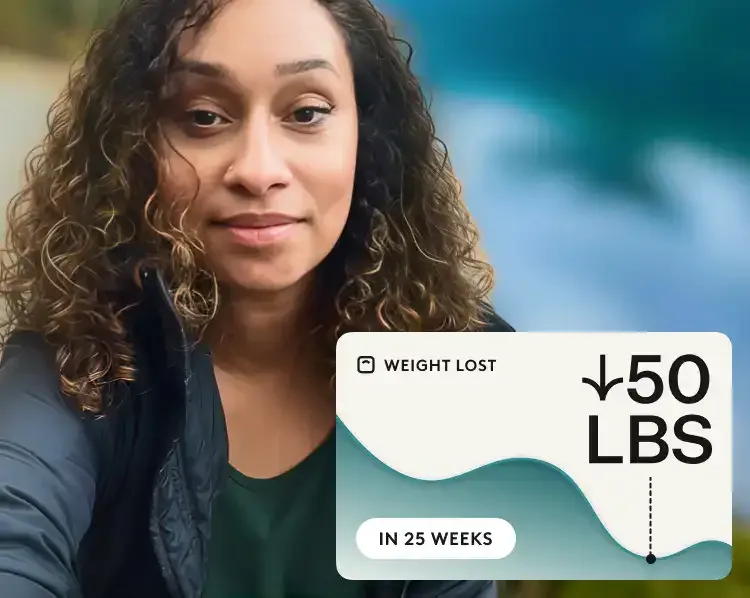
“My favorite parts of Noom are the care team and other Noomers. Sharing and getting help made me feel like I wasn’t doing it alone. That support made all the difference.”
Desirea N. — Real Noom user
Matthew M. — Real Noom user
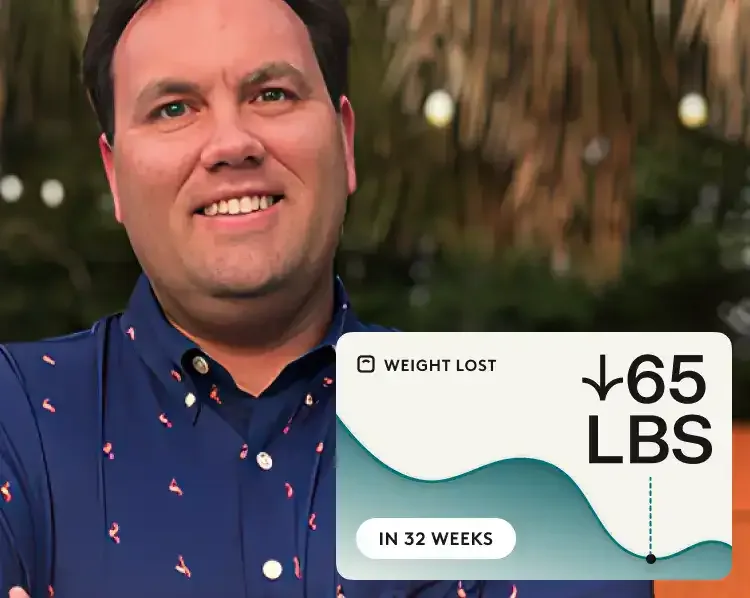
“Noom has taught me that every day is a new chance to make better, healthier choices. It's taught me how to stop overeating.’’
Matthew M. — Real Noom user
Lila M. — Real Noom user
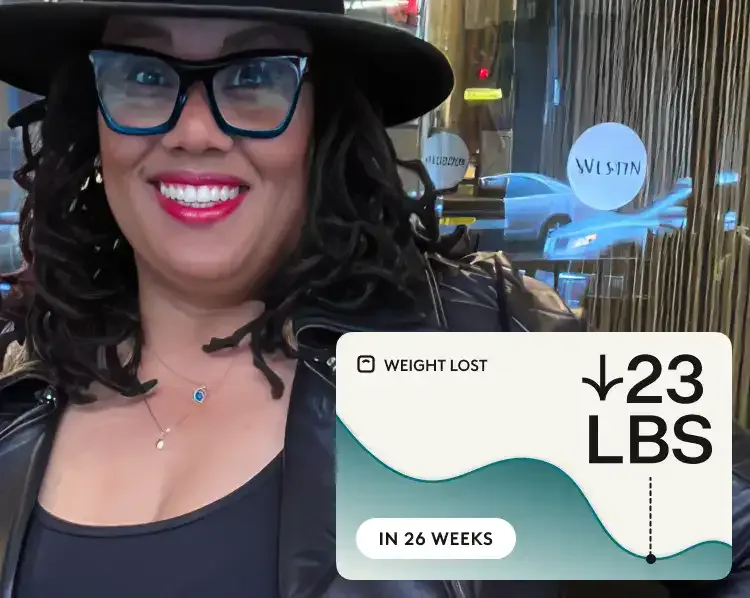
“Clinicians who understand how supportive medication can be is one of the best parts of Noom! I was convinced I wouldn’t have success but I’m down 11 pounds in two months.’’
Lila M. — Real Noom user
Steve M. — Real Noom user
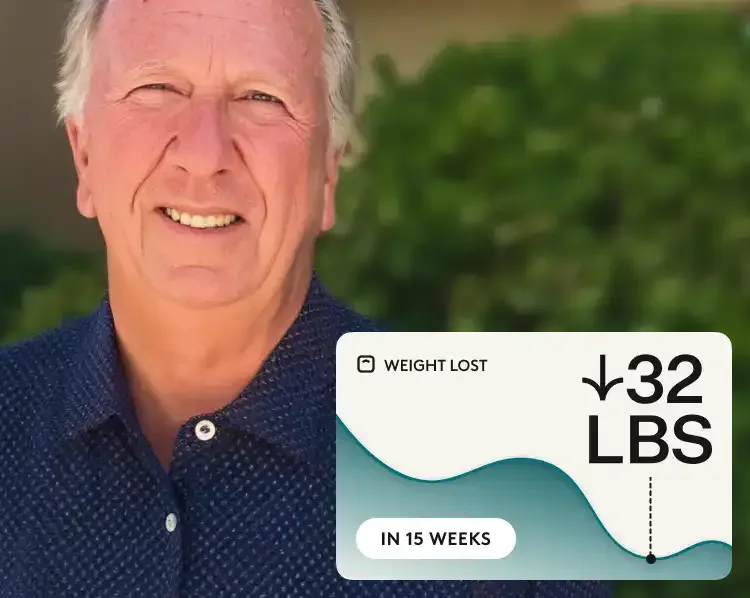
“Noom provided me with the medication which I could not get through Medicare. I have learned the tricks to better eating and life in general.”
Steve M. – Real Noom user
Daisy R. — Real Noom user
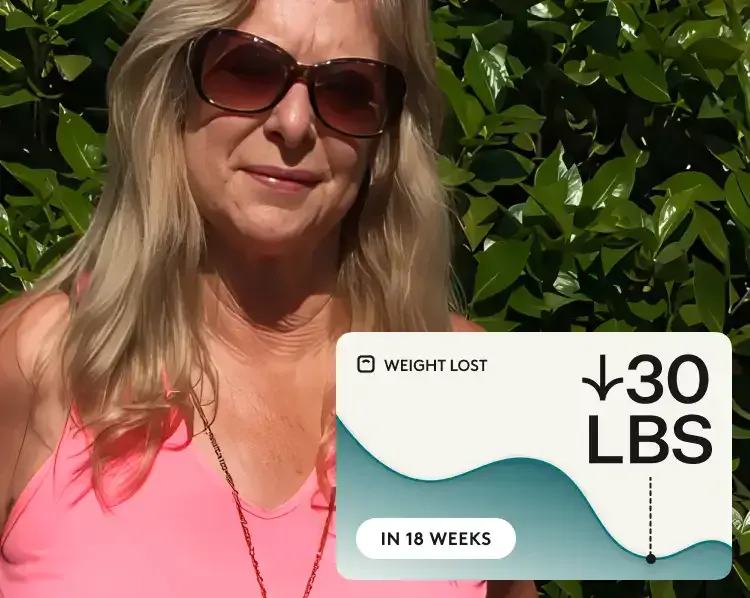
‘’Noom has changed my life and I’m so thankful, I feel great, have more energy and am no longer prediabetic.”
Daisy R. – Real Noom user
Sarah R. — Real Noom user
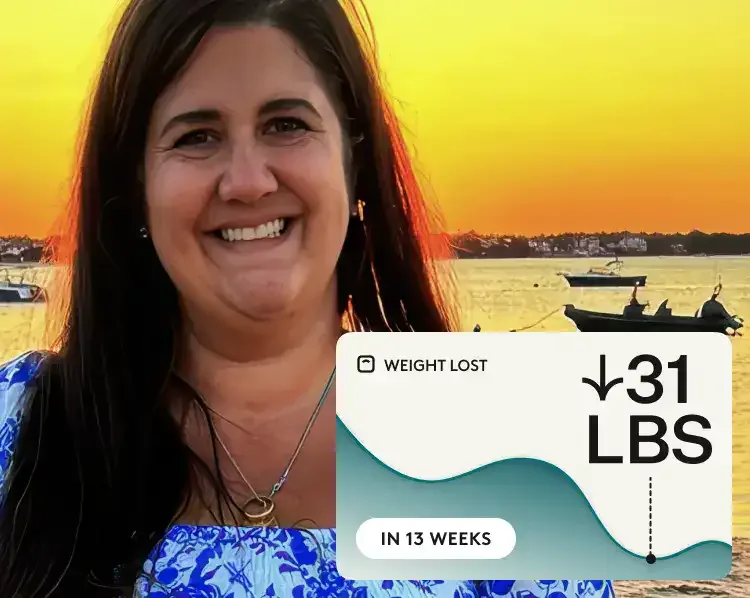
“All of the Noom providers that I’ve met with have been exceptional and prescribed medications that are appropriate for my situation and health.”
Sarah R. – Real Noom user
Madison S. — Real Noom user
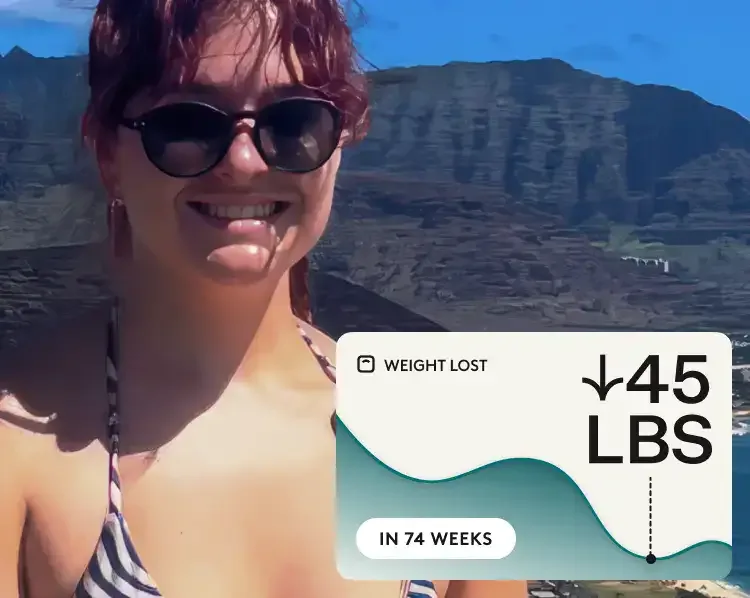
“Noom made the process so simple and now I feel full, free from diet obsession, and at ease in my body again.”
Madison S. – Real Noom user
Sonday K. — Real Noom user
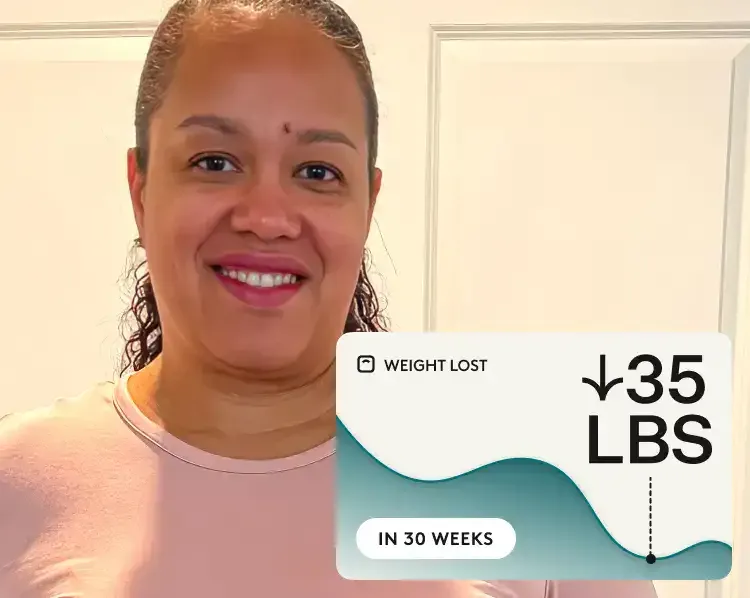
“My doctor recommended Noom after I was frustrated trying to lose weight. The lessons helped change my relationship with food. My body feels lighter & energized.”
Sonday K. – Real Noom user
Cam K. — Real Noom user
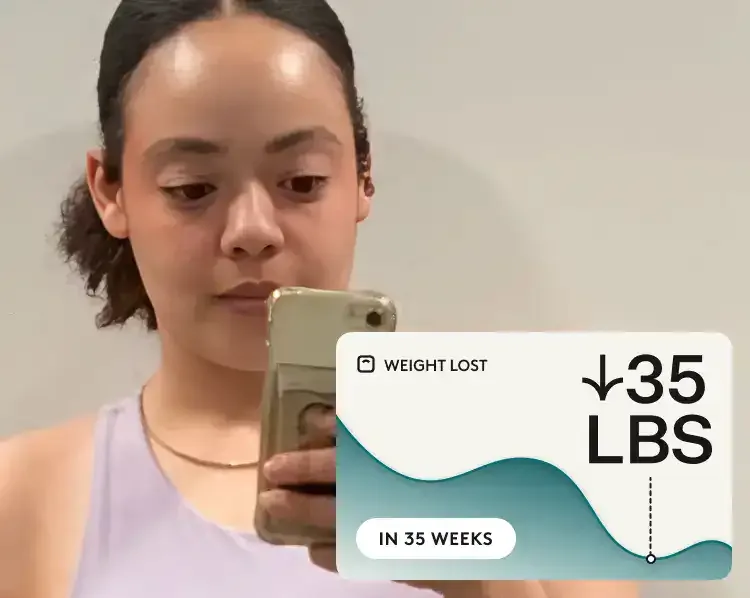
“I built healthy habits with coaching and lessons that make me confident I can maintain my weight loss long term.”
Cam K. – Real Noom user
Laura TR. — Real Noom user
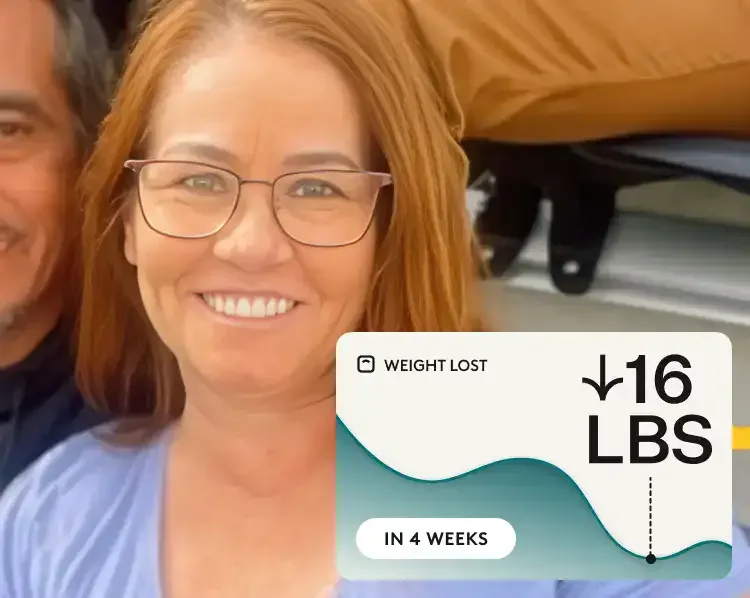
“With the right medication through Noom, hunger and sugar cravings finally quieted and I have the tools to break the cycle.”
Laura TR. – Real Noom user
Jessica S. — Real Noom user
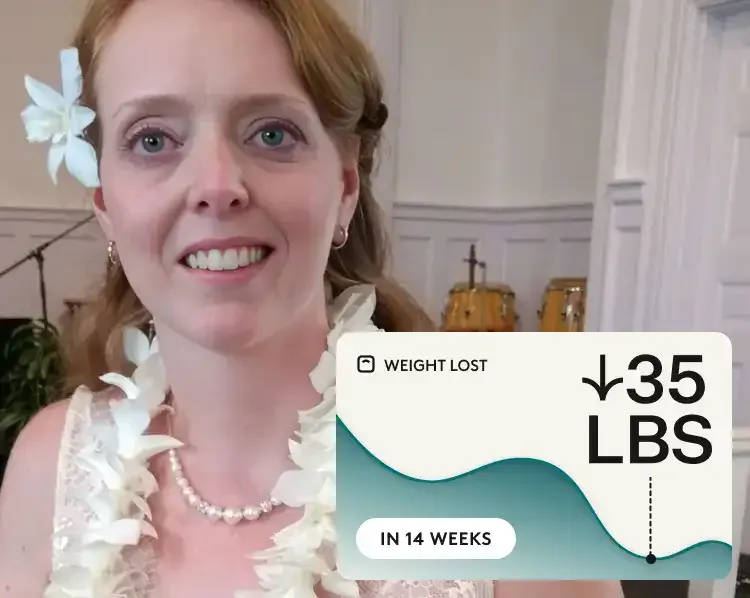
“Cravings and food noise are gone, I finally feel confident in the healthy habits I’ve built to last with Noom.”
Jessica S. – Real Noom user
The bottom line: Metformin can be moderately effective for weight loss
Metformin can be a helpful option for weight loss, especially for people dealing with insulin resistance or prediabetes. While it isn’t a quick fix or a dramatic weight-loss solution, it can support steady, meaningful progress when combined with balanced eating, regular movement, and realistic expectations. For many people, its biggest strengths are accessibility, affordability, and a long track record of safe use when taken as prescribed.
Just as important as effectiveness is making sure the medication fits you. Finding the right dose, managing side effects, and checking in regularly with a healthcare provider all play a role in long-term success.
If you’re considering metformin for weight loss, see if you qualify for Noom Med. Our metformin plan combines the medication with its behavior-change program. The program includes full access to Noom’s app and coaching tools, and medications are shipped directly to you. It costs $69 to get started, followed by $99 per month for 12-week medication supplies. The program focuses on the psychology of eating, habit building, and lifestyle changes that can support long-term weight loss.
Note: Metformin is not FDA-approved to treat obesity or for weight loss.
Editorial standards
At Noom, we’re committed to providing health information that’s grounded in reliable science and expert review. Our content is created with the support of qualified professionals and based on well-established research from trusted medical and scientific organizations. Learn more about the experts behind our content on our Health Expert Team page.