

What you’ll learn:
- Tirzepatide comes in six doses, ranging from 2.5 mg to 15 mg, taken as a once-weekly injection.
- Doses increase gradually, after at least four weeks at the current dose.
- Higher doses are associated with greater average weight loss in clinical trials, but not everyone needs the highest dose for results.
- Your healthcare provider will help determine the right dose based on your results and how well you tolerate the medication.
GLP-1 medications are reshaping the weight loss landscape as more people turn to them to lose weight and improve their overall health. But taking them isn’t as simple as swallowing a pill and waiting for results. Most GLP-1s are self-administered injections, and they require a step-up dosing schedule, where you start at a low dose and gradually increase based on how your body responds.
When you begin tirzepatide, the active ingredient in Zepbound® and Mounjaro®, slowly increasing the dose is essential. It helps minimize side effects like nausea or fatigue while supporting steady, sustainable weight loss—ideally around 1 to 2 pounds per week.
Finding the right dose takes time, but it’s critical for long-term success. The dose-by-dose results from the main weight-loss study are in the weight-loss-by-dose section below, and our guide on how long tirzepatide takes to work covers what to expect along the way.
Here’s how the dosing process works, starting with every approved dose in one place.
What is tirzepatide? Understanding the doses of Zepbound® and Mounjaro®
Tirzepatide is the active ingredient in Zepbound® and Mounjaro®, two once-weekly injectable medications. It works by mimicking two hormones, GLP-1 and GIP, that help regulate blood sugar, appetite, and digestion. Together, these effects can help you feel fuller longer, eat less, and lose weight.
Noom’s Most Powerful Program
A dual-pathway GLP-1 and behavior change for lasting results.
While Zepbound and Mounjaro contain the same medication and follow the same dosing schedule, they’re FDA-approved for different purposes.
What is Zepbound®?
Zepbound® is FDA-approved for weight management in adults with a BMI of 30 or higher, or 27 or higher with at least one weight-related condition, such as high blood pressure or high cholesterol. It’s also approved to treat moderate-to-severe obstructive sleep apnea in adults with obesity.
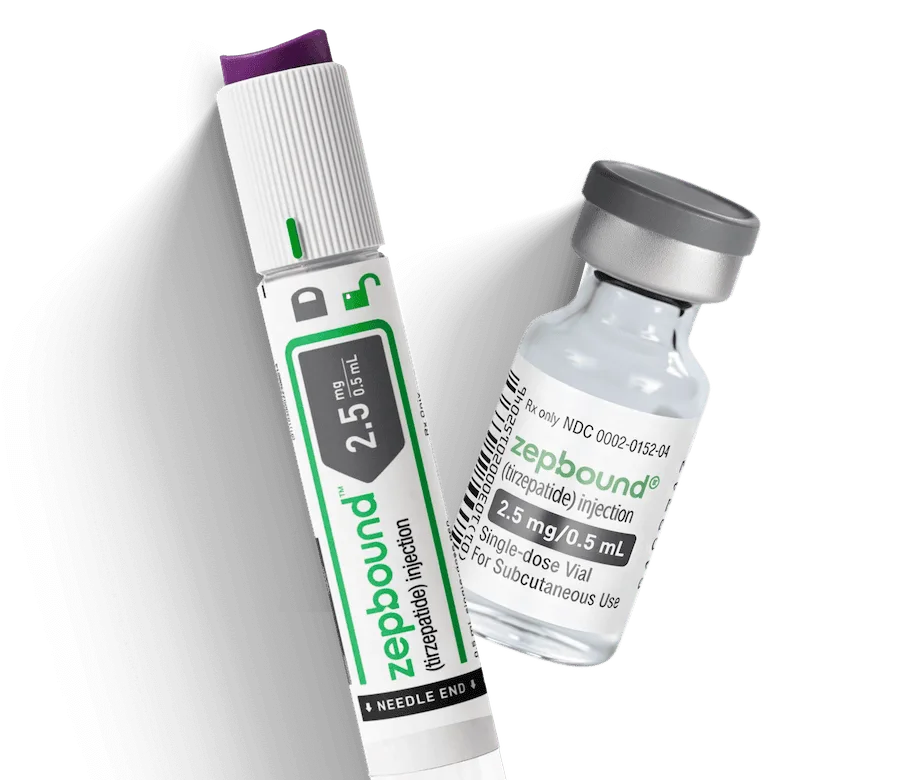
- How you take it: Once-weekly injection using a prefilled pen, single-dose vial and syringe, or multi-dose KwikPen.
- Available doses: 2.5 mg, 5 mg, 7.5 mg, 10 mg, 12.5 mg, and 15 mg.
What is Mounjaro®?
Mounjaro® is FDA-approved to improve blood sugar control in adults and children ages 10 and older with type 2 diabetes. Because it contains the same active ingredient as Zepbound, it can also lead to weight loss, although it isn’t FDA-approved specifically for that purpose.
- How you take it: Once-weekly injection.
- Available doses: 2.5 mg, 5 mg, 7.5 mg, 10 mg, 12.5 mg, and 15 mg.
Zepbound and Mounjaro contain the same active ingredient and use the same six dose strengths. The main difference is what they’re FDA-approved to treat.
Tirzepatide dosage chart: Every dose from 2.5 mg to 15 mg
Tirzepatide dosing starts at 2.5 mg once weekly for four weeks, then typically increases to 5 mg. From there, your healthcare provider may increase your dose in 2.5 mg steps after at least four weeks at your current dose, depending on your results and side effects.
Both Zepbound® and Mounjaro® follow the same dosing schedule, but Zepbound is FDA-approved for weight management, so we’ll focus on its recommended doses.
Here’s how the FDA-approved Zepbound dosing schedule works:
| Dose | When you might take it | What to know |
|---|---|---|
| 2.5 mg | Weeks 1–4 | Starting dose to help your body adjust; not a maintenance dose |
| 5 mg | Week 5 onward | First recommended maintenance dose for weight loss |
| 7.5 mg | Week 9 or later | Optional step up if more treatment effect is needed |
| 10 mg | Week 13 or later | Another recommended maintenance dose |
| 12.5 mg | Week 17 or later | Optional step before the highest dose |
| 15 mg | Week 21 or later | Highest approved dose and a recommended maintenance dose |
You don’t have to reach 15 mg to see results. The recommended maintenance doses for weight loss are 5 mg, 10 mg, and 15 mg. Your provider will help determine which dose is right for you based on how well the medication works and how you tolerate it.
Is the tirzepatide dose different for weight loss vs. diabetes?
Not necessarily. Zepbound and Mounjaro use the same six dose strengths and follow the same gradual dosing schedule. The main difference is what your healthcare provider is treating.
- For weight loss: Your provider will consider how much weight you’re losing, whether your appetite is changing, and any side effects you’re experiencing.
- For type 2 diabetes: Your provider will also monitor your blood sugar and A1c levels to determine whether your dose needs to change.
Clinical trials have found that higher doses of tirzepatide generally lead to greater average weight loss and larger reductions in A1c. But higher doses can also increase gastrointestinal side effects, so the highest dose isn’t necessarily the best choice for everyone.
Access GLP-1 Weight Loss with Noom
Explore a wide range of prescription medications supported by Noom’s program.
Microdose GLP-1rx
Noom GLP-1rx
Noom GLP-1rx Plus
Wegovy®
Ozempic®
Metformin
Zepbound®
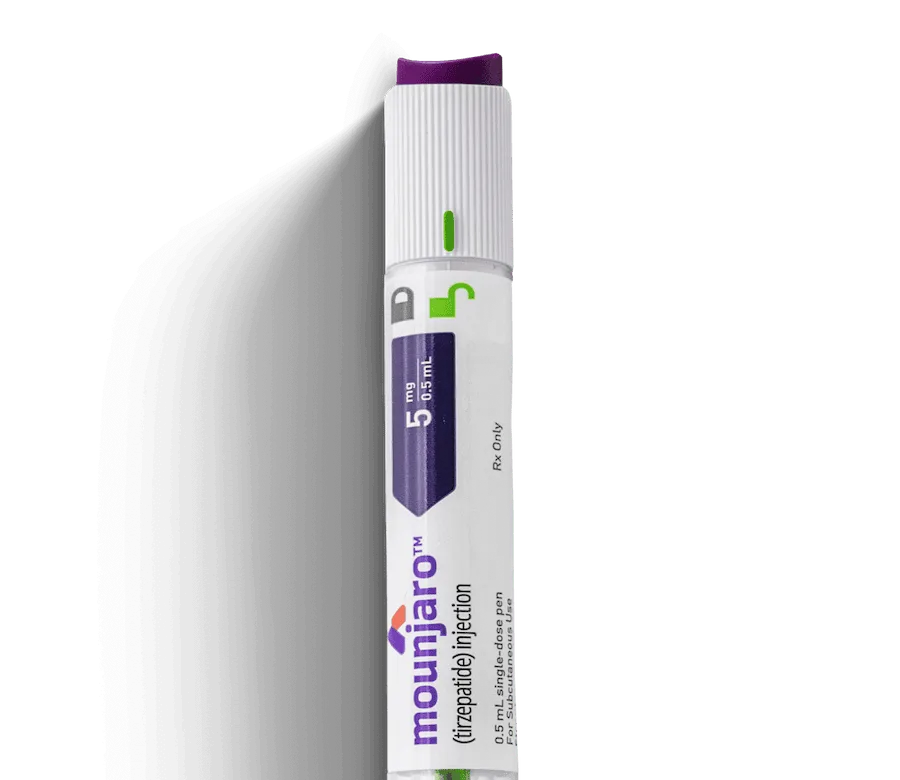
Mounjaro®
Liraglutide
People with type 2 diabetes also tend to lose less weight on tirzepatide than people without diabetes, even at similar doses. That’s important to keep in mind when comparing weight-loss results from different studies.
Tirzepatide dosage: Does the cost increase with higher doses?
The cost of tirzepatide can increase as your dose goes up, but it depends on whether you’re taking Zepbound® or Mounjaro®, how you’re paying, and whether you qualify for a savings program.
Both medications contain the same active ingredient and come in six doses, from 2.5 mg to 15 mg. But their prices and eligibility requirements differ, especially if you’re taking tirzepatide specifically for weight loss.
Does Zepbound cost more at higher doses?
Yes, if you’re paying out of pocket through LillyDirect. Zepbound single-dose vials and KwikPens start at $299 per month for the 2.5 mg dose, with prices increasing at higher doses. Eligible people who refill within 45 days can qualify for lower prices.
Here’s how Zepbound self-pay prices compare by dose:
| Zepbound dose | Monthly self-pay price |
|---|---|
| 2.5 mg | $299 |
| 5 mg | $399 |
| 7.5 mg | $449 with timely refill; otherwise $499 |
| 10 mg | $449 with timely refill; otherwise $699 |
| 12.5 mg | $449 with timely refill; otherwise $699 |
| 15 mg | $449 with timely refill; otherwise $699 |
Prices apply to eligible LillyDirect self-pay customers using Zepbound vials or KwikPens. Discounted prices for doses of 7.5 mg and higher require refilling within 45 days. Terms and conditions apply, and prices may change.
Does Mounjaro cost more at higher doses?
Mounjaro’s LillyDirect self-pay program advertises prices starting at $499 per month for all six doses, from 2.5 mg to 15 mg. That means the advertised starting price doesn’t increase as the dose goes up.
But if you’re taking Mounjaro specifically for weight loss, you may not qualify for that price.
Mounjaro is FDA-approved for type 2 diabetes and certain cardiovascular risk reduction in adults with type 2 diabetes, not weight loss. LillyDirect’s Mounjaro self-pay purchase terms require a prescription for an FDA-approved use, so an off-label prescription for weight loss alone doesn’t qualify for the advertised offer.
If you’re prescribed Mounjaro off-label for weight loss, you may have to pay the regular retail price, which can be substantially higher. Your insurance may also decline coverage because weight loss isn’t an approved indication for Mounjaro.
If your primary goal is weight loss, Zepbound is the FDA-approved tirzepatide option, and its self-pay program may be more accessible.
What if you have insurance or Medicare?
With insurance, your cost may stay the same even when your tirzepatide dose increases. Here’s what to know:
- Commercial insurance: Eligible people with coverage for Zepbound may pay as little as $25 per prescription with the manufacturer’s savings card. Mounjaro has a separate savings program, but eligibility generally requires an FDA-approved use.
- Medicare: Eligible Medicare Part D members may qualify for Zepbound through the Medicare GLP-1 Bridge Program for $50 per month, regardless of dose. Only the KwikPen is included. Mounjaro may be covered for type 2 diabetes, but not solely for weight loss.
- Medicaid: Coverage and out-of-pocket costs vary by state and by the condition being treated.
The bottom line: Increasing your tirzepatide dose doesn’t always mean paying more. Zepbound self-pay prices generally rise with dose, while Mounjaro’s advertised LillyDirect price stays the same. But that Mounjaro offer isn’t intended for off-label weight loss prescriptions, making Zepbound the more relevant option for people using tirzepatide specifically for weight management.
For more details, see our guides to tirzepatide costs without insurance and Zepbound costs without insurance, or use Noom’s Insurance Checker to explore your coverage options.
How much weight can you lose at each tirzepatide dose?
You don’t have to reach the highest dose of tirzepatide to see meaningful weight loss. Clinical studies show that people can lose weight at 5 mg, 10 mg, and 15 mg, although higher doses tend to produce greater average results.

The Easy Way
to lose weight and get healthy.
In a 72-week clinical trial involving more than 2,500 adults with obesity or overweight and a weight-related health condition, participants without diabetes lost an average of:
| Tirzepatide dose | Average weight loss | Average weight lost starting at 200 lbs |
|---|---|---|
| 5 mg | 15% | 30 lbs |
| 10 mg | 19.5% | 39 lbs |
| 15 mg | 20.9% | 42 lbs |
These results reflect average weight loss over 72 weeks, including participants who discontinued treatment. People taking a placebo lost an average of 3.1% of their body weight. Individual results will vary.
Does a higher dose of tirzepatide mean more weight loss?
Generally, yes. In the study, people taking 15 mg lost an average of about 21% of their starting weight, compared with 15% at 5 mg.
But that doesn’t mean everyone needs to reach 15 mg. Higher doses can also increase the risk of side effects, particularly nausea, vomiting, and diarrhea. And some people may see meaningful results at lower doses without needing to increase.
Your healthcare provider will consider your weight-loss progress, side effects, and overall health when deciding whether to adjust your dose.
It’s also important to remember that weight loss happens gradually. These results reflect 72 weeks of treatment, not what you can expect in the first few months.
Wondering when you’ll start seeing changes? Read our guide on how long tirzepatide takes to work.
How do you know if your tirzepatide dose is working?
The right tirzepatide dose is one that helps you make progress toward your weight-loss goals while keeping side effects manageable. You don’t necessarily need to increase your dose if you’re seeing results and feeling good.
Your healthcare provider will consider several factors when deciding whether to keep your dose the same or adjust it, including how much weight you’re losing, changes in your appetite, and any side effects you’re experiencing.
Signs you might need to adjust your tirzepatide dose
Here are a few things to discuss with your provider:
- You’re not seeing much weight loss. If you’ve been taking the same dose for a while and aren’t seeing progress, your provider may recommend increasing it. Keep in mind that weight loss takes time, especially at the starting doses.
- Your appetite hasn’t changed much. Tirzepatide helps reduce hunger and increase fullness. If you’re still experiencing significant hunger or having trouble feeling satisfied after meals, your provider may consider whether a higher dose could help.
- You’re experiencing persistent side effects. If nausea, vomiting, diarrhea, or other side effects are difficult to manage, your provider may recommend staying at your current dose longer or adjusting your treatment.
- Your weight loss has slowed or plateaued. Weight-loss plateaus are common and don’t always mean your medication has stopped working. Your provider can help determine whether a dose adjustment or changes to your eating and activity habits might help.
Remember: Increasing your dose isn’t always necessary. If you’re losing weight steadily and tolerating your medication well, staying at your current maintenance dose may be the best approach.
Side effects can temporarily increase after a dose change, but they often improve as your body adjusts. If symptoms are severe or persistent, contact your healthcare provider rather than waiting for them to go away.
Not sure whether your results are on track? See our guide on how long tirzepatide takes to work.
How to take tirzepatide
Both Zepbound® and Mounjaro® are taken as once-weekly injections under the skin. Depending on your prescription, you may use a prefilled pen, a vial and syringe, or a multi-dose KwikPen.
The steps for preparing and injecting tirzepatide differ by device. This section provides a general overview, not step-by-step injection instructions. Before taking your medication, review the official Instructions for Use that come with your prescription and ask your healthcare provider or pharmacist to show you how to use your specific device.
Where and when do you inject tirzepatide?
Tirzepatide is injected under the skin (subcutaneously), not into a muscle or vein. Approved injection areas include:
- Stomach (abdomen): At least two inches away from your belly button.
- Thigh: The front of your upper thigh.
- Upper arm: The back of your upper arm, with help from another person.
You should rotate your injection site each week, even if you prefer using the same general area.
Tirzepatide can be taken at any time of day, with or without food. Choose a consistent day each week to help you remember your dose. If you need to change your injection day, make sure at least 72 hours have passed between doses.
For more information, see our guide on where to inject tirzepatide.
How do you use a tirzepatide pen, vial, or KwikPen?
Zepbound and Mounjaro are available in different injection formats, and each has its own preparation, injection, storage, and disposal instructions.
- Single-dose pen: A prefilled device designed to deliver one dose.
- Single-dose vial: Contains one dose that must be drawn into a syringe before injection.
- Multi-dose KwikPen: Contains four weekly doses in one device and requires specific preparation and handling.
Always follow the manufacturer’s official Instructions for use for your prescribed medication and device:
- Zepbound official prescribing information and Instructions for Use
- Mounjaro official prescribing information and Instructions for Use
These instructions explain how to prepare and administer your dose, check the medication, store it correctly, and safely dispose of used needles or devices.
If you’re unsure about any step, contact your pharmacist or healthcare provider before injecting. Don’t rely on instructions for a different device, even if it contains the same medication.
For additional background, see our guide on how to inject Zepbound.
How should you store tirzepatide?
Both Zepbound and Mounjaro generally need to be refrigerated, but storage instructions vary depending on whether you’re using a single-dose pen, vial, or multi-dose KwikPen.
Here’s what to know:
- Refrigeration: Unopened tirzepatide should generally be stored in the refrigerator at 36°F to 46°F (2°C to 8°C).
- Room temperature: Some single-dose pens and vials can be kept at room temperature for up to 21 days, but the temperature limits and instructions for returning them to the refrigerator depend on the product.
- Multi-dose devices: KwikPens and multi-dose vials have different storage and disposal requirements, including limits on how long they can be used after the first dose.
- Freezing: Never freeze tirzepatide or use medication that has been frozen.
Always check the official storage instructions for your specific medication and device, especially if it has been left out of the refrigerator. Don’t assume the same rules apply to every format.
For complete instructions, see the manufacturer’s Zepbound prescribing information or Mounjaro prescribing information.
What happens if you miss a dose of tirzepatide?
It’s important to keep your dosing schedule with Zepbound® or Mounjaro®, especially since you only take it once a week. If you do miss a dose, here’s what to do depending on your situation:
Both Zepbound and Mounjaro follow the same missed-dose rule. If it’s been four days (96 hours) or less since your scheduled dose, take it as soon as possible, then resume your regular weekly schedule. If more than four days have passed, skip the missed dose and take your next dose on your regularly scheduled day.
| Scenario | Zepbound | Mounjaro |
|---|---|---|
| Within 4 days (96 hours) of the missed dose | Administer as soon as possible, then resume the regular weekly schedule | Administer as soon as possible, then resume the regular weekly schedule |
| More than 4 days past the missed dose | Skip the missed dose; administer the next dose on the regularly scheduled day | Skip the missed dose; administer the next dose on the regularly scheduled day |
| Changing the day of the week | Allowed if at least 3 days (72 hours) separate the two doses | Allowed if at least 3 days (72 hours) separate the two doses |
If you miss several doses, contact your healthcare provider before restarting. They can guide you safely back onto a dosing schedule.
Important reminder: Never double up on doses to “catch up.” Double dosing raises the risk of nausea, vomiting, and low blood sugar (especially if you have diabetes).
Tirzepatide can be effective for weight loss, but like all medications, it comes with potential side effects and risks. The most common are digestive issues, such as nausea, vomiting, diarrhea, and constipation. These often happen when you first start treatment or increase your dose, and many improve as your body adjusts.
Tirzepatide can also cause less common but serious problems, including pancreatitis, gallbladder issues, and severe allergic reactions. It also carries an FDA boxed warning about thyroid tumors observed in animal studies and a newer warning about a potential risk of a rare vision condition called NAION.
So, does taking a higher dose increase your risk of side effects? For some side effects, yes, but the relationship isn’t always straightforward. Some digestive symptoms become more common as the dose increases, while others stay relatively consistent or even become less common. Severe digestive reactions were also reported more frequently at higher doses.
Here’s what the research shows about side effects at different doses, the more serious risks to know about, and when to seek medical attention.
Tirzepatide side effects by dose
Digestive symptoms are the most frequently reported side effects of tirzepatide. While they’re usually mild to moderate, they can sometimes be severe enough to interfere with daily activities or require stopping treatment.
Here’s how often people reported common digestive side effects in clinical trials of Zepbound:
| Side effect | 5 mg | 10 mg | 15 mg | Placebo |
|---|---|---|---|---|
| Nausea | 25% | 29% | 28% | 8% |
| Diarrhea | 19% | 21% | 23% | 8% |
| Vomiting | 8% | 11% | 13% | 2% |
| Constipation | 17% | 14% | 11% | 5% |
| Stomach pain | 9% | 9% | 10% | 5% |
| Indigestion | 9% | 9% | 10% | 4% |
Percentages reflect the proportion of participants reporting each side effect in two weight-management trials, including adults with and without type 2 diabetes.
Here’s what stands out when comparing side effects across doses:
- Nausea is the most common side effect. It becomes slightly more common at 10 mg, then dips at 15 mg, rather than increasing steadily with each dose.
- Diarrhea and vomiting increase with dose. Both were reported more frequently at higher doses, although the differences between doses were relatively small.
- Constipation becomes less common. Unlike diarrhea and vomiting, constipation rates actually decreased as doses increased.
- Stomach pain and indigestion stay fairly consistent. Neither showed much difference across the three doses.
Most nausea, vomiting, and diarrhea occurred during dose increases and tended to improve over time. But severe digestive reactions can occur at any dose. In clinical trials, these affected 1.7% of people taking 5 mg, 2.5% taking 10 mg, and 3.1% taking 15 mg.
If side effects are persistent or difficult to manage, talk with your healthcare provider before increasing your dose. Seek medical care for severe symptoms, particularly if you’re unable to keep fluids down.
For tips on managing symptoms, see our guide to tirzepatide side effects.
What are the serious side effects of tirzepatide?
Tirzepatide can also cause less common but potentially serious side effects. Some require immediate medical attention, even if you’ve been taking the medication without problems.
According to the FDA-approved prescribing information, these include:
- Pancreatitis: Tirzepatide has been linked to inflammation of the pancreas, though it’s uncommon. Symptoms include severe stomach pain, sometimes with vomiting. Stop taking tirzepatide and seek immediate medical attention if you suspect pancreatitis.
- Gallbladder problems: Weight loss, especially when it’s rapid, can increase the risk of gallstones. Tirzepatide has been associated with gallstones and gallbladder inflammation, which can cause upper abdominal pain or fever.
- Kidney problems: Vomiting and diarrhea from tirzepatide can cause dehydration, which may lead to kidney injury. Signs include decreased urination or dizziness.
- Low blood sugar (hypoglycemia): Because tirzepatide lowers blood sugar, it can sometimes cause levels to drop too low, especially when combined with insulin or certain diabetes medications. Symptoms include shakiness or sweating.
- Serious allergic reactions: Some people may have an allergic reaction to tirzepatide or its ingredients. Rare, severe reactions can cause swelling of the face or throat or difficulty breathing.
- Diabetic retinopathy complications: Tirzepatide can lower blood sugar quickly, which may temporarily worsen existing diabetes-related eye damage. Symptoms can include blurry vision.
- NAION (a rare vision condition): The FDA added a warning in November 2026 after studies suggested a possible association between tirzepatide and NAION, a condition involving reduced blood flow to the optic nerve. It can cause sudden, painless vision loss, but a direct causal link hasn’t been established. Seek immediate medical attention for sudden vision changes. Learn more about Zepbound and NAION.
Tirzepatide also carries an FDA boxed warning about thyroid C-cell tumors observed in animal studies. No causal link has been established in humans, but it’s unknown whether tirzepatide increases the risk. People with a personal or family history of medullary thyroid carcinoma (MTC) or multiple endocrine neoplasia syndrome type 2 (MEN 2) shouldn’t take tirzepatide.
The important thing to remember: Serious complications are less common than digestive side effects, but they should be understood. Contact your healthcare provider about persistent or unusual symptoms, and seek immediate medical attention for sudden vision changes, severe abdominal pain, or signs of a serious allergic reaction.
Who shouldn’t take tirzepatide?
Tirzepatide isn’t appropriate for everyone. You shouldn’t take Zepbound or Mounjaro if you:
- Have a personal or family history of medullary thyroid carcinoma (MTC), a rare type of thyroid cancer.
- Have multiple endocrine neoplasia syndrome type 2 (MEN 2).
- Have had a serious allergic reaction to tirzepatide or any of its ingredients.
You should also talk with your healthcare provider before starting tirzepatide if you have a history of pancreatitis, gallbladder disease, severe digestive problems, or diabetic retinopathy.
Pregnancy and breastfeeding: Tirzepatide should be discontinued if pregnancy occurs because it may harm a developing baby. If you’re breastfeeding, discuss the potential risks and benefits with your provider, as information about its effects on breastfed infants remains limited.
Tirzepatide can also make oral birth control pills less effective. If you use oral contraceptives, the prescribing information recommends adding a barrier method or switching to a non-oral method for four weeks after starting treatment and for four weeks after each dose increase.
For complete safety information, review the prescribing information for Zepbound® and Mounjaro®.
FAQs about tirzepatide dosage and weight loss
Is 5 mg of tirzepatide enough to lose weight?
Yes, it can be. In clinical trials, people taking 5 mg lost an average of 15% of their starting weight over 72 weeks. While higher doses led to more weight loss on average, not everyone needs to increase their dose to see results. Learn more about which Zepbound dose is most effective.
Will I lose more weight on 10 mg or 15 mg of tirzepatide?
Possibly. In clinical trials, people taking 15 mg lost about 21% of their starting weight, compared with about 20% at 10 mg, over 72 weeks. But individual results vary, and higher doses can also mean more side effects. The best dose is one that works for you and that you can tolerate.
Can I stay on the same tirzepatide dose if it’s working?
Yes. You don’t have to keep increasing your dose if you’re getting the results you need. For Zepbound, 5 mg, 10 mg, and 15 mg are the recommended maintenance doses for weight management. Your provider can help you decide when to stay at your current dose and whether adjustments are needed after reaching your goal. Learn more about tirzepatide maintenance dosing after weight loss.
What happens if I stop losing weight on my current dose?
Weight-loss plateaus are common and don’t necessarily mean tirzepatide has stopped working. Your provider may review your progress, eating habits, activity, and current dose before deciding whether an increase makes sense. Learn more about what to do when you hit a tirzepatide plateau.
Can I increase my tirzepatide dose sooner than four weeks?
No. FDA-approved dosing instructions require staying on a dose for at least four weeks before increasing it. Moving up too quickly can increase the risk of digestive side effects. If you’re concerned about how quickly you’re seeing results, remember that tirzepatide weight loss takes time.
What happens if I miss a dose of tirzepatide?
If it’s been four days (96 hours) or less since your scheduled dose, take it as soon as possible. If more than four days have passed, skip the missed dose and take your next dose on your regular day. Never take two doses within 72 hours of each other.
Reviews from real Noom users
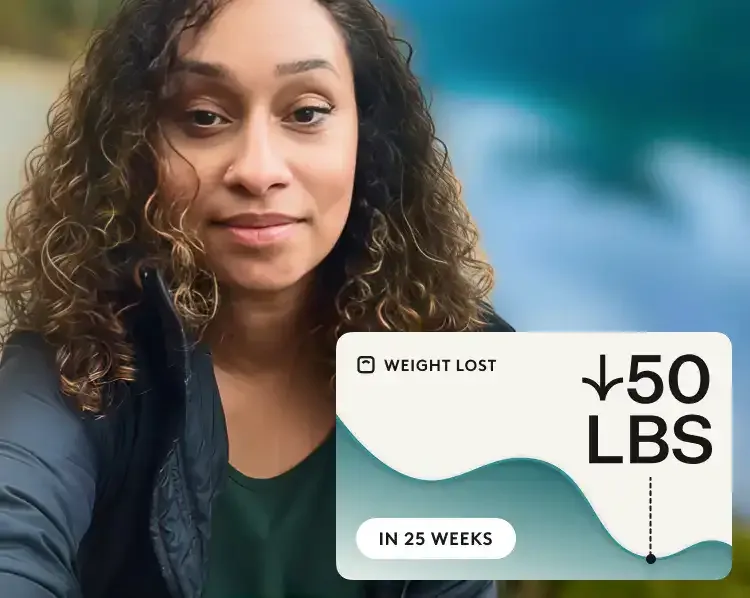
“My favorite parts of Noom are the care team and other Noomers. Sharing and getting help made me feel like I wasn’t doing it alone. That support made all the difference.”
Desirea N. — Real Noom user
“Noom has taught me that every day is a new chance to make better, healthier choices. It’s taught me how to stop overeating.”
Matthew M. — Real Noom user
“Clinicians who understand how supportive medication can be is one of the best parts of Noom! I was convinced I wouldn’t have success but I’m down 11 pounds in two months.”
Lila M. — Real Noom user
“Noom provided me with the medication which I could not get through Medicare. I have learned the tricks to better eating and life in general.”
Steve M. – Real Noom user
“Noom has changed my life and I’m so thankful, I feel great, have more energy and am no longer prediabetic.”
Daisy R. – Real Noom user
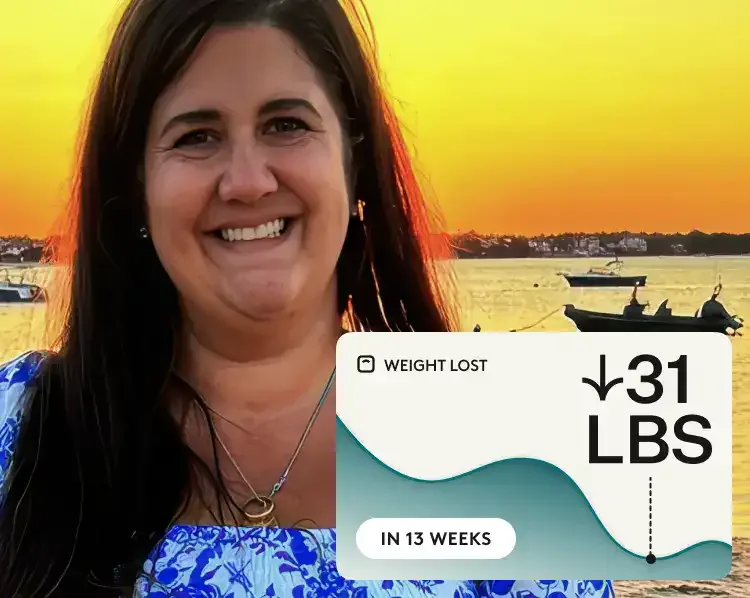
“All of the Noom providers that I’ve met with have been exceptional and prescribed medications that are appropriate for my situation and health.”
Sarah R. – Real Noom user
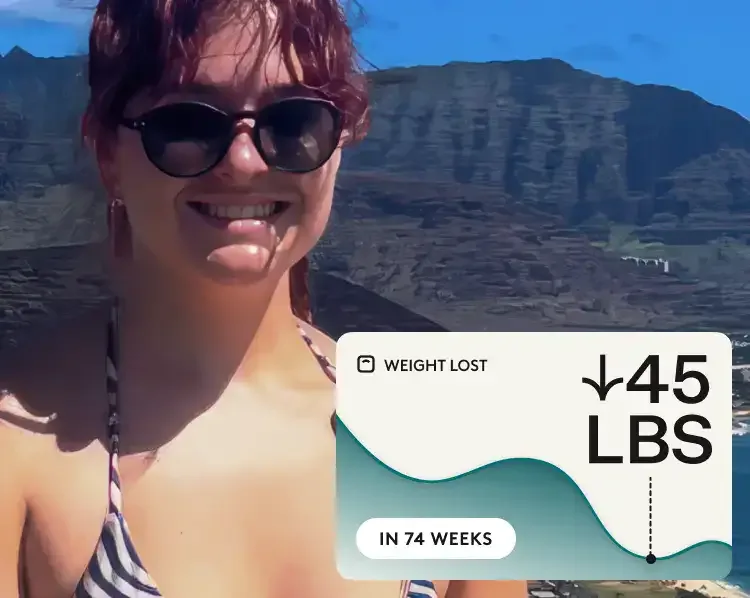
“Noom made the process so simple and now I feel full, free from diet obsession, and at ease in my body again.”
Madison S. – Real Noom user
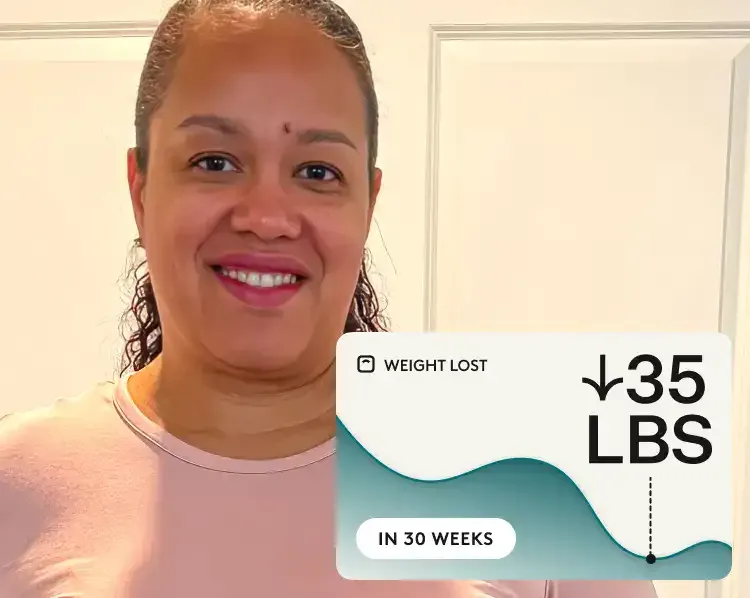
“My doctor recommended Noom after I was frustrated trying to lose weight. The lessons helped change my relationship with food. My body feels lighter & energized.”
Sonday K. – Real Noom user
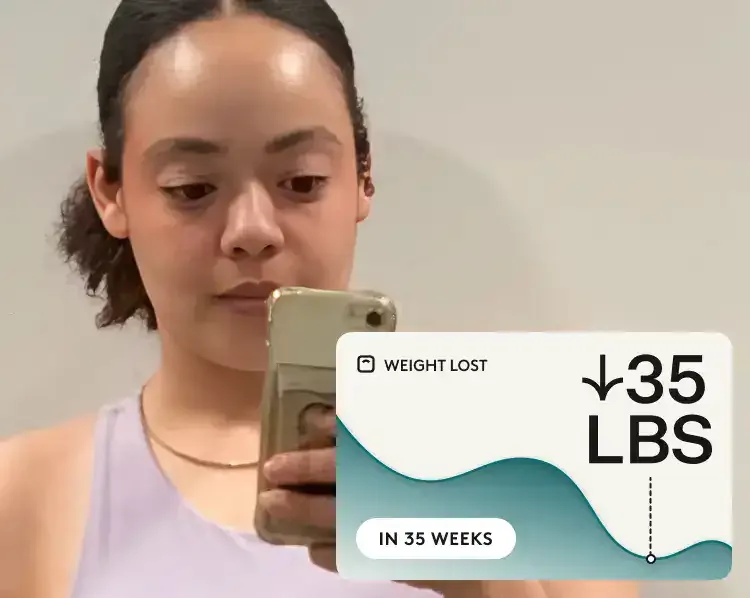
“I built healthy habits with coaching and lessons that make me confident I can maintain my weight loss long term.”
Cam K. – Real Noom user
“With the right medication through Noom, hunger and sugar cravings finally quieted and I have the tools to break the cycle.”
Laura TR. – Real Noom user
“Cravings and food noise are gone, I finally feel confident in the healthy habits I’ve built to last with Noom.”
Jessica S. – Real Noom user
The bottom line: Find the right tirzepatide dose for you for the best results
Zepbound® and Mounjaro® contain the same active ingredient, tirzepatide, and follow the same gradual dosing schedule, from 2.5 mg to a maximum of 15 mg once weekly. But they’re approved for different conditions: Zepbound for weight management and moderate-to-severe obstructive sleep apnea in adults with obesity, and Mounjaro for type 2 diabetes. That distinction can also affect insurance coverage and how much you pay.
Higher doses tend to produce greater weight loss on average, but they can also increase side effects. And while some people benefit from reaching 15 mg, others see meaningful results at lower doses. Finding the right dose means balancing your progress, how well you tolerate the medication, and what makes sense for your health and budget. Your healthcare provider can help you make those decisions as your treatment progresses.
If you’re considering Zepbound or another GLP-1 medication for weight loss, Noom can help you explore your options. If medication is appropriate, a licensed clinician can guide your treatment and dosing decisions, while Noom’s behavior-change tools help you build sustainable habits that support weight management over time.
For brand-specific depth, see our Zepbound dosage guide.
Mounjaro® is not FDA-approved to treat obesity or for weight loss.
Editorial standards
At Noom, we’re committed to providing health information that’s grounded in reliable science and expert review. Our content is created with the support of qualified professionals and based on well-established research from trusted medical and scientific organizations. Learn more about the experts behind our content on our Health Expert Team page.