
What you’ll learn:
- Switching from Zepbound® (tirzepatide) to Wegovy® (semaglutide) is usually driven by insurance changes, cost, side effects, or weight loss results.
- There is no official dose-for-dose conversion, so your provider will choose a Wegovy® starting dose based on your treatment history and response to Zepbound®.
- Both medications can be effective for weight loss, but you may respond better to one or the other.
Losing weight is rarely ever a straight line because no two people are the same. So much of it has to do with individual differences in biology, starting weight, eating habits, exercise levels, hormones, age, and more. This is why it’s beneficial to have choices when you’re looking into medications to help you lose weight.
Two big options that people have been choosing between for a few years are Zepbound® (tirzepatide) and Wegovy® (semaglutide) injections. While Zepbound® is typically associated with higher average rates of weight loss versus Wegovy®, if you’ve been taking Zepbound® and it isn’t working for you for one reason or another, you might think about moving to Wegovy®. This is especially true now that a higher-dose version, Wegovy® HD (7.2 mg), was approved in 2026—for those who aren’t seeing the results they expect on Zepbound®, this newer, higher-strength option might be worth considering.
But weight loss is just one reason people think about switching from Zepbound® to Wegovy®. Insurance coverage, cost, and side effects can all play a role.
In this guide, we’ll walk through why people switch from injectable Zepbound® to injectable Wegovy®, how the transition process typically works, potential side effects, and what to expect from a weight-loss perspective.
How Zepbound® and Wegovy® differ and why switching requires guidance
There’s no simple conversion for switching between the two because these are two different medications.
Wegovy is made with the active ingredient semaglutide, which mimics a single hormone, GLP-1 (glucagon-like peptide-1). Tirzepatide mimics two hormones: GLP-1 and GIP (glucose-dependent insulinotropic polypeptide). Both activate receptors in the brain, gut, and pancreas to reduce appetite, slow digestion, and stabilize blood sugar, but the molecules and dose ranges are entirely different.
Both are once-weekly injections you give yourself in the abdomen, thigh, or upper arm, with or without food, so on paper the routine looks the same. But “both are injectables” hides some real differences in how you actually take them, starting with the device:
- Zepbound®:
- Through insurance: a single-dose prefilled pen.
- Paying cash through LillyDirect: The option of a single-dose vial with a syringe, where you draw the dose up and inject it yourself, or the multi-dose KwikPen®, which holds four weekly doses in one device.
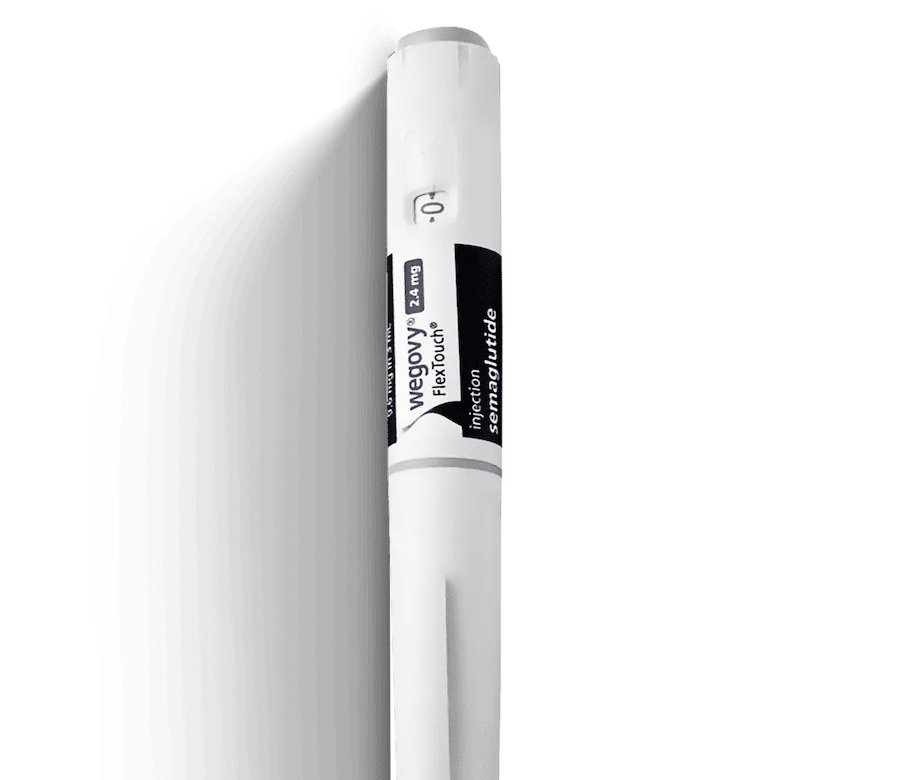
- Wegovy® injection: only a single-dose prefilled pen, with the needle built in and no priming or assembly—and this is the same whether you’re going through insurance or Novo Nordisk’s manufacturer discount program, unlike Zepbound®, where the device differs depending on how you pay.
Beyond the device itself, a switch usually means a few other adjustments: you might restart on the lowest dose and step up over weeks to see how you respond.
Why do people switch from Zepbound® to Wegovy®?
There’s rarely a single reason people switch from Zepbound® to Wegovy®, and most switches involve more than one. Some are practical and outside your control: what your insurance covers, what each medication costs, and coverage rules that shift from year to year. Others are personal: how your body responded to Zepbound®, and whether the side effects and results matched what you hoped for. Often they overlap.
Here are the reasons that come up most often:
Switching From Zepbound® to Wegovy®: Cost differences
GLP-1 medications can be expensive, and if yours covers Wegovy but not Zepbound, you might consider a change. Wegovy is also less when paying cash through the manufacturer’s program. Let’s go through some scenarios:
- Insurance and covered medication changes. This is the big one. Health plans update their covered drug lists (formularies) regularly, sometimes at the start of a new plan year. A plan that covered Zepbound® last year may move it to a higher tier, which means it will cost more, require step therapy, or stop covering it while potentially still covering Wegovy®. Employer-sponsored plans can also change which weight-management medications they include, or drop weight-loss coverage entirely.
- Wegovy may cost less than Zepbound when paying cash. Eli Lilly and Novo Nordisk manufacturer pharmacies offer reduced pricing to people without insurance coverage paying out of pocket.
- Wegovy® injections cost $199 to $399/month depending on dose through NovoCare Pharmacy.
- Zepbound®’s single-dose vial or the multi-dose KwikPen® costs from $299 to $449/month depending on dose through Lilly Direct.
- Medicare and new coverage programs. Historically, Medicare didn’t cover medications used for weight reduction. That’s shifted. The Medicare GLP-1 Bridge Program, which launched July 1, 2026, runs through December 31, 2027, and offers eligible people a flat $50 monthly copay for Wegovy®, the Zepbound® KwikPen®, and Foundayo®. Learn more about eligibility.
Switching From Zepbound® to Wegovy®: Different than expected weight loss
Sometimes the reason is simply that the results didn’t match what you hoped for—in either direction.
It helps to know the ballpark first. In clinical trials, average weight loss at the highest doses is 18% for Wegovy® and around 21% for Zepbound®. If you are losing too quickly or not as much as you expected, you might consider switching.
Switching From Zepbound® to Wegovy®: Side effect differences
Both medications share a similar side effect profile in terms of the types to expect. The most common are gastrointestinal—nausea, vomiting, diarrhea, constipation, and stomach pain. They tend to show up early in treatment or after a dose increase, then ease as your body adjusts.
Rates of different side effects were a bit different. People on tirzepatide and semaglutide reported much the same GI effects, though slightly fewer stopped tirzepatide because of side effects (about 6% vs. 8%). Tirzepatide and semaglutide shared similar rates for nausea, diarrhea, abdominal pain, and dyspepsia, but semaglutide had higher rates of vomiting, constipation, and GERD.
Access GLP-1 Weight Loss with Noom
Explore a wide range of prescription medications supported by Noom’s program.Microdose GLP-1rx
Noom GLP-1rx
Noom GLP-1rx Plus
Wegovy®
Ozempic®
Metformin
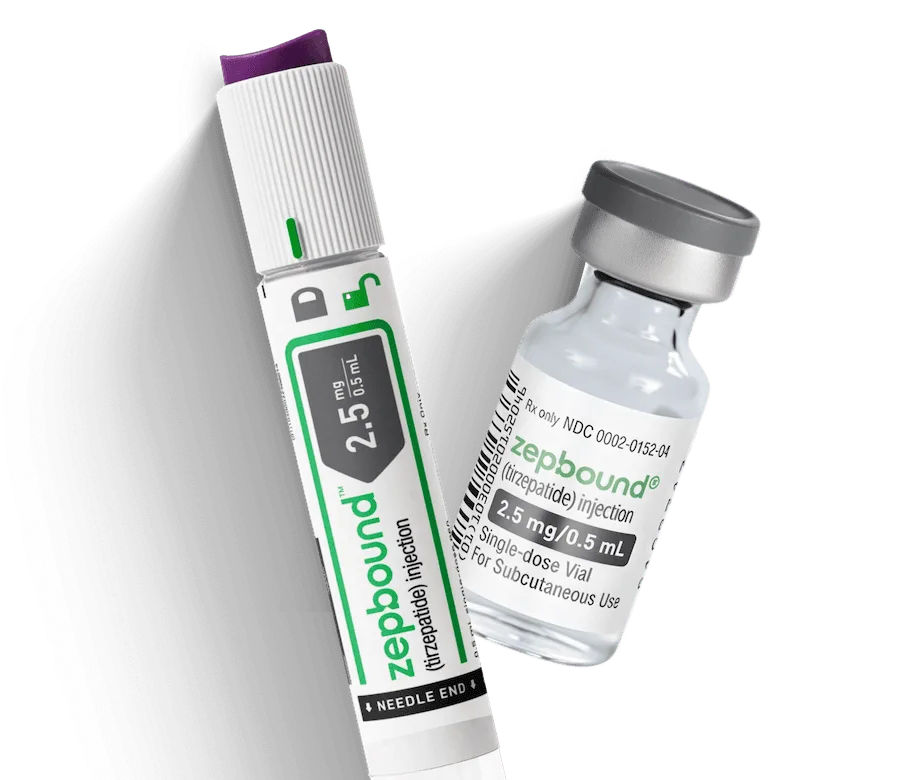
Zepbound®
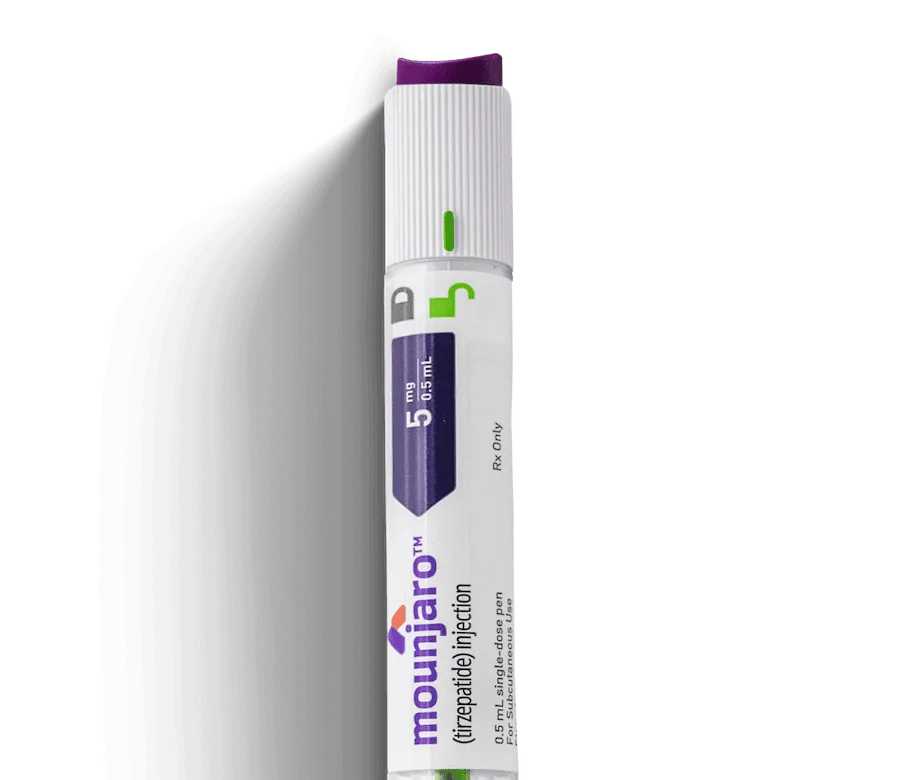
Mounjaro®
Liraglutide
In terms of severe side effects, both are considered safe but carry rare risks for pancreatitis, kidney problems, gallbladder issues, low blood sugar, vision changes, and allergic reactions.
Both also carry the same boxed warning about a rare risk of thyroid tumors, which has only been seen in animal studies.
Overall, the two medications carry similar risks, both common and severe, but rates and individual tolerance vary. If you experience side effects on one that don’t improve, it’s worth talking to your doctor about switching to see how your body responds to the other.
Switching from Zepbound® to Wegovy® dosage: How does the transition work?
There is no FDA-approved conversion chart that maps a Zepbound® dose to an “equivalent” Wegovy® dose. The two have different active ingredients and are from two different companies, so there is no defined dose-to-dose switch. Instead, your provider determines an appropriate starting dose and titration schedule using your individual picture.
What goes into that decision usually includes your current Zepbound® dose, how long you have been on it, your side-effect history, how your weight has responded, and how much time has passed since your last injection. The prescribing information for both drugs also matters here, because each has its own escalation schedule designed to limit stomach-related side effects.
It helps to see the two schedules side by side. Here is how each medication is dosed on its own:
| Medication | Starting dose | How it increases | Doses | Maximum dose |
|---|---|---|---|---|
| Zepbound® (tirzepatide) | 2.5 mg once weekly for 4 weeks | In 2.5 mg steps after at least 4 weeks on the current dose | 2.5, 5, 7.5, 10, 12.5, and 15 mg once weekly | 15 mg once weekly |
| Wegovy® (semaglutide) injection | 0.25 mg once weekly for 4 weeks | Stepwise after at least 4 weeks on the current dose | 0.25, 0.5, 1, 1.7, 2.4, and 7.2 mg once weekly | 7.2 mg once weekly (Wegovy® HD) |
Is there a Zepbound®-to-Wegovy® dosage chart?
No. There is no official chart that converts a Zepbound® dose into a Wegovy® dose, for the reasons already covered: different companies, active ingredients, and receptor activity.
Your provider makes a call based on your response to Zepbound. The factors that tend to shape it are your current Zepbound® dose, how long you have been taking it, any side effects you have had, how your weight has responded, and the timing of your last shot. Two people switching on the same day from the same Zepbound® dose can reasonably end up on different Wegovy® starting points.
What Wegovy® dose might you start after Zepbound®?
A common clinical approach is to begin Wegovy® at or near its lowest dose and titrate up gradually, even for someone who was taking a relatively high Zepbound® dose.
The reasoning is about tolerance. Because the medications are not equivalent, starting low and increasing slowly gives the body time to adjust to semaglutide and helps limit nausea and other digestive effects. The Wegovy® escalation schedule is built around this gradual ramp for exactly that reason.
Your provider will choose your starting dose and pace based on your history, and the right answer for you may differ from someone else making the same switch.
How long should you wait between Zepbound® and Wegovy®?
Both are taken once weekly, so timing the switch is fairly straightforward. In typical cases, providers have people wait about a week between the last Zepbound® dose and the first Wegovy® injection, which lines up with the weekly rhythm and with how the drugs clear the body.
The key rule is not to overlap the two.
Switching from Zepbound® to Wegovy®: Side effects
When you switch, side effects can feel different even though both medications have similar effects on appetite, digestion, and blood sugar. Some symptoms you had on Zepbound® may ease, and new ones may show up as your body gets used to semaglutide, especially in the first few weeks. Because a switch usually restarts you at Wegovy®’s lowest dose and titrates up slowly, that gradual ramp can actually soften the transition.
Wegovy® vs. Zepbound® side effects: How are they different?
Day to day, the two feel pretty similar; digestive symptoms top the list either way. The differences mostly come down to degree, plus a couple of reactions that lean toward one drug more than the other.

The Easy Way
to lose weight and get healthy.
See if you qualify
A few things worth knowing going in:
- The two share a similar side effect profile. Both commonly cause gastrointestinal effects such as nausea, vomiting, diarrhea, constipation, and abdominal pain, especially when starting or moving up a dose. In the head-to-head trial that compared them, people on each drug reported much the same GI symptoms.
- A few effects lean one way or the other. At standard maintenance doses, vomiting, constipation, and acid reflux (GERD) tend to be reported a little more often on Wegovy®, while injection-site reactions show up more with Zepbound®. Overall tolerability is close—slightly fewer people stopped tirzepatide for side effects than semaglutide (about 6% vs. 8%).
- Most digestive effects are temporary. They tend to be mild to moderate and settle as the body adapts, particularly with gradual dose increases. Though they can return again when you raise the dose.
- Wegovy® HD (7.2 mg) is a bit different. If you and your provider step up to the highest dose, most side effects rise only modestly versus the 2.4 mg dose—but dysesthesia, a tingling or altered skin sensation, becomes notably more common (about 22%, versus 6% at 2.4 mg, and not a typical Zepbound® effect), and nausea and vomiting might increase a bit as well.
- Tolerance is genuinely individual. Some people find semaglutide easier on the stomach than tirzepatide; others have the opposite experience. Switching is sometimes part of finding the better fit.
- New or worsening symptoms are worth a call to your provider; report any severe or persistent abdominal pain to your provider, and know the symptoms of rare but severe conditions.
For a complete breakdown, Noom’s guide to Wegovy® vs. Zepbound® side effects goes deeper on what each medication tends to feel like, and the Wegovy® HD guide covers the higher dose specifically.
Here is a side-by-side comparison of how often common side effects occurred, though they come from different studies:
| Side effect | Wegovy® (Semaglutide 1.7–2.4 mg) | Wegovy® (Semaglutide 7.2 mg) | Zepbound® (Tirzepatide 10–15 mg) |
|---|---|---|---|
| Nausea | 44% | 39% | 44% |
| Vomiting | 21% | 22% | 15% |
| Diarrhea | 23% | Not reported | 24% |
| Constipation | 29% | 20% | 27% |
| GERD | 11% | Not reported | 6% |
| Fatigue | 12% | Not reported | 10% |
Will I have more side effects with Wegovy after switching from Zepbound?
Not necessarily; the answer depends on a few things you and your provider can influence.
- Your starting dose and pace. Beginning at a low Wegovy® dose and titrating slowly is the single biggest lever for limiting side effects, which is why providers often start low even after a high Zepbound® dose.
- Your individual tolerance. Some people find semaglutide easier on the stomach than tirzepatide; others find the reverse. There is no way to know in advance how you will react.
- Manageable adjustments. Dose timing, meal size and composition, hydration, and a slower titration can all help smooth the transition.
If symptoms are severe, persistent, or worrying, that is a reason to check in with your provider rather than push through. For day-to-day support during the switch, structured programs that combine tracking with behavior change can help you stay comfortable and consistent.
Serious side effects: Any differences?
The serious warnings are mostly the same for both drugs—they’re part of how this whole class of medication works, not unique to one or the other. The good news is that the truly serious events are rare, and where there’s clinical-trial data, the rates for Wegovy® and Zepbound® look broadly similar. Here’s how they compare.
- Boxed warning: Both carry a boxed warning about a possible risk of thyroid C-cell tumors, based on animal studies. Neither is recommended for anyone with a personal or family history of medullary thyroid carcinoma (MTC) or multiple endocrine neoplasia syndrome type 2 (MEN 2).
- Gallbladder problems. Rapid weight loss can trigger gallstones, so this shows up with both. In adult trials, gallstones (cholelithiasis) were reported by about 1.6% on Wegovy® and about 1.1% on Zepbound®; gallbladder inflammation (cholecystitis) ran around 0.6 to 0.7% for each.
- Pancreatitis. Rare for both and, in the weight-loss trials, no higher than placebo—roughly 0.3% on Wegovy® and 0.2% on Zepbound®. Larger reviews back this up: across tirzepatide trials, pancreatitis occurred in well under 1% of people. The warning to seek care for severe, persistent stomach pain applies either way.
- Kidney issues. Tied mainly to dehydration from heavy vomiting or diarrhea, which is why staying hydrated during the early weeks matters for both.
- Serious allergic reactions. Listed as a rare risk for both.
- Low blood sugar. More of a concern if you also take insulin or a sulfonylurea.
What about people who stopped because of side effects?
This is usually driven by the everyday GI effects rather than the rare serious ones. For Wegovy®, about 2.3% of people discontinued because of GI side effects. For Zepbound®, the rate rose with dose—about 3.3% at 10 mg and 4.3% at 15 mg. And in the head-to-head SURMOUNT-5 trial, slightly fewer people stopped tirzepatide for GI reasons (2.7%) than semaglutide (5.6%)—though, as with everything here, individual experiences run both ways.
The one clear dose-specific difference is dysesthesia (tingling or altered skin sensation), reported by about 22% on the higher Wegovy® 7.2 mg dose versus roughly 6% at 2.4 mg—and it isn’t a typical Zepbound® effect. Most cases eased while people stayed on treatment.
Beyond that, the head-to-head safety profiles have looked broadly comparable, with research ongoing as both medications gather more long-term, real-world data. Review the full prescribing information and talk with your provider about which warnings matter most for your health.
Will you lose more or less weight after switching from Zepbound® to Wegovy®?
This is the question on most people’s minds, and the answer is: It depends on the person, and both medications have strong track records. What helps is separating what trials show on average from what any one person can expect.
What the studies tell us
So what does the research actually say? In the first large head-to-head matchup of Zepbound® and Wegovy®, where people took one or the other for 72 weeks (about 16 months) there was a clear difference.
The tirzepatide (Zepbound®) group lost about 21% of their body weight on average, while the semaglutide (Wegovy®) group lost about 15%. That lines up with earlier research too, where tirzepatide resulted in more weight loss on average.
But that comparison used Wegovy®’s old top dose. The newer 7.2 mg dose (Wegovy® HD) closes the gap a bit. In a study, people taking Wegovy 7.2 mg lost about 18% of their body weight over 72 weeks, and roughly one in three lost 25% or more. So the difference between the two isn’t as wide as it used to look.
Now for the part that matters most: these are averages, not a guarantee. They tell you what happened across a large group of people, not what will happen for you. Some people lose far more than the average, and others lose less, on either medication.
Your starting weight, the dose you reach, how consistent you are, and the everyday things like what you eat, how you move, and how you sleep are all factors. So treat these numbers as a helpful benchmark rather than a promise. The medication lowers appetite, but the results tend to stick when it’s paired with changes you can actually maintain.
Can you continue losing weight after switching?
Often, yes. Many people keep losing weight after moving to Wegovy®, especially when they stay consistent with the medication and with the habits that support it. That said, results vary, and because Wegovy® works on a single hormone pathway rather than two, your provider will help set realistic expectations for the switch and adjust your plan if your progress stalls.
Whether weight loss continues, and how much, tends to track with the dose you ultimately reach, your starting weight, plus how consistent you are with nutrition, movement, and adherence. The medication does meaningful work, but the day-to-day behaviors around it are what carry results over the long haul. This is where pairing medication with behavior-change support tends to pay off.
Switching from Zepbound® to Wegovy®: Cost and insurance considerations
For a lot of people, cost is the deciding factor, and the picture is more layered than a single sticker price. What you actually pay depends on your insurance, the manufacturer programs you qualify for, and which form of the medication you choose.
- With insurance: If your plan covers weight-loss medication, your out-of-pocket cost depends on your specific formulary, tier, and deductible, and it usually drops substantially once a manufacturer savings card is applied. Coverage is far from guaranteed, though, and Medicare has its own rules. The chart shows what to expect for each drug, including the new Medicare option.
- Without insurance: If you are paying cash, both manufacturers run direct-to-consumer pharmacies with prices that are well below the list price, and what you pay varies by dose and form. The chart lays out the current cash ranges for each.
| Medication | Wegovy® injection (semaglutide) | Zepbound® (tirzepatide) |
|---|---|---|
| Pricing per month | $1,350 per month | $1,086 per month |
| With insurance | Varies by plan. With commercial coverage and the Wegovy® savings card, as little as $0–$25/month. The new Medicare GLP-1 Bridge Program offers eligible enrollees a flat $50/month (July 2026–Dec 2027). Medicaid will vary by state. | Varies by plan. With commercial coverage and the Zepbound® savings card, as little as $25/month for single-dose pens. Same Medicare picture: the Medicare GLP-1 Bridge Program offers a flat $50/month (includes only KwikPen®). Medicaid will vary by state. |
| Without insurance | Paying cash through NovoCare Pharmacy: 0.25 mg, 0.5 mg: $199/month 1 mg, 1.7 mg, 2.4 mg: $349/month 7.2 mg (HD): $399/month | Paying cash through LillyDirect: 2.5 mg: $299/month 5 mg: $399/month 7.5 mg, 10 mg, 12.5 mg, 15 mg: $449/month |
Prices in this category change often, so verify current pricing directly with the manufacturer programs and your pharmacy.
For a closer look at semaglutide pricing specifically, see the breakdown here: Wegovy® cost with and without insurance, and Zepbound cost with and without insurance.
Will insurance cover clinician appointments for the switch?
Maybe, and switching almost always involves a few clinician visits and paperwork. A few things to plan for:
- New prior authorization. When you change medications, your plan will usually require a new prior authorization for Wegovy®. This can take several days to a few weeks, so start early to avoid a gap in treatment.
- Formularies and step therapy. Plans differ in which drug they prefer. Some require you to try Wegovy® before covering Zepbound®; others do the reverse. A change to your plan’s formulary is itself one of the most common reasons people switch in the first place.
- Pharmacy networks. Your new coverage may route you to a different preferred or specialty pharmacy, and not every pharmacy stocks every product or participates in every savings program.
- Medicare specifics. If you are on Medicare, the Medicare GLP-1 Bridge Program sets its own eligibility and prior-authorization rules, and the forms that are covered can influence your choice. Check your eligibility and learn more through Noom.
Because coverage is so plan-specific, the most reliable move is to confirm your own benefits and out-of-pocket costs for each option before you commit. This is general information, not insurance or financial advice.
What if you are switching from Zepbound® to Wegovy® for maintenance?
Switching during the maintenance phase, after you have reached a goal, usually comes down to practical factors like cost, coverage, and what is sustainable to stay on, rather than a medical need to change. Both medications can work for long-term maintenance, and the research is fairly consistent on one point: staying on a GLP-1 medication matters more than which one you are on.
The clearest evidence comes from withdrawal studies.
- In the STEP 4 trial, people who continued weekly semaglutide kept losing or maintaining their weight, while those switched to placebo gradually regained much of what they had lost, even with continued lifestyle support.
- Follow-up from the STEP 1 trial extension pointed in the same direction, reinforcing that weight management is a long-term condition and that stopping medication is commonly followed by regain.
The practical takeaway is reassuring for anyone switching for maintenance: the goal is continuity. Keeping up an effective maintenance dose, staying engaged with consistent habits, and checking in regularly with your care team (for example, monthly visits to track progress and adjust as needed) all support holding onto your results. Behavioral programs layered on top of the medication can make that long game more sustainable.
Read more:
- Does staying on a maintenance dose of Zepbound® help keep weight off?
- Does staying on a maintenance dose of Wegovy® help keep weight off?
FAQs about switching from Zepbound® to Wegovy®
Here are answers to some frequently asked questions about the transition, including how it may affect your treatment plan and weight-loss journey.
Can I switch directly from Zepbound® to Wegovy®?
Yes. Because both are once-weekly injections, the switch is usually straightforward and doesn’t require a long break between them. In most cases, you simply take your last Zepbound® dose as scheduled, then start Wegovy® about a week later, which keeps you on your normal weekly rhythm. Your clinician will set your starting Wegovy® dose, often at or near the lowest dose, and titrate up from there, since there’s no validated dose equivalence between the two.
The one firm rule is not to take both at the same time. The FDA labels for both medications advise against combining them with other GLP-1 receptor agonists (Zepbound® and Wegovy® say the same). Beyond that, there’s no mandatory washout period; the roughly one-week gap simply lines up the transition with how the drugs clear from your body, given tirzepatide’s elimination half-life of about 5 days and semaglutide’s about 7 days. Your provider may suggest waiting a little longer if you had significant side effects on Zepbound®, so the exact timing is personalized to you.
Is there a Zepbound®-to-Wegovy® dosage chart?
No. Because the two have different active ingredients and act on different receptors, there is no official conversion chart. Your provider chooses your starting Wegovy® dose based on your current Zepbound® dose, how long you have taken it, your side-effect history, and how you have responded.
Will Wegovy® work if Zepbound® worked for me?
Many people who do well on one GLP-1 medication also respond to another, though the medications are not identical, and results vary. On average, head-to-head data show somewhat greater weight loss with tirzepatide, but plenty of people reach their goals on semaglutide. Your provider can help set realistic expectations for your situation.
Keep in mind, too, that the head-to-head study compared Zepbound® against Wegovy®’s 2.4 mg dose. Wegovy® now comes in a higher 7.2 mg dose (Wegovy® HD) that wasn’t part of that trial, so the comparison reflects the older top dose rather than the full range available today. Your provider can help set realistic expectations for your situation.
Will I regain weight when I switch?
Switching itself does not automatically cause regain. What research links to regain is stopping GLP-1 treatment altogether, as seen in the STEP 4 withdrawal trial. Staying on an effective dose and keeping up supportive habits during the change can typically help protect your progress.
Is Wegovy® cheaper than Zepbound®?
A lot depends on your insurance and the dose if you’re paying cash through the manufacturer. Compare your specific out-of-pocket costs for each before deciding.
- With commercial insurance, if your plan covers weight-loss medication and you use the manufacturer savings card, both can be as low as $25 a month. If you qualify for the Medicare GLP-1 Bridge program, you’ll pay $50 a month for both, though only the Zepbound® KwikPen® is included (not the single-dose pens or vials), from July 2026 through December 2027. Learn more about eligibility.
- Without insurance, paying cash through the manufacturers’ pharmacies, Wegovy® injections cost $199 to $399 per month, while Zepbound®’s single-dose vials and KwikPen® cost $299 to $449 a month depending on dose.
Can I switch because my insurance stopped covering Zepbound®?
Yes, and this is one of the most common reasons people switch. Your provider can help you pursue prior authorization for Wegovy®. Because plans cover different medications, switching is often a practical solution to a coverage change.
Can I switch from Zepbound® to the Wegovy® pill?
Yes. A few things to know. The Wegovy pill is taken once a day in the morning on an empty stomach, and it has its own step-up schedule; there’s no match to Zepbound® doses. On average, the pill tends to produce somewhat less weight loss than the injection (14% vs. 21%), but these are averages, and plenty of people respond well to it. As with any switch, your provider will help set realistic expectations for you.
This is just an overview, since the pill deserves a closer look of its own. For a fuller comparison in the meantime, see Noom’s Wegovy® pill vs. Zepbound® guide.
What should I ask my doctor before switching?
A few useful questions to bring with you:
- Dosing: What starting dose and titration pace make sense for me?
- Timing: How long should I wait between my last Zepbound® dose and my first Wegovy® dose?
- Side effects: Which ones should I watch for, and when should I call you?
- Cost and coverage: Will my insurance cover Wegovy®, and what will it cost me out of pocket?
- Tracking progress: How will we know whether the switch is working?
- Maintenance: What’s the long-term plan once I reach a dose that works?
Reviews from real Noom users
Desirea N. — Real Noom user
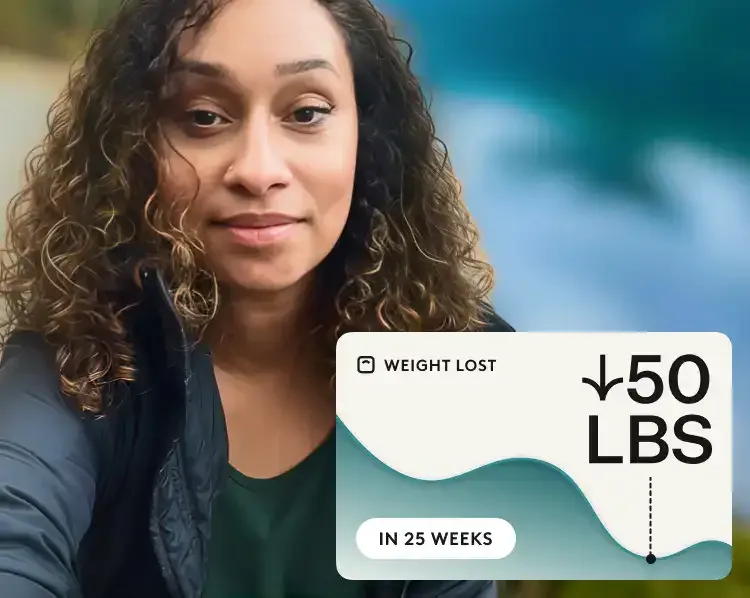
“My favorite parts of Noom are the care team and other Noomers. Sharing and getting help made me feel like I wasn’t doing it alone. That support made all the difference.”
Desirea N. — Real Noom user
Matthew M. — Real Noom user
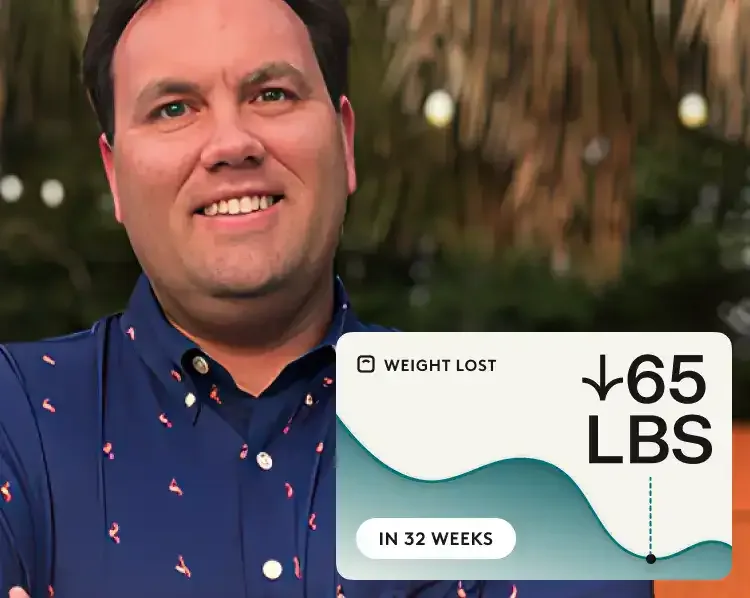
“Noom has taught me that every day is a new chance to make better, healthier choices. It's taught me how to stop overeating.’’
Matthew M. — Real Noom user
Lila M. — Real Noom user
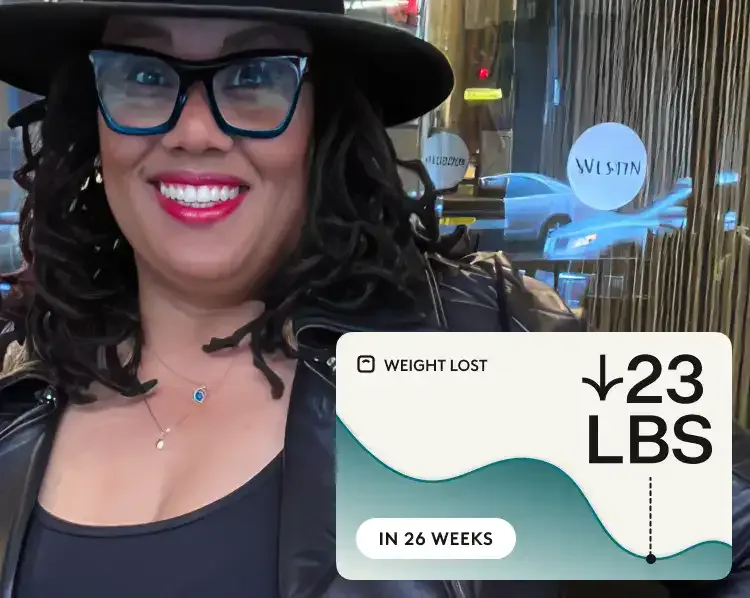
“Clinicians who understand how supportive medication can be is one of the best parts of Noom! I was convinced I wouldn’t have success but I’m down 11 pounds in two months.’’
Lila M. — Real Noom user
Steve M. — Real Noom user
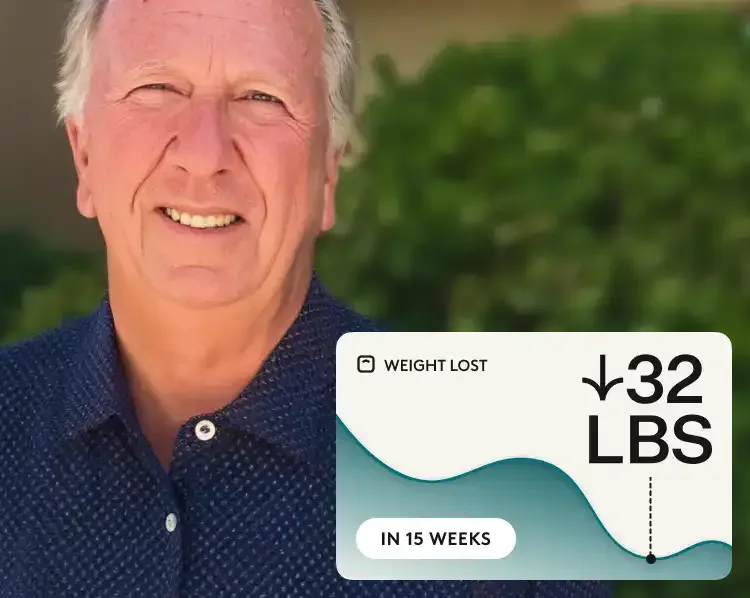
“Noom provided me with the medication which I could not get through Medicare. I have learned the tricks to better eating and life in general.”
Steve M. – Real Noom user
Daisy R. — Real Noom user
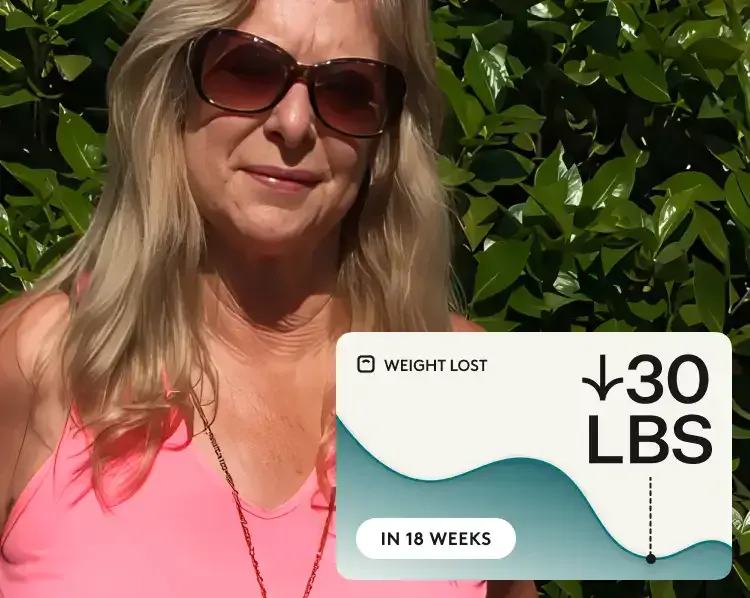
‘’Noom has changed my life and I’m so thankful, I feel great, have more energy and am no longer prediabetic.”
Daisy R. – Real Noom user
Sarah R. — Real Noom user
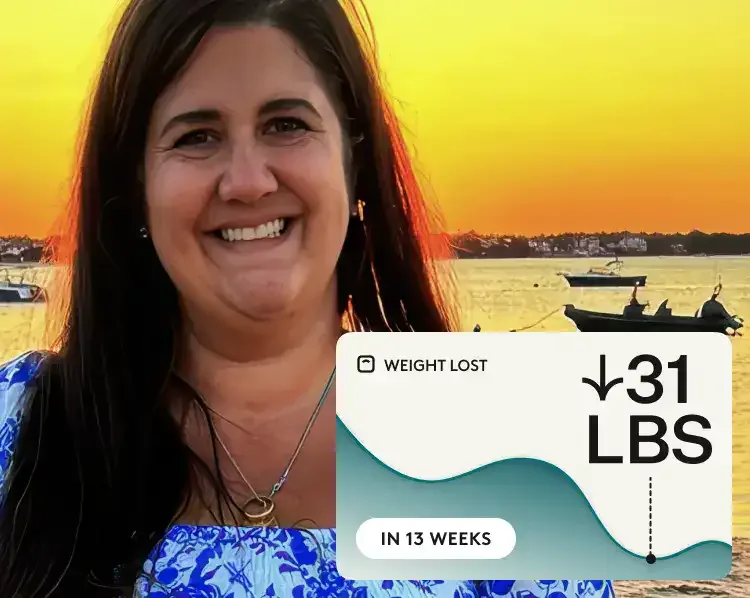
“All of the Noom providers that I’ve met with have been exceptional and prescribed medications that are appropriate for my situation and health.”
Sarah R. – Real Noom user
Madison S. — Real Noom user
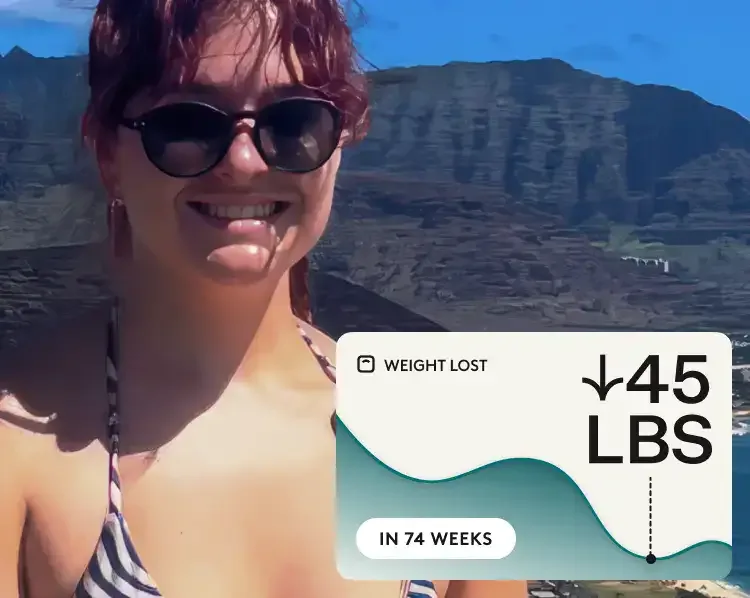
“Noom made the process so simple and now I feel full, free from diet obsession, and at ease in my body again.”
Madison S. – Real Noom user
Sonday K. — Real Noom user
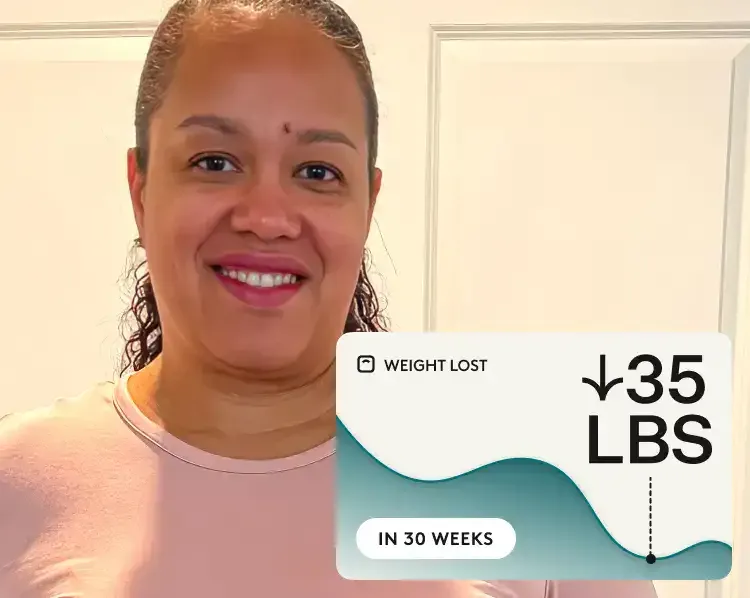
“My doctor recommended Noom after I was frustrated trying to lose weight. The lessons helped change my relationship with food. My body feels lighter & energized.”
Sonday K. – Real Noom user
Cam K. — Real Noom user
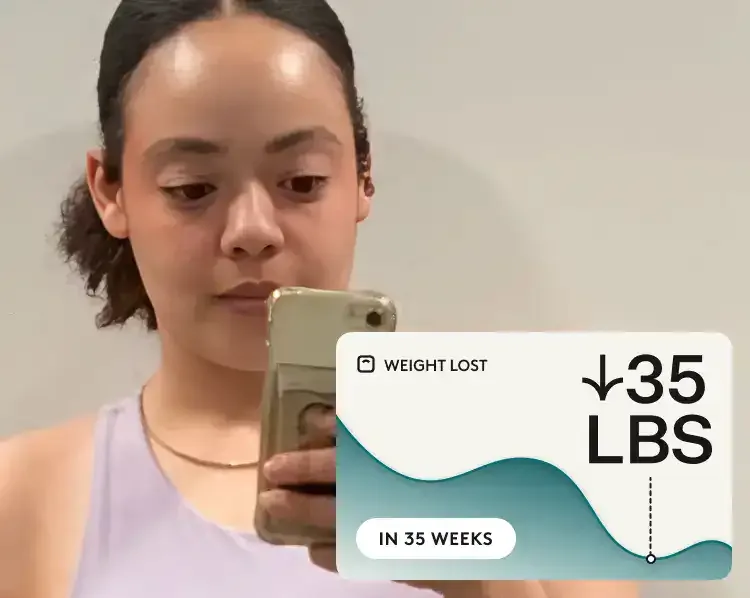
“I built healthy habits with coaching and lessons that make me confident I can maintain my weight loss long term.”
Cam K. – Real Noom user
Laura TR. — Real Noom user
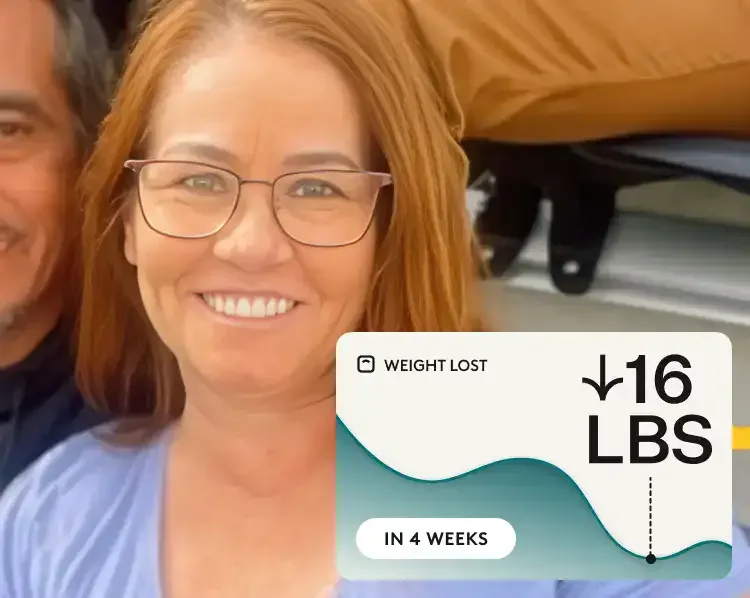
“With the right medication through Noom, hunger and sugar cravings finally quieted and I have the tools to break the cycle.”
Laura TR. – Real Noom user
Jessica S. — Real Noom user
“Cravings and food noise are gone, I finally feel confident in the healthy habits I’ve built to last with Noom.”
Jessica S. – Real Noom user
The bottom line: Switching from Zepbound to Wegovy requires a plan from your clinician
People switch from Zepbound® to Wegovy® for all sorts of reasons, and most of them are practical: a coverage change, out-of-pocket cost, side effects, or the desire for more weight loss. The process is personalized. There is no conversion chart, so your provider builds a starting dose and timeline around your history. That typically means starting Wegovy® low and increasing slowly, and never taking the two at once; many providers also leave about a week between your last Zepbound® dose and your first Wegovy® dose to stay on the weekly rhythm, though the exact timing is personalized.
On effectiveness, both medications have strong evidence behind them. Tirzepatide has shown somewhat greater average weight loss in head-to-head research; the newer Wegovy® 7.2 mg dose narrows that difference, and the most important factor for keeping weight off long term appears to be staying on an effective GLP-1 medication paired with consistent habits, rather than the specific brand. Side effects are similar overall, though some are more likely with one than the other. They are usually most noticeable during dose increases, and tend to ease with time. Dysesthesia is one that is truly different at the 7.2 mg Wegovy® dose and much less likely to occur with Zepbound.
Remember, medication is just one part of the picture. How you eat and move your body can help sustain long-term results.
If you qualify for Noom Med, your clinician can find the right medication for you and prescribe it if needed. They can also guide a switch if needed. Plus, you’ll get access to a behavior change program that combines medical care with psychology-based support to help people navigate their weight loss journey.
Editorial standards
At Noom, we’re committed to providing health information that’s grounded in reliable science and expert review. Our content is created with the support of qualified professionals and based on well-established research from trusted medical and scientific organizations. Learn more about the experts behind our content on our Health Expert Team page.