
What you’ll learn:
- People tend to switch from Wegovy® to Zepbound® because of side effects, weight loss results, or cost issues.
- There’s no standard conversion between doses; your provider sets your Zepbound® starting point based on your history with Wegovy®.
- Tirzepatide is associated with higher average weight loss than Wegovy®, but individual differences in biology and habits will determine what you lose.
If you’ve been taking Wegovy® and wondering whether Zepbound® might work better for you, you’re not alone. As newer weight-loss medications have become available, many people find themselves comparing options or considering a switch. Sometimes the decision is practical, driven by insurance coverage changes and costs. Other times it’s because of side effects or the hope of achieving better weight-loss results.
Both Wegovy® and Zepbound® can be highly effective for weight loss, but it’s common for people to switch from one to the other. While both medications belong to the GLP-1 family and help promote weight loss by reducing appetite, slowing digestion, and improving blood sugar regulation, they aren’t identical. Wegovy® contains semaglutide, while Zepbound® contains tirzepatide. Some people lose more weight with one more than the other.
But switching isn’t as simple as matching one dose to another. While they are both taken in a similar way when you’re using the injectable versions, they have very different doses. (Wegovy® also has a pill version that is taken daily; Zepbound® doesn’t.)
In this guide, we’ll explain why people switch from injectable Wegovy® to Zepbound®, how the transition typically works, what side effects to expect, and what the research says about weight-loss results after making the change.
Common reasons people switch from Wegovy® to Zepbound®?
Switching from Wegovy® to Zepbound® may be a choice you make with your clinician for several different reasons, like cost, side effects, and stalled weight loss. Here are some of the most common, broken down:

The Easy Way
to lose weight and get healthy.
See if you qualify
Changes in insurance coverage
If your plan covers Zepbound® but not Wegovy, you may switch to get your medication at a lower cost. Here’s what could happen:
- Private insurers rework their covered-drug lists regularly, often at the turn of a plan year. A plan that paid for Wegovy® last year might bump it to a costlier tier, tack on a step-therapy requirement, or drop it while still covering Zepbound®. Workplace plans adjust their weight-management benefits too, and some trim them back entirely.
- Medicare has historically not covered medications for weight loss, but a program called Medicare GLP-1 Bridge will test coverage. It will run July 1, 2026, through December 31, 2027, giving eligible enrollees a flat $50 monthly copay on certain covered GLP-1 drugs. This includes both Wegovy® and Zepbound® KwikPen.
- Medicaid coverage varies by state. Some state programs cover Wegovy®, Zepbound®, or both, while others don’t. Coverage requirements such as prior authorization or step therapy may also differ, so some people switch medications based on changes to their state’s Medicaid formulary.
Learn more:
Lower out-of-pocket costs
What you pay for Wegovy® or Zepbound® depends on insurance, the pharmacy you use, and whether you qualify for manufacturer savings. Without insurance, both medications can cost more than $1,000 per month, but manufacturer cash-pay programs may reduce those costs significantly.
Depending on your insurance benefits and eligibility for savings programs, either medication may be the more affordable option. Checking your plan’s formulary and manufacturer offers can help determine your actual out-of-pocket cost.
Here’s a look at what to expect between the two:
| Pricing | Wegovy® | Zepbound® |
|---|---|---|
| List price (without insurance) | $1,349/month | $1,086/month |
| Manufacturer cash-pay program | $199–$349/month (NovoCare) | $299–$449/month (LillyDirect) |
| Commercial insurance + savings card | As low as $25/month (eligible patients) | As low as $25/month (eligible people) |
Some people tolerate Zepbound® better than Wegovy®
Both Wegovy® (semaglutide) and Zepbound® (tirzepatide) commonly cause gastrointestinal side effects, especially when you first start treatment or increase your dose. Nausea, vomiting, diarrhea, constipation, and stomach pain are among the most frequently reported symptoms with both medications.
That said, some people find they tolerate one medication better than the other. In clinical trials, people taking tirzepatide were less likely to stop treatment because of gastrointestinal side effects than those taking semaglutide, suggesting that some people may find Zepbound® easier to stay on. Individual side effects also differ somewhat between the medications. For example, vomiting and acid reflux appear to be less common with Zepbound®, while dysesthesia—a tingling or burning skin sensation—has been reported with the highest dose of Wegovy® (7.2 mg).
Because everyone’s experience is different, it’s impossible to predict which medication you’ll tolerate better. If side effects are making it difficult to stay on Wegovy®, talk with your healthcare provider about whether switching to Zepbound® is appropriate. We’ll compare the side effects in more detail below.
Zepbound® is associated with higher rates of weight loss
For some people, the biggest reason to switch is the potential for greater weight loss. At the highest dose of 7.2 mg, Wegovy® is associated with an average of 18%, and Zepbound® is associated with an average of 21% of body weight lost.
Access GLP-1 Weight Loss with Noom
Explore a wide range of prescription medications supported by Noom’s program.Microdose GLP-1rx
Noom GLP-1rx
Noom GLP-1rx Plus
Wegovy®
Ozempic®
Metformin
Zepbound®
Mounjaro®
Liraglutide
The stronger weight-loss potential with tirzepatide is one of the most common reasons clinicians and people consider switching from Wegovy® to Zepbound®. However, biology and lifestyle changes can be the biggest factors for either weight loss medication.
Switching from Wegovy® to Zepbound® dosage: How does the transition work?
The two medications contain different active ingredients and work somewhat differently in the body, so there isn’t an FDA-approved equivalent-dose guide.
Instead, your healthcare provider will choose a starting Zepbound® dose and titration schedule based on your individual situation. Factors they may consider include your current Wegovy® dose, how long you’ve been taking it, your weight-loss progress, any side effects you’ve experienced, and how much time has passed since your last injection.
It helps to look at each medication’s standard dosing schedule.
| Medication | Starting dose | How it increases | Maximum dose |
|---|---|---|---|
| Wegovy® (semaglutide) injection | 0.25 mg once weekly | Earliest every 4 weeks: 0.5 mg → 1 mg → 1.7 mg → 2.4 mg → 7.2 mg | 7.2 mg (Wegovy® HD) |
| Zepbound® (tirzepatide) | 2.5 mg once weekly | Earliest every 4 weeks: 5 mg → 7.5 mg → 10 mg → 12.5 mg → 15 mg | 15 mg |
Is there a Wegovy®-to-Zepbound® dosage chart?
There isn’t. No official chart translates a Wegovy® dose into a Zepbound® dose, again because the ingredients differ, the receptors differ, and there is no one-to-one match to anchor a conversion.
That leaves your provider to make a judgment call. The pieces that usually shape it are your current Wegovy® dose, how long you have been taking it, the side effects you have experienced, the way your weight has responded, and when your last injection was. Two people stopping the same Wegovy® dose may have different Zepbound® starting doses.
What Zepbound® dose might you start after Wegovy®?
Your healthcare provider will look at your current Wegovy® dose, how well you tolerated treatment, and your medical history.
Switching from Wegovy® to Zepbound® : Injection options
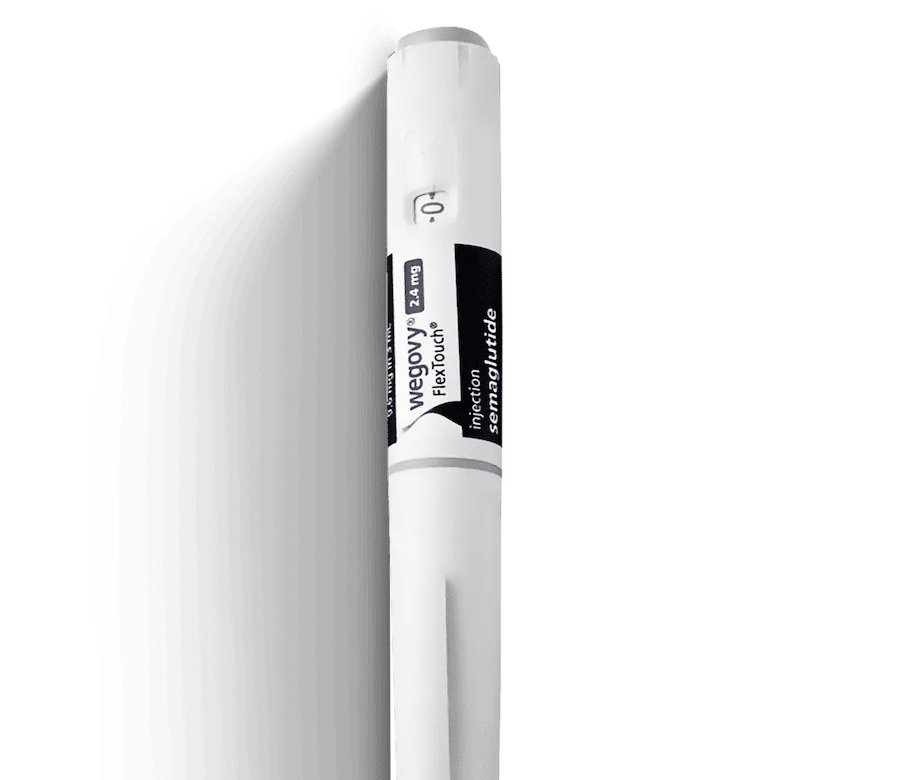
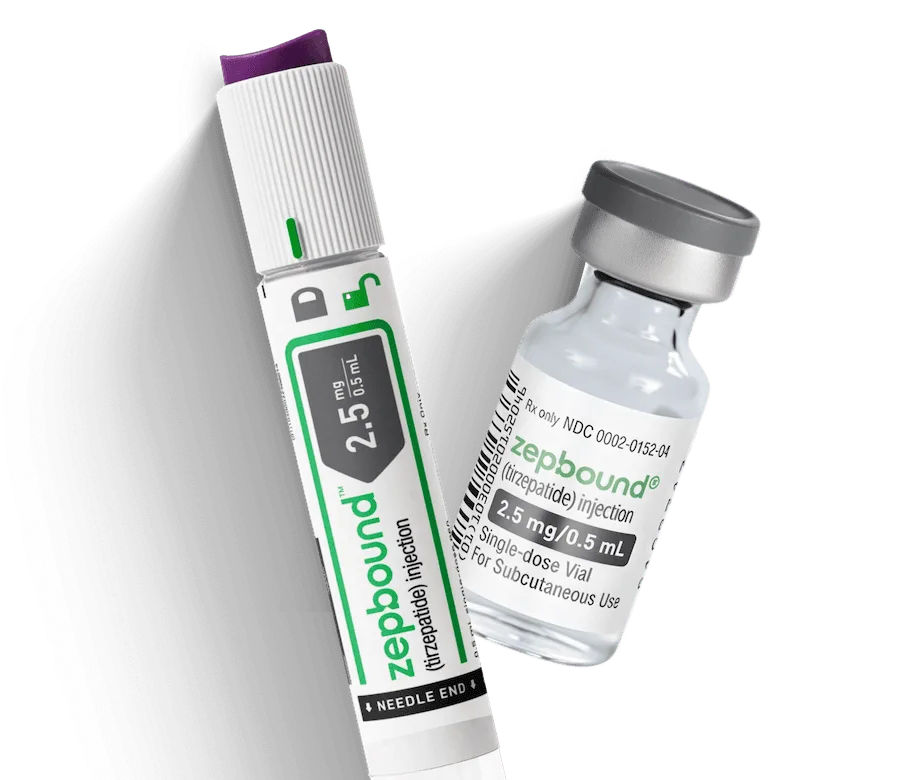
While injectable Wegovy® and Zepbound® are both types of injections, how you take Zepbound® will depend on how you receive your prescription. Wegovy® just comes as a single-dose pre-filled injection pen; Zepbound® comes in a few different injection types.
- Through insurance: Most people receive the single-dose autoinjector pen, which comes prefilled with one weekly dose and is designed for one-time use. Use it once and throw away the whole pen. The exception is those who will be getting Zepbound® through the upcoming Medicare Bridge Program, which will include just the KwikPen.® Here’s more information on that.
- Through LillyDirect cash-pay programs: If you don’t have insurance coverage and you get your prescription through Lilly Direct, you can choose single-dose vials or the KwikPen®, a multi-dose pen. Here’s how those injections differ.
Regardless of the device, Zepbound® is injected once weekly under the skin of the abdomen, thigh, or upper arm. Your healthcare provider or pharmacist can show you how to use your specific injection device correctly.
How long will you wait between Wegovy® and Zepbound®?
There isn’t an FDA-recommended waiting period for switching from Wegovy® to Zepbound®, except that you would wait until your next dose is due. Your healthcare provider will determine when to start Zepbound® based on your current dose, side effects, and overall treatment plan.
Switching from Wegovy® to Zepbound®: Side effects
Wegovy® and Zepbound® share many of the same types of side effects, especially gastrointestinal symptoms such as nausea, vomiting, diarrhea, constipation, and abdominal pain. But what you experience will depend on how you respond to each medication.
Wegovy® vs. Zepbound® side effects: How are they different?
Most people switching from Wegovy® to Zepbound® won’t experience an entirely new set of side effects. Both medications commonly cause gastrointestinal symptoms, including nausea, vomiting, diarrhea, and constipation. But because the medications work somewhat differently, some people notice their side effects improve after switching, while others find new symptoms become more noticeable.
In the SURMOUNT-5 trial, gastrointestinal side effects were generally mild to moderate. However, a larger percentage of people stopped taking semaglutide because of digestive side effects (5.6%) than tirzepatide (2.7%). Individual experiences vary, so your response may be different from what was seen in clinical trials.
Here’s how common side effects compare at the higher approved doses of Wegovy® and Zepbound®.
| Side effect | Wegovy® (semaglutide 1.7–2.4 mg) | Wegovy® (semaglutide 7.2 mg) | Zepbound® (tirzepatide 10–15 mg) |
|---|---|---|---|
| Nausea | 44% | 39% | 44% |
| Vomiting | 21% | 22% | 15% |
| Diarrhea | 23% | Not Reported | 24% |
| Constipation | 29% | 20% | 27% |
| GERD | 11% | Not Reported | 6% |
| Fatigue | 12% | Not Reported | 10% |
Read more: Wegovy® vs. Zepbound® side effects: How are they different?
The Easy Way
to lose weight and get healthy.
See if you qualifyIf you’re switching from Wegovy®
If you’ve been taking Wegovy®, you’re probably already familiar with the medication’s most common side effects, including nausea, constipation, diarrhea, and vomiting. Most occur during dose escalation and often improve over time. At the higher 7.2-mg dose, vomiting was reported a little more often (22% vs. 21%) and dysesthesia—an abnormal tingling or burning sensation of the skin—became much more common (22% vs. 6% at the standard dose).
After starting Zepbound®
When you begin Zepbound®, you may notice many of the same gastrointestinal side effects, especially while your dose is being increased. Nausea occurs at a similar rate to Wegovy® (about 44%), but vomiting (15%) and GERD (6%) were less common in clinical trials than with Wegovy®. Dysesthesia is also not a commonly reported side effect of Zepbound®. Your healthcare provider will typically start you on a lower dose to help minimize side effects as your body adjusts.
Are side effects worse after switching?
Not necessarily. There isn’t any clear evidence that side effects are always worse after switching from Wegovy® to Zepbound®.
Side effects often depend on dose and how quickly the dose increases. What helps most is starting and increasing the dose carefully. That could mean starting Zepbound® treatment at 2.5 even if you were at a higher dose of Wegovy® and increasing in 2.5 mg steps as tolerated. If nausea, vomiting, diarrhea, or constipation become severe or don’t improve, your clinician can slow dose increases.
Serious side effects: Any differences?
The good news is that serious side effects are uncommon with both Wegovy® and Zepbound®. Because both medications work through the GLP-1 pathway (with Zepbound® also activating GIP receptors), they share many of the same FDA safety warnings that you are already familiar with.
Large clinical trials found that most side effects were mild to moderate gastrointestinal symptoms, while serious adverse events occurred in much smaller numbers. In the trial, serious adverse events occurred in about 5% of people taking Zepbound® and 3 to 4% taking Wegovy®. Stopping the medication completely due to adverse events was uncommon in both groups.
Although rare, the following side effects require prompt medical attention:
- Pancreatitis: Both medications may increase the risk of inflammation of the pancreas.
- Gallbladder problems: Gallstones and gallbladder inflammation have been reported with both medications.
- Kidney injury: Severe nausea, vomiting, or diarrhea can lead to dehydration, which may worsen kidney function.
- Serious allergic reactions: Seek immediate medical care for swelling, difficulty breathing, or a severe rash.
- Vision changes: Tell your healthcare provider if you notice sudden changes in your vision, especially if you have diabetes.
- Low blood sugar: The risk is greatest if Wegovy® or Zepbound® is taken with insulin or certain diabetes medications.
- Mood changes: Contact your healthcare provider if you experience new or worsening depression or suicidal thoughts.
Like all GLP-1 receptor agonists, Wegovy® and Zepbound® carry an FDA boxed warning about the potential risk of thyroid C-cell tumors. This warning is based on findings in rodents, and it has not been shown to occur in humans. However, neither medication should be used by people with a personal or family history of medullary thyroid carcinoma or multiple endocrine neoplasia syndrome type 2 (MEN 2).
Will you lose more or less weight after switching from Wegovy® to Zepbound®?
It varies by person, though tirzepatide does show greater weight loss in clinical studies.
Wegovy® vs. Zepbound®: What the studies tell us
The first big trial to compare the two drugs directly against each other found that the tirzepatide group lost about 20% of their body weight on average, against roughly 14% for the semaglutide group over 72 weeks. Wegovy® now has a higher dose of 7.2 mg, and studies have shown that people can lose up to 18%, still statistically less than Zepbound®.
One caveat sits underneath all of those figures: a trial average is not a personal prediction. People land well above and well below the average on either drug. Your starting weight, biology, and habits, including nutrition, movement, and sleep, all shape how much weight you will lose. Because tirzepatide is associated with more on average, some people who had stalled on Wegovy® find new momentum after switching, but that is a tendency, not a promise.
Can you continue losing weight after switching from Wegovy® to Zepbound®?
Yes. It’s common for people moving to Zepbound® to continue losing weight. How much and whether it continues tends to follow the dose you eventually reach, your starting weight, and how consistent you are with healthy lifestyle changes. Studies show that weight will eventually plateau with Zepbound® as it tends to with Wegovy.
What if you are switching from Wegovy® to Zepbound® for maintenance?
Either drug can help you keep weight off. The strongest evidence comes from trials that compared those who stayed on medication versus those who stopped completely.
- Zepbound®: In the SURMOUNT-4 trial, people who stayed on tirzepatide after an initial run of weight loss held onto their results, and in some cases lost more. Those who were moved to a placebo regained some weight even with continued lifestyle changes. Learn more.
- Wegovy: In the STEP 4 trial, people who kept taking weekly semaglutide maintained their loss, while those switched to placebo slowly regained much of what they had lost. Learn more.
For anyone switching to maintain, that is reassuring news. Staying on a maintenance dose that works for you and staying engaged with steady habits can help you keep your progress.
- Does staying on a maintenance dose of Zepbound® help keep weight off?
- Does staying on a maintenance dose of Wegovy® help keep weight off?
Switching from Wegovy® to Zepbound®: Cost and insurance
For many people, cost is one of the biggest reasons for switching from Wegovy® to Zepbound®. Whether you’ll actually save money, however, depends on your insurance coverage, the manufacturer savings programs you’re eligible for, and the dose you’ve been prescribed.
Before making the switch, check whether your insurance covers Zepbound®. Some health plans cover one medication but not the other, require prior authorization, or place the drugs on different formulary tiers, resulting in very different out-of-pocket costs. If your plan no longer covers Wegovy® or your copay has increased, switching to Zepbound® could lower your monthly costs. On the other hand, if Wegovy® is your plan’s preferred medication, switching could end up costing more.
If you’re paying out of pocket, don’t assume switching will lower your costs. While Zepbound® starts at $299 per month through LillyDirect, the price increases to $449 for the higher doses. Wegovy® ranges from $199 to $399 per month through NovoCare Pharmacy, depending on the dose. If cost is your main reason for switching, compare the price of the dose you’re likely to use rather than just the starting dose.
The table below summarizes the most common pricing scenarios for Wegovy® and Zepbound®. Because manufacturer programs and insurance coverage can change, it’s also a good idea to verify the latest pricing before making the switch.
| Medication | Zepbound® (tirzepatide) | Wegovy® (semaglutide) |
|---|---|---|
| WIth insurance | Private: $25 to $125 generally. Coverage varies by plan and eligibility for the Zepbound® Savings Card. Medicare: $50 per month. Eligible beneficiaries through the Medicare GLP-1 Bridge Program for $50. Only KwikPen is included. Medicaid: Coverage varies by state. Manufacturer coupons are not applicable. | Private: $25 to $125 generally. Coverage varies by plan and eligibility for the Wegovy® Savings Offer. Medicare: $50 per month. Eligible beneficiaries through the Medicare GLP-1 Bridge Program Medicaid: Coverage varies by state. Manufacturer coupons are not applicable. |
| Pricing per month without insurance through manufacturers’ programs | Paying cash through LillyDirect (vial or KwikPen®): 2.5 mg: $299/month 5 mg: $399/month 7.5, 10, and 12.5 mg: $449/month 15 mg: $449/month | Paying cash through NovoCare Pharmacy 0.25 and 0.5 mg: $199/month† 1, 1.7, 2.4 mg: $349/month 7.2 mg (Wegovy® HD): $399/month |
†The $199/month price for 0.25 mg and 0.5 mg applies to eligible new customers during the introductory period.
For a deeper dive into tirzepatide pricing, Noom breaks down Zepbound® cost with and without insurance.
What are the other costs associated with switching?
The cost of switching depends on whether you’re using insurance or paying cash. With insurance, your expenses may include copays, deductibles, or prior authorization requirements. If you’re paying out of pocket, your total cost will depend on the medication, dose, manufacturer program, and any follow-up healthcare visits or laboratory tests your provider recommends during the transition.
With insurance coverage:
Since coverage hinges so much on your specific plan, the surest step is to confirm your own benefits and out-of-pocket costs for each option before you commit. Consider this general information, not insurance or financial advice.
- A new prior authorization. Changing drugs usually means your plan wants a new prior authorization for Zepbound®, if applicable, which can take anywhere from a few days to a few weeks. Start the process early so you don’t need to wait too long between prescriptions.
- Formularies and step therapy. Insurance plans decide which medications they cover through a list called a formulary. Some plans require you to try other weight loss methods or medications before covering Zepbound® (called step therapy). If your insurance changes its formulary or coverage rules, your healthcare provider may recommend switching to the medication your plan covers.
- Coverage criteria. For weight loss, many insurance plans follow the FDA eligibility criteria for Wegovy® and Zepbound®. This typically means a BMI of 30 or higher, or a BMI of 27 or higher with at least one weight-related health condition, such as high blood pressure or high blood pressure. Some plans may also require documentation showing that you’re actively participating in a weight-management program or meeting treatment goals.
- Medicare Bridge. If you’re eligible for the Medicare GLP-1 Bridge Program, you may be able to switch from Wegovy® to Zepbound® for the same $50 monthly copay through participating pharmacies. The program has specific eligibility requirements, prior authorization rules, and only covers certain formulations, so these factors may influence whether switching to Zepbound® is an option.
Without insurance coverage:
If you’re paying out of pocket, switching to Zepbound® involves more than the cost of the medication itself. You’ll need a prescription from a licensed healthcare provider, who may review your treatment history before recommending a starting dose.
Other costs to consider include:
- Medical consultation: You’ll need an appointment with a healthcare provider, either in person or through a telehealth weight-management program. Your clinician may ask about your previous Wegovy® doses, weight-loss progress, side effects, and any underlying health conditions before switching you to Zepbound®.
- Medication costs: Your monthly cost will depend on the dose that you switch to.
- Follow-up care: Additional visits for dose and side effect management will be needed. Costs vary depending on how often you’re seen and whether follow-up care is included in a telehealth subscription or billed separately.
- Laboratory testing: While not required for everyone, your provider may recommend blood work based on your medical history or if you experience side effects.
Read more: Zepbound® cost without insurance: What to expect?
Frequently asked questions about switching from Wegovy® to Zepbound®
Can I switch directly from Wegovy® to Zepbound®?
You have to leave a week between your final Wegovy® dose and your first Zepbound® shot, with the precise timing tailored to you by your clinician.
Is there a Wegovy®-to-Zepbound® dosage chart?
There is no FDA-approved dosage conversion chart for switching from Wegovy® to Zepbound® because they contain different active ingredients and work differently in the body. Instead, your healthcare provider will determine the appropriate starting Zepbound® dose based on factors such as your current Wegovy® dose, how long you’ve been taking it, your treatment response, and any side effects you’ve experienced.
Will Zepbound® work if Wegovy® worked for me?
Plenty of people who respond to one GLP-1 medication respond to another. On average, head-to-head data point to somewhat more weight loss with tirzepatide. Your provider can help you set expectations that fit your situation.
Will I regain weight when I switch?
The switch by itself doesn’t trigger regain. What the research ties to regain is stopping GLP-1 treatment altogether, as the SURMOUNT-4 and STEP 4 withdrawal trials showed. Reaching an effective dose and keeping your habits steady through the change helps guard your progress.
Is Zepbound® cheaper than Wegovy®?
Sometimes. If you have insurance, either medication may cost as little as $25 per month if you’re eligible for manufacturer savings, but your actual out-of-pocket cost depends on your health plan’s coverage, formulary, and prior authorization requirements.
If you’re paying cash, the answer depends on the dose. Through LillyDirect, Zepbound® generally costs $299 to $449 per month, while Wegovy® through NovoCare Pharmacy generally costs $199 to $399 per month. That means Zepbound® may cost more than Wegovy® at higher doses. Comparing your insurance benefits and any available manufacturer savings programs is the best way to determine which medication is less expensive for you.
Can I switch because my insurance stopped covering Wegovy®?
Yes, and it is one of the more common reasons people make the move. If your plan doesn’t cover Wegovy® but they do cover Zepbound®, that could be a big reason to try it. Just be aware that you may need prior authorization forms and other documentation from your provider.
Does Zepbound® come in a pill like Wegovy® does?
No. Tirzepatide, the ingredient in Zepbound®, is sold only as a once-weekly injection. Wegovy® is offered as both an injection and a daily tablet, though the tablet doesn’t appear to be as effective as the injection (14% vs 18% average weight loss over time). Eli Lilly has a once-a-day pill option called Foundayo that you can ask your clinician about.
What should I ask my doctor before switching?
Here are some of the most important questions:
- What starting dose and pace make sense for me?
- How long should I wait between my last Wegovy® dose and my first Zepbound® dose?
- Which side effects should I look out for, and when should I get in touch if they become concerning?
- How will we know the switch is working, and what is the maintenance plan once I get there?
Reviews from real Noom users
Desirea N. — Real Noom user
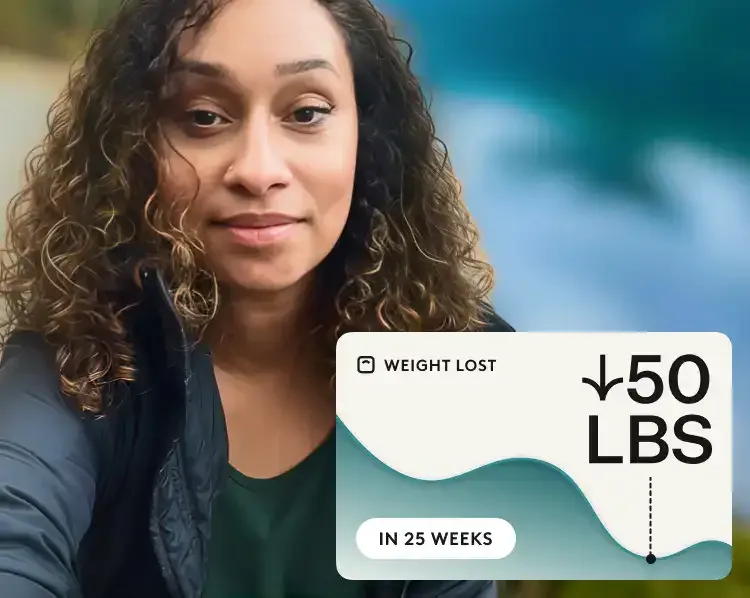
“My favorite parts of Noom are the care team and other Noomers. Sharing and getting help made me feel like I wasn’t doing it alone. That support made all the difference.”
Desirea N. — Real Noom user
Matthew M. — Real Noom user
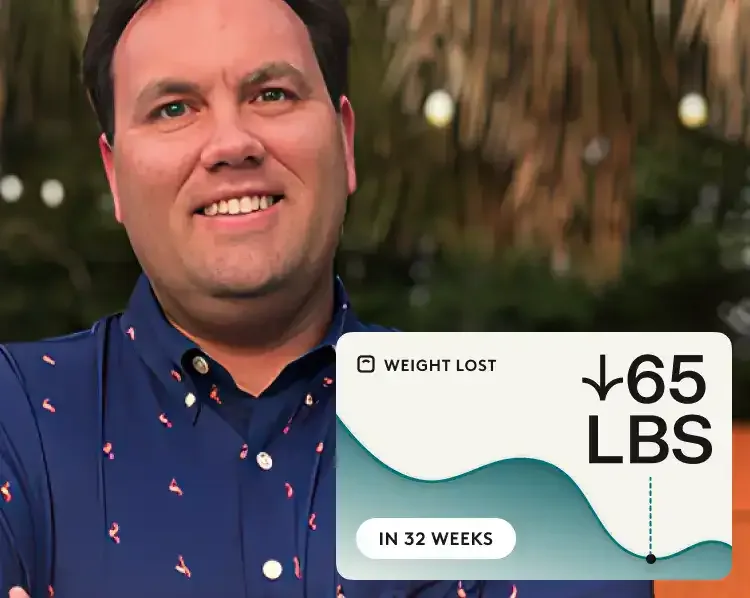
“Noom has taught me that every day is a new chance to make better, healthier choices. It's taught me how to stop overeating.’’
Matthew M. — Real Noom user
Lila M. — Real Noom user
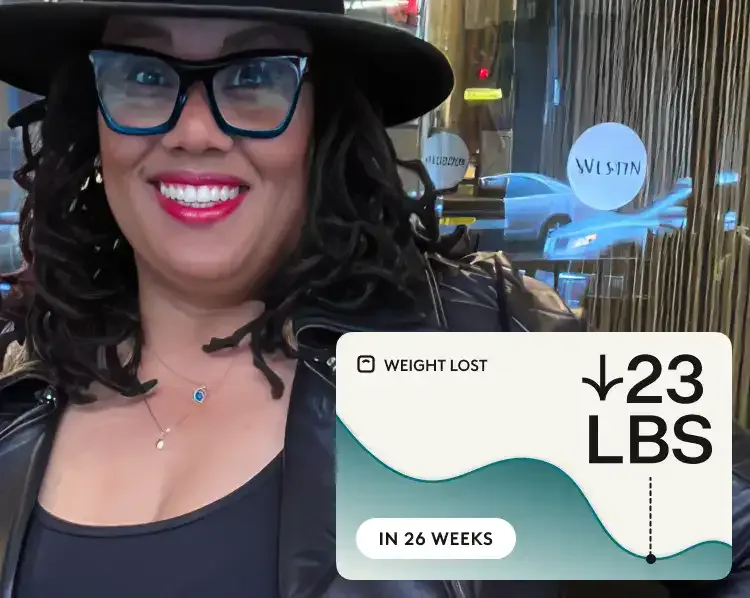
“Clinicians who understand how supportive medication can be is one of the best parts of Noom! I was convinced I wouldn’t have success but I’m down 11 pounds in two months.’’
Lila M. — Real Noom user
Steve M. — Real Noom user
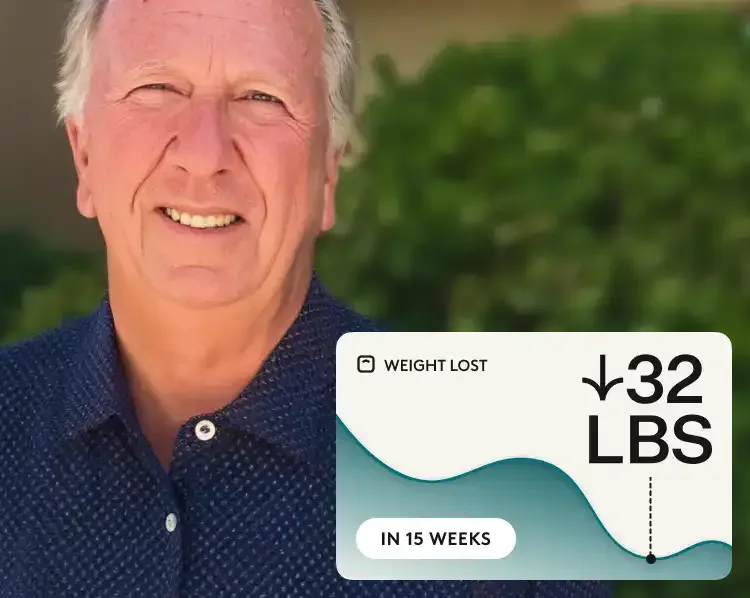
“Noom provided me with the medication which I could not get through Medicare. I have learned the tricks to better eating and life in general.”
Steve M. – Real Noom user
Daisy R. — Real Noom user
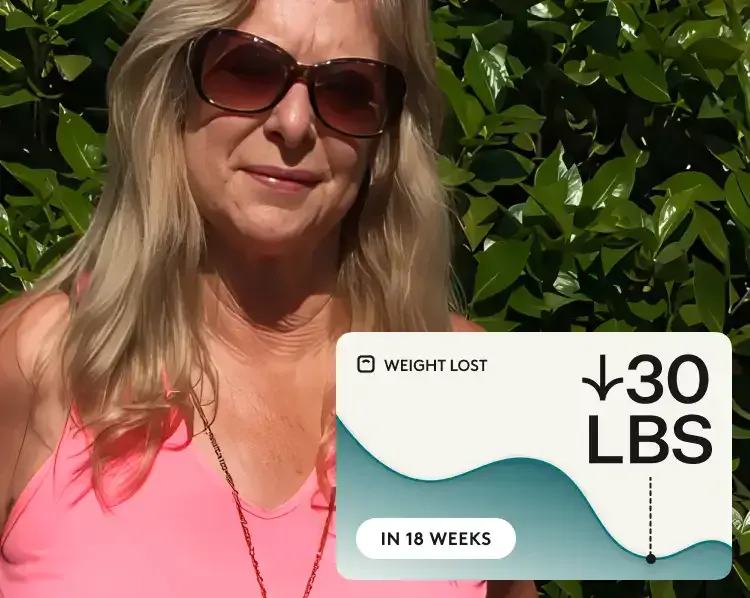
‘’Noom has changed my life and I’m so thankful, I feel great, have more energy and am no longer prediabetic.”
Daisy R. – Real Noom user
Sarah R. — Real Noom user
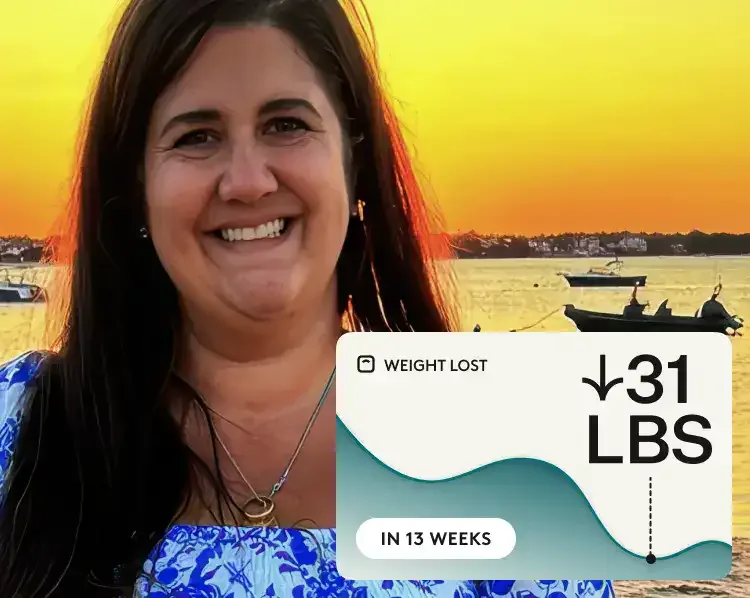
“All of the Noom providers that I’ve met with have been exceptional and prescribed medications that are appropriate for my situation and health.”
Sarah R. – Real Noom user
Madison S. — Real Noom user
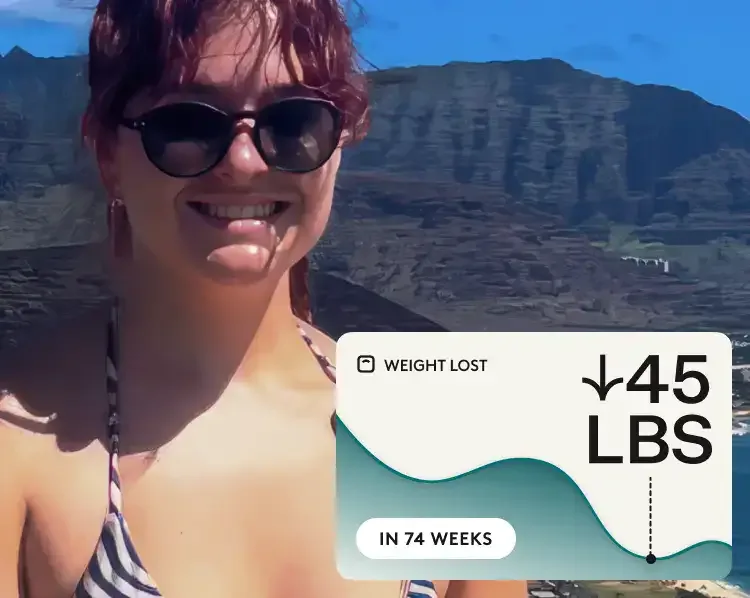
“Noom made the process so simple and now I feel full, free from diet obsession, and at ease in my body again.”
Madison S. – Real Noom user
Sonday K. — Real Noom user
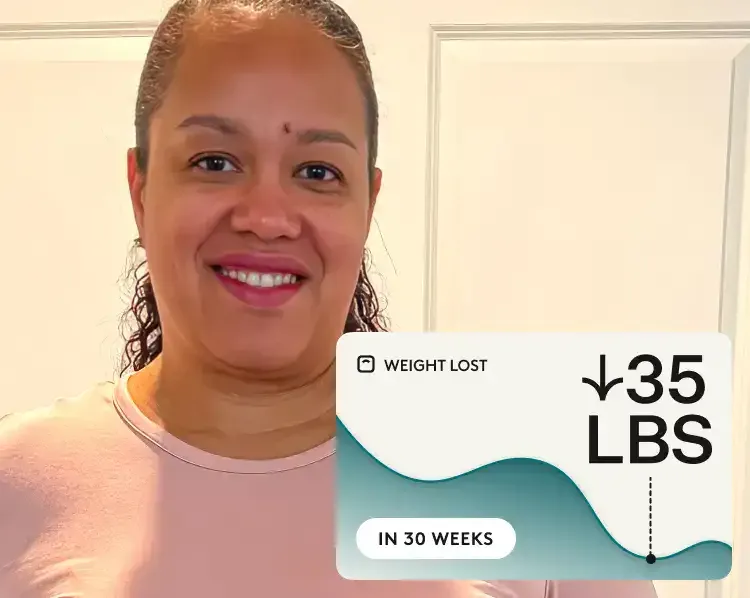
“My doctor recommended Noom after I was frustrated trying to lose weight. The lessons helped change my relationship with food. My body feels lighter & energized.”
Sonday K. – Real Noom user
Cam K. — Real Noom user
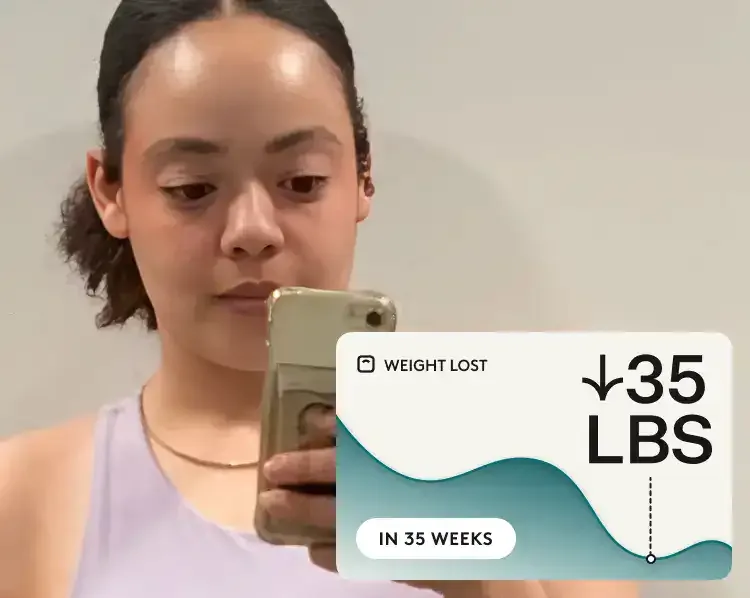
“I built healthy habits with coaching and lessons that make me confident I can maintain my weight loss long term.”
Cam K. – Real Noom user
Laura TR. — Real Noom user
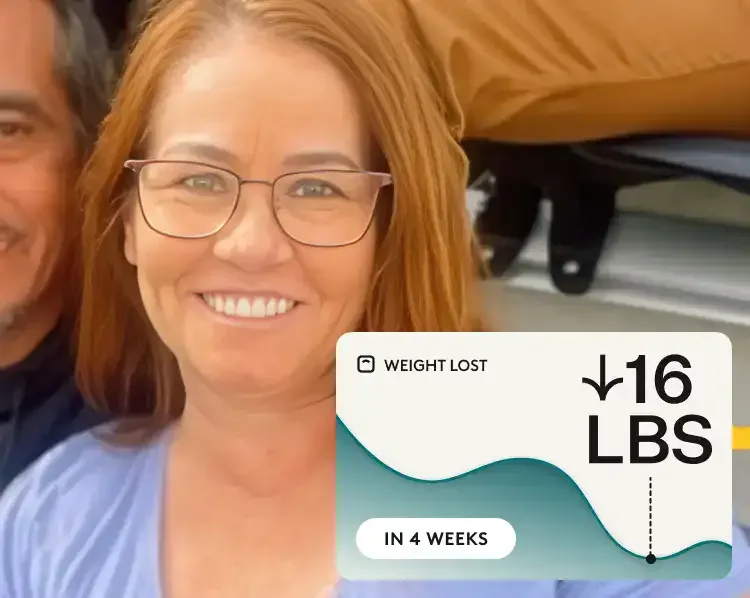
“With the right medication through Noom, hunger and sugar cravings finally quieted and I have the tools to break the cycle.”
Laura TR. – Real Noom user
Jessica S. — Real Noom user
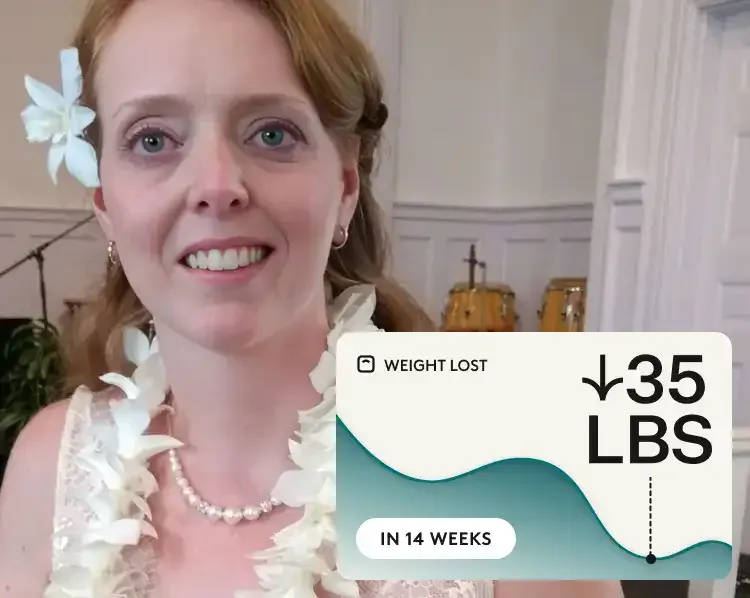
“Cravings and food noise are gone, I finally feel confident in the healthy habits I’ve built to last with Noom.”
Jessica S. – Real Noom user
The bottom line: Switching from Wegovy® to Zepbound® is a personalized decision
People switch from Wegovy® to Zepbound® for many reasons, including insurance coverage, cost, medication availability, side effects, or slower-than-expected weight loss. While tirzepatide has produced greater average weight loss than semaglutide in head-to-head clinical trials, that doesn’t mean it’s the best choice for everyone.
Because there isn’t an FDA-approved dose conversion chart, switching requires an individualized plan. Most healthcare providers start Zepbound® at the standard 2.5-mg dose and gradually increase it over time to help minimize side effects, rather than matching it to your previous Wegovy® dose.
Ultimately, the goal isn’t simply to switch medications—it’s to find a treatment you can tolerate, afford, and stick with over the long term. Your healthcare provider can help determine whether changing medications makes sense for your situation and guide you through the transition safely. Pairing medication with healthy eating habits, physical activity, and behavioral support can help you get the most from whichever treatment you use.
If you qualify, the clinicians at Noom Med can find the right medication for you and prescribe it if needed. Then your treatment plan will blend medical care with psychology-based coaching to help you handle the transition.
Editorial standards
At Noom, we’re committed to providing health information that’s grounded in reliable science and expert review. Our content is created with the support of qualified professionals and based on well-established research from trusted medical and scientific organizations. Learn more about the experts behind our content on our Health Expert Team page.