

What you’ll learn:
- There isn’t currently a generic tirzepatide available in the U.S. or major markets.
- Generic tirzepatide likely won’t be available in the U.S. until the late 2030s because of ongoing patent protections on both the drug and its delivery systems.
- While a generic tirzepatide is likely years away, manufacturer discount programs and other policy initiatives are already beginning to reduce costs and expand access.
Tirzepatide has quickly become one of the most talked-about medications for diabetes and weight management since its first approval in 2022, but it can also be expensive. List prices for the two branded medications that contain it, Zepbound® and Mounjaro®, are typically over $1,000 per month. Many people pay less through manufacturer savings programs or insurance, depending on their prescription, but coverage varies widely. Many plans don’t cover it when it’s prescribed for weight loss.
Because of that, many people are interested in when tirzepatide could be available as a generic. Since tirzepatide is still a relatively new drug, it’s protected by multiple patents covering the drug itself, its formulation, and the injection device used to deliver it, which prevents generic versions from entering the market for now.
Let’s explore why a generic tirzepatide doesn’t exist yet, when that could potentially change, and what options are available in the meantime. We’ll also discuss how the pricing landscape of tirzepatide is changing, along with ways to save.
What is tirzepatide, and why people look for a generic?
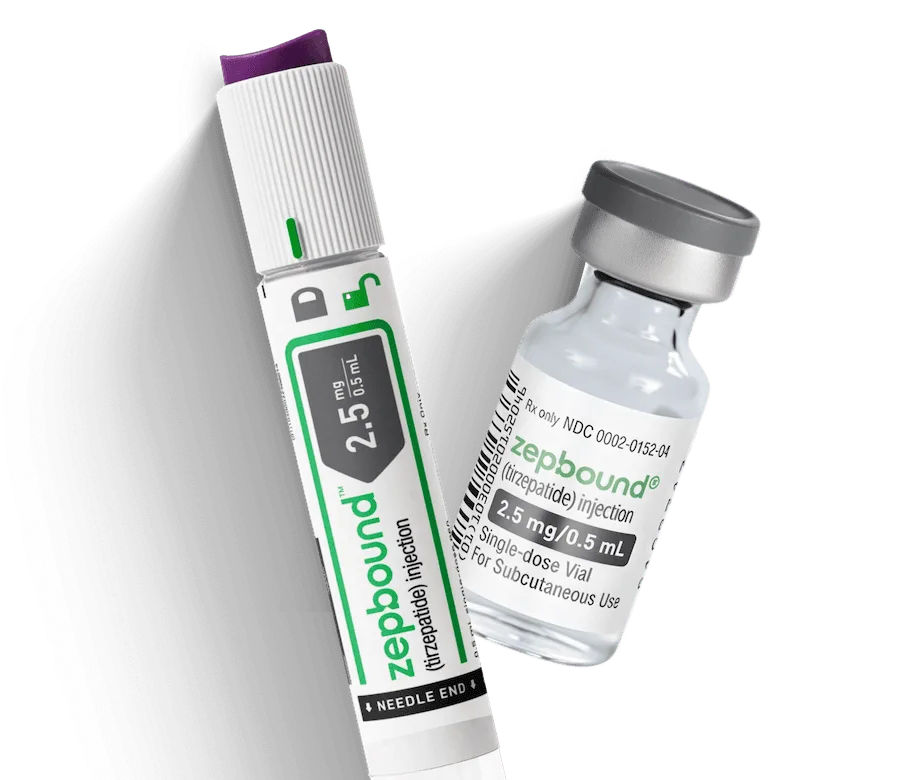
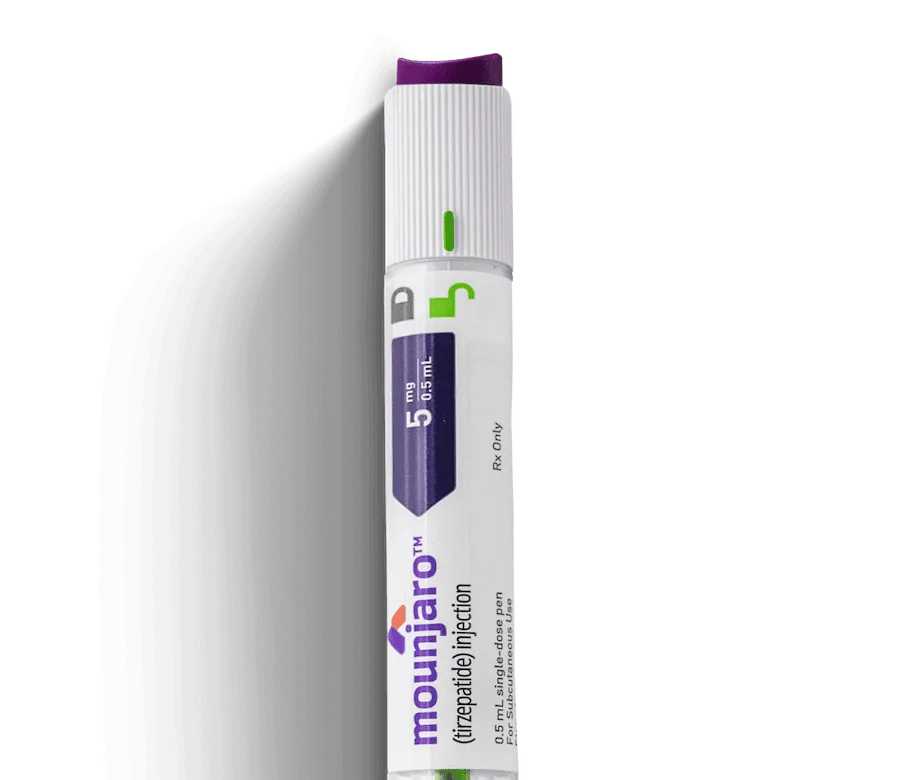
Tirzepatide is a prescription medication available as Mounjaro® for diabetes management, and Zepbound® for weight loss and obstructive sleep apnea (OSA).
Tirzepatide works as a dual hormone agonist, meaning it mimics two natural hormones: GLP-1 and GIP. These hormones help regulate appetite, slow how quickly food leaves your stomach, and improve blood sugar control. Together, these effects can make it easier to feel full sooner, eat less, and lose weight over time.
New from Noom
Microdose GLP-1Rx Plus
An affordable way to start your GLP-1 journey with Compounded Tirzepatide.

*Initial 3 week subscription and 4 weeks of medication from $79 plus tax and $199 per month plus tax for 12 week subscription thereafter. Final pricing depends on program selection. Noom GLP-1Rx Plus Microdose Program involves medication (when appropriate), healthy diet, exercise and support. Individual results vary. Meds & personalization based on need as determined by a third-party clinician. Medications are not reviewed by FDA for safety, efficacy, or quality. No affiliation with Eli Lilly and Company, the only US source of FDA-approved tirzepatide. Not available in all 50 US states.
A major reason people ask about a generic version is cost. Tirzepatide medications can be expensive, with list prices often exceeding $1,000 per month without insurance. Even when discounts or direct-pay programs are available, monthly costs can still be several hundred dollars.
Insurance coverage can also be inconsistent—especially for weight loss. This is because insurers aren’t required by law to cover weight loss medications. Some plans cover Mounjaro® for diabetes and Zepbound® for OSA, but many won’t cover either for weight management.
Even when coverage is available, prior authorization, step therapy, and high deductibles can make access more complicated. Prior authorization means your provider has to submit documentation to your insurance company showing the medication is medically necessary before it will be approved, and step therapy means you may need to try one or more lower-cost or preferred medications first before your plan will cover tirzepatide.
Like other medications in this category, tirzepatide is often used long-term to maintain results, which means ongoing monthly costs can become a significant factor for many people.
Generics tend to be priced lower than brand-name medications and insurance plans are often more likely to cover them.
Why tirzepatide doesn’t have a generic version
Tirzepatide is protected by multiple layers of patents held by Eli Lilly, the company that developed the medication. These protections don’t just apply to the drug itself; they extend to several aspects of how the medication is designed and delivered. Some of the key patent protections include:
- The active ingredient: Patents cover the molecular structure of tirzepatide itself, including the specific peptide design that allows the medication to activate two metabolic hormone receptors.
- Injection device: Additional patents protect the drug’s delivery methods including a single-dose injection pen and the multi-dose KwikPen.
Because these protections overlap, they create multiple barriers for generic manufacturers. Even if one patent expires, others may still prevent competitors from producing a generic version.
When will generic tirzepatide be available?
Based on current patent timelines and industry reporting, most experts point to the late-2030s as the earliest realistic timeframe for generic versions to reach the U.S. market.
Some patents tied to the injection device used for Zepbound® and Mounjaro® may expire earlier, but the most important protections involve tirzepatide itself. Patent databases show that the key substance patents covering the drug’s molecular structure extend into 2036, with additional formulation and delivery-related patents that may extend protections to 2039.
Even after the most important patents expire, generic versions rarely appear immediately. Generic manufacturers still need time to develop an equivalent product, conduct required testing, submit regulatory applications to the FDA, and prepare large-scale manufacturing. For complex injectable peptide medications like tirzepatide, this process can take months or even several years after patents expire.
Access GLP-1 Weight Loss with Noom
Explore a wide range of prescription medications supported by Noom’s program.Microdose GLP-1rx
Noom GLP-1rx
Noom GLP-1rx Plus
Wegovy®
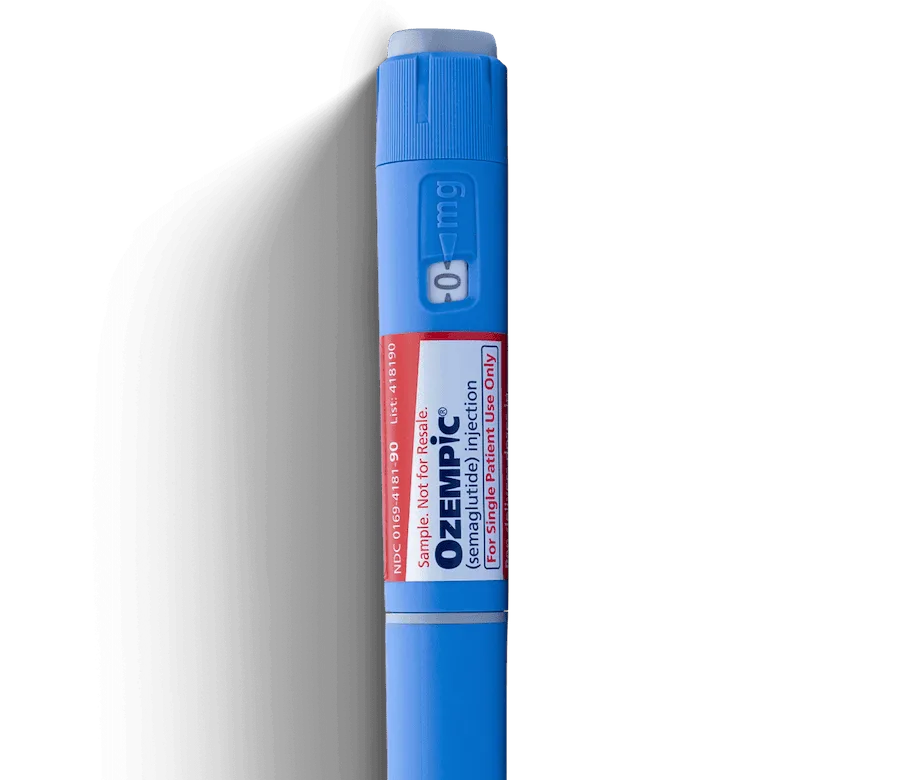
Ozempic®
Metformin
Zepbound®
Mounjaro®
Liraglutide
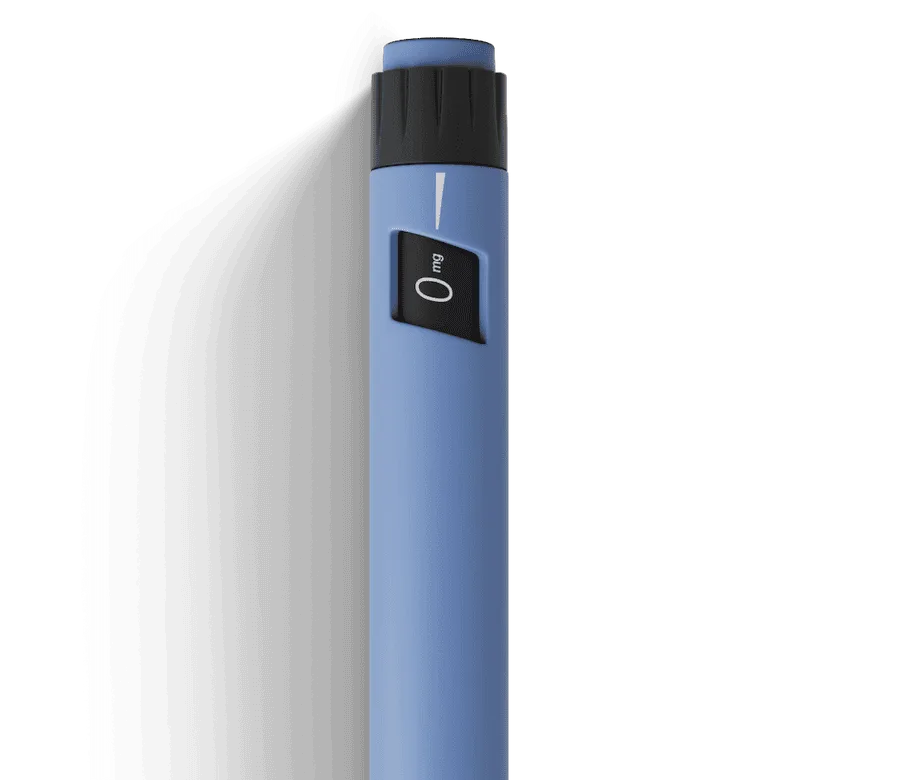
Real-world example: Liraglutide’s transition to generics
A useful comparison is liraglutide, another medication used for diabetes and weight loss. Like tirzepatide, liraglutide also comes under two brand names, one of which is approved for diabetes treatment and the other is approved for weight loss: Victoza and Saxenda.
While tirzepatide likely won’t follow the exact same path to generic as liraglutide, other GLP-1 medications like tirzepatide could follow a similar timeline.
Here’s how liraglutide progressed:
- 2010: Victoza® (liraglutide) was approved for type 2 diabetes.
- 2014: Saxenda® was approved for weight loss.
- 2024: The first generic liraglutide products were approved for diabetes dosing comparable to Victoza®.
- 2025: Generic liraglutide expanded into weight-loss dosing, aligning with Saxenda®-equivalent strengths.
What this means is it took about 14 years from Victoza®’s original launch to see the first generics reach the market—a timeline that’s fairly typical for brand-name medications with strong patent protection. Tirzepatide could follow a similar path.
That said, the exact timing could be different. Factors like additional patents on the drug and its injection devices, ongoing clinical research, and how aggressively manufacturers defend their exclusivity can all influence how long it takes before lower-cost versions become available.
Why timelines can shift
Even when patent expiration dates appear clear, generic timelines are rarely exact. Several factors can affect when generics actually reach people:
- Patent challenges and litigation between brand and generic manufacturers
- Manufacturing complexity, especially for injectable peptide medications
- FDA review timelines for each generic application
Because of these variables, the late 2030s remain the most commonly cited estimate for when generic tirzepatide could become widely available in the United States—but the exact timing will depend on how those legal, technical, and regulatory factors unfold.
When will the price of tirzepatide go down?
In recent years, there have been several efforts to lower the costs of GLP-1 medications, from both drug manufacturers and at the state and federal levels. Key initiatives include:
Manufacturer programs:
- Lower-cost cash-pay options: Eli Lilly offers Zepbound® for $299 to $449 per month through its LillyDirect program, making it more accessible for people paying out of pocket. Note that pricing conditions apply, particularly for higher doses. Mounjaro® does not currently have a comparable cash-pay discount program.
- Patient assistance programs: Eli Lilly and other manufacturers offer savings cards and assistance programs for eligible patients, which can significantly reduce costs for those who qualify based on income or insurance status.
Government and policy initiatives:
- Medicare Drug Price Negotiation (Inflation Reduction Act): For the first time, Medicare can negotiate prices directly with drug manufacturers for certain high-cost medications. Negotiated prices will roll out gradually in the coming years for selected drugs.
- Medicare out-of-pocket spending caps: New rules place limits on how much Medicare beneficiaries pay for prescription drugs each year, helping reduce costs for people who rely on long-term medications.
- Inflation penalties for drug manufacturers: Drug companies may face financial penalties if they raise prices faster than inflation for medications covered under Medicare.
- Medicare GLP-1 Bridge Program: The Medicare GLP-1 Bridge is a short-term pilot program created by the Centers for Medicare & Medicaid Services (CMS), launching July 1, 2026, through December 31, 2027. It provides eligible Medicare Part D beneficiaries access to certain GLP-1 weight loss medications at a flat $50 per month copay, regardless of dosage. Covered drugs include Zepbound® KwikPen injections, Wegovy® injection and pills, and Foundayo® oral pill.
- Expanded focus on high-cost chronic treatments: Federal policy discussions increasingly target medications used for long-term conditions — such as diabetes and obesity — because these drugs can create high long-term costs for both individuals and healthcare systems.
Together, these initiatives reflect pressure from multiple directions to address high prices and improve long-term affordability, especially for medications that millions of people may need for ongoing treatment.
However, it’s important to understand what these changes do and don’t do. Manufacturer programs can offer immediate savings for some patients, but eligibility requirements and program terms can change. Government policies like Medicare price negotiation may lower costs for certain beneficiaries once they take effect, and broader policy pressure may encourage manufacturers to expand discount programs, patient assistance options, or cash-pay pricing strategies — but these changes tend to roll out gradually and may not benefit all patients equally.
What could a generic tirzepatide cost?
Predicting the price of a future generic version of tirzepatide can be tricky, since there are many variables that could contribute to the cost. While generics are often much cheaper than brand-name drugs, that pattern doesn’t always apply to newer injectable medications—especially ones like GLP-1 and GIP–based treatments.
To get a sense of what pricing might look like, it helps to start with current costs. Today, brand-name tirzepatide remains expensive, with list prices around $1,087 per month for Zepbound® and about $1,112 per month for Mounjaro®.
Looking at what the generic version of liraglutide costs can give some useful context. With liraglutide, the prices didn’t drop as much as people expected when they first became available.
The generic version of Victoza® has been reported at roughly $228 to $709 for 2- to 3-pen packages, while the generic version of Saxenda®, which comes in larger 5-pen packages used for weight-loss dosing, has ranged from about $370 to $1,240.
Here’s how generic liraglutide compares to its brand-name counterparts:
| Medication | Generic price (approx.) | Brand price |
|---|---|---|
| Victoza® (liraglutide) | $228–$709 (2–3 pens) | $543–$815 |
| Saxenda® (liraglutide) | $370–$1,240 (5 pens) | $1,349/month |
These examples show that while generics can lower costs, the savings may be more modest at first—especially for complex injectable drugs. Manufacturing, delivery systems (like injection pens), and limited competition early on can all keep prices relatively high.
What this could mean for tirzepatide: If and when a generic tirzepatide becomes available, it will likely follow a similar pattern. Prices may come down compared to Zepbound® and Mounjaro®, but not necessarily to the level of other low-cost generics right away.
Over time, as more manufacturers enter the market and competition increases, prices could gradually decrease further. But in the early years, a generic version may still cost several hundred dollars per month, depending on factors like pharmacy pricing, supply, and insurance coverage.
How do generic drugs actually work?
Generic drugs may cost less than brand-name medications, but they’re required to work just as effectively. To make sure that happens, the FDA has a detailed approval process that generic manufacturers must follow before their products can reach people.
One of the most important requirements is proving bioequivalence. In simple terms, bioequivalence means the generic drug must deliver the same amount of the active ingredient into the bloodstream at the same rate and to the same extent as the brand-name medication.
Researchers test this by studying how the drug moves through the body over time. If the results fall within the FDA’s accepted range, the generic is considered therapeutically equivalent—meaning it should provide the same clinical benefit and safety profile as the original drug.
Generic manufacturers must also meet strict regulatory standards through the FDA’s Abbreviated New Drug Application (ANDA) process. Specifically, the FDA requires generics to have:
- the same active ingredient
- the same strength,
- the same dosage form (like a tablet, injection, or liquid)
- the same route of administration (such as oral or injectable)
Together, these requirements ensure that generics provide the same safety, quality, and effectiveness as the original drug, even though they are typically sold at a lower price.
But not all drugs are equally easy to reproduce. Injectable peptide medications, like tirzepatide, can be far more complex than traditional pills. These drugs are built from carefully structured chains of amino acids that must be produced under highly controlled conditions. Even small variations in manufacturing can affect how the molecule behaves.
On top of that, injectable medications often involve specialized formulations, storage requirements, and delivery devices like injection pens. Because of these technical challenges, developing a generic version of complex injectable drugs typically takes longer than creating generics for simpler oral medications.
Frequently asked questions about generic tirzepatide
What’s the earliest we could see generic tirzepatide?
Based on current patent protections, a generic tirzepatide weight loss medication likely won’t be available until the late 2030s or early 2040s, since some of its patents won’t expire until 2039. Patent challenges could speed this up, but this complex medication makes early generic entry unlikely.
Will insurance cover generic tirzepatide when it’s available?
Insurance coverage for generic tirzepatide will likely depend on what it’s prescribed for, the type of insurance you have, and any future regulation changes related to weight loss medications. Medicaid programs currently use various coverage rules for GLP-1 drugs, and similar approaches may continue with generics.
Are other GLP-1 generics coming before tirzepatide?
Notably, generic semaglutide is already available in some countries. Semaglutide patents have expired in India, Canada, and Brazil, where generic versions can now legally be sold following regulatory approvals. In India, multiple manufacturers launched generics at prices up to 80% below Novo Nordisk’s original pricing. In Canada, two laboratories received approval for generic injectable semaglutide in April 2026. But these international generics are not available in the U.S. Americans aren’t expected to get generic semaglutide until at least the end of 2031, largely due to patent extensions.
Tirzepatide is currently protected by extensive patents in the U.S. and in other countries. The core compound patent for tirzepatide is expected to expire around 2036, and additional patents related to its formulation and delivery may extend protection to 2039, meaning a generic is still many years away.
Are generics always cheaper than brand-name drugs?
Generic medications are often priced about 80–85% lower than their brand-name counterparts. That’s largely because manufacturers don’t have to redo the original (and expensive) clinical trials for safety and effectiveness, and they can use more streamlined approval processes.
That said, this kind of steep discount is most common with older, traditional drugs. It doesn’t always apply to newer, more complex treatments—especially injectable or biologic medications like GLP-1 therapies.
For biologics and their alternatives (biosimilars), price reductions tend to happen more gradually and aren’t usually as dramatic. These drugs are harder and more expensive to manufacture, and fewer companies typically enter the market, which limits early competition.
Research comparing pricing trends shows that even after multiple competitors become available, biologics often see smaller price drops than what’s typical in the standard generic drug market.
What countries have generic tirzepatide, if any?
No—there isn’t an officially approved generic version of tirzepatide anywhere in the world right now. Major regulatory agencies, including those in the United States, European Union, United Kingdom, Canada, and Australia, have only approved the brand-name versions—Mounjaro® and Zepbound®.
In general, most countries with strong regulatory systems tend to follow similar patent protections and approval timelines. That means a widely recognized, fully approved generic tirzepatide is unlikely to appear in other major markets much earlier than in the U.S. When generics do arrive, they’ll typically launch around the same time across regions once patents expire and manufacturers can legally enter the market.
Reviews from real Noom users
Desirea N. — Real Noom user
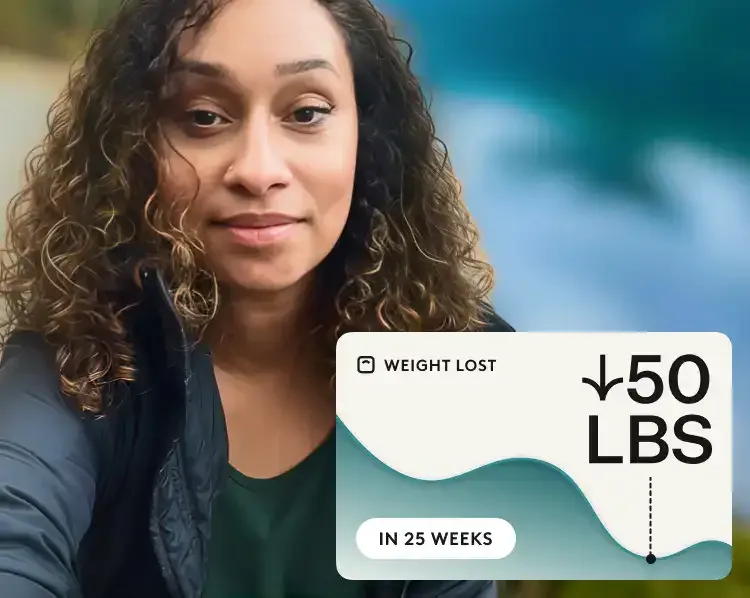
“My favorite parts of Noom are the care team and other Noomers. Sharing and getting help made me feel like I wasn’t doing it alone. That support made all the difference.”
Desirea N. — Real Noom user
Matthew M. — Real Noom user
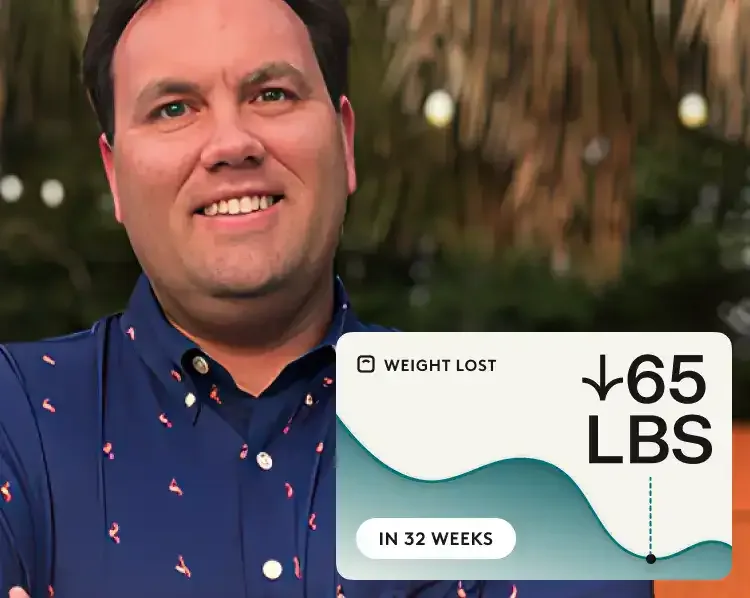
“Noom has taught me that every day is a new chance to make better, healthier choices. It's taught me how to stop overeating.’’
Matthew M. — Real Noom user
Lila M. — Real Noom user
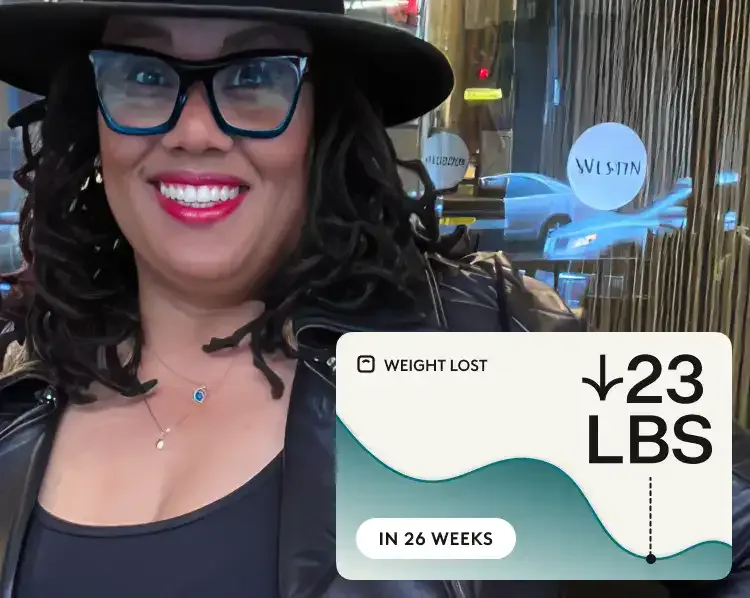
“Clinicians who understand how supportive medication can be is one of the best parts of Noom! I was convinced I wouldn’t have success but I’m down 11 pounds in two months.’’
Lila M. — Real Noom user
Steve M. — Real Noom user
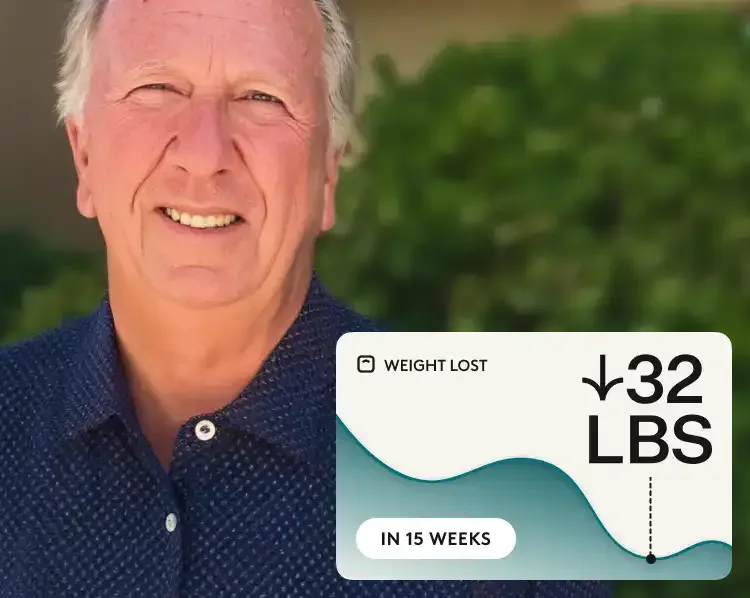
“Noom provided me with the medication which I could not get through Medicare. I have learned the tricks to better eating and life in general.”
Steve M. – Real Noom user
Daisy R. — Real Noom user
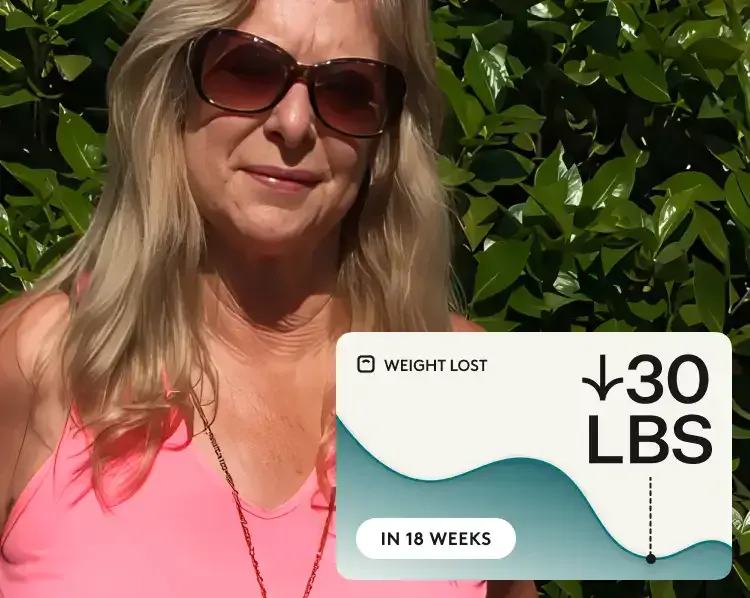
‘’Noom has changed my life and I’m so thankful, I feel great, have more energy and am no longer prediabetic.”
Daisy R. – Real Noom user
Sarah R. — Real Noom user
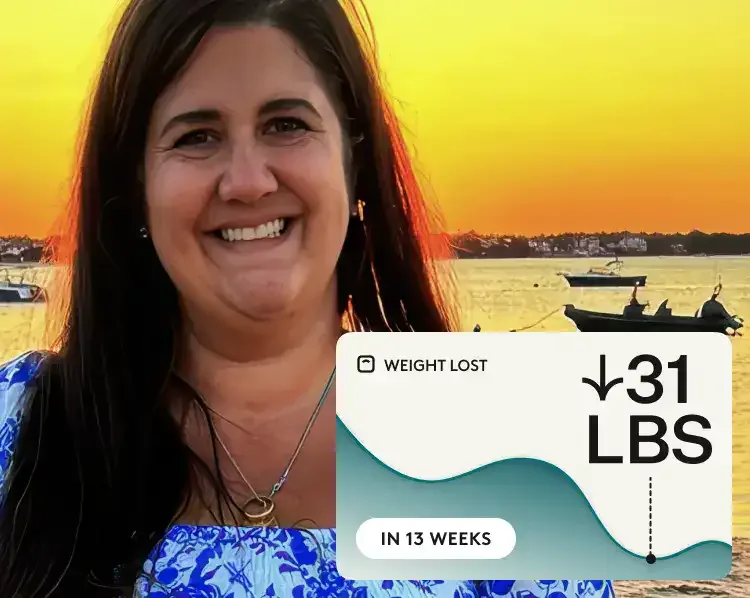
“All of the Noom providers that I’ve met with have been exceptional and prescribed medications that are appropriate for my situation and health.”
Sarah R. – Real Noom user
Madison S. — Real Noom user
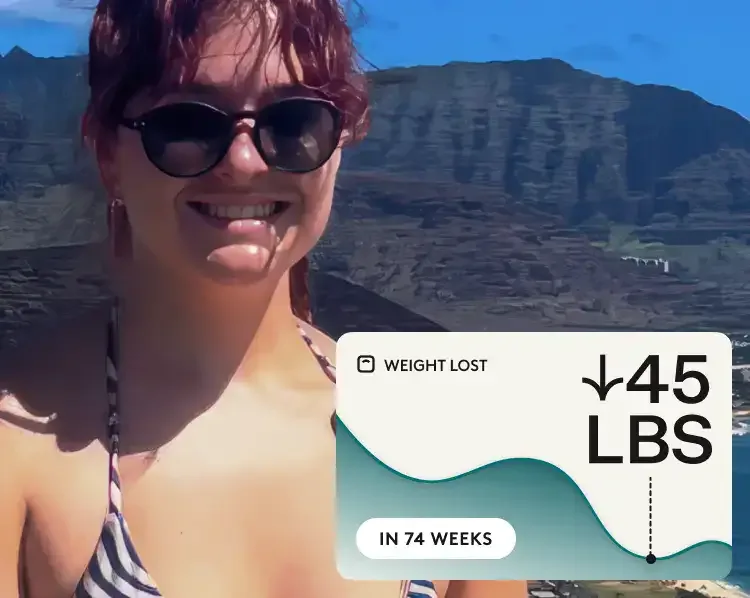
“Noom made the process so simple and now I feel full, free from diet obsession, and at ease in my body again.”
Madison S. – Real Noom user
Sonday K. — Real Noom user
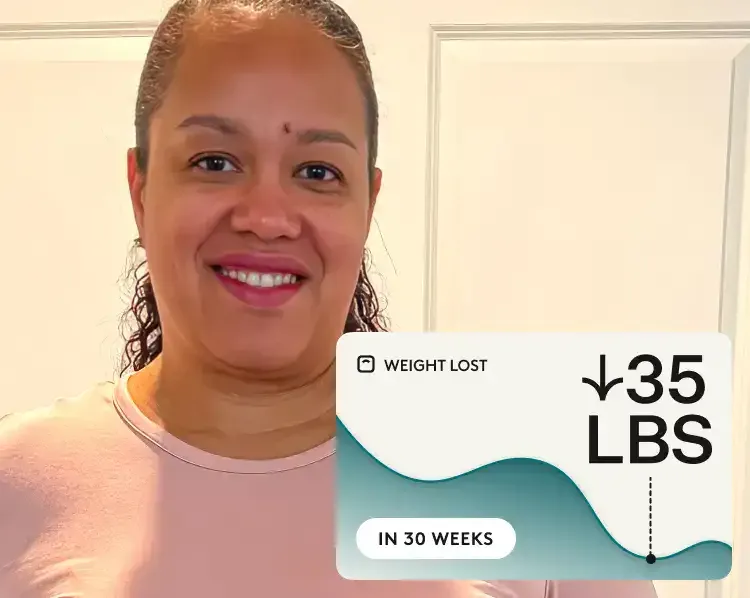
“My doctor recommended Noom after I was frustrated trying to lose weight. The lessons helped change my relationship with food. My body feels lighter & energized.”
Sonday K. – Real Noom user
Cam K. — Real Noom user
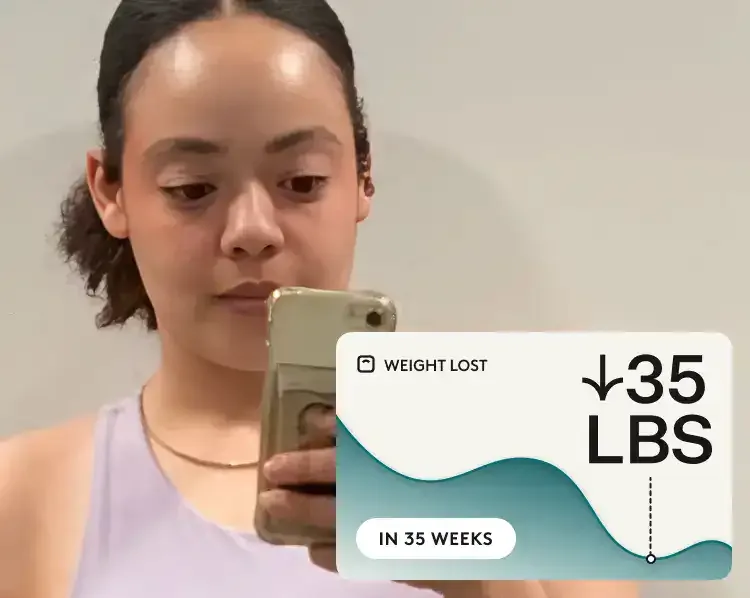
“I built healthy habits with coaching and lessons that make me confident I can maintain my weight loss long term.”
Cam K. – Real Noom user
Laura TR. — Real Noom user
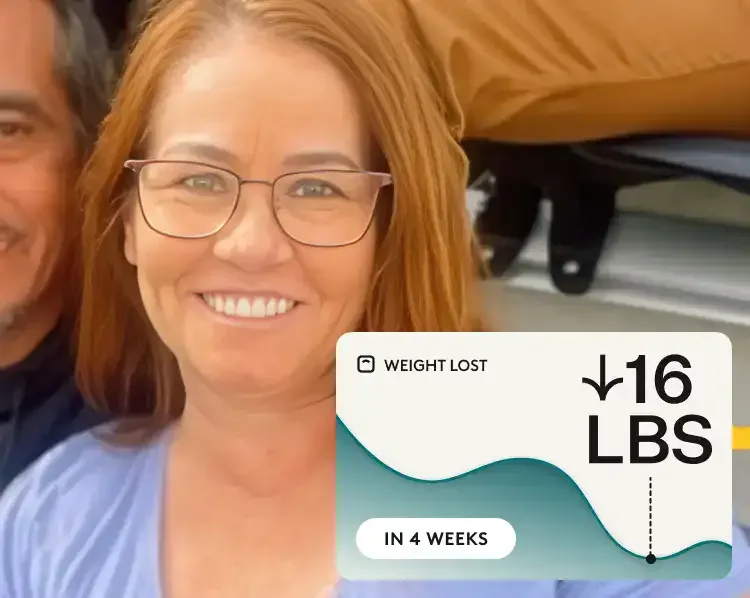
“With the right medication through Noom, hunger and sugar cravings finally quieted and I have the tools to break the cycle.”
Laura TR. – Real Noom user
Jessica S. — Real Noom user
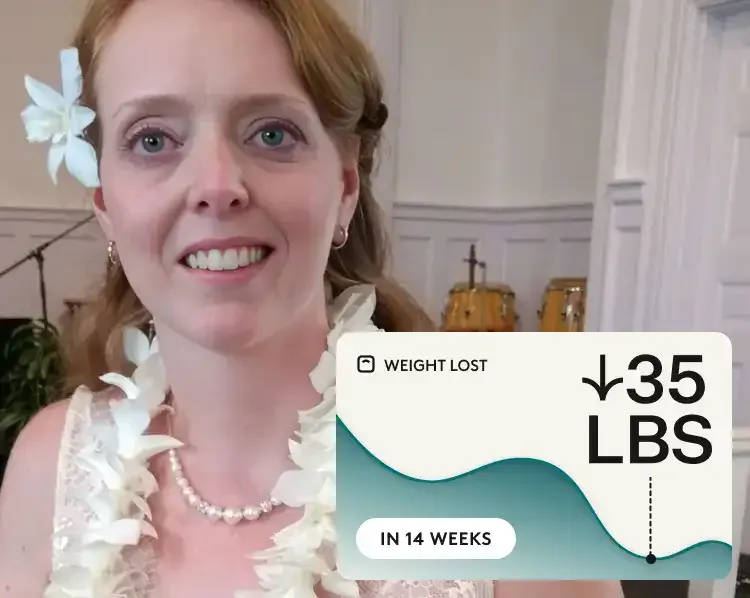
“Cravings and food noise are gone, I finally feel confident in the healthy habits I’ve built to last with Noom.”
Jessica S. – Real Noom user
The bottom line: There isn’t a generic tirzepatide in the U.S., and one isn’t likely for several years
There isn’t a generic version of tirzepatide available in the United States right now—and one likely won’t arrive until the late-2030s due to ongoing patent protections.
While some medications see earlier generic versions in smaller or less regulated markets, tirzepatide is expected to follow a more consistent global timeline. Major regions like the U.S., U.K., Canada, and the European Union are all likely to wait several more years before widely approved generics become available.
Even when generics eventually enter the market, early pricing may be lower—but not dramatically lower—especially for complex injectable medications like GLP-1/GIP therapies.
Insurance coverage may improve over time if costs come down, but access will likely continue to vary across private insurance, Medicare, and Medicaid.
If you’re exploring treatment options, it can help to look at current savings programs, coverage options, and alternatives available today while the generic timeline continues to evolve.
And if you’re exploring which medication might be a good fit, you can check whether you qualify for Noom Med. Noom Med combines access to prescription treatments with psychology-based coaching, guided strength training, a GLP-1 Companion, and tools for meal planning and tracking—designed to support weight loss while helping you build sustainable habits over time.
Editorial standards
At Noom, we’re committed to providing health information that’s grounded in reliable science and expert review. Our content is created with the support of qualified professionals and based on well-established research from trusted medical and scientific organizations. Learn more about the experts behind our content on our Health Expert Team page.