

What you’ll learn:
- Weight loss plateaus and slow progress are common when taking Foundayo®; they don’t mean the medication isn’t working.
- Healthcare providers consider multiple factors—not just the scale—when evaluating your progress, including appetite changes, health markers, and lifestyle habits.
- Combining Foundayo® with healthy lifestyle changes is key to getting the best results.
Foundayo® is the newest GLP-1 medication. It has the active ingredient orforglipron and was approved for weight loss in pill form in 2026. It’s the second GLP-1 pill to be approved for weight loss, marking a big change from the injectable version and opening a new avenue of weight loss therapy to people who don’t want to give themselves weekly injections.
When you start taking Foundayo®, it’s natural to hope that you will see weight loss right away. While you may feel changes in appetite or the way digestion feels, and even less food noise, big changes take time. Part of this is because Foundayo®, like other GLP-1s, is started at the lowest dose and increased, helping people adjust to the medication and lower the rate of side effects.
Slow weight loss can happen for different reasons, including what dose you are on, how your body is adjusting, your eating patterns, activity level, sleep, stress, or other health factors.
Weight loss also doesn’t usually happen in a perfectly steady pattern, and managing expectations is a big part of taking Foundayo.
Let’s walk through what it’s like starting Foundayo®, how weight loss tends to progress, and how to know if Foundayo® is working even if you don’t see a lot of weight loss initially. We’ll also help you understand how to build habits that work alongside your medication and cover what questions to ask your healthcare provider if your progress isn’t what you expected.

The Easy Way
to lose weight and get healthy.
See if you qualify

What is Foundayo®?
Foundayo® is a prescription oral GLP-1 medication approved for weight loss that is taken once a day. Its active ingredient is orforglipron. It’s made by Eli Lilly, the same company that makes GLP-1 medications Zepbound® and Mounjaro®.
Foundayo® works by acting on the same pathway as GLP-1, a hormone your body produces after you eat. GLP-1 lowers appetite, slows how quickly food leaves your stomach, and regulates blood sugar.
Foundayo® is taken by mouth once a day and, according to Eli Lilly, can be taken at any time of day without food or water restrictions. This is one reason people may compare Zepbound® vs. Foundayo® for weight loss when thinking about injectable versus oral options. Providers usually start with a lower dose and increase it gradually so your body has time to adjust, which may also help reduce Foundayo® side effects like nausea or stomach discomfort.
Because the dose builds slowly, weight loss may not happen right away. Some people notice changes in appetite, cravings, or portion sizes before they see a meaningful change on the scale. Foundayo® is meant to be used together with a reduced-calorie eating plan and increased physical activity, and your provider can help determine whether it fits your health history, goals, and treatment plan.
What does “not losing weight” on Foundayo actually mean?
If your weight has not changed much since starting Foundayo®, it can be discouraging. But a quiet scale does not always mean the medication isn’t working. Sometimes it reflects where you are in the process, how your body is adjusting, or normal changes that happen from day to day.
A few common reasons may explain what you’re seeing:
- Your body is still adjusting: If you recently started Foundayo®, you are still in the dose-escalation phase, also called titration. Everyone starts on the lowest dose. It increases gradually, typically every 30 days, so your body can adjust, and side effects may be easier to manage. Because of that slow build, some people notice appetite changes before they see much movement on the scale.
- Early results can look different from person to person: In studies, people taking Foundayo® lost an average of about 11% of their body weight after 72 weeks. That timeline is a helpful reminder that the bigger changes tend to build gradually with continued treatment, dose adjustments, and lifestyle support.
- The number on the scale doesn’t tell the whole story: The number on the scale can change because of fluids, digestion, sodium intake, meals, and hormones. A few weigh-ins that look the same may not tell the full story.
The bigger pattern matters more than one weigh-in. If you are unsure whether your early progress is on track, your healthcare provider can help you look at your dose, appetite, eating habits, side effects, and overall progress. From there, you can decide whether your plan needs more time or a small adjustment.
How long does Foundayo typically take to work?
Foundayo® is designed to build up gradually, so weight loss may not be apparent in the first few weeks. How long does it take to notice weight loss? It can depend on your starting weight, your biology, lifestyle changes, and how you are handling the medication.
Here’s what the timeline can look like for many people:
Access GLP-1 Weight Loss with Noom
Explore a wide range of prescription medications supported by Noom’s program.Microdose GLP-1rx

Noom GLP-1rx

Noom GLP-1rx Plus
Wegovy®

Ozempic®

Metformin

Zepbound®
Mounjaro®
Liraglutide
- In the early weeks: You may notice appetite changes first, such as feeling full sooner or thinking about food less often. The scale may not move much right away, but you’ll likely see some weight changes as your dose increases every 30 days. The dosing schedule starts at 0.8 mg once daily, then increases to 2.5 mg after at least 30 days and 5.5 mg after at least another 30 days, which means the first two months are largely part of the step-up process.
- Over the first few months: As your dose increases and your body adjusts, weight changes may become easier to see on the scale or in how your clothes fit. Foundayo’s approved dosing starts low and increases roughly every 30 days, with most people reaching a steady maintenance dose within 3 to 5 months, depending on how quickly they move through the steps.
- 12 to 18 months: Average weight loss over about a 72-week period ranges from 7% to 11% depending on dose.
These timelines are general patterns, not promises. Weight loss can slow down, pause, or vary from week to week. What matters most is looking at your overall trend, staying in touch with your healthcare provider, and finding the dose, habits, and support that fit your body.
Common reasons you aren’t losing weight on Foundayo®
If you’re not losing weight on Foundayo®, it doesn’t mean the medication isn’t working. Weight loss can be affected by your dose, side effects, eating habits, activity level, sleep, stress, hormones, other medications, and how your body responds to GLP-1 treatment. Understanding the possible reasons can help you know what to track and what to discuss with your healthcare provider.
Your dose is still increasing
Because the dose builds over time, major weight changes may not show for several months. Depending on the maintenance dose you and your doctor land on, it can take anywhere from about 2 months to about 5 months to reach it, stepping up roughly every 30 days. In studies, average weight loss looked like this:
- 5.5 mg: 2 months to reach, about 7.5% average weight loss at 72 weeks
- 9 mg: 3 months to reach, about 8.4% average weight loss at 72 weeks
- 17.2 mg (highest dose): 5 months to reach, about 11.2% average weight loss at 72 weeks
Side effects may be changing how you eat or take the medication
Foundayo® side effects are often digestive, including nausea, constipation, diarrhea, vomiting, indigestion, and abdominal pain. These symptoms can make weight loss harder if they cause you to skip doses, delay dose increases, avoid protein- or fiber-rich foods, eat too little, or rely mostly on bland, low-nutrient foods that feel easier on your stomach. The FDA label also lists fatigue and headache as common side effects, which may make it harder to stay active or follow your usual routine.
If side effects are disrupting your eating, hydration, movement, or medication schedule, talk with your healthcare provider instead of stopping or changing the dose on your own. They may suggest staying at the same dose longer, adjusting meal size or timing, prioritizing fluids, adding more tolerable protein and fiber sources, or changing your plan until symptoms improve. You should also contact your provider promptly if nausea, vomiting, or diarrhea is severe, persistent, or causing dehydration, since the prescribing information warns that gastrointestinal side effects can sometimes lead to volume depletion.
Diet and exercise still play a role
Foundayo® can help reduce appetite, but it works best alongside healthy habits—not instead of them. In clinical trials, participants received guidance on following a healthy, balanced diet and staying physically active throughout the study.
The studies didn’t require a specific meal plan or workout routine, but healthy eating and regular movement remain important parts of long-term weight management. Choosing nutritious foods, getting enough protein, and staying active can help support your progress while taking the medication.
Sleep, stress, hormones, or other medications may be affecting results
Weight loss doesn’t depend on medication alone. Research suggests that factors like sleep quality, stress, hormonal changes, genetics, and other individual differences can all influence how people respond to weight-loss treatments.
Other medications may also play a role. Some can increase appetite, promote fluid retention, or make weight loss more challenging. If you’re not seeing the results you expected, it’s worth reviewing your medications and overall health with your healthcare provider to identify any factors that could be affecting your progress.
Other health conditions can slow weight loss
Sometimes slow or limited weight loss is connected to health issues. Your provider may include lab work for blood sugar or thyroid function, symptom tracking for fatigue, sleep, appetite, digestion, or menstrual changes, and a medication review. Here’s why:
- Blood sugar problems can matter because insulin resistance is linked with higher blood glucose and weight gain.
- Thyroid conditions may also play a role, since hypothyroidism can be associated with weight gain.
- Hormonal changes can affect body composition too, including menopause-related shifts in abdominal or visceral fat.
- Sleep apnea can also make progress harder if poor sleep affects energy, appetite, and metabolism.
- Some medicines, including certain antidepressants, antihyperglycemics, antihypertensives, antipsychotics, and corticosteroids, have been associated with weight gain.
Looking at these factors together can help your provider see whether your Foundayo® plan needs more time, a dose discussion, or support for another issue that may be affecting your progress.
Your body may respond differently because of genetics
Not everyone responds to GLP-1 medications in the same way. Genetics may be one reason. Some people may naturally have a stronger response, while others may see smaller changes or more side effects. A large study of people using GLP-1 medications found that variation in genes related to GLP-1 and GIP signaling was associated with differences in weight loss response and side effects, including a GLP1R variant linked with slightly greater weight loss on average. The effect was modest, but it supports the idea that biology can influence why one person may lose weight faster or tolerate treatment differently than another.
Genetics is only one piece of the picture, though. Dose, consistency, nutrition, movement, sleep, stress, and medical history still matter. If you aren’t getting the results you expect, your provider can help decide whether your plan needs more time, a dose adjustment, added support, or a different treatment approach.
How providers evaluate whether Foundayo is “working”
Your provider isn’t monitoring for gradual weight loss, 1 to 2 pounds per week, but they are also looking at other signs the medication is working and that side effects are manageable.
That may include:
New from Noom
Microdose GLP-1Rx Plus
An affordable way to start your GLP-1 journey with Compounded Tirzepatide.

*Initial 3 week subscription and 4 weeks of medication from $79 plus tax and $199 per month plus tax for 12 week subscription thereafter. Final pricing depends on program selection. Noom GLP-1Rx Plus Microdose Program involves medication (when appropriate), healthy diet, exercise and support. Individual results vary. Meds & personalization based on need as determined by a third-party clinician. Medications are not reviewed by FDA for safety, efficacy, or quality. No affiliation with Eli Lilly and Company, the only US source of FDA-approved tirzepatide. Not available in all 50 US states.
- How your appetite is changing, such as feeling full sooner, having fewer cravings, or finding it easier to stop eating when satisfied.
- What your eating patterns look like day to day, including whether portions feel easier to manage, snacking has decreased, or side effects are making it harder to eat balanced meals.
- Improvement in health markers beyond weight, such as blood sugar, cholesterol, triglycerides, blood pressure, or waist size.
- How treatment fits into your routine, including how you’re managing side effects and whether the plan feels realistic enough to continue.
Looking at all of these pieces helps your provider decide whether you should give Foundayo® more time, whether your dose or routine should be adjusted, or whether another part of your plan needs more support.
Lifestyle factors that can influence Foundayo® weight loss results
Foundayo® can help lower your appetite and keep you fuller longer, but your daily habits still play an important role in your weight loss results. The medication is meant to work alongside nutrition, movement, sleep, stress management, and medical support—not replace them. Foundayo® is intended to be used with a reduced-calorie diet and increased physical activity.
Nutrition
Nutrition still matters on Foundayo®. The medication can lower your appetite, but it doesn’t do the work of building balanced meals for you. In orforglipron studies, participants received counseling on diet and physical activity alongside the medication — Lilly notes that the studies didn’t require a specific calorie-deficit range, so there’s no single number to hit. What matters more is how you eat: clinical guidance on GLP-1 digestive side effects points to eating slowly, sticking to smaller portions, and steering clear of foods that tend to trigger nausea.
What to eat: Focus on smaller, balanced meals that are easier to tolerate, that are a balance of:
- Lean proteins: Support fullness and help preserve muscle while you’re eating less overall.
- Fruits & vegetables: Provide vitamins and minerals in a lower-calorie, easier-to-digest form when appetite is reduced.
- High-fiber carbs: Help steady blood sugar and keep digestion regular, which can be disrupted by slower stomach emptying.
- High water foods like soups, broths, and cucumbers or watermelon add volume and hydration without weighing on a smaller stomach capacity, which can help manage side effects.
These choices can help support fullness, digestion, and steady energy while your appetite is lower.
What to limit or avoid: There are no foods you have to avoid on Foundayo®, but in general, large meals, very high-fat foods, large portions, sugary drinks, and highly processed snack foods may make nausea, bloating, or stomach discomfort worse. They can also lead to weight gain if you eat more calories than your body needs.
Hydration is also important: If you are eating less, feeling nauseated, constipated, or having vomiting or diarrhea, it can be easier to fall behind on fluids. Your provider can help you adjust your eating pattern if side effects make it hard to get enough nutrition.
Physical activity
Movement still matters on Foundayo®. It can support weight loss, help protect muscle, improve energy, and make long-term maintenance easier. In clinical trials, everyone was told to make healthy lifestyle changes like maintaining a healthy diet and physical activity. They were told to work toward at least 150 minutes of physical activity per week and their progress was reviewed at each study visit. They were also encouraged to keep a three-day food and activity log before counseling appointments.
You don’t need intense workouts to benefit. Walking, light strength training, stretching, swimming, cycling, or short movement breaks can all help. The best plan is one you can repeat consistently.
Protein and muscle preservation
When you lose weight, your body can lose both fat and lean mass, which includes muscle. This is why protein and strength training are important while taking Foundayo®. Research on body composition during weight loss recommends combining adequate protein intake with resistance exercise to help protect muscle. A general protein target is about 1.0 to 1.2 grams per kilogram of body weight per day, although some people may need more depending on their age, activity level, health, and overall diet.
In simple terms, muscle helps you stay strong and active. It also supports daily movement and overall health. Getting enough protein and adding strength-building activity can help your body keep more muscle while you lose weight. Your provider or dietitian can help you decide what amount of protein is right for you.
Sleep and stress
Both sleep and stress can affect your hunger, cravings, and energy levels.
Research consistently links getting fewer than 7 hours of sleep to higher calorie intake—an analysis of several trials found that people who are sleep-deprived consumed around 250 more calories per day. Chronic stress can also slow weight loss: studies show it drives cravings for high-calorie foods, reduces activity, and disrupts sleep—all of which make weight management harder.
Hormones and other health factors
Hormones can affect your results in different ways depending on who you are.
For women, perimenopause and menopause bring changes in estrogen that can shift body composition, slow metabolism, and increase abdominal fat — research links this stage of life to higher cardiometabolic risk, which can make weight loss feel harder.
For men, testosterone levels naturally decline with age, which can reduce muscle mass, slow metabolism, and increase body fat — particularly around the midsection — making weight management more challenging over time.
Other factors can play a role for anyone: thyroid conditions, insulin resistance, PCOS, sleep apnea, certain medications, and genetics can all influence how your body responds. If progress feels slower than expected, your provider can help you look at the full picture rather than assuming Foundayo® isn’t working.
When changing the Foundayo dose might make a difference
If weight loss slows on Foundayo®, increasing your dose isn’t automatically the next step. Before making a change, your healthcare provider will usually consider several factors that can affect how well the medication is working.
They may look at:
- Whether you’ve had enough time at your current dose. It can take time for your body to adjust, especially if you recently started treatment or recently increased your dose. You won’t reach a maintenance dose—5.5 mg, 9 mg, 14.5 mg, or 17.2 mg—for several weeks, and weight loss may continue to improve as treatment progresses.
- How well your appetite is controlled. If you’re still feeling hungry more often, struggling with cravings, or finding it difficult to eat smaller portions, moving to the next scheduled dose may provide additional appetite suppression.
- How you responded to earlier dose increases. Your provider will consider whether previous increases led to greater weight loss or better appetite control, as well as whether they caused bothersome side effects.
- Whether side effects are manageable. Nausea, vomiting, diarrhea, constipation, and stomach discomfort can make it harder to continue treatment. If these symptoms are significant, your provider may recommend staying at your current dose longer or increasing more gradually instead of moving up right away.
A higher dose isn’t always the right answer. If you’ve recently started Foundayo®, recently increased your dose, missed several doses, or are experiencing side effects, your provider may recommend remaining at your current dose before making another adjustment.
If you’re already taking the maximum recommended dose of 17.2 mg once daily and your weight loss has slowed, increasing the dose isn’t an option. At that point, your provider may review factors such as nutrition, physical activity, medication adherence, and side-effect management, or discuss whether a different treatment approach may be appropriate.
Plateaus vs. slowed weight loss on Foundayo®
A plateau is different: it describes a longer stretch where weight stays relatively stable after steady progress. No movement on the scale doesn’t necessarily indicate a plateau. Sometimes your body is still changing, but the scale is being affected by short-term factors like fluid, digestion, or food volume. Other times, weight loss has slowed because your body now needs less energy than it did before. Here’s how to tell if it’s a true plateau:
- Weight fluctuation: A few similar weigh-ins don’t mean fat loss has stopped. Body weight can shift from day to day because of water balance and other normal changes. Research on daily body weight patterns shows that short-term weight changes can happen even when a person’s longer-term weight trend is stable.
- Expected slowing: Weight loss often becomes slower over time because the body adapts. As body size decreases, the body usually uses fewer calories, and energy needs can change during weight loss. Research on weight-loss plateaus describes this slowdown as part of the body reaching a new balance between energy intake and energy use.
- A true plateau: A plateau is more than a slow week or a few unchanged weigh-ins. In one analysis of tirzepatide weight-loss trials, researchers defined a plateau as less than 5% weight change over a 12-week period, with that pattern continuing across later 12-week periods.
How do providers assess plateaus?
When you ask your provider about a possible plateau, they will usually look beyond the most recent number on the scale. They may review whether your weight has been flat over a longer period, whether your dose has changed, whether side effects are affecting your eating, and whether your food intake or movement has shifted without you noticing.
They may also look at whether your body composition, energy levels, sleep, stress, hormones, or other medications could be playing a role. This matters because plateaus can happen for more than one reason.
Seeing slower progress does not automatically mean Foundayo® is not working. It may mean your body needs more time, your plan needs a small adjustment, or another factor is making progress harder to see. The best next step is usually to look at the full pattern with your provider instead of reacting to one weigh-in.
Could you be at a stable weight on Foundayo?
Your provider will also look at your current weight and compare it to your goal weight, and assess whether the goal is realistic.
To understand whether your current weight is a healthy stopping point or just a slower phase, your provider will usually look beyond the scale. BMI can be one starting point, but it does not tell the whole story. Waist measurement, body composition, blood pressure, blood sugar, cholesterol, strength, energy, and how you feel day to day can all help show whether your health is improving.
Waist circumference, for example, is often used alongside BMI because it can give providers more information about cardiometabolic risk. If those markers are moving in a better direction, staying at your current weight may still be a meaningful win, even if the scale is no longer dropping.
When providers may discuss maintenance or long-term use
Your provider may start discussing maintenance once your weight has been stable for a while, your appetite feels well controlled, and your current dose is still working without causing difficult side effects. At that point, the goal may shift from continuing to increase the dose to finding the lowest effective dose that helps you maintain your progress.
Maintenance does not always mean lowering the dose or stopping treatment. Some people stay on the same dose long term, while others may need an adjustment based on weight trends, hunger, side effects, and personal goals. Because weight regain can happen after GLP-1 medications are stopped, your provider may recommend ongoing treatment and regular check-ins rather than making sudden changes.
More questions about not losing weight on Foundayo
Does Foundayo cause weight loss for everyone?
No, response rates differ among people taking Foundayo. In studies, average weight loss ranged from about 7.5% to 11.2% across the studied doses, but not every person lost weight or reached the same result. About 60.6% to 71.8% lost at least 5% of their starting weight, while smaller groups reached higher milestones, including 54.6% who lost at least 10%, 36.0% who lost at least 15%, and 18.4% who lost at least 20% at the highest dose. Your genetics, metabolism, and other health factors all influence how well Foundayo works for your specific situation.
How can I lose the most weight on Foundayo®?
There isn’t a proven formula for maximizing weight loss on Foundayo®. In studies, those taking higher doses lost more weight on average. And while the participants were coached on making healthier eating choices and increasing exercise, the study didn’t identify specific habits that separated the biggest responders from everyone else.
The best evidence suggests using Foundayo® as prescribed, following a balanced eating pattern, staying physically active, eating enough protein, staying hydrated, getting adequate sleep, and managing stress. Pairing the medication with a behavior change program like Noom may also help you build sustainable habits that support long-term weight management.
Do some people respond more slowly?
Yes, some people respond more slowly to Foundayo®. Dose, side effects, eating habits, activity level, sleep, stress, hormones, other medications, and individual biology can all affect how quickly weight loss shows up.
Will switching doses matter?
Yes, it can. In the ATTAIN-1 trial, higher maintenance doses led to greater average weight loss, so moving to a higher dose may help some people whose progress has slowed. But the dose should only be increased after you have spent enough time at your current dose, at least 4 weeks, and are tolerating it well, since raising it too quickly can increase the risk of side effects.
Does when I take my medication matter?
Not in terms of morning versus evening. Foundayo® can be taken once daily at any time of day, with or without food and without special water restrictions. The studies haven’t shown that one time produces more weight loss than another, so the most practical approach is to choose a time that helps you remember your daily dose and follow your provider’s instructions.
Does weight loss ever resume after a plateau?
It may, but there is not enough Foundayo®-specific evidence to say how often this happens or what reliably restarts weight loss. If your weight has stayed the same for several weeks, your provider can review whether you have reached a true plateau, whether your current dose is still appropriate, and whether side effects, missed doses, or another health factor may be affecting your progress.
Reviews from real Noom users
Desirea N. — Real Noom user
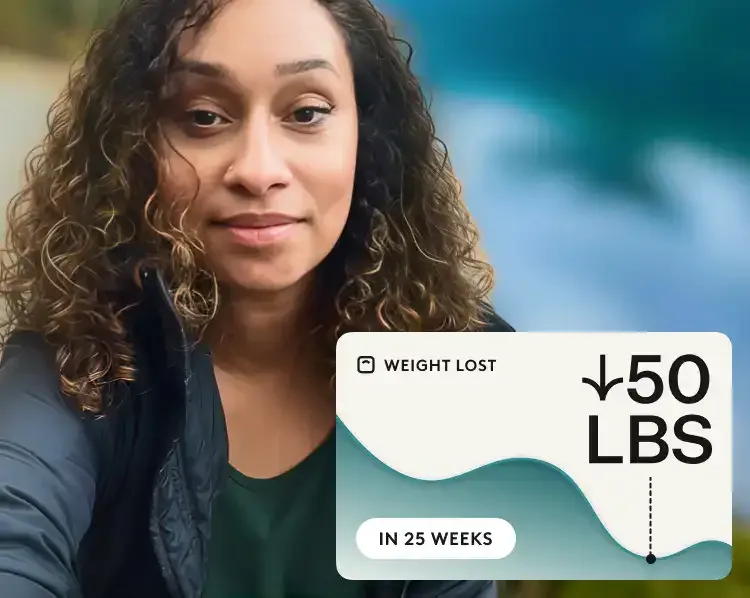
“My favorite parts of Noom are the care team and other Noomers. Sharing and getting help made me feel like I wasn’t doing it alone. That support made all the difference.”
Desirea N. — Real Noom user
Matthew M. — Real Noom user
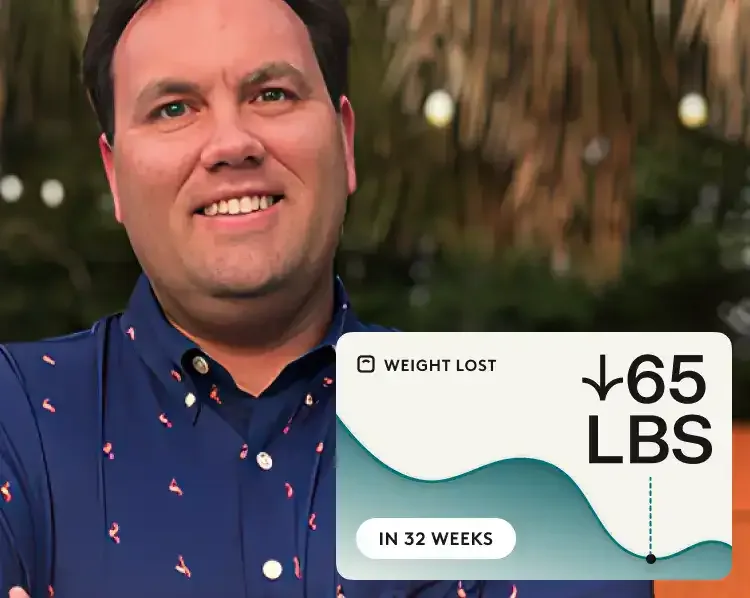
“Noom has taught me that every day is a new chance to make better, healthier choices. It's taught me how to stop overeating.’’
Matthew M. — Real Noom user
Lila M. — Real Noom user
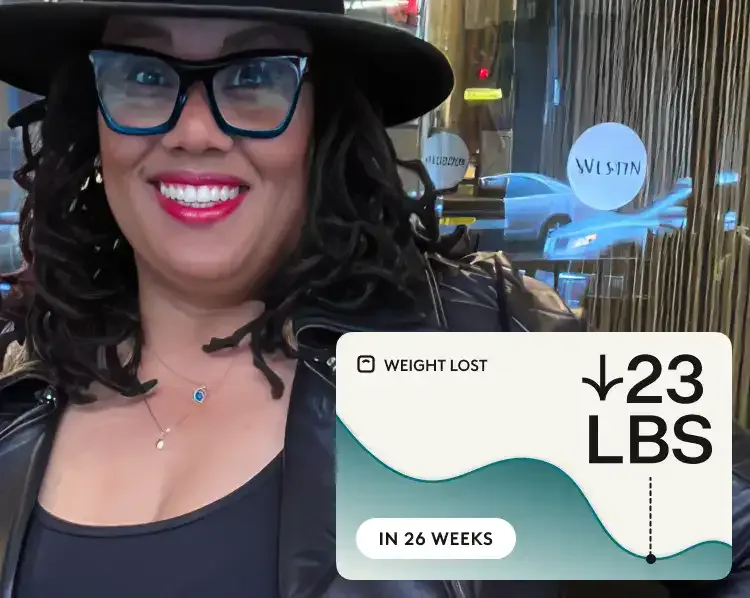
“Clinicians who understand how supportive medication can be is one of the best parts of Noom! I was convinced I wouldn’t have success but I’m down 11 pounds in two months.’’
Lila M. — Real Noom user
Steve M. — Real Noom user
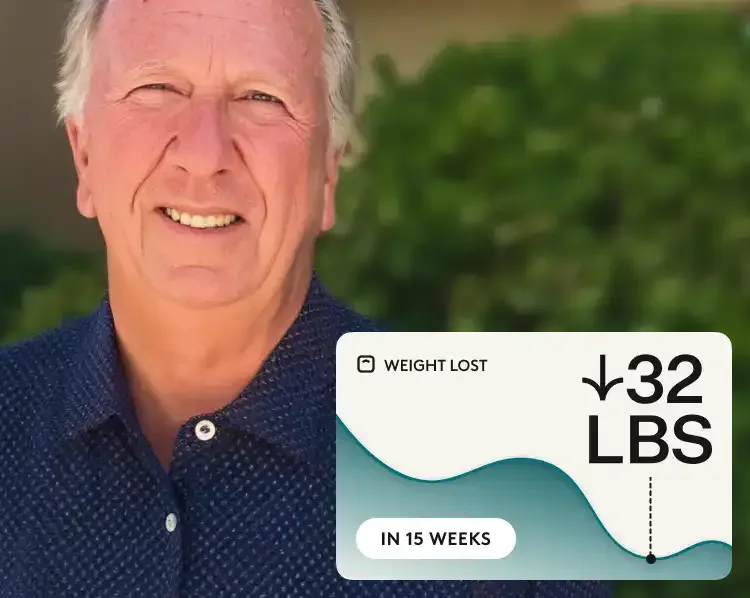
“Noom provided me with the medication which I could not get through Medicare. I have learned the tricks to better eating and life in general.”
Steve M. – Real Noom user
Daisy R. — Real Noom user
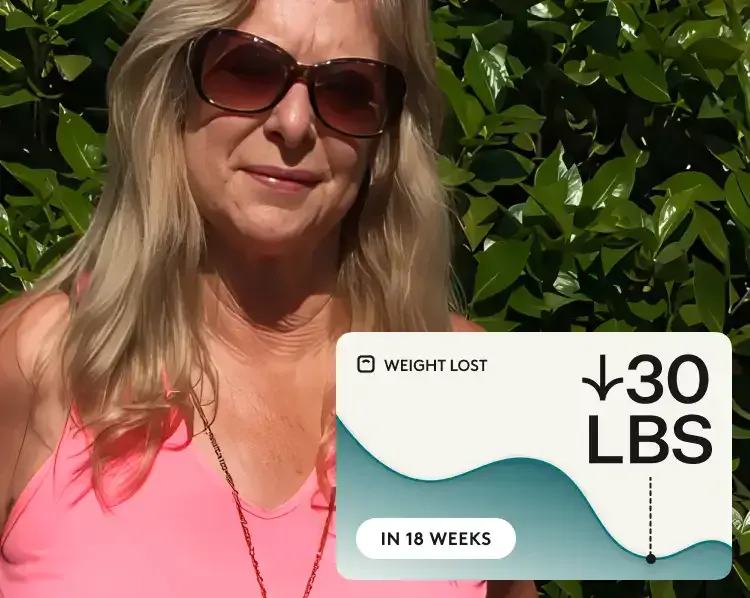
‘’Noom has changed my life and I’m so thankful, I feel great, have more energy and am no longer prediabetic.”
Daisy R. – Real Noom user
Sarah R. — Real Noom user
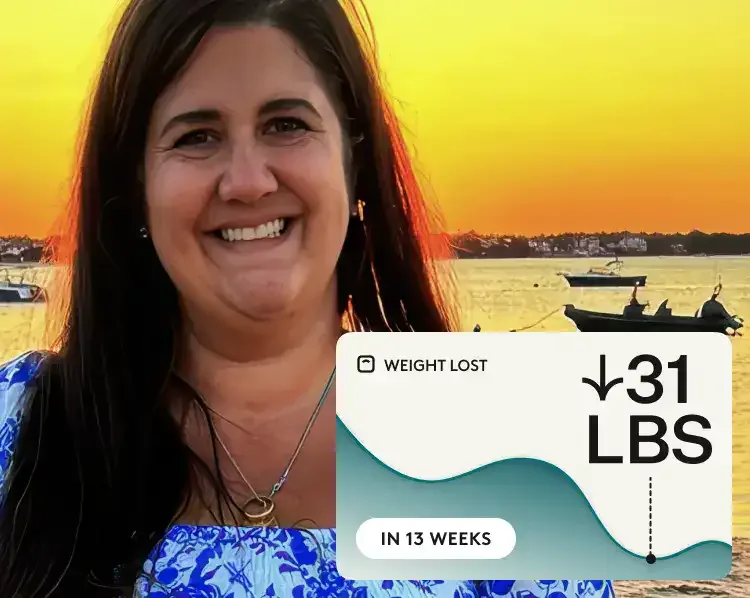
“All of the Noom providers that I’ve met with have been exceptional and prescribed medications that are appropriate for my situation and health.”
Sarah R. – Real Noom user
Madison S. — Real Noom user
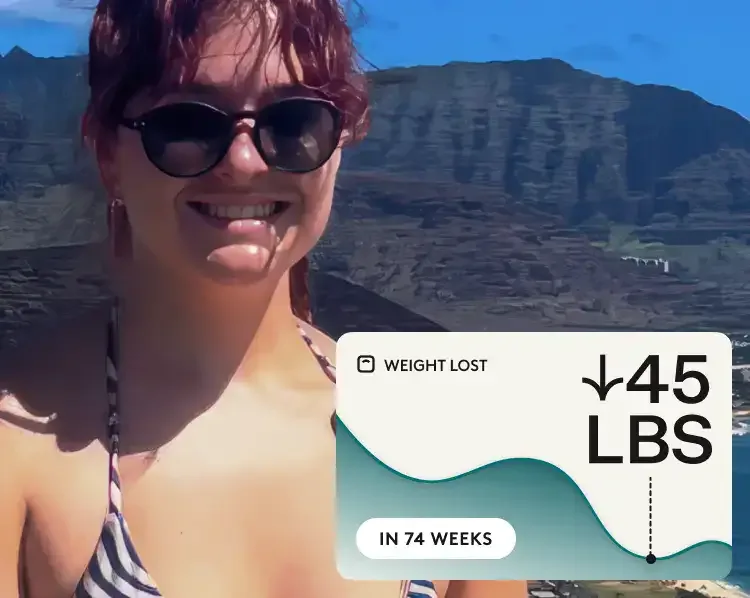
“Noom made the process so simple and now I feel full, free from diet obsession, and at ease in my body again.”
Madison S. – Real Noom user
Sonday K. — Real Noom user
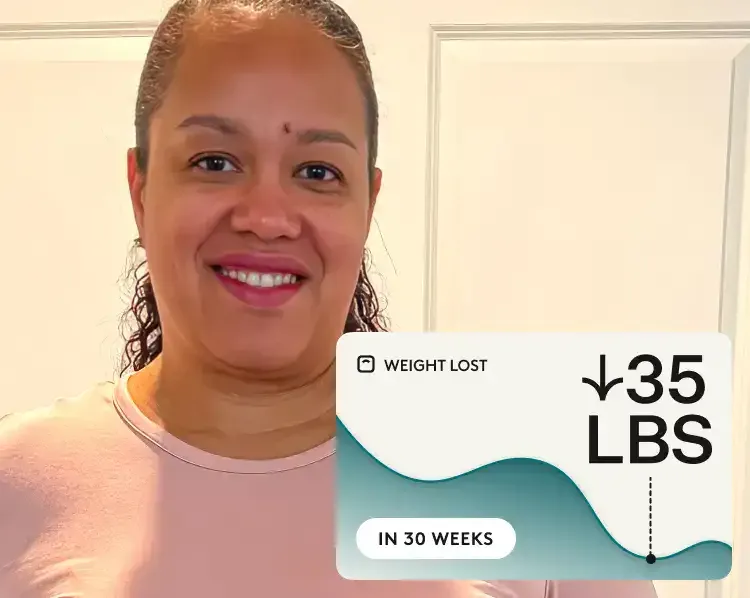
“My doctor recommended Noom after I was frustrated trying to lose weight. The lessons helped change my relationship with food. My body feels lighter & energized.”
Sonday K. – Real Noom user
Cam K. — Real Noom user
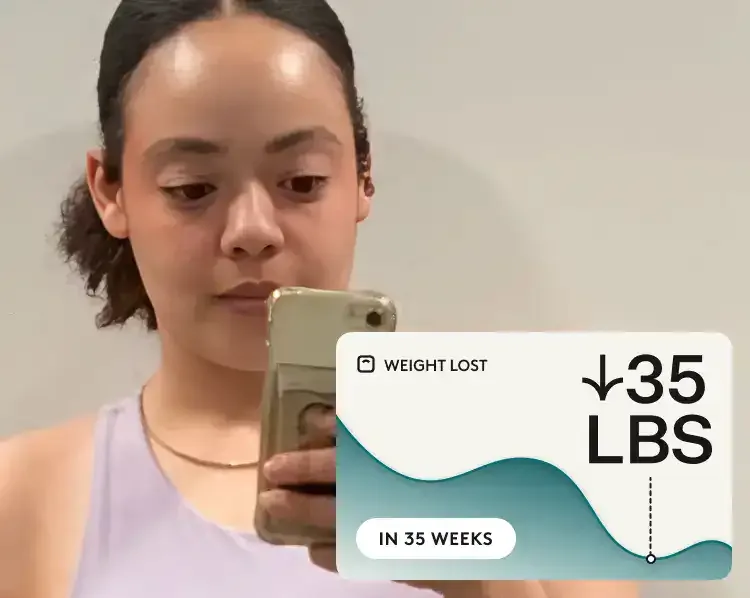
“I built healthy habits with coaching and lessons that make me confident I can maintain my weight loss long term.”
Cam K. – Real Noom user
Laura TR. — Real Noom user
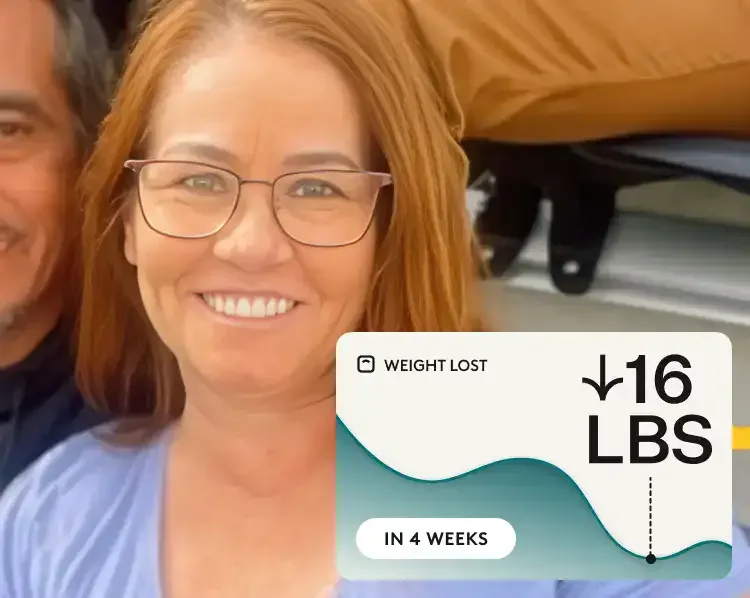
“With the right medication through Noom, hunger and sugar cravings finally quieted and I have the tools to break the cycle.”
Laura TR. – Real Noom user
Jessica S. — Real Noom user
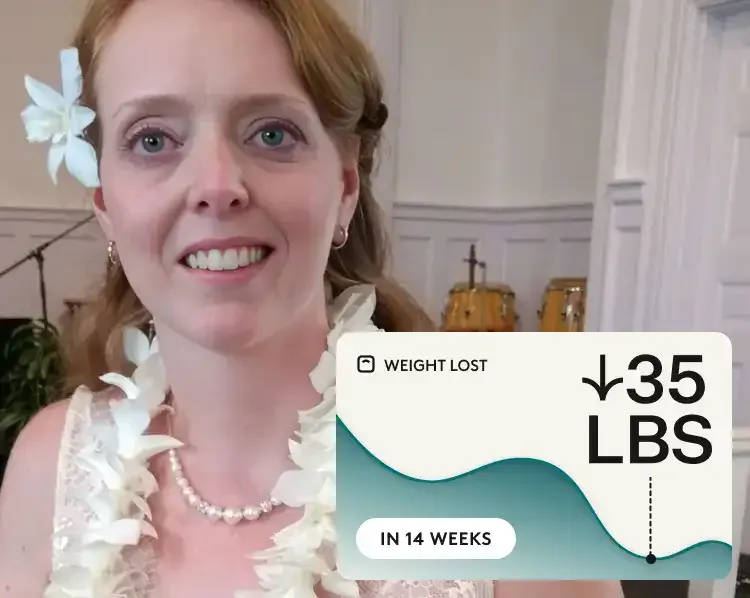
“Cravings and food noise are gone, I finally feel confident in the healthy habits I’ve built to last with Noom.”
Jessica S. – Real Noom user
The bottom line: Slow progress does not mean Foundayo® isn’t working
Not losing weight quickly on Foundayo® doesn’t mean the medication isn’t working. Dose escalation can take months, and in studies, people on higher doses tended to lose more weight—but you can’t rush getting there. Escalating faster than your body can handle raises the risk of nausea and other GI side effects, which is exactly why the schedule builds slowly in the first place.
Before assuming something’s wrong, look at the fuller picture: how your appetite has changed, whether side effects are affecting what and how much you eat, and what’s happening with sleep, stress, or other health factors that can slow progress on their own.
If your weight has stayed flat for several weeks while you’re taking the medication as prescribed, that’s worth bringing to your provider. They can look at your dose, side effects, and habits together instead of reacting to one weigh-in.
From there, your next steps may include tracking appetite and cravings, reviewing your eating and movement habits, managing side effects, checking sleep and stress, or discussing dose and maintenance options. Noom can help support this process with psychology-based tools, the GLP-1 Companion, personalized guidance, and habit-building strategies that work alongside your medical care.
Editorial standards
At Noom, we’re committed to providing health information that’s grounded in reliable science and expert review. Our content is created with the support of qualified professionals and based on well-established research from trusted medical and scientific organizations. Learn more about the experts behind our content on our Health Expert Team page.