

What you’ll learn:
- Mounjaro® begins acting in the body after the first dose, but appetite, blood sugar, and weight may change on different timelines.
- Some people notice less hunger within the first few weeks, but changes on the scale tend to become clearer within a few months.
- In a 72-week tirzepatide trial, average weight loss ranged from 15% to 20.9%, depending on dose.
When you start taking Mounjaro® for weight loss, one of the first questions you may have is: How long does it take to work? And what you probably really want to know is: When will I feel something? When might side effects start? And, ultimately, when might I start losing weight?
The first thing you should know is that Mounjaro® is FDA-approved for type 2 diabetes, but it can also be prescribed off-label for weight loss. Like its sister medication, Zepbound®, its active ingredient, tirzepatide, reduces appetite, slows digestion, and regulates blood sugar. These two have the same amount of tirzepatide at the same doses, which is why some people use it for weight loss too.
The first sign that it’s working may not be a change on the scale. Some people notice that they’re less hungry, get full faster, or think about food less often within the first few weeks. Weight loss tends to build more gradually and may become clearer over the following months.
How quickly that happens varies, especially because Mounjaro® is started at a low dose and gradually increased based on how well you tolerate it and how you respond. The starting dose is 2.5 mg once weekly, and it can then be increased in 2.5 mg steps after at least four weeks at the current dose, up to a maximum of 15 mg once weekly. This gradual increase gives your body time to adjust and can help manage side effects. It also means it can take time to reach a dose that provides the right balance of weight-loss effects and manageable side effects for you.
So, how long might it take to notice a difference? Here’s what may happen during the first few weeks of taking tirzepatide, when weight loss may become more noticeable, and what research shows at three months, six months, one year, and beyond.

The Easy Way
to lose weight and get healthy.

How does Mounjaro® work?
Mounjaro® contains tirzepatide, which activates GIP and GLP-1 receptors. GIP and GLP-1 are incretin hormones, which are signals released by the gut after you eat that help your body respond to food. Here’s a close look at these two:
- GLP-1 helps the pancreas release insulin when blood sugar is elevated and reduces glucagon, a hormone that raises blood sugar. It also slows how quickly food leaves the stomach and sends fullness signals to the brain.
- GIP also helps trigger insulin release after eating. It acts through different pathways in the brain and other tissues that may complement GLP-1’s effects on appetite and metabolism. Researchers are still working out exactly how much GIP contributes to weight loss.
Together, these signals can lower food intake, help you feel satisfied with less food, slow digestion, and improve blood sugar regulation.
This combination helps explain why Mounjaro® can improve blood sugar in people with type 2 diabetes while also reducing appetite and supporting weight loss. GIP isn’t simply a second version of GLP-1, though, and scientists can’t say that GIP alone is responsible for tirzepatide’s weight-loss results.
Read more: What is Mounjaro®? Weight-loss benefits, side effects, and cost
When does Mounjaro® start working?
Mounjaro® is absorbed after the first injection, but “working” can mean different things. You may notice appetite and digestion differences first and fewer blood sugar swings within the first few days. Side effects can be noticeable very quickly, too. Body weight changes can be more gradual.
The medication reaches its highest concentration about 8 to 72 hours after an injection and builds to a steady level after four weeks of weekly use. Because you take Mounjaro® once a week while some medication from the previous dose is still in your body, the amount gradually builds. It reaches a steady level after about four weeks of weekly use.
That doesn’t mean you need to wait four weeks for Mounjaro® to start working. Appetite changes or side effects may happen sooner. And after those first four weeks at the 2.5 mg starting dose, you’ll typically move to 5 mg once weekly. From there, your dose can be increased gradually if needed, so the effects you notice—including changes in appetite, side effects, and weight—can continue to change as your treatment progresses.
That’s why your first week on Mounjaro® isn’t necessarily a good indication of how well it will ultimately work for you.
While the full effects can take time—and your dose may need to be gradually increased—here are some of the changes you might notice first:
Appetite and food noise may change first
Some people notice that they feel full sooner, stay satisfied longer, or think about food less often within the first week or two. Others don’t notice a clear difference during the first month. Both experiences can be normal because 2.5 mg is an introductory dose meant to help the body adjust, and everyone stays on it for four weeks.
Access GLP-1 Weight Loss with Noom
Explore a wide range of prescription medications supported by Noom’s program.
Microdose GLP-1rx

Noom GLP-1rx

Noom GLP-1rx Plus
Wegovy®
Ozempic®
Metformin
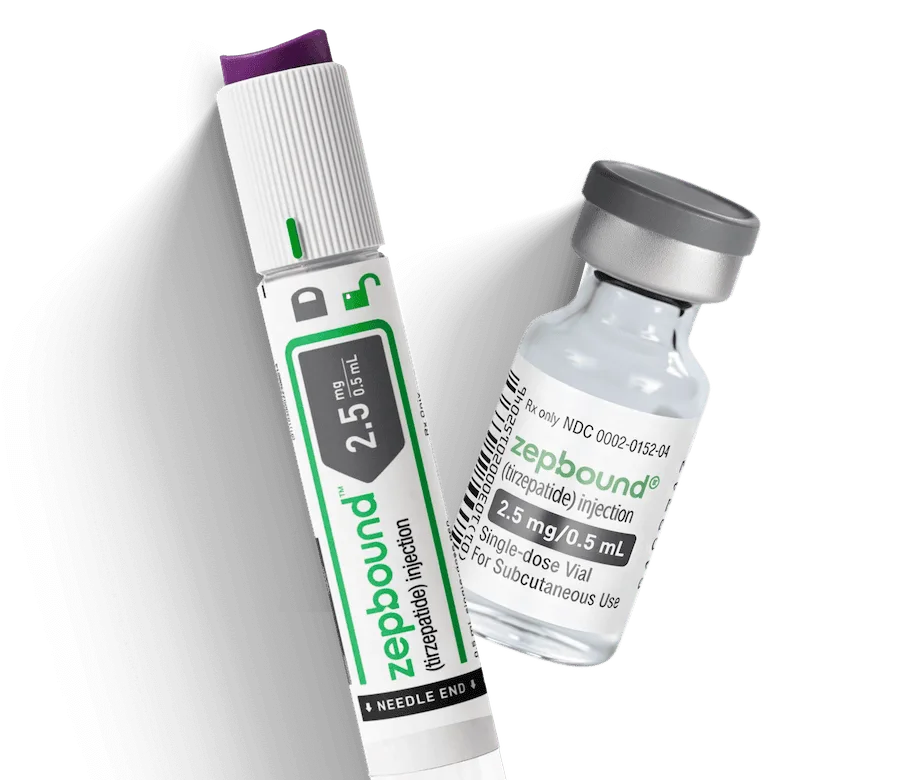
Zepbound®
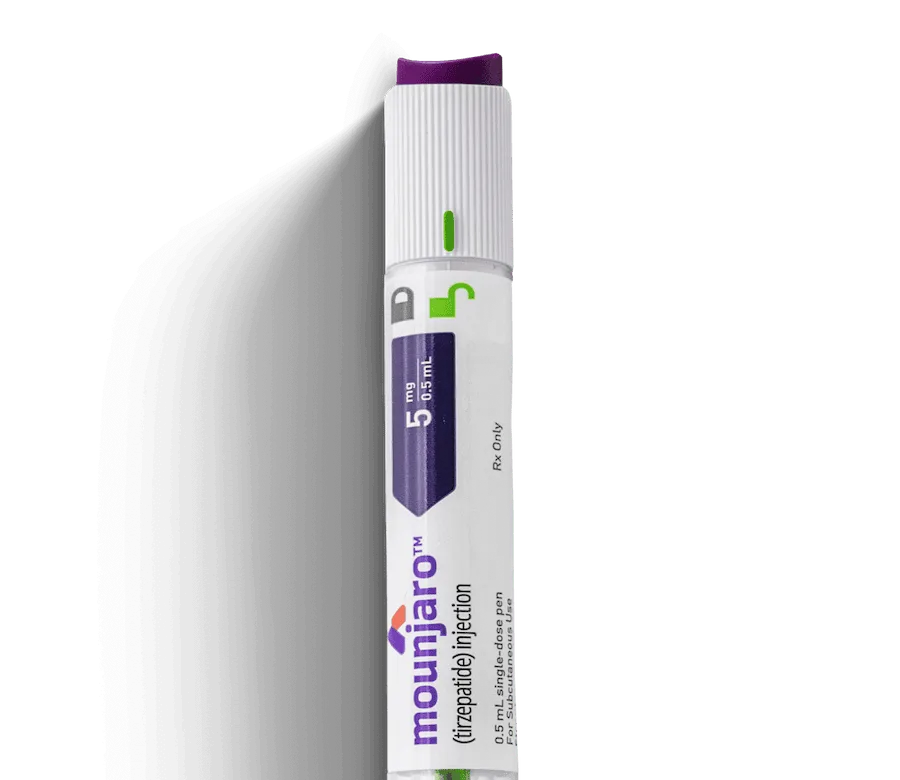
Mounjaro®
Liraglutide
These early appetite changes can be subtle. You might leave a few bites on your plate without trying, go longer before thinking about a snack, or find that a smaller meal feels like enough. They can be useful signs that the medication is having an effect—even if the scale hasn’t moved much yet.
Digestive effects can begin early
Slower digestion will start after the first dose, so nausea, diarrhea, constipation, indigestion, or a lingering sense of fullness may appear within the first few days. In SURMOUNT-1, digestive side effects were usually mild to moderate and occurred most often while doses were increasing.
If you don’t have side effects, that doesn’t mean that Mounjaro® isn’t working. Some people respond to the medication without feeling nauseated, and more intense symptoms don’t mean better results. Always contact your clinician if symptoms are severe, persistent, or make it difficult to eat or drink.
Read more: Mounjaro® side effects and how to manage them
Weight loss can begin for some
You may also see the scale start to move within the first few weeks. In tirzepatide weight-loss research in people without type 2 diabetes, average weight began declining early in treatment and continued to decrease throughout the 72-week study. Based on the published weight-loss curve, participants had lost about 3% to 4% of their starting weight on average by week four.
That doesn’t mean you should expect to lose 3% to 4% in your first month—or that you can’t lose more. It’s an average, which means some people lost more, while others lost less or saw little change during those first few weeks. The participants also didn’t have type 2 diabetes; separate tirzepatide research found lower average weight loss in people who did.
Your first month is also spent at the 2.5 mg starting dose. After four weeks, you’ll typically move to 5 mg, and your dose can be increased further if needed and tolerated. So, you could see meaningful movement on the scale early, but a slower first month doesn’t tell you how much weight you’ll ultimately lose.
So, what might weight loss look like as treatment continues? Here’s a closer look at how Mounjaro® dosing and weight loss can change week by week.
Mounjaro® timeline: Week-by-week dosing and weight loss
The timeline below shows how weight loss may build as treatment continues and where your dose might be along the way. Keep in mind that dose increases aren’t automatic. After you reach 5 mg, you can stay at the same dose longer based on how well it’s working and how you’re tolerating it—you may never need to reach 15 mg.
The early weight-loss numbers are estimates from tirzepatide research in people without type 2 diabetes, so think of them as a general guide rather than targets you need to hit. People with type 2 diabetes tended to lose less weight in separate tirzepatide research, so your results may be lower than these averages if you have diabetes.
Weeks 1–4: Starting at 2.5 mg
The first few weeks are about getting used to Mounjaro®. You might notice that you’re less hungry, get full sooner, or feel satisfied with smaller portions. Or you might not notice much yet.
Weight loss can start during this time, too. Based on the weight-loss curve from tirzepatide research in people without diabetes, average weight loss was just under 4% by week four.
Weeks 5–8: Moving to 5 mg
After four weeks at 2.5 mg, you’ll typically move to 5 mg once weekly. You may notice that changes in hunger and fullness become more consistent, and your weight trend may start to become easier to see.
Average weight continued to trend down during this period in the research, although there isn’t a specific week-eight percentage to compare yourself with.
Side effects can also change when your dose goes up. Nausea, diarrhea, constipation, or other digestive symptoms may appear or temporarily get worse after an increase. Once you reach 5 mg, though, moving up isn’t automatic. You can stay at the same dose longer depending on how well it’s working and how you’re tolerating it.
The Easy Way
to lose weight and get healthy.
Weeks 9–12: Staying at 5 mg or potentially moving to 7.5 mg
If you’re doing well at 5 mg but could benefit from a stronger effect, your prescriber may recommend moving to 7.5 mg. If 5 mg is working well for you, you may stay there.
By week 12, average weight loss in people without diabetes was roughly 6% to 8%.
But three months isn’t a deadline for seeing results. A later analysis found that 82% of participants had lost at least 5% of their starting weight by week 12. Of the people who hadn’t, 90% eventually reached at least 5% weight loss by week 72.
Think of three months as a useful check-in point, not a determination of how much you will go on to lose.
Weeks 13–16: Staying at your current dose or potentially moving to 10 mg
At this point, your dose may look different from someone else’s. You might still be doing well at 5 mg or 7.5 mg, while someone else may be ready to move up to 10 mg.
Based on the weight-loss curve, people without diabetes had lost roughly 9% to 10% of their starting weight on average by week 16.
The scale isn’t the only thing that matters when deciding whether to increase your dose. Your prescriber will also consider how well your current dose is working, changes in appetite, side effects, and—if you have diabetes—your blood sugar.
Weeks 17–20: Staying at your current dose or potentially moving to 12.5 mg
If you and your prescriber decide another increase makes sense, 12.5 mg is the next step before 15 mg. But there’s no need to move up simply because another four weeks have passed.
By week 20, an analysis found that people without diabetes in the 10 mg and 15 mg groups had lost an average of about 28 pounds, from an average starting weight of about 233 pounds. That works out to about 12% of their starting weight.
Again, that’s an average—not a number you need to hit by week 20. Your weight loss may happen faster or more slowly.
Week 21 and beyond: Finding the dose that works for you
By this point, you could be taking 15 mg—or you could still be getting good results at a lower dose. 15 mg is the maximum dose, not the dose everyone needs to reach.
Weight loss can also continue well beyond the first five months. By week 72, average weight loss in people without diabetes was:
- 5 mg: 15% of starting weight
- 10 mg: 19.5%
- 15 mg: 20.9%
For someone starting at 200 pounds, those averages would equal about 30, 39, and 42 pounds, respectively.
These are group averages, not predictions of what you’ll lose. And remember, these particular numbers come from people without diabetes. People with type 2 diabetes generally lost less weight with tirzepatide in clinical trials, so your results may look different if you’re taking Mounjaro® to manage diabetes.
You may also come across slightly higher 72-week numbers—16% with 5 mg, 21.4% with 10 mg, and 22.5% with 15 mg. Those come from a different analysis that estimates what the results might have looked like if everyone had stayed on treatment for the full 72 weeks. The 15%, 19.5%, and 20.9% figures above include everyone who started the trial, whether or not they stopped treatment early.
Read more: Mounjaro® dosage guide
To get a clearer picture of how Mounjaro® dosing and weight loss can change over time, the chart below puts them side by side. It’s meant as an at-a-glance guide, not a schedule you need to follow. Your dose may stay the same for longer, and your weight-loss timeline may look different from these research averages.
| Weeks of treatment | Where your dose might be* | What weight-loss research shows† |
|---|---|---|
| Weeks 1–4 | 2.5 mg | Weight loss may start early. Average weight loss was just under 4% by week four. |
| Weeks 5–8 | 5 mg | Average weight loss continued to build. There isn’t a specific week-eight average to compare yourself with. |
| Weeks 9–12 | 5 mg or potentially 7.5 mg | Average weight loss was roughly 6%–8% by week 12. In a later analysis, 82% had lost at least 5% of their starting weight by this point. |
| Weeks 13–16 | 5 mg, 7.5 mg, or potentially 10 mg | Average weight loss was roughly 9%–10% by week 16. |
| Weeks 17–20 | Your current dose or potentially 12.5 mg | By week 20, people in the 10 mg and 15 mg trial groups had lost about 12% of their starting weight on average. |
| Week 21 and beyond | Your current dose or up to 15 mg | Weight loss continued over time. By week 72, average losses were 15% with 5 mg, 19.5% with 10 mg, and 20.9% with 15 mg. |
*This shows how quickly your dose could increase based on Mounjaro®’s dosing schedule, not how quickly it needs to increase. After reaching 5 mg, you can stay at your current dose longer rather than automatically moving up every four weeks. Your prescriber will help determine when—or whether—you need a higher dose.
†The weight-loss estimates come from tirzepatide research in people without type 2 diabetes. People with type 2 diabetes generally lost less weight in clinical trials, so these percentages may not reflect what you’ll experience if you have diabetes. Early percentages are approximate readings from the published weight-loss curve, not targets or expected milestones.
Do higher doses of Mounjaro® lead to more weight loss?
On average, yes—but the difference isn’t unlimited, and the highest dose won’t be right for everyone.
In a large tirzepatide weight-loss study in people without type 2 diabetes, average weight loss after 72 weeks was 15% with 5 mg, 19.5% with 10 mg, and 20.9% with 15 mg. Notice that the difference between 10 mg and 15 mg was just 1.4 percentage points—much smaller than the difference between 5 mg and 10 mg.
Your dose also isn’t the only thing that affects how much weight you lose. Tirzepatide is intended to be used alongside a reduced-calorie eating pattern and increased physical activity for weight management, and participants in weight-loss trials received lifestyle counseling along with the medication. What and how much you eat, your activity level, your starting weight, and your individual response to the medication can all affect your results.
Side effects are part of the equation, too. Digestive side effects were common in the same study, particularly while doses were being increased. The right dose is the one that gives you meaningful results while still feeling manageable—not simply the largest number on the pen. Your prescriber may keep you at a lower dose, slow down dose increases, or adjust your plan based on your weight trends, blood sugar, and side effects.
Read more: What dose of Zepbound® is most effective?
How side effects can affect your Mounjaro® timeline
Side effects can affect how quickly you move through Mounjaro® doses—and that can affect your weight-loss timeline, too. If nausea, diarrhea, constipation, vomiting, or other digestive symptoms make it harder to increase your dose, it may take longer to reach a dose that produces stronger appetite and weight-loss effects for you.
But moving up faster isn’t necessarily better. Increasing your dose before your body has adjusted can make side effects harder to manage, which may make it difficult to eat and drink comfortably or stay on treatment. A 2025 analysis found that digestive side effects were usually mild to moderate, happened most often while tirzepatide doses were being increased, and generally became less common over time.
If side effects are difficult to manage, your prescriber may recommend staying at your current dose longer before considering another increase. That can make your timeline different from the fastest dosing schedule—and that’s expected. The goal is to find a dose that gives you meaningful results while still being manageable enough to continue.
Read more: Mounjaro® side effects and how to manage them
How to get the best results from Mounjaro®
Mounjaro® can reduce appetite and help you eat less, which can lead to significant weight loss. But the weight-loss results seen in clinical trials weren’t from tirzepatide alone. In tirzepatide weight-loss research, participants were also encouraged to eat about 500 fewer calories per day and get at least 150 minutes of physical activity per week.
You don’t necessarily need to follow those exact targets, but what you eat and how active you are can affect how much weight you lose, how much muscle you maintain, and how you feel while taking Mounjaro®. Here’s what to focus on.
Prioritize protein and fiber
When Mounjaro® reduces your appetite, you may eat significantly less than you did before treatment. That helps drive weight loss, but it also means you have fewer opportunities to get the nutrients your body needs.
- Make protein a priority. Some of the weight you lose with tirzepatide will come from lean mass, not just body fat. Getting enough protein—especially when paired with strength training—can help you preserve more muscle as you lose weight. It can also be harder to get enough when your appetite and portion sizes are smaller. Foods like eggs, Greek yogurt, fish, chicken, beans, and lentils can pack more protein into the food you are able to eat. Learn more about how much protein you need while taking a GLP-1.
- Don’t forget fiber. Eating less overall can also mean eating less fiber, while constipation is a common Mounjaro® side effect. Vegetables, fruit, beans, lentils, and whole grains can help you get more fiber while also providing vitamins, minerals, and other nutrients.
Stay hydrated
Nausea, vomiting, and diarrhea can cause you to lose fluids, while eating and drinking less overall may also make it easier to fall behind on hydration. The Mounjaro® prescribing information warns that dehydration from gastrointestinal side effects can contribute to kidney problems.
Drink regularly throughout the day, and pay extra attention to fluids if you’re experiencing vomiting or diarrhea. Getting enough fluids can also help if Mounjaro® is making you constipated.
Include strength training
Weight loss doesn’t come entirely from body fat. In a body-composition analysis of people taking tirzepatide, about 75% of the weight lost was fat mass and about 25% was lean mass.
Resistance training can help preserve muscle while you lose weight. That can include lifting weights, using resistance bands, or doing body-weight exercises such as squats or push-ups. Getting enough protein is important for maintaining muscle, too.
Focus on habits you can maintain
You don’t need to change everything at once. Instead, focus on changes that directly support weight loss and your health while taking Mounjaro®—such as planning balanced meals, getting regular physical activity, strength training, and keeping a consistent sleep schedule.
The goal is to combine the appetite and weight-loss effects of tirzepatide with eating and activity habits that help you lose weight while getting enough nutrition and maintaining as much muscle as possible.
Read more: What to eat on Mounjaro®
Why Mounjaro® results can vary
Two people can take the same Mounjaro® dose for the same amount of time and lose different amounts of weight. That’s expected. The numbers from clinical trials are averages, and several things can affect where your results fall.
- Your dose and how quickly you increase it: Higher doses produced greater average weight loss in tirzepatide weight-loss research, but you don’t need to increase your dose every four weeks. Staying at a lower dose longer may mean it takes more time to reach a dose that produces stronger effects for you, but it can also make side effects easier to manage.
- Whether you have type 2 diabetes: People with type 2 diabetes lost less weight on average in tirzepatide research than people without diabetes. At 72 weeks, people with type 2 diabetes lost an average of 12.8% with 10 mg and 14.7% with 15 mg, compared with 19.5% and 20.9%, respectively, in a separate trial of people without diabetes. Because these were separate studies, we can’t say diabetes itself caused the difference, but it’s important context when comparing your results with published averages.
- Your starting weight: Weight loss is often reported as a percentage of starting weight, so the same percentage can equal a very different number of pounds. Losing 5% is 10 pounds for someone who starts at 200 pounds and 15 pounds for someone who starts at 300 pounds.
- How your body responds: Some people respond to tirzepatide more quickly or lose more weight than others. A later analysis of tirzepatide weight-loss results found differences in response based on factors including sex and starting body weight, but those factors don’t tell us exactly how much any one person will lose.
- Your eating and activity habits: Tirzepatide can make it easier to eat less by reducing appetite, but your daily habits still contribute to your results. The major weight-loss trials paired tirzepatide with a reduced-calorie eating pattern and increased physical activity, so the results weren’t from medication alone.
Instead of comparing your progress week by week with someone else’s—or with a clinical-trial average—look at your weight trend over time and work with your prescriber to decide whether your current dose and treatment plan are working for you.
What if Mounjaro® feels slow to work?
If Mounjaro® feels slow to work, start by looking at how long you’ve been taking it and what dose you’re on. Seeing little weight loss during the first month, when you’re taking the 2.5 mg starting dose, is different from seeing little change after several months at a stable dose.
And a slower start doesn’t necessarily mean you won’t respond. A later analysis of tirzepatide weight-loss research found that among participants who had lost less than 5% of their starting weight by week 12, 90% eventually reached at least 5% weight loss by week 72. Among those who eventually reached that mark, the average time to get there was about 25 weeks.
Look for changes beyond a single weigh-in
The scale is important when weight loss is your goal, but one weigh-in won’t tell you much about whether Mounjaro® is working. Look at what’s happening over several weeks, including:
- Feeling satisfied with less food
- Staying full longer between meals
- Fewer cravings or less food noise
- A gradual downward weight trend
- Changes in your waist measurement or how your clothes fit
- If you have diabetes, blood sugar readings moving toward the target you and your clinician have set
You also don’t need to wait indefinitely for results. Talk with your prescriber if several months have passed without meaningful changes in your appetite or weight, if side effects are making Mounjaro® difficult to take, or if you’re unsure whether your current dose is right for you. If you take Mounjaro® for type 2 diabetes, your clinician will also use your blood sugar and A1C to evaluate how well treatment is working.
A slow start is different from a plateau
A slow start means you haven’t seen much weight loss yet. A plateau happens after you’ve already been losing weight and your overall trend levels off.
With tirzepatide, plateaus tend to happen months into treatment rather than in the first few weeks. A 2025 analysis found that the median time to reach a weight-loss plateau was about 24 to 36 weeks, depending on starting BMI. People with a higher starting BMI tended to reach a plateau later, and higher tirzepatide doses were also associated with a longer time before weight loss leveled off.
That doesn’t mean you’ve hit a plateau simply because the scale hasn’t moved for a few days—or even a week. In the study, researchers defined a plateau based on very little additional weight change over 12-week periods, not short-term fluctuations. Water retention, sodium intake, constipation, and hormonal changes can all temporarily move your weight up or down and hide the longer-term trend.
Read more: Why tirzepatide weight-loss plateaus happen
Common questions about how long Mounjaro® takes to work
Does Mounjaro® work right away?
Mounjaro® starts working in your body after your first injection, but that doesn’t mean you’ll feel its full effects right away. Tirzepatide reaches its highest concentration in the blood about eight to 72 hours after a dose, but its effects build over time as you take it weekly and gradually increase your dose.
You might notice less hunger or feel full sooner within the first few weeks. Weight loss can also begin during the first month, but it generally becomes more noticeable over the following months.
When does Mounjaro® start working for weight loss?
Weight loss can begin within the first few weeks, but there isn’t a specific week when everyone should expect to see the scale move. In tirzepatide weight-loss research, average weight started declining early and continued to decrease throughout the 72-week study.
Your results may also build as your dose increases. Mounjaro® starts at 2.5 mg once weekly, and you’ll typically move to 5 mg after four weeks. From there, your dose can be increased gradually if you need a stronger effect and are tolerating the medication well.
How will I feel during the first week on Mounjaro®?
You might notice less hunger, feel full sooner, or find that you stay full longer after eating. You could also experience digestive side effects such as nausea, diarrhea, constipation, or indigestion—or you might not notice much of anything yet.
The first week is very early in treatment, and you’re starting at the lowest dose. How you feel during those first few days doesn’t predict how much weight you’ll eventually lose.
How can you tell if Mounjaro® is working?
If you’re taking Mounjaro® for weight loss, the clearest sign that it’s working is a downward weight trend over time. Before that becomes obvious, you may notice changes that can make it easier to eat less, such as feeling less hungry, getting full on smaller portions, staying full longer, or experiencing fewer cravings or less food noise.
Look at changes over several weeks rather than relying on one weigh-in—or side effects—as proof that the medication is working. If you take Mounjaro® for type 2 diabetes, improving blood sugar and A1C are also important measures of how well treatment is working.
How long does it take to lose 20 pounds on Mounjaro®?
There’s no set timeline because 20 pounds represents a different percentage of body weight depending on where you start. For someone starting at 200 pounds, it’s a 10% loss. For someone starting at 300 pounds, it’s about 6.7%.
In tirzepatide weight-loss research, weight loss continued to build throughout 72 weeks, with higher doses producing greater average losses. But your starting weight, dose, whether you have type 2 diabetes, and how your body responds can all affect how long it takes you to lose 20 pounds. It’s more useful to follow your percentage of starting weight lost and your overall trend than to expect to reach a certain number of pounds by a specific week.
What if I’m not losing weight on Mounjaro® after a month?
One month is still early. For the first four weeks, you’re taking the 2.5 mg starting dose before typically moving to 5 mg. Some people lose weight during that first month, while others need more time or a higher dose before their weight trend becomes clear.
And a slower start doesn’t necessarily predict poor long-term results. In a later analysis of people taking tirzepatide, 18% had lost less than 5% of their starting weight at week 12. Of those slower responders, 90% went on to lose at least 5% by week 72, and the average time to reach 5% weight loss was about 25 weeks.
If you’ve been taking Mounjaro® for several months without meaningful changes in your appetite or weight, talk with your prescriber about your response and whether your dose or treatment plan needs to be adjusted.
How long does Mounjaro® stay in your system?
Tirzepatide has a half-life of about five to six days, meaning it takes about five days for the amount of medication in your body to decrease by half. If you stopped taking Mounjaro®, most of the medication would be expected to leave your body within about 25 to 30 days.
But while you’re taking Mounjaro® as prescribed, you inject a new dose every seven days—before the previous dose has completely left your body. That means some tirzepatide from earlier doses is still present when you take your next injection. With consistent weekly dosing, the medication builds to a relatively steady level in your body rather than disappearing between injections.
If you stop taking Mounjaro®, those levels gradually decline. Its effects on appetite, digestion, and blood sugar can fade over time rather than stopping as soon as you miss a weekly dose.
Reviews from real Noom users

“My favorite parts of Noom are the care team and other Noomers. Sharing and getting help made me feel like I wasn’t doing it alone. That support made all the difference.”
Desirea N. — Real Noom user

“Noom has taught me that every day is a new chance to make better, healthier choices. It’s taught me how to stop overeating.”
Matthew M. — Real Noom user

“Clinicians who understand how supportive medication can be is one of the best parts of Noom! I was convinced I wouldn’t have success but I’m down 11 pounds in two months.”
Lila M. — Real Noom user
“Noom provided me with the medication which I could not get through Medicare. I have learned the tricks to better eating and life in general.”
Steve M. – Real Noom user

“Noom has changed my life and I’m so thankful, I feel great, have more energy and am no longer prediabetic.”
Daisy R. – Real Noom user
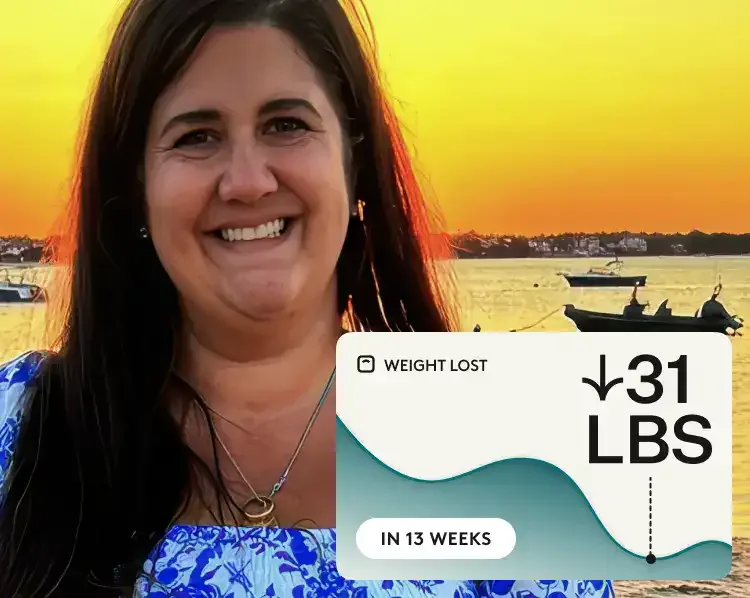
“All of the Noom providers that I’ve met with have been exceptional and prescribed medications that are appropriate for my situation and health.”
Sarah R. – Real Noom user
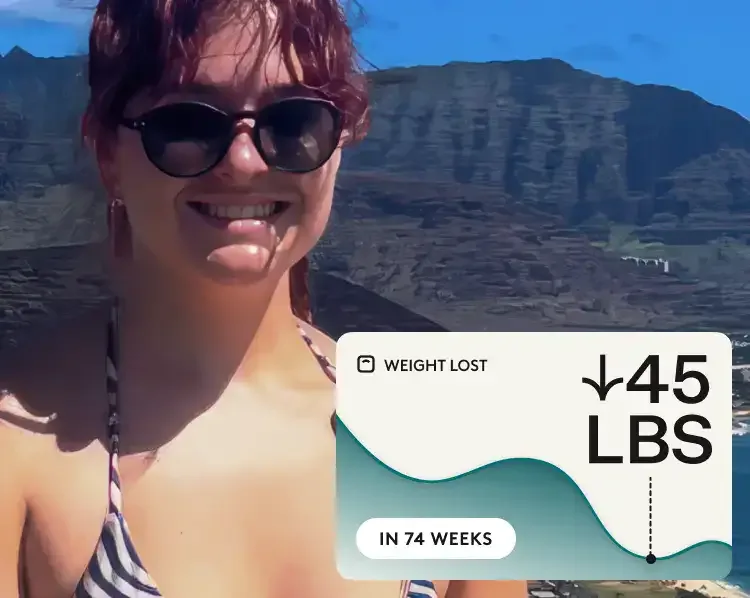
“Noom made the process so simple and now I feel full, free from diet obsession, and at ease in my body again.”
Madison S. – Real Noom user
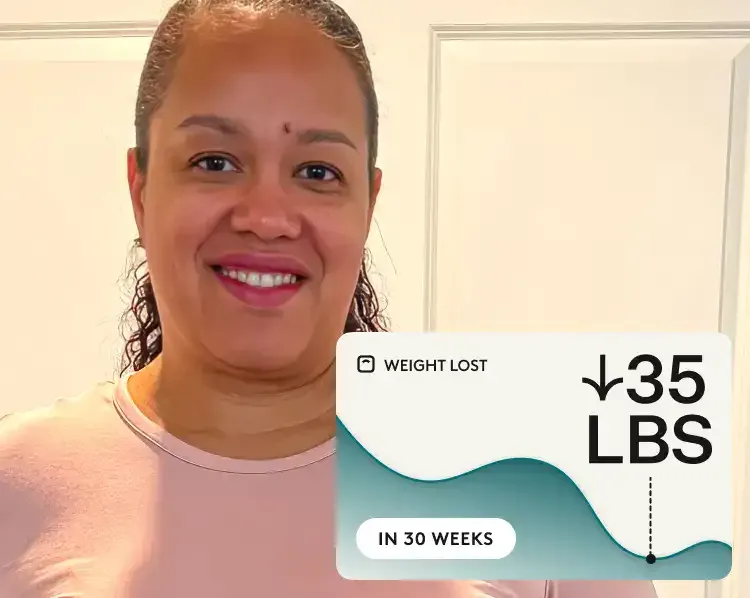
“My doctor recommended Noom after I was frustrated trying to lose weight. The lessons helped change my relationship with food. My body feels lighter & energized.”
Sonday K. – Real Noom user
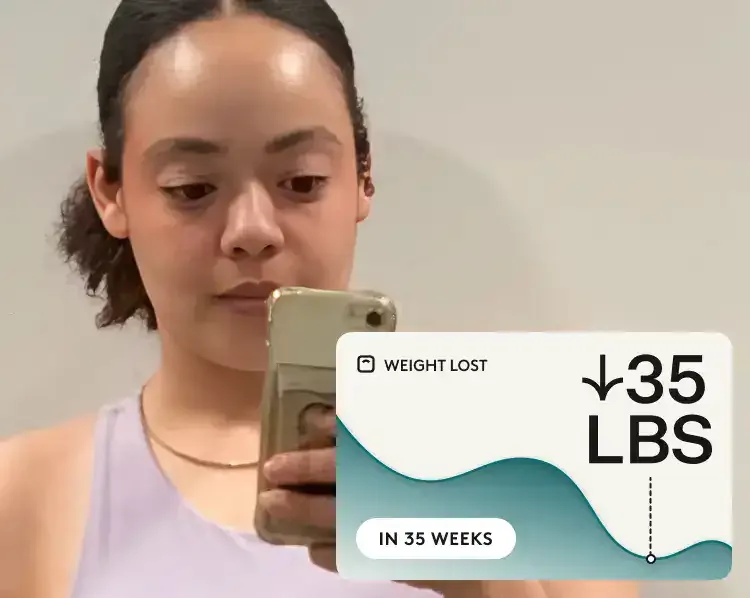
“I built healthy habits with coaching and lessons that make me confident I can maintain my weight loss long term.”
Cam K. – Real Noom user

“With the right medication through Noom, hunger and sugar cravings finally quieted and I have the tools to break the cycle.”
Laura TR. – Real Noom user

“Cravings and food noise are gone, I finally feel confident in the healthy habits I’ve built to last with Noom.”
Jessica S. – Real Noom user
The bottom line: Mounjaro® works gradually, and every timeline is different
Mounjaro® can begin affecting appetite after your first dose, but changes on the scale may take longer to become clear if you’re using it off-label for weight loss. You might first notice that you’re less hungry, feel full sooner, or are satisfied with smaller portions. Weight loss tends to build over months rather than weeks.
By week 12, 82% of participants without type 2 diabetes in a tirzepatide weight-loss analysis had lost at least 5% of their starting weight. Some people took longer: Among those who hadn’t reached 5% by week 12, 90% eventually did by week 72.
If you have type 2 diabetes, your results may be different. In tirzepatide weight-loss research in people with type 2 diabetes, participants lost less weight on average than people without diabetes in a separate trial. That doesn’t tell us exactly how much any one person will lose, but it’s important context when comparing your progress with published weight-loss averages.
Your timeline will also depend on how your body responds, what dose works for you, how well you tolerate it, and your eating and activity habits. The goal isn’t to reach the highest dose as quickly as possible. It’s to find a dose that helps you lose weight while keeping side effects manageable enough to continue treatment.
If you’re exploring medication options, see if you qualify for Noom Med. If you do, we’ll connect you with a clinician who can review your health history, determine which weight-loss medication may be right for you, and prescribe it if appropriate. From there, Noom’s comprehensive program can help you build habits that support long-term results, with tools like food tracking, personalized protein goals, and on-demand workouts designed to help you preserve muscle as you lose weight.
Editorial standards
At Noom, we’re committed to providing health information that’s grounded in reliable science and expert review. Our content is created with the support of qualified professionals and based on well-established research from trusted medical and scientific organizations. Learn more about the experts behind our content on our Health Expert Team page.