What you’ll learn:
- No foods are strictly off-limits when taking Wegovy®, whether you take the pill or injection.
- Certain foods can worsen side effects or slow weight loss, so limiting high-fat and sugary foods, eating smaller meals, and paying attention to how different foods affect you is important.
- The Wegovy® pill must be taken in the morning on an empty stomach and you’ll need to wait at least 30 minutes before eating or drinking anything else.
If you’re taking Wegovy® or thinking about starting, you might be wondering whether you need to change what you eat. Can you still have pizza, pasta, or dessert? What about your morning coffee or an occasional glass of wine?
The good news is that you don’t have to give up your favorite foods (or drinks). But you might notice that some things don’t agree with you quite like they used to, or that you need to enjoy them in smaller amounts or at different times.
Wegovy® changes how hungry you feel and how quickly your stomach empties, which means a meal you used to enjoy might suddenly leave you feeling overly full, bloated, or nauseated. And if you’re taking the Wegovy® pill, you’ll need to wait at least 30 minutes after taking it before eating or drinking anything other than the water you took it with.
And because Wegovy® helps you feel full faster and eat less, what you choose to eat becomes even more important. Foods that don’t provide much nutrition can fill you up and leave less room for the protein, fiber, vitamins, and minerals your body needs.
So, are there foods to avoid when taking Wegovy? And what do you need to plan for if you’re taking the pill? Let’s look at what you might want to limit, what you can keep enjoying, and a few simple changes that can help you feel better while getting the most out of your treatment.
Noom’s Most Powerful Program
A dual-pathway GLP-1 and behavior change for lasting results.
Do you have to avoid any foods when taking Wegovy?
No. Wegovy® doesn’t come with a list of forbidden foods. But certain foods, especially large, rich, or greasy meals, can make digestive side effects worse. And some foods may be better choices than others when you’re trying to get enough nutrition while eating less.
Here’s why.
Why do some foods feel different on Wegovy?
Wegovy® slows down how quickly food leaves your stomach. Slower digestion is part of how Wegovy® helps you feel satisfied with smaller portions; it also means food stays in your stomach longer. A meal you used to comfortably enjoy might suddenly leave you feeling overly full or uncomfortable.
This can be especially noticeable if you’re experiencing other common Wegovy® side effects like nausea, vomiting, diarrhea, or constipation. While the medication itself can cause these symptoms, what and how much you eat can sometimes make them worse. Large or fatty meals, may increase nausea, while too little fiber or water can make constipation worse.
Small changes, like eating smaller portions, choosing foods that are easier on your stomach, and paying attention to how you feel after meals, can help you manage these symptoms.
Why does what you eat still matter on Wegovy?
Wegovy® can help you feel less hungry and satisfied with smaller portions, but it doesn’t replace healthy eating habits.
The clinical trials of Wegovy® included support for healthy eating and physical activity alongside the medication.
And when you’re eating less, it’s important to make sure you’re still getting the nutrients your body needs.
That means making room for:
- Protein: Foods like eggs, chicken, fish, and Greek yogurt help support muscle maintenance as you lose weight.
- Fiber: Fruits, vegetables, nuts, seeds, legumes, and whole grains help support digestion and can help improve constipation.
- Healthy fats: Foods like avocado, nuts, fatty fish, and olive oil provide important nutrients, even if you find you need smaller portions.
- Fluids: Drinking enough water helps prevent dehydration and supports healthy digestion, particularly if you’re experiencing side effects.
You don’t need to eat perfectly or follow a restrictive diet to get results. The goal is to find foods and portions that help you feel good, manage side effects, and build habits you can stick with. Protein is particularly important. Wegovy® helps people lose body fat, but some lean body mass can be lost along the way. Eating enough protein and incorporating strength training can help support muscle maintenance as you lose weight.
Access GLP-1 Weight Loss with Noom
Explore a wide range of prescription medications supported by Noom’s program.
Microdose GLP-1rx
Noom GLP-1rx
Noom GLP-1rx Plus
Wegovy®
Ozempic®
Metformin
Zepbound®
Mounjaro®
Liraglutide
Learn more: What to eat when taking Wegovy
Types of foods to avoid or limit when taking Wegovy
There aren’t any foods you absolutely have to avoid on Wegovy, but some may be harder to tolerate or make it more difficult to get the nutrition you need. Here’s what to consider, including some everyday foods you might be wondering about.
Limit foods that can make Wegovy® side effects worse
Wegovy® slows down how quickly food leaves your stomach, which helps you feel full longer. But it also means large, rich, or high-fat meals may leave you feeling nauseated, bloated, or uncomfortably full.
That’s why experts recommend limiting high-fat foods and eating smaller portions to help manage digestive side effects.
Some foods to be mindful of include:
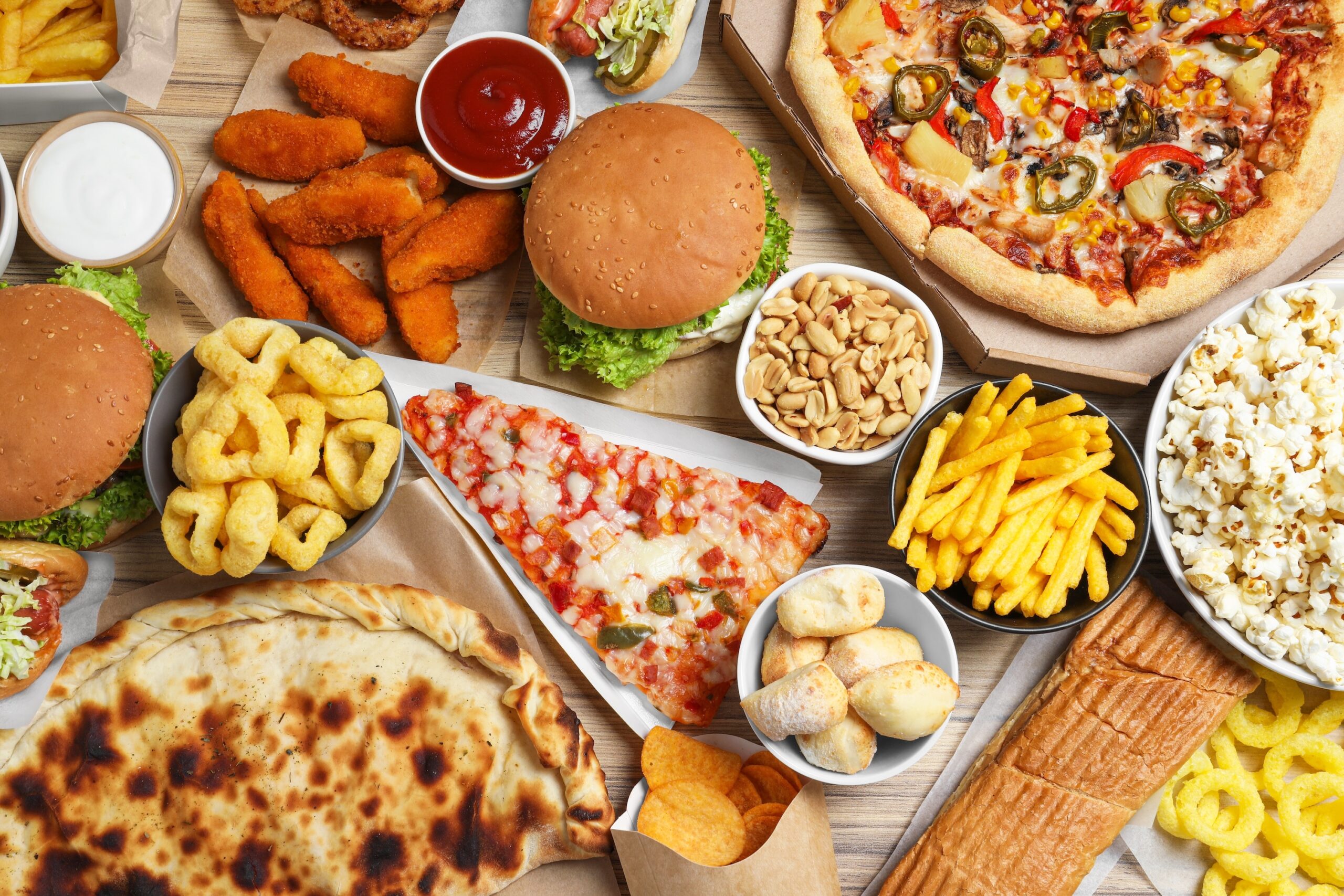
- Fried foods: French fries, fried chicken, and other greasy foods may worsen nausea or uncomfortable fullness.
- Pizza: You don’t have to give it up, but the combination of cheese, oil, and large portions may cause discomfort. Try a smaller serving and see how you feel.
- High-fat meats: Bacon, sausage, and fatty cuts of meat may be harder to tolerate than leaner options.
- Cheese and creamy foods: Cheese, rich sauces, and rich dressings can be high in fat. Smaller amounts or lighter alternatives may feel better.
- Ice cream: Its fat content, and sometimes lactose, can contribute to digestive discomfort. A smaller serving or lower-fat option may be easier to tolerate.
- Peanut butter and other nut butters: These provide healthy fats and some protein, but they’re also concentrated sources of fat. You may find a tablespoon more comfortable than a larger serving.
These foods aren’t automatically off-limits. You may tolerate some perfectly well, especially in smaller portions. Pay attention to how you feel rather than cutting them out unnecessarily.
Limit foods that can make it harder to meet your nutrition and weight-loss goals
When Wegovy® reduces your appetite, you may find you’re eating considerably less than before. That makes getting enough nutrition from the foods you do eat even more important.
The best approach is to focus on foods that provide protein, fiber, vitamins, and minerals, while limiting those that offer a lot of calories without much nutrition. That’s also what obesity and nutrition experts recommend for people taking GLP-1 medications.
Some foods to limit include:
- Sugary drinks: Regular soda, sweetened coffee drinks, and other sugary beverages can add calories without providing nutrients.
- Sweets and pastries: Cookies, candy, doughnuts, and other desserts can still fit occasionally, but they shouldn’t regularly replace meals that provide protein, fiber, and other nutrients.
- Highly processed snacks: Chips, snack cakes, and similar foods may be easy to eat without providing much protein or other essential nutrients.
- Processed meats: Hot dogs, bacon, and some deli meats are often high in sodium and saturated fat, so it’s worth choosing leaner, less processed proteins more often.
Highly processed foods can also make it easier to eat more than your body needs. In one study, people ate about 500 more calories per day when their meals were mostly ultra-processed foods compared with minimally processed foods. While the study wasn’t specifically about Wegovy, it helps explain why food quality can matter for weight management.
What about bread, pasta, rice, and potatoes?
You don’t need to avoid these foods on Wegovy. Whole-grain bread, brown rice, and whole-wheat pasta provide fiber, while potatoes offer potassium and other nutrients. White bread, regular pasta, and white rice can fit, too, and may actually be easier on your stomach when you’re feeling nauseated. Try pairing them with protein and vegetables to build a balanced meal.
And what about fruit?
Bananas, berries, apples, and other fruits are all encouraged on Wegovy. They provide vitamins, minerals, and fiber. If a particular fruit causes bloating or discomfort, try a smaller serving or a different variety.
For more guidance on building balanced meals, here’s what to eat on Wegovy.
Limit foods that trigger digestive symptoms for you
Not everyone experiences the same side effects on Wegovy, and a food that bothers one person may be perfectly fine for someone else.
Some foods worth going slow with include:
Noom’s Most Powerful Program
A dual-pathway GLP-1 and behavior change for lasting results.
- Spicy foods: Hot sauce, chili peppers, and heavily spiced dishes may worsen heartburn or nausea.
- Dairy products: Milk, yogurt, and cheese can cause bloating or diarrhea if you’re sensitive to lactose. Lactose-free options may help.
- High-fiber foods: Beans, lentils, raw vegetables, and popcorn provide valuable fiber, but large servings may increase gas and bloating, especially if you’re not used to eating them.
- Very hot or very cold foods: Some people find that temperature affects nausea, so room-temperature foods may be more comfortable when symptoms flare.
A food and symptom log can help you identify patterns. Note what you ate, how much you had, and how you felt afterward.
Limit drinks that make side effects worse
You don’t have to give up coffee, soda, or alcohol simply because you’re taking Wegovy, but certain drinks may worsen digestive symptoms or make it harder to meet your nutrition goals.
- Coffee: Caffeine can aggravate nausea or reflux in some people. If coffee bothers your stomach, try a smaller serving or drinking it with food.
- Soda and sparkling water: Carbonation can contribute to bloating, burping, and uncomfortable fullness. If bubbles bother you, try still water instead.
- Sugary drinks: Regular soda, sweetened tea, juice drinks, and specialty coffee beverages can affect people differently.
- Alcohol: Alcohol isn’t prohibited with Wegovy, but it may worsen nausea and reflux. Drinking less or avoiding it when you’re experiencing side effects may help. Learn more about Wegovy® and alcohol.
- Large amounts of liquid at once: Drinking too much at one time may leave you feeling overly full. Try sipping fluids throughout the day instead. Water, unsweetened tea, and other low-sugar beverages are good everyday choices. Staying hydrated is especially important if you’re experiencing constipation, vomiting, or diarrhea.
The goal isn’t to keep adding foods to an avoid-list. It’s to figure out which foods and portions work best for you while maintaining a varied, nutritious diet.
What to eat when starting Wegovy: Foods to stock up on
You don’t need to follow a special diet before starting Wegovy, but it helps to think about what you’ll eat once you’re taking it. Since Wegovy® can reduce your appetite and cause digestive side effects, having a few easy meals and snacks ready can make those first weeks a little easier. Learning what to eat on Wegovy® is important so you can stock up on the basics before you start.
Wegovy® is meant to be used alongside a reduced-calorie diet and increased physical activity. But you don’t need to change everything overnight, though. Start by stocking up on foods that provide nutrition and are generally easy to prepare.
Some good options include:
- Lean proteins: Chicken, turkey, fish, eggs, and canned tuna can help you get enough protein without a lot of added fat.
- Greek yogurt and cottage cheese: These are convenient sources of protein that are easy to eat in smaller portions, if you tolerate dairy.
- Fruits and vegetables: Berries, bananas, cooked carrots, zucchini, and other produce provide fiber, vitamins, and minerals. Cooked vegetables may be easier to tolerate if you’re experiencing bloating.
- Whole grains: Oatmeal, brown rice, and whole-grain toast provide fiber and energy. Increase fiber gradually if you’re prone to gas or bloating.
- Soups and broths: Broth-based soups can be comforting when you’re nauseated and help you get fluids. Adding chicken or vegetables can make them more nutritious.
- Healthy fats: Avocado, nuts, nut butters, fatty fish, and olive oil provide important nutrients, though you may find smaller portions easier to tolerate.
- Drinks: Keep water, unsweetened tea, and other low-sugar beverages available to help you stay hydrated.
- Easy-to-digest foods: Crackers, toast, rice, and bananas can be helpful when you’re feeling nauseated or don’t have much of an appetite.
You might also want to keep a few quick meals on hand. Rotisserie chicken, frozen vegetables, eggs, and yogurt can make putting together a small, balanced meal easier.
Experts recommend starting with smaller portions, slowing down during meals, and stopping when you’re comfortably full.
And if you have concerns about your eating habits or nutritional needs, talk with your healthcare provider or a registered dietitian before starting.
You don’t need a completely new grocery list or a complicated meal plan. Having a mix of nutritious staples and a few gentle-on-your-stomach options can help you adjust to Wegovy® while still enjoying foods you like.
Do you need to avoid different foods when starting Wegovy® or increasing your dose?
Not necessarily. The same general food recommendations apply throughout treatment, but you may find that certain foods are harder to tolerate when you first start Wegovy® or increase your dose.
That’s because digestive side effects like nausea, vomiting, and diarrhea are most common during dose increases. They often improve as your body adjusts to the medication, according to a joint advisory from obesity and nutrition experts.
During these times, a few adjustments may help:
- Keep meals smaller: Large portions may make nausea and uncomfortable fullness worse.
- Go easy on high-fat foods: Fried foods, heavy sauces, and rich meals may be harder to tolerate.
- Choose simpler foods when you’re nauseated: Toast, rice, soup, and lean proteins may be easier on your stomach.
- Eat slowly: Give yourself time to recognize when you’re comfortably full.
- Stay hydrated: This is especially important if you’re experiencing vomiting or diarrhea.
As you settle into a dose and feel better, you may find you can enjoy a wider variety of foods again.
If side effects are difficult to manage, talk with your prescriber rather than trying to push through them. Your provider can delay a dose increase if you are experiencing uncomfortable side effects.
How you eat on Wegovy® matters, too: Portions, pace, and fullness
Wegovy® can change how much you want to eat and how quickly you feel full. You might find that you’re satisfied after half your usual meal or that you’re simply not as interested in food as you used to be.
That’s part of how the medication works, but it can take some getting used to. Eating too quickly or continuing to eat after you’re full may leave you feeling nauseated or uncomfortable.
A few simple habits can help:
- Start with smaller portions: You can always have more if you’re still hungry. Starting with less can help you avoid feeling overly full.
- Slow down while eating: Take smaller bites, put your fork down occasionally, and give yourself time to notice when you’re satisfied.
- Pay attention to fullness cues: You may feel full sooner than you expect. Try stopping when you’re comfortably satisfied rather than waiting until you feel stuffed.
- Eat regularly, even if you’re not very hungry: Skipping meals or going too long without eating can make it harder to get enough protein and other nutrients. Smaller meals or snacks may be easier to manage.
- Stay upright after meals: Avoid lying down immediately after eating, especially if you’re experiencing nausea or reflux.
- Notice how different foods and portions make you feel: Keeping a simple food journal can help you identify patterns and make adjustments without cutting out foods unnecessarily.
One of the benefits of paying closer attention to hunger and fullness is that these are habits you can continue building over time.
Are there any foods to avoid when taking the Wegovy® pill?
The Wegovy® pill doesn’t have a different list of foods to avoid than the injection. Both contain semaglutide, so the same general advice about limiting rich meals, managing portions, and paying attention to digestive symptoms applies.
The main difference is when you can eat and drink around your dose. The pill has specific instructions to help your body absorb the medication properly.
When can you eat or drink after taking the Wegovy® pill?
Eating or drinking before or too soon after taking the pill can reduce how much medication your body absorbs, which may affect how well it works.
- Take the pill first thing in the morning on an empty stomach. Don’t eat or drink anything beforehand.
- Swallow it whole with up to 4 ounces of plain water. Don’t split, crush, or chew it, and don’t take it with coffee, juice, or other beverages.
- Wait at least 30 minutes before eating or drinking anything else. That includes breakfast, coffee, tea, and other drinks.
- Wait at least 30 minutes before taking other oral medications. If you take medications that require specific timing, ask your healthcare provider or pharmacist how to manage them.
One simple way to make the routine easier is to take your pill when you wake up and set a 30-minute timer before breakfast or coffee.
Learn more: How to take Wegovy® pill: The best timing and tips for success
When to talk to your doctor about Wegovy® side effects
Some digestive discomfort is common when starting Wegovy® or increasing your dose, and adjusting what or how much you eat may help. But not every symptom can be managed through food choices alone.
Contact your healthcare provider if:
- Nausea, vomiting, or diarrhea won’t go away: Persistent symptoms can make it difficult to eat enough and may lead to dehydration.
- You’re struggling to eat enough: If you’re regularly skipping meals, feeling unusually weak or tired, or having trouble getting enough protein and other nutrients, your care team can help you adjust your eating plan.
- You’re having trouble tolerating a dose increase: Your prescriber may recommend staying at your current dose longer rather than increasing it right away.
- Your relationship with food is becoming stressful: If you’re feeling anxious about eating, avoiding more and more foods, or intentionally restricting your intake beyond what your care team recommends, it’s worth discussing. Experts emphasize the importance of monitoring nutritional intake and screening for disordered eating during GLP-1 treatment.
Seek immediate medical attention if you develop severe, persistent abdominal pain, especially if it spreads to your back, with or without vomiting. This can be a sign of pancreatitis, a serious condition that can be associated with Wegovy. Stop taking Wegovy® and contact your healthcare provider immediately if you suspect pancreatitis.
The goal isn’t to eliminate more foods every time you experience a symptom. It’s to find an eating pattern that supports your nutrition and helps you feel comfortable while taking Wegovy, with guidance from your care team when you need it.
Frequently asked questions about foods to avoid when taking Wegovy
What should you eat on Wegovy® to avoid nausea?
If you’re feeling nauseated, start with small portions of simple, lower-fat foods like toast, crackers, rice, bananas, or broth-based soup. Once you’re feeling better, try adding lean proteins like chicken, eggs, or yogurt to help you get the nutrients you need. Eating slowly and stopping when you’re comfortably full can also help. No food can guarantee you won’t experience nausea, but these changes may make it easier to manage.
What should you eat for breakfast on Wegovy?
A good breakfast on Wegovy® includes some protein, along with fiber-rich foods when you can tolerate them. Try scrambled eggs with whole-grain toast, Greek yogurt with berries, or oatmeal with a little nut butter. If your appetite is low, start with a smaller portion. If you’re taking the Wegovy® pill, remember to wait at least 30 minutes after your dose before having breakfast or anything to drink.
What should you eat on Wegovy® shot day?
You don’t need to eat anything special on the day of your Wegovy® injection. The medication can be taken with or without food, so you can stick with your usual meals. If you tend to feel nauseated around injection day, smaller, lower-fat meals may be more comfortable. Keep easy options like soup, toast, eggs, or chicken on hand, and drink enough water.
Can you eat sugar when taking Wegovy?
Yes, you can eat sugar while taking Wegovy®. There’s no need to cut it out completely, but foods and drinks high in added sugar, like candy, soda, and desserts, can worsen digestive side effects for some people. They can also make it harder to meet your nutritional needs when you’re eating less.
Try enjoying sweets in smaller portions and see how your body responds. Naturally occurring sugars in foods like fruit and plain yogurt come with other beneficial nutrients, such as fiber, protein, and vitamins, depending on the food.
Can you eat eggs when taking Wegovy?
Yes. Eggs are a good source of protein and other nutrients, making them a convenient option when you’re eating smaller meals. Scrambled, boiled, or poached eggs may be easier to tolerate than eggs cooked in lots of butter or oil, especially if you’re feeling nauseated.
Can you eat popcorn when taking Wegovy?
Yes, but pay attention to how much you eat and how your stomach responds. Popcorn is a whole grain that provides fiber, but large portions may contribute to bloating or gas. Air-popped popcorn with a little seasoning may be easier to tolerate than heavily buttered varieties.
Can you eat peanut butter when taking Wegovy?
Yes. Peanut butter provides healthy fats and some protein, but it’s also high in fat, which may make large servings harder to tolerate. Try a smaller amount, such as a tablespoon on toast or with fruit, and see how you feel.
Can you drink alcohol when taking Wegovy?
Alcohol isn’t specifically prohibited, but it may worsen nausea, reflux, or other digestive symptoms. You may find that drinking less or avoiding alcohol when you’re experiencing side effects helps you feel better. Learn more about Wegovy® and alcohol.
Reviews from real Noom users
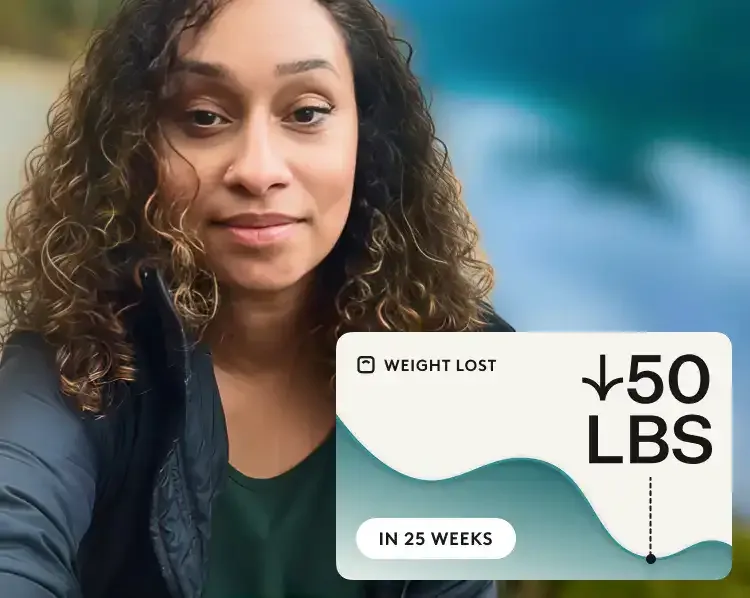
“My favorite parts of Noom are the care team and other Noomers. Sharing and getting help made me feel like I wasn’t doing it alone. That support made all the difference.”
Desirea N. — Real Noom user
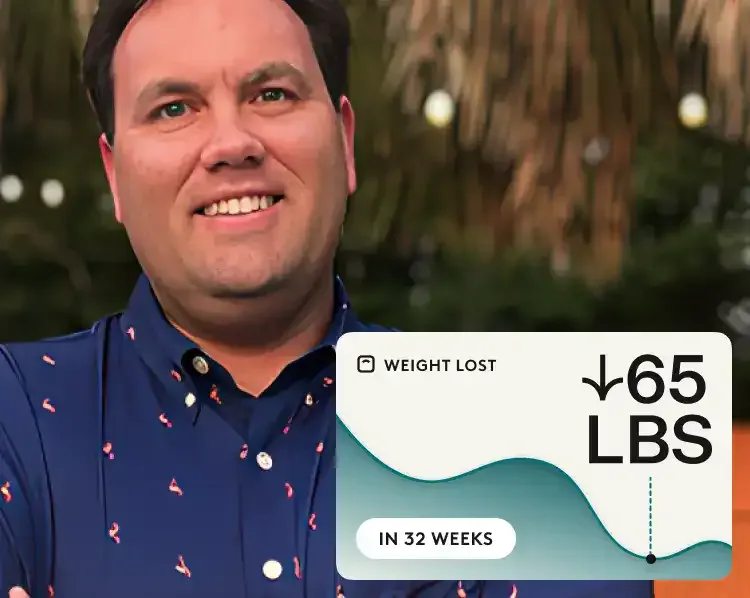
“Noom has taught me that every day is a new chance to make better, healthier choices. It’s taught me how to stop overeating.”
Matthew M. — Real Noom user
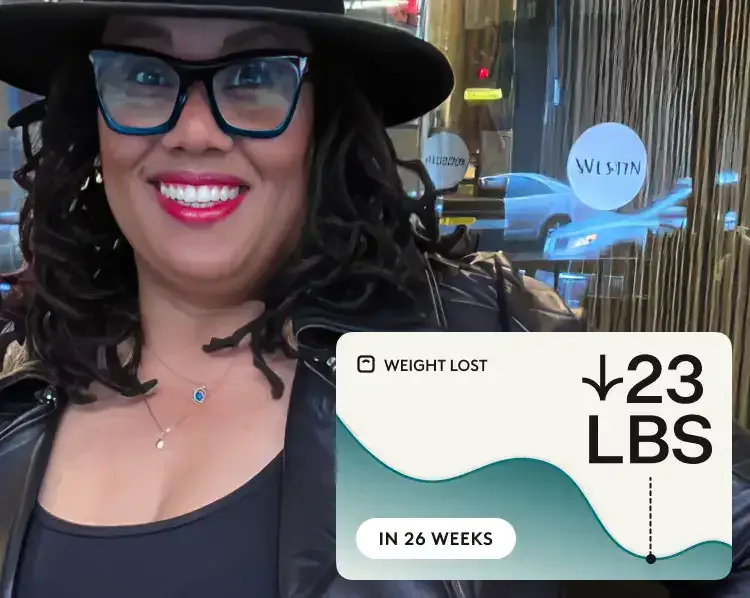
“Clinicians who understand how supportive medication can be is one of the best parts of Noom! I was convinced I wouldn’t have success but I’m down 11 pounds in two months.”
Lila M. — Real Noom user
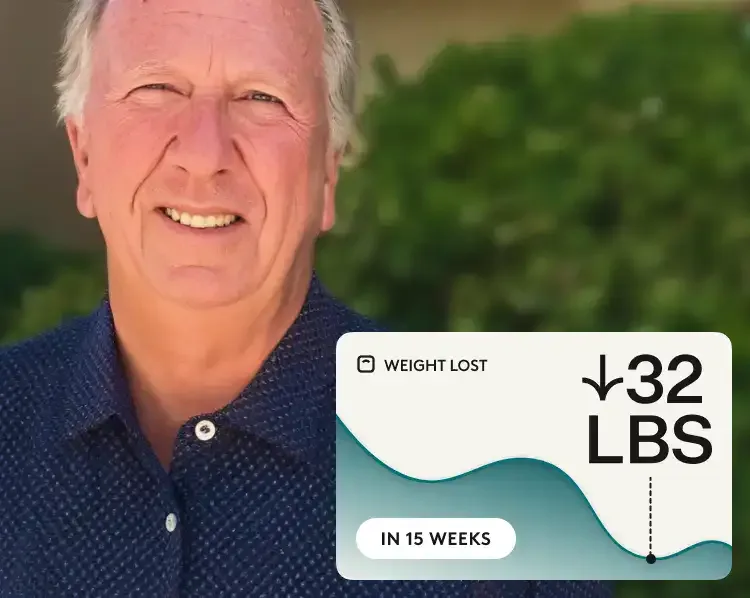
“Noom provided me with the medication which I could not get through Medicare. I have learned the tricks to better eating and life in general.”
Steve M. – Real Noom user
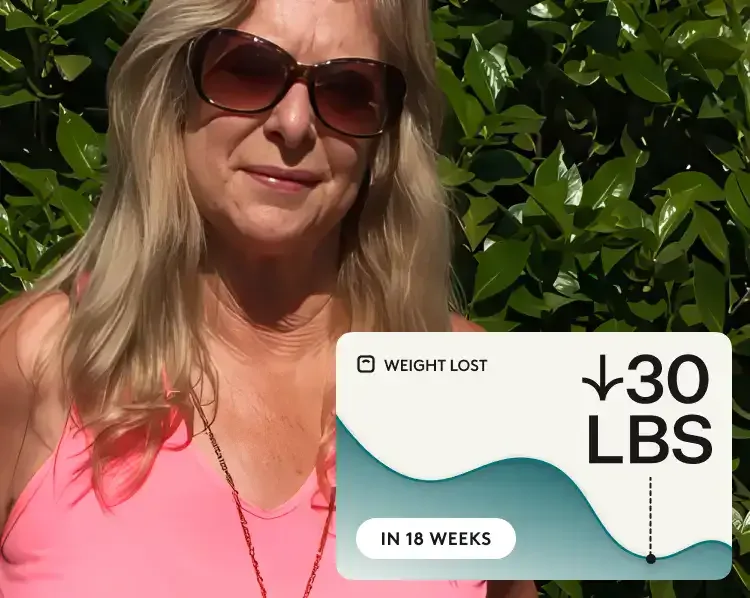
“Noom has changed my life and I’m so thankful, I feel great, have more energy and am no longer prediabetic.”
Daisy R. – Real Noom user
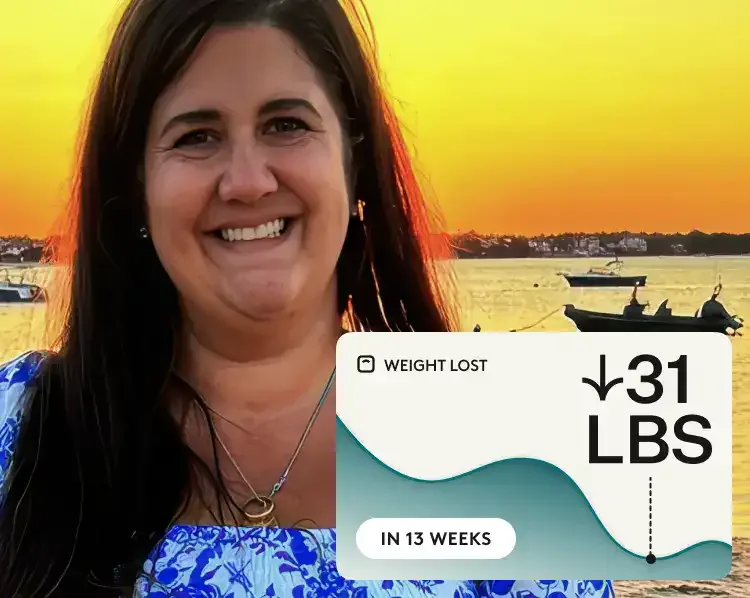
“All of the Noom providers that I’ve met with have been exceptional and prescribed medications that are appropriate for my situation and health.”
Sarah R. – Real Noom user
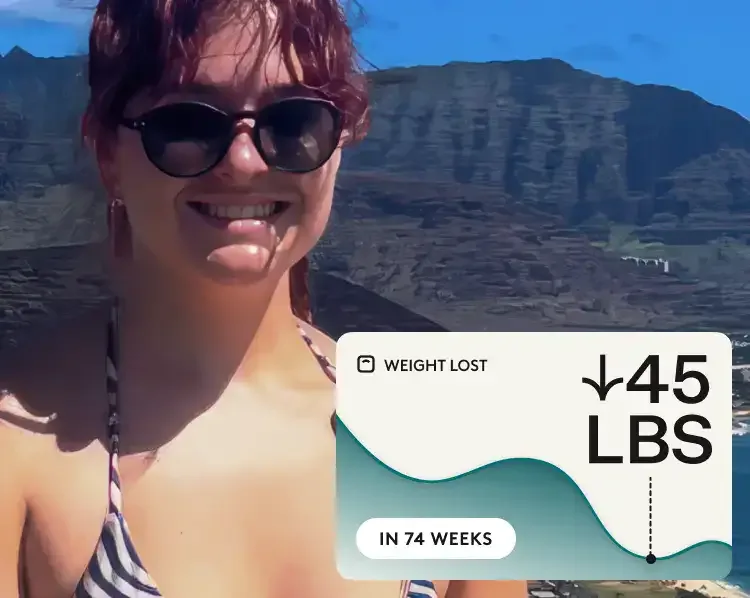
“Noom made the process so simple and now I feel full, free from diet obsession, and at ease in my body again.”
Madison S. – Real Noom user
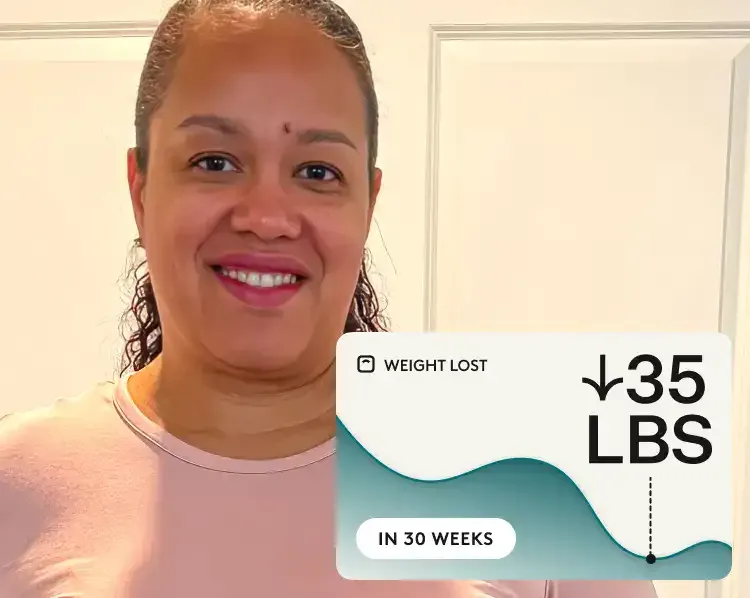
“My doctor recommended Noom after I was frustrated trying to lose weight. The lessons helped change my relationship with food. My body feels lighter & energized.”
Sonday K. – Real Noom user
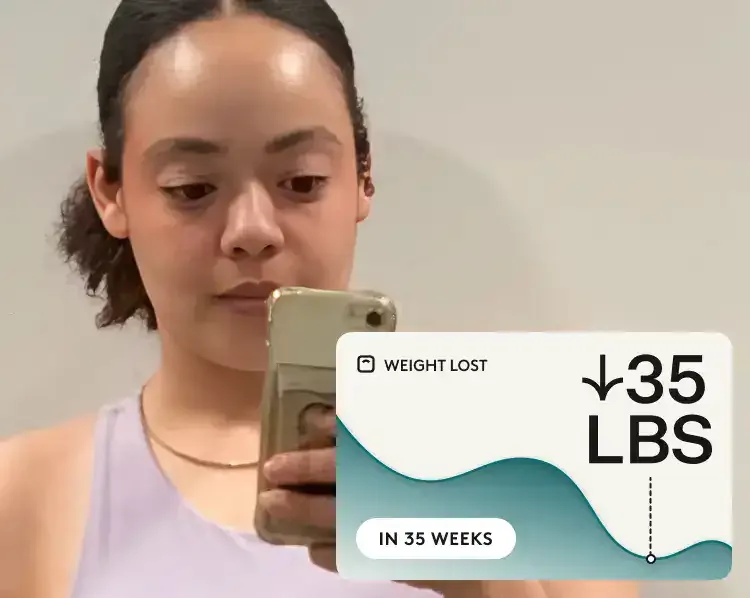
“I built healthy habits with coaching and lessons that make me confident I can maintain my weight loss long term.”
Cam K. – Real Noom user
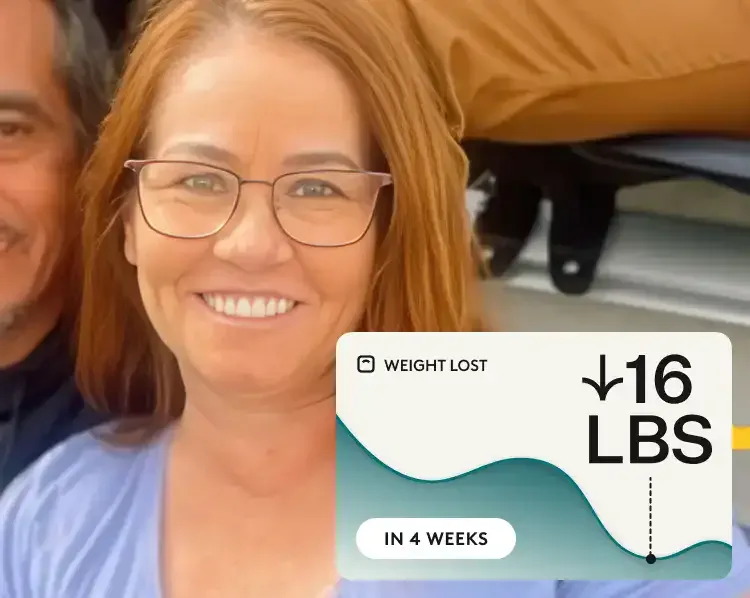
“With the right medication through Noom, hunger and sugar cravings finally quieted and I have the tools to break the cycle.”
Laura TR. – Real Noom user
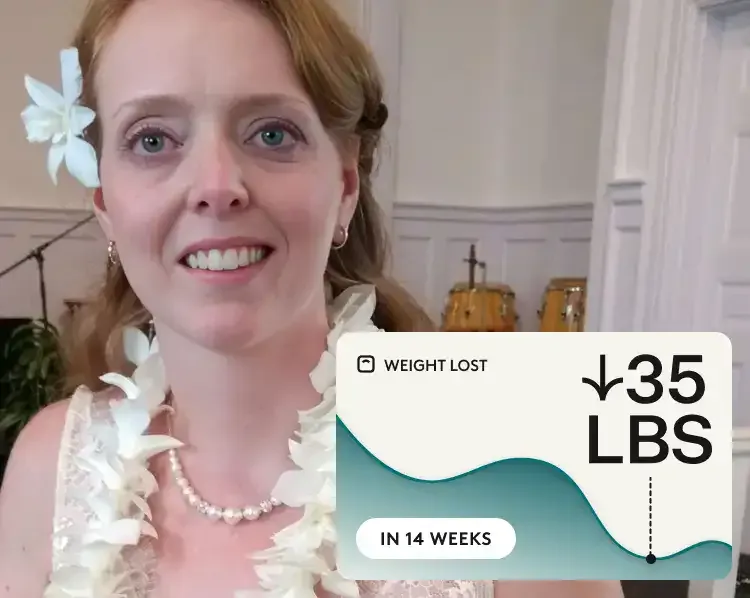
“Cravings and food noise are gone, I finally feel confident in the healthy habits I’ve built to last with Noom.”
Jessica S. – Real Noom user
The bottom line: Avoid foods that increase side effects or slow weight loss when taking Wegovy
There are no specific foods you have to avoid when taking Wegovy, whether you’re using the pill or injection. But certain foods, especially large, greasy meals, may make nausea, bloating, and other digestive side effects worse. And if you’re taking the pill, you’ll need to plan your meals and drinks around the 30-minute waiting period after your dose.
Because Wegovy® helps you feel full sooner, getting enough nutrition from the foods you do eat is especially important. Prioritizing protein, fiber, fruits, vegetables, and other nutrient-rich foods can help you meet your body’s needs while losing weight. That doesn’t mean giving up pizza, pasta, dessert, or anything else you enjoy. It means finding portions and choices that work for you.
And remember, Wegovy® is just one part of weight management. At Noom, we focus on building healthy habits alongside medication, from recognizing hunger and fullness cues to making balanced food choices and staying active. The goal isn’t just to lose weight, but to build habits that help you feel your best and support your health over time.
Editorial standards
At Noom, we’re committed to providing health information that’s grounded in reliable science and expert review. Our content is created with the support of qualified professionals and based on well-established research from trusted medical and scientific organizations. Learn more about the experts behind our content on our Health Expert Team page.