
What you’ll learn:
- Wegovy® works best when paired with healthy habits like a calorie deficit, balanced meals, and regular movement—not as a replacement for them.
- Protein, fiber-rich foods, hydration, and smaller meals can help support weight loss while also making common side effects like nausea and constipation easier to manage.
- There’s no perfect “Wegovy diet,” but most people feel and do better with simple, nutrient-dense foods and a flexible approach instead of strict food rules.
Starting Wegovy® can feel exciting, hopeful, and maybe a little nerve-wracking all at once. A lot of people begin treatment eager to see changes in their appetite, weight, and energy levels, but also worried about side effects like nausea, stomach discomfort, or constipation. It’s completely normal to wonder how the medication might change your eating habits, what side effects you might experience, and even have no idea what to eat on Wegovy®.
Wegovy® helps lower appetite, slow digestion, and regulate blood sugar. That means you may get full faster, stay full longer, and notice that large meals or heavier foods suddenly don’t feel as appealing as they used to. Over time, many people also find themselves naturally learning what to eat on Wegovy to help them lose weight and feel their best.
While there is no strict “Wegovy diet” you have to follow, what you eat still matters. Because digestion slows down, the types of foods you eat can affect how you feel day to day. Rich, greasy, or overly large meals may sit more heavily in your stomach and make side effects more noticeable, especially early on. Choosing nutrient-dense foods, like lean protein, fruits, vegetables, high-fiber carbs, and healthy fats, can help support your weight-loss results.
In fact, lifestyle changes around diet and exercise are an important component of Wegovy® treatment in order for it to be the most effective, and the 15% weight loss mentioned in most studies comes from a combination of both Wegovy® and behavioral changes, including diet. Changing what you eat may also make side effects like nausea or stomach discomfort easier to manage.
This guide will walk you through what to eat on Wegovy and what to limit. We’ll share simple meal ideas and practical tips to help your Wegovy® journey feel smoother.
New from Noom
Microdose GLP-1Rx Plus
An affordable way to start your GLP-1 journey with Compounded Tirzepatide.

*Initial 3 week subscription and 4 weeks of medication from $79 plus tax and $199 per month plus tax for 12 week subscription thereafter. Final pricing depends on program selection. Noom GLP-1Rx Plus Microdose Program involves medication (when appropriate), healthy diet, exercise and support. Individual results vary. Meds & personalization based on need as determined by a third-party clinician. Medications are not reviewed by FDA for safety, efficacy, or quality. No affiliation with Eli Lilly and Company, the only US source of FDA-approved tirzepatide. Not available in all 50 US states.
Why what you eat matters while taking Wegovy®
Wegovy® can help reduce appetite and make you feel full sooner, but it is not meant to replace healthy eating habits.
A calorie deficit is still needed for weight loss
The major Wegovy® studies also included lifestyle changes like diet and exercise—it wasn’t just the medication alone. In many studies, people taking Wegovy were encouraged to eat about 500 fewer calories than they burned each day, while also increasing physical activity. Even with both groups following similar nutrition and exercise guidance, the people taking semaglutide lost significantly more weight than those taking a placebo.
You still need to eat nutritious foods for health and energy
One of the biggest things to remember on Wegovy® is that appetite changes can work both for you and against you. When hunger drops, some people start skipping meals, eating very little protein, or relying on whatever sounds easiest to tolerate. Others assume the medication will “do the work” regardless of food choices. Over time, both patterns can make it harder to feel your best.
Heavy, greasy foods can worsen side effects
Food choices can also affect how you feel physically while taking Wegovy®. Because the medication slows digestion, large meals or greasy, heavy foods may sit in your stomach longer and trigger GI side effects like nausea, bloating, or stomach discomfort, especially when first starting treatment or increasing your dose. Many people find that smaller portions and simpler meals feel much easier to tolerate while their body adjusts.
Calorie needs shift over time
Your eating habits can also matter if weight loss starts to slow down. Weight loss plateaus are common as your body adapts to weight changes and your calorie needs shift over time. Sometimes small adjustments—like increasing protein, reviewing portion sizes, or becoming more consistent with movement—can help restart progress without needing dramatic changes.
How to eat for the best results with Wegovy®
Wegovy® can make it much easier to eat less by lowering appetite and slowing digestion, but what and how you eat still matter. The goal isn’t to eat as little as possible—it’s to build meals that help you feel satisfied, support muscle, and keep your energy steady while you lose weight. Small, balanced meals also tend to feel much better on your stomach while taking Wegovy®.
Here are some tips that can help:
Aim for a moderate calorie deficit—not the smallest amount of food possible
Wegovy® is designed to be used alongside a reduced-calorie eating plan and increased physical activity, and clinical trials combined the medication with lifestyle changes and nutrition support. Eating too little can leave you tired, overly hungry later on, or make it harder to meet your nutrition needs. Here’s a calorie deficit calculator to help you figure out how many calories you need.
Prioritize protein at every meal
Lean protein helps you stay full longer and supports muscle while you lose weight. Because appetite is often lower on Wegovy®, protein becomes even more important—you want the food you do eat to work for you nutritionally.
Access GLP-1 Weight Loss with Noom
Explore a wide range of prescription medications supported by Noom’s program.Microdose GLP-1rx
Noom GLP-1rx
Noom GLP-1rx Plus
Wegovy®

Ozempic®

Metformin
Zepbound®
Mounjaro®
Liraglutide
Keep meals smaller at first
One of the biggest adjustments with Wegovy® is learning that your “comfortably full” point may show up much faster than before. Large portions can leave you feeling overly full, nauseous, bloated, or uncomfortable.
Many people feel better with:
- Smaller meals
- Slower eating
- Light snacks between meals if needed
- Stopping before they feel stuffed
Stay hydrated
Sip water regularly throughout the day, especially if you’re increasing fiber intake or dealing with constipation. Water, herbal tea, sparkling water, and electrolyte drinks can all help support hydration.
Does it matter when you eat on Wegovy®?
Yes, when you eat on Wegovy® can matter, especially depending on whether you take the injection or the pill.
- Wegovy® pill: Wegovy® pills require more careful timing because they need to be taken in the morning on an empty stomach. Take your pill with no more than 4 ounces of water and wait at least 30 minutes before eating, drinking, or taking other oral medications.
- Wegovy® injection: Wegovy® injection gives you more flexibility because it is taken once weekly and can be used with or without food. You don’t need to plan your dose around a meal, but eating regular, balanced meals may help you avoid feeling overly full, nauseous, or low on energy.
Tips for eating when side effects show up
Because Wegovy® slows digestion, side effects like nausea, bloating, constipation, or stomach discomfort are fairly common—especially when starting treatment or increasing your dose. A few small changes can make a big difference:
- Eat smaller meals more frequently if large meals feel uncomfortable
- Avoid greasy, fried, or very heavy foods if nausea worsens
- Increase fiber gradually instead of all at once
- Stay hydrated throughout the day
- Keep simple foods on hand like yogurt, eggs, soup, toast, rice, or crackers during rough days
- Be extra mindful around dose increases, since side effects are often strongest during those transitions and at higher doses
And one of the biggest tips: listen to your body’s fullness signals. With Wegovy®, eating past the point of comfortable fullness can quickly turn into nausea or stomach pain.
What to eat on Wegovy®: A simple diet plan
The foods you choose while taking Wegovy® can have a big impact on how you feel, how steadily you lose weight, and how well you tolerate the medication. There’s no official “Wegovy® diet,” but research consistently shows that building meals around protein, fiber-rich foods, and minimally processed ingredients can help support weight loss, preserve muscle, and reduce side effects like nausea, bloating, and constipation.
Because Wegovy® (semaglutide) works partly by slowing stomach emptying and lowering appetite, eating enough nutrient-dense food becomes especially important. Smaller portions are common on GLP-1 medications, which means every meal matters more. A balanced approach focused on protein, fiber, healthy fats, and hydration can help your body work with the medication—not against it.
Protein-rich foods
Protein becomes especially important during weight loss with Wegovy®. When appetite drops and calories decrease, your body can lose lean muscle along with fat. Preserving muscle helps support metabolism, strength, energy, and long-term weight maintenance.
Research on GLP-1 medications suggests that higher protein intake may help reduce lean muscle loss during weight reduction. Many experts recommend aiming for roughly 1.2–1.6 grams of protein per kilogram of body weight per day during active weight loss, which often translates to about 20 to 30 grams of protein per meal for many adults.
Protein may also help meals feel more satisfying, which can make it easier to stick with smaller portions comfortably.
Here’s how some common protein options compare:
| Protein category | Examples | Typical protein per serving* |
|---|---|---|
| Lean poultry | Chicken breast, turkey breast | 20–22 g (3 oz) |
| Fish & seafood | Salmon, tuna, shrimp, cod | 18–22 g (3 oz) |
| Eggs | Whole eggs, egg whites | 12 g (2 eggs) |
| Low-fat dairy | Greek yogurt, cottage cheese | 12–18 g (½–¾ cup) |
| Plant proteins | Tofu, tempeh, edamame | 10–15 g (½ cup) |
| Legumes | Beans, lentils | 7–9 g (½ cup) |
A few helpful things to remember:
- You don’t need huge portions to meet your protein needs.
- Smaller meals still count—consistency across the day matters more than perfection.
- Softer, simpler protein foods may feel easier to tolerate if you’re dealing with nausea or early fullness.
Fiber-rich carbs
Studies show that fiber-rich foods support weight loss and digestion, as well as help with side effects, while taking GLP-1 medications like Wegovy®. High-fiber foods help you stay full longer, support steadier blood sugar levels, and may reduce overeating later in the day.
Fiber also matters because Wegovy® slows digestion, which can increase the risk of constipation for some people. Research on GLP-1 medications consistently identifies constipation as one of the more common digestive side effects, especially during dose increases.
New from Noom
Microdose GLP-1Rx Plus
An affordable way to start your GLP-1 journey with Compounded Tirzepatide.
*Initial 3 week subscription and 4 weeks of medication from $79 plus tax and $199 per month plus tax for 12 week subscription thereafter. Final pricing depends on program selection. Noom GLP-1Rx Plus Microdose Program involves medication (when appropriate), healthy diet, exercise and support. Individual results vary. Meds & personalization based on need as determined by a third-party clinician. Medications are not reviewed by FDA for safety, efficacy, or quality. No affiliation with Eli Lilly and Company, the only US source of FDA-approved tirzepatide. Not available in all 50 US states.
Whole grains and slow-digesting carbs can help provide steady energy without causing hunger to rebound quickly.
Helpful options include:
- Oats
- Brown rice
- Quinoa
- Whole-grain breads and pasta
- Sweet potatoes
- Beans and lentils
- Barley
A moderate serving—like ½ cup cooked grains or one slice of whole-grain bread—is often enough to support fullness without making meals feel overly heavy.
Fruits and vegetables
Fruits and vegetables provide fiber, water, vitamins, and volume.
Research shows that diets rich in produce are associated with better long-term weight management, and they can help offset some digestive side effects associated with GLP-1 medications.
If your stomach feels sensitive, cooked vegetables and lower-fiber fruits may feel easier to tolerate at first than large raw salads or very fibrous foods.
Here’s a quick look at common fiber-rich produce choices:
| Food | Typical serving size | Fiber (grams) |
|---|---|---|
| Broccoli | 1 cup cooked | 5 g |
| Carrots | 1 cup raw | 3.5 g |
| Apples (with skin) | 1 medium | 4.5 g |
| Oranges | 1 medium | 3 g |
| Berries | 1 cup | 3–8 g |
| Leafy greens | 1 cup raw | ~1 g |
A simple goal: try filling about half your plate with fruits and vegetables when possible.
Healthy fats
Healthy fats can help meals feel more satisfying while supporting heart health and nutrient absorption. Research suggests that unsaturated fats—like those found in olive oil, avocado, nuts, seeds, and fatty fish—may support fullness and improve overall diet quality during weight loss.
The key while taking Wegovy® is moderation. Because digestion slows down on semaglutide, very large or greasy meals can sit in the stomach longer and worsen nausea, reflux, or bloating.
Some well-tolerated healthy fat options include:
- Avocado (¼ avocado)
- Olive oil (1–2 teaspoons)
- Nuts and seeds (A small handful)
- Nut butters (1 tablespoon)
- Salmon, trout, sardines, and tuna (4-6 ounces)
Foods to limit or avoid while taking Wegovy®
There’s no official list of “forbidden” foods while taking Wegovy®, but some foods are more likely to worsen side effects or slow weight loss.
Because Wegovy® slows how quickly food leaves your stomach, heavy or highly processed meals may feel much less comfortable than they did before starting the medication.
Here’s what commonly causes problems:
- Highly processed and sugary foods like candy, pastries, soda, and packaged snacks may add calories quickly without keeping you full for long.
- Fried or greasy foods can worsen side effects like nausea, reflux, bloating, and stomach discomfort because they digest more slowly.
- Large meals may feel uncomfortable or overly filling since Wegovy® slows stomach emptying. Research recommends eating smaller, more frequent meals throughout the day to help manage side effects.
- Very high-fiber foods (such as beans) may temporarily increase bloating early on while your digestive system adjusts. Limit these until you know how they affect you.
- Carbonated beverages and spicy foods may trigger reflux or stomach irritation for some people.
- Alcohol isn’t explicitly prohibited in the prescribing information, but it may worsen side effects like nausea, dehydration, and reflux. Additionally, the extra calories in alcohol can make it easier to overeat or make less healthy food choices, which might negatively affect weight-loss progress. Learn more: Wegovy and alcohol: What to know before you combine the two.
That doesn’t mean you can never eat these foods again. Most people do best with a flexible approach that focuses on balance and portion awareness rather than strict food rules.
The overall goal is simple: prioritize foods that help you feel satisfied, nourished, and physically comfortable while supporting steady, sustainable weight loss on Wegovy®.
What to eat on Wegovy: 3-day sample meal plan
Getting started with a Wegovy® meal plan doesn’t have to be complicated. These three days of balanced meals and snacks show you how to combine protein, fiber, and healthy fats in ways that support your weight loss goals and help manage potential side effects. Adjust the amounts to meet your calorie needs.
| Day | Breakfast | Morning Snack | Lunch | Afternoon Snack | Dinner |
|---|---|---|---|---|---|
| Day 1 | 2 scrambled eggs with spinach and 1 slice of whole-grain toast | Greek yogurt (¾ cup) with berries | Grilled chicken salad with mixed greens, cucumber, and olive oil dressing | Hummus (2 tbsp.) with baby carrots | Baked salmon with roasted vegetables and ½ cup brown rice |
| Day 2 | Oatmeal (½ cup) with sliced banana and chopped walnuts | String cheese with 10 cherry tomatoes | Turkey and avocado wrap with a whole-wheat tortilla and lettuce | Hummus (2 tbsp) with baby carrots | Lean ground turkey stir-fry with broccoli, bell peppers, and quinoa |
| Day 3 | Low-fat Greek yogurt parfait with berries and granola (2 tbsp) | Hard-boiled egg with cucumber slices | Lentil soup with side salad and whole-grain crackers | Mixed nuts (small handful) | Grilled chicken breast with sweet potato and green beans |
This kind of meal plan can work well with Wegovy® because each day includes filling protein, fiber-rich foods, and steady sources of energy. If you feel full quickly, try smaller portions and save part of the meal for later. If you feel nauseous, simpler meals with less grease, spice, or heaviness may be easier to handle.
Studies have found that maximizing weight loss on GLP-1 medications like Wegovy® works best when you focus on protein at each meal and choose nutrient-dense foods.
You can adjust portion sizes based on your appetite and calorie needs, and if you’re looking for more meal ideas beyond these three days, the Mediterranean meal plan offers additional variety with similar nutritional principles.
Practical tips for success when starting Wegovy®
When you start Wegovy®, it’s like learning new habits around food. Your body needs time to get used to how Wegovy® works, and small changes in how you approach eating can make a big difference in how you feel and how well the medication works for you.
Start slow and listen to your body
When you begin Wegovy®, your appetite will likely change significantly. Start with smaller portions than usual and pay attention to when you feel satisfied rather than full. Your body’s hunger and fullness cues might feel different now, so take time to notice them. If you’re trying new foods, introduce them gradually to see how your body responds.
Stay hydrated and eat mindfully
Drinking plenty of water throughout the day becomes even more important on Wegovy®. Sip water regularly instead of waiting until you’re thirsty. When eating, slow down and take breaks between bites. This gives your brain time to register fullness and can help reduce nausea or other digestive issues. Put your fork down between bites, chew thoroughly, and check in with how you’re feeling as you eat.
Plan ahead for busy days
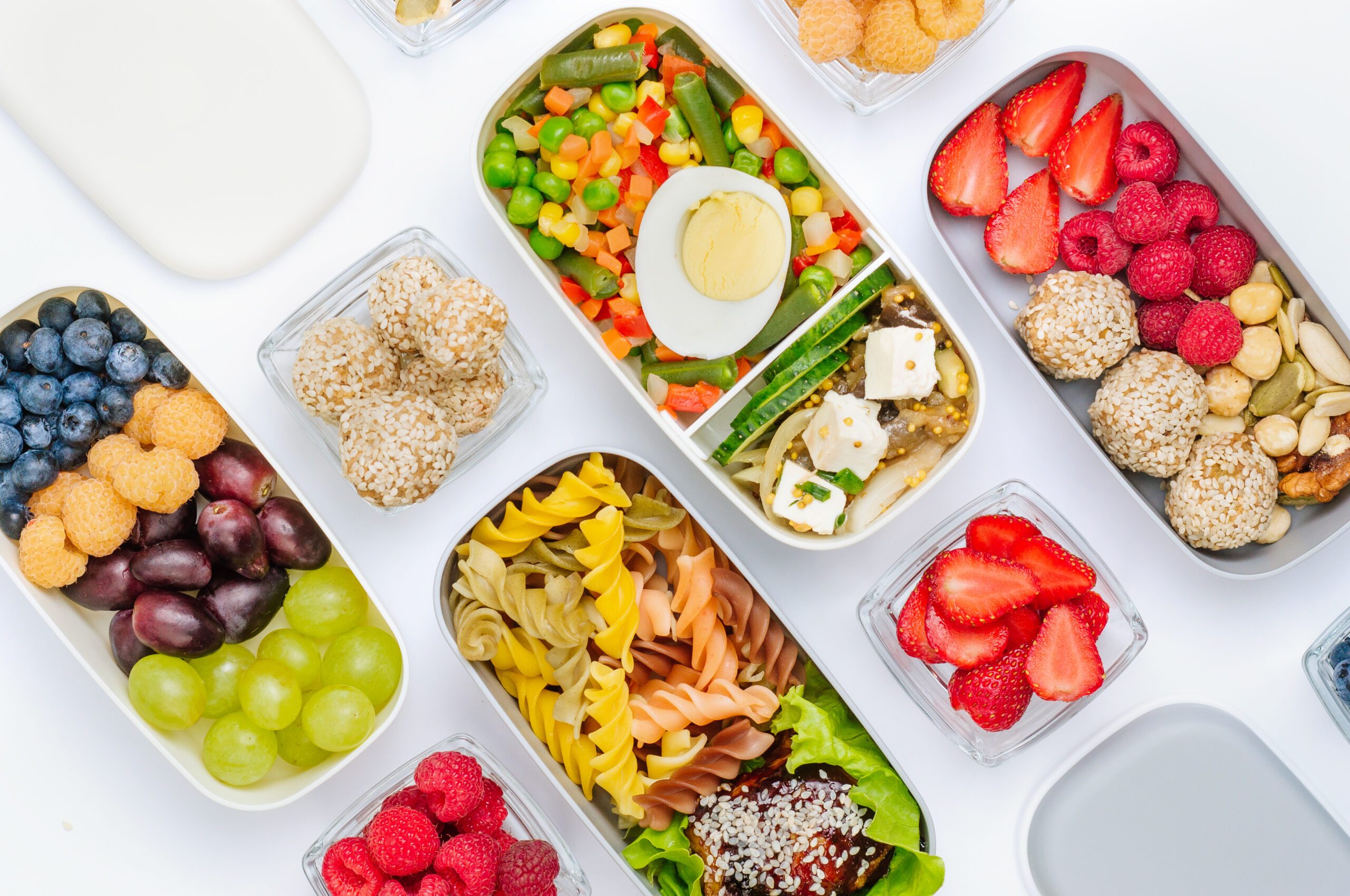
Having balanced meals and snacks ready can make healthy choices feel much easier when life gets hectic. A few helpful staples to keep on hand include:
- Cut vegetables and hummus
- Greek yogurt with berries
- Hard-boiled eggs
- Rotisserie chicken
- Canned tuna
- Protein shakes or protein powder
- Crackers or toast for nausea days
- Easy soups or broths
- Cheese sticks or cottage cheese
- Frozen vegetables for quick meals
Common challenges & solutions when starting Wegovy®
When starting Wegovy®, the last thing you need is feeling queasy during your morning coffee or struggling with digestive issues and other side effects.
Studies show that about 44% of people experience nausea when starting the medication, with most symptoms occurring during the first few weeks as doses increase. The encouraging news is that these initial effects are temporary and manageable with the right solutions.
Dealing with nausea
Nausea is the most common initial symptom, but simple meal adjustments can provide relief.
- Try eating more frequent, bite-sized portions instead of three large meals.
- Choose bland foods like toast, crackers, or rice when you’re feeling queasy.
- Avoid greasy, fried, or very fatty foods, which can worsen queasiness.
- Eating slowly and stopping when you feel satisfied helps your stomach adjust to the medication’s effects on digestion.
Managing reduced appetite
While decreased appetite is how Wegovy® helps with weight loss, you still need to eat nutritious food for energy and to avoid losing muscle. Focus on getting maximum nutrition from what you do eat.
- Choose nutrient-dense options like Greek yogurt with berries, a portion of salmon, or a handful of nuts.
- Even if you’re not hungry, try to have something nutritious every few hours to maintain your energy and prevent blood sugar dips.
Managing constipation
Wegovy® affects how quickly food moves through your system. Studies show that constipation is one of the more common side effects of Wegovy®, with about 24% of people experiencing it. Here are some tips:
- Do: increasing water and fiber gradually
- Don’t: Add lots of high fiber foods like beans quickly, as this can cause bloating.
Start by drinking an extra glass of water daily and adding one high-fiber food, like an apple or oats. Walking can also help keep things moving, and remember that most symptoms improve as your body adapts.
Read more: Wegovy® constipation: Why it happens and what helps relieve it
Frequently asked questions about what to eat on Wegovy
Starting Wegovy® often brings questions about how the medication affects your eating patterns and food choices. These answers address the most common concerns about diet requirements, nutrition priorities, and lifestyle choices while taking this weight loss medication.
Do I need to follow a specific diet while on Wegovy®?
There’s no strict diet required, but clinical trials combined Wegovy® with reduced-calorie eating plans. Focus on nutrient-dense foods like lean proteins, vegetables, and whole grains. The medication works best when paired with healthy eating habits that create a calorie deficit.
What should I eat during my first week on Wegovy®?
During your first week on Wegovy®, it is usually best to eat smaller, simpler meals that are easier on your stomach. Try lean protein, cooked vegetables, fruit, whole grains, soup, yogurt, eggs, or toast. Limit greasy, fried, spicy, or very sugary foods because GLP-1 medications can cause nausea and other digestive symptoms.
How much protein should I eat while taking Wegovy®?
Research shows that prioritizing protein intake helps maintain muscle mass during weight loss with GLP-1 medications like Wegovy®. How much protein you should eat depends on your body size, activity level, and health needs, but including protein at each meal is a helpful goal. Protein-rich foods like eggs, fish, chicken, tofu, beans, Greek yogurt, and cottage cheese can help you stay full and support muscle while you lose weight. If you are a Noom member your GLP-1 Companion will give you a protein goal to hit each day.
Are there foods I should avoid on Wegovy®?
There are no foods you can’t eat while taking Wegovy®, but some foods may make side effects worse or make weight loss harder. Many people do better when they limit greasy or fried foods, very sugary foods, large, heavy meals, and highly processed snacks, especially because Wegovy® can slow stomach emptying and commonly causes digestive side effects.
Is it normal for my food preferences to change on Wegovy®?
Yes, it can be normal for your food preferences to change on Wegovy® because semaglutide can reduce appetite, food cravings, and interest in certain high-calorie foods. Some people notice they want smaller portions or feel less drawn to rich, sweet, or greasy foods.
How much water should I drink while taking Wegovy®?
How much water you should drink on Wegovy® depends on your body, activity level, climate, and health needs, but sipping fluids throughout the day is a good habit. This is especially important if you have constipation, vomiting, or diarrhea. Track how much you drink in Noom and then align that with how you feel.
Do I need to count calories on Wegovy®?
No, you do not always need to count calories on Wegovy®, but you do need to be aware of portions and food quality. Wegovy® is meant to be used with a reduced-calorie diet, so some people use calorie tracking, while others use simpler habits like smaller portions, balanced plates, and fewer high-calorie snacks.
What happens if I eat too much while on Wegovy®?
If you eat too much while on Wegovy®, you may feel overly full, nauseous, bloated, or uncomfortable. Because Wegovy® slows how quickly food leaves your stomach, large or heavy meals may be harder to tolerate.
Can I drink alcohol while taking Wegovy®?
You may be able to drink alcohol while taking Wegovy®, but it’s smart to be cautious and check with your healthcare provider about what’s safe for you. Wegovy® slows digestion and affects appetite and reward pathways in the brain, so alcohol may feel different than it did before starting treatment. Some people notice they feel alcohol more strongly, stay buzzed longer, have more nausea or reflux, or simply lose interest in drinking altogether. Research also suggests semaglutide may reduce alcohol cravings in some people.
Alcohol can also make common Wegovy® side effects—like nausea, vomiting, dizziness, or dehydration—feel worse, especially when you’re first starting the medication or increasing your dose. Since alcohol adds extra calories and can make it easier to overeat or make less balanced food choices, it may also slow weight-loss progress for some people. If you choose to drink, it’s usually best to start slowly, avoid drinking on an empty stomach, stay hydrated, and pay attention to how your body responds.
Will my diet need to change as my Wegovy® dose increases?
Yes, your diet may need to change as your Wegovy® dose increases because side effects can be stronger when your body is adjusting. Smaller meals, slower eating, enough fluids, and avoiding very greasy or heavy foods may help if nausea, bloating, reflux, or constipation become more noticeable.
Reviews from real Noom users
Desirea N. — Real Noom user
“My favorite parts of Noom are the care team and other Noomers. Sharing and getting help made me feel like I wasn’t doing it alone. That support made all the difference.”
Desirea N. — Real Noom user
Matthew M. — Real Noom user
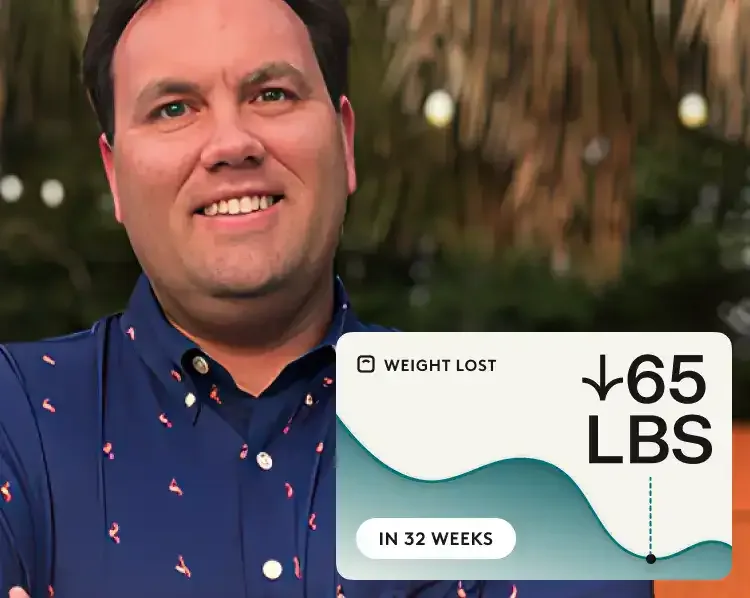
“Noom has taught me that every day is a new chance to make better, healthier choices. It's taught me how to stop overeating.’’
Matthew M. — Real Noom user
Lila M. — Real Noom user
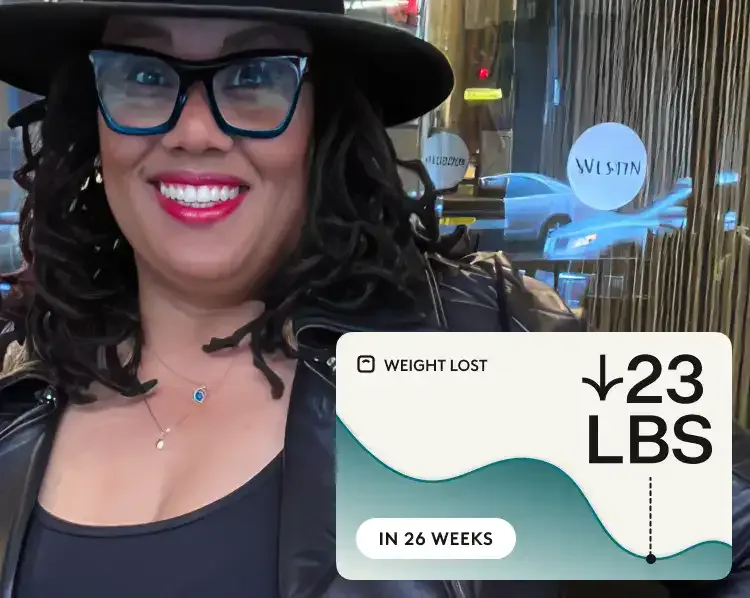
“Clinicians who understand how supportive medication can be is one of the best parts of Noom! I was convinced I wouldn’t have success but I’m down 11 pounds in two months.’’
Lila M. — Real Noom user
Steve M. — Real Noom user
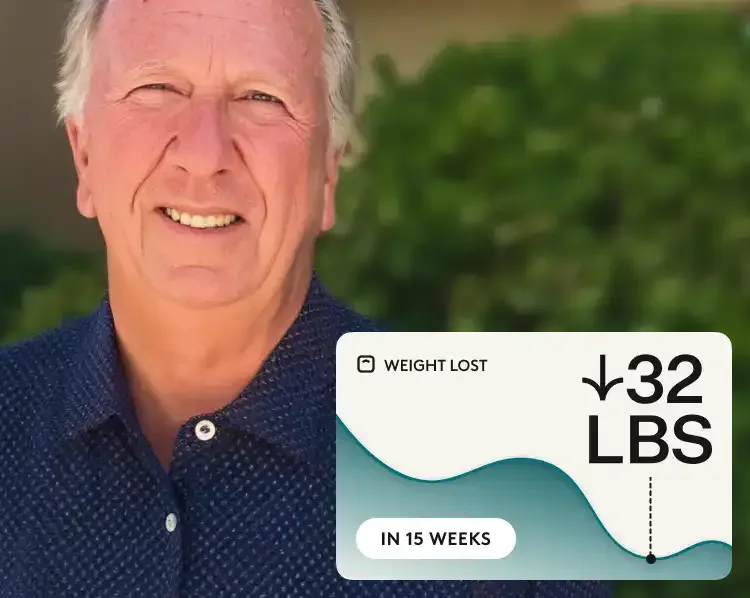
“Noom provided me with the medication which I could not get through Medicare. I have learned the tricks to better eating and life in general.”
Steve M. – Real Noom user
Daisy R. — Real Noom user
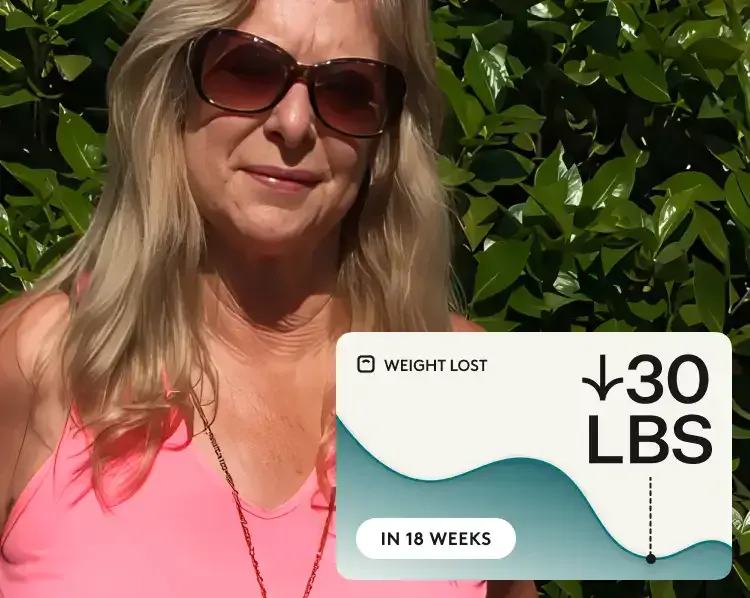
‘’Noom has changed my life and I’m so thankful, I feel great, have more energy and am no longer prediabetic.”
Daisy R. – Real Noom user
Sarah R. — Real Noom user
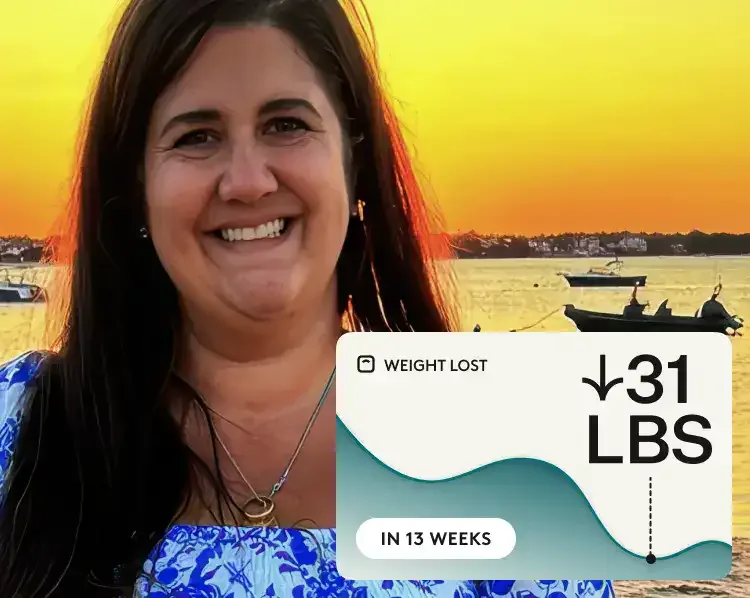
“All of the Noom providers that I’ve met with have been exceptional and prescribed medications that are appropriate for my situation and health.”
Sarah R. – Real Noom user
Madison S. — Real Noom user
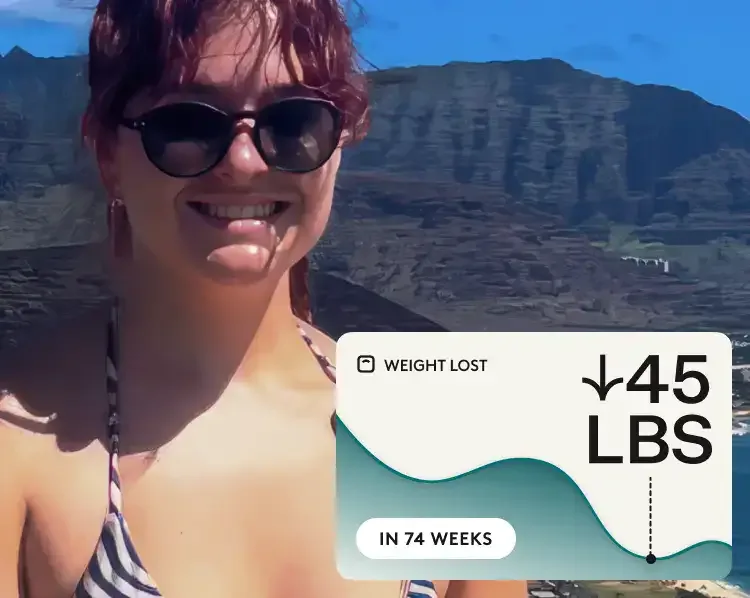
“Noom made the process so simple and now I feel full, free from diet obsession, and at ease in my body again.”
Madison S. – Real Noom user
Sonday K. — Real Noom user
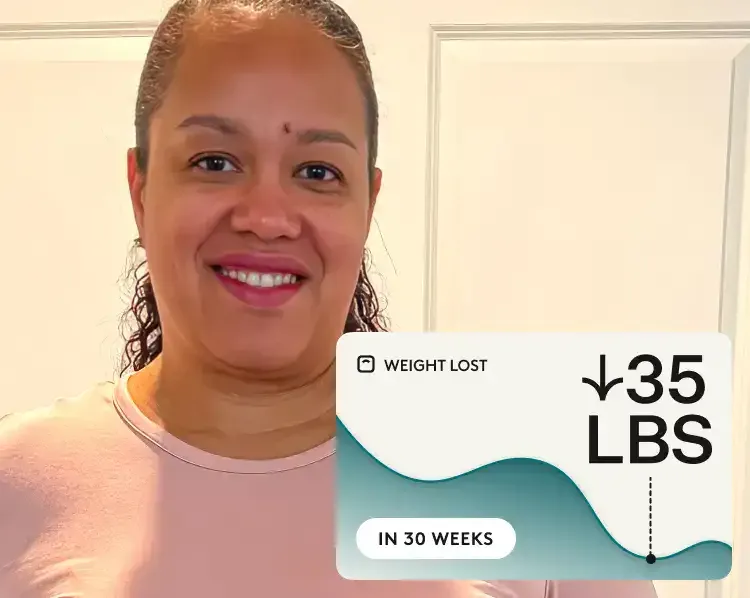
“My doctor recommended Noom after I was frustrated trying to lose weight. The lessons helped change my relationship with food. My body feels lighter & energized.”
Sonday K. – Real Noom user
Cam K. — Real Noom user
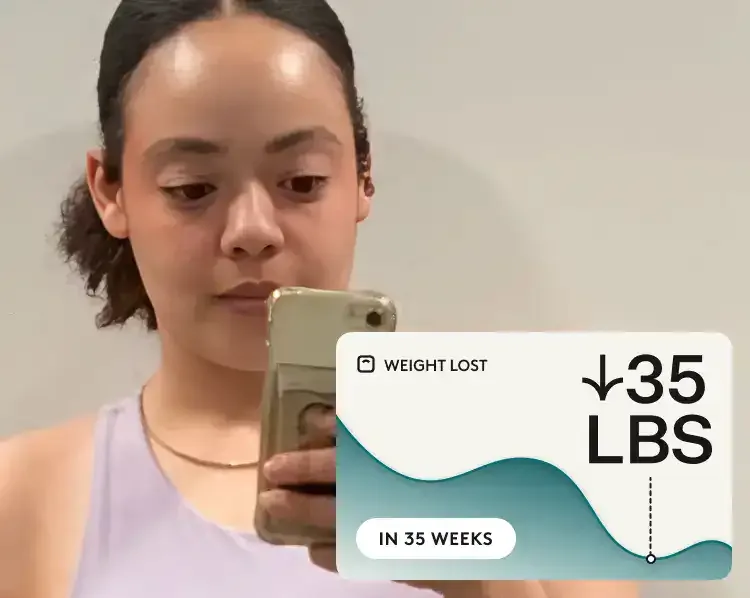
“I built healthy habits with coaching and lessons that make me confident I can maintain my weight loss long term.”
Cam K. – Real Noom user
Laura TR. — Real Noom user
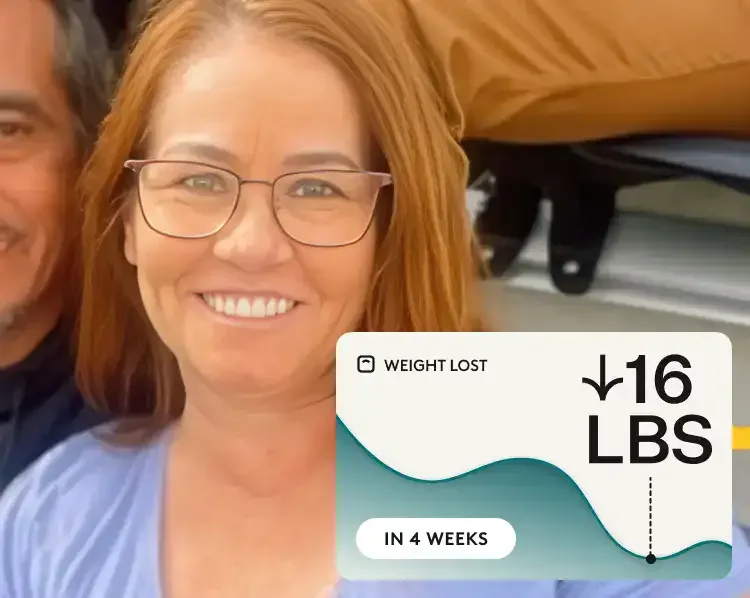
“With the right medication through Noom, hunger and sugar cravings finally quieted and I have the tools to break the cycle.”
Laura TR. – Real Noom user
Jessica S. — Real Noom user
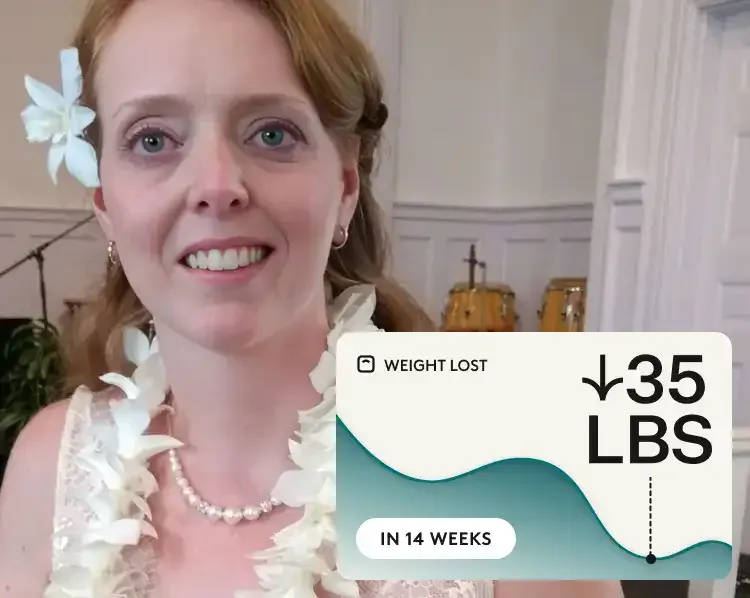
“Cravings and food noise are gone, I finally feel confident in the healthy habits I’ve built to last with Noom.”
Jessica S. – Real Noom user
The bottom line: Choosing nutritious, smaller meals can help you feel better and maximize results on Wegovy
Starting Wegovy® with balanced, nutrient-dense foods can help you feel your best while maximizing your results. Meals with protein, fiber-rich fruits and vegetables, whole grains, healthy fats, and enough water can help you stay nourished while supporting your weight-loss goals.
There is no perfect Wegovy® diet plan that works for everyone. Some people feel best with smaller meals throughout the day, while others prefer three simple meals and a snack. What matters most is finding a routine that fits your body, schedule, food preferences, and lifestyle.
You also do not need to eat perfectly to make progress. Limiting greasy, sugary, or highly processed foods may help you feel better, especially if you have nausea, bloating, reflux, or constipation. But the goal is not to follow strict food rules. The goal is to make choices that help you feel comfortable, energized, and consistent.
It’s also important to remember that Wegovy® works best as part of a bigger picture. The medication helps quiet hunger and cravings, but long-term results still come from the everyday habits that support it. Building nutrient-dense meals, staying hydrated, and moving your body are all important for weight loss and long-term health. That’s where having structure and guidance can make a real difference. If you qualify, Noom Med combines medication support with coaching, nutrition guidance, and tools to help you personalize your calorie needs. You’ll also get a protein amount to hit and personalized meal plans. Instead of guessing or going it alone, you get support that adapts with you.
Editorial standards
At Noom, we’re committed to providing health information that’s grounded in reliable science and expert review. Our content is created with the support of qualified professionals and based on well-established research from trusted medical and scientific organizations. Learn more about the experts behind our content on our Health Expert Team page.