What you’ll learn:
- Greek frozen yogurt can have more protein than regular froyo or ice cream, but the amount varies widely by brand and serving size.
- Viral shops like Myka are fueling the trend, while brands like Yasso, Enlightened, and TruJoy are bringing Greek frozen yogurt to grocery-store freezers.
- Greek frozen yogurt can fit into a weight-loss plan, especially as a satisfying swap for another dessert, but “Greek” or “high protein” doesn’t automatically make it healthier.
Frozen yogurt is back—but it looks a little different this time around. If you remember the self-serve froyo shops of the 2000s and 2010s, the pitch was usually low-fat, endless flavors, and a toppings bar piled high with candy and cereal. Today’s froyo comeback is tapping into something people are much more interested in right now: protein.
One of the names driving the trend is Myka, a Greek frozen yogurt chain that started in Madrid and has since expanded internationally. Its thick, creamy froyo topped with fruit, nuts, and other ingredients has become a social-media sensation, with some locations reportedly drawing lines that stretch for more than an hour.
But Greek frozen yogurt is bigger than one viral shop. Spots like Chicago’s Mikono are putting their own spin on it, while grocery brands including Yasso, Enlightened, and TruJoy have brought Greek frozen yogurt to the freezer aisle. And the timing makes sense. According to market research firm Circana, U.S. frozen yogurt servings rose 26% in the year ending in March 2026. At the same time, protein has become a major priority for many Americans. In the International Food Information Council’s 2025 Food & Health Survey, 71% of Americans said they were trying to eat more of it.
There may be a GLP-1 connection, too. Because these medications can significantly reduce appetite, people taking them are often encouraged to prioritize protein to help preserve muscle while losing weight. And yogurt appears to be benefiting from that shift. According to research, people using GLP-1 medications are buying yogurt at nearly three times the rate of others.
Put it all together, and Greek frozen yogurt fits neatly into the current nutrition moment. It’s still dessert, but depending on what you choose, it can offer more protein than traditional frozen treats without requiring a huge portion.

The Easy Way
to lose weight and get healthy.
So, does that actually make it healthier? And how much protein are you really getting? Let’s look at how Greek frozen yogurt compares with regular froyo and ice cream, whether the extra protein matters for weight loss and muscle maintenance, and what to look for when choosing one.
What is Greek frozen yogurt, and how is it different from regular froyo?
If you’ve bought Greek yogurt at the grocery store, you probably know it as the thicker, creamier option that usually packs more protein than regular yogurt. Traditionally, Greek yogurt is made by straining yogurt to remove some of the liquid whey. That concentrates the yogurt and its protein while reducing some of the carbohydrates. Greek yogurt can have about twice the protein and roughly half the carbohydrates of regular yogurt.
Greek frozen yogurt takes that same basic idea and turns it into a frozen dessert. But there’s an important catch: “Greek” doesn’t necessarily tell you exactly how it was made.
The FDA doesn’t have a specific legal definition for Greek yogurt, so some manufacturers get that thicker texture and higher protein content by adding ingredients like milk protein concentrate rather than relying on straining alone. Both methods can produce a similar nutrition profile, so the ingredient list can tell you more than the word “Greek” on the label.
And recipes can vary even further once you get into frozen yogurt. Myka, for example, says its base combines Greek yogurt with goat’s milk kefir and pasteurized milk. Co-founder Natalia Morales has said that adding kefir gives the frozen yogurt a more complex flavor and may offer digestive benefits.
The bigger difference from traditional froyo, however, comes down to what’s actually in the finished product. Using Greek yogurt or adding milk proteins can bump up the protein—but once you add sugar, flavorings, and toppings, “Greek” doesn’t automatically mean a frozen yogurt is healthier.
What to look for in a Greek frozen yogurt
Since the word “Greek” doesn’t tell you everything about how a frozen yogurt is made—or how nutritious it is—a few other details can help you compare your options:
- Check the protein per serving. This is one of the easiest ways to tell whether you’re getting a meaningful protein boost. Some Greek frozen yogurts provide 7 grams or more per serving, while others may have only a few grams. Don’t assume “Greek” or “high protein” on the front of the package automatically means you’re getting a lot.
- Take a look at the ingredient list. Greek yogurt or strained yogurt near the top suggests the product uses it as a main ingredient. Other products may use milk protein concentrate or whey protein to boost protein and create a thicker texture. That isn’t necessarily better or worse—it’s simply a different way of getting there.
- Compare added sugar and serving size. Greek frozen yogurt is still a dessert, and the amount of added sugar can vary considerably between products. Check the serving size along with the sugar, calories, and protein so you’re comparing similar portions.
- Look for nutrition information when you can. Packaged products make this relatively easy, but froyo shops don’t always provide the same level of detail. If nutrition information is available online or on the menu, it can give you a better idea of what you’re actually getting.
- Look for the “Live & Active Cultures” seal if probiotics matter to you. Not every frozen yogurt contains enough live cultures to qualify, so the seal can be more useful than simply seeing “yogurt” on the ingredient list. We’ll get into what that means for gut health below.
Is Greek frozen yogurt healthy?
It can be. Greek frozen yogurt can offer more protein and sometimes less fat than traditional frozen desserts, but that doesn’t automatically make every version a healthier choice. The nutrition can vary quite a bit by brand, serving size, and what you pile on top.
What are the benefits of Greek frozen yogurt?
- It can have more protein than regular frozen yogurt. Greek yogurt typically contains about twice as much protein as regular yogurt, so frozen desserts that use a substantial amount of Greek yogurt can carry some of that protein advantage. How much you actually get, though, depends on the product.
- The extra protein may make it more satisfying. Protein generally helps with satiety, which is one reason a higher-protein dessert may have an advantage over one with very little protein. In one small study, women who ate a yogurt snack containing 24 grams of protein reported less hunger and waited longer before eating again than those who ate lower-protein snacks. Most Greek frozen yogurts contain much less than 24 grams, so you shouldn’t expect the same effect from every serving. But a product with more protein may be more satisfying than one with only a few grams.
- It can contribute to your daily protein needs. Protein helps maintain and build muscle, which becomes particularly important when you’re losing weight. Greek frozen yogurt probably won’t replace a protein-rich meal, but higher-protein versions can make a meaningful contribution. Some products provide close to 20 grams per serving, while others have only a few grams, so checking the label matters more than looking for “Greek” on the package.
- It may be lower in fat than ice cream. Frozen yogurt is generally made with cultured milk rather than the larger amounts of cream used in ice cream, so some varieties contain less total and saturated fat. That doesn’t necessarily mean they’re lower in calories or sugar, though, which is why it helps to compare the full nutrition label.
- Some varieties may contain live cultures. Depending on how the frozen yogurt is made and processed, some of the live cultures associated with yogurt may remain in the finished product. If that’s something you’re looking for, check for the “Live & Active Cultures” seal rather than assuming every frozen yogurt contains meaningful amounts.
- And then there are the toppings. A Greek frozen yogurt that starts out relatively high in protein can quickly become a much more calorie-dense dessert once you add candy, cookies, syrups, or several scoops of toppings. You don’t have to skip them altogether, but if you want to keep some of the nutritional advantages of the yogurt itself, fruit or a smaller amount of your favorite topping can help keep things balanced.
Where to find Greek frozen yogurt
Greek frozen yogurt is having a moment, but it’s not nearly as easy to find as traditional froyo—at least not yet. Dedicated shops are still concentrated in a handful of major cities, particularly New York, Los Angeles, and Chicago. You can also find it popping up on the dessert menus at Greek and Mediterranean restaurants.
Greek frozen yogurt shops
If you want the full Greek froyo experience, these shops make it the main event. Some specialize entirely in Greek frozen yogurt, while others serve it alongside traditional Greek yogurt, with toppings ranging from fresh fruit and honey to pistachios, chocolate, and more.
Access GLP-1 Weight Loss with Noom
Explore a wide range of prescription medications supported by Noom’s program.
Microdose GLP-1rx
Noom GLP-1rx
Noom GLP-1rx Plus
Wegovy®

Ozempic®

Metformin
Zepbound®
Mounjaro®
Liraglutide
- Myka: The Madrid-born chain is one of the biggest names behind the current Greek froyo trend. Its frozen yogurt combines Greek yogurt, goat’s milk kefir, and pasteurized milk and can be customized with fruit, nuts, sauces, and other toppings. Myka has expanded beyond Spain to the U.S., including multiple locations in New York City.
- Mikono: This Chicago newcomer makes its frozen yogurt from Greek yogurt and blends some varieties with fresh fruit to order. It’s currently operating a pop-up inside Vjosa Cafe in Chicago’s Bridgeport neighborhood while working toward a permanent location.
- Go Greek Yogurt: Go Greek has been serving Greek yogurt and Greek frozen yogurt since well before the current viral moment. Its shops offer self-serve frozen yogurt alongside traditional Greek yogurt bowls and toppings. Current locations include Beverly Hills, Santa Monica, Studio City, and other parts of Los Angeles, plus a NoHo location in New York City.
- Madison Fare: This New York City spot serves a thick, tart Greek-style frozen yogurt with a more curated approach to toppings than the traditional self-serve froyo bar. Options include fruit, honeycomb, pistachio, jams, and other sweet and savory additions, with locations on the Upper East Side and in Greenwich Village.
- Kostantina: Located in Forest Hills, Queens, Kostantina specializes in Greek frozen yogurt made with Greek yogurt, whole-milk kefir, whole milk, and lemon juice. There’s also a dairy-free mango version, and toppings range from fresh fruit and pistachios to baklava, brownie bites, and peanut butter kataifi.
Restaurants that serve Greek frozen yogurt
You don’t necessarily need a dedicated froyo shop to try it. A growing number of Greek and Mediterranean restaurants are putting their own versions on the dessert menu, often with toppings that lean more savory or Mediterranean than the candy-heavy froyo bars of the past.
- The Gyro Project: This fast-casual Greek chain has locations throughout New York City and northern New Jersey and gives frozen Greek yogurt its own section of the menu. You can get it topped with sour cherry preserves, olive oil and sea salt, or Greek honey, walnuts, cinnamon, and phyllo crisps.
- Ema: The Chicago Mediterranean restaurant serves house-made frozen Greek yogurt as a plated dessert, with toppings that change seasonally.
- Aba: Ema’s sister restaurant also puts frozen Greek yogurt on the dessert menu. At its Chicago location, current versions include olive oil and sea salt or pistachio and candied orange.
- Kouklas Greek Eatery: This Greek restaurant in Niles, Illinois, makes its own Greek frozen yogurt and serves it as a restaurant-style dessert rather than a build-your-own froyo cup.
- Kalamaki: Greek restaurants using the Kalamaki name have also brought frozen Greek yogurt into the restaurant setting, pairing the dessert with a broader menu of traditional Greek dishes.
The trend is still concentrated in a relatively small number of places, but that may be starting to change. Between dedicated Greek froyo shops, pop-ups, and restaurants adding it to their menus, Greek frozen yogurt is beginning to move beyond a few viral cups on social media and into a dessert category of its own.
What to look for in your local froyo shop
If none of these spots are near you, check your local frozen yogurt or self-serve shop. Some offer Greek or higher-protein options even if that isn’t their specialty. Here’s how to tell what you’re getting:
- Look beyond the word “Greek.” If the shop provides ingredient information, look for Greek yogurt, strained yogurt, or added milk proteins in the base. Terms like “Greek-inspired” may describe the flavor or style rather than how the yogurt is made.
- Check the protein. If nutrition information is available, this is one of the most useful numbers to look at. A Greek frozen yogurt with substantially more protein than the shop’s regular froyo is giving you more of the benefit you’re probably looking for.
- Compare sugar and calories, too. More protein doesn’t automatically make something a better choice for your goals. Compare similar serving sizes and look at the overall nutrition rather than focusing on a single number.
- Remember that toppings count. Fruit, nuts, granola, candy, cookie pieces, and sauces can change the calories, sugar, and even protein considerably. Pick the ones you actually enjoy, but keep portions in mind if weight loss is your goal.
And if Greek froyo hasn’t made it to your neighborhood yet, the grocery-store freezer aisle is another option—and packaged products have one big advantage over shop-made froyo: you can see exactly what you’re getting on the nutrition label.
Greek frozen yogurt bars and pints: Nutrition facts and how to choose
Packaged Greek frozen yogurt is much easier to compare than what you get at a froyo shop because there’s a nutrition label right on the package. And the numbers vary more than you might expect. Some Greek frozen yogurt bars provide only a few grams of protein, while some spoonable versions get into the double digits.
That’s why it’s worth looking past words like “Greek” and “high protein” on the front of the package. Start with the base to see what the product is actually made from, then compare calories and protein to see how it stacks up.
Greek frozen yogurt products: Nutrition per serving
| Brand and product | Base | Calories | Protein | Fat |
|---|---|---|---|---|
| Yasso Frozen Greek Yogurt Bars 1 bar (about 65 g) | Greek yogurt made with milk protein concentrate | 80–100 | 4–5 g | 0–2 g |
| Yasso Frozen Greek Yogurt Spoonables — ⅔ cup | Greek yogurt made with milk protein concentrate | 120–140 | 6 g | Varies by flavor |
| Enlightened Greek Frozen Yogurt ⅔ cup | Greek yogurt made with skim milk and cultures | 120 | 10 g | 3.5 g |
| Alden’s Organic Greek Yogurt Dessert Bars 1 bar (2.5 fl oz) | Strained organic Greek yogurt | 90 | 2 g | 2–2.5 g |
| TruJoy Frozen Greek Yogurt ⅔ cup | Greek yogurt made with milk protein concentrate | 170 | 7–9 g | 4–5 g |
The biggest takeaway is that “Greek” doesn’t necessarily mean “high protein.” Depending on the product and serving size, you might get just a couple of grams of protein or well into the double digits. And a traditionally strained Greek yogurt base doesn’t automatically translate into the highest-protein frozen dessert.
If protein is important to you, check how many grams you’re getting in the serving you’re actually likely to eat. You don’t necessarily need the option with the most protein—the goal is to find one that tastes good and fits what you’re looking for from a snack or dessert.
Can Greek frozen yogurt help with weight loss?
There isn’t research showing that Greek frozen yogurt itself leads to weight loss. But there is some evidence linking yogurt more broadly with weight management. In one long-term study that followed more than 120,000 people, yogurt was among the foods most strongly associated with less weight gain over time. Other research has also found associations between yogurt and lower body weight, smaller waist circumference, and a lower risk of developing overweight or obesity.
That doesn’t mean yogurt—or Greek frozen yogurt—causes weight loss. People who regularly eat yogurt may have other dietary and lifestyle habits that contribute to those differences. But there are a few reasons a higher-protein Greek frozen yogurt could fit well into a weight-loss plan.
One is pretty straightforward: it can be a lower-calorie, higher-protein alternative to some other desserts. If you regularly swap a 300-calorie serving of ice cream for a 150-calorie Greek frozen yogurt, for example, that can reduce your overall calorie intake over time.
Protein may offer another advantage. Higher-protein foods tend to be more filling, so choosing a Greek frozen yogurt with a meaningful amount of protein may leave you more satisfied than a similar dessert with very little. Greek froyo still isn’t a weight-loss food on its own, though. How it fits into your overall eating pattern matters much more.
If you want it to work with a weight-loss goal, a few habits can help:
- Swap, don’t stack. Have it in place of your usual ice cream or dessert rather than adding it as an extra snack.
- Choose toppings you actually want. Fruit, a few nuts, or a small amount of your favorite topping can add flavor and texture without turning your cup into a much larger dessert. Candy, cookies, sauces, and other toppings can fit too—just remember that they count toward the overall portion.
- Look for more protein if fullness is your goal. Protein content varies considerably between products, so compare labels. A frozen yogurt with 8 to 10 grams of protein per serving may be more satisfying than one with only 2 to 4 grams.
- Pay attention to portion size. This is especially important at self-serve shops, where it’s easy to fill a large cup with several servings before you’ve added a single topping.
- Look at the whole nutrition label. Protein is only one piece of the picture. Calories, added sugar, saturated fat, and serving size can help you compare Greek frozen yogurt with the dessert you’d otherwise choose.
Ultimately, Greek frozen yogurt can fit into a weight-loss plan just like other desserts can. Its potential advantage is that some versions give you more protein for your calories, which may make a smaller portion feel more satisfying.
How to make high-protein frozen yogurt at home: An easy recipe
If you’d rather skip the froyo shop, Greek frozen yogurt is surprisingly easy to make at home. Starting with plain Greek yogurt gives you a naturally protein-rich base, while frozen fruit adds sweetness and helps create that thick, creamy texture. You can also add protein powder if you want an extra boost.
The Easy Way
to lose weight and get healthy.
Ingredients
- 2 cups plain Greek yogurt
- 1½ cups frozen fruit, such as berries, mango, or banana
- 1 scoop vanilla protein powder (optional)
- Honey or maple syrup, to taste
Instructions
- Add the Greek yogurt, protein powder, and a small amount of honey or maple syrup to a food processor or high-speed blender.
- Add the frozen fruit and blend until thick and smooth, stopping to scrape down the sides as needed.
- Taste and add more sweetener if you want it.
- Eat immediately for a soft-serve consistency, or transfer to a container and freeze for 1 to 2 hours for a firmer texture.
Using a Ninja Creami? Blend the ingredients until smooth, pour the mixture into a Creami pint container, and freeze according to the manufacturer’s directions, typically for 24 hours. Then process it using the appropriate setting. If it comes out crumbly, a re-spin can help give it a creamier consistency.
Using plain Greek yogurt also lets you control how sweet the finished froyo is rather than starting with an already-sweetened base. And if live cultures are important to you, check your yogurt label for them before you start—some may remain viable after freezing, although the amount can change during storage.
For more protein, choose a Greek yogurt with a higher protein content before automatically reaching for protein powder. Depending on the yogurt you use, the base may already provide a substantial amount.
Frequently asked questions about Greek frozen yogurt
Is Greek frozen yogurt a good choice if you’re taking a GLP-1?
It can be. GLP-1 medications often reduce appetite and how much you feel comfortable eating at one time, which can make getting enough protein more challenging. A higher-protein Greek frozen yogurt can contribute to your daily protein intake without requiring a large portion.
But think of it as a dessert that happens to provide some protein, rather than a primary protein source. Foods like plain Greek yogurt, eggs, fish, poultry, beans, and other protein-rich foods generally provide more nutrition for the calories and should make up most of your protein intake.
Learn more about how much protein to eat while taking a GLP-1.
Does frozen yogurt contain probiotics?
Sometimes. The live cultures used to make yogurt may survive freezing, although their numbers can decline during frozen storage. Processing matters, too. If a frozen yogurt is heat-treated after culturing, that can significantly reduce or eliminate the live microorganisms before it ever reaches the freezer.
Research has found that the number of viable bacteria in frozen yogurt can decline during storage, with survival varying by bacterial strain.
If probiotics are one of the reasons you’re choosing frozen yogurt, look for the “Live & Active Cultures” seal rather than assuming every product labeled “yogurt” contains meaningful amounts.
Is Greek frozen yogurt good for your gut?
It may provide live cultures, but that depends on how the frozen yogurt was made, processed, and stored. And probiotics are only one part of supporting gut health.
Fiber is another important one, and plain Greek frozen yogurt generally isn’t a significant source. Adding fruit can contribute some fiber, but if gut health is your main goal, foods like fruits, vegetables, beans, whole grains, and other fiber-rich plant foods have a much bigger role to play.
Is Greek frozen yogurt healthier than ice cream?
It can be, but there’s so much variation in both categories that you can’t assume Greek frozen yogurt is automatically the healthier choice.
A Greek frozen yogurt may provide more protein and fewer calories or less saturated fat than traditional ice cream. But there are also light, low-sugar, and keto-style ice creams that may be lower in calories or added sugar than some frozen yogurts. Some use sugar alcohols or other alternative sweeteners to keep the sugar content down, while others use regular sugar. Greek frozen yogurt varies just as much depending on the base, added ingredients, and serving size.
That means the best comparison is product to product. Look at similar serving sizes and compare the things that matter most to you, whether that’s protein, calories, added sugar, saturated fat, or the ingredients used to sweeten it.
Reviews from real Noom users
“My favorite parts of Noom are the care team and other Noomers. Sharing and getting help made me feel like I wasn’t doing it alone. That support made all the difference.”
Desirea N. — Real Noom user
“Noom has taught me that every day is a new chance to make better, healthier choices. It’s taught me how to stop overeating.”
Matthew M. — Real Noom user
“Clinicians who understand how supportive medication can be is one of the best parts of Noom! I was convinced I wouldn’t have success but I’m down 11 pounds in two months.”
Lila M. — Real Noom user
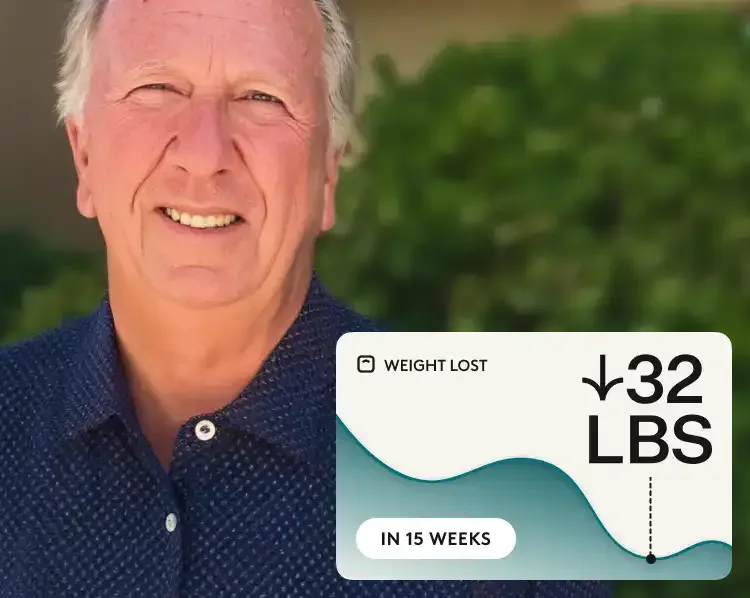
“Noom provided me with the medication which I could not get through Medicare. I have learned the tricks to better eating and life in general.”
Steve M. – Real Noom user
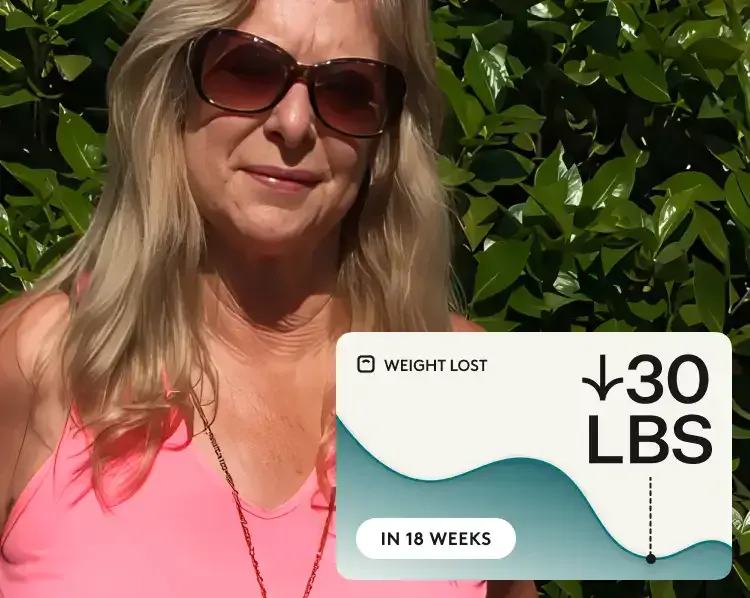
“Noom has changed my life and I’m so thankful, I feel great, have more energy and am no longer prediabetic.”
Daisy R. – Real Noom user
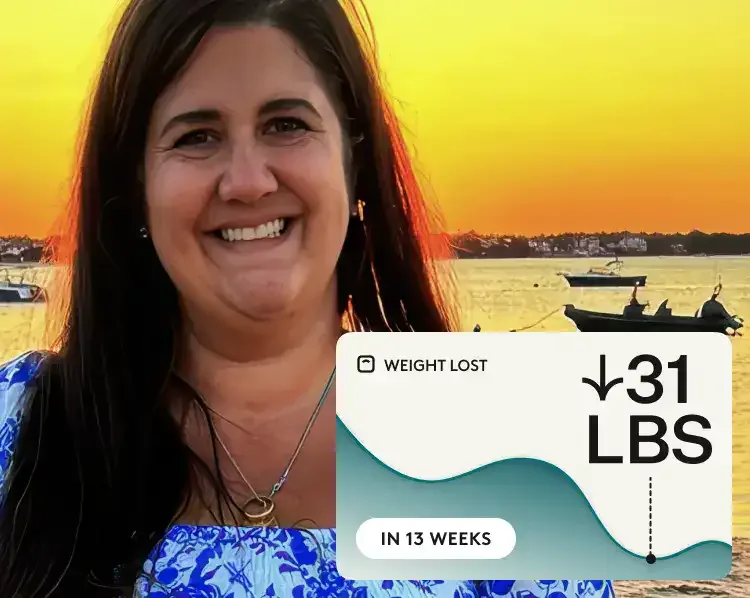
“All of the Noom providers that I’ve met with have been exceptional and prescribed medications that are appropriate for my situation and health.”
Sarah R. – Real Noom user

“Noom made the process so simple and now I feel full, free from diet obsession, and at ease in my body again.”
Madison S. – Real Noom user
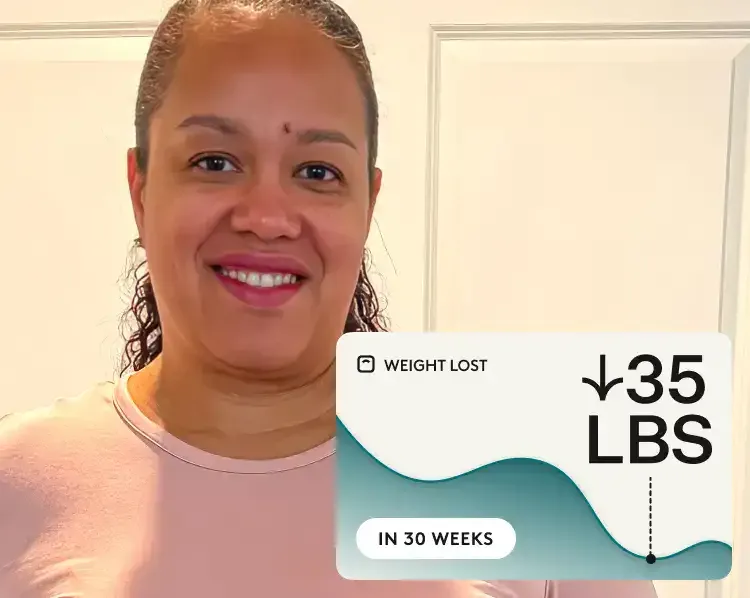
“My doctor recommended Noom after I was frustrated trying to lose weight. The lessons helped change my relationship with food. My body feels lighter & energized.”
Sonday K. – Real Noom user
“I built healthy habits with coaching and lessons that make me confident I can maintain my weight loss long term.”
Cam K. – Real Noom user
“With the right medication through Noom, hunger and sugar cravings finally quieted and I have the tools to break the cycle.”
Laura TR. – Real Noom user
“Cravings and food noise are gone, I finally feel confident in the healthy habits I’ve built to last with Noom.”
Jessica S. – Real Noom user
The bottom line: Greek frozen yogurt can be a higher-protein dessert, but check the label
Greek frozen yogurt isn’t just the froyo of the 2010s with a new name. Some versions really do deliver more protein than traditional frozen yogurt or ice cream, and that can make them a more filling dessert and a useful way to add a little more protein to your day. That may be especially appealing if you’re trying to lose weight, preserve muscle, or simply make your snacks work a little harder nutritionally.
But “Greek” isn’t a guarantee. As we found, protein can range from just a couple of grams to around 10 grams per serving in packaged products, and calories, sugar, fat, ingredients, and portion sizes vary just as widely. A Greek yogurt base, added milk proteins, or live cultures can all bring something different to the nutritional picture, but none automatically makes a frozen dessert healthy.
So, look past the name. Check the protein per serving, compare similar portions, take a look at the ingredients, and remember that toppings count, too. If you’re choosing Greek froyo for the protein, make sure there’s actually enough there to make a difference.
And if you’re choosing it simply because you love a thick, tart swirl of frozen yogurt topped with fruit, pistachios, or a little chocolate? That counts, too. Dessert doesn’t have to earn its place by being high in protein. Greek frozen yogurt just happens to be one that sometimes gives you both.
Download Noom on iOS or Android for tools and support that can help you build healthy eating habits that work for you.
Editorial standards
At Noom, we’re committed to providing health information that’s grounded in reliable science and expert review. Our content is created with the support of qualified professionals and based on well-established research from trusted medical and scientific organizations. Learn more about the experts behind our content on our Health Expert Team page.