
What you’ll learn:
- Creatine helps preserve muscle during weight loss, but it does not directly burn fat or cause significant fat loss on its own.
- Any initial weight gain from creatine is due to water retention in muscles, not an increase in body fat, and this effect is temporary.
- Creatine is most effective when combined with strength training and a balanced nutrition plan, making it a supportive tool—not a standalone solution—for sustainable weight management.
You’ve probably heard creatine come up in fitness conversations or seen it in the supplement aisle—but lately, it’s being talked about as a tool for weight loss. That claim deserves a closer look.
Some research suggests creatine supplementation may be linked to small reductions in body fat percentage, even if the number on the scale goes up at first. But that doesn’t necessarily mean it directly causes fat loss—and the changes tend to be modest, often tied to improvements in strength, training capacity, or lean mass rather than fat-burning itself.
This is where a lot of the confusion comes in. Creatine can cause temporary weight gain from water retention, and any shifts in body composition may reflect muscle changes more than fat loss. So while it may play a supporting role in a broader routine, it’s not a shortcut or a primary weight loss strategy.
This guide breaks down what creatine actually does in the body, what the research on creatine for weight loss shows—including findings from a recent systematic review—and how to think about it in the context of your goals. You’ll also see how it compares to other supplements used for weight loss. First, let’s go through what creatine is and why people are talking about it.
What is creatine—and why are people talking about it for weight loss?
You’ve probably seen creatine in many different places lately as people look for new ways to support weight loss and preserve muscle while losing weight. But the shift from gym supplement to “wellness tool” deserves a closer look.
Creatine is a naturally occurring compound your body produces—mainly in the liver, kidneys, and pancreas—and stores mostly in your muscles. It acts like a quick-access energy reserve, helping fuel short bursts of activity.
Even with a balanced diet, your creatine stores aren’t fully saturated, which is why supplementation can increase those levels. A review of creatine metabolism and function explains how this system works and why additional creatine can affect muscle energy availability.
Why is creatine linked to strength and performance?
Creatine didn’t start as a weight loss trend—it became popular because of its consistent effects on strength and exercise performance.
Research shows it can improve power output, support lean tissue gains, and enhance training capacity over time. According to clinical summaries on creatine and performance, this is why it’s one of the most widely used and studied sports supplements.
That matters, because better performance in workouts can indirectly support body composition changes—but that’s not the same as fat loss.
Can creatine help with weight loss?
This is where the messaging gets a bit blurred.
Creatine doesn’t directly cause fat loss. Instead, it may help preserve lean tissue during a calorie deficit, especially when paired with strength training.
What does the research actually show?
An analysis of existing data on about 800 people found that creatine combined with resistance training led to only a very small reduction in body fat percentage—and that change was likely driven by increases in muscle, not direct fat loss.
In other words: Creatine isn’t a fat burner. It’s a tool that may help improve body composition over time.
Where creatine may help: Preserving muscle
This is where creatine becomes more relevant.
Access GLP-1 Weight Loss with Noom
Explore a wide range of prescription medications supported by Noom’s program.Microdose GLP-1rx
Noom GLP-1rx
Noom GLP-1rx Plus
Wegovy®
Ozempic®
Metformin
Zepbound®
Mounjaro®
Liraglutide
Multiple clinical trials on creatine and lean mass show that people who take creatine while strength training tend to maintain more lean muscle during weight loss.
Why that matters:
- More lean mass = slightly higher calorie burn at rest
- Better strength = more effective workouts
- But: these effects are indirect and typically modest
For context, strength training itself plays a major role here—even without supplements.
Does creatine make you gain weight?
One of the biggest questions people have is whether creatine will make the number on the scale go up. It can cause a temporary increase—but this comes from water stored in your muscles, not fat gain. Understanding what’s really happening can help you stay confident in your choices.
Creatine pulls water into your muscles
When you start taking creatine, you might notice the scale goes up by about 1 to 3 pounds within the first week or two. But this isn’t fat gain—it’s water being stored in your muscle cells to help them work better.
Research shows that this water retention is part of how creatine supports strength and energy. A recent study found that people taking 5 grams daily gained about 1 pound of lean body mass within a week, with no increase in fat.
Does this make you feel bloated?
You might wonder if creatine will make you feel puffy or uncomfortable. The water goes into your muscles—not under your skin or in your digestive system, like when you eat too much salt.
Research shows that creatine increases total body water without causing the fluid shifts that make you feel swollen. Some people don’t notice any difference, while others may feel their muscles are slightly fuller.
What to do? Focus on progress beyond the scale
The scale can be misleading when you’re working on your health. Weight changes can reflect water, muscle, or many other factors—not just fat loss or gain.
If you’re wondering whether creatine causes meaningful weight gain, the answer is no—it doesn’t increase body fat. Pay attention to how your clothes fit, your energy levels, and your strength instead of temporary scale fluctuations.
Should you take creatine for weight loss?
Creatine can play a supporting role—but it’s not a weight loss tool on its own.
It may make sense if:
- You’re strength training regularly
- You want to preserve muscle while losing weight
- You’re focused on long-term body composition, not just the scale
But if your goal is simply to lose weight, creatine isn’t necessary—and it won’t replace the fundamentals of nutrition, movement, and consistency.
How to take creatine (without overcomplicating it)
If you’ve ever stood in the supplement aisle wondering how to use creatine, you’re not alone. The good news: it’s much simpler than it looks. You don’t need complicated schedules or perfect timing—just a consistent routine.
Keep it simple: type + dose
Stick with creatine monohydrate and take 3 to 5 grams per day.

The Easy Way
to lose weight and get healthy.
See if you qualify
This is the form and amount used in most research. A review of creatine dosing supports this range for most adults.
Think of it like a daily habit—consistency matters more than precision.
Skip the extras (loading and timing)
You don’t need to “load” creatine or time it perfectly.
Loading means taking a higher dose for the first week to fill your muscle stores faster—but it’s not necessary.
A steady daily dose gets you to the same place over time. A review on creatine loading shows that both approaches lead to similar long-term results.
Timing also isn’t critical. Some evidence suggests taking creatine with food may slightly improve absorption, but the difference is small. A study on creatine absorption supports this, but it’s not a make-or-break factor.
More importantly, research shows total daily intake matters more than timing.
Take it in a way that feels comfortable
Creatine works whether you take it with food or not.
- With food → may reduce stomach upset
- On its own → works fine for many people
There’s no single “best” method—just what feels sustainable.
Don’t overdo it
More isn’t better.
Higher doses don’t provide extra benefits for most people and may increase the chance of mild side effects like stomach discomfort.
If you’re using other supplements, the same principle applies—focus on consistency, not stacking or timing everything perfectly.
Choose a simple, affordable option
Creatine monohydrate is the most studied, effective, and affordable option. A typical supply costs under $20 per month.
More expensive products often include:
- “Blends” or added ingredients
- Flavoring or coloring
- Marketing claims that don’t change results
Simple powders are usually the best value.
Choose products that:
- List creatine monohydrate as the only active ingredient
- Avoid unnecessary additives
- Use third-party testing when possible
Independent testing helps confirm purity and safety. Look for certifications like NSF or Informed Choice.
Creatine: Side effects and safety considerations
Creatine is one of the most studied supplements, and most people can use it safely when taken as directed. Knowing what to expect can make the decision feel a lot less uncertain.
Common side effects
Most people tolerate creatine well, but mild side effects can happen—especially with higher doses.
You might notice:
- Stomach upset (especially on an empty stomach)
- Bloating or digestive discomfort
- Burping during the first few days
- A small increase in water weight
According to clinical guidance on creatine safety, these effects are typically temporary and often improve as your body adjusts.
One important distinction: creatine pulls water into your muscles. That’s different from typical bloating, though some people may feel both early on. Taking smaller doses and using it with food can help reduce discomfort.
Who should check with a doctor first?
Creatine is generally considered safe for healthy adults, but it’s not for everyone.
You should check with a healthcare provider first if you:
- Have kidney disease or reduced kidney function
- Have liver conditions
- Have diabetes
- Take medications that affect kidney function
Clinical guidance notes that creatine can raise creatinine levels—a marker used to assess kidney function, but research shows this doesn’t indicate kidney damage in healthy individuals.
Still, it’s worth confirming what makes sense for your specific situation.
What happens when you stop taking creatine?
When you stop taking creatine, the most noticeable change is usually a small drop in weight.
Most people lose about 2 to 4 pounds over a few weeks, as the extra water stored in muscles returns to baseline levels. Research on creatine and water balance shows this is water loss, not fat or muscle loss.
You might also notice:
- Slightly less “full” muscle feeling
- A small dip in high-intensity performance (temporary)
Do you lose your progress?
No—your results don’t disappear overnight.
Studies show that people who stop creatine but continue strength training maintain their muscle and strength gains. As long as you keep up your routine, those adaptations stick.
There’s also:
- No withdrawal
- No rebound effects
- No need to taper
You can stop and restart creatine without health risks in most cases.
FAQs: Common questions about creatine and weight loss
People considering creatine often have practical questions about how it works, who can use it safely, and what to expect. These answers give you the straight facts based on current research, so you can make decisions that feel right for your situation.
How long does creatine take to work for weight loss?
Research shows that creatine builds up in your muscles within days to weeks of starting supplementation. You might notice water weight changes in the first week, but meaningful body composition changes typically take several weeks when combined with strength training. Remember, creatine supports muscle preservation rather than direct fat burning.
Is creatine safe for women trying to lose weight?
Yes, creatine is generally safe for healthy women, including those in midlife. Some research suggests it may be particularly helpful during perimenopause and menopause for maintaining muscle mass. Always check with your healthcare provider before starting any new supplement, especially if you have health conditions.
Can creatine be good for women during perimenopause?
Early research suggests creatine may help support muscle, strength, and possibly energy during perimenopause—especially when combined with resistance training—but the evidence is still limited and mostly based on small or postmenopausal studies, including a review on creatine and women’s health and a 2-year study in postmenopausal women showing improvements in muscle and physical function.
Can I take creatine if I’m vegetarian or vegan?
Absolutely. Vegetarians often respond well to creatine because they typically have lower baseline levels from not eating meat. Most creatine supplements are made in labs and are vegan-friendly. Vegetarians may actually see more noticeable benefits than meat-eaters due to their lower starting levels.
Does creatine cause bloating?
True bloating is uncommon with creatine. What people often notice is water retention in muscles, which is different from the uncomfortable stomach bloating you might get from certain foods. This water retention happens inside muscle cells and is actually part of how creatine works to support muscle function.
Does creatine affect mood or energy levels?
Some people report feeling more energetic during workouts, and emerging research suggests creatine might support brain function and mood. But it’s not a stimulant like caffeine. Any energy benefits are likely related to better muscle performance and recovery rather than direct mood effects.
How does creatine compare to GLP-1 medications for weight loss?
These work completely differently. GLP-1 medications directly reduce appetite and slow digestion to promote weight loss, while creatine helps preserve muscle during weight loss. GLP-1s are prescription medications with stronger weight loss effects, while creatine is a supplement that supports body composition when combined with exercise.
Is creatine worth it for weight loss?
Creatine can be valuable if your goal is to preserve muscle while losing weight, especially with strength training. Studies show modest fat loss benefits when combined with resistance exercise. But it’s not a weight loss miracle—think of it as one tool that might support your overall approach to healthy weight management. For more guidance on supplements and nutrition, explore additional resources.
Reviews from real Noom users
Desirea N. — Real Noom user
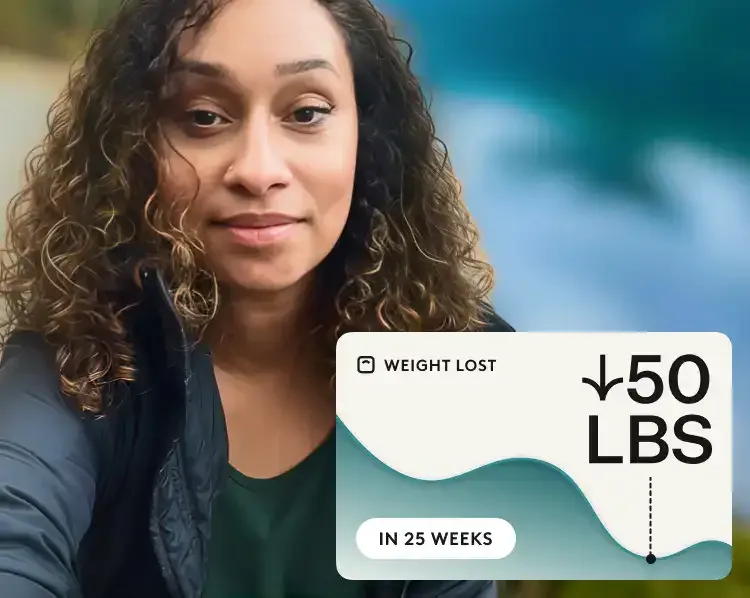
“My favorite parts of Noom are the care team and other Noomers. Sharing and getting help made me feel like I wasn’t doing it alone. That support made all the difference.”
Desirea N. — Real Noom user
Matthew M. — Real Noom user
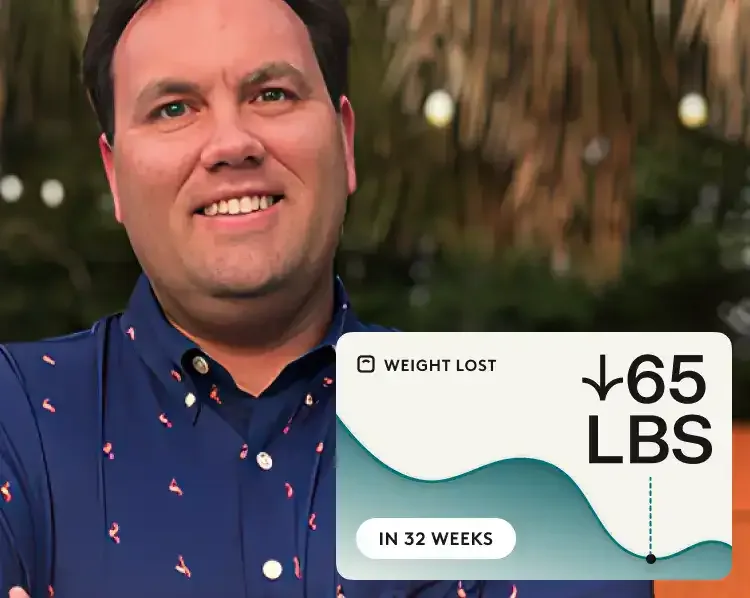
“Noom has taught me that every day is a new chance to make better, healthier choices. It's taught me how to stop overeating.’’
Matthew M. — Real Noom user
Lila M. — Real Noom user
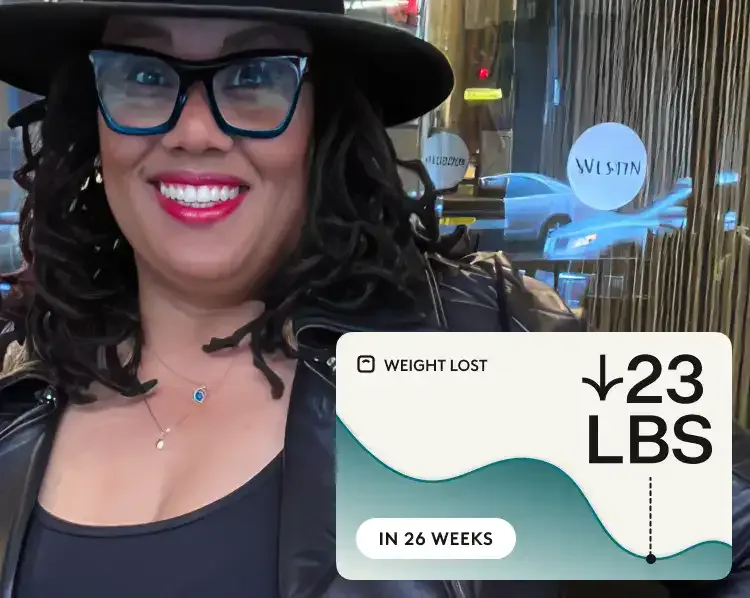
“Clinicians who understand how supportive medication can be is one of the best parts of Noom! I was convinced I wouldn’t have success but I’m down 11 pounds in two months.’’
Lila M. — Real Noom user
Steve M. — Real Noom user
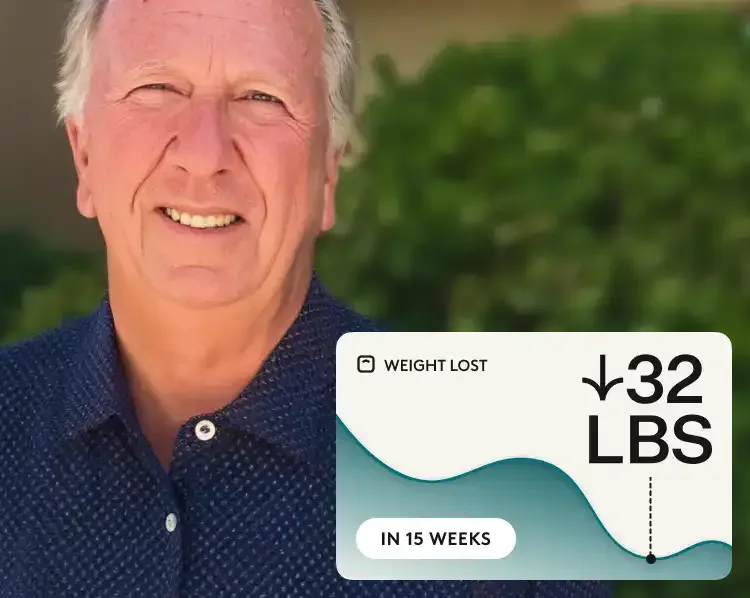
“Noom provided me with the medication which I could not get through Medicare. I have learned the tricks to better eating and life in general.”
Steve M. – Real Noom user
Daisy R. — Real Noom user
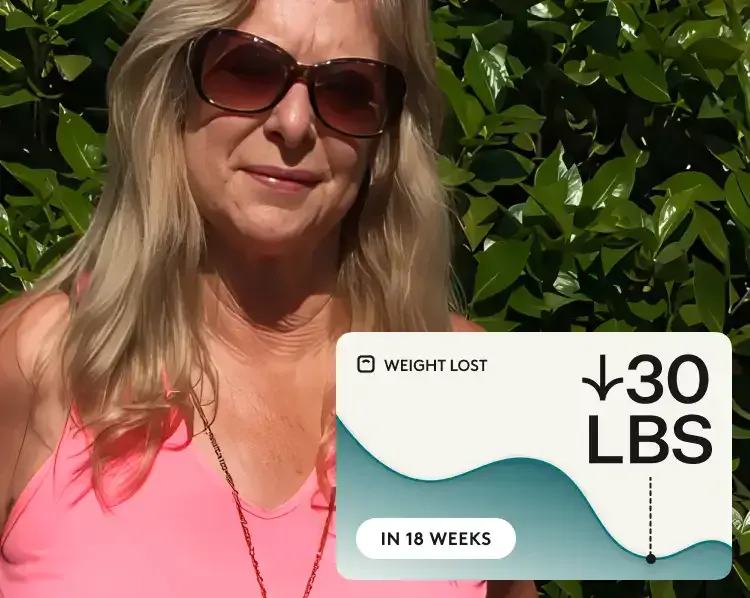
‘’Noom has changed my life and I’m so thankful, I feel great, have more energy and am no longer prediabetic.”
Daisy R. – Real Noom user
Sarah R. — Real Noom user
“All of the Noom providers that I’ve met with have been exceptional and prescribed medications that are appropriate for my situation and health.”
Sarah R. – Real Noom user
Madison S. — Real Noom user

“Noom made the process so simple and now I feel full, free from diet obsession, and at ease in my body again.”
Madison S. – Real Noom user
Sonday K. — Real Noom user
“My doctor recommended Noom after I was frustrated trying to lose weight. The lessons helped change my relationship with food. My body feels lighter & energized.”
Sonday K. – Real Noom user
Cam K. — Real Noom user
“I built healthy habits with coaching and lessons that make me confident I can maintain my weight loss long term.”
Cam K. – Real Noom user
Laura TR. — Real Noom user
“With the right medication through Noom, hunger and sugar cravings finally quieted and I have the tools to break the cycle.”
Laura TR. – Real Noom user
Jessica S. — Real Noom user
“Cravings and food noise are gone, I finally feel confident in the healthy habits I’ve built to last with Noom.”
Jessica S. – Real Noom user
The bottom line: Creatine can help preserve muscle, but it isn’t for weight loss
Creatine can be a helpful tool for preserving muscle during weight loss, especially when combined with resistance training. But it’s not a magic fat-burning solution, and research shows its main benefit is supporting lean tissue mass and strength. The temporary water weight increase you might see is completely normal and doesn’t mean you’re gaining fat.
What matters most is building sustainable habits that work for your life. If you’re considering creatine or other weight loss options, getting personalized guidance can help you make choices that fit your goals and health needs.
A good supplement is only as good as the habits you cultivate around it. If you want more guidance on improving habits, Noom combines science-backed strategies with supportive coaching to help you create lasting changes.
Editorial standards
At Noom, we’re committed to providing health information that’s grounded in reliable science and expert review. Our content is created with the support of qualified professionals and based on well-established research from trusted medical and scientific organizations. Learn more about the experts behind our content on our Health Expert Team page.