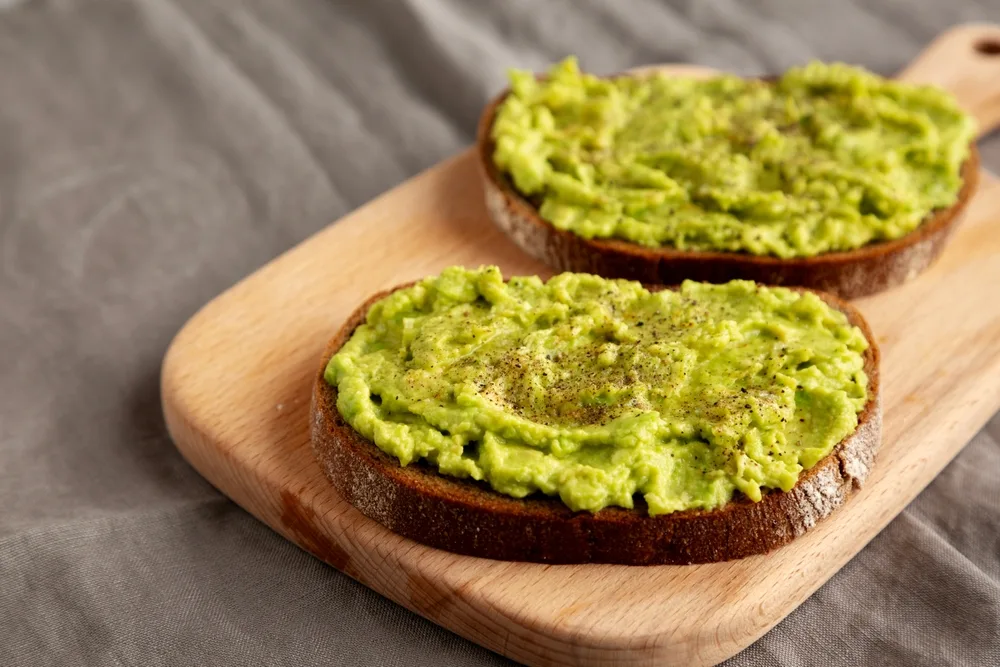
Avocado toast has earned its place on breakfast menus—the combination of creamy avocado and a sturdy slice of toast is filling, fast, and satisfying. It’s also collected a lot of noise along the way: depending on who you ask, it’s either a weight loss staple or a calorie trap you’ve been eating too much of.
The reality is more straightforward than either take. A single slice of bread with a good spread of avocado runs 250 to 350 calories before toppings, depending on the bread you use. That’s a real meal, not a light snack. And for weight loss, those calories are working for you. The fiber and healthy fat together slow digestion, moderate blood sugar, and keep hunger in check longer than most breakfast options at a similar calorie count.
Whether it actually helps you lose weight comes down to how it’s made, how much you eat, and what goes on top. Here’s what the nutrition data shows.
✅ Quick answer
Yes, avocado toast can support weight loss, but portions and toppings matter more than most people realize. A single slice of bread with half an avocado delivers a solid combination of fiber, heart-healthy monounsaturated fat, and slow-digesting carbohydrates that help manage appetite and sustain energy. At around 280 to 320 calories, depending on your bread, it’s a reasonable breakfast or lunch option that can easily fit into a calorie deficit. The catch: it’s easy to overdo it on avocado and toppings.
🚀 Weight-loss benefits
- Avocado toast has fiber and and healthy fat to keep you full – Half an avocado contains about 5 grams of fiber alongside its healthy fat, and most breads contribute another 1 to 3 grams depending on the variety. That combination slows digestion and moderates blood sugar, which means you’re likely to feel satisfied longer than you would from a lower-fiber, lower-fat breakfast of similar calories.
- Bread choice affects the glycemic impact of avocado toast – The type of bread you use makes a real difference. Whole grain and sourdough varieties have a lower glycemic index than white bread, which means a more moderate blood sugar response and fewer energy crashes that may drive mid-morning snacking.
- Avocado’s healthy fat may help regulate appetite – The oleic acid in avocado—the same primary fat found in olive oil—has been linked in some research to better satiety. A small controlled study found that meals containing avocado were associated with a reduced desire to eat for several hours afterward compared to meals without it. That’s the power of fat and fiber combined.
⚠️ Things to be mindful of
- Bread calories vary more than people expect – A thin slice of whole-grain bread runs about 80 to 100 calories, while a thick-cut artisan slice can hit 175 to 200 calories before any avocado. The bread you choose has a bigger impact on the meal’s total calorie count than most people account for, especially if you’re tracking.
- Avocado is calorie-dense, and portions are hard to eyeball – Half a medium avocado is about 80 grams and 120 calories—mostly from fat. A think smear versus a light one can be a 50-to-80-calorie difference that’s invisible on the plate. Weighing your avocado once or twice helps calibrate your sense of a realistic portion.
- Topping stacks add up fast – A poached egg, a crumble of feta, a drizzle of olive oil, and some everything bagel seasoning are each individually fine—together, they change the math considerably. Three or four toppings can push a 300-calorie meal past 500.
🥗 Nutrients in avocado toast (per 1 slice, about 220 g)
Based on 1 slice whole grain bread (~45 g) + ½ medium avocado (115 g) + lemon juice and salt

The Easy Way
to lose weight and get healthy.
See if you qualify
| Nutrient | Amount | % RDA* |
|---|---|---|
| Calories | 280 calories | 14% |
| Protein | 6 g | 12% |
| Total carbs | 28 g | 10% |
| Fiber | 8 g | 29% |
| Sugars | 1 g | — |
| Total fat | 16 g | 21% |
| – Saturated fat | 2.3 g | 12% |
| – Monounsaturated fat | 10.5 g | — |
| – Polyunsaturated fat | 2.1 g | — |
| Omega-3 | 0.1 g | — |
| Omega-6 | 1.8 g | — |
*Recommended dietary allowance (RDA) is defined as the average daily amount of nutrients needed to meet the requirements of nearly all healthy people in a specific group.
At around 280 calories, avocado toast is a moderate-calorie meal—not low-calorie, but not unreasonably high for a satisfying breakfast or lunch. The most notable number is fiber: 8 grams covers nearly a third of the daily recommended intake in a single meal. Most of the fat is monounsaturated, the type most consistently associated with heart health and appetite regulation.
Carbohydrates come in at 28 grams, mostly from the bread. Protein is on the lower side at 6 grams—fine as part of a balanced meal, but worth supplementing with eggs or another protein source if staying full through the morning is a priority.
💊 Vitamins & minerals in avocado toast (per 1 slice, ~220 g)
| Vitamin/Mineral | Amount | % RDA* |
|---|---|---|
| Copper | 0.28 mg | 31% |
| Folate (B9) | 110 µg | 28% |
| Selenium | 16 µg | 29% |
| Vitamin K | 22 µg | 18% |
| Vitamin B6 | 0.32 mg | 19% |
| Vitamin E | 2.1 mg | 14% |
| Potassium | 530 mg | 11% |
| Niacin (B3) | 2.0 mg | 13% |
| Iron | 2.1 mg | 12% |
| Magnesium | 38 mg | 9% |
| Phosphorus | 110 mg | 9% |
| Riboflavin (B2) | 0.14 mg | 11% |
| Vitamin C | 7 mg | 8% |
| Zinc | 0.9 mg | 8% |
| Thiamine (B1) | 0.12 mg | 10% |
*Recommended dietary allowance (RDA) is defined as the average daily amount of nutrients needed to meet the requirements of nearly all healthy people in a specific group.
Avocado toast delivers a surprisingly broad mix of vitamins, minerals, healthy fats, and fiber. While avocado gets most of the attention, the bread contributes many of the B vitamins, selenium, iron, and magnesium, while the avocado supplies potassium, vitamin K, vitamin E, folate, and heart-healthy monounsaturated fats. Together, they provide more than 10% of the daily value for 11 different nutrients in a single serving.
- Copper and folate are the standout nutrients here. Copper helps the body use iron, supports energy production, and plays a role in maintaining healthy connective tissue. Folate is essential for cell division, DNA synthesis, and the formation of red blood cells.
- Potassium is another notable contributor. At 530 mg per serving, avocado toast provides about 11% of the Daily Value, helping support healthy blood pressure, fluid balance, and muscle function. Most Americans don’t get enough potassium, making foods like avocado a valuable source.
- The nutrient contribution is split between the two main ingredients. Whole-grain bread provides much of the selenium, B vitamins, iron, and magnesium, while avocado contributes most of the potassium, vitamin K, vitamin E, and a substantial portion of the folate.
- Vitamin E deserves special mention. Primarily supplied by the avocado, this fat-soluble antioxidant helps protect cells from oxidative damage and supports immune function. It’s also a nutrient many Americans fall short on.
🔍 Nutrient breakdown
Glycemic index (GI) of avocado toast
Glycemic index: 50–60 (Low to Moderate), depending on bread type
💡 Tip: Bread choice makes a real difference here. Sourdough and whole grain varieties have a meaningfully lower GI than white bread, thanks to fiber and fermentation that slow starch digestion. If blood sugar management is a priority, those are the better options. See Noom’s article on insulin resistance and weight loss for more.
Is avocado toast high in protein?
❌ No – avocado toast contains about 6 g of protein per serving. That’s enough to contribute to a meal but not enough to anchor satiety on its own. Adding a poached or fried egg takes the total to roughly 12 to 13 g and makes a meaningful difference in how long you’ll stay full.
Better protein pairings: Eggs | Smoked salmon | Cottage cheese
Is avocado toast high in fiber?
✔️ Yes – avocado toast provides around 8 g of fiber per serving, covering about 29% of the daily recommended intake in a single meal. The avocado contributes the majority (about 5 g), with the bread adding more depending on the variety—whole grain options deliver the most.
💡 Tip: Topping with hemp seeds, sliced radishes, or a sprinkle of chia seeds adds another 1 to 3 grams of fiber without significantly changing the flavor profile.
Is avocado toast low in carbs?
❌ No – about 28 g of carbs per serving on a standard whole grain slice, more on thicker or white bread. It fits comfortably in a moderate-carb eating plan but is not suitable for strict keto. Using a thinner slice or a low-carb bread alternative brings the total down significantly.
Is avocado toast gluten-free?
❌ Not typically – most bread contains gluten. The avocado is naturally gluten-free, but the bread makes this dish off-limits as written for anyone with celiac disease. Certified gluten-free bread alternatives are widely available and work well as a substitute.
Is avocado toast good for fat loss?
✔️ Yes, with portion awareness – the combination of fiber and monounsaturated fat supports appetite regulation in a way that can make sticking to a calorie deficit easier day to day. Keeping to one slice and a measured half-avocado portion keeps this meal in the 280 to 320 calorie range—a solid deal for the satiety it delivers in a fat-loss eating plan.
🍽️ Diet compatibility: Which diets include avocado toast?
| Diet | ✅/❌ | Why |
|---|---|---|
| Keto | ❌ | At 28+ g of carbs per serving, avocado toast exceeds a full day’s carb budget on strict keto. Avocado on its own is very keto-friendly; the bread is the problem. |
| Paleo | ⚠️ | Avocado is paleo; most bread is not, since paleo excludes grains. Some people following a less strict paleo approach include whole grain or sourdough for its fermentation benefits. |
| Mediterranean | ✅ | A natural fit. Whole grain bread, avocado, olive oil, and lemon are all core Mediterranean ingredients. |
| Vegan | ✅ | The base recipe is completely vegan. Most popular additions—eggs, feta, smoked salmon—are not, but the avocado toast itself works without modifications. |
| Gluten-free | ❌ | Most bread contains gluten. Certified gluten-free alternatives are widely available and work well as a substitute. |
Avocado toast’s widest natural home is in Mediterranean and whole-foods eating patterns. For vegan eaters, it’s one of the most satisfying high-fiber breakfast options available. The one variable worth paying attention to regardless of diet: bread type significantly affects the meal’s calories, fiber, and glycemic impact, so it’s worth choosing intentionally rather than defaulting to whatever’s in the pantry.
🌟 Is avocado toast healthy? What are the health benefits?
Metabolic health: Is avocado toast good for your metabolism?
- Boosts metabolism? ❌ No – no single food meaningfully speeds up metabolism in a clinically significant way. What avocado toast offers is a combination of B vitamins, healthy fat, and fiber that supports the metabolic processes your body is already running.
- Improves insulin sensitivity? ⚠️ Possibly – the monounsaturated fat in avocado has been associated with improved insulin sensitivity in some research, particularly when replacing saturated fat in the diet. Choosing a lower-GI bread also contributes to a more moderate blood sugar response compared to white bread.
- Effect on fat storage? Neutral to slightly favorable – the fiber and monounsaturated fat in avocado toast don’t drive fat storage the way excess refined carbohydrates or highly processed foods do. Eating it within a calorie deficit won’t cause fat gain; eating two or three slices in a surplus will.
Cholesterol impact: Does avocado toast affect cholesterol levels?
- Does it lower LDL (bad) cholesterol? ⚠️ Potentially – Avocados are rich in monounsaturated fats, and research suggests that replacing foods high in saturated fat with foods rich in monounsaturated fat may help lower LDL cholesterol. Whole-grain bread may provide an additional benefit through its fiber.
- Does it raise HDL (good) cholesterol? ⚠️ Possibly – some research suggests monounsaturated fat may modestly support HDL levels, though the evidence is less consistent than for LDL reduction.
- Overall impact on heart health? Favorable on balance – avocado’s combination of healthy fat, fiber, potassium, and vitamin E supports cardiovascular health as part of a regular, heart-healthy eating pattern.
💡 Tip: For the most heart-healthy version, choose a high-fiber whole-grain bread and add nutrient-rich toppings like sliced tomatoes, radishes, sprouts, or leafy greens. These additions boost fiber, potassium, vitamins, and antioxidants without adding much sodium or saturated fat.
Can I eat avocado toast in a calorie deficit?
✔️ Yes, with confidence – at 280 to 320 calories for a standard one-slice serving, avocado toast fits within most calorie targets for weight loss. Its fiber and fat content make it a relatively satisfying choice that helps manage hunger. The risk is portion drift: keep to one slice and measure the avocado, and it’s a well-suited meal for a calorie-controlled eating plan.
💡 Tip: Stick to one slice and weigh your avocado—half an avocado is typically 100–120 g. Eyeballing the portion is fine once you’ve done it by weight a few times and know what it looks like.
Is avocado toast rich in antioxidants?
✔️ Yes – avocado contains lutein, zeaxanthin, vitamin E, and glutathione, all of which act as antioxidants and help protect cells from oxidative damage. Topping with tomatoes, microgreens, or red onion boosts the antioxidant profile further with minimal calorie addition.
Does avocado toast support gut health?
✔️ Possibly – avocado’s soluble fiber acts as a prebiotic, feeding beneficial gut bacteria rather than directly introducing them. Choosing a fermented bread like sourdough may also support a favorable gut environment through the lactic and acetic acids produced during fermentation.
Does avocado toast support digestion?
✔️ Yes – the combination of soluble and insoluble fiber from the avocado and bread supports regularity and healthy digestive function. Whole grain and sourdough breads are generally easier to digest than white bread for many people, partly due to their fiber content and fermentation byproducts.
Does avocado toast help you feel satiated and less hungry?
Moderate to High – fat and fiber are the two most reliable drivers of satiety, and avocado toast delivers both. Most people find that one slice keeps them satisfied for 2 to 3 hours. With a protein topping like a poached egg or smoked salmon, that window extends further. See Noom’s article on why protein matters for weight loss for more on building a more filling plate.
Satiety level: Moderate (base recipe) / High (with protein added)
💡 Tip: Adding one egg increases the protein from 6 g to about 12 g and makes a significant difference in how long you’ll stay full—for only about 70 extra calories.
Does avocado toast help with nighttime cravings?
⚠️ Depends on timing – at 280 to 320 calories it’s on the higher end for an evening snack. If late-night hunger is a pattern, the more effective fix is a properly portioned avocado toast at lunch—the fiber and fat earlier in the day are likely to do more work than a late snack of any kind.
Does avocado toast help reduce inflammation?
✔️ Possibly – avocado’s oleic acid, vitamin E, and polyphenols collectively contribute anti-inflammatory properties observed in research. This is a cumulative benefit from regular consumption rather than an acute effect from a single serving.
Is avocado toast beneficial for brain health?
✔️ Possibly – the monounsaturated fat in avocado supports brain function, and folate plays a role in neurotransmitter production. Both nutrients are associated with cognitive health in observational research, though the evidence isn’t strong enough to make definitive claims.
Can avocado toast improve skin and hair health?
Modest benefits – vitamin E and healthy fats support skin integrity and moisture retention, and copper plays a role in collagen and elastin production. These effects are gradual and work best as part of an overall nutrient-rich diet.
Can avocado toast help balance hormones?
❌ Limited evidence – there’s no strong research linking avocado toast to hormone regulation. Healthy fats do support hormone production in general, and a diet chronically too low in fat can disrupt hormonal balance—but that’s different from claiming avocado toast “balances hormones.”
💡 Tip: For hormonal health, focus on the overall pattern: adequate dietary fat, consistent sleep, and managing stress are more reliable levers than any single food.
Access GLP-1 Weight Loss with Noom
Explore a wide range of prescription medications supported by Noom’s program.Microdose GLP-1rx
Noom GLP-1rx
Noom GLP-1rx Plus
Wegovy®
Ozempic®

Metformin
Zepbound®
Mounjaro®
Liraglutide
🍽️ Best ways to eat avocado toast for weight loss
- Keep it to one slice and measure your avocado – the most impactful thing you can do for managing calories is stick to one slice and use a measured portion of avocado (about half a medium one, or roughly 100–115 g). The satiety payoff per calorie is high with a proper serving; going to two slices doesn’t double the fullness but does double the calorie count.
- Choose a healthier bread – whole grain and sourdough options deliver more fiber and a lower glycemic response than white bread, which supports better blood sugar stability and longer-lasting fullness.
- Build on the nutritional foundation. Avocado already contributes healthy fats, fiber, potassium, folate, and vitamin E. To add even more nutritional value, top your toast with vegetables like tomatoes, sprouts, arugula, or microgreens, or add protein-rich options like eggs, smoked salmon, cottage cheese, or hemp seeds.
Try these avocado toast recipes:
- Avocado Toast Recipe (with variations) – Love & Lemons
- Simple Avocado Toast – Food52
- Pesto Avocado Toast with Fresh Tomatoes – Minimalist Baker
- Avocado Toasts with Watercress, Sunflower Seeds & Flaky Sea Salt – Noom
🍏 Best alternatives & comparisons (per 1 slice serving)
| Food | Calories | Carbs | Fiber | Protein | Fat |
|---|---|---|---|---|---|
| Avocado toast (whole grain) | 280 | 28 g | 8 g | 6 g | 16 g |
| Avocado toast + poached egg | 350 | 28 g | 8 g | 12 g | 21 g |
| Peanut butter toast (whole grain) | 310 | 30 g | 4 g | 10 g | 16 g |
| Cottage cheese toast (whole grain) | 230 | 25 g | 3 g | 15 g | 5 g |
| Hummus toast (whole grain) | 250 | 31 g | 5 g | 10 g | 8 g |
| Egg toast, fried egg (whole grain) | 260 | 24 g | 3 g | 13 g | 12 g |
Avocado toast stands out for its combination of fiber and healthy fats. At about 8 grams of fiber per serving, it provides more fiber than the other options listed, though hummus toast isn’t far behind. The bigger difference is that avocado contributes monounsaturated fats, potassium, folate, and vitamin E alongside the fiber, creating a more nutrient-dense package overall.
The trade-off is protein. Cottage cheese toast and egg toast provide substantially more protein, which can be helpful for satiety and muscle maintenance. If you’re looking for the most balanced option, avocado toast topped with a poached egg offers the best of both worlds: high fiber, significantly more protein, and a broad range of vitamins, minerals, and healthy fats while still coming in under 400 calories.
❓ Frequently asked questions about avocado toast and weight loss
How many calories is avocado toast at a restaurant?
Restaurant avocado toast is often much larger than the version you’d make at home. Thick-cut artisan bread, generous portions of avocado, and toppings like eggs, cheese, seeds, or olive oil can quickly increase the calorie count.
A typical café serving made with one thick slice of bread and about half an avocado usually contains 350 to 450 calories. Larger portions made with two slices of bread, three-quarters to a whole avocado, and additional toppings can easily reach 600 to 800 calories.
If nutrition information isn’t available, a reasonable estimate is 400 calories for a standard café order and 600 calories or more for larger brunch-style versions.
Is avocado toast actually good for weight loss, or is it a diet myth?
It’s a solid choice for weight loss—but it’s not a magic food. Avocado toast combines fiber, healthy fats, and whole-grain carbohydrates, a combination that many people find filling and satisfying. Research suggests that avocados may help increase fullness and reduce hunger after meals, which can make it easier to stick to a calorie deficit over time.
The key is portion size. Avocados are nutrient-dense, but they’re also calorie-dense. A reasonable serving of avocado on whole-grain toast can fit well into a weight-loss plan, while oversized restaurant versions loaded with extra avocado, oil, cheese, or multiple slices of bread can contain enough calories to rival a full restaurant entrée.
The “diet myth” criticism has some truth to it. Avocado toast doesn’t cause weight loss on its own, and no single food does. What it can do is provide a satisfying, nutrient-rich meal that helps you stay full, enjoy what you’re eating, and maintain healthy habits consistently—the factors that actually drive long-term weight loss.
What’s the best bread for avocado toast for weight loss?
Whole-grain bread is typically the best choice for weight loss because it provides more fiber, vitamins, minerals, and satiety than white bread. Fiber slows digestion, supports fullness, and can help make a meal more satisfying without adding many calories.
Sourdough is another strong option. While it isn’t necessarily higher in fiber than other breads, the fermentation process may lead to a lower blood sugar response compared with conventional white bread. A whole-grain sourdough combines the benefits of both.
When shopping, focus less on marketing terms like “multigrain” and more on the ingredient list. Look for breads made primarily from 100% whole grains and aim for at least 3 to 5 grams of fiber per slice. The fiber content often matters more for fullness than whether the bread is sourdough, sprouted, seeded, or artisan.
Ultimately, the best bread is the one that helps you build a satisfying meal. A slice of high-fiber whole-grain bread topped with avocado, vegetables, and a protein source like eggs or cottage cheese will generally be more filling and nutritionally balanced than avocado on white toast.
Is avocado toast good for losing belly fat?
Avocado toast can be part of a diet that helps reduce belly fat, but no single food can target fat loss in a specific area of the body. Where you lose fat first is largely determined by genetics, hormones, age, and overall body composition.
What avocado toast can do is support the habits that make fat loss more sustainable. The combination of fiber, healthy fats, and whole-grain carbohydrates can help increase fullness and make it easier to stick to a calorie deficit over time. That’s important because overall fat loss—including visceral fat around the abdomen—ultimately comes from maintaining a negative energy balance.
There’s also some evidence that dietary patterns rich in monounsaturated fats, such as those found in avocados, olive oil, nuts, and seeds, may be associated with lower visceral fat levels compared with dietary patterns higher in saturated fat. However, these findings reflect the impact of an overall eating pattern, not avocado toast specifically.
The bottom line: avocado toast won’t melt belly fat, but it can be a nutritious, satisfying meal that supports the overall weight-loss habits needed to reduce body fat throughout the body.
Can I eat avocado toast every day while trying to lose weight?
Yes. Avocado toast can absolutely be part of a weight-loss diet if it fits within your calorie needs. The most important factors are portion size and what else you’re eating throughout the day.
A typical serving—one slice of whole-grain toast topped with about one-third to one-half of an avocado—provides fiber, healthy fats, potassium, folate, vitamin E, and a variety of other nutrients. The main nutritional gap is protein. If avocado toast is a regular breakfast or lunch, consider pairing it with a protein-rich food such as eggs, cottage cheese, Greek yogurt, smoked salmon, or edamame.
Consistency matters more than perfection. Eating avocado toast every day isn’t a problem if you enjoy it, find it satisfying, and it helps you maintain healthy eating habits. In fact, many successful weight-loss plans rely on a handful of nutritious, repeatable meals rather than constant variety.
What’s the best time of day to eat avocado toast for weight loss?
Breakfast and lunch are often the most practical times to eat avocado toast because its combination of fiber, healthy fats, and whole-grain carbohydrates can help promote fullness and provide steady energy throughout the day. But there’s nothing inherently better about eating avocado toast in the morning. Research suggests that overall calorie intake, diet quality, and consistency matter far more for weight loss than meal timing alone.
The main consideration is protein. Plain avocado toast is relatively low in protein, so pairing it with eggs, cottage cheese, Greek yogurt, smoked salmon, tofu, or edamame can make it more filling and nutritionally balanced regardless of when you eat it.
How do I make avocado toast lower in calories?
The easiest way to reduce the calories in avocado toast is to adjust the portions. Using one-third of an avocado instead of half saves about 40 to 50 calories, while choosing a thinner slice of bread or a lighter bread option can save another 50 to 100 calories depending on the type.
You can also add more flavor without adding many calories. Lemon juice, red pepper flakes, fresh herbs, sliced radishes, tomatoes, and everything bagel seasoning can make avocado toast more interesting without significantly changing the nutrition profile.
Keep in mind that a standard serving of avocado toast is already fairly moderate in calories. For most people, adding protein with an egg, cottage cheese, or smoked salmon is often a better strategy for weight loss than trying to make the toast dramatically lower in calories.
🧠 The bottom line: Avocado toast can be part of a weight-loss plan, depending on portion size
Avocado toast deserves most of its healthy reputation—but it works best when you treat it like a real meal, not a health food shortcut. A single slice of whole-grain bread topped with half a medium avocado provides about 280 calories, 8 grams of fiber, and a substantial amount of heart-healthy monounsaturated fat. That’s a strong nutritional foundation that can support fullness, steady energy, and long-term weight-management goals.
The most important variables are the ones you control: the bread you choose, how much avocado you use, and the toppings you add. A restaurant-style avocado toast can easily contain 150 to 300 more calories than a homemade version, largely because of larger portions of bread, avocado, and calorie-dense extras.
For weight loss, the real advantage of avocado toast isn’t that it has a special fat-burning property. It’s that it’s a satisfying, nutrient-dense meal built from whole foods. A meal you genuinely enjoy, that keeps you full for several hours, and that takes just a few minutes to make is often more valuable than chasing the latest diet trend.
📖 Scientific evidence
- Avocado at breakfast was associated with greater fullness and reduced appetite for several hours afterward. (Nutrients, 2019) A study found that replacing refined carbohydrates with half or a whole avocado at breakfast significantly increased satisfaction and reduced appetite. Researchers noted that avocado’s fiber and oleic acid may help modulate appetite-regulating hormones.
- Higher dietary fiber intake was consistently associated with lower body weight and body fat. (Frontiers in Nutrition, 2025) A large analysis found a significant inverse association between dietary fiber intake and obesity risk, with researchers identifying at least 20.8 g/day of fiber as a meaningful threshold for reducing that risk. The fiber from avocado—combined with a high-fiber bread—represents a meaningful contribution toward daily fiber targets.
- Sourdough bread produced a lower blood sugar and insulin response than other bread types. (Acta Diabetologica, 2008) In a controlled study, sourdough made through long fermentation produced a significantly lower glycemic and insulin response compared to standard white and whole wheat bread. Researchers attributed this to organic acids produced during fermentation that slow starch digestion. The study was conducted in a pre-diabetic population.
- Eating avocado twice weekly was associated with meaningfully lower long-term cardiovascular risk. (Journal of the American Heart Association, 2022) A study found that people who ate two or more servings of avocado per week had a 16% lower risk of cardiovascular disease and a 21% lower risk of coronary heart disease. Researchers noted that avocado’s monounsaturated fat, fiber, and potassium likely contribute to these outcomes.
Editorial standards
At Noom, we’re committed to providing health information that’s grounded in reliable science and expert review. Our content is created with the support of qualified professionals and based on well-established research from trusted medical and scientific organizations. Learn more about the experts behind our content on our Health Expert Team page.