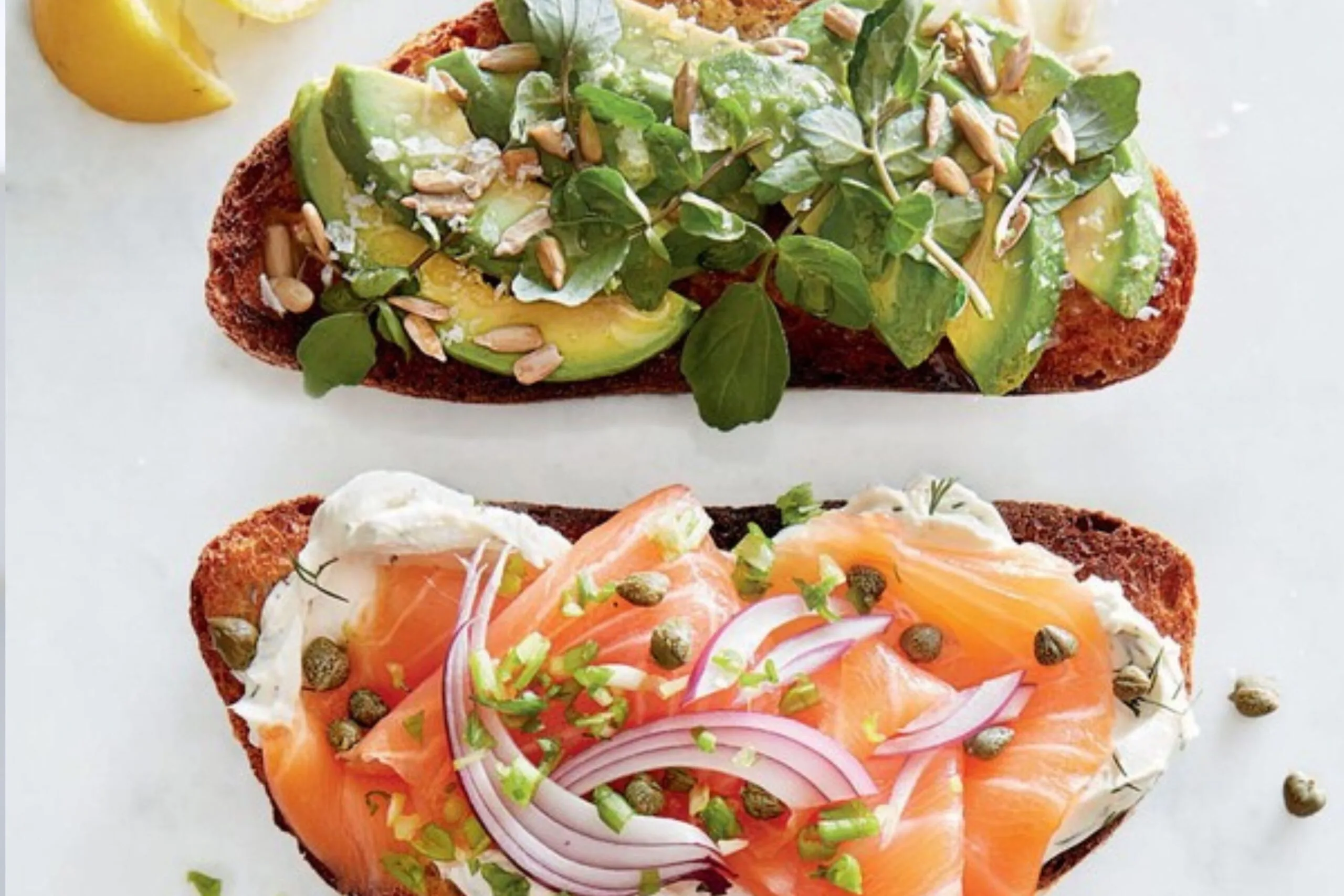
Avocado toast has earned its place as a breakfast staple for good reason—it’s fast, filling, and endlessly customizable. But the difference between good avocado toast and great avocado toast comes down to a few small details: ripe avocado, quality bread, and toppings that actually add something. This recipe hits all three.
The watercress brings a peppery bite that cuts through the richness of the avocado, the sunflower seeds add crunch and a little staying power, and flaky sea salt pulls everything together. It’s the kind of toast that feels like more than the sum of its parts.

The Easy Way
to lose weight and get healthy.
See if you qualify
5 tips for the best avocado toast
- Use ripe avocado. It should yield to gentle pressure but not feel mushy. If yours isn’t quite there, leave it on the counter for a day.
- Toast the bread well. A sturdy, golden slice holds up to the toppings without getting soggy. Whole-grain bread also adds fiber that keeps you fuller longer.
- Slice, don’t mash. Thinly sliced avocado fans out beautifully and gives you even coverage across every bite.
- Dress the greens. Tossing the watercress in olive oil and lemon before piling it on makes a real difference—it wilts slightly and tastes like a proper salad, not an afterthought.
- Finish with flaky salt. Regular table salt won’t do the same job. A pinch of Maldon right before serving wakes up all the other flavors.
Avocado Toasts with Watercress, Sunflower Seeds & Flaky Sea Salt
Time to make: 5 minutes | Serves: 4 | Calories: 253 per serving
Ingredients
- 4 slices whole-grain bread, toasted
- 1½ avocados, pitted, peeled, and thinly sliced
- 1½ cups (45 g) watercress, tough stems removed
- 2 tbsp extra-virgin olive oil
- 4 tsp fresh lemon juice
- 2 tbsp roasted unsalted sunflower seeds
- Flaky sea salt, such as Maldon
Instructions
- Top each toast with the avocado slices, slightly overlapping, and dividing them evenly.
- In a small bowl, toss the watercress with the olive oil and lemon juice and pile high on top of the avocados.
- Sprinkle with the sunflower seeds and salt, and serve.
Why this avocado toast is good for you
One serving comes in at 253 calories with around 18 grams of fat (mostly the heart-healthy monounsaturated kind from the avocado and olive oil), 6 grams of protein, 20 grams of carbohydrates, and 6 grams of fiber—enough to keep you full well past breakfast.
The ingredient list is short, but the micronutrient picture is solid:
- Avocado is one of the better food sources of potassium—a single serving gets you roughly 10% of your daily value (about 480mg)—along with folate (around 45mcg, or about 11% DV) and meaningful amounts of vitamins K and E
- Watercress punches well above its weight for a leafy green. A third of a cup delivers roughly 85% of your daily vitamin K, around 15% of your daily vitamin C, and small but useful amounts of calcium and vitamin A—all for under 5 calories
- Sunflower seeds add vitamin E (about 1.5mg per half tablespoon, or roughly 10% DV), which acts as an antioxidant and supports immune function, along with a small hit of magnesium and healthy unsaturated fat
- Whole-grain bread brings B vitamins, including niacin and folate, iron (around 1mg per slice, or about 6% DV), and fiber that refined white bread largely lacks
Healthy avocado toast toppings: How to add protein, lower calories, and mix it up
To add protein:
- Add a soft-boiled or poached egg on top (+6 grams protein)
- Spread 2 tbsp of cottage cheese under the avocado (+3 grams protein)
- Layer on 2 ounces of smoked salmon (+11 grams protein)
To lower calories:
- Use half an avocado across two slices instead of one and skip the olive oil on the greens (saves roughly 80 calories)
- Swap sunflower seeds for a lighter sprinkle of hemp hearts—you’ll get similar crunch with a bit less fat
To mix it up:
- Swap watercress for arugula if that’s what you have on hand
- Add a pinch of red pepper flakes for heat
- Try a squeeze of everything bagel seasoning in place of the flaky salt
For more healthy recipes, nutrition guidance, and tools for building a sustainable eating pattern, start a free trial of Noom and follow us on YouTube and Instagram.
Editorial standards
At Noom, we’re committed to providing health information that’s grounded in reliable science and expert review. Our content is created with the support of qualified professionals and based on well-established research from trusted medical and scientific organizations. Learn more about the experts behind our content on our Health Expert Team page.