
What you’ll learn:
- Amylin is a hormone your body releases after eating that helps regulate fullness, digestion, and blood sugar.
- Medications that mimic amylin are being studied for weight loss, both on their own and in combination with GLP-1 medications.
- Results are promising, but the newer treatments are still investigational, so their benefits, side effects, and approval timelines vary.
You’ve probably heard of GLP-1 medications like Wegovy® and Zepbound®. Both act on GLP-1, a hormone involved in hunger and fullness. Zepbound also targets another hormone pathway, called GIP. Another hormone, called amylin, is also getting attention for its potential role in weight loss treatment.
Your body already makes amylin, and medications that mimic it aren’t entirely new. Pramlintide, sold as Symlin®, is already approved for certain people with diabetes who use mealtime insulin. Now, researchers are studying newer, longer-acting amylin treatments specifically for weight management.
One is CagriSema, an investigational treatment that combines an amylin analog called cagrilintide with the GLP-1 medication semaglutide. By targeting two hormone pathways involved in appetite, it’s designed to help people feel satisfied with less food. As of November 2026, the medication is being reviewed for FDA approval and the decision is expected by December.
So how does amylin work, and what could it mean for your weight-management options? Here’s what the research shows, how these treatments differ, and what still needs to be answered.
What is amylin hormone, and how does it work?
Amylin is a hormone made by the beta cells in your pancreas—the same cells that produce insulin. The two hormones are released together in response to eating, but they have different jobs. Insulin helps glucose move from your bloodstream into cells. Amylin helps regulate how quickly glucose enters your bloodstream after a meal and sends signals involved in fullness.
Noom’s Most Powerful Program
A dual-pathway GLP-1 and behavior change for lasting results.
The amylin hormone has three main effects:
- It promotes fullness. Amylin acts on receptors in the brain that help signal when you’ve had enough to eat.
- It slows stomach emptying. Food moves into the small intestine more gradually, which slows the arrival of meal-derived glucose in your bloodstream.
- It reduces glucagon release after meals. Glucagon tells your liver to release glucose. Limiting that signal after eating helps keep blood sugar from rising too much. That’s why the existing medications are helpful for people with diabetes.
What are amylin analogs, and how could they help with weight loss?
An analog is a modified version of a substance that works in a similar way. An amylin analog is a medication designed to mimic the natural amylin hormone. Researchers adjust its structure to improve its stability or help it remain active longer.
Several medications use amylin’s effects, either on their own or alongside another hormone pathway. Here are the names you’ll see throughout this article:
- Pramlintide (Symlin®): FDA-approved. This amylin analog is for certain people with diabetes who use mealtime insulin. It isn’t approved specifically for weight loss.
- Cagrilintide: Phase 3 results reported. A longer-acting amylin analog being studied for weight management, both alone and as part of CagriSema.
- CagriSema: Under FDA review. A combination treatment that pairs cagrilintide with semaglutide to target both amylin and GLP-1 pathways.
- Petrelintide: Phase 3. A longer-acting amylin analog being developed as a once-weekly injection for weight management.
- Eloralintide: Phase 3. A medication designed to selectively activate amylin receptors, also being studied as a weekly injection.
- Amycretin (zenagamtide): Phase 2. This is a single molecule designed to activate both amylin and GLP-1 receptors.
Amylin vs. GLP-1: How they’re different and why combining them matters
Amylin-based medications belong to a separate drug class from GLP-1 medications. The two are different hormones that act on different receptors. Both help regulate appetite and digestion, so their effects overlap. Both hormones influence appetite and digestion, but they have distinct roles in the body:
- Amylin comes from the pancreas and helps signal fullness, slow stomach emptying, and reduce glucagon release after meals.
- GLP-1 comes mainly from the intestine and also helps regulate appetite while increasing insulin release when blood sugar is elevated.
That distinction helps explain the idea behind CagriSema. Its cagrilintide component targets amylin-related pathways, while semaglutide—the active ingredient in Wegovy—targets GLP-1 receptors. Targeting both may produce more weight loss than either alone.
How effective are amylin-based medications for weight loss?
There isn’t one weight loss number for amylin because it’s being used and tested in different medications. Results depend on the medication, dose, treatment length, and whether it’s used alone or targets another hormone pathway too.
The clearest way to understand the research is to separate amylin-only treatments, such as cagrilintide, petrelintide, and eloralintide, from treatments that target both amylin and GLP-1, like CagriSema and amycretin. CagriSema combines two drugs, while amycretin—also called zenagamtide—is a single molecule that activates both receptor pathways.
Amylin-only treatments have shown encouraging results. Petrelintide produced up to 10.7% average weight loss over 42 weeks, while eloralintide produced up to 20.1% over 48 weeks in their respective phase 2 studies. These results describe averages in specific dose groups under study conditions; they don’t establish what everyone taking the medication would lose.
Targeting amylin and GLP-1 together also appears promising. In the REDEFINE 1 trial, cagrilintide alone produced an average weight loss of 11.5% over 68 weeks. CagriSema, which adds semaglutide, produced 20.4% average weight loss over the same period. Because those groups were part of the same trial, the comparison helps show the additional benefit of targeting both pathways.
Amycretin offers another way to bring these effects together. This trial involved people with type 2 diabetes, while the other results below came from trials in people without diabetes, so the numbers shouldn’t be compared directly.

The Easy Way
to lose weight and get healthy.
Here’s a look at selected trial results:
| Treatment | Average body-weight loss | Placebo result | Study duration |
|---|---|---|---|
| Cagrilintide alone | 11.5% | 3.0% | 68 weeks |
| CagriSema, combining cagrilintide and semaglutide | 20.4% | 3.0% | 68 weeks |
| Petrelintide alone | Up to 10.7% | 1.7% | 42 weeks |
| Eloralintide alone | Up to 20.1% | 0.4% | 48 weeks |
| Amycretin (zenagamtide), targeting amylin and GLP-1 | Up to 14.6% | 2.1% | 36 weeks |
These figures aren’t an overall head-to-head ranking. Cagrilintide and CagriSema were compared within the same trial, but the other treatments were studied separately. The studies also differed in participants, treatment lengths, doses, and statistical methods.
Amylin: When could it become available?
One amylin-based medication is already available: pramlintide, sold as Symlin and supplied in SymlinPen injection pens, is approved for certain people with type 1 or type 2 diabetes who use mealtime insulin. Its approval is for blood sugar management, not weight loss.
Several newer amylin-based treatments are progressing through clinical trials, while CagriSema has reached FDA review. Here’s where they stand as of October 2026::
- CagriSema is awaiting an FDA decision. Novo Nordisk submitted its application in December 2025 and expects a decision in the fourth quarter of 2026. That is an expected review timeline, not an approval or guaranteed launch date.
- Petrelintide has entered phase 3 development. Zealand Pharma and Roche reported that the first participants had begun treatment. There’s no confirmed U.S. availability date.
- Eloralintide is in phase 3 trials. Lilly’s ENLIGHTEN-1 study is evaluating its efficacy and safety in adults without type 2 diabetes. An approval date hasn’t been established.
Prices, insurance coverage, and prescribing criteria for investigational treatments also remain uncertain.
What are the potential side effects of amylin-based medications?
Like other weight-loss medications, amylin-based treatments can cause side effects, ranging from mild to serious. The risks vary depending on the medication and whether it’s combined with another drug, such as a GLP-1. As more clinical trials are completed and treatments undergo FDA review, researchers will gain a clearer picture of their safety.
Gastrointestinal side effects
In general, digestive symptoms are the most common type of side effect. Trials of cagrilintide and CagriSema have reported gastrointestinal side effects, often mild to moderate. Eloralintide’s phase 2 study also reported gastrointestinal symptoms and fatigue, with symptoms occurring more often at higher doses. Slower dose increases improved tolerability in that study.
In REDEFINE 1, gastrointestinal adverse events occurred in 79.6% of participants receiving CagriSema, compared with 39.9% receiving placebo. These included nausea, vomiting, diarrhea, constipation, and abdominal pain. A combination drug’s side effects can reflect both components, so that figure shouldn’t be applied to every amylin analog. And, in the case of CagriSema, it uses semaglutide, which is known to cause these side effects.
The digestive side effects we see with amylin analog medications overlap with common side effects of GLP-1 medications like Wegovy. That doesn’t mean the likelihood or severity is the same for every drug. Larger, longer studies and regulatory review are still needed for the investigational amylin treatments. If approved, their prescribing information will clarify known risks, who should avoid them, and recommended monitoring; safety research also continues after approval.
Insulin-specific concerns
Pramlintide carries a boxed warning for severe low blood sugar when used with insulin, particularly in people with type 1 diabetes. Its prescribing information requires clinician-directed insulin adjustments and glucose monitoring. It is contraindicated in people with confirmed gastroparesis or hypoglycemia unawareness.
More information is still needed on long-term effects
Early trials can identify common side effects, but larger, longer studies help detect less common problems. A 2026 meta-analysis found more nausea with CagriSema than semaglutide and a higher rate of serious adverse events with cagrilintide alone than semaglutide across the included trials. That doesn’t establish that cagrilintide caused every event, but it reinforces why ongoing safety evaluation matters.
If you’re considering a weight loss medication, discuss your diabetes treatment, digestive conditions, other prescriptions, and pregnancy or breastfeeding plans with your clinician. The relevant guidance will depend on the specific medication.
Other questions about amylin for weight loss
Do people with type 1 diabetes produce amylin?
People with established type 1 diabetes generally produce very little or no amylin because the immune system damages the pancreatic beta cells that make both amylin and insulin. Some may retain limited production if functioning beta cells remain.
That helps explain why replacing insulin doesn’t replace every hormone signal lost in type 1 diabetes. Amylin replacement is a separate treatment approach, and pramlintide may be used alongside insulin in selected people. It never replaces the need for insulin.
What does amylin do?
Amylin helps you feel full after eating, slows stomach emptying, and reduces post-meal glucagon release. Together, these effects help regulate food intake and blood sugar after meals.
How can you increase amylin naturally?
Eating normally stimulates amylin release in people with functioning pancreatic beta cells. But there’s no established food, exercise routine, or supplement proven to raise amylin in a way that reproduces the weight-loss effects of an amylin medication.
Rather than building a plan around “boosting” one hormone, focus on habits you can repeat: satisfying meals, regular movement, and a consistent sleep routine. These are practical parts of a weight-management plan, not substitutes for amylin or insulin treatment.
How do you get amylin?
Your pancreas makes the natural hormone. If you mean an amylin-based medication, pramlintide (Symlin, supplied in SymlinPen injection pens) is available by prescription for its approved diabetes use. Access to investigational treatments generally requires participation in an eligible clinical trial until they receive approval and become commercially available.
Can you supplement amylin?
There’s no approved over-the-counter amylin supplement for weight loss. Prescription amylin analogs are medications with specific dosing, monitoring, and safety requirements. Products marketed as “amylin boosters” shouldn’t be assumed to provide the effects seen in clinical trials.
Noom’s Most Powerful Program
A dual-pathway GLP-1 and behavior change for lasting results.
The bottom line: Amylin could expand weight loss treatment options
If managing hunger has felt challenging, learning about amylin offers a reminder: your appetite is shaped by biology, not just willpower. Medications that work on this hormone may eventually give you and your clinician more options for finding a weight-management approach that fits your health needs.
Access GLP-1 Weight Loss with Noom
Explore a wide range of prescription medications supported by Noom’s program.
Microdose GLP-1rx
Noom GLP-1rx
Noom GLP-1rx Plus
Wegovy®
Ozempic®
Metformin
Zepbound®
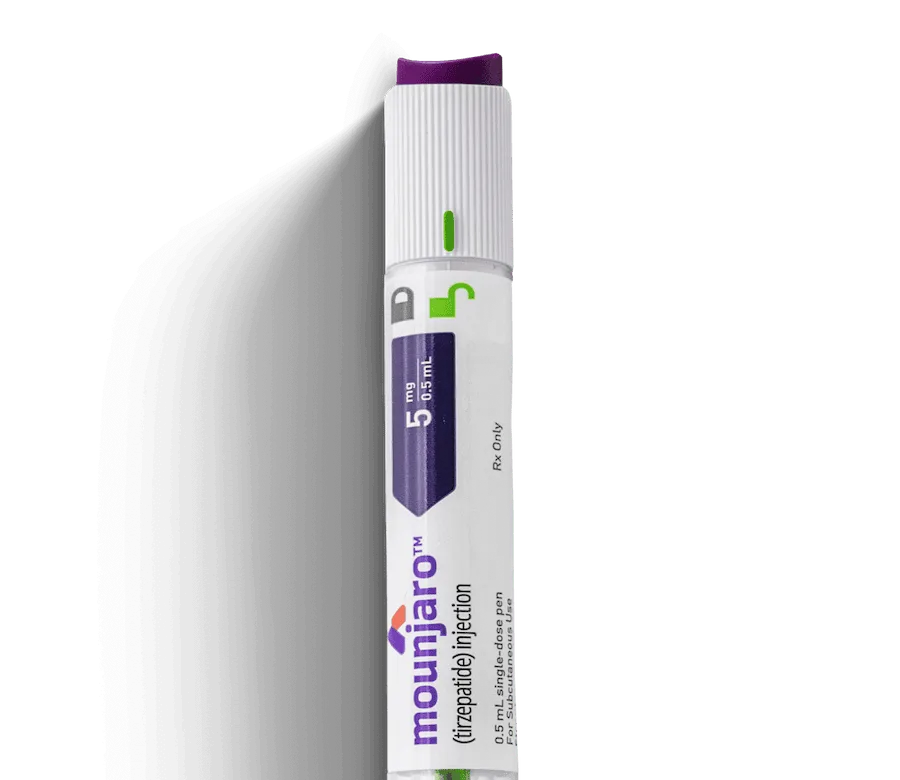
Mounjaro®
Liraglutide
The results are promising, but the details matter. Weight loss with CagriSema reflects a combination of two drugs. Standalone amylin treatments like cagrilintide, petrelintide, and eloralintide have their own evidence, side effects, and development timelines. More research will help clarify who benefits most and how well these treatments work over time.
You don’t have to wait for a new medication to explore support. If you’re considering medication as part of your weight-management plan, see if you qualify for Noom Med. A clinician can help you explore currently available options, while Noom’s psychology-based tools can help you build habits that fit your life. Whether medication becomes part of your plan or not, you can work toward your goals one manageable change at a time
Editorial standards
At Noom, we’re committed to providing health information that’s grounded in reliable science and expert review. Our content is created with the support of qualified professionals and based on well-established research from trusted medical and scientific organizations. Learn more about the experts behind our content on our Health Expert Team page.