

What you’ll learn:
- Zepbound® reaches a steady level after about four weeks of weekly doses at the same strength.
- Tirzepatide, its active ingredient, has a half-life of about five to six days. Most of it is gone about 30 days after the last dose.
- Because the medication leaves gradually, its effects and side effects may also take time to fade.
Most people are used to medications that they take every day—or even several times a day. But weight-loss medications like Zepbound® work on a very different schedule. You inject Zepbound® just once a week, and that single dose is designed to keep working in your body for days.
That can raise some questions about what’s happening between shots. Does Zepbound® wear off before your next dose? Does each weekly injection add to medication that’s already there? And if you stop taking it, how long does it take to completely leave your system? And what does all this mean for losing weight and keeping it off?
The short answer: Zepbound® builds up and wears off slowly. Tirzepatide, its active ingredient, usually reaches its highest level in the blood about 24 hours after an injection. With weekly use, it reaches a steady level after about four weeks. Once you stop, the amount drops by roughly half every five to six days, with most of the medication gone in around 30 days.
Understanding that timeline can help explain when you can expect to see weight-loss results with Zepbound®, why side effects can change after a dose increase, and what can happen after you stop taking it. Here’s a closer look.
Starting Zepbound®: How long does it take Zepbound® to build up?
Zepbound® doesn’t enter your body all at once and then suddenly disappear seven days later. After each injection, the amount of tirzepatide in your blood rises, reaches a peak, and then slowly declines. Because the medication stays in your body for several days, some is still there when you take your next weekly dose. Over the first few weeks, those overlapping doses gradually build up until the amount of medication in your body becomes more consistent.
Noom’s Most Powerful Program
A dual-pathway GLP-1 and behavior change for lasting results.
Researchers have studied this process closely. One analysis that combined data from 19 clinical studies found that it takes about five to six days for the amount of tirzepatide in the body to drop by half, also called its half-life. That means a significant amount is still there when it’s time for your next weekly injection. A separate study of repeated weekly doses found that after about four to five weeks, the amount of tirzepatide in the body settles into a more consistent pattern.
Here’s roughly what that looks like over time:
| Time | What’s happening in your body |
|---|---|
| Within 8 to 72 hours of an injection | Tirzepatide reaches its highest concentration in the blood. The average time is about 24 hours. |
| About 5 to 6 days later | About half of that dose remains in your body. You may see this described as tirzepatide’s “half-life.” |
| At your next weekly dose | Tirzepatide from your previous dose is still in your body, and the new dose adds to it. |
| After about 4 weeks of weekly doses | The amount of tirzepatide in your body becomes more consistent as the medication entering and leaving your system balances out. |
These numbers describe medication levels, not exactly how you’ll feel. Appetite changes can begin before Zepbound® reaches a steady level, while weight loss results tend to build over weeks and months. Hunger, fullness, and Zepbound® side effects can also change on a different timeline than the amount of tirzepatide circulating in your blood.
What does gradual dose escalation mean for side effects?
As the amount of Zepbound® in your body increases, you might wonder whether side effects will keep getting worse, too. The research suggests it’s not quite that simple. Here’s what to expect:
- Side effects are most common while your dose is increasing. In weight-loss trials, nausea, diarrhea, and vomiting occurred most often during dose escalation and generally became less common over time.
- There’s no specific day when side effects are expected to start. Studies haven’t established a reliable day-after-injection pattern, so symptoms may appear at different times for different people.
- Higher doses don’t necessarily mean dramatically worse side effects. Overall gastrointestinal side-effect rates were similar across the 5 mg, 10 mg, and 15 mg groups in weight-loss trials, although individual symptoms varied by dose.
The weeks when you start Zepbound® or increase your dose may be when you’re most likely to notice digestive side effects. But being on a higher dose doesn’t necessarily mean you’ll feel worse. The gradual dosing schedule gives your body time to adjust, and if side effects become difficult to manage, talk with your prescriber before increasing your dose again.
Read more: Zepbound® side effects: Symptom guide & management tips
What does the amount of Zepbound® in your system mean for weight loss?
The amount of tirzepatide in your body helps Zepbound® work, but higher medication levels don’t translate directly into a specific amount of weight loss. Your results also depend on factors like your dose, how long you’ve been taking it, eating and activity habits, sleep, other health conditions, and how your body responds to the medication.
In a 72-week study of tirzepatide for weight loss, participants lost an average of about 15% to 21% of their body weight depending on dose. Weight loss generally continued over many months before eventually slowing.
Your individual results may follow a different timeline. A later analysis found that even people who lost less than 5% after 12 weeks often went on to lose substantially more with continued treatment.
Learn more about Zepbound® results, what to do if you’re not losing weight on Zepbound®, and what to expect if you hit a Zepbound® weight-loss plateau.
Access GLP-1 Weight Loss with Noom
Explore a wide range of prescription medications supported by Noom’s program.
Microdose GLP-1rx
Noom GLP-1rx
Noom GLP-1rx Plus
Wegovy®
Ozempic®
Metformin
Zepbound®
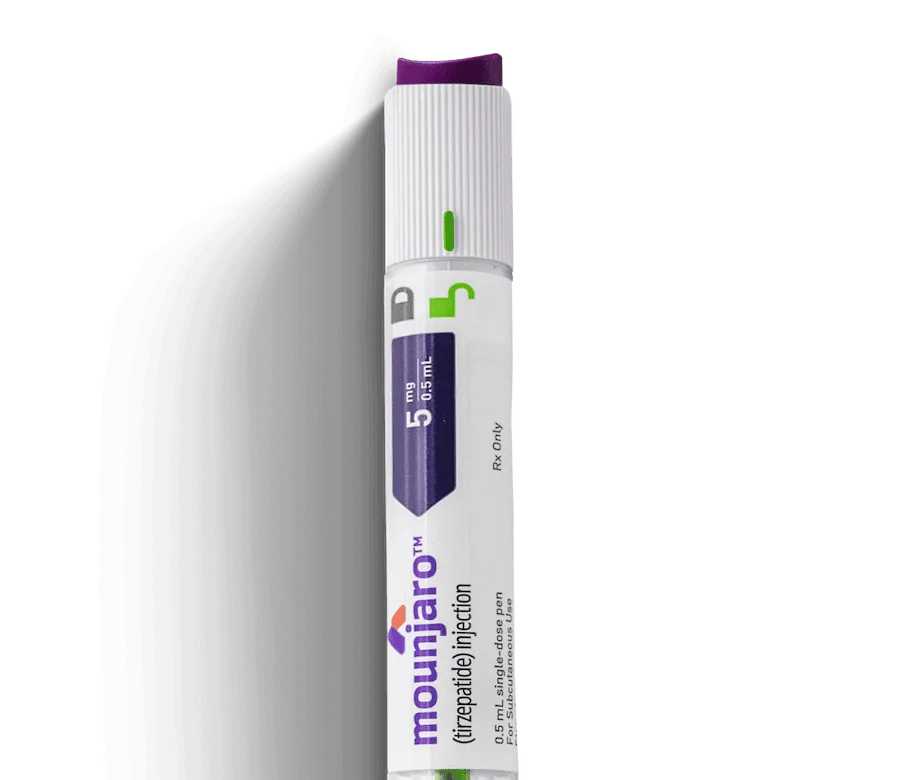
Mounjaro®
Liraglutide
Stopping Zepbound®: How long does it take to leave your system?
Zepbound® builds up gradually while you’re taking it, and the reverse happens when you stop. Because tirzepatide leaves the body slowly, medication levels—and its effects—can take time to fade.
After you stop taking Zepbound®, tirzepatide leaves your body gradually. Because its half-life is about five to six days, the amount remaining drops by roughly half over that time.
Here’s a general idea of how that looks after your last dose:
- After about 5 to 6 days: Roughly half of the tirzepatide from your last dose remains.
- After about 10 to 12 days: Roughly one-quarter remains.
- After about 3 weeks: Only a small amount remains.
- After about 30 days: Most tirzepatide is expected to be out of your system.
And 30 days is an estimate, not an exact cutoff. Research on how tirzepatide behaves in the body shows some variation from person to person, so there isn’t one specific day when Zepbound® is completely gone for everyone.
And the medication leaving your system doesn’t necessarily mean its effects disappear on the same schedule. Changes in hunger, appetite, weight, or blood sugar may happen gradually after you stop.
Read more: How long does tirzepatide take to work?
What happens as Zepbound® begins to leave your system after you stop?
Zepbound® leaves your body gradually, and its effects can fade gradually, too. There isn’t one day when everything suddenly changes. As tirzepatide levels fall, you may notice:
- Hunger returning sooner after meals
- Feeling less full after eating
- More food noise or stronger cravings
- Digestive side effects beginning to ease
- Changes in blood sugar, especially if you have diabetes or take glucose-lowering medications
These changes won’t necessarily happen at the same time. Appetite, digestion, side effects, and blood sugar can each shift on a different timeline after you stop treatment.
Learn more about what happens when you stop taking Zepbound®.
When to expect changes when stopping Zepbound®
There are many reasons why people stop Zepbound® or switch to a different medication. Here’s what can happen in different situations.
If you’re stopping because of side effects
The slow clearance can be especially frustrating if you’re stopping because you don’t feel well. Mild nausea, constipation, diarrhea, or bloating may not end immediately after your last injection, although they may ease as the medication level falls.
Don’t wait for Zepbound® to clear if symptoms are severe. Contact your provider for repeated vomiting, signs of dehydration, or persistent or severe abdominal pain. Seek emergency care for symptoms of a serious allergic reaction.
Read more: Zepbound® side effects and warning signs
If you’re switching medications
Medication left in your system also affects when it’s safe to begin something new. Don’t start another tirzepatide product or GLP-1 medication on your own. Your provider will consider:
- Your current dose
- The medication you’re switching to
- Any side effects you’re having
- Your health history and other medications
You may start the new medication around the time your next Zepbound® dose would have been due, but the right schedule is individual. Zepbound® shouldn’t be used with another tirzepatide product or GLP-1 receptor agonist.
Noom’s Most Powerful Program
A dual-pathway GLP-1 and behavior change for lasting results.
If you’re pregnant or planning a pregnancy
Clearance time also matters if pregnancy is possible or part of your future plans. Zepbound® shouldn’t be used during pregnancy, and you should stop it immediately when pregnancy is suspected and contact your provider.
If you’re planning to become pregnant, talk with your prescriber ahead of time. MotherToBaby estimates that it can take up to 30 days, on average, for most tirzepatide to leave the body in healthy adults. The current Zepbound® label doesn’t give one universal preconception timeline, so follow your healthcare team’s recommendation.
One more thing worth knowing if pregnancy is possible: Zepbound® can reduce how well oral birth control pills work because it slows stomach emptying. The prescribing information recommends switching to a non-oral contraceptive method, or adding a barrier method (like condoms) for 4 weeks after starting Zepbound® and for 4 weeks after each dose increase.
If you’re having surgery or a procedure
The medication’s long stay in the body can also matter before a procedure. Tell your surgeon, anesthesiologist, and prescribing clinician that you take Zepbound®. Because it delays stomach emptying, it can affect anesthesia or deep sedation.
Whether you need to pause treatment depends on your dose, recent increases, digestive symptoms, and procedure. Follow your care team’s plan rather than stopping it on your own.
Read more: Taking tirzepatide before surgery: What to know
If you miss a dose
Zepbound® doesn’t disappear from your body when you miss an injection, but medication levels will continue to fall. That’s why it’s important to get back on schedule rather than doubling up to make up for a missed dose.
According to the Zepbound® prescribing information:
- If it’s been 4 days (96 hours) or less: Take the missed dose as soon as you remember.
- If it’s been more than 4 days: Skip the missed dose and take your next dose on your regularly scheduled day.
- If you want to change your injection day: Make sure there are at least 72 hours between doses.
Don’t take two doses too close together to make up for a missed one. If you’ve missed multiple doses and aren’t sure how to restart, check with your prescriber.
What can affect how long Zepbound® stays in your body?
About 30 days is a useful estimate for how long most tirzepatide takes to leave your system, but it isn’t an exact countdown. Research that combined data from 19 tirzepatide studies gives us a better idea of what does—and doesn’t—make a meaningful difference:
- Your dose matters. Higher doses result in greater exposure to tirzepatide, so there is more medication in your body to begin with.
- Individual differences exist. People absorb and clear medications at somewhat different rates, so there isn’t one exact day when Zepbound® is completely gone for everyone.
- Kidney function doesn’t appear to make a major difference. A study in people with different levels of kidney function, including people receiving dialysis, found no clinically meaningful effect on tirzepatide levels.
- Liver function doesn’t appear to make a major difference either. A study of people with varying degrees of liver impairment found no clinically meaningful differences in tirzepatide exposure.
There’s also no proven way to “flush” Zepbound® out of your body faster. Tirzepatide is gradually broken down and eliminated over time, so drinking extra water, sweating, fasting, or doing a cleanse isn’t expected to meaningfully speed up that process.
If you’re trying to get Zepbound® out of your system because of side effects, pregnancy, or another medical concern, contact your healthcare provider rather than trying to speed up its elimination yourself.
Does stopping Zepbound® cause withdrawal?
When hunger or food noise returns, it can feel like your body is reacting to the missing dose. Zepbound® isn’t known to cause a classic withdrawal syndrome, though. What you’re noticing is the support it provided for appetite and fullness beginning to fade.
Will I regain weight after stopping Zepbound®?
Weight regain isn’t definite, but is common after stopping Zepbound®. How much you regain—and how quickly—can vary.
In a study that followed people after they stopped tirzepatide, participants lost an average of about 21% of their body weight during 36 weeks of treatment. Those who stopped then began regaining weight, while people who continued treatment lost more. After one year, those who stopped had regained an average of about 14% of their body weight.
A later analysis found that about 83% of people who had lost at least 10% of their body weight regained at least one-quarter of the weight they had lost within a year of stopping.
That doesn’t mean you’ll regain all the weight you lost. But the research suggests that maintaining weight loss can become harder without the medication.
If you’re thinking about stopping, talk with your prescriber about a plan for maintaining your results. Learn more about what happens when you stop taking Zepbound® and whether a Zepbound® maintenance dose could be part of your long-term plan.
Frequently asked questions about how long Zepbound stays in the body
How long does Zepbound® suppress appetite after the last dose?
There’s no exact timeline. Appetite effects may gradually fade over the first few weeks as tirzepatide levels fall, but some people may notice hunger or cravings returning sooner or later.
How long do Zepbound® side effects last after stopping?
There’s no set timeline. Digestive side effects may improve as tirzepatide leaves your system, but symptoms don’t necessarily follow the medication’s half-life exactly. Contact your provider if side effects persist, worsen, or make it difficult to eat or drink.
If Zepbound® stays in your body for about a month, why do you take it weekly?
Tirzepatide stays in your body for several weeks, but the amount gradually declines. Taking Zepbound® every week helps maintain more consistent medication levels rather than allowing them to continue falling.
Does a higher Zepbound® dose stay in your system longer?
Not exactly. Tirzepatide’s half-life is about five to six days regardless of dose. But a higher dose means more medication is in your body to start with, so it can take longer for the amount remaining to become very low.
Reviews from real Noom users
“My favorite parts of Noom are the care team and other Noomers. Sharing and getting help made me feel like I wasn’t doing it alone. That support made all the difference.”
Desirea N. — Real Noom user
“Noom has taught me that every day is a new chance to make better, healthier choices. It’s taught me how to stop overeating.”
Matthew M. — Real Noom user
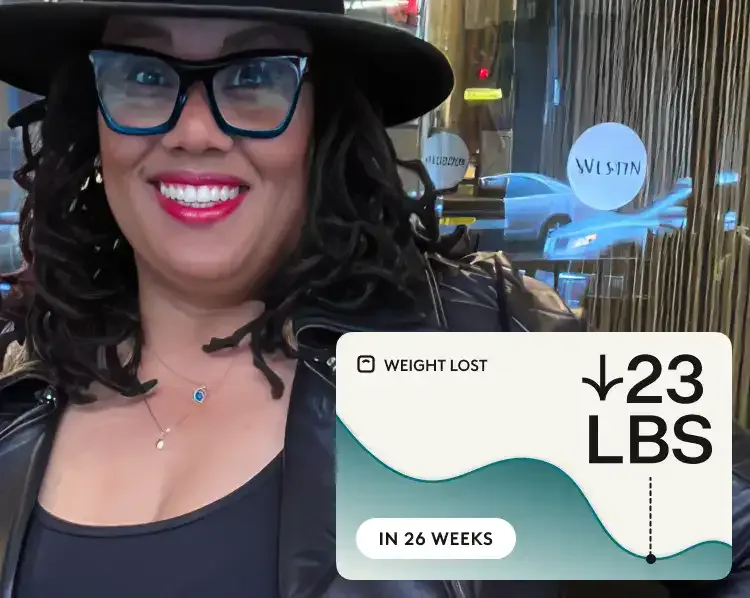
“Clinicians who understand how supportive medication can be is one of the best parts of Noom! I was convinced I wouldn’t have success but I’m down 11 pounds in two months.”
Lila M. — Real Noom user
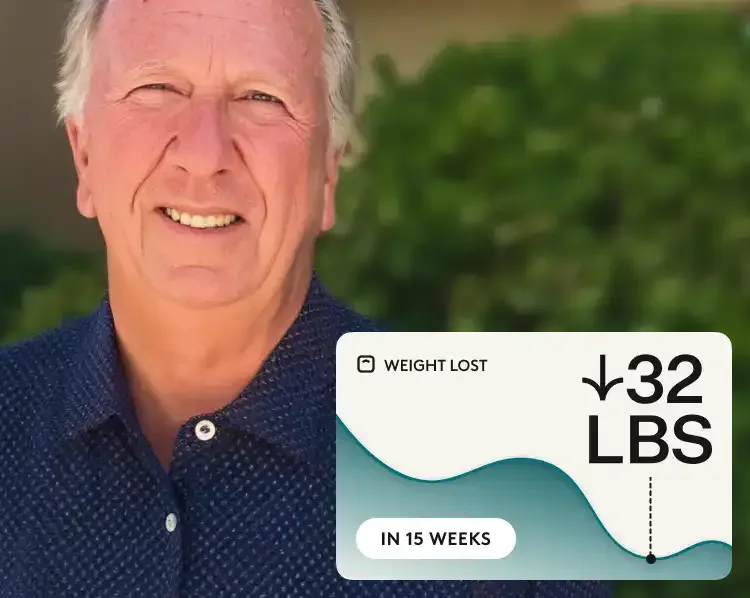
“Noom provided me with the medication which I could not get through Medicare. I have learned the tricks to better eating and life in general.”
Steve M. – Real Noom user
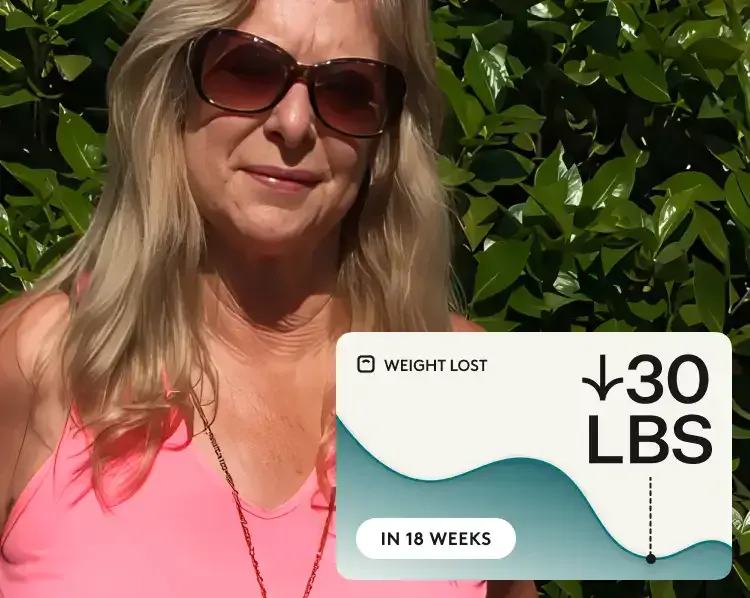
“Noom has changed my life and I’m so thankful, I feel great, have more energy and am no longer prediabetic.”
Daisy R. – Real Noom user
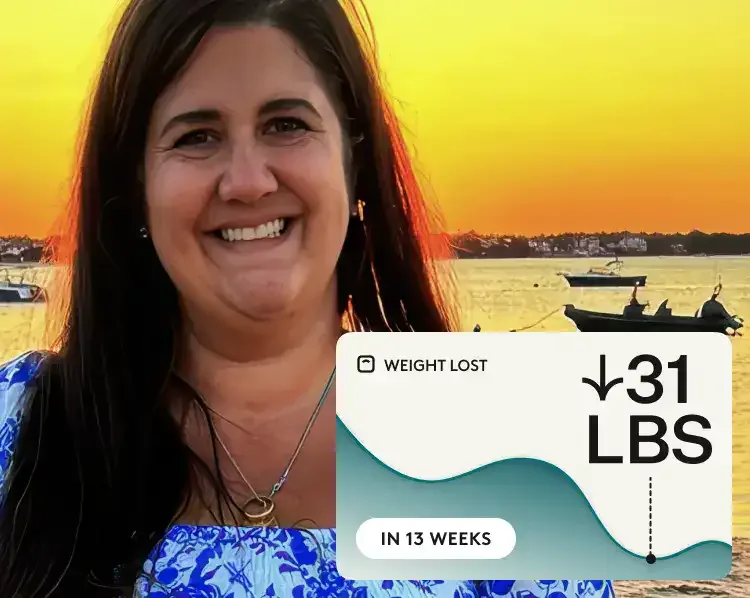
“All of the Noom providers that I’ve met with have been exceptional and prescribed medications that are appropriate for my situation and health.”
Sarah R. – Real Noom user
“Noom made the process so simple and now I feel full, free from diet obsession, and at ease in my body again.”
Madison S. – Real Noom user
“My doctor recommended Noom after I was frustrated trying to lose weight. The lessons helped change my relationship with food. My body feels lighter & energized.”
Sonday K. – Real Noom user
“I built healthy habits with coaching and lessons that make me confident I can maintain my weight loss long term.”
Cam K. – Real Noom user
“With the right medication through Noom, hunger and sugar cravings finally quieted and I have the tools to break the cycle.”
Laura TR. – Real Noom user
“Cravings and food noise are gone, I finally feel confident in the healthy habits I’ve built to last with Noom.”
Jessica S. – Real Noom user
The bottom line: Zepbound® builds up and wears off over about 30 days
Zepbound® is taken once a week, but each dose stays in your body much longer. Tirzepatide builds up with repeated weekly injections, reaching a steady level after about four weeks at the same dose. If you stop treatment, it leaves just as gradually, with most of the medication expected to be gone in around 30 days.
That helps explain why Zepbound® can keep working between injections, why weight-loss results continue to build over time, and why side effects or appetite changes may not happen on a predictable schedule. It also means that stopping your injections doesn’t immediately stop the medication’s effects.
If you’re thinking about stopping, switching, or restarting Zepbound®—or need to plan around pregnancy or a procedure—talk with your provider about the right timing for you.
If you’re considering Zepbound® for weight loss, Noom Med can connect you with a qualified clinician who can review your health history, discuss your options, and prescribe medication if appropriate.
Editorial standards
At Noom, we’re committed to providing health information that’s grounded in reliable science and expert review. Our content is created with the support of qualified professionals and based on well-established research from trusted medical and scientific organizations. Learn more about the experts behind our content on our Health Expert Team page.