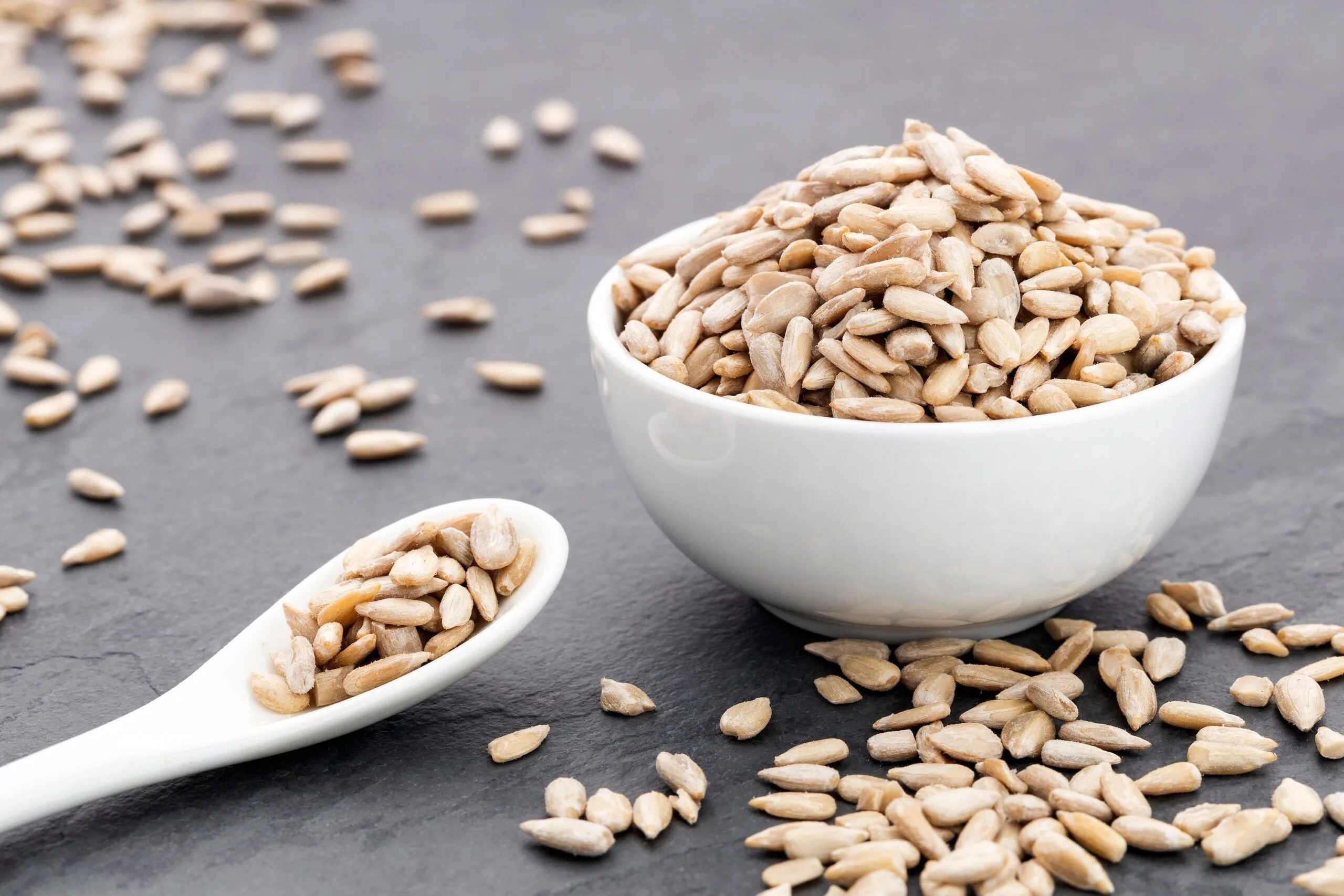
Sunflower seeds have been having a resurgence on social media. Flavored versions like garlic Parmesan and cinnamon churro have built a solid snack following, and nutrition creators regularly mention them as a daily staple for skin, energy, and heart health alongside other nuts and seeds.
The interest makes sense. A small handful gives you protein, fiber, and unsaturated fat, plus more vitamin E and selenium than most snacks. But the version you grab matters—and if weight loss is your goal, portion size and any oily or sugary seasonings matter just as much as the seed itself.
Here’s what the research says about sunflower seeds and weight loss, how they compare to other seeds and nuts, and the smartest ways to work them into your eating plan.
✅ Quick answer: Are sunflower seeds good for weight loss?
- Yes. Sunflower seeds provide a satisfying mix of protein, fiber, and heart-healthy unsaturated fats that can help you stay full between meals, making them a good fit for a weight-loss plan. Because they’re calorie-dense, portion size matters—a ¼-cup serving has about 165 calories. Measuring out a serving instead of eating straight from the bag can help you enjoy their nutrition while staying within your calorie goal.
🚀 Weight-loss benefits of sunflower seeds
- Sunflower seeds have protein, fiber, and healthy fats to help keep you full. A 1-ounce serving of sunflower seeds provides about 6 grams of protein and 3 grams of fiber. Together with the seeds’ healthy fats, these nutrients digest more slowly than refined carbohydrates, helping you stay satisfied longer and making it easier to avoid reaching for another snack soon after.
- Sunflower seeds are rich in healthy fats that add staying power. Most of the fat in sunflower seeds is unsaturated, including both polyunsaturated and monounsaturated fats. Fat slows digestion and contributes to feelings of fullness, which is one reason sunflower seeds can be so satisfying despite their small size. Since they’re also calorie-dense, sticking to a measured serving can help you get the benefits without overdoing it.
- Sunflower seeds in the shell can help slow down snacking. Cracking open each sunflower seed before eating it naturally slows your pace. Eating more slowly gives your body more time to recognize fullness, which may help you eat less than if you were mindlessly eating shelled seeds straight from the bag.
⚠️ Things to be mindful of with sunflower seeds
- Sunflower seeds are calorie-dense, so portions matter. At about 165 calories per ounce (about ¼ cup shelled), sunflower seeds pack a lot of calories into a small serving. It’s easy to eat 2 or 3 ounces by the handful without realizing it, which can quickly eat into a calorie deficit. Measuring out a serving instead of snacking straight from the bag can help.
- Some sunflower seeds are high in sodium. Many in-shell sunflower seeds are heavily salted, with several hundred milligrams of sodium per serving. Flavored varieties may also contain added sugar or oil that increases calories without adding much nutrition. Choosing unsalted or lightly salted sunflower seeds and checking the nutrition label can help keep both sodium and calories in check.
- Sunflower seeds are high in omega-6 fats but low in omega-3s. The healthy fats in sunflower seeds are mostly unsaturated, but they provide very little omega-3. That’s not a reason to avoid them, but it’s a good reminder to include other sources of healthy fats—such as salmon, sardines, walnuts, chia seeds, or flaxseed—as part of a balanced diet.
🥗 Sunflower seeds nutrition facts (per 1 oz / about ¼ cup shelled)
| Nutrient | Amount | % RDA* |
|---|---|---|
| Calories | 165 calories | 8% |
| Protein | 5.5 g | 11% |
| Total carbs | 6.8 g | 2% |
| Fiber | 3.1 g | 11% |
| Sugars | 0.7 g | — |
| Total fat | 14.1 g | 18% |
| – Saturated fat | 1.5 g | 7% |
| – Monounsaturated fat | 2.7 g | — |
| – Polyunsaturated fat | 9.2 g | — |
| Omega-3 | <0.1 g | — |
| Omega-6 | 9 g | — |
*Recommended dietary allowance (RDA) is defined as the average daily amount of nutrients needed to meet the requirements of nearly all healthy people in a specific group.
One of the biggest nutritional strengths of sunflower seeds is their fat profile. About 85% of the fat is unsaturated, mostly polyunsaturated with some monounsaturated fat. These are the same types of heart-healthy fats found in foods like nuts, seeds, avocados, and olive oil, though sunflower seeds are much higher in omega-6 than omega-3 fats.
Sunflower seeds are also naturally low in carbohydrates. With fewer than 7 grams of carbs, less than 1 gram of sugar, and 3 grams of fiber per serving, they can fit into a variety of eating patterns, including lower-carb diets.
The main trade-off is that sunflower seeds are calorie-dense. Because most of their calories come from fat, a small serving is surprisingly filling—but it’s also easy to eat more than you intended. Measuring out about ¼ cup instead of eating straight from the bag can help you enjoy their nutrition while staying within your calorie goal.
💊 Vitamins & minerals in sunflower seeds (per 1 oz)
| Vitamin/Mineral | Amount | % RDA* |
|---|---|---|
| Copper | 0.5 mg | 56% |
| Vitamin E | 7.4 mg | 49% |
| Selenium | 22.6 mcg | 41% |
| Vitamin B5 (pantothenic acid) | 2 mg | 40% |
| Manganese | 0.5 mg | 22% |
| Folate | 65 mcg DFE | 16% |
| Zinc | 1.4 mg | 13% |
| Niacin (B3) | 1.9 mg | 12% |
| Vitamin B6 | 0.2 mg | 12% |
| Phosphorus | 155 mg | 12% |
| Magnesium | 36 mg | 9% |
| Iron | 1.1 mg | 6% |
| Potassium | 125 mg | 3% |
*Recommended dietary allowance (RDA) is defined as the average daily amount of nutrients needed to meet the requirements of nearly all healthy people in a specific group.
Vitamin E and selenium are two of sunflower seeds’ biggest nutritional strengths. A 1-ounce serving provides about half of your daily vitamin E needs and more than 40% of your daily selenium. Vitamin E acts as an antioxidant, helping protect cells from damage, while selenium supports thyroid function and a healthy immune system.
Sunflower seeds are also an excellent source of copper and vitamin B5 (pantothenic acid). Copper helps your body produce red blood cells and maintain healthy connective tissue, while vitamin B5 plays an important role in converting the food you eat into energy. They also provide a meaningful amount of folate, along with smaller amounts of zinc, magnesium, phosphorus, manganese, iron, niacin, and vitamin B6. Together, these nutrients support everything from metabolism and nerve function to bone health and immune function.
🔍 Sunflower seeds nutrient breakdown
Glycemic index (GI) of sunflower seeds
Glycemic index: 20 (Low)
💡 With a low glycemic index, sunflower seeds have little effect on blood sugar when eaten on their own. Their combination of healthy fats, protein, and fiber also slows digestion, helping make them a satisfying snack.
Are sunflower seeds high in protein?
✔️ Yes, for a snack. One ounce of sunflower seeds provides about 6 grams of protein—roughly similar to a large egg. Because it’s a plant protein that’s lower in some essential amino acids than animal proteins, sunflower seeds are best enjoyed as part of a varied diet rather than your primary protein source.
Are sunflower seeds high in fiber?
✔️ Yes. Sunflower seeds provide about 3 grams of fiber per ounce, helping support fullness and digestive health. Pairing a serving with fruit can boost your overall fiber intake and help you get closer to the recommended 25 to 38 grams per day.
Are sunflower seeds low in carbs?
✔️ Yes. Sunflower seeds contain fewer than 7 grams of carbohydrates per ounce, with very little sugar. That makes them a good fit for lower-carb eating patterns, though portion size still matters because they’re calorie-dense.
Are sunflower seeds gluten-free?
✔️ Yes. Sunflower seeds are naturally gluten-free. If you have celiac disease or gluten sensitivity, check the label on flavored varieties, since some seasonings or manufacturing processes may introduce gluten.
Are sunflower seeds good for fat loss?
✔️ Yes—when portions are in check. Sunflower seeds combine protein, fiber, and healthy fats in a way that helps keep you satisfied, which can make it easier to stick to a calorie deficit. At the same time, they’re calorie-dense, so measuring out a serving instead of eating straight from the bag can help you enjoy their benefits without accidentally overeating.
🍽️ Diet compatibility: Which diets include sunflower seeds?
| Diet | ✅ / ❌ | Why |
|---|---|---|
| Keto | ✅ | With under 7 grams of carbs and 14 grams of mostly unsaturated fat per ounce, sunflower seeds fit comfortably within keto macros. They’re a common substitute for higher-carb snack foods on the diet. |
| Paleo | ✅ | As a whole, minimally processed plant food, sunflower seeds align with paleo principles. Most paleo followers include them without issue, though strict versions sometimes exclude seeds alongside grains and legumes. |
| Mediterranean | ✅ | The Mediterranean pattern emphasizes nuts, seeds, and unsaturated fats as daily staples, and sunflower seeds fit that role directly. They’re commonly used as a salad topping or snack within this diet. |
| Vegan | ✅ | Sunflower seeds are entirely plant-based and provide protein, iron, and zinc—nutrients vegan diets sometimes run short on. They’re a useful addition rather than just a compatible one. |
| Gluten-free | ✅ | Sunflower seeds are naturally gluten-free in their raw or roasted, unflavored form. Only flavored or coated products carry any gluten risk, typically through cross-contact rather than the seed itself. |
Sunflower seeds are one of the few foods that fit comfortably into almost every major eating pattern. Whether you’re following keto, Mediterranean, vegan, gluten-free, or most versions of paleo, plain sunflower seeds are an easy way to add protein, fiber, healthy fats, and important vitamins and minerals.
The biggest thing to watch isn’t the diet itself—it’s how the sunflower seeds are prepared. Plain raw or dry-roasted sunflower seeds are the most versatile choice, while flavored or honey-roasted varieties may contain added sugar, sodium, or oils that make them a less natural fit for some eating plans.
🌟 Are sunflower seeds healthy? What are the health benefits?
Metabolic health
- Boosts metabolism? Not directly. Sunflower seeds won’t meaningfully increase your metabolic rate, but they do provide nutrients like selenium and B vitamins that help your body convert the food you eat into energy.
- Improves insulin sensitivity? Possibly. Some small studies suggest that regularly eating sunflower seeds may support blood sugar and heart health, particularly in people with type 2 diabetes. More research is needed before concluding that sunflower seeds directly improve insulin sensitivity.
- Affects fat storage? Not on their own. The fats in sunflower seeds are mostly unsaturated, which are generally considered more heart-healthy than saturated fats. But like any calorie-dense food, eating more calories than your body needs—including from sunflower seeds—can contribute to weight gain over time.
💡 Tip: Pair sunflower seeds with a vitamin C-rich food, such as strawberries, oranges, kiwi, or bell peppers. Vitamin C helps your body absorb the non-heme iron found in sunflower seeds.
Cholesterol impact
- Do sunflower seeds lower LDL (“bad”) cholesterol? Possibly. A small study in postmenopausal women with type 2 diabetes found that eating sunflower kernels daily for three weeks improved LDL cholesterol and several other cardiovascular risk markers. While the findings are encouraging, larger studies are needed to confirm whether sunflower seeds consistently lower LDL cholesterol in the general population.
- Are sunflower seeds good for heart health? Yes. Sunflower seeds are rich in unsaturated fats, fiber, and vitamin E—nutrients that are associated with better heart health when they’re part of an overall healthy eating pattern. Although sunflower seeds haven’t been studied as extensively as some tree nuts, replacing snacks high in saturated fat with sunflower seeds may support cardiovascular health.
Can you eat sunflower seeds in a calorie deficit?
✔️ Yes. A 1-ounce serving of sunflower seeds contains about 165 calories, making it easy to fit into most calorie-deficit plans. Their combination of protein, fiber, and healthy fats can also help you stay satisfied between meals. The biggest challenge is portion size—it’s easy for a “handful” to become two or three servings without realizing it.
💡 Tip: Pre-portion sunflower seeds into small containers or bags instead of eating straight from the package.
Are sunflower seeds rich in antioxidants?
✔️ Yes. Sunflower seeds are an excellent source of vitamin E, providing nearly half of your daily needs in just 1 ounce. They also contain selenium and plant compounds such as chlorogenic acid, which contribute to their antioxidant activity.
💡 Tip: Because vitamin E is fat-soluble, your body readily absorbs it from sunflower seeds without needing to pair them with another source of fat.
Do sunflower seeds support gut health?
✔️ Yes. The fiber in sunflower seeds helps support a healthy digestive system and nourishes beneficial gut bacteria. While they’re not as fiber-rich as beans or whole grains, they can still contribute to a gut-friendly eating pattern.
Do sunflower seeds support digestion?
✔️ Yes. The fiber in sunflower seeds adds bulk to stool and supports regular bowel movements. If you aren’t used to eating much fiber, increasing your intake gradually—and drinking plenty of water—can help reduce gas or bloating.
Do sunflower seeds help you feel full?
✔️ Yes. Sunflower seeds combine protein, fiber, and healthy fats—three nutrients known to promote fullness. That makes them a satisfying snack, especially when they’re paired with fruit or another nutritious food.
Satiety level: Moderate to high
💡 Tip: Adding sunflower seeds to yogurt, oatmeal, or a salad may be more filling than eating them by themselves.
Do sunflower seeds help with nighttime cravings?
✔️ They can. If your evening cravings are driven by physical hunger, the protein, fiber, and healthy fats in sunflower seeds may help keep you satisfied. If your cravings are driven by stress, boredom, or habit, though, a snack alone is unlikely to solve the problem.
💡 Tip: Pair an evening snack with another habit, such as reading, taking a walk, or making tea, if boredom is what usually sends you to the kitchen.
Do sunflower seeds help reduce inflammation?
✔️ Potentially. Sunflower seeds contain vitamin E and other antioxidant compounds that help protect cells from oxidative stress. Although they’re high in omega-6 fats, current evidence suggests omega-6 fats from whole foods aren’t inherently inflammatory when eaten as part of a balanced diet that also includes omega-3-rich foods.
Are sunflower seeds beneficial for brain health?
✔️ Potentially. Sunflower seeds are rich in vitamin E, an antioxidant that’s important for brain health, and they also provide several B vitamins involved in normal nerve function. Eating sunflower seeds alone isn’t likely to improve brain function, but they contribute nutrients associated with long-term brain health.
Can sunflower seeds improve skin and hair health?
✔️ They support healthy skin and hair. Sunflower seeds provide vitamin E, zinc, and copper, all of which play important roles in maintaining healthy skin and hair. If you have a nutrient deficiency, increasing your intake may help—but sunflower seeds aren’t a treatment for skin or hair conditions caused by other factors.
Can sunflower seeds help balance hormones?
✔️ They support normal hormone function. Sunflower seeds provide healthy fats and selenium, a mineral that’s important for thyroid hormone metabolism. While these nutrients are part of a healthy diet, there’s no evidence that eating sunflower seeds alone will “balance hormones.”
💡 Tip: If you think a hormone imbalance is affecting your health, it’s best to talk with a healthcare professional rather than relying on a specific food.
Access GLP-1 Weight Loss with Noom
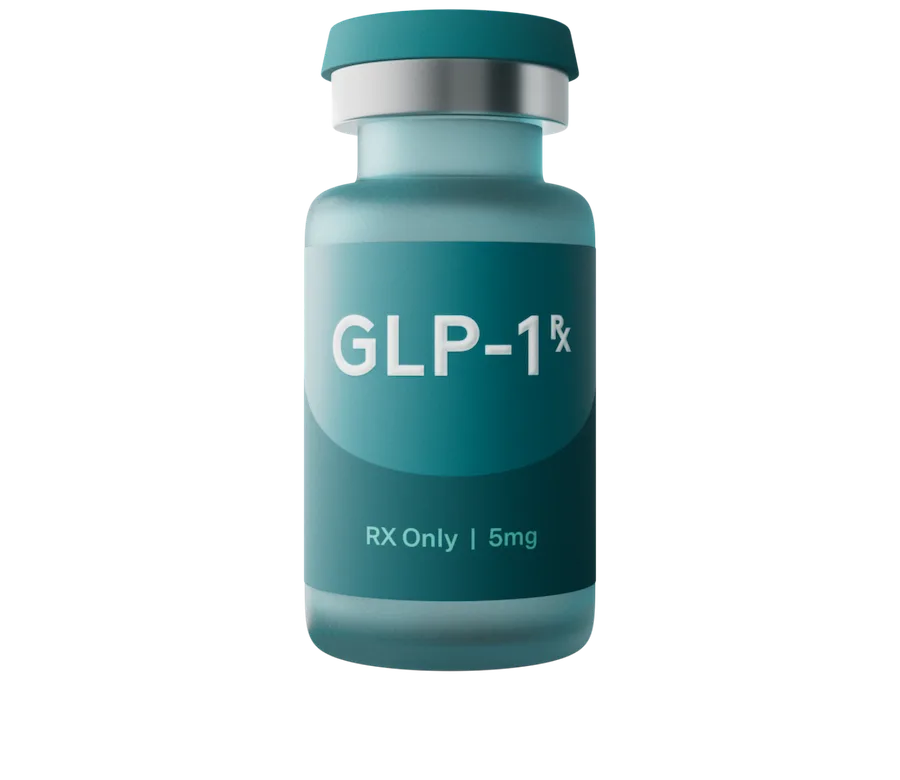
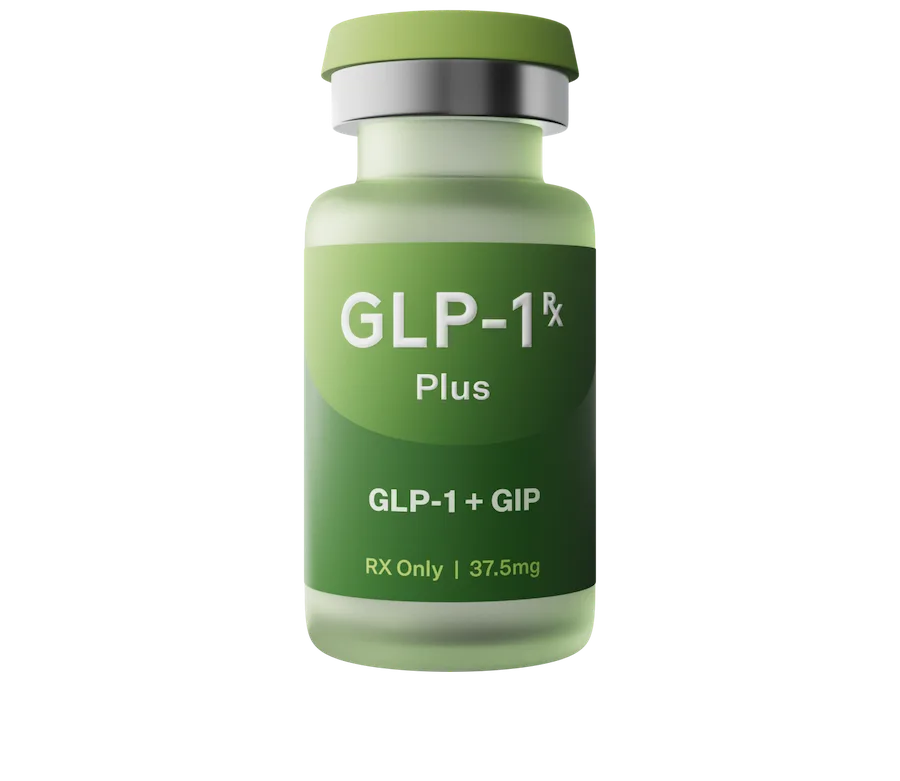
Explore a wide range of prescription medications supported by Noom’s program.Microdose GLP-1rx
Noom GLP-1rx
Noom GLP-1rx Plus
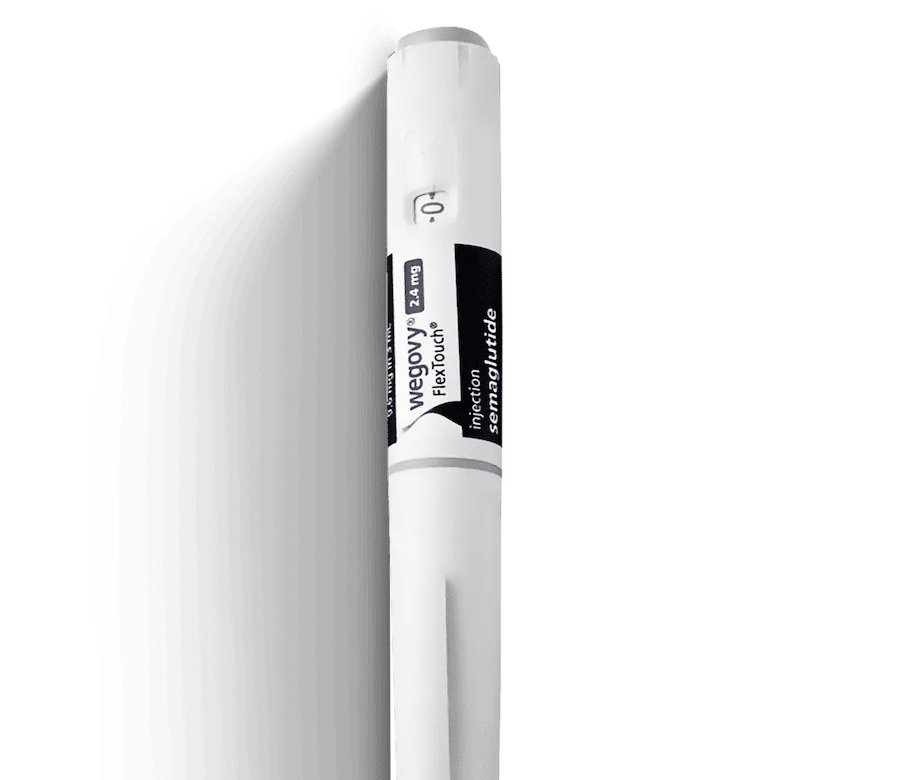
Wegovy®
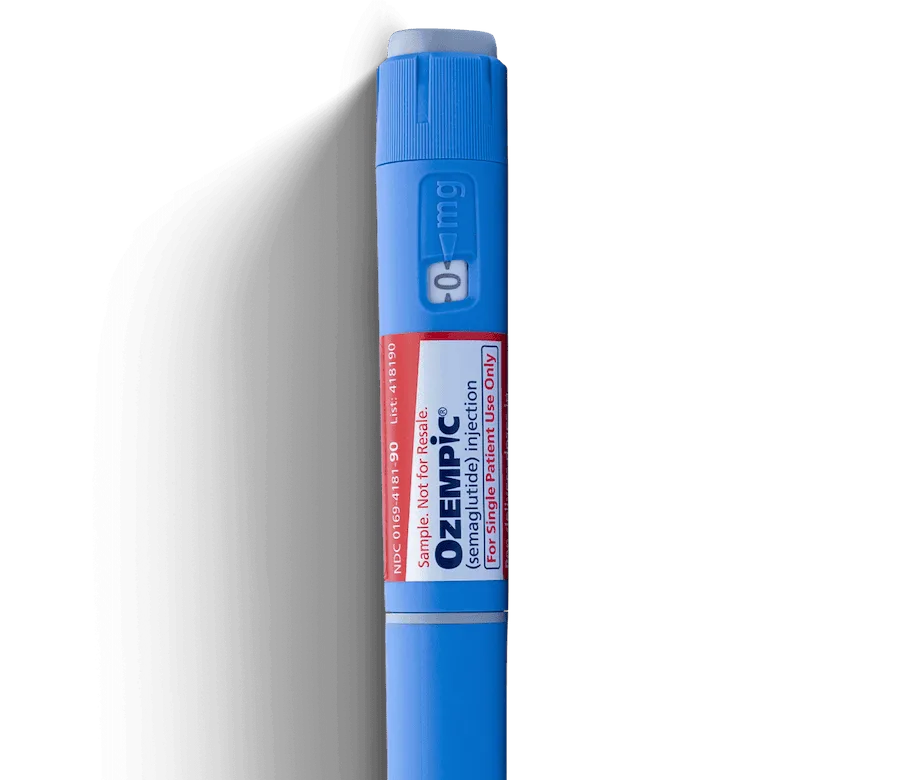
Ozempic®
Metformin
Zepbound®
Mounjaro®
Liraglutide
🍽️ Best ways to eat sunflower seeds for weight loss
- Add sunflower seeds to meals instead of eating them by the handful. Sprinkling a measured tablespoon or two over salads, Greek yogurt, oatmeal, or roasted vegetables adds crunch, protein, fiber, and healthy fats while making portion sizes easier to manage.
- Choose in-shell sunflower seeds for a slower snack. Cracking open each seed naturally slows your eating, making it harder to mindlessly snack through multiple servings before your body has a chance to catch up.
- Measure your portion before you start eating. A serving of sunflower seeds is just 1 ounce (about ¼ cup shelled), but it’s easy for a handful to become two or three servings. Portioning them into a small bowl or container can help keep calories in check.
- Look for plain, dry-roasted, or lightly salted sunflower seeds. Some flavored varieties are coated with added sugar or oil, while heavily salted options can pack hundreds of milligrams of sodium per serving. Choosing simpler varieties lets you enjoy the nutritional benefits without extra ingredients you may not want.
🌻 National Sunflower Seed Day is the first Saturday in August – Try this recipe
🍏 Sunflower seeds vs. other nuts and seeds (per 1 oz)
| Food | Calories | Carbs | Fiber | Protein | Fat |
|---|---|---|---|---|---|
| Sunflower seeds | 165 | 6.8 g | 3.1 g | 5.5 g | 14.1 g |
| Pumpkin seeds | 148 | 5 g | 1.7 g | 7 g | 12 g |
| Chia seeds | 137 | 12 g | 9.8 g | 4.4 g | 8.6 g |
| Almonds | 164 | 6.1 g | 3.5 g | 6 g | 14 g |
| Walnuts | 185 | 3.9 g | 1.9 g | 4.3 g | 18.5 g |
| Pistachios | 159 | 7.7 g | 2.9 g | 5.7 g | 12.8 g |
Sunflower seeds don’t dominate any single macronutrient, but they’re one of the most well-rounded choices on the list. They provide a similar amount of protein and fiber as almonds and pistachios, more fiber than pumpkin seeds and walnuts, and fewer calories than walnuts. Their biggest nutritional advantage is vitamin E—just 1 ounce provides nearly half of your daily needs—along with a generous amount of selenium.
If your goal is more fiber, chia seeds are hard to beat. If you’re looking for the most protein, pumpkin seeds have a slight edge. If you want plant-based omega-3 fats, walnuts are the standout choice. And if you’re after an affordable, nutrient-dense snack with a balance of protein, fiber, and healthy fats, sunflower seeds are an excellent option.
❓ Frequently asked questions about sunflower seeds and weight loss
How many sunflower seeds should you eat per day for weight loss?
A serving of 1 ounce (about ¼ cup shelled) is a good place to start. If sunflower seeds are replacing another snack and fit within your calorie goal, up to 2 ounces per day can also work. Measuring your portion instead of eating straight from the bag makes it much easier to stay in a calorie deficit.
Can you eat sunflower seeds every day?
Yes. For most people, enjoying sunflower seeds daily is perfectly healthy. Choosing unsalted or lightly salted varieties and sticking to a reasonable portion helps you get their protein, fiber, healthy fats, and vitamins without adding excess sodium or calories.
Do sunflower seeds cause bloating or weight gain?
Not by themselves. Eating large portions can make it easier to exceed your calorie needs, and suddenly increasing your fiber intake may cause temporary gas or bloating. Starting with a small serving and drinking plenty of water can help your digestive system adjust.
Are sunflower seeds good for a keto diet?
Yes. With fewer than 7 grams of carbohydrates per ounce and plenty of healthy fats, sunflower seeds fit well into most ketogenic eating patterns. Just keep an eye on portion sizes and choose plain or lightly seasoned varieties.
Should you eat sunflower seed shells?
No. The hard outer shell isn’t meant to be eaten. It provides little nutritional value and can irritate the digestive tract or, in rare cases, contribute to an intestinal blockage if swallowed in large amounts.
Is sunflower seed butter as good for weight loss as whole seeds?
It can be. Plain sunflower seed butter offers a similar mix of healthy fats, protein, and vitamins as whole sunflower seeds. Because it’s easy to spread or spoon out more than a serving, portion size matters. Look for varieties made with just sunflower seeds—or with minimal added ingredients—and avoid those with added sugar when possible.
🧠 The bottom line: Sunflower seeds, in moderation, can be good for weight loss
Sunflower seeds can be a smart addition to a weight-loss plan because they combine protein, fiber, and healthy unsaturated fats in one satisfying snack. They’re also one of the best food sources of vitamin E and provide meaningful amounts of copper, selenium, vitamin B5, and other essential vitamins and minerals. While research on sunflower seeds specifically is still growing, their nutritional profile aligns well with the types of foods associated with better weight management and heart health.
The biggest thing to watch is portion size. At about 165 calories per ounce (¼ cup shelled), it’s easy for a handful to become two or three servings without realizing it. Measuring out a serving instead of eating straight from the bag can help you enjoy the benefits of sunflower seeds while staying within your calorie goal.
Whether you sprinkle sunflower seeds over a salad, yogurt, or oatmeal, or enjoy a measured serving as a snack, they’re an easy way to add crunch, nutrition, and staying power to your day. Choosing plain, dry-roasted, or lightly salted varieties keeps added sugar, sodium, and oils to a minimum.
📖 Scientific evidence
- Sunflower seeds provide nutrients that support overall health while fitting into a balanced diet. (Food and Humanity, 2025) This review found that sunflower seeds are rich in protein, fiber, healthy unsaturated fats, vitamin E, and other bioactive compounds that have been linked to benefits for heart and metabolic health.
- A sunflower seed extract showed promising results for body fat loss. (Nutrition Research, 2024) In a study of 100 adults with obesity, people who took a daily sunflower seed extract for 12 weeks lost more body fat than those taking a placebo, with no serious side effects reported. Keep in mind, though, that this study looked at a concentrated sunflower seed extract—not whole sunflower seeds—so the results don’t necessarily apply to eating the seeds themselves.
- A daily serving of sunflower seeds improved several heart-health markers—similar to almonds. (ISRN Nutrition, 2012) In a small study of 22 postmenopausal women with type 2 diabetes, participants ate a daily serving of either sunflower kernels or almonds for three weeks before switching to the other food. Both improved cholesterol and several other markers of heart health by a similar amount.
- Regularly eating nuts and seeds is associated with a lower risk of heart disease. (Food and Nutrition Research, 2023) This systematic review and meta-analysis found a probable link between higher nut and seed intake and a lower risk of cardiovascular disease, particularly coronary heart disease.
Editorial standards
At Noom, we’re committed to providing health information that’s grounded in reliable science and expert review. Our content is created with the support of qualified professionals and based on well-established research from trusted medical and scientific organizations. Learn more about the experts behind our content on our Health Expert Team page.