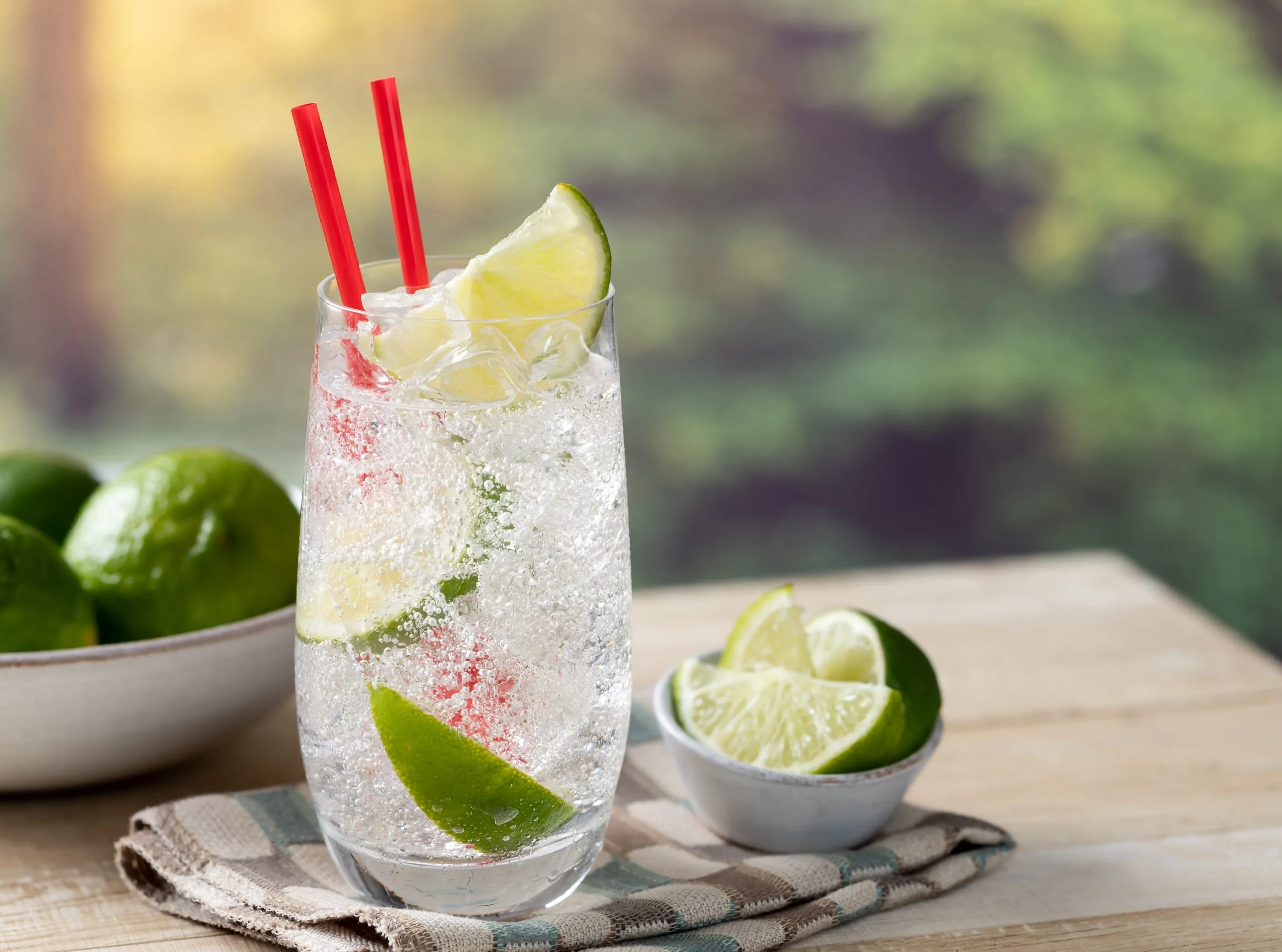
If you’re trying to eat fewer calories, sparkling water can seem like an easy win. You get the refreshing fizz of soda without the added sugar, making it a simple swap.
Research suggests plain sparkling water may help you feel a little fuller, stay hydrated, and make it easier to replace higher-calorie drinks. But it’s best thought of as a tool to support healthy habits—not a way to ignore hunger or skip meals. If you’re genuinely hungry, a balanced meal or snack is still the best choice.
It’s also worth knowing that “sparkling water” isn’t just one drink. While many sparkling waters contain no calories at all, the market has changed dramatically in recent years. Alongside plain seltzer, you’ll now find club soda, naturally sparkling mineral water, flavored sparkling water, and sparkling water beverages with fruit juice, electrolytes, caffeine, probiotics, protein, vitamins, adaptogens, and other functional ingredients.
Some still contain zero calories, while others add sugar, sodium, or calories, so it’s worth checking the label. Although they all have bubbles in common, they aren’t nutritionally identical.
So, what does the research actually say about the connection to weight loss? Let’s take a closer look at how sparkling water can fit into a balanced plan.
✅ Quick answer
Plain sparkling water contains no calories, sugar, or carbohydrates, making it a smart choice if you’re trying to lose weight. Research suggests plain sparkling water may help you feel fuller, stay hydrated, and replace higher-calorie drinks, making it a useful tool to support your weight-loss goals. Just think of it as something that complements balanced meals and healthy habits, not a replacement for them. But not every sparkling water is the same—some newer varieties contain fruit juice, sweeteners, caffeine, or other added ingredients that can increase calories or sugar.
What are the different types of sparkling water?
Before we get into the research, let’s clear up some terminology. You’ll often hear names like seltzer, club soda, sparkling mineral water, and flavored sparkling water used interchangeably. While they all have bubbles in common, there are a few important differences that are worth knowing—especially if you’re trying to choose the healthiest option.
| Type | What it is | What to know |
|---|---|---|
| Seltzer water | Plain water with added carbon dioxide for bubbles. | Usually contains no calories, sugar, sodium, or minerals. A great everyday choice if you like plain sparkling water. |
| Club soda | Carbonated water with added minerals, such as sodium bicarbonate and potassium sulfate. | The added minerals give it a slightly saltier taste. Most brands contain a small amount of sodium, but it’s generally not enough to be a concern unless you’re following a very low-sodium diet. |
| Sparkling mineral water | Naturally carbonated water from a mineral spring. | Contains naturally occurring minerals like calcium and magnesium. Mineral content varies by brand, but these beverages are still calorie-free and a healthy choice. |
| Flavored sparkling water | Sparkling water with natural or artificial flavors. | Most unsweetened varieties contain no calories or sugar. Check the label to make sure it doesn’t contain added sugars, juice, or sweeteners if you’re trying to keep calories low. |
| Sparkling water beverages | Sparkling water blended with fruit juice, sweeteners, caffeine, or other ingredients. | These can range from zero calories to soda-like nutrition. Always check the Nutrition Facts panel for calories, added sugars, sodium, and caffeine if applicable. |
🚀 Weight-loss benefits of sparkling water
- Sparkling water may help you feel fuller for longer. Its carbonation expands in your stomach, activating stretch receptors that signal fullness. Research suggests it may increase satiety compared with still water, which could help you eat a little less at your next meal.
- Sparkling water makes it easier to replace sugary drinks. Swapping soda or juice for plain sparkling water can save hundreds of calories each week without giving up the fizz many people enjoy.
- Sparkling water supports healthy hydration. Like still water, it helps you stay hydrated, which is important for normal fat metabolism and may make it easier to tell the difference between thirst and hunger.
⚠️ Things to be mindful of
- Not all sparkling waters are created equal. Plain seltzer, club soda, and most sparkling mineral waters contain no calories or sugar, but some newer sparkling water beverages include fruit juice, sweeteners, caffeine, or other functional ingredients. Products made with real fruit juice, such as some Spindrift flavors, contain a small amount of naturally occurring sugar and calories, while others may add ingredients like electrolytes or caffeine. Check the tablel if you’re trying to keep calories or sugar low.
- Sparkling water can cause bloating for some people. The carbonation may lead to gas, bloating, or burping. If you have acid reflux, GERD, gastroparesis, or SIBO, still water may be a more comfortable choice.
- Some sparkling waters are more acidic than others. Plain sparkling water is only mildly acidic and isn’t thought to pose a significant risk to tooth enamel. However, flavored varieties often contain citric acid or other acids that may increase enamel wear with frequent exposure. Drinking them with meals and rinsing with plain water afterward can help reduce the risk.
🥗 Nutrients in sparkling water (per 12 fl oz)
| Nutrient | Amount | % RDA* |
|---|---|---|
| Calories | 0 calories | 0% |
| Protein | 0 g | 0% |
| Total carbs | 0 g | 0% |
| Sugars | 0 g | — |
| Total fat | 0 g | 0% |
*Recommended dietary allowance (RDA) is defined as the average daily amount of nutrients needed to meet the requirements of nearly all healthy people in a specific group.
Plain sparkling water doesn’t provide meaningful nutrients—but that’s exactly the point. Instead of adding calories, sugar, or carbs, it can help you stay hydrated and replace higher-calorie drinks.
💊 Vitamins & minerals in sparkling water (per 12 fl oz)
Plain seltzer contains no meaningful vitamins or minerals. Some naturally sparkling mineral waters—like San Pellegrino or Perrier—contain small amounts that vary by brand and source.
| Vitamin/Mineral | Amount | % RDA* |
|---|---|---|
| Calcium (mineral water, varies) | 0–33 mg | 0–3% |
| Sodium (club soda, varies) | 0–75 mg | 0–3% |
| Magnesium (mineral water, varies) | 0–6 mg | 0–1% |
*Recommended dietary allowance (RDA) is defined as the average daily amount of nutrients needed to meet the requirements of nearly all healthy people in a specific group.
None of these amounts are large enough to meaningfully affect your daily nutritional needs. The nutritional case for sparkling water has never really been about what’s in it—it’s about what it isn’t.
🔍 Nutrient breakdown
Glycemic index (GI) of sparkling water
Glycemic index: 0 (None)
💡 Plain sparkling water contains zero carbohydrates and has no impact on blood sugar. Some early research suggests carbonation may modestly support glucose metabolism, though this effect is small and still being studied.
Is sparkling water high in protein?
❌ No: sparkling water contains 0 grams of protein per serving.
Is sparkling water high in fiber?
❌ No: sparkling water has 0 grams of fiber per serving. Carbonation creates temporary fullness, but that’s different from the lasting satiety and digestive benefits that dietary fiber provides.
Is sparkling water low in carbs?
✔️ Yes: sparkling water has 0 grams of carbs per serving—genuinely zero-carb, as long as you stick to plain, unflavored varieties.
Is sparkling water gluten-free?
✔️ Yes: plain sparkling water is naturally gluten-free. If you have celiac disease, check labels on specialty or flavored sparkling waters for any shared-facility disclosures.
Is sparkling water good for fat loss?
✔️ Yes: Plain sparkling water can support your weight-loss goals by helping you stay hydrated, feel a little fuller, and replace sugary drinks with a zero-calorie option. It won’t directly increase fat burning, and losing body fat still depends on maintaining an overall calorie deficit and eating enough protein to help preserve muscle.
🍽️ Diet compatibility: Which diets include sparkling water?
| Diet | ✅ / ❌ | Why |
|---|---|---|
| Keto | ✅ | Zero carbs and zero calories. Just avoid tonic water and sweetened sparkling beverages, which contain sugar. |
| Paleo | ✅ | Naturally sparkling mineral water is widely considered paleo-friendly. Plain seltzer is also generally accepted. Heavily processed flavored varieties with artificial additives fall outside most paleo guidelines. |
| Mediterranean | ✅ | The Mediterranean diet emphasizes water as the primary beverage, and sparkling water fits comfortably within that framework—a practical alternative to wine or soda at meals. |
| Vegan | ✅ | Plain sparkling water is completely plant-based and vegan by definition. |
| Gluten-free | ✅ | Naturally gluten-free with no meaningful cross-contamination risk in plain varieties. Those with celiac disease should review ingredient labels on flavored versions. |
Sparkling water is one of the most universally diet-compatible beverages you can find. Whether you’re counting carbs, avoiding animal products, or simply trying to drink fewer sugary drinks, it fits into almost any eating pattern without adjustment. Just watch for tonic water, sweetened varieties, and anything with artificial sweeteners if you’re following a stricter plan.
🌟 Is sparkling water healthy? What are the health benefits?
Metabolic health: Is sparkling water good for your metabolism?
- Boosts metabolism? Not in a meaningful way. Some early research suggests carbonated water may have small effects on glucose metabolism, but there’s no good evidence that it meaningfully increases metabolism or promotes weight loss.
- Improves insulin sensitivity? There’s no strong evidence. While a few early studies hint at possible metabolic effects, researchers haven’t shown that drinking sparkling water improves insulin sensitivity in people.
- Effect on fat storage? Neutral. Plain sparkling water doesn’t directly affect fat storage. Its biggest benefit is that it can replace sugary drinks, helping reduce overall calorie and added sugar intake.
Cholesterol impact: Does sparkling water affect cholesterol levels?
- Lowers LDL (“bad”) cholesterol? No. Plain sparkling water doesn’t contain the nutrients—like soluble fiber or healthy fats—that are known to lower LDL cholesterol.
- Raises HDL (“good”) cholesterol? No. There’s no evidence that sparkling water increases HDL. Regular physical activity and a heart-healthy eating pattern have a much bigger impact.
- Overall effect on heart health? Indirectly supportive. Sparkling water won’t improve cholesterol on its own, but replacing sugary drinks with it can reduce added sugar intake, a habit that supports overall heart and metabolic health.
Can you drink sparkling water in a calorie deficit?
✔️ Yes, with confidence: Sparkling water slots into any calorie deficit without adding a single number to your daily total. Beyond that, it can make the deficit easier to sustain by increasing fullness and providing a satisfying alternative to caloric drinks.
Is sparkling water rich in antioxidants?
❌ No: Plain sparkling water contains no antioxidants. For antioxidant benefits, whole plant foods—berries, dark leafy greens, green tea—are where you want to focus.
Does sparkling water support gut health?
It depends. Some research suggests carbonated water may help improve digestion and relieve constipation for some people. But if you have acid reflux, IBS, SIBO, or other digestive conditions, carbonation may make symptoms worse. When it comes to supporting your gut microbiome, fiber-rich and fermented foods have a much bigger impact than sparkling water.
Does sparkling water support digestion?
It depends. Carbonation may help stimulate digestion and relieve constipation in some people. For others—especially those with acid reflux, GERD, or digestive sensitivities—it can trigger bloating or make symptoms worse.
Does sparkling water help you feel satiated and less hungry?
Temporarily. Research suggests sparkling water may increase feelings of fullness for a short time, particularly when you drink it before a meal. It’s a useful tool for managing hunger—not replacing balanced meals or snacks when you’re genuinely hungry.
Satiety level: Moderate
Does sparkling water help with nighttime cravings?
It can. If you’re craving something after dinner out of habit or simply want something refreshing, sparkling water may help satisfy that urge and create a temporary sense of fullness. But if you’re genuinely hungry, it’s better to have a balanced snack than try to drink away your hunger.
Does sparkling water help reduce inflammation?
Not directly. Plain sparkling water doesn’t contain anti-inflammatory nutrients or compounds. If reducing inflammation is your goal, focus on an overall eating pattern rich in foods like fatty fish, berries, nuts, olive oil, beans, and colorful vegetables.
Is sparkling water beneficial for brain health?
Limited benefits: Adequate hydration supports cognitive function, concentration, and mood, and sparkling water counts toward that. Beyond hydration, it contains no specific brain-supporting nutrients.
Can sparkling water improve skin and hair health?
Minor benefits: Good hydration supports skin elasticity and a healthy complexion, and sparkling water contributes to your daily fluid intake just as effectively as still water. There’s no evidence that carbonation itself provides any additional benefit beyond what proper hydration delivers.
Can sparkling water help balance hormones?
There’s no evidence it does. Plain sparkling water isn’t known to affect hormone levels. If you’re looking to support hormone health, focus on habits like eating a balanced diet, staying active, managing stress, getting enough sleep, and staying hydrated.
🍽️ Best ways to drink sparkling water for weight loss
- Pair it with meals if you enjoy it. Having sparkling water with a meal may help you feel more satisfied and can be a refreshing alternative to sugary drinks. If carbonation makes you feel overly full or uncomfortable, plain water is just as good.
- Use it to add variety to your hydration routine. If you’re trying to drink more water but find plain water boring, sparkling water can make staying hydrated easier. Add a squeeze of citrus, fresh berries, or herbs like mint for extra flavor.
- Choose the option you enjoy most. Plain sparkling water and naturally flavored varieties without added sugar are great choices. If you prefer a lightly sweetened option, that’s okay too—what matters most is finding a beverage you enjoy and can fit into your overall eating pattern.
Frequently asked questions about sparkling water and weight loss
Does sparkling water help with weight loss?
Sparkling water can support your weight-loss efforts, but it doesn’t cause weight loss on its own. Some research suggests the carbonation may increase feelings of fullness for a short time, and choosing sparkling water instead of sugary drinks can help reduce added sugar and calories. Overall, sustainable weight loss comes from your overall eating pattern, activity level, sleep, and other lifestyle habits.
How much sparkling water should I drink a day?
There’s no recommended amount of sparkling water for weight loss. If you enjoy it, you can include it as part of your daily fluid intake. Pay attention to how your body feels—some people experience bloating or discomfort if they drink several cans a day. The best choice is the one that helps you stay hydrated.
Does sparkling water count as water intake?
Yes. Plain sparkling water hydrates just as well as still water and counts toward your daily fluid needs. If it makes drinking enough water easier or more enjoyable, it can be a great option.
Is sparkling water better than diet soda for weight loss?
Both plain sparkling water and diet soda are very low in calories, so either can fit into a weight-loss plan. If you’re choosing between the two, plain sparkling water contains fewer ingredients and no sweeteners. The long-term health effects of artificial sweeteners are still being studied, and current evidence doesn’t clearly show they help or hinder weight loss.
Access GLP-1 Weight Loss with Noom
Explore a wide range of prescription medications supported by Noom’s program.Microdose GLP-1rx
Noom GLP-1rx
Noom GLP-1rx Plus
Wegovy®

Ozempic®

Metformin
Zepbound®
Mounjaro®
Liraglutide
Does sparkling water cause bloating or weight gain?
Sparkling water can cause temporary bloating because of the carbon dioxide bubbles, but it does not cause body fat gain. If carbonation regularly leaves you feeling uncomfortable, switching to still water may be a better fit.
Can you drink sparkling water every day?
Yes. For most people, plain, unsweetened sparkling water is safe to drink every day. If you have acid reflux, GERD, or another digestive condition that’s worsened by carbonation, you may find still water more comfortable.
Is sparkling water good for a keto diet?
Yes. Plain sparkling water contains no carbohydrates or calories, making it a keto-friendly beverage. Just be sure to check the label, since drinks like tonic water often contain added sugar.
🧠 The bottom line: Sparkling water can be a healthy addition to your routine
Plain sparkling water can be a refreshing way to stay hydrated and support your weight-loss goals. While it won’t cause weight loss on its own, it may help some people feel temporarily fuller, and swapping it for sugary drinks can reduce added sugar and calories over time.
Just remember that not all sparkling waters are the same. Plain seltzer, club soda, and sparkling mineral water are typically calorie-free, while some newer sparkling water beverages contain fruit juice, sweeteners, caffeine, or other added ingredients that change their nutrition profile. If you’re trying to keep calories or sugar low, a quick glance at the Nutrition Facts label can help you choose the option that best fits your goals.
The best choice is the one you’ll enjoy drinking consistently. For many people, sparkling water makes it easier to stay hydrated and adds variety without added sugar. If carbonation triggers bloating, acid reflux, or digestive discomfort, still water may be a better fit.
Like any single food or beverage, sparkling water is just one piece of the puzzle. Lasting weight loss comes from your overall eating pattern, regular movement, quality sleep, stress management, and other sustainable habits—not from any one drink.

The Easy Way
to lose weight and get healthy.
See if you qualify
📖 Scientific evidence
- Carbonated water produced greater short-term feelings of fullness than still water. (Journal of Nutritional Science and Vitaminology, 2012) In a small study of healthy young women, participants reported feeling fuller after drinking carbonated water following an overnight fast. The researchers suggested the carbonation may temporarily increase fullness by expanding the stomach and altering gastric activity, but the study didn’t examine whether participants ate less or lost weight.
- Carbonated water improved constipation and indigestion symptoms in a small study of people with digestive disorders. (European Journal of Gastroenterology & Hepatology, 2002) In a 15-day randomized trial of 21 adults with functional dyspepsia and constipation, those who drank carbonated water had greater improvements in constipation and indigestion scores than those who drank tap water. Because the study was small and included people with existing digestive symptoms, more research is needed to know whether the same benefits apply to the general population.
- Sparkling water hydrates just as well as still water. (American Journal of Clinical Nutrition, 2016) In a 2016 study comparing 13 common beverages, researchers found that sparkling and still water had similar effects on urine output and fluid retention over four hours, indicating they are equally effective for staying hydrated.
- Drinking water before meals supported greater weight loss over 12 weeks. (Obesity, 2012) In a randomized trial, adults who drank about 2 cups (16 ounces) of water before each main meal lost more weight than those who didn’t. Separate research suggests sparkling water may temporarily increase feelings of fullness, but it hasn’t been shown to produce greater weight loss than still water.
Editorial standards
At Noom, we’re committed to providing health information that’s grounded in reliable science and expert review. Our content is created with the support of qualified professionals and based on well-established research from trusted medical and scientific organizations. Learn more about the experts behind our content on our Health Expert Team page.