
What you’ll learn:
- There’s no contraindication between Mounjaro® and alcohol, but tirzepatide can change how your body absorbs and responds to alcohol.
- Common Mounjaro® side effects like nausea, diarrhea, and dehydration may worsen after drinking alcohol.
- Staying mindful of how and when you drink can make a real difference in how you feel on Mounjaro®.
Many people start Mounjaro® with questions about food, side effects, and how the medication might fit into daily life. If you enjoy a drink from time to time, you might wonder what to expect once you start tirzepatide. Maybe it’s a glass of wine at dinner, a cocktail with friends, or a toast at a special event. It’s a practical question, and the answer isn’t always a simple yes or no.
The prescribing information for Mounjaro® doesn’t say that alcohol is off-limits. Still, tirzepatide, the active ingredient in Mounjaro®, changes the way your body handles food by slowing digestion and helping regulate blood sugar. Because alcohol interacts with some of those same systems, your experience with drinking may feel different after starting the medication.
Research on GLP-1 medications is also raising interesting questions about how these treatments may influence alcohol cravings and drinking habits in some people. Understanding those changes can help you make informed choices that fit your health goals.
Knowing what to expect can make social situations feel a little easier to navigate. From alcohol tolerance and side effects to weight-loss progress and safety tips, let’s take a closer look at how alcohol and Mounjaro® may interact. One note: This article will refer mainly to the off-label weight loss use of Mounjaro and not its use for treating type 2 diabetes. Talk to your provider about whether drinking alcohol on occasion is okay for you.
Can you drink alcohol while taking Mounjaro®?
Technically, yes—for many people, having an occasional drink while taking Mounjaro® is fine. As mentioned earlier, the prescribing information for Mounjaro® doesn’t include a rule against alcohol. Eli Lilly, the company that manufactures Mounjaro®, has stated that they haven’t specifically studied how tirzepatide and alcohol interact—and people with a history of alcohol misuse were excluded from their clinical trials entirely. What that means is that how alcohol affects someone taking Mounjaro isn’t completely clear.
New from Noom
Microdose GLP-1Rx Plus
An affordable way to start your GLP-1 journey with Compounded Tirzepatide.

*Initial 3 week subscription and 4 weeks of medication from $79 plus tax and $199 per month plus tax for 12 week subscription thereafter. Final pricing depends on program selection. Noom GLP-1Rx Plus Microdose Program involves medication (when appropriate), healthy diet, exercise and support. Individual results vary. Meds & personalization based on need as determined by a third-party clinician. Medications are not reviewed by FDA for safety, efficacy, or quality. No affiliation with Eli Lilly and Company, the only US source of FDA-approved tirzepatide. Not available in all 50 US states.
What makes the conversation a little more complicated is that Mounjaro® already affects digestion, appetite, and blood sugar. Alcohol can influence those areas, too. Depending on your situation, that may change how alcohol makes you feel or how your stomach responds. These aren’t reasons to automatically avoid every drink, but they’re worth factoring in.
For people who tolerate Mounjaro® well, an occasional drink may be perfectly fine. For others, especially those early in treatment, mid-dose increase, or already managing side effects, alcohol might make things noticeably harder on the body.
Mounjaro® and alcohol: What can happen when you drink
Alcohol doesn’t always behave the way you’d expect it to once Mounjaro® is part of the picture. Some of the most common things that may happen include:
- Alcohol taking longer to kick in, then feeling stronger than expected
- Nausea or stomach discomfort that’s more noticeable than usual
- Drinking feeling less satisfying than it used to
- A general shift toward wanting to drink less
That said, not everyone notices a dramatic shift. At lower doses, some people may feel almost no difference. Others may find the change significant right from the start. And your experience isn’t necessarily fixed—it can shift as your Mounjaro® dose increases over time.
What tends to be consistent is that your previous experience with alcohol may not be a reliable guide anymore. Rather than assuming you know how a drink will land, treating each occasion as a new experience is the smarter move.
Mounjaro® and alcohol: What the research says
Researchers are still piecing together the full picture, but one thing is becoming clear: alcohol may not feel exactly the same after starting Mounjaro®. Most of the available research looks at GLP-1 medications as a group or combines tirzepatide with other medications like semaglutide, so there are still gaps in what we know. Even so, a few interesting patterns are starting to show up.
Mounjaro® may change when you feel the effects of alcohol
Mounjaro® slows digestion, and that effect may extend to how your body absorbs alcohol. One study found that people taking GLP-1 medications had a delayed rise in breath alcohol concentration compared to those not on the medication, meaning the effects came on later than normal. That kind of delay can be easy to misread in the moment—if a drink doesn’t seem to be doing much, it can feel natural to have another. But the effects may simply be building quietly and catching up all at once later.
That delay can make it harder to judge how much you’ve actually had, especially if you’re relying on your usual drinking habits to guide you.
Mounjaro® may affect how much you want to drink
Beyond absorption, tirzepatide may also affect how appealing alcohol feels in the first place. A study of over 600,000 veterans found that GLP-1 medications were linked to an 18% reduced risk of developing alcohol use disorder, with researchers pointing to the medications’ effect on the brain’s craving pathways as a likely reason. Separately, an earlier study found that people taking semaglutide or tirzepatide reported drinking fewer drinks per occasion and had lower odds of binge drinking than those not on the medication.
One possible explanation involves dopamine, which is basically the brain’s “feel-good” chemical. Animal studies found that tirzepatide appeared to reduce dopamine signaling in the brain’s reward centers, which could be why alcohol may feel less appealing or satisfying for some people on the medication. That said, human research on this is still limited, and researchers are actively studying it through ongoing clinical trials.
Access GLP-1 Weight Loss with Noom
Explore a wide range of prescription medications supported by Noom’s program.Microdose GLP-1rx
Noom GLP-1rx
Noom GLP-1rx Plus
Wegovy®
Ozempic®
Metformin
Zepbound®
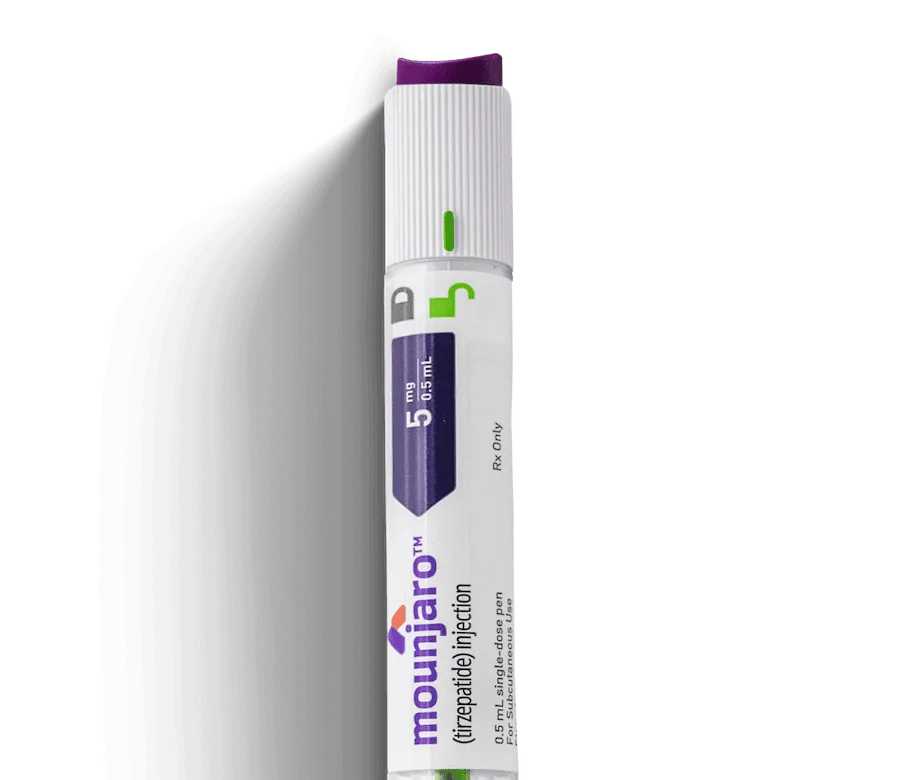
Mounjaro®
Liraglutide
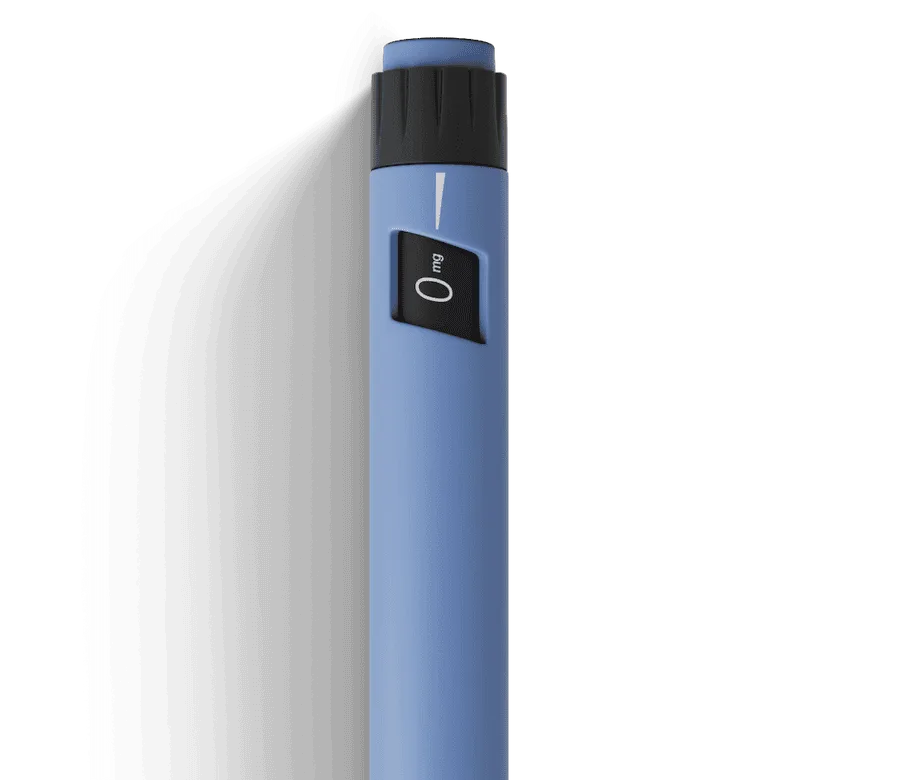
Mounjaro® and alcohol: Will it worsen side effects?
If you’re already dealing with some digestive side effects from Mounjaro®, drinking alcohol could make things noticeably harder on your stomach. In clinical trials, the most commonly reported side effects included nausea, diarrhea, vomiting, constipation, stomach pain, and indigestion, and these are also common side effects of drinking alcohol.
Here’s how the two can interact:
- Nausea and vomiting: Alcohol irritates the stomach lining and triggers more acid production. If Mounjaro® is already making you feel a little queasy, that irritation can make things a lot worse.
- Diarrhea: Alcohol speeds up gut motility on its own—meaning it makes things move through your digestive system faster. Add Mounjaro®‘s effects on digestion, and that can add up to more frequent or urgent episodes.
- Stomach pain and indigestion: Alcohol is a common trigger for acid reflux and heartburn. If Mounjaro® is already causing some indigestion, alcohol can make that significantly worse.
- Dehydration: Alcohol makes your body lose fluids faster than usual. If Mounjaro® is already causing vomiting or diarrhea, that dehydration risk gets more serious—the prescribing information specifically links dehydration from GI side effects to potential kidney stress.
It’s also worth knowing where you are in your treatment when you decide to drink. Mounjaro® is started at 2.5 mg, and the dose is gradually increased over time (a process called titration), giving your body time to adjust. But those adjustment periods can also be when side effects are most active, and clinical trial data show that nausea and diarrhea tend to be more common as your dose goes up.
Drinking during those periods puts your digestive system under extra pressure. If you notice your symptoms getting worse after having a drink, it’s worth skipping alcohol for a while and bringing it up with your healthcare provider.
Mounjaro® and alcohol: How does it affect weight loss?
If you’re taking Mounjaro for weight loss, alcohol is something worth understanding, as it may affect progress in ways that are easy to miss.
Alcohol adds calories that your body doesn’t benefit from
Calorie for calorie, alcohol is more calorie-dense than carbohydrates or protein, and it doesn’t give you fiber or protein to help you feel full.
In fact, a study has found a pretty consistent pattern in men: people who kept drinking regularly tended to lose less weight over time than those who didn’t.
The picture is less clear for women — research suggests that women who drink lightly may compensate by eating less from other sources, and may burn off more of alcohol’s calories, meaning light drinking doesn’t always translate to weight gain. But heavy drinking was still associated with weight gain in women, too. And regardless of sex, for those actively trying to lose weight, the extra calories from alcohol still add up.
What alcohol does to your eating habits
Beyond what’s in the glass, alcohol has a way of changing what ends up on your plate. One study showed that people who drank more also ate more overall, suggesting that alcohol tends to sit on top of what you’d normally eat rather than replace any of it.
Alcohol also affects the hunger hormones that tell your brain when you’re full, which can make you feel hungrier. And because it lowers the brain’s decision-making guard, it becomes easier to reach for higher-calorie foods in the moment. Mounjaro® is actively working to reduce appetite and support better food choices, and alcohol can quietly soften both of those effects.
Practical strategies for drinking on Mounjaro®
Being on Mounjaro® doesn’t mean you have to give up drinking entirely, but it does mean your approach to it might need a small rethink. A few simple habits can go a long way toward helping you feel your best.
Give alcohol more time than you think it needs
As covered earlier, it might take longer for you to feel the effects of alcohol while you’re taking Mounjaro®. That delay can make it tempting to have another before the first drink has fully caught up. Starting with less than your usual amount and giving yourself some buffer time before reaching for another drink is one of the most practical things you can do.
Have a meal first
A study shows that a balanced meal before drinking may help slow alcohol absorption and reduce peak blood alcohol levels. This is especially important on Mounjaro®, where drinking on an empty stomach can make nausea noticeably worse and may increase the risk of blood sugar dipping too low—particularly if you’re also on insulin or certain diabetes medications.
Stay hydrated
Given that dehydration is already a concern on Mounjaro®, drinking enough water alongside any alcoholic drink is important. Sipping water between drinks helps your body stay hydrated.
Know when to skip it
There are times when drinking just isn’t the right call, such as during dose increases, when you’re already feeling digestive side effects, or if you have a history of pancreatitis or gallbladder issues. Alcohol adds stress to a system that’s already working hard, and recognizing those moments is part of taking Mounjaro® safely.
Mounjaro and alcohol: When to talk to your healthcare provider
Your healthcare provider knows your full health picture—your medications, your history, your individual risk factors—and that makes them the best person to talk to when you have questions about alcohol and Mounjaro®.
It’s worth starting that conversation if:
- You take insulin or other diabetes medications alongside Mounjaro®
- You’ve had symptoms of low blood sugar after drinking
- You have a history of pancreatitis, gallbladder issues, or liver disease
- Your Mounjaro® side effects seem to get worse when you drink, even in small amounts
- You’ve been finding it harder than usual to control how much you drink
- You want guidance that’s specific to your situation
You don’t need to wait until something goes wrong to ask the question. A quick conversation can help you understand your personal risks and feel more confident about the choices you’re making.
Frequently asked questions about Mounjaro® and alcohol
Have questions about drinking on Mounjaro®? Here are the ones that come up most often and what we know so far.
Can you drink alcohol while taking Mounjaro®?
For many people, yes, though the full picture is a bit more nuanced than that. The prescribing information doesn’t prohibit alcohol, but Eli Lilly has been clear that they haven’t studied how tirzepatide and alcohol interact, so there isn’t much manufacturer data to go off. Paying close attention to how your body responds and checking in with your healthcare provider is the most reliable approach.
Does Mounjaro® lower alcohol tolerance?
It’s less about tolerance and more about timing. Alcohol may take longer to feel noticeable on Mounjaro®, then show up stronger than expected once it does, which is exactly the kind of thing that catches people off guard. Giving yourself more time between drinks than you used to is a simple habit that can make a real difference.
Can alcohol worsen Mounjaro® side effects?
Yes, it can. Alcohol can irritate the digestive system, which may make side effects like nausea, vomiting, diarrhea, indigestion, or stomach discomfort feel more noticeable. If you’re already dealing with side effects from Mounjaro®, you may find that drinking makes those symptoms harder to manage, especially during the first few weeks of treatment or after a dose increase.
Is alcohol safe during weight loss with Mounjaro®?
Alcohol doesn’t stop Mounjaro® from working, but it can make weight loss more challenging in some situations. Alcoholic drinks add calories, and drinking can sometimes influence appetite, food choices, and daily routines in ways that make it harder to stay aligned with your goals. An occasional drink may fit into many people’s plans, but it’s helpful to stay mindful of how alcohol affects your progress over time.
Should you avoid alcohol completely on tirzepatide?
Not necessarily. Some people can enjoy alcohol occasionally while taking tirzepatide without major issues, while others may find that it worsens side effects. Avoiding alcohol may be the safer choice if you have a history of pancreatitis, struggle with low blood sugar, are dealing with significant side effects, or your healthcare provider has advised you not to drink.
Reviews from real Noom users
Desirea N. — Real Noom user
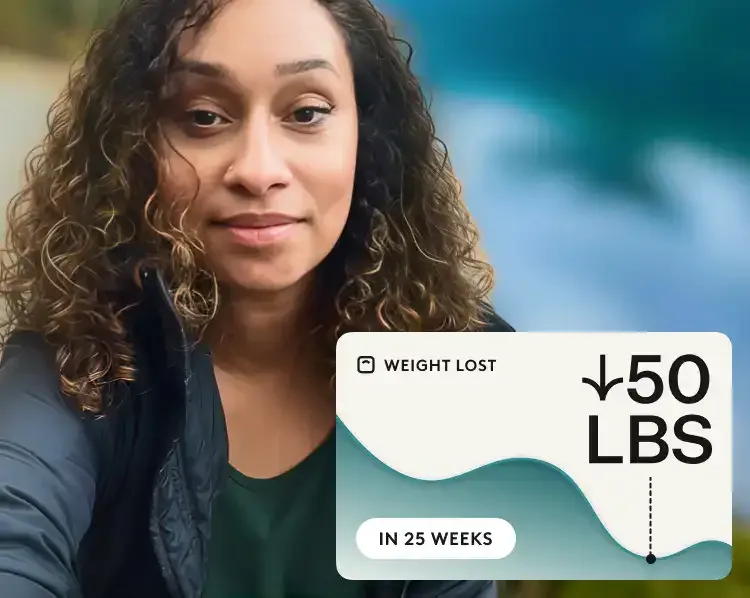
“My favorite parts of Noom are the care team and other Noomers. Sharing and getting help made me feel like I wasn’t doing it alone. That support made all the difference.”
Desirea N. — Real Noom user
Matthew M. — Real Noom user
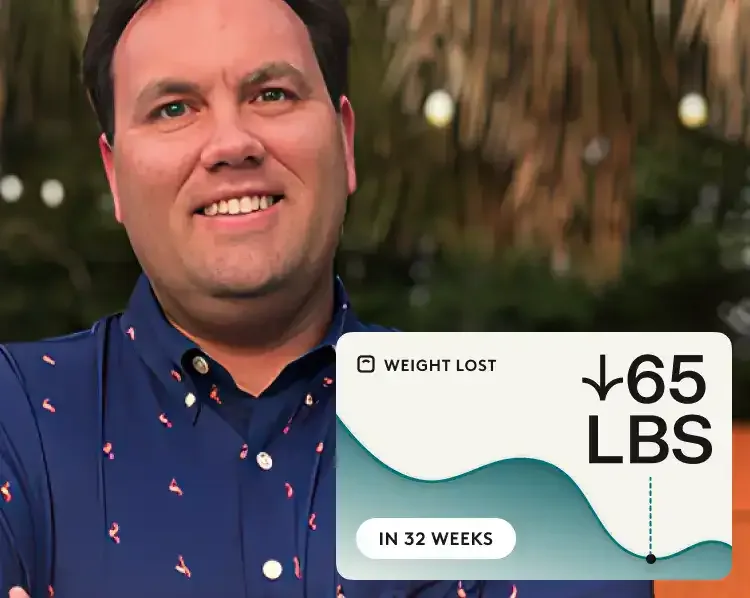
“Noom has taught me that every day is a new chance to make better, healthier choices. It's taught me how to stop overeating.’’
Matthew M. — Real Noom user
Lila M. — Real Noom user
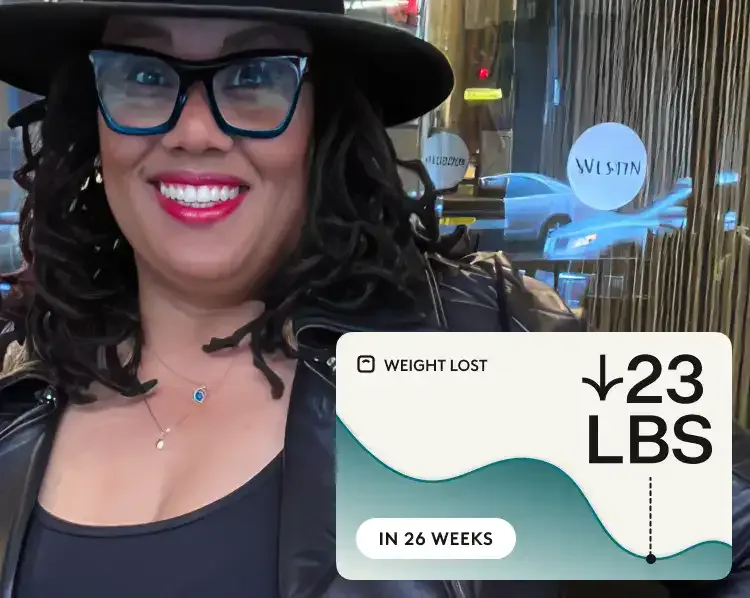
“Clinicians who understand how supportive medication can be is one of the best parts of Noom! I was convinced I wouldn’t have success but I’m down 11 pounds in two months.’’
Lila M. — Real Noom user
Steve M. — Real Noom user
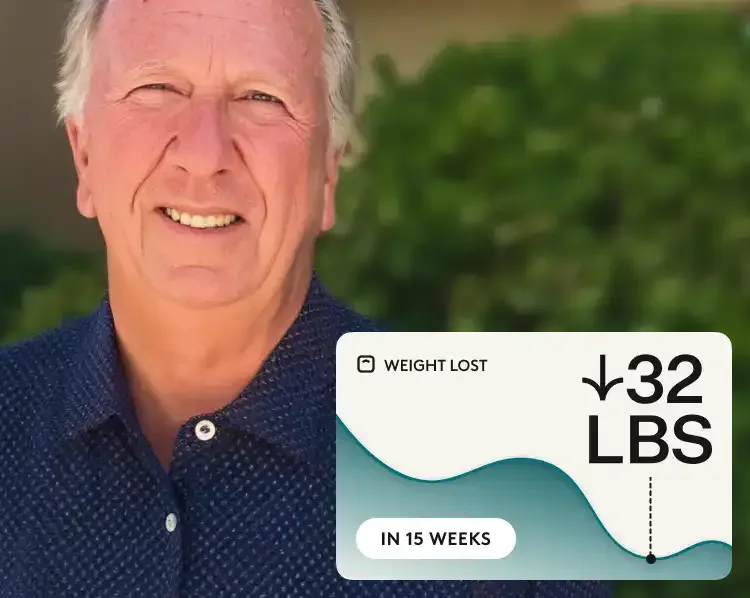
“Noom provided me with the medication which I could not get through Medicare. I have learned the tricks to better eating and life in general.”
Steve M. – Real Noom user
Daisy R. — Real Noom user
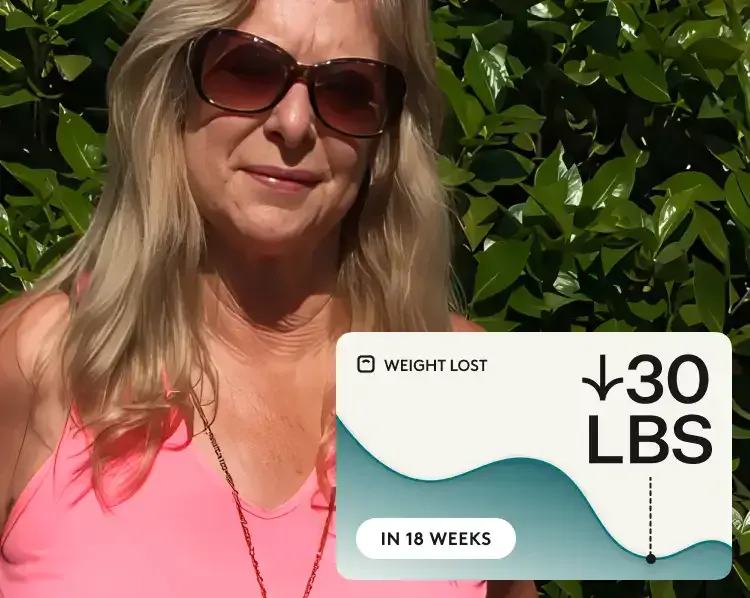
‘’Noom has changed my life and I’m so thankful, I feel great, have more energy and am no longer prediabetic.”
Daisy R. – Real Noom user
Sarah R. — Real Noom user
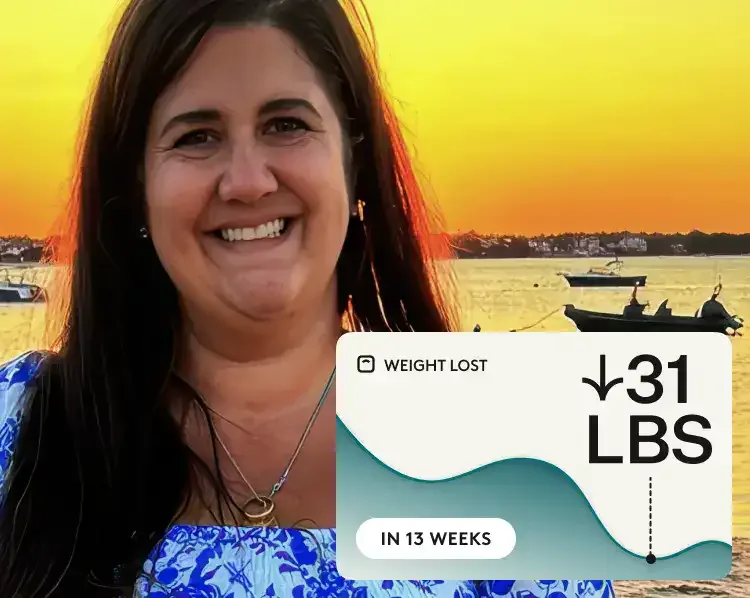
“All of the Noom providers that I’ve met with have been exceptional and prescribed medications that are appropriate for my situation and health.”
Sarah R. – Real Noom user
Madison S. — Real Noom user
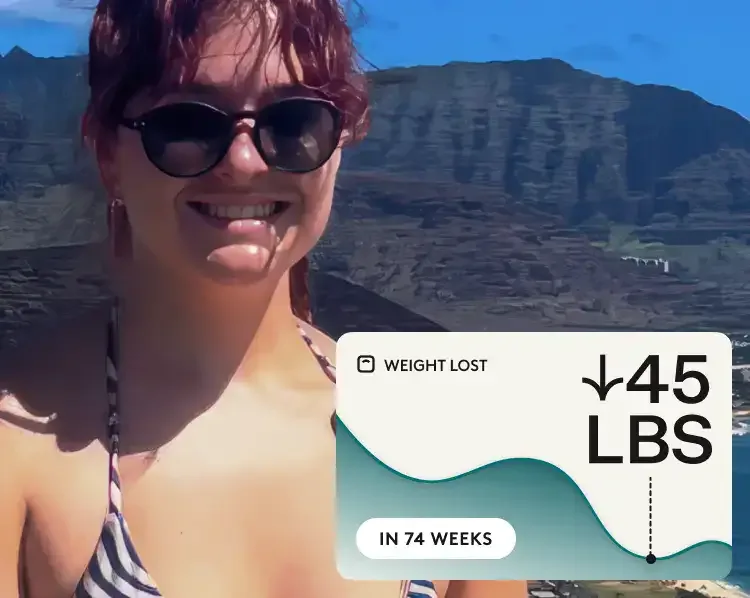
“Noom made the process so simple and now I feel full, free from diet obsession, and at ease in my body again.”
Madison S. – Real Noom user
Sonday K. — Real Noom user
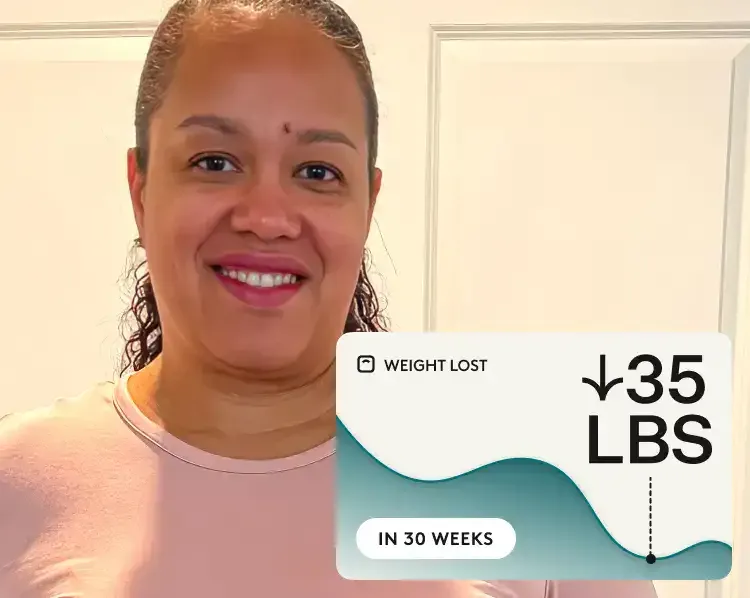
“My doctor recommended Noom after I was frustrated trying to lose weight. The lessons helped change my relationship with food. My body feels lighter & energized.”
Sonday K. – Real Noom user
Cam K. — Real Noom user
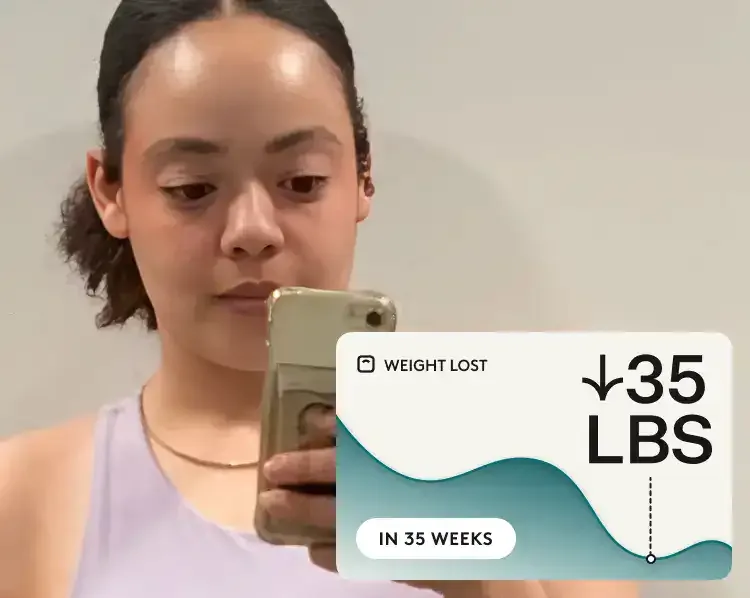
“I built healthy habits with coaching and lessons that make me confident I can maintain my weight loss long term.”
Cam K. – Real Noom user
Laura TR. — Real Noom user
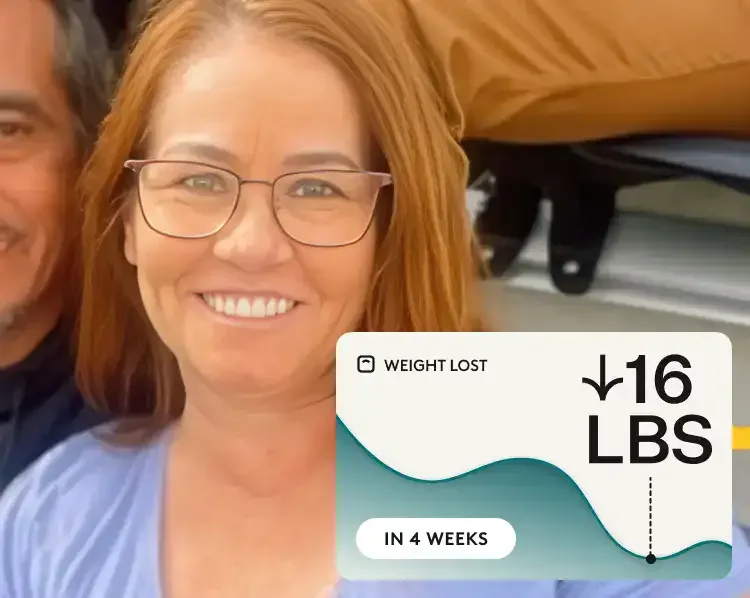
“With the right medication through Noom, hunger and sugar cravings finally quieted and I have the tools to break the cycle.”
Laura TR. – Real Noom user
Jessica S. — Real Noom user
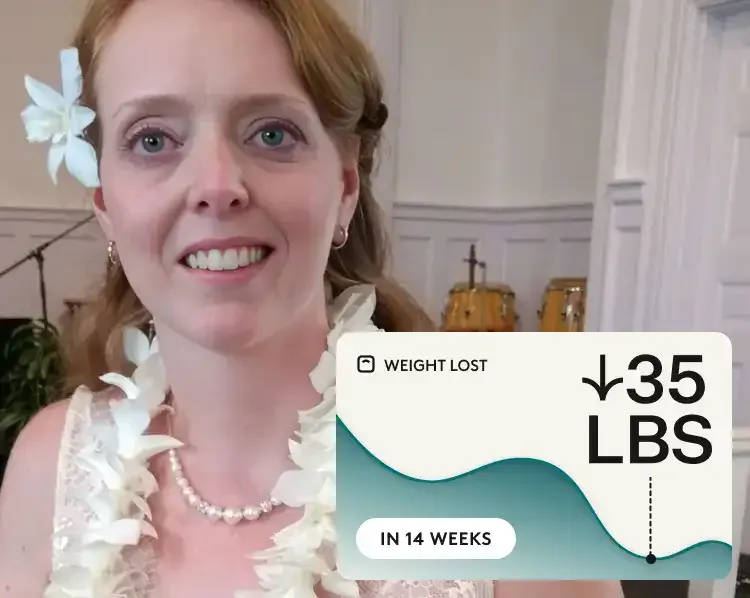
“Cravings and food noise are gone, I finally feel confident in the healthy habits I’ve built to last with Noom.”
Jessica S. – Real Noom user
The bottom line: Drinking alcohol while taking Mounjaro® might feel different from before
Mounjaro® doesn’t come with a no-drinking rule, but it does change enough about how your body works that alcohol may feel like a different experience than you’re used to. The effects can show up later and feel stronger, digestive side effects can get louder, and some people notice they’re just not that interested in drinking the way they once were. Going in informed puts you in a much better position to make choices that actually work for you.
From a weight loss standpoint, the occasional drink isn’t going to undo your progress, but regular drinking can chip away at it in ways that are easy to overlook. A few practical habits, like eating before drinking, sipping water between drinks, and giving yourself extra time between rounds, can help you feel more comfortable and avoid unpleasant surprises. When in doubt, your healthcare provider can give you guidance that’s actually tailored to your situation.
If you get your medication through Noom Med, keep track of how you feel after drinking, especially if you notice nausea, stomach discomfort, dizziness, or changes in appetite. Logging those patterns can make it easier to talk with your Care Team about what’s working, what feels off, and what may need adjusting.
Note: Mounjaro® is not FDA-approved to treat obesity or for weight loss.
Editorial standards
At Noom, we’re committed to providing health information that’s grounded in reliable science and expert review. Our content is created with the support of qualified professionals and based on well-established research from trusted medical and scientific organizations. Learn more about the experts behind our content on our Health Expert Team page.