
What you’ll learn:
- Medicare GLP-1 Bridge Program will offer Wegovy® injection and pill, and a few other weight-loss GLP-1s, to people who qualify for $50 a month.
- The program started in July 2026 and runs through December 2027.
- Eligibility is based on BMI and health conditions, but if you have already been on a GLP-1, it will refer to your health picture when you first started treatment.
- Find out how Noom can help you access Medicare GLP-1 Bridge Program medications.
Ask whether Medicare covers Wegovy® for weight loss, and until recently, the answer was always no. Beginning July 1, 2026, that changed. The new Medicare GLP-1 Bridge Program will allow eligible Medicare beneficiaries to get certain weight-loss GLP-1 medications, including the Wegovy® injection and pill, for $50 a month.
The change is notable because Medicare has never been authorized to cover medications prescribed solely for weight loss under its standard Part D drug benefit. When Part D launched in 2006, weight loss medications were largely viewed as lifestyle treatments rather than medical therapies and were excluded from coverage.
Today, that view is shifting. Obesity is increasingly recognized as a chronic disease, and medications like Wegovy® have demonstrated benefits that extend beyond weight loss.
The Medicare GLP-1 Bridge Program is an attempt to expand access while policymakers determine what long-term Medicare coverage for obesity treatment should look like. It’s important to understand, however, that the Medicare GLP-1 Bridge Program is temporary, has specific eligibility requirements, and operates separately from traditional Medicare Part D coverage.
Here’s everything you need to know about what Medicare currently covers, how the new Medicare GLP-1 Bridge Program works, who qualifies, and how Noom’s Medicare Bridge pathway can help.
Noom’s Most Powerful Program
A dual-pathway GLP-1 and behavior change for lasting results.
What is the Medicare GLP-1 Bridge Program?
Medicare GLP-1 Bridge Program was created to give people who are medically in need of weight loss a lower, predictable price on GLP-1 weight-loss medications—while the government works out what permanent coverage should look like. It isn’t a new insurance plan, and you don’t sign up for it, though you need to have Part D coverage to qualify.
Coverage starts July 1, 2026, and is currently set to run through December 31, 2027. Because it operates on its own track, a single central processor handles the approvals, claims, and pharmacy payments, and your Part D plan neither manages it nor absorbs any of the cost.
The essentials:
- Covered medications are the Wegovy® injection and pill, the Zepbound® KwikPen®, and the Foundayo® pill.
- You pay $50 a month, and that price holds at every dose.
- It’s available in all 50 states plus U.S. territories.
Which forms of Wegovy® does the Medicare GLP-1 Bridge Program include?
The Medicare GLP-1 Bridge Program includes the Wegovy® injection and pill for eligible beneficiaries. The $50 monthly copay is identical no matter which one you and your clinician choose.
Both contain the same active ingredient, semaglutide, and work the same way in the body by lowering appetite, slowing digestion, and regulating blood sugar. What separates them is how the medication is delivered and how often you take it. Each form starts low and steps up gradually over a few months, a process called titration that gives your body time to adjust.
They also have different weight loss averages. In clinical trials, people taking the Wegovy® injection lost an average of about 18.7% of their starting weight when they reached the 7.2 mg dose. The Wegovy® pill was associated with an average weight loss of about 14% after 64 weeks of treatment. Individual results vary, and both medications work best when combined with lifestyle changes.
Wegovy® injection
The injection is a once-weekly shot you give yourself under the skin, in the abdomen, thigh, or upper arm, using a single-dose prefilled pen. You can take it on any day at any time, with or without food, as long as you keep to the same day each week.
- How the dose increases: The dose is increased slowly, about every 4 weeks, until you reach the dose that gives you the best results with the fewest side effects.
- What is it approved for: The injection is FDA-approved for three uses: weight management, lowering the risk of heart disease, and treating MASH.
- How does Medicare coverage work? If you qualify for the Medicare GLP-1 Bridge Program, it’s covered at $50 a month when prescribed for weight loss. If your clinician prescribes it for heart-risk reduction or MASH, that prescription runs through your regular Medicare Part D plan rather than the Medicare GLP-1 Bridge Program.
Wegovy® pill
The pill is taken once a day in the morning with a small sip of water (no more than 4 ounces), and you need to wait 30 minutes before eating or drinking anything else.
- How the dose increases: Dosing starts at 1.5 mg once daily and will typically be increased every 30 days until you find the dose that gives you the best results with the fewest side effects.
- What is it approved for: The pill is also approved for weight management, lowering the risk of heart disease, and treating MASH.
- How does Medicare coverage work? If you qualify for the Medicare GLP-1 Bridge Program, the pill carries the same $50 monthly copay as the injection for weight loss. If your clinician prescribes it for heart-risk reduction or MASH, that will be handled through your regular Medicare Part D plan rather than the Medicare GLP-1 Bridge Program. Our guide to the Wegovy® pill cost covers the daily option in more detail.
Who qualifies for Wegovy® through the Medicare GLP-1 Bridge Program?
Two boxes have to be checked.
- First, the plan. You need to be enrolled in a Medicare Part D plan, either a standalone drug plan or a Medicare Advantage plan that bundles in drug coverage.
- Second, you need to qualify to take the medication under Medicare GLP-1 Bridge Program rules.
It’s worth a quick refresher on how Medicare handles drugs. Original Medicare (Part A for hospital stays, Part B for outpatient care) doesn’t pay for take-home prescriptions at all. That coverage lives in Part D and in Medicare Advantage plans that include it.
Access GLP-1 Weight Loss with Noom
Explore a wide range of prescription medications supported by Noom’s program.
Microdose GLP-1rx
Noom GLP-1rx
Noom GLP-1rx Plus
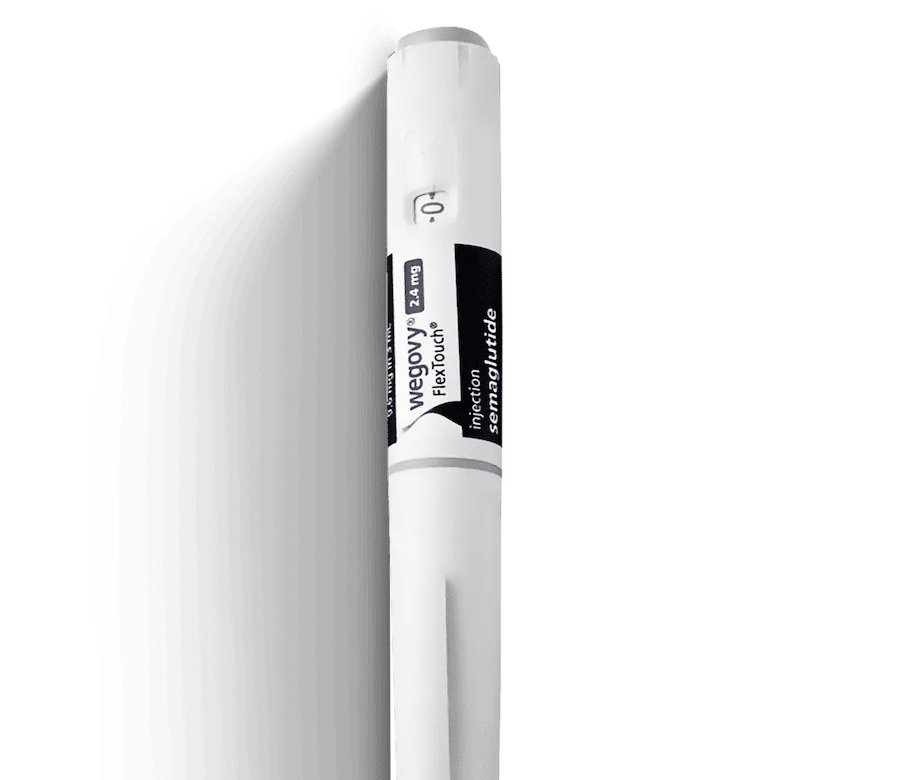
Wegovy®
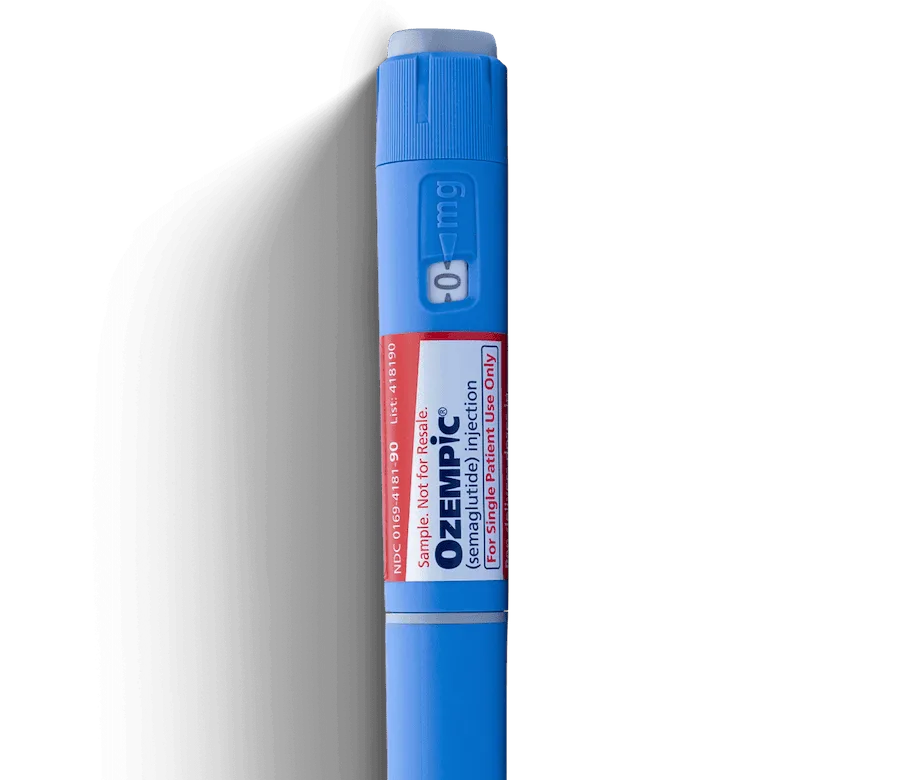
Ozempic®
Metformin
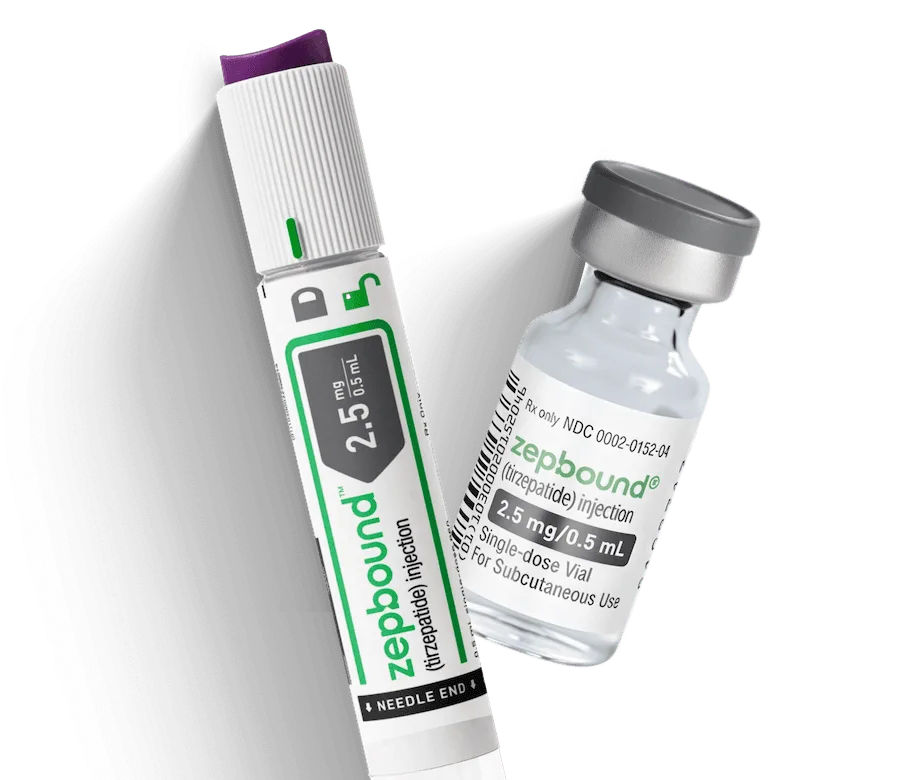
Zepbound®
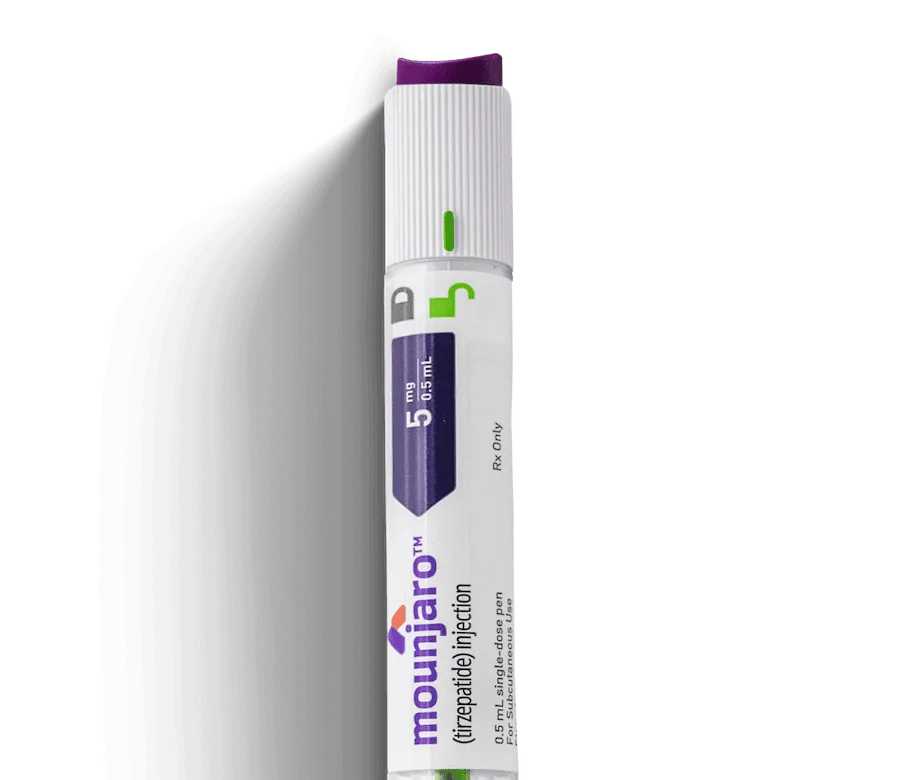
Mounjaro®
Liraglutide
A Medigap policy can soften your other out-of-pocket costs, but it adds no drug coverage of its own. So the Medicare GLP-1 Bridge Program is anchored to Part D.
On the clinical side, the program has certain BMI and comorbidity rules for who qualifies. A high enough BMI clears you on its own; a lower BMI works if you also have another qualifying condition. This table lays out what to expect:
| BMI (when you first started GLP-1 medication) | What else has to be true |
|---|---|
| 35 or higher | Nothing else needed; the BMI alone qualifies you. |
| 30 or higher | Plus one of these: heart failure with preserved ejection fraction, high blood pressure that stays above 140/90 despite two medications, or chronic kidney disease at stage 3a or beyond. |
| 27 or higher | Plus one of these: pre-diabetes (by ADA guidelines), a prior heart attack, a prior stroke, or symptomatic peripheral artery disease. |
The qualifications refer to your current situation or your health profile when you first started GLP-1 medication therapy. For example, someone who began Wegovy® in early 2025 at a BMI of 35 and has since brought it down to 33 would still qualify for coverage and continued treatment. That’s also true if you started a GLP-1 before you ever joined Medicare.
A few plan types are left out. If you’re in a private fee-for-service plan, a PACE program, or certain other arrangements, you generally can’t use the Medicare GLP-1 Bridge Program unless you also carry a standalone Part D plan.
How Noom can help you use the Medicare GLP-1 Bridge Program
Because the Medicare GLP-1 Bridge Program runs through its own prior-authorization process rather than a standard prescription, getting access can mean extra paperwork. Noom’s Medicare Bridge program is built to handle that on your behalf if you qualify:
- Noom handles the prescribing and paperwork. A Noom clinician evaluates your eligibility and, if appropriate, prescribes a covered medication and submits the prior authorization and insurance paperwork required by the Medicare GLP-1 Bridge Program.
- Free shipping from Noom’s partner pharmacy, with medication sent directly to your door.
- You’ll pay $50 per fill if you’re eligible, billed through your Medicare GLP-1 Bridge Program benefit, applying every time your prescription is filled, at any dose.
There are two separate costs not covered by Medicare to factor in beyond the medication itself:
- $39 to get started: Covers your first evaluation with a Noom clinician, done entirely online.
- $99 a month: For your Noom Med plan, which covers your care team, ongoing clinical support, and all the benefits of Noom, including habit-building tools, a vibrant community, recipes, on-demand exercises, and more. (Billed as $297 every 12 weeks)
See if you’re eligible for Noom Medicare Bridge.
What the Medicare GLP-1 Bridge Program doesn’t cover
The Medicare GLP-1 Bridge Program just covers weight management. Here are a few important points to keep in mind:
- If you already get a GLP-1 through Part D for a covered condition, such as heart-risk reduction or MASH, it stays on your plan. You can’t move that same prescription onto the Medicare GLP-1 Bridge Program.
- The $50 copay never counts toward your Part D deductible or your $2,100 out-of-pocket maximum.
- Extra Help doesn’t apply. If you’re used to $5 or $10 copays through that subsidy, the $50 will feel like a real line item.
Any GLP-1 prescription that qualifies for Part D isn’t covered by the Medicare GLP-1 Bridge Program.
Does Medicare cover Wegovy® for heart disease?
Yes, for certain people. In March 2024, the FDA approved Wegovy® to cut the risk of major cardiovascular events (heart attack, stroke, and cardiovascular death) in people with heart disease and a BMI of 27 or higher.
Does Medicare cover Wegovy® for MASH?
It can. MASH (metabolic dysfunction-associated steatohepatitis) is a serious fatty liver disease that scars the liver as it advances. In August 2025, the FDA gave accelerated approval to the Wegovy® injection (semaglutide 2.4 mg) for adults with noncirrhotic MASH and moderate-to-advanced scarring, the first GLP-1 cleared for the condition.
Like the heart-disease route, MASH coverage flows through regular Part D rather than the Medicare GLP-1 Bridge Program, and it comes with prior authorization. Expect your doctor to submit records confirming the diagnosis and that you meet the treatment criteria, which can mean liver function tests and fibrosis staging.
Does Medicare GLP-1 Bridge Program cover every GLP-1?
No. It names a specific set of weight-management products: Wegovy® (both forms), the Zepbound® KwikPen, and Foundayo®. Other GLP-1s may still be covered through standard Part D when they treat something Medicare recognizes, like diabetes. Here’s the wider picture:
| Active ingredient | What it’s FDA-approved to treat | Where Medicare coverage stands* |
|---|---|---|
| Semaglutide | Wegovy® injection & pill: Weight management; heart-risk reduction; MASH Ozempic® & Ozempic pill® : Type-2 diabetes | Wegovy: Both forms are covered through the Medicare GLP-1 Bridge Program for weight loss. They go through Part D for heart disease or MASH. Ozempic: May be covered by Part D for diabetes. |
| Orforglipron | Foundayo®: Weight management | Covered through the Medicare GLP-1 Bridge Program for weight loss if you qualify. No other FDA-approved use yet, so no standard Part D route. |
| Tirzepatide | Zepbound® : Weight management; OSA Mounjaro®: Diabetes | Zepbound: Only the KwikPen runs through the Medicare GLP-1 Bridge Program; the single-dose pen may be covered by Part D for OSA. The single-dose vials aren’t covered and are cash-pay only through Lilly Direct. Mounjaro: May be covered by Part D for diabetes. |
Liraglutide | Saxenda®: Weight management Victoza® Type 2 diabetes; heart risk Generic liraglutide: Weight management; Type 2 diabetes; heart risk | Saxenda®: Not on the Medicare GLP-1 Bridge Program list, and not covered for weight loss. Victoza®: May be covered by Part D for diabetes or heart disease. Generic liraglutide: Not on the Medicare GLP-1 Bridge Program list, and not covered for weight loss. May be covered by Part D for diabetes or heart disease. |
*What your plan actually covers depends on its formulary, prior authorization rules, and any step therapy requirements. Check with your plan before you count on anything.
Read more: Does Medicare cover weight loss drugs?

The Easy Way
to lose weight and get healthy.
Medicare GLP-1 Bridge Program and Wegovy: What the program changes
Here’s what changes with the program:
- Eligible Part D members can fill the Wegovy® injection or pill for weight loss at $50 a month.
- Your prescriber doesn’t have to be a Medicare-enrolled provider to write the prescription or request Medicare GLP-1 Bridge Program approval.
Keep one thing in perspective: the underlying law hasn’t changed. Congress hasn’t opened Medicare to weight-loss drugs in general. This is a time-limited experiment, and what happens after December 2027 is still unwritten.
What if you don’t qualify, or the Medicare GLP-1 Bridge Program ends?
You still have options. Novo Nordisk sells Wegovy® to cash payers through NovoCare® Pharmacy. While the price isn’t $50 a month, it’s cheaper than the retail price of about $1,350.
Wegovy injection
- $199: 0.25 mg and 0.5 mg
- $349:1 mg, 1.7 mg, and 2.4 mg
- $399: 7.2 mg
Wegovy pill
Our breakdown of Wegovy® cost without insurance runs through the options.
*$149 pricing for 4 mg available until August 31, 2026, then $199/month.
Frequently asked questions about Medicare coverage for Wegovy®
Getting Wegovy® through Medicare typically starts with a conversation with your healthcare provider. They can determine whether Wegovy® is appropriate for your situation and help you understand whether you meet any coverage requirements. From there, you’ll need to check your specific Medicare plan’s formulary, coverage rules, and potential out-of-pocket costs. Because coverage can vary between plans, it’s worth reviewing your benefits carefully before filling a prescription.
How do I actually get Wegovy® through Medicare?
If you’re in an eligible Part D plan and meet the criteria, your provider submits a prior authorization to the Medicare GLP-1 Bridge Program’s processor. After it clears, you pick up the Wegovy® injection or pill at the pharmacy or can have it delivered if using Noom’s program. If the prescription is for heart disease or MASH instead, it goes through your regular Part D plan, not the Medicare GLP-1 Bridge Program.
What will Wegovy® cost me on Medicare?
Through the Medicare GLP-1 Bridge Program, $50 a month for any dose and for either form. Just remember that $50 doesn’t build toward your deductible or out-of-pocket cap. If you’re covered through Part D for heart disease or MASH instead, your cost follows your plan’s drug tier and benefit phase.
Which diagnoses open up Wegovy® coverage?
For the Medicare GLP-1 Bridge Program, it’s weight management paired with a qualifying BMI, sometimes alongside a condition like pre-diabetes, a cardiac history, or kidney disease. Outside of the Medicare GLP-1 Bridge Program, standard Part D may cover Wegovy® for heart-risk reduction or MASH.
Does Medicare cover Zepbound®?
Starting July 1, 2026, the Medicare GLP-1 Bridge Program will also cover the Zepbound® KwikPen for weight loss at $50 a month. Apart from that, Zepbound® can be covered by Part D for obstructive sleep apnea (OSA). Read more about Zepbound coverage through the Medicare GLP-1 Bridge program.
Reviews from real Noom users
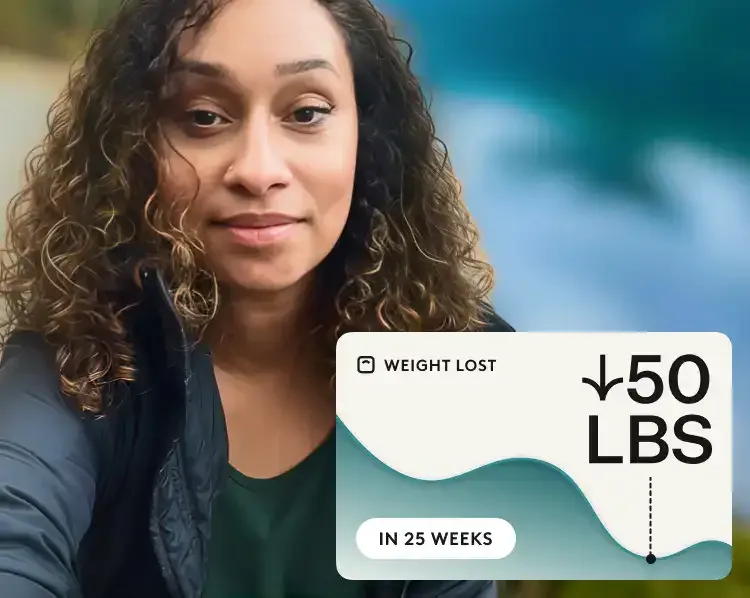
“My favorite parts of Noom are the care team and other Noomers. Sharing and getting help made me feel like I wasn’t doing it alone. That support made all the difference.”
Desirea N. — Real Noom user
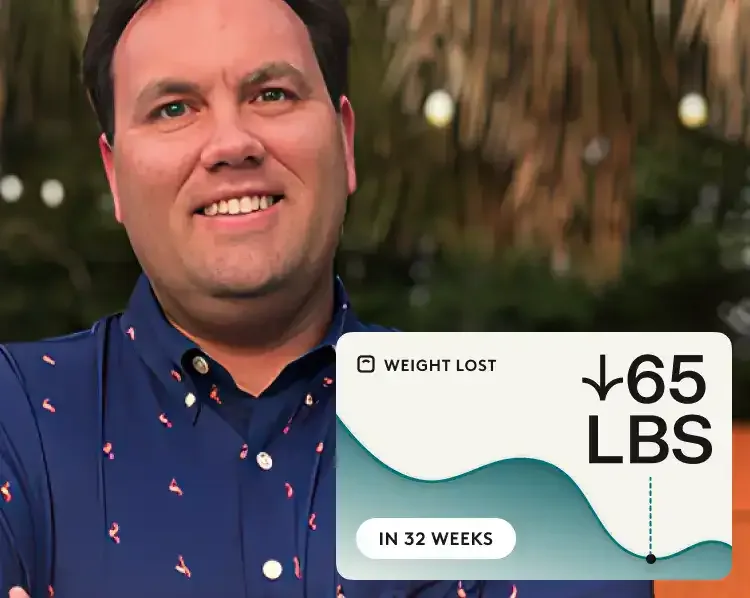
“Noom has taught me that every day is a new chance to make better, healthier choices. It’s taught me how to stop overeating.”
Matthew M. — Real Noom user
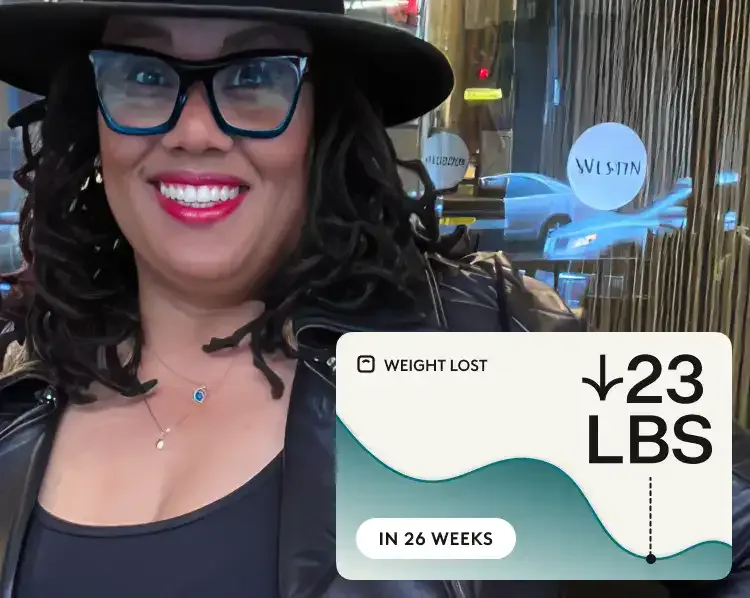
“Clinicians who understand how supportive medication can be is one of the best parts of Noom! I was convinced I wouldn’t have success but I’m down 11 pounds in two months.”
Lila M. — Real Noom user
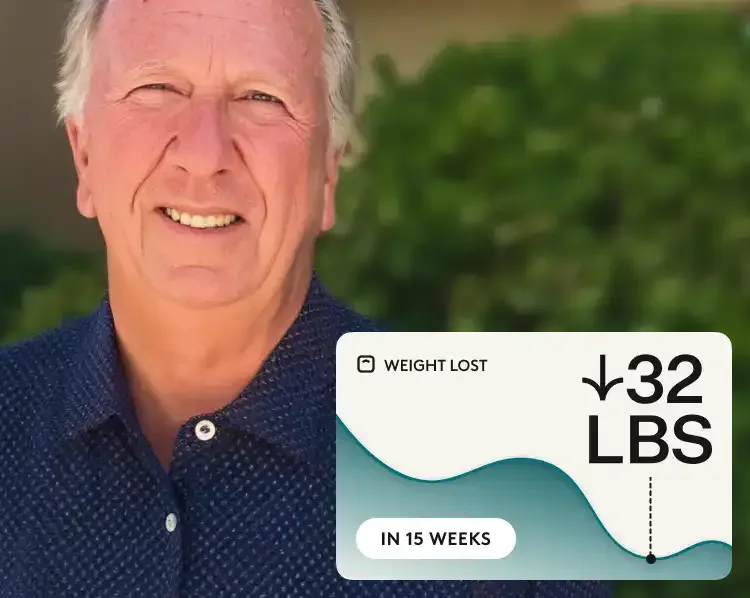
“Noom provided me with the medication which I could not get through Medicare. I have learned the tricks to better eating and life in general.”
Steve M. – Real Noom user
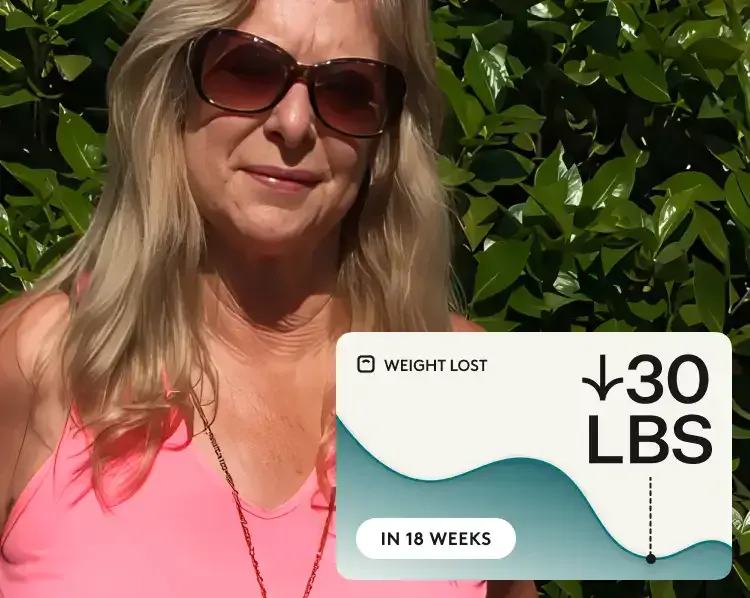
“Noom has changed my life and I’m so thankful, I feel great, have more energy and am no longer prediabetic.”
Daisy R. – Real Noom user
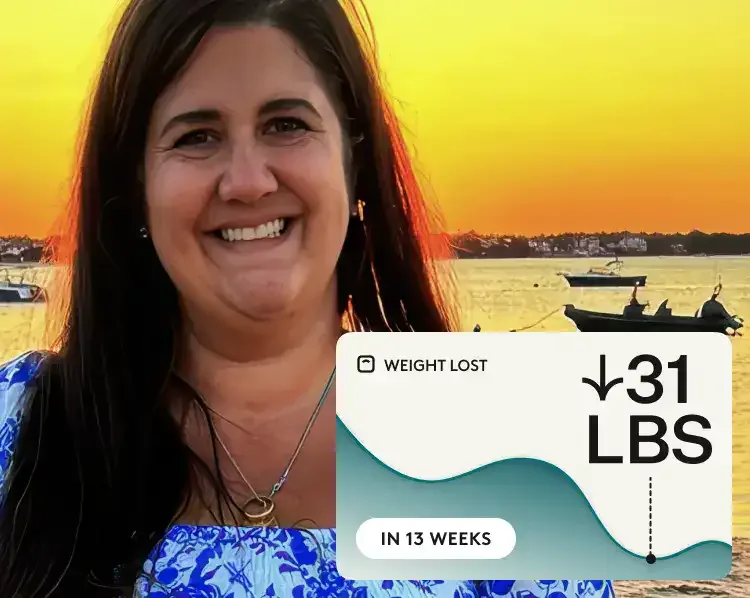
“All of the Noom providers that I’ve met with have been exceptional and prescribed medications that are appropriate for my situation and health.”
Sarah R. – Real Noom user
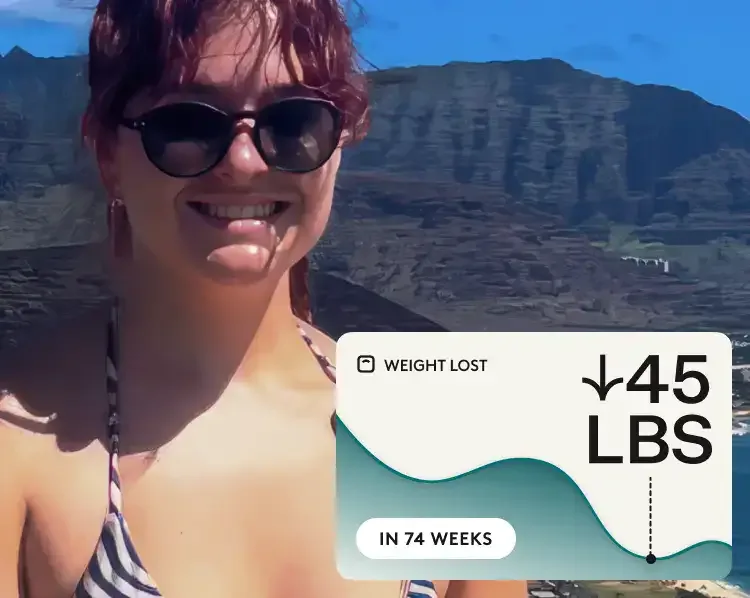
“Noom made the process so simple and now I feel full, free from diet obsession, and at ease in my body again.”
Madison S. – Real Noom user
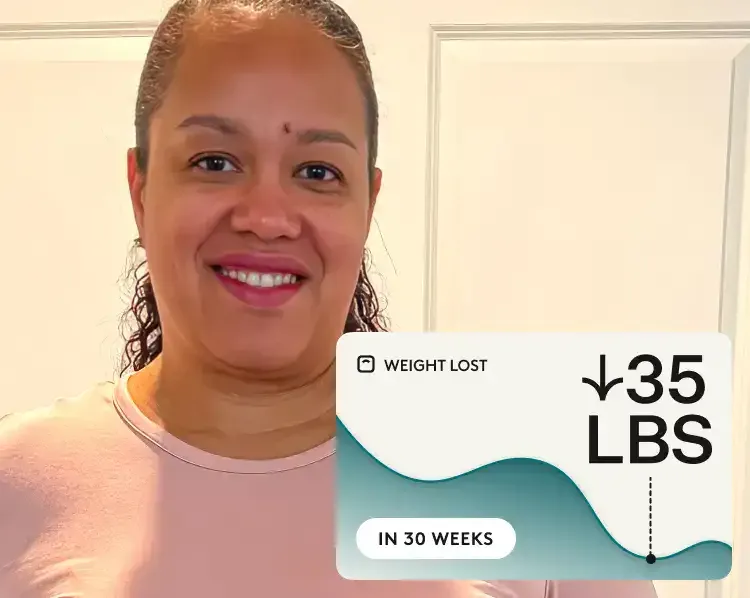
“My doctor recommended Noom after I was frustrated trying to lose weight. The lessons helped change my relationship with food. My body feels lighter & energized.”
Sonday K. – Real Noom user
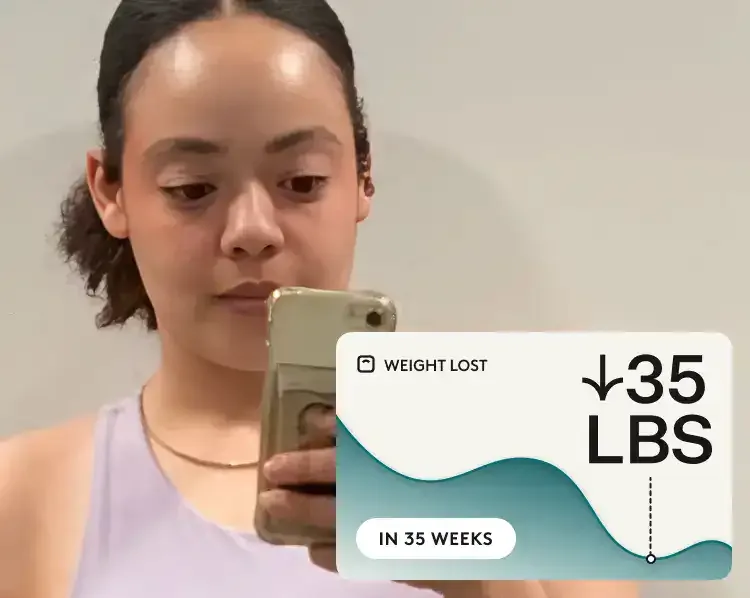
“I built healthy habits with coaching and lessons that make me confident I can maintain my weight loss long term.”
Cam K. – Real Noom user
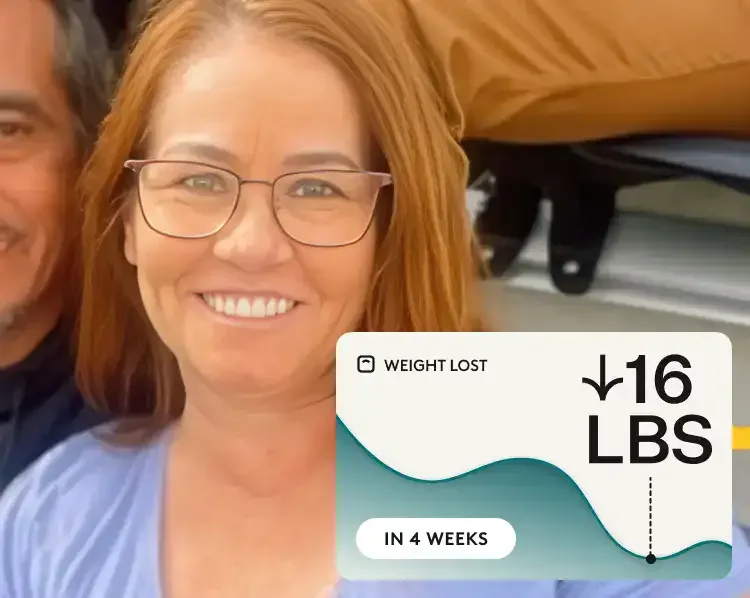
“With the right medication through Noom, hunger and sugar cravings finally quieted and I have the tools to break the cycle.”
Laura TR. – Real Noom user
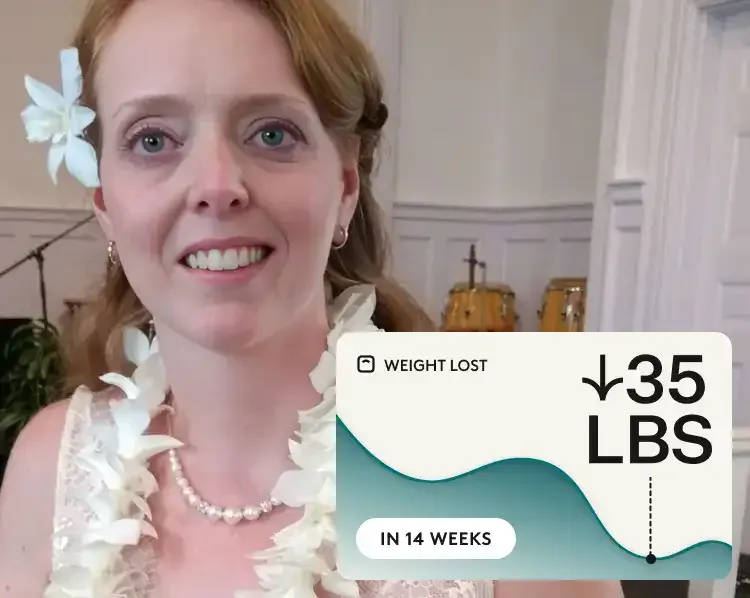
“Cravings and food noise are gone, I finally feel confident in the healthy habits I’ve built to last with Noom.”
Jessica S. – Real Noom user
The bottom line: The Medicare GLP-1 Bridge Program will cover Wegovy® for qualified people
For years, Medicare beneficiaries who wanted Wegovy® for weight loss would have to pay cash prices. Medicare drug coverage doesn’t pay for medications prescribed solely for obesity, leaving many people to cover the full cost themselves.
The Medicare GLP-1 Bridge Program changes that, at least temporarily. Starting July 1, 2026, eligible beneficiaries with Medicare Part D can access the Wegovy® injection or pill for $50 a month, regardless of dose. The program also covers the Zepbound® KwikPen and Foundayo®, giving people on Medicare more affordable access to medications that were previously out of reach for many.
The details matter. Medicare GLP-1 Bridge Program coverage has specific BMI and health-condition requirements; the $50 copay doesn’t count toward your Part D spending limits, and the program is currently scheduled to end in December 2027. It’s also separate from ordinary Medicare Part D coverage, which may still cover Wegovy® for certain conditions.
If you’re interested in Wegovy®, Noom Med is here for you. Noom will work with you to determine whether you meet the Medicare GLP-1 Bridge Program eligibility requirements, whether another Medicare coverage pathway may apply, and which treatment option makes the most sense for your health goals and medical history.
This article is for general education and isn’t medical or insurance advice. Medicare rules, drug approvals, and prices change often. Confirm the current details with CMS, Medicare.gov, your plan, and your healthcare provider before deciding anything.
Editorial standards
At Noom, we’re committed to providing health information that’s grounded in reliable science and expert review. Our content is created with the support of qualified professionals and based on well-established research from trusted medical and scientific organizations. Learn more about the experts behind our content on our Health Expert Team page.