

What you’ll learn:
- Weight loss on tirzepatide often starts slowly, with significant changes typically appearing after several months of consistent use and dose adjustments.
- Most causes for slow progress are manageable with provider support, and fluctuations in weight are normal parts of the tirzepatide journey.
- Combining tirzepatide with healthy lifestyle habits and regular check-ins with your healthcare team can help you overcome challenges and achieve sustainable results.
When you first start taking tirzepatide, you might not know what to expect. You may have heard that taking Zepbound® or Mounjaro® off-label can lead to an average weight loss of 21% and that many people lose much more. But it can be discouraging if weight loss is slow or hasn’t started in the first few weeks.
Here’s the thing: Slow weight loss on tirzepatide is more common than people realize. The medication is introduced gradually, starting at the lowest dose, and your body needs time to adjust to minimize side effects. As you move up the doses, typically every 4 weeks, weight loss becomes steady, 1 to 2 pounds per week. That kind of weight loss is more sustainable than rapid weight loss and can help protect muscle mass as you lose weight.
Whether you’re dealing with slower-than-expected progress or weight loss has paused for some time, understanding what’s normal can help you move forward with confidence.
Below, we’ll walk through what typical weight loss looks like at each stage of treatment, why slowdowns and plateaus happen, and how healthcare providers assess whether tirzepatide is working for you. The goal is to help you set realistic expectations, understand what you’re experiencing, and have more informed conversations with your care team.
What is tirzepatide, and how does it support weight loss?
Tirzepatide works by mimicking two hormones your body naturally releases after you eat: GLP-1 (glucagon-like peptide-1) and GIP (glucose-dependent insulinotropic polypeptide). Both play roles in appetite regulation, digestion, and blood sugar balance.
New from Noom
Microdose GLP-1Rx Plus
An affordable way to start your GLP-1 journey with Compounded Tirzepatide.

*Initial 3 week subscription and 4 weeks of medication from $79 plus tax and $199 per month plus tax for 12 week subscription thereafter. Final pricing depends on program selection. Noom GLP-1Rx Plus Microdose Program involves medication (when appropriate), healthy diet, exercise and support. Individual results vary. Meds & personalization based on need as determined by a third-party clinician. Medications are not reviewed by FDA for safety, efficacy, or quality. No affiliation with Eli Lilly and Company, the only US source of FDA-approved tirzepatide. Not available in all 50 US states.
When tirzepatide activates these receptors in different parts of the body, several things happen:
- Appetite is lowered: Tirzepatide acts on areas in the brain involved in appetite and satiety, which can meaningfully reduce hunger and food cravings.
- Digestion slows: Tirzepatide slows how quickly food moves out of the stomach. This can help you feel full sooner and stay full longer after meals.
- Blood sugar is stabilized: Tirzepatide helps regulate blood sugar by increasing insulin release when blood sugar rises and lowering glucagon, which helps prevent spikes.
Learn more: What is tirzepatide? Exploring the weight loss benefits, side effects, and cost
How much weight can I lose with tirzepatide, and how long does it take?
This is one of the first questions people ask, and one of the easiest places for expectations to get out of sync with reality.
You’ll often hear that tirzepatide leads to an average of about 21% body weight lost. Those numbers come from the SURMOUNT-1 clinical trial, where people taking tirzepatide weekly lost an average of 15% (at 5 mg), 19.5% (at 10 mg), and about 21% (at 15 mg) of their starting weight over 72 weeks.
It helps to understand what they actually represent.
- These figures are averages calculated across thousands of participants, which means many people lost more, and many lost less.
- Participants were also advised to follow a reduced-calorie diet and increased physical activity, so the results reflect medication plus lifestyle changes, not tirzepatide alone.
- The largest weight losses were seen at the highest doses, which most people don’t reach until several months into treatment due to gradual dose increases.
Earlier in treatment, the numbers tend to be smaller—and that’s expected. Many people see around 5% weight loss within the first 3 months, which is a clinically meaningful benchmark that providers use to assess whether a medication is providing benefit.
Progress often happens gradually, with periods of faster change, slower phases, or plateaus along the way. Understanding how these averages were reached can make it easier to interpret your own results—and avoid assuming something is wrong when your experience doesn’t match a headline number.
What does “not losing weight” on tirzepatide actually mean?
Not seeing the changes on the scale that you expect to see can feel discouraging, but that doesn’t always mean weight loss has stopped. The phrase “not losing weight” can describe everything from a slow start to normal pauses and longer-term stalls—and those differences matter.
Here are a few common scenarios:
- Early adjustment phases: If you recently started tirzepatide or increased your dose, your body may still be adapting. Appetite changes often come first, with weight changes showing up later.
- Short-term stalls: Your weight can change from day to day based on food, fluids, and digestion. A few pounds up or down at weigh-ins usually doesn’t reflect a real change in progress.
- Longer plateaus: A plateau typically means your weight has stayed about the same for several weeks, even while you’re taking tirzepatide consistently.
Everyone responds to weight loss medications differently, and there’s no single timeline that applies to everyone. If you’re unsure whether your progress is expected or worth investigating, talking with your provider is the best way to get clarity and decide what makes sense next.
Access GLP-1 Weight Loss with Noom
Explore a wide range of prescription medications supported by Noom’s program.Microdose GLP-1rx

Noom GLP-1rx
Noom GLP-1rx Plus
Wegovy®
Ozempic®

Metformin

Zepbound®
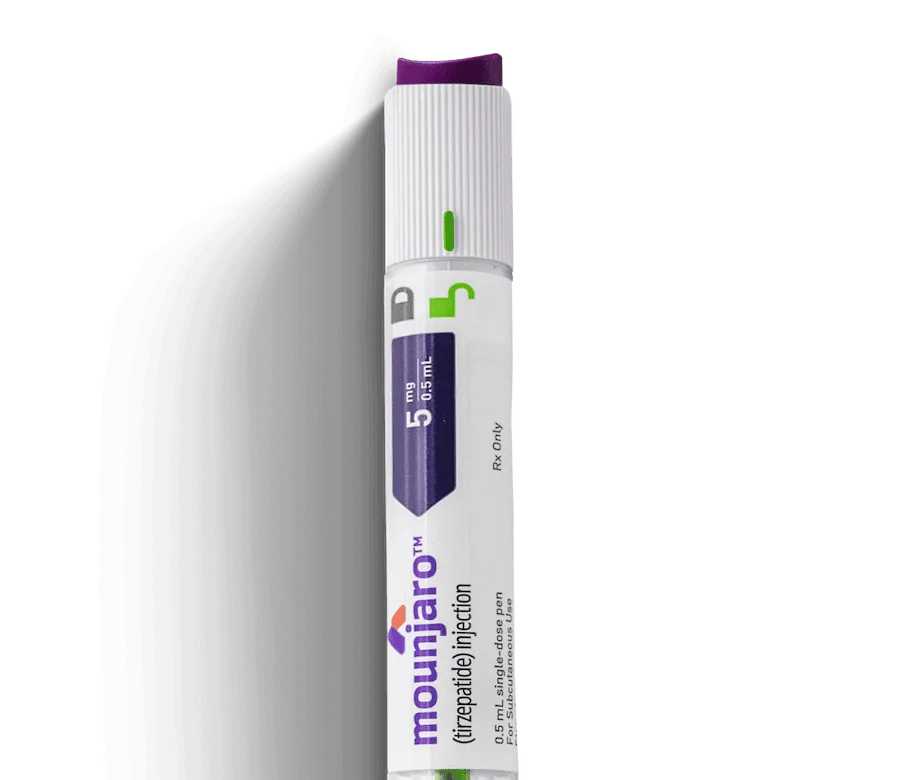
Mounjaro®
Liraglutide
How long does it take for tirzepatide to work?
Tirzepatide doesn’t work overnight. The changes build slowly as your dose goes up and your body gets used to the medicine. Knowing what to expect at each stage can help you feel less discouraged when progress feels slow.
Weeks 1–4: (2.5 mg starting dose) – The starting dose is kept low on purpose. It’s not meant to cause a lot of weight loss right away. Instead, it’s meant to help your body get used to the medicine without too many side effects.
That said, your appetite can start changing earlier than you might expect. A phase 1 randomized trial found that tirzepatide significantly reduced the amount people ate at a meal compared to a placebo as early as week 3, with participants consuming roughly 520 fewer calories.
The same study found that tirzepatide reduced overall appetite, food cravings, the urge to overeat, and perceived hunger during these early weeks. Noticeable changes on the scale, though, are usually minimal at this stage. Most people don’t see meaningful weight loss results until they move into higher doses.
Weeks 5–12: (5 mg → 7.5 mg) – As your dose increases, appetite suppression tends to become stronger and more consistent. Most people start eating smaller amounts naturally and feel full faster during meals. This is typically when the scale starts moving more steadily, and many people begin to notice real changes in their eating habits for the first time.
A review and analysis of seven tirzepatide trials covering up to 72 weeks of treatment found that tirzepatide produced significant, dose-dependent weight loss, with the clearest results emerging as people moved into higher doses.
Months 3–6: (10 mg → 12.5 mg) – By this point, most people are approaching the higher doses where the medicine tends to work best. Hunger signals tend to feel noticeably quieter, and eating less stops feeling like such a struggle. For many people, this is also when health markers like blood sugar and blood pressure begin to improve alongside weight loss.
The SURMOUNT-1 trial found that participants achieved average weight reductions of 16%, 19.5%, and about 21% on the 5 mg, 10 mg, and 15 mg doses, respectively, over 72 weeks.
6+ months (15 mg): This is when tirzepatide’s appetite-reducing effect is usually at its strongest. Not everyone needs to reach 15 mg, though. The SURMOUNT-1 trial found that people on the 10 mg dose lost an average of 19.5% of their starting body weight—suggesting that strong results are possible even before reaching the maximum dose.
Most people don’t experience their full results until they’ve been on tirzepatide for several months and have reached a stable, higher dose. If progress feels slow right now, that’s normal—the medication is designed to build gradually, and the strongest appetite-suppressing effects tend to come later in treatment. Slow early progress doesn’t mean it isn’t working.
How providers evaluate whether tirzepatide is “working”
From a clinical point of view, tirzepatide is considered “working” when it leads to steady, meaningful change over time—not just quick drops on the scale. Your provider may consider:
- What’s typical at your stage of treatment: Providers generally expect to see at least 5% of starting weight lost within 12 weeks of being on an effective dose. In clinical trials, 85 to 91% of people taking tirzepatide lost at least 5% of their starting body weight, which is the standard clinical benchmark for meaningful response to a weight loss medication. Studies show average losses of about 15 to 21% by the 72-week mark, depending on dose.
- Health improvements: Better blood sugar, lower blood pressure, or improved cholesterol can happen before significant weight loss appears on the scale. If you’re feeling better and have more energy, the medication may still be doing its job even if your weight hasn’t decreased a lot.
- Your experience with the medication: Providers look at the frequency and intensity of side effects (such as nausea, vomiting, diarrhea, constipation, or fatigue), whether your appetite has meaningfully decreased, and how manageable your weekly injection routine feels. They’ll also ask whether side effects are severe enough to interfere with eating, daily activities, or quality of life, since this can affect whether your current dose is sustainable long term.
By looking at these pieces together, providers can tell whether progress is happening at a pace that makes sense for you—even if the scale isn’t telling the whole story.
Common reasons you’re not losing weight on tirzepatide
As we mentioned earlier, not losing weight on tirzepatide doesn’t always mean nothing is happening. Many people experience slowdowns or pauses that are part of the process, even when they’re following their plan. Here are a few reasons this can happen.
You’re still early in the titration process
Tirzepatide is started at a low dose of 2.5 mg and increased slowly over several weeks to help your body adjust. Because of this gradual titration, weight loss during the first month or two is often modest. In clinical trials, meaningful weight loss really picked up once people reached the higher doses (10 to 15 mg), which often took 12 weeks or more of titration.
If you’re still working your way up through the early doses and are in the first 4 to 8 weeks, slower progress can be expected.

The Easy Way
to lose weight and get healthy.
See if you qualify

- What can help: If you’re still ramping up, patience is often the most helpful step. Trust the titration plan you and your provider have set.
Learn more: Tirzepatide dosage: Finding the right dose for weight loss
Side effects are disrupting normal eating patterns
Side effects like nausea, constipation, diarrhea, and stomach pain are common with tirzepatide and tend to show up in the first few weeks or after dose increases. In clinical trials, gastrointestinal symptoms were the most commonly reported side effects, especially when first starting the medication or when the dose is increased.
When eating doesn’t feel good, you might skip meals, eat very little, wait longer to eat, or reach for bland comfort foods that aren’t necessarily nutritious. This can get in the way of sustainable weight changes.
- What can help: Focusing on small, gentle meals, staying hydrated, and spacing food evenly throughout the day can help create more consistency as your body adjusts.
Learn more: Tirzepatide side effects: What to know and how to manage them
Other health or lifestyle factors that can influence your results with tirzepatide
Tirzepatide can support weight loss, but it’s only one piece of a much more complex process. Weight loss is influenced by a range of metabolic factors, including how much you move, how well you sleep, your stress levels, hormone balance, and how your body regulates energy and appetite.
Even with medication, your body is constantly adapting to these inputs, which can affect how quickly or slowly you see changes on the scale.
Some common reasons you might not be losing weight include:
Not working on eating habits or not moving enough
Tirzepatide helps reduce appetite, but weight loss still depends a lot on how you eat and how much you move. In the SURMOUNT-1 study, tirzepatide was paired with structured lifestyle guidance, including:
- Lowering calorie intake: People were guided to eat about 500 fewer calories per day than their maintenance needs to support steady weight loss.
- Making healthier food choices: Emphasis was placed on nutrient-dense foods like fruits, vegetables, lean proteins, and high-fiber carbs.
- Improving meal patterns: Eating regular, balanced meals helped support consistency, especially as the body adjusted to appetite changes from tirzepatide.
- Tracking food intake: Many people were encouraged to stay aware of calorie intake and eating patterns, something that’s strongly associated with better weight-loss outcomes.
- Exercise: Studies included guidance to aim for at least 150 minutes of moderate physical activity per week (such as brisk walking), which supports both weight loss and long-term maintenance. Strength training is also encouraged to preserve muscle while losing weight.
Together, these factors played a major role in the results seen in studies, making lifestyle habits one of the biggest drivers of progress alongside medication.
You aren’t working on stress management
Ongoing stress doesn’t just affect your mood—it can directly influence body weight over time. In a large study, higher levels of chronic psychosocial stress were linked to a greater risk of having an elevated BMI, especially when stress builds up from multiple sources rather than a single event.
Part of this comes down to biology. Chronic stress increases hormones like cortisol, which can affect appetite, metabolism, and food preferences—often increasing cravings for higher-calorie foods and making weight loss more difficult to sustain.
- What can help: Working on managing stress through journaling, therapy, breathing exercises, or other means can support your weight loss. Even small habits can make a real difference.
Learn more: 6 tips for managing and reducing stress
You aren’t getting restorative sleep
Sleeping too little—especially under 6 hours a night—can disrupt your body’s hunger signals and make weight loss harder. A large study showed that the sweet spot for weight balance is about 7 to 8 hours of sleep, which helps your body better handle appetite and energy.
- What can help: Even small changes, like keeping a consistent bedtime or limiting screens at night, can make a difference.
Learn more: The sleep series: Can sleep really impact weight loss?
You are on medications that can affect weight loss
Certain medications can influence appetite, metabolism, or how your body stores weight—sometimes making weight loss slower, even with tirzepatide.
Common examples include:
- Steroids (e.g., prednisone): Can increase appetite and promote fat storage, particularly with long-term use.
- Insulin and some diabetes medications (e.g., sulfonylureas): May promote weight gain by increasing insulin levels, which can encourage fat storage.
- Antidepressants and mood stabilizers (e.g., SSRIs, mirtazapine, lithium): Some are associated with increased appetite or changes in metabolism over time.
- Antipsychotics (e.g., olanzapine, quetiapine): Strongly linked to weight gain and metabolic changes.
- Beta blockers (for heart conditions): May slightly reduce metabolic rate and exercise tolerance in some people.
- Hormonal medications (e.g., certain birth control methods): Can affect appetite, fluid retention, or fat distribution in some individuals.
Other health conditions are affecting the rate of weight loss
Underlying health conditions—and especially hormonal changes—can significantly influence how your body responds to tirzepatide.
Here are a few that could change the rate of weight loss:
- Type 2 diabetes: People with type 2 diabetes may lose weight more slowly on tirzepatide than those without diabetes, likely due to differences in insulin resistance and metabolism.
- PCOS/PMOS (polycystic ovary syndrome): Hormonal imbalances and insulin resistance can make weight loss more challenging. Studies show GLP-1 medications can still help, but responses can vary widely.
- Menopause and hormonal shifts: Hormonal changes—especially declining estrogen—can slow metabolism, increase fat storage, and reduce muscle mass, all of which make weight loss harder.
- Other chronic conditions (heart, kidney, liver): These can affect energy balance, fluid retention, and nutrient processing, sometimes slowing visible weight changes.
Because weight loss is influenced by metabolism, hormones, and underlying health conditions, there isn’t one single reason progress slows on tirzepatide. Reviewing your full health picture with your provider helps connect the dots.
Plateaus vs. slowed weight loss on tirzepatide
If the scale hasn’t moved the way you expected, it helps to zoom out before assuming progress has stopped. Short pauses are common during any type of weight loss, and they don’t always mean you’ve hit a plateau.
- Normal weight fluctuation: Your weight can shift from day to day based on water retention, meals, activity, and even timing. A few slower days or a quiet week on the scale usually reflects these normal ups and downs rather than a loss of progress.
- A true weight-loss plateau: A plateau is typically defined as no meaningful weight change over several weeks or months. This matters most when you’re consistently taking tirzepatide, following similar routines, and are already at a higher dose.
How do providers assess plateaus?
When your provider looks at a possible plateau, they’re not just checking the number on the scale. Plateaus are a normal and expected part of weight loss, and a big part of care is helping you understand why they happen and what your body is doing during this phase.
They may look at things like:
- How long your weight has stayed the same—a few weeks of no changes can still be part of normal progress.
- Your current dose and how long you’ve been on it—your body often needs time to fully respond.
- What your eating and movement patterns look like now compared to earlier on, since small changes can add up without you noticing.
- Whether hunger or fatigue has increased, which can happen as your body pushes back against weight loss.
- Other health conditions or medications that may affect how your body uses energy.
Looking at all of this together helps your provider decide whether you’re seeing a true plateau or a normal fluctuation—and what kind of support or adjustments might help you move forward in a sustainable way.
Learn more: Tirzepatide plateau: Why weight loss stalls happen and what to do next
Dose considerations when weight loss stalls
Finding the right dose of tirzepatide for you can take time. When your progress slows, your provider may take a closer look at whether your current dose still matches what your body needs.
They may consider:
- Your titration timeline. Tirzepatide is designed to be increased slowly, and some people simply need more time before moving up.
- Your response to past dose changes. If earlier increases felt manageable, your provider may feel more comfortable adjusting again.
- Whether hunger or cravings have crept back in, which can be a clue that your dose needs more support.
- Weight patterns over several weeks, rather than short-term changes.
If you’ve already reached the maximum approved dose of 15 mg and weight loss hasn’t resumed, your provider may talk with you about switching medications or exploring other approaches.
Learn more: Tirzepatide dosage: Finding the right dose for weight loss
Could you be at a stable weight on tirzepatide?
It’s also possible that what feels like stalled progress is actually your body finding balance. Tirzepatide can reduce appetite and support weight loss, but it doesn’t force weight endlessly downward.
Healthcare providers often use BMI as a general reference, alongside your medical history and how you’re feeling day to day. If you’re within a healthy range and other health markers look good, a stable weight may be a positive outcome—not a sign of failure.
Talking this through with your provider can help clarify whether staying where you are makes sense or whether changes to your dose, routine, or goals should be considered next.
Learn more: How much should I weigh? How to find your ideal body weight
When providers may discuss maintenance or long-term use
Tirzepatide is designed for long-term use—not just until the scale reaches a certain number. Once weight loss slows and things feel stable, providers often shift the conversation toward maintenance and how to sustain results over time. Studies have shown that stopping tirzepatide often leads to weight regain, since appetite signals and metabolism can return toward baseline. Your provider might discuss:
- Maintenance dosing: This is the dose used to help maintain your weight and prevent regain. For many people, this can be lower than the maximum dose, as long as it continues to support appetite control without ongoing side effects.
- Tapering vs. stopping: Instead of stopping abruptly, some providers may recommend gradually reducing the dose to help manage the return of hunger and support a smoother transition.
- Lifestyle support during maintenance: Nutrition, physical activity, sleep, and stress management become especially important for maintaining results, particularly if the dose is reduced or stopped.
Maintenance looks different for everyone, and the right approach is the one that keeps your weight stable while remaining sustainable and well-tolerated over time.
Frequently asked questions about not losing weight on tirzepatide
When tirzepatide doesn’t seem to be working as expected, you’re likely wondering what’s normal and what needs attention. These answers address the most common concerns about timing, dosing, and next steps based on what research shows and what providers see in practice.
Does tirzepatide work for everyone?
Tirzepatide “works” for most people, but what “works” means can look different depending on the context. Clinically, it means losing at least 5% of starting body weight—a threshold most people on tirzepatide reach. In terms of how it feels day-to-day, “working” might mean noticeably less hunger, eating smaller portions without effort, or having more control around food.
And metabolically, it can mean improved blood sugar, lower triglycerides, or reduced blood pressure, even before the scale moves much. In studies, most people lost weight, but the amount and speed varied significantly. Things like your starting weight, hormones, genetics, and whether you have conditions like type 2 diabetes can all shape how your body responds. That’s why your progress may look different from someone else’s, even on the same medication and same dose.
Do some people respond more slowly to tirzepatide?
Yes, and it’s more common than you might expect. Research looking back at data from the SURMOUNT-1 trial found that about 18% of tirzepatide users were “late responders”—meaning they lost less than 5% of their body weight in the first 12 weeks. But here’s what matters: 90% of those late responders still went on to achieve clinically meaningful weight loss by week 72. So a slow start isn’t a sign that the medication isn’t working—it often just means your body needs more time to respond.
Will switching tirzepatide doses matter?
Sometimes, yes. Weight loss tends to be stronger at higher doses, but getting there takes time, for a good reason. Providers look at how long you’ve been on each dose and how your body handled past increases. Rushing isn’t the goal: Finding the dose where you’re losing steady weight with tolerable side effects is. It’s also worth knowing that the difference in weight loss outcomes between the 12.5 mg and 15 mg doses is relatively small. Studies show that results at these two doses are similar, meaning the 12.5 mg dose is often an effective long-term maintenance dose for many people.
Learn more: Tirzepatide dosage: Finding the right dose for weight loss
Does when I take my tirzepatide medication matter?
Tirzepatide is taken once weekly as an injection, and the day of the week matters more than the time of day. Taking it on the same day each week is important: consistent timing helps maintain steady medication levels in your body, which supports the medication’s effectiveness. If you miss your usual day, take it as soon as you remember (as long as your next scheduled dose is at least 4 days away). You can choose a day and time that fits your routine, as long as you stay consistent week to week.
Why am I not losing weight on 15 mg of tirzepatide?
Even at the highest dose, weight loss can eventually stall due to metabolic adaptation, lifestyle factors, or reaching a natural set point. The 15 mg dose showed the best results in trials, but many people benefit from focusing on protein intake, regular movement, or stress management alongside medication. Your provider can help evaluate what’s happening and whether adjustments are needed.
How long does it take to lose 40 pounds on tirzepatide?
The timeline varies from person to person, but losing 40 pounds typically takes about 6 to 12 months or longer on tirzepatide. Your starting weight, dose progression, eating habits, activity level, and individual response to the medication all play a role.
For example, if someone starts at 300 pounds, losing 40 pounds would represent about 13% of their starting body weight. In clinical trials, people taking tirzepatide lost an average of about 15% to 21% of their body weight over 72 weeks. That means a 300-pound person could potentially lose 45 to 63 pounds on average during that timeframe, though individual results vary widely.
Weight loss is often fastest during the first several months of treatment and may slow over time. Plateaus are common and don’t necessarily mean the medication has stopped working.
Does weight loss ever resume after a tirzepatide plateau?
Yes, and this happens more often than people expect. Plateaus are part of how the body protects itself during weight loss, not a sign that the medicine has stopped working. An analysis of two tirzepatide trials found that plateaus typically set in somewhere between 24 and 36 weeks, depending on a person’s starting weight. Many people see progress resume with time, a dose adjustment, or changes to their eating and activity routine, and talking with your healthcare provider is the best way to figure out which step makes sense for you.
Learn more: Tirzepatide plateau: Why weight loss stalls happen and what to do next
Can stopping and restarting tirzepatide affect results?
Unclear. Studies show that stopping tirzepatide often leads to weight regain over time. As for restarting, there are currently no clinical studies that directly measure whether your body responds differently the second time around. What is established is that restarting requires dose re-escalation from the beginning, which means it takes time to build back up to an effective dose. That’s why long-term planning with your provider matters a lot.
Reviews from real Noom users
Desirea N. — Real Noom user

“My favorite parts of Noom are the care team and other Noomers. Sharing and getting help made me feel like I wasn’t doing it alone. That support made all the difference.”
Desirea N. — Real Noom user
Matthew M. — Real Noom user
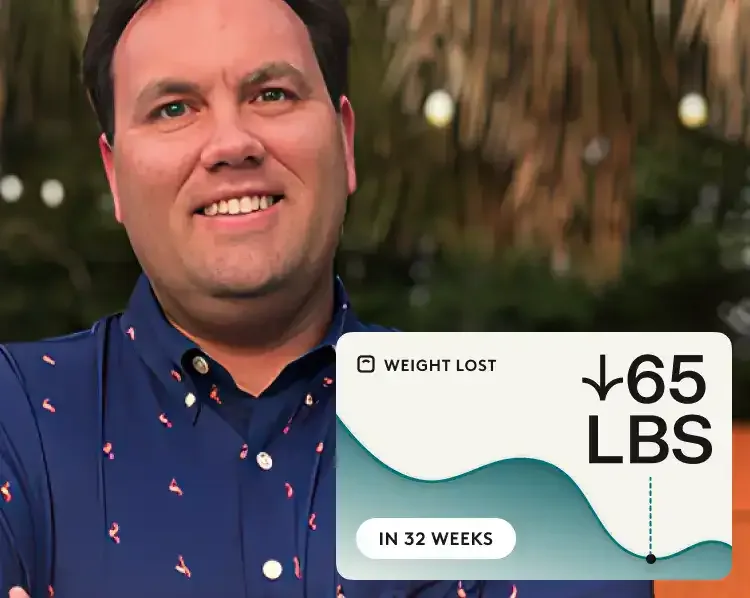
“Noom has taught me that every day is a new chance to make better, healthier choices. It's taught me how to stop overeating.’’
Matthew M. — Real Noom user
Lila M. — Real Noom user
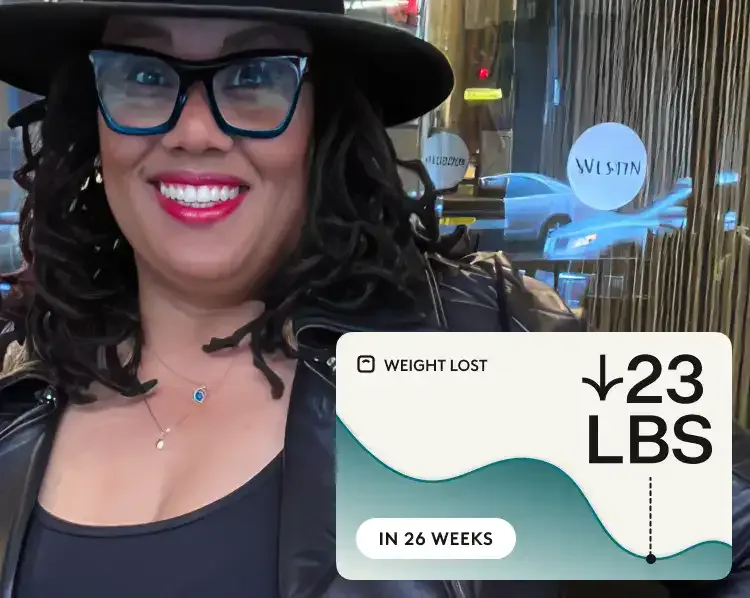
“Clinicians who understand how supportive medication can be is one of the best parts of Noom! I was convinced I wouldn’t have success but I’m down 11 pounds in two months.’’
Lila M. — Real Noom user
Steve M. — Real Noom user
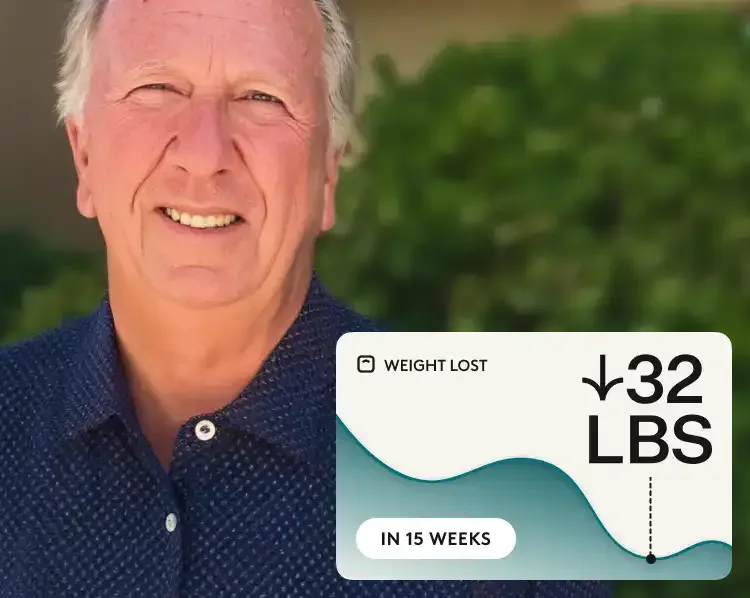
“Noom provided me with the medication which I could not get through Medicare. I have learned the tricks to better eating and life in general.”
Steve M. – Real Noom user
Daisy R. — Real Noom user
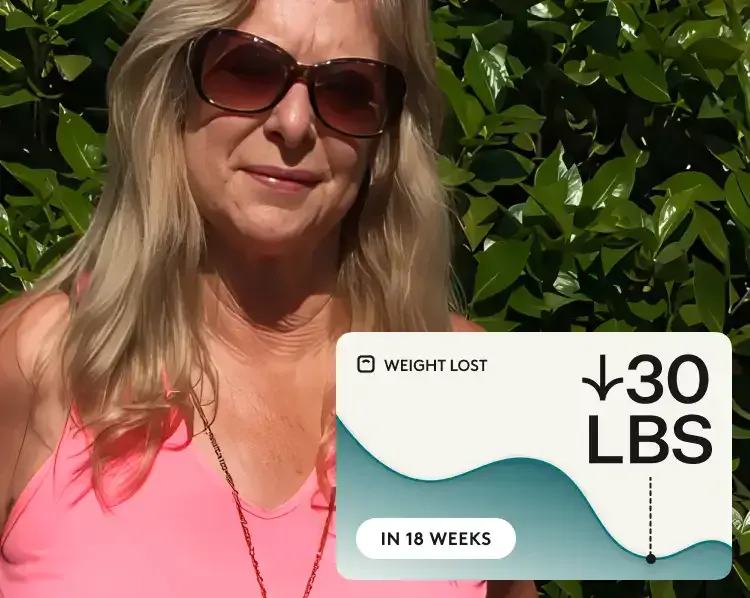
‘’Noom has changed my life and I’m so thankful, I feel great, have more energy and am no longer prediabetic.”
Daisy R. – Real Noom user
Sarah R. — Real Noom user
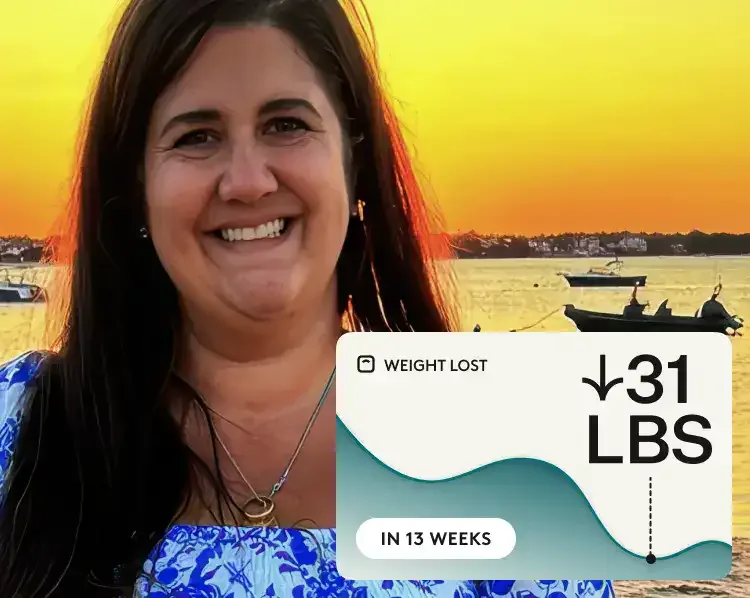
“All of the Noom providers that I’ve met with have been exceptional and prescribed medications that are appropriate for my situation and health.”
Sarah R. – Real Noom user
Madison S. — Real Noom user
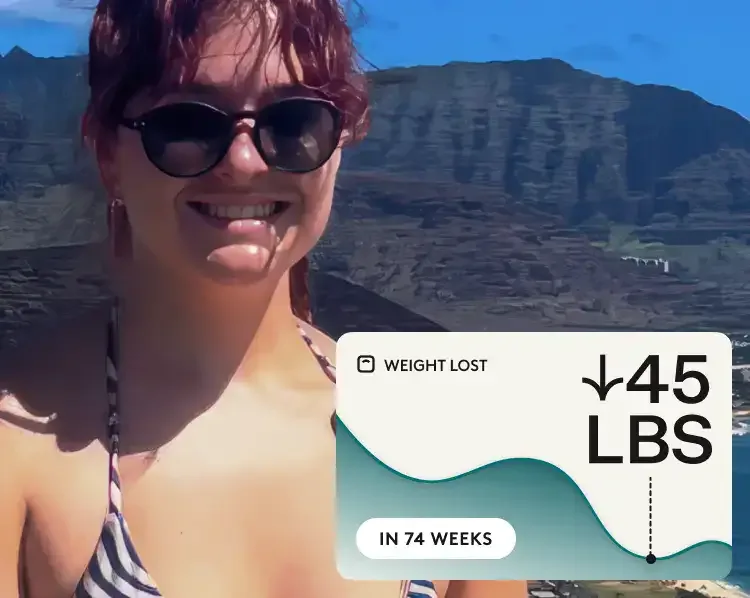
“Noom made the process so simple and now I feel full, free from diet obsession, and at ease in my body again.”
Madison S. – Real Noom user
Sonday K. — Real Noom user
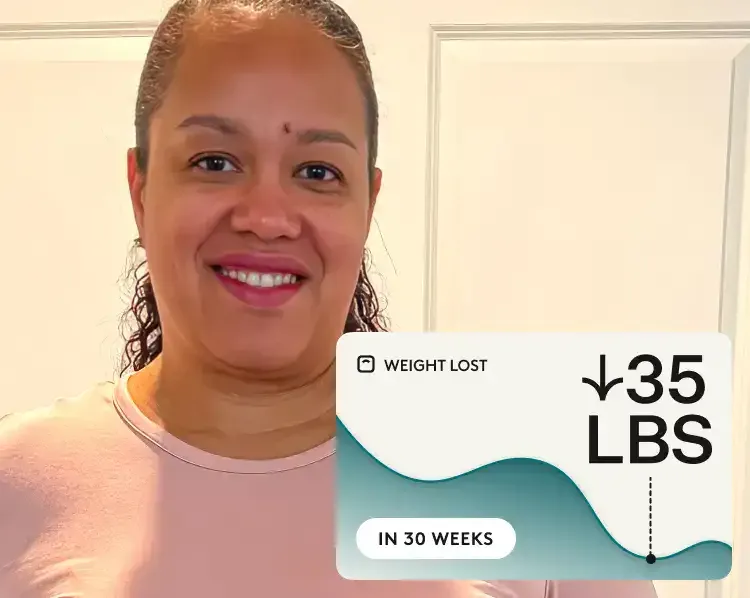
“My doctor recommended Noom after I was frustrated trying to lose weight. The lessons helped change my relationship with food. My body feels lighter & energized.”
Sonday K. – Real Noom user
Cam K. — Real Noom user
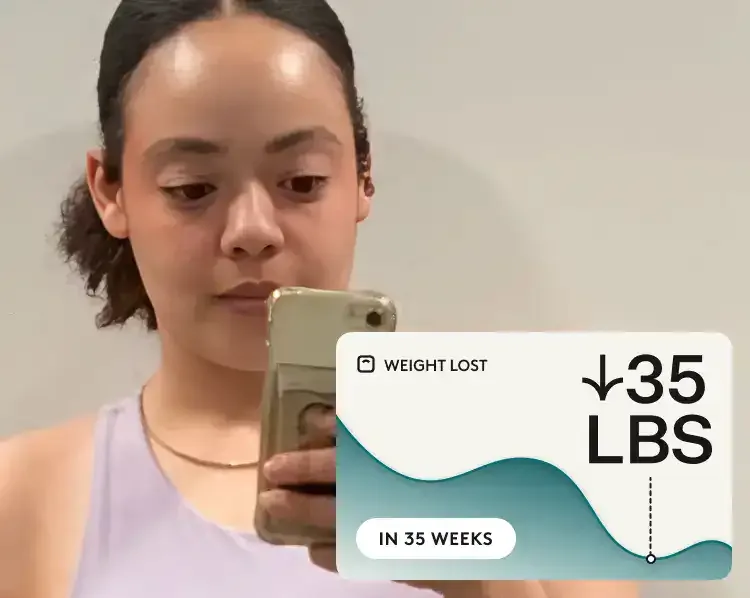
“I built healthy habits with coaching and lessons that make me confident I can maintain my weight loss long term.”
Cam K. – Real Noom user
Laura TR. — Real Noom user
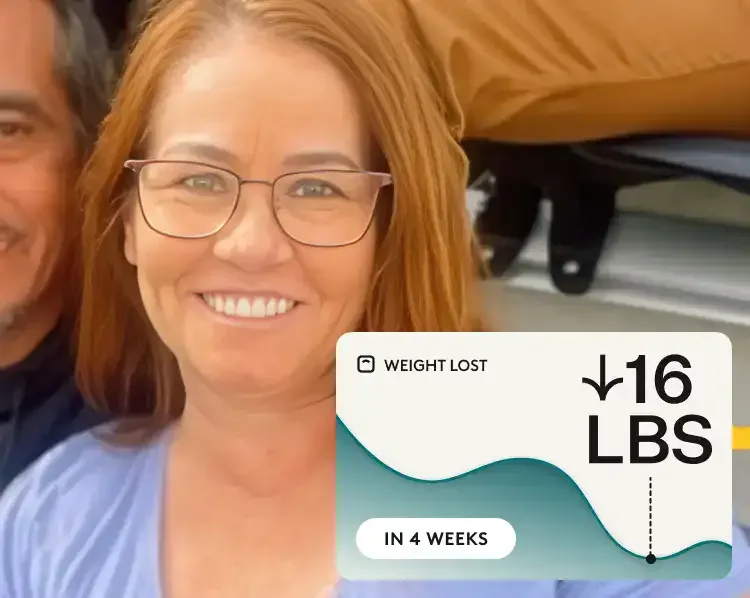
“With the right medication through Noom, hunger and sugar cravings finally quieted and I have the tools to break the cycle.”
Laura TR. – Real Noom user
Jessica S. — Real Noom user
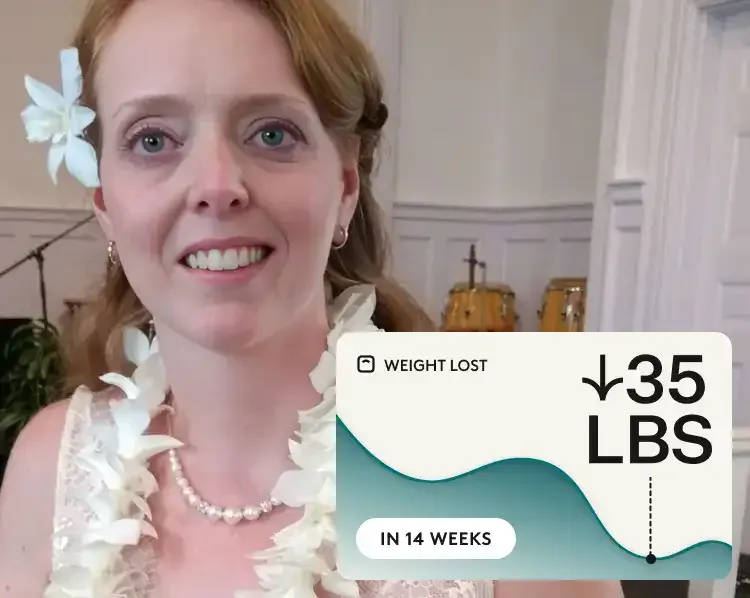
“Cravings and food noise are gone, I finally feel confident in the healthy habits I’ve built to last with Noom.”
Jessica S. – Real Noom user
The bottom line: If you aren’t losing weight on tirzepatide, it can be for a variety of reasons
Tirzepatide can be a powerful tool for weight loss, but it’s not a shortcut or a straight line. The averages you see in headlines reflect long-term results at higher doses—alongside lifestyle changes—not instant shifts in the first few weeks. Appetite changes, dose adjustments, normal fluctuations, and plateaus are all part of the process. That doesn’t mean the medication isn’t working. It means your body is adapting.
Progress on tirzepatide is measured over months, not days. Providers look at trends over time, meaningful percentage changes, improvements in blood sugar or blood pressure, and how sustainable the routine feels—not just the number on a single weigh-in. Slower phases and pauses are common, and in many cases, they’re expected.
If you’re unsure whether your results are typical, the most productive next step isn’t guessing—it’s talking with your healthcare provider. Together, you can review your dose, habits, health factors, and goals to decide what makes sense next. Sustainable weight loss is rarely dramatic, but with the right expectations and support, it can be steady, meaningful, and built to last.
If you qualify for Noom Med, you’ll work with a licensed clinician who can determine if tirzepatide is right for you, prescribe a medication if needed, and pair it with coaching and behavior tools that help make your progress stick.
Editorial standards
At Noom, we’re committed to providing health information that’s grounded in reliable science and expert review. Our content is created with the support of qualified professionals and based on well-established research from trusted medical and scientific organizations. Learn more about the experts behind our content on our Health Expert Team page.