

What you’ll learn:
- Bupropion, typically prescribed for depression and smoking cessation, can support modest weight loss off-label by reducing appetite and cravings.
- Insurance coverage for weight management is unlikely, though generic bupropion is relatively affordable
- Combination medications that include bupropion, like Contrave® and GLP-1s, are generally more effective.
If you’ve been looking into weight loss medications lately, you may have noticed people talking about bupropion. Some mention losing weight while taking bupropion, others say it helped reduce cravings or emotional eating, and many are wondering whether it could be an effective option.
Bupropion is a prescription medication that affects brain chemicals involved in mood, attention, energy, and cravings. It is the active ingredient in several medications, including Wellbutrin®, which is commonly prescribed for depression, and Zyban®, which is used to help people stop smoking.
Part of the interest in bupropion for weight loss comes from the fact that it tends to be different from many other antidepressants. While some antidepressants are associated with weight gain, bupropion is generally considered less likely to have that effect and, in some people, may even lead to modest weight loss. Some people also report feeling less hungry, having fewer cravings, or noticing more energy while taking it.
There’s also another reason the connection keeps coming up: one FDA-approved weight loss medication, Contrave®, combines bupropion with naltrexone. That has led some people to wonder whether bupropion alone might also help with weight loss. The answer is, maybe, but individual response and healthy lifestyle changes matter—and it’s unlikely to be covered by insurance for weight loss off-label.
Let’s take a look at how bupropion may affect weight, side effects, and safety risks to know, and what to discuss with a healthcare provider before considering it.
What is bupropion?
Bupropion is what’s called a norepinephrine-dopamine reuptake inhibitor—meaning it keeps dopamine and norepinephrine active in the brain for longer than they would be otherwise. Think of it like a slow drain: instead of these chemicals getting cleared away quickly, they linger and keep doing their job.
Dopamine is tied to motivation, pleasure, and mood, while norepinephrine plays a role in energy, focus, and stress response—which is why boosting both helps lift depression.
Why might bupropion lead to weight loss?
Those same chemicals also happen to influence appetite and the reward you get from eating, which is where the weight connection comes in.
By boosting both, bupropion activates neurons in the hypothalamus—the part of your brain that controls hunger and fullness—that signal your body to eat less and use more energy. It also appears to dampen the reward signal that drives eating for pleasure rather than hunger, which may be especially relevant for people whose eating is tied to cravings or emotional triggers.
That second pathway is actually why adding naltrexone—the other ingredient in Contrave®—may enhance the effect. It blocks a feedback mechanism that would otherwise blunt bupropion’s impact on those same hunger-regulating neurons, which is why the combination tends to produce greater weight loss than bupropion alone.
How is bupropion prescribed for weight loss?
Bupropion isn’t FDA-approved for weight loss on its own, which means any prescription for that purpose is considered off-label. A doctor might prescribe bupropion SR for weight loss if they think the medication’s appetite and craving effects could benefit a person, especially someone who also has depression or is trying to quit smoking.
More commonly in weight management, bupropion appears as one ingredient in Contrave®, which combines bupropion SR with naltrexone. Unlike standalone bupropion, Contrave® is FDA-approved specifically for weight management.
Either way, the medication is meant to work alongside lifestyle changes—not instead of them. The clinical trials that established bupropion’s weight loss effects all paired it with a calorie-reduced diet, and results were better when behavioral support was added too.
How much weight can I lose taking bupropion?
Results vary quite a bit from person to person, but clinical trials give a reasonable sense of what to expect. Keep in mind that the studies below paired bupropion with a calorie-reduced diet and lifestyle support—so the numbers reflect the medication working alongside behavior changes, not on its own.
In the 24-week study, obese adults with BMIs between 30 and 44 took either bupropion SR or a placebo while also participating in a structured lifestyle program that included calorie reduction and behavior changes. People taking bupropion SR lost more weight on average than those taking the placebo. Depending on the dose, participants lost roughly 7% to 10% of their body weight, compared to about 5% in the placebo group. Participants who continued treatment for 48 weeks generally maintained those weight losses as well.
Access GLP-1 Weight Loss with Noom
Explore a wide range of prescription medications supported by Noom’s program.Microdose GLP-1rx
Noom GLP-1rx
Noom GLP-1rx Plus
Wegovy®
Ozempic®

Metformin
Zepbound®
Mounjaro®
Liraglutide
Importantly, the medication wasn’t used on its own. Everyone in the study also received diet, exercise, and lifestyle support, which makes it difficult to separate the medication from the behavioral changes completely.
In another study, women with elevated BMIs taking bupropion lost an average of nearly 5% of their body weight over 8 weeks. Some people may lose more, especially if they respond well to the medication and make consistent lifestyle changes, while others may lose little or no weight. Your results can depend on several things, including your starting weight, health history, eating habits, activity level, dose, and how your body responds to the medication.
Can I lose more taking Contrave®?
It really comes down to the person. Contrave® may work better for people whose eating is driven heavily by cravings and reward—that’s what the added naltrexone targets. Bupropion alone may be enough if your main challenge is appetite. Cost and tolerability matter too.
A review that pooled results from 25 studies and more than 22,000 people found that the combination of bupropion and naltrexone produced greater weight loss and waist circumference reductions than bupropion alone—suggesting the combo does offer a meaningful edge for some people. Your clinician can help you figure out which option makes the most sense given your health history and what’s actually driving your eating patterns.
Learn more about how Contrave® is dosed and what to expect.
Bupropion: Cost and insurance
When you’re exploring weight management options, cost is often one of the first questions that comes to mind. Understanding bupropion cost and insurance coverage can help you budget for treatment and find the most affordable path forward for your health goals.
Generic vs. brand-name bupropion pricing
- Generic bupropion: Generic bupropion may cost around $7 to $20 for a 30-day supply at some pharmacies when using available discounts.
- Brand-name versions: Brand-name bupropion products are usually much more expensive without insurance.
- Wellbutrin XL® (150 mg, 30 tablets): This extended-release version may cost about $2,000 for 30 tablets of 150 mg without insurance.
- Wellbutrin SR® (150 mg, 60 tablets): This sustained-release version may cost around $500 for 60 tablets of 150 mg without insurance.
Does insurance cover bupropion?
Insurance coverage depends on your plan and why the medication is prescribed. Many private insurance plans, Medicare Part D plans, and Medicaid programs may cover generic bupropion when it is prescribed for approved uses like depression, seasonal affective disorder, or smoking cessation.
Coverage can be more complicated when bupropion is prescribed for weight loss. Since bupropion alone isn’t FDA-approved as a weight loss medication, some insurance plans may not cover it for that purpose. Others may require prior authorization, which means your provider has to send extra information explaining why the medication is medically needed. Medicare will not cover medication used solely for weight loss.
What does Contrave® cost?
Contrave® usually costs more than generic bupropion because it is a brand-name medication that combines bupropion with naltrexone.
- With insurance: If your plan covers Contrave®, your monthly cost will depend on your specific benefits. If your insurance does cover Contrave®, you can use the Contrave® Savings Card to lower the price to as little as $20 per month. The maximum you will pay with the savings card program is $199, depending on your pharmacy and coverage.
- Without insurance: Contrave® can cost about $500 to $700 per month if you pay the full cash price. But the manufacturer’s CurAccess™ Patient Support Program can lower the cost to $99 per month with free shipping for eligible people in the U.S. This option is typically for people whose prescriptions are processed as cash-pay, including some people with Medicaid, Medicare Part D, or TRICARE, as long as they are not using those benefits to pay for the medication.
How bupropion is administered and dosage
Bupropion is a tablet you take by mouth, and it comes in three forms: immediate-release (IR), sustained-release (SR), and extended-release (XL). The difference is just how fast the medication is released into your system, which affects how often you take it and the maximum daily dose. For off-label weight loss, doctors most commonly prescribe the SR form, since that’s what most of the weight loss research has used.
Here’s how dosing breaks down for it:
- Available strengths: 75 mg and 100 mg
- Typical starting dose: 100 mg twice daily
- Common target dose: 300 mg per day, usually split into three doses
- Maximum dose: 450 mg per day
Your doctor will typically start you at a lower dose and gradually increase it over a few weeks. This helps your body adjust and keeps side effects—like headaches or trouble sleeping—as manageable as possible.
Bupropion: Dosage adjustments and personalization
Bupropion dosing may look different from person to person. Your provider will choose a dose based on how the medication fits your health needs, how your body handles it, and whether the benefits are worth any side effects.
Your healthcare provider will begin with a low starting dose to give your body time to adjust and help your provider see how you respond. Depending on the type of bupropion prescribed, a common starting point may be 150 mg once daily, but the exact dose can vary.
Your provider may take extra care with dosing if any of these apply:
- You’re an older adult: Medication can sometimes stay in the body longer with age, so dose changes may be made more carefully.
- You have kidney concerns: Kidney function can affect how long bupropion-related substances remain in your system.
- You have liver concerns: Because the liver helps break down bupropion, liver problems may call for a smaller dose or a different schedule.
- You’re taking other medications: Some medications can interact with bupropion or increase the chance of side effects.
Your provider may also ask about your weight, medical history, appetite changes, cravings, mood, sleep, and energy. All of that information helps them decide whether to keep your dose the same, raise it slowly, reduce it, or consider another treatment.
Signs you may need a dose adjustment
Reach out to your healthcare provider if you notice any of these changes:
- You are not getting the expected benefit after taking bupropion regularly for several weeks.
- Side effects are interfering with your day, such as ongoing nausea, insomnia, restlessness, headaches, or anxiety.
- Appetite, cravings, or weight are not changing much after a few months of using bupropion off-label for weight management.
- Something changes with your health or medications, including a new diagnosis, a new prescription, or kidney or liver concerns.
- The dose feels hard to tolerate, even if the medication seems to be helping.
Bupropion: Tips for best weight loss results
The right timing, food choices, and daily habits can help you get better results from bupropion while reducing common side effects like trouble sleeping or nausea. Here are some strategies that work well for most people.
- Optimal time to take bupropion: Bupropion is often taken in the morning, especially if you take it once daily. Some people feel more alert on it, so taking it too late in the day may make it harder to sleep. If you take more than one dose a day, follow your provider’s schedule and avoid taking doses too close together.
- Taking it with or without food: Bupropion can usually be taken with or without food. If it makes your stomach feel upset, taking it with a meal or snack may help. Try to take it the same way each day so it becomes part of your routine.
- What to do if you miss a dose: If you miss a dose, skip it and take your next dose at the regular time. Don’t take two doses at once to make up for the missed dose, because that can increase the risk of side effects.
- Managing side effects: Side effects like nausea, dry mouth, headache, restlessness, or trouble sleeping may improve as your body adjusts. Taking bupropion earlier in the day may help with sleep problems, and taking it with food may help with nausea. Talk with your provider if side effects are severe, last longer than expected, or get in the way of daily life.
Bupropion: Side effects and safety
When you first start bupropion, your body may need time to get used to it. The medication affects brain chemicals connected to mood, focus, energy, and cravings—so some side effects may feel like your body is a little “sped up,” especially early on. Here’s how often the most commonly reported side effects occurred in clinical trials:
| Side effect | Reported rate |
|---|---|
| Agitation | 32% |
| Dry mouth | 28% |
| Headache or migraine | 26% |
| Constipation | 26% |
| Nausea or vomiting | 23% |
| Excessive sweating | 22% |
| Dizziness | 22% |
| Tremor | 21% |
| Insomnia | 19% |
| Blurred vision | 15% |
Rare but serious side effects
Some side effects are uncommon but important to recognize early.
- Boxed warning—suicidal thoughts and behaviors: Like other antidepressants, bupropion may increase the risk of suicidal thoughts or behaviors in children, teens, and young adults, especially early in treatment or after a dose change. People taking bupropion should be monitored for worsening mood, agitation, unusual behavior, or thoughts of self-harm, and should contact a healthcare provider right away if these occur.
Other rare but serious side effects include:
- Seizures: Bupropion is associated with seizures in a small number of people treated at doses up to 450 mg/day. Risk increases with higher doses, certain medical conditions, eating disorders, or alcohol withdrawal.
- Serious allergic reaction: Swelling of the face, lips, tongue, or throat; trouble breathing; hives; fever; or a severe rash needs urgent care.
- Mania or unusual energy: People with bipolar disorder may be more likely to experience racing thoughts, extreme energy, risky behavior, or needing much less sleep.
- High blood pressure: Bupropion may raise blood pressure in some people. Chest pain, severe headache, shortness of breath, or vision changes should be evaluated immediately.
- Eye pressure problems: Eye pain, redness, swelling, or sudden vision changes could be signs of a serious eye problem and should be treated right away.
Overdose risks and symptoms
Taking too much bupropion can be dangerous. Possible signs of an overdose include severe nausea or vomiting, confusion, hallucinations, fainting, fast heartbeat, muscle twitching or stiffness, dizziness, loss of consciousness, or seizures.
If you take more bupropion than prescribed, call Poison Control at 1-800-222-1222, contact your healthcare provider, or go to the nearest emergency room right away. Do not wait for symptoms to appear.
Bupropion vs. other weight loss medications: Weight loss potential
Research suggests that bupropion-based treatments may help some people lose a modest amount of weight, especially when they are combined with healthy eating habits, regular movement, and ongoing medical support. Here’s how bupropion compares with several commonly prescribed weight loss medications.
| Medication | Study length | Average weight loss |
|---|---|---|
| Bupropion – 300 mg(Wellbutrin®) (off-label) | 8–24 weeks | 5-13% |
| Bupropion + Naltrexone(Contrave®) | 56 weeks | 8-12% |
| Semaglutide – 2.4 mg(Wegovy®) | 68 weeks | 15% |
| Tirzepatide – 15 mg(Zepbound®) | 72 weeks | 21% |
Other questions about bupropion and weight loss
When you’re considering bupropion for weight loss, you probably have practical questions about daily use and safety. Here are answers to some of the most common concerns people have when talking with their healthcare providers about this medication.
What is the normal dose of bupropion for weight loss?
Most healthcare providers start with 150 mg once daily, then may increase to 300 to 400 mg per day taken twice daily. For off-label weight loss, doctors most commonly prescribe the SR form, since that’s what most of the weight loss research has used. Your healthcare provider will find the right dose based on how you respond and any side effects you experience.
Can you have caffeine while on bupropion?
You can usually have moderate amounts of caffeine (1 to 2 cups of coffee daily) while taking bupropion, but some people feel more jittery or anxious when combining them. Start with smaller amounts of coffee or tea to see how you feel. If you notice increased nervousness or trouble sleeping, consider reducing your caffeine intake.
Can you drink alcohol while taking bupropion?
It’s best to avoid alcohol or drink very little while taking bupropion. Alcohol can lower your seizure threshold, which increases the risk of seizures; one of bupropion’s serious side effects. Talk with your healthcare provider about what might work for you if you choose to drink occasionally.
What happens if I miss a dose of bupropion?
Take your missed dose as soon as you remember, unless it’s almost time for your next dose. Never take two doses at once to make up for a missed one.
How long can you safely take bupropion?
Many people take bupropion safely for months or years with regular monitoring from their healthcare provider. Your healthcare provider will check how well it’s working and watch for any side effects. The duration depends on your individual response and whether you’re using it for weight loss or other conditions.
What kind of diet and exercise plan works best with bupropion?
The clinical trials that studied bupropion for weight loss paired the medication with a calorie-reduced diet—typically around 1,600 calories a day—and found that adding structured behavioral support led to even better results. In practice, that means focusing on foods that fill you up without a lot of calories, like lean proteins, vegetables, fruits, and high-fiber carbs, and finding movement you can stick with consistently.
Reviews from real Noom users
Desirea N. — Real Noom user
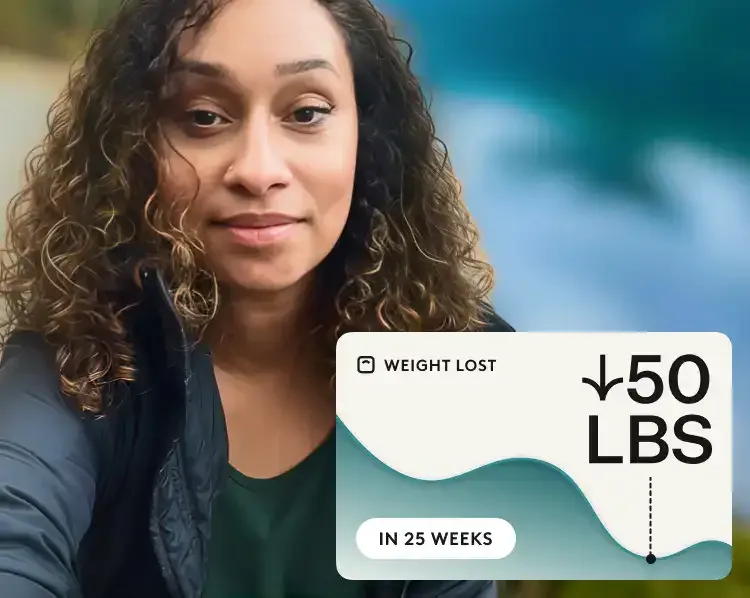
“My favorite parts of Noom are the care team and other Noomers. Sharing and getting help made me feel like I wasn’t doing it alone. That support made all the difference.”
Desirea N. — Real Noom user
Matthew M. — Real Noom user
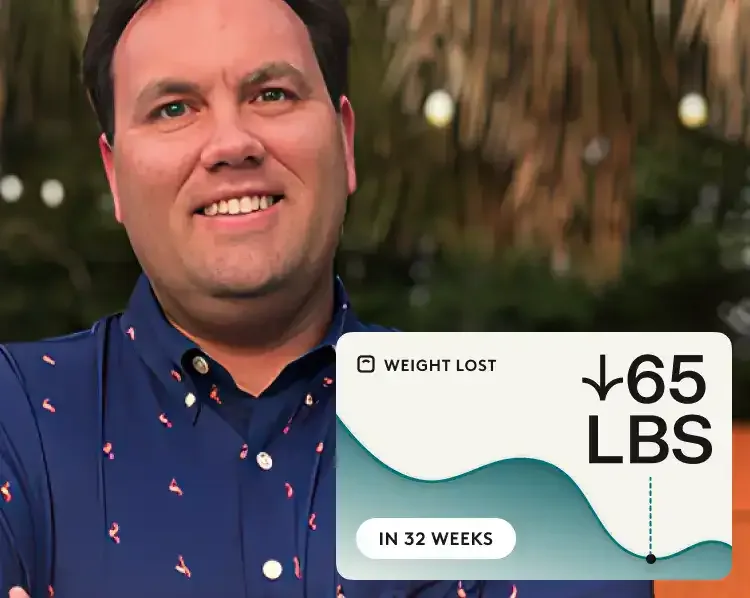
“Noom has taught me that every day is a new chance to make better, healthier choices. It's taught me how to stop overeating.’’
Matthew M. — Real Noom user
Lila M. — Real Noom user
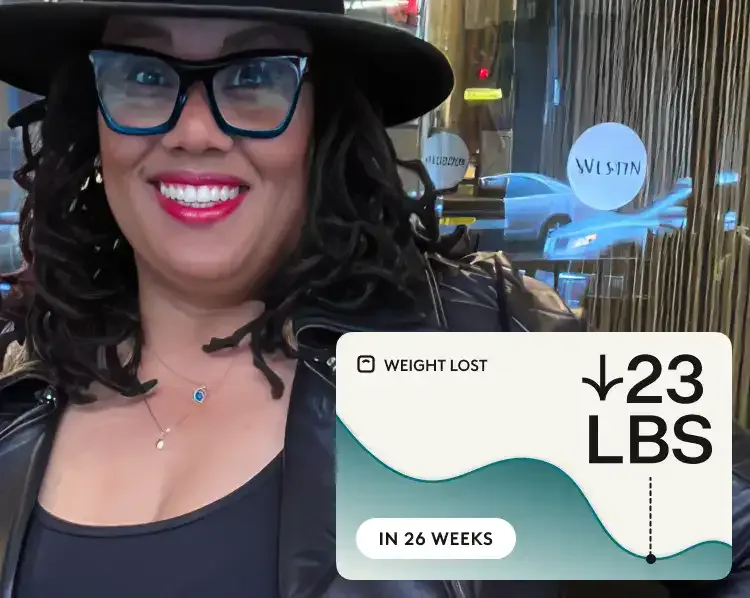
“Clinicians who understand how supportive medication can be is one of the best parts of Noom! I was convinced I wouldn’t have success but I’m down 11 pounds in two months.’’
Lila M. — Real Noom user
Steve M. — Real Noom user
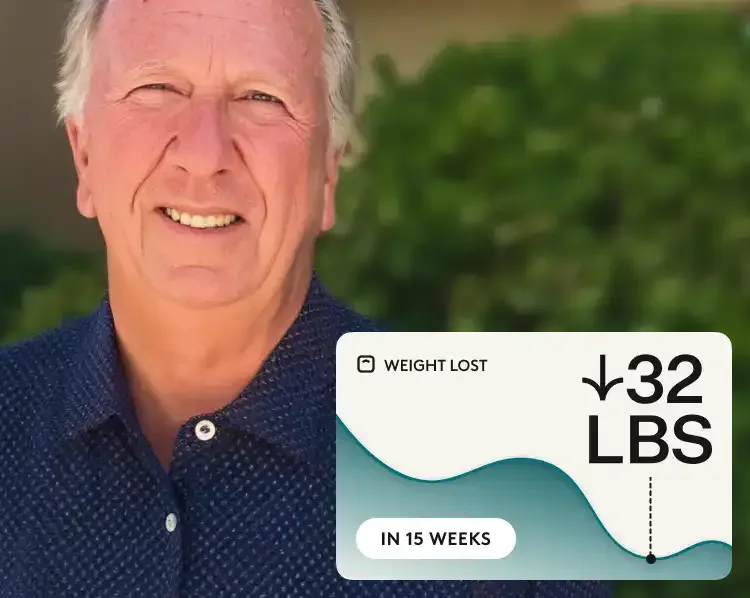
“Noom provided me with the medication which I could not get through Medicare. I have learned the tricks to better eating and life in general.”
Steve M. – Real Noom user
Daisy R. — Real Noom user
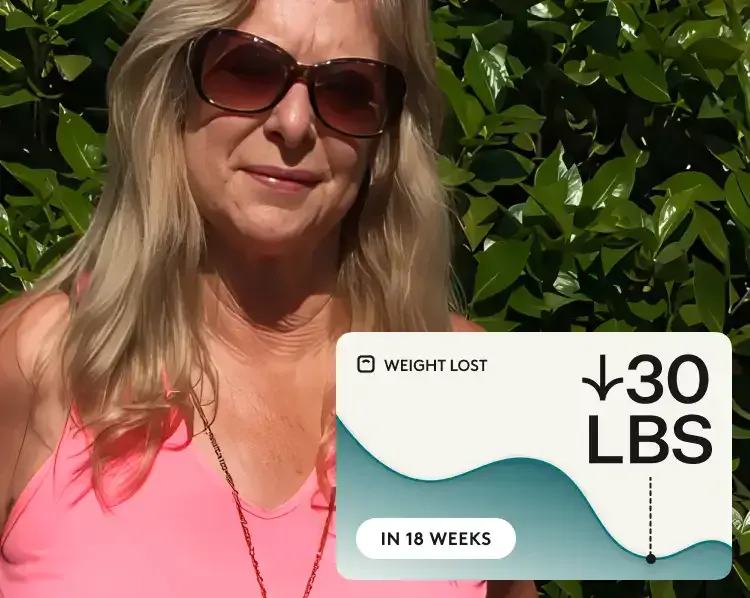
‘’Noom has changed my life and I’m so thankful, I feel great, have more energy and am no longer prediabetic.”
Daisy R. – Real Noom user
Sarah R. — Real Noom user
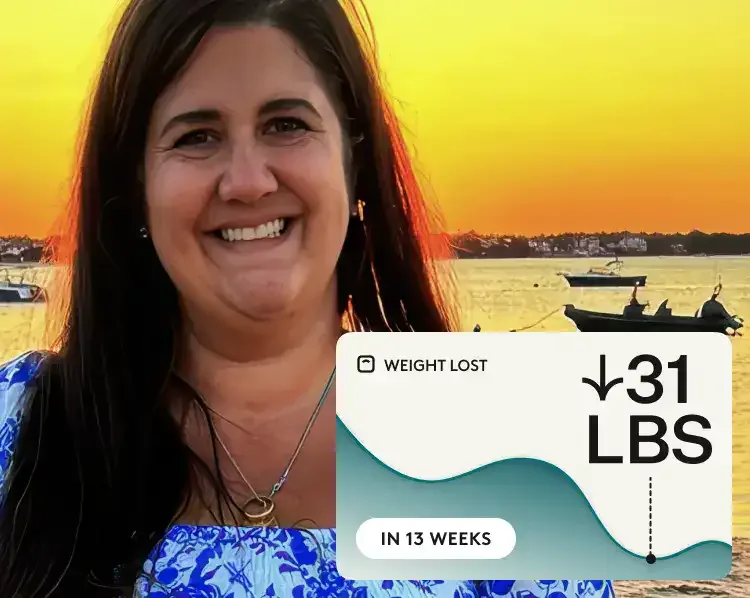
“All of the Noom providers that I’ve met with have been exceptional and prescribed medications that are appropriate for my situation and health.”
Sarah R. – Real Noom user
Madison S. — Real Noom user
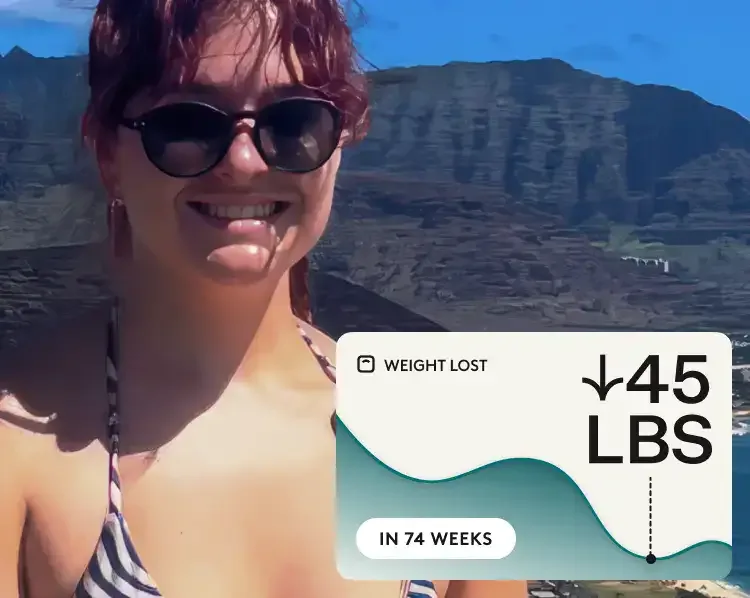
“Noom made the process so simple and now I feel full, free from diet obsession, and at ease in my body again.”
Madison S. – Real Noom user
Sonday K. — Real Noom user
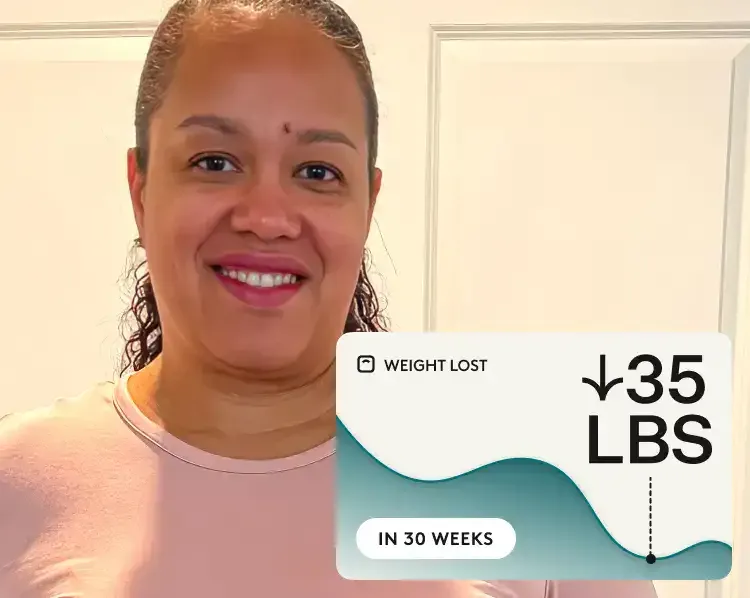
“My doctor recommended Noom after I was frustrated trying to lose weight. The lessons helped change my relationship with food. My body feels lighter & energized.”
Sonday K. – Real Noom user
Cam K. — Real Noom user
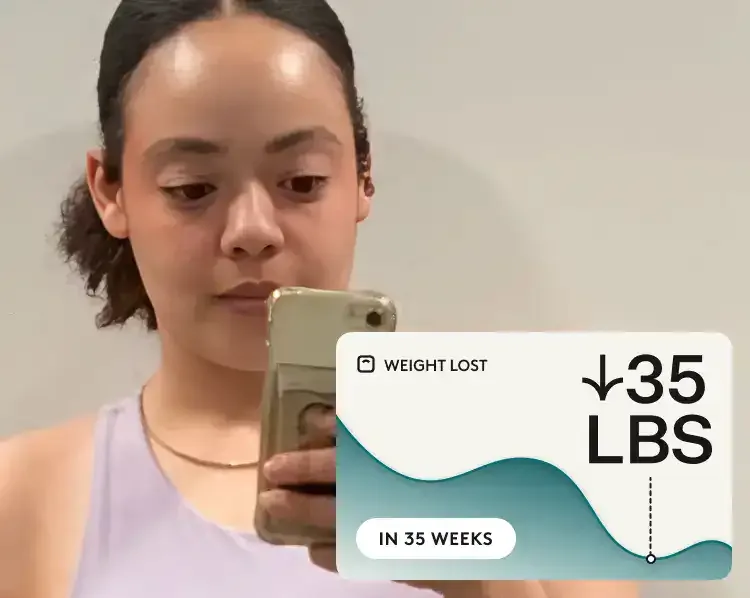
“I built healthy habits with coaching and lessons that make me confident I can maintain my weight loss long term.”
Cam K. – Real Noom user
Laura TR. — Real Noom user
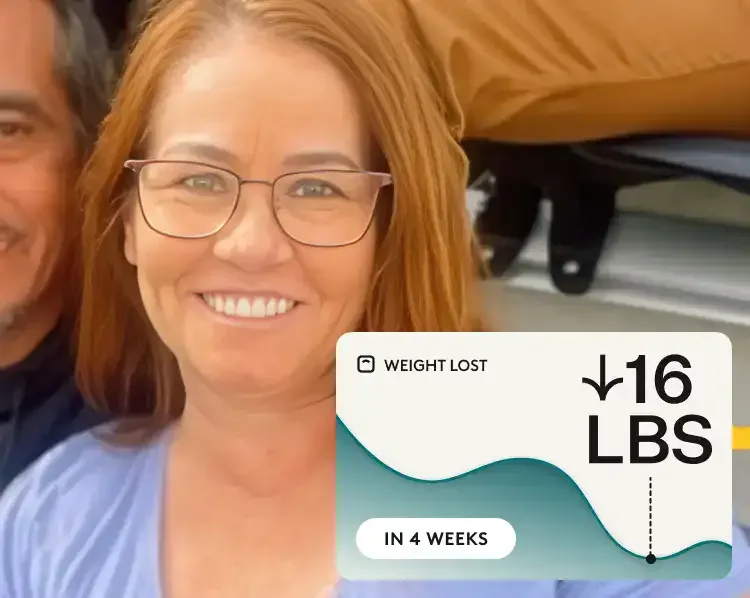
“With the right medication through Noom, hunger and sugar cravings finally quieted and I have the tools to break the cycle.”
Laura TR. – Real Noom user
Jessica S. — Real Noom user
“Cravings and food noise are gone, I finally feel confident in the healthy habits I’ve built to last with Noom.”
Jessica S. – Real Noom user
The bottom line: Some people lose moderate weight with bupropion
Bupropion may help some people with weight management, especially when cravings, appetite, or emotional eating are part of the challenge. But it is not a quick fix, and it is not FDA-approved by itself for weight loss. For many people, it works best as one part of a larger plan that includes balanced eating, regular movement, sleep, and ongoing support.
Before starting bupropion, it’s important to talk with a healthcare provider about your health history, current medications, possible side effects, and goals. They can help you understand whether bupropion, Contrave®, or another option may be a safer and better fit for you.
If you’re looking into weight loss medication, see if you qualify for Noom Med. You’ll be connected with a clinician who can find the right medication for you and prescribe it if needed. You’ll also get personalized medical guidance and psychology-based support to help you reach your goal and make them stick.
Note: Noom Med clinicians can prescribe Contrave® and the generic components of Contrave (bupropion and naltrexone), but don’t prescribe bupropion alone for weight loss.
Editorial standards
At Noom, we’re committed to providing health information that’s grounded in reliable science and expert review. Our content is created with the support of qualified professionals and based on well-established research from trusted medical and scientific organizations. Learn more about the experts behind our content on our Health Expert Team page.