
What you’ll learn:
- Water weight is one of the most common reasons your weight shifts from day to day.
- Everyday things like salt, carbs, exercise, stress, travel, and hormonal changes can all trigger your body to hold onto more water.
- Lasting weight loss comes from steady, sustainable habits, not from chasing the short-term drops that water weight can create.
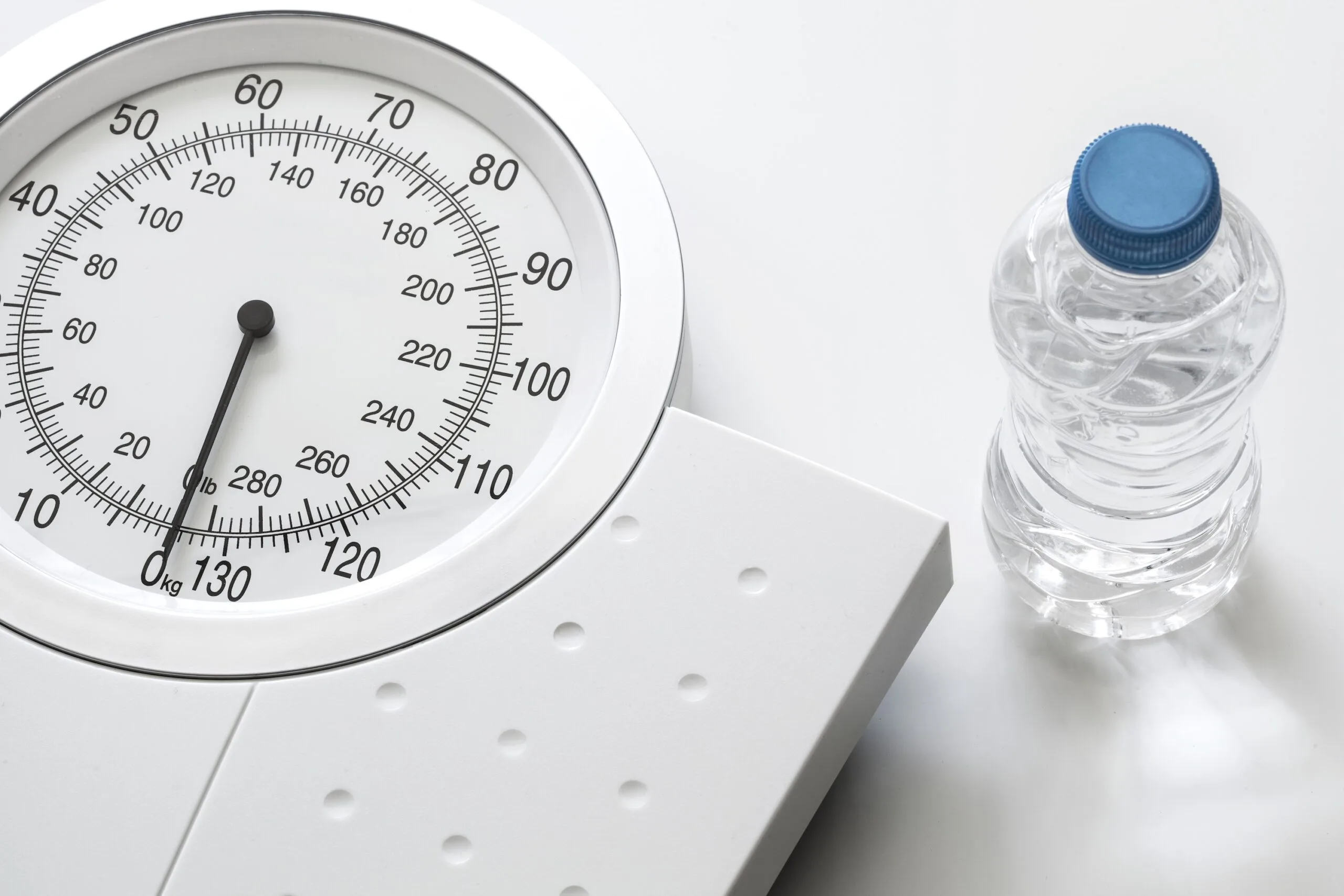
You probably already know that your body weight doesn’t stay exactly the same from one day to the next. One morning, it’s up a couple of pounds, the next it’s back down—and sometimes nothing about your routine really changed. A big part of that day-to-day movement comes down to what is called water weight, which is your body adjusting fluid levels to keep everything running smoothly.
Your body’s fluid levels are always in motion, shifting throughout the day based on a mix of everyday factors. A salty dinner, a tough workout, or even a shorter night of sleep can be enough to nudge the scale up temporarily. Some medications, medical conditions, and hormone shifts can even cause water weight to stay elevated for longer.
That’s why weighing yourself regularly can actually be helpful—you start to see your normal patterns. But the key is not getting too attached to any one number. What matters more is the trend over time. Progress tends to show up as a general pattern, even though your weight may move up and down along the way.
This becomes even more important once you zoom out to how weight loss actually works over weeks and months. It rarely follows a straight line. Understanding this pattern is important with any weight loss program, even GLP-1 medications, because weight loss tends to come in waves—early changes, then slower phases, then movement again—not a constant drop. Water weight has a lot to do with these fluctuations.
Once you understand that, weight loss starts to feel a lot less mysterious. We’ll go through what’s actually happening when water weight shifts, what triggers it, how it fits into your overall progress, and what you can realistically do about it.
Plus, Maggie Hudspeth, RDN, Senior Coach Program Manager at Noom, will share practical insights to help you interpret what you’re seeing on the scale with a little more clarity.
What is water weight?
Roughly 60% of your body is made up of water, and it’s not just sitting there. That fluid is working in different parts of your body at all times:
- Inside your cells, it supports everyday bodily functions
- In the spaces between your cells, it supports tissue structure
- In your bloodstream, it helps with circulation and nutrient delivery
Your body doesn’t always hold onto the same amount of fluid, though. It adjusts throughout the day based on different factors such as what you eat, how much you drink, and how active you are.
In fact, body water levels can naturally fluctuate by up to about 5% in a single day. For many people, that can mean several pounds of temporary weight change. For example, someone who weighs 150 pounds could see fluctuations of up to 7 pounds, while someone who weighs 200 pounds could fluctuate by about 10 pounds—all without gaining or losing body fat.
When these shifts happen, your body may hold onto a little more water than it needs in the moment to keep everything running smoothly. That extra fluid is what’s known as water weight, and it’s one of the most common reasons your weight can move up or down from one day to the next.
How your body stores energy also plays a role here. Glycogen, your body’s stored form of carbohydrates, is kept in your liver and muscles as a quick fuel source, and it doesn’t travel light.
According to studies, each gram of glycogen is stored alongside at least 3 grams of water. So when you eat a carb-heavy meal, your body stores glycogen and retains extra water with it. When you cut back on carbs or exercise hard enough to tap into those reserves, the water gets released, and the scale drops.
“Those fast results people see early in a diet are usually water leaving with glycogen,” says Hudspeth, “not actual fat loss. And the same thing works in reverse—one big meal can bring that water right back.”
10 things that can cause water weight shifts
A lot of everyday habits and body processes can cause your fluid levels to shift, and most of them are things you’re already doing without thinking twice about it. Understanding what triggers these changes can help you make better sense of your day-to-day weight fluctuations. Here’s a closer look at the most common ones.
1. How much water you’ve been drinking
The amount of water you drink can directly affect how much water your body holds onto. When you’re well hydrated, your body is more likely to maintain a healthy fluid balance and flush out excess sodium through urine. But if you haven’t been drinking enough water, your body may start retaining fluids as a protective response to avoid dehydration.
Access GLP-1 Weight Loss with Noom
Explore a wide range of prescription medications supported by Noom’s program.Microdose GLP-1rx
Noom GLP-1rx
Noom GLP-1rx Plus
Wegovy®
Ozempic®
Metformin
Zepbound®
Mounjaro®
Liraglutide
This is one reason you might notice temporary bloating or a higher number on the scale after a day without drinking enough water, traveling, or spending time in hot weather. On the other hand, increasing your water intake can sometimes help reduce water retention over time by encouraging your body to release stored fluids more efficiently.
2. Sodium and processed foods
Sodium helps control how fluid moves in and out of your cells. When you have more sodium than usual, your body may hold onto extra water to keep that balance steady. This can happen after meals that are higher in salt, especially from packaged or restaurant foods, and it often shows up as a temporary increase on the scale the next day.
3. Carbohydrates and glycogen storage
As we covered in the previous section, glycogen stores water alongside it. But it’s important to be clear that carbs aren’t something to avoid just because of this. They’re one of your body’s main sources of energy. But when you eat more carbs than your body burns immediately, the excess is stored as glycogen in your muscles and liver, and water tags along.
That’s why a carb-heavy meal can seem like it added a pound or two overnight. And it’s why the early days of a low-carb diet can produce such dramatic scale results. You’re depleting glycogen and shedding the water stored with it.
4. Hormones
Hormonal changes can also influence how your body handles fluid.
- For women: Shifts in estrogen and progesterone can lead to more noticeable water retention. One study found that body weight increased by over a pound during menstruation, largely due to fluid collecting outside cells. During perimenopause and menopause, hormonal patterns can become less predictable, which can affect how your body regulates fluids. Because of this, you might notice shifts in water retention that feel a bit less predictable or more noticeable than before.
- For men: Hormones can affect fluid balance in men, too, although the changes are usually less cyclical and noticeable. Testosterone levels, stress hormones like cortisol, exercise intensity, sleep quality, and aging can all influence how much water the body retains. For example, intense workouts can temporarily increase water retention as muscles repair and store glycogen, while high stress or poor sleep may contribute to bloating and fluid shifts. Men may also notice temporary changes in water weight from higher sodium intake, alcohol consumption, or changes in muscle mass and hydration habits.
5. Exercise and inflammation
During intense or new workouts, especially strength training, your muscle fibers can experience small amounts of structural damage. In response, your body kicks off an inflammatory process. Immune cells and fluid move into the muscle to help clear out damaged tissue and support repair. That temporary buildup can cause mild swelling in the muscle, which may show up as a short-term increase on the scale. It usually sticks around for a day or two while your muscles recover.
6. Stress
Stress causes your body to release cortisol, and elevated cortisol encourages your kidneys to hold onto sodium, which in turn pulls water along with it. The longer stress sticks around, the more noticeable the retention can be.
7. Sleep
Sleep deprivation has a similar cascading effect. Poor rest keeps cortisol elevated and throws off your body’s ability to regulate fluids properly, which can leave you feeling puffy the next morning.
8. Medications and supplements
Certain medications and supplements can cause your body to retain more fluid, sometimes leading to noticeable short-term weight changes. Common examples include corticosteroids, some blood pressure medications, hormonal birth control, antidepressants, and anti-inflammatory drugs. These can affect how your body regulates sodium and water balance.
Some supplements may also contribute to temporary water retention. Creatine, for example, pulls water into muscle cells, which can cause a small increase on the scale—often a sign of increased muscle hydration rather than fat gain. High doses of sodium-containing electrolyte products or certain protein supplements may also influence fluid balance in some people.
9. Alcohol
Alcohol can affect hydration in multiple ways, which is why your weight may fluctuate after drinking. Initially, alcohol acts as a diuretic, meaning it increases urination and can temporarily dehydrate you. In response, your body may later retain extra water to restore balance, especially if you’re also consuming salty foods or not drinking enough water alongside alcohol.
Many alcoholic drinks are also high in sugar or carbohydrates, which can increase glycogen storage. Since glycogen holds water, this can contribute to temporary bloating and water weight the next day. Poor sleep after drinking alcohol can also affect hormones involved in fluid regulation, making bloating feel even more noticeable.
10. Illness and medical issues
Being sick can sometimes cause temporary changes in water retention. Infections, inflammation, fever, digestive issues, and even recovery from illness can all affect how your body regulates fluids. For example, inflammation can signal the body to hold onto more water as part of the healing process.
Certain medical conditions may also contribute to ongoing fluid retention, including kidney disease, heart conditions, liver disease, thyroid disorders, or problems with circulation. In these cases, swelling may appear in areas like the feet, ankles, legs, or abdomen.
Most of this resolves on its own within a day or two of getting back to your normal routine.

The Easy Way
to lose weight and get healthy.
See if you qualify
Water weight vs. fat gain: How to tell the difference?
When your weight jumps up overnight, it’s natural to wonder whether what you’re seeing is actual fat gain or just fluid. The truth is, the two look and feel very different once you know what to pay attention to. Here are a few ways to tell the difference:
How fast it appeared
Fat gain happens gradually. It takes a sustained calorie surplus over days or weeks to gain body fat. Water weight, on the other hand, can show up in a matter of minutes or hours. If you woke up two pounds heavier than yesterday, that speed alone is a strong signal that you’re dealing with fluid, not fat.
How your body feels
Water retention often comes with bloating, puffiness, or a feeling of tightness, especially in your fingers, ankles, or midsection. Fat gain typically doesn’t produce those sensations.
Whether it lines up with a trigger
If the change followed a salty meal, a tough workout, a poor night of sleep, or a hormonal shift, water weight is the most likely explanation.
How quickly it goes away
Water weight tends to resolve within a day or two once the trigger passes. Fat gain stays consistent and doesn’t fluctuate the same way.
“The scale is just a snapshot,” says Hudspeth. “What you want to watch is the overall direction over a few weeks, and that’ll tell you way more than any one morning can.”
How much water weight can you gain?
Weight fluctuations are normal, and research suggests temporary water weight changes can range from about 1 to 5 pounds depending on factors like sodium intake, carbohydrate consumption, hormones, stress, and activity levels.
One way to see this in real data: a study tracked daily weights in 80 adults over thousands of measurements and found a consistent weekly rhythm—weight was highest on Sundays and Mondays, then declined through the week. The researchers concluded that these swings should be treated as normal variation rather than actual weight gain or loss.
A larger study replicated the pattern across a broader population, finding that people who were at a healthy weight showed the greatest week-to-week fluctuation—around 0.4% of body weight—likely because they were actively compensating for weekend intake during the week.
Together, these studies show that your weight isn’t a static number. It moves in predictable rhythms shaped by what you eat, how much you move, and when you do both. How much you personally experience will depend on your body, what you’ve eaten, how hydrated you already are, and which everyday triggers are in play.
How long does water weight last?
For most people, water weight doesn’t stick around very long. Your kidneys are built to keep your fluid levels in balance, and they’re quick to respond when there’s more water in your system than you actually need. That said, how quickly things settle down depends a lot on what triggered the retention in the first place.
- Sodium and processed foods: A salty meal typically causes fluid retention that clears up within 1–3 days once sodium intake returns to normal and your kidneys catch up.
- Carbohydrates and glycogen storage: Extra water tied to carbohydrate storage can linger for a few days, depending on how quickly your body burns through those energy stores.
- Hormones and the menstrual cycle: The body tends to retain more water in the week or two before a period, driven by natural hormone changes. Research confirms this is a normal part of the cycle, and it typically resolves on its own once menstruation begins.
- Exercise and inflammation: Post-workout swelling from muscle repair typically peaks within 24 to 72 hours and fades within a few days, though harder or unfamiliar workouts may take a little longer.
- Stress: When you’re stressed, your body releases cortisol, which signals the kidneys to hold onto extra fluid. Research shows this is a real physiological response, and it typically eases within a few days once stress comes down.
- Hydration levels: Mild dehydration can paradoxically cause your body to hold onto fluid as a protective response. It generally resolves within a few hours to a day or two once you’re consistently drinking enough water.
- Sleep: Poor sleep disrupts the hormones that regulate fluid balance. Puffiness from a bad night or two is usually temporary and tends to improve after getting good rest.
- Alcohol: Alcohol throws off your fluid balance and can be followed by rebound retention. It typically clears up within 24–72 hours, especially if you stay hydrated and eat balanced meals.
- Medications and supplements: Fluid retention from medications like corticosteroids, NSAIDs, or certain hormonal contraceptives may last as long as the medication is active in your system. Talk to your doctor before making any changes.
- Illness: Temporary fluid retention during illness usually resolves within a few days of recovery. Chronic conditions affecting the heart, kidneys, or liver can cause longer-lasting swelling and are worth discussing with a doctor.
The main thing to remember is that in a healthy body, water weight is tightly regulated and temporary. If you notice swelling or fluid retention that doesn’t seem to resolve on its own after several days, it’s worth mentioning to your healthcare provider. Ongoing retention can sometimes signal an underlying condition that may need attention.
How to lose water weight
If you have extra water weight, your body is usually well-equipped to sort it out on its own. That said, there are a few simple habits that can help the process along without resorting to anything drastic.
How to lose weight safely in 24 hours
Most of these come down to giving your body what it needs to do its job. Here are a few things that can help:
- Stay hydrated. Stay hydrated. It sounds counterintuitive, but drinking enough water may help your kidneys flush out excess sodium, which is one of the main drivers of retention.
- Ease up on sodium. Staying hydrated works best when sodium stays balanced, too. You don’t need to cut out salt entirely, but easing up on processed foods can help your body let go of excess water.
- Move your body. Even walking can help reduce fluid buildup in your tissues, especially if you’ve been sitting or standing for long periods. You don’t need an intense workout for this to make a difference.
- Eat consistently. Skipping meals or drastically changing your diet can cause your glycogen levels to swing, and since glycogen is stored with water, that can lead to temporary changes in fluid levels.
- Get some rest. Research has shown that not getting enough sleep is linked to your body holding onto more sodium, which can mean more fluid retention.
These are just simple ways to support your body’s natural balance. In most cases, once things settle back into your usual routine, your fluid levels will too. As Hudspeth points out, “Fluid shifts are part of how your body adjusts day to day, not something you need to fix right away.”
If you want a clearer picture of what’s influencing those day-to-day changes, Noom can help you track your food, hydration, and steps in one place.
How can you tell if you’re losing fat, muscle, or just water?
Not all weight loss is equal. When you see a lower number after stepping on the scale, it could mean you’ve lost water, fat, muscle, or some combination of all three. Understanding what’s actually behind those numbers can help you stay focused on the changes that matter most over time.
Signs you’re losing mainly water weight
Water weight tends to come off fast and follow a recognizable pattern:
- The drop is sudden. Losing 2 to 5, or more, pounds in just a few days is almost always fluid, not fat. Your body simply can’t burn fat that quickly.
- It lines up with a recent change. If you’ve just cut carbs, reduced sodium, started a new workout routine, or are experiencing hormonal shifts, a quick drop in weight likely reflects changes in fluid and glycogen, not body fat.
- It bounces back easily. If the weight returns after a single meal or a day of eating differently, that’s a strong sign it was water weight to begin with.
Signs you’re losing fat
Fat loss looks and feels different from water weight loss, mainly because healthy progress tends to happen gradually and shows up in ways that go beyond the number when you weigh yourself:
- It happens gradually. A steady, consistent downward trend over weeks and months is a much better indicator of fat loss than any single day’s reading.
- Your body starts to change. Clothes fitting differently, visible changes in how your body looks, and smaller waist or hip measurements are all signs that fat is coming off.
Signs you might be losing muscle
It’s completely possible to lose some muscle along with weight. Muscle loss is harder to spot, but your body does give you signals if you know what to look for:
- You feel weaker. If exercises that used to feel manageable are suddenly harder, or you’re lifting less than you were before, your body may be losing lean mass along with fat.
- You’re more tired than usual. Persistent fatigue that doesn’t improve with rest can sometimes point to muscle loss, especially if you’ve been eating significantly fewer calories for an extended period.
- You’re losing weight fast without strength training. If the number is dropping quickly and you’re not doing any resistance exercise, some of that loss could be coming from muscle rather than fat. Pairing resistance training with enough protein is one of the best ways to hold onto your lean mass while losing fat.
When water retention might be something else
In most cases, water weight comes and goes on its own and isn’t cause for concern. That said, there are a few situations where fluid retention can mean something more is going on, and it’s time to see a medical professional. Here are a few things to keep an eye out for:
- Swelling that doesn’t go away. If puffiness in your ankles, feet, or hands lingers for more than a few days without improving, it’s worth mentioning to your provider. Ongoing swelling, also called edema, can sometimes be related to conditions like heart disease, kidney issues, or liver problems.
- Swelling with pain or discomfort. Water retention by itself generally doesn’t hurt. If a swollen area is also sore, warm, or discolored, it’s worth having a provider take a look, as it could sometimes point to a blood clot or an infection.
- Trouble breathing: Shortness of breath or a feeling of tightness in your chest alongside fluid retention is a medical emergency, since it can occasionally be related to fluid collecting around the lungs or heart (pulmonary edema).
- Medications: If you’ve recently started or changed a medication and noticed more swelling than usual, that could be the connection. Blood pressure medications, corticosteroids, anti-inflammatory drugs like ibuprofen, and hormonal treatments are some of the more common ones associated with fluid retention.
Water weight is a normal part of how your body functions, and most fluctuations resolve on their own. But if something feels off or doesn’t resolve the way it usually does, a conversation with your healthcare provider can give you clarity and make sure nothing is being missed.
Frequently asked questions about water weight
Below are clear answers to common questions people have about water weight and what it means for their weight loss progress.
Why did I gain weight overnight?
A quick jump overnight is almost always related to water, not fat. Your body can hold onto more fluid based on things like what you ate, how much sodium was in your meals, or even how well you slept. Since water has weight, those small shifts can show up right away. The good news is that these changes are usually temporary and tend to settle once your body rebalances.
Is bloating the same as water weight?
They can feel similar, but they’re not exactly the same thing. Bloating usually comes from your digestive system, like gas or food moving through your stomach and intestines. Water weight, on the other hand, is fluid stored in your tissues or bloodstream. You might notice more bloating in your stomach, while water retention can appear in areas like your hands, face, or legs.
Does drinking more water cause water retention?
Does drinking more water cause water retention? It might feel like it would, but drinking enough water usually helps your body release extra fluid. When your body is well-hydrated, it’s easier to let go of excess sodium and water. On the flip side, when you don’t drink enough, your body may hold onto fluid as a backup. A study of 300 healthy adults found that nearly 2 in 5 were in a state of fluid retention, likely because they weren’t drinking enough water during the day. Staying hydrated supports balance.
Can carbs cause water weight gain?
Carbs themselves aren’t a problem, but they do affect how your body stores water. When you eat carbs, your body stores some of them as glycogen, which is your stored energy. Glycogen holds onto water, so when those levels go up, your fluid levels can go up too. This is a normal and temporary part of how your body manages energy.
Is water weight bad?
Water weight isn’t something you need to worry about on its own. It’s a normal part of how your body keeps everything balanced and functioning properly. Your body is always adjusting fluid levels to match what it needs in the moment. Most of the time, these shifts are harmless and part of everyday changes.
How do I know if it’s water weight or fat?
The biggest clues are speed and pattern. Water weight tends to appear suddenly, often overnight, and usually resolves within a day or two once the trigger passes. Fat gain happens slowly over weeks of consistently eating more than your body uses.
If the change came with bloating, puffiness, or lines up with a salty meal, a tough workout, or a hormonal shift, it’s almost certainly fluid. Looking at your weight trend over a couple of weeks rather than fixating on any single reading will give you a much clearer picture of what’s actually changing.
Reviews from real Noom users
Desirea N. — Real Noom user
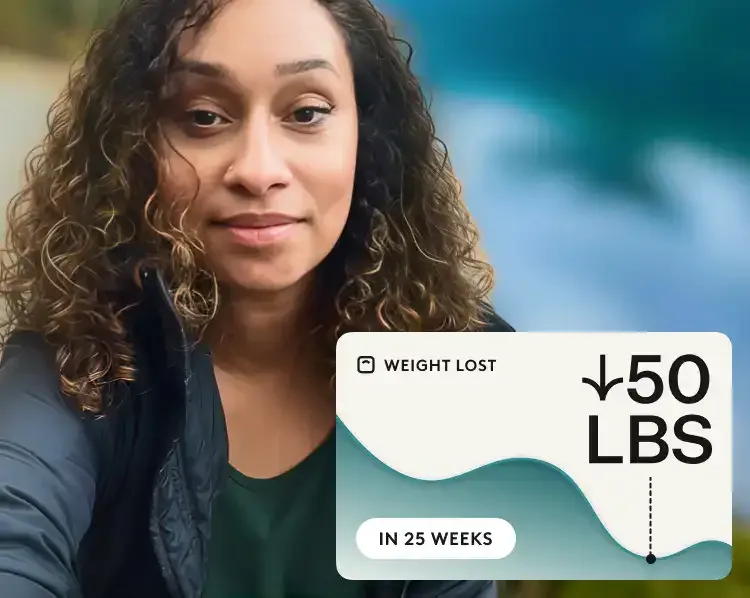
“My favorite parts of Noom are the care team and other Noomers. Sharing and getting help made me feel like I wasn’t doing it alone. That support made all the difference.”
Desirea N. — Real Noom user
Matthew M. — Real Noom user
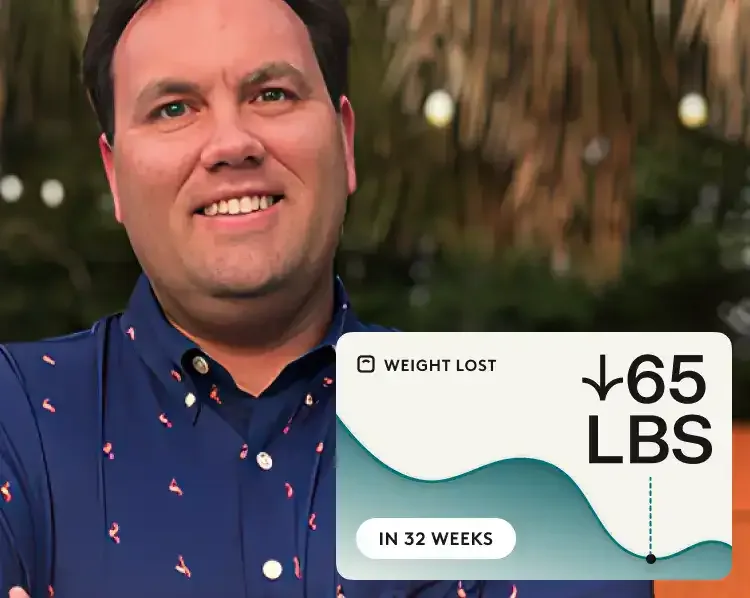
“Noom has taught me that every day is a new chance to make better, healthier choices. It's taught me how to stop overeating.’’
Matthew M. — Real Noom user
Lila M. — Real Noom user
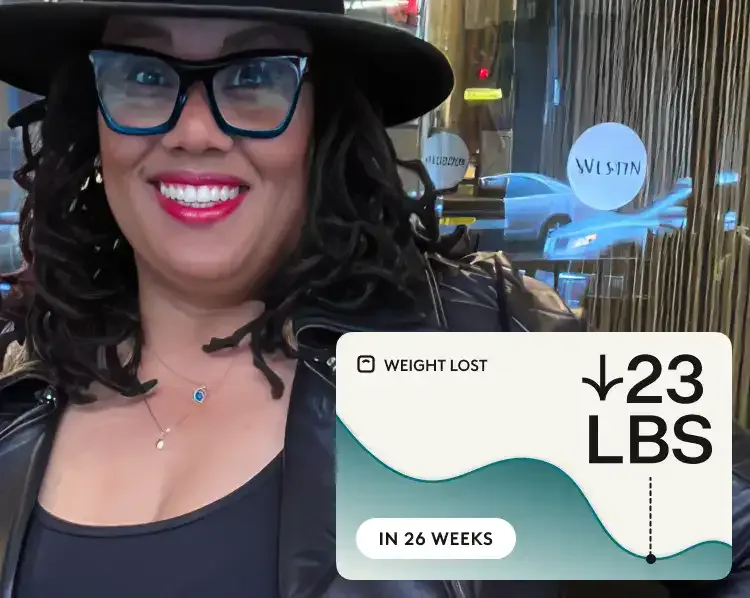
“Clinicians who understand how supportive medication can be is one of the best parts of Noom! I was convinced I wouldn’t have success but I’m down 11 pounds in two months.’’
Lila M. — Real Noom user
Steve M. — Real Noom user
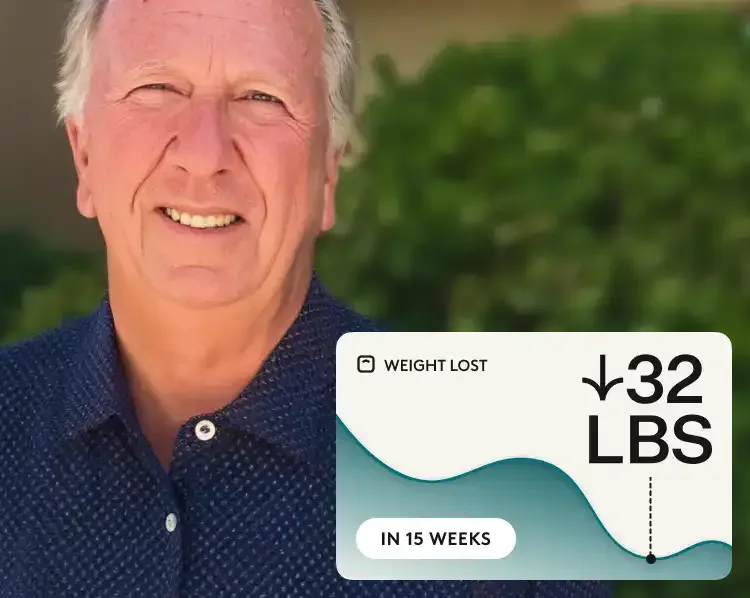
“Noom provided me with the medication which I could not get through Medicare. I have learned the tricks to better eating and life in general.”
Steve M. – Real Noom user
Daisy R. — Real Noom user
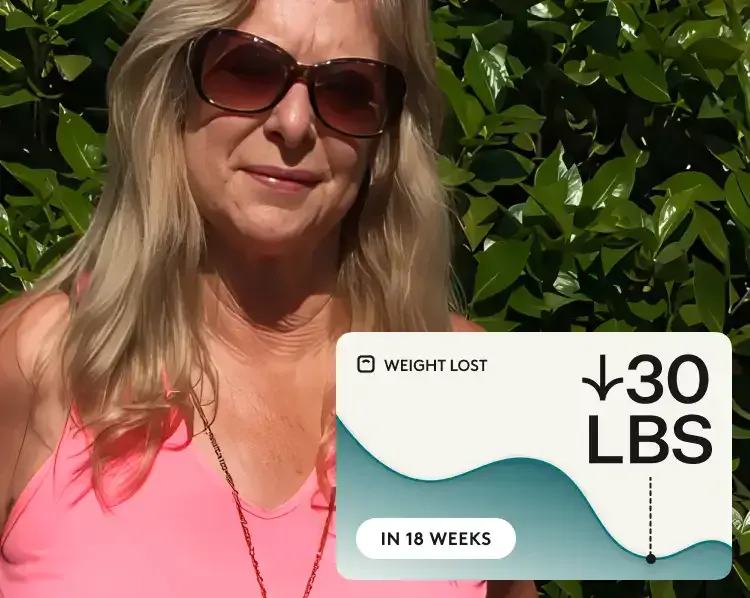
‘’Noom has changed my life and I’m so thankful, I feel great, have more energy and am no longer prediabetic.”
Daisy R. – Real Noom user
Sarah R. — Real Noom user
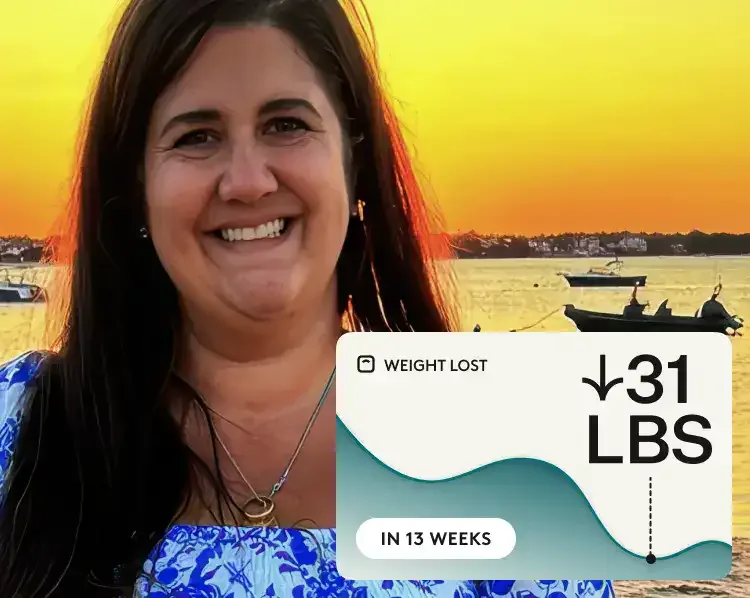
“All of the Noom providers that I’ve met with have been exceptional and prescribed medications that are appropriate for my situation and health.”
Sarah R. – Real Noom user
Madison S. — Real Noom user
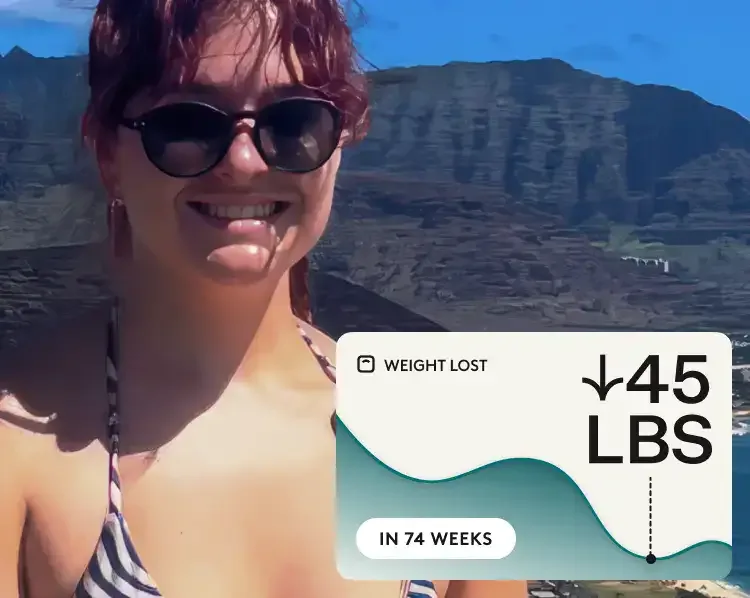
“Noom made the process so simple and now I feel full, free from diet obsession, and at ease in my body again.”
Madison S. – Real Noom user
Sonday K. — Real Noom user
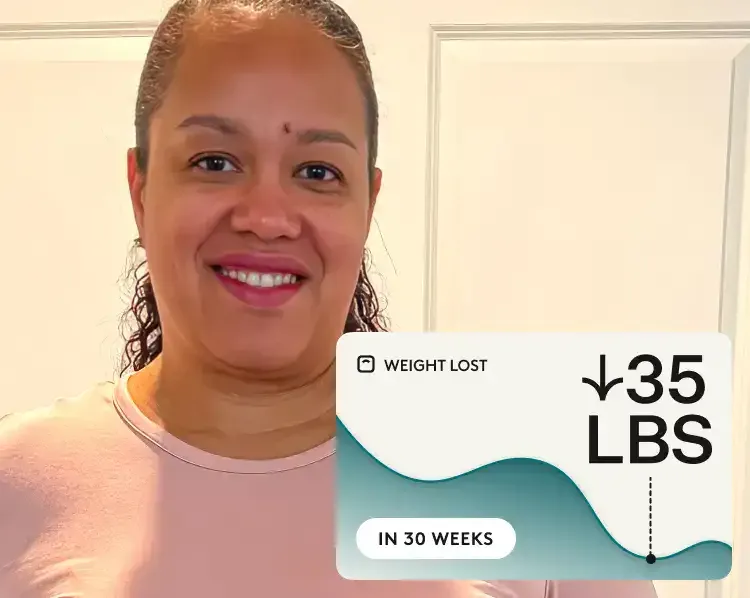
“My doctor recommended Noom after I was frustrated trying to lose weight. The lessons helped change my relationship with food. My body feels lighter & energized.”
Sonday K. – Real Noom user
Cam K. — Real Noom user
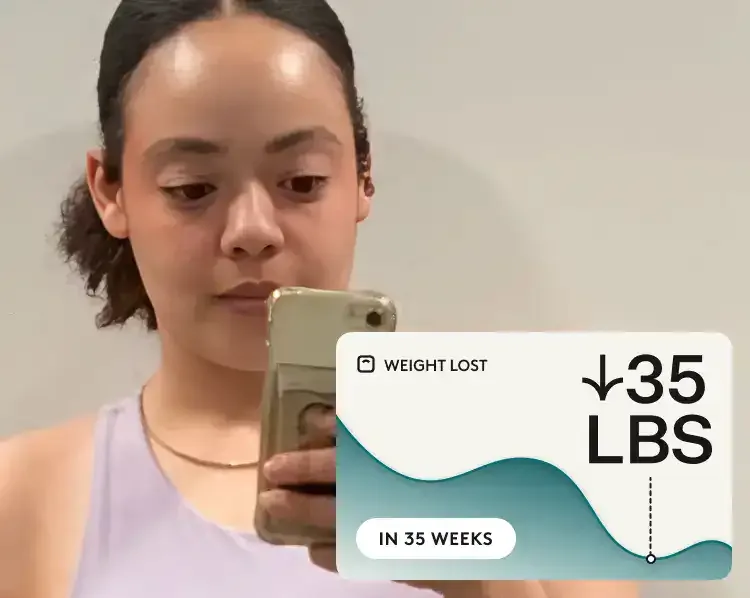
“I built healthy habits with coaching and lessons that make me confident I can maintain my weight loss long term.”
Cam K. – Real Noom user
Laura TR. — Real Noom user
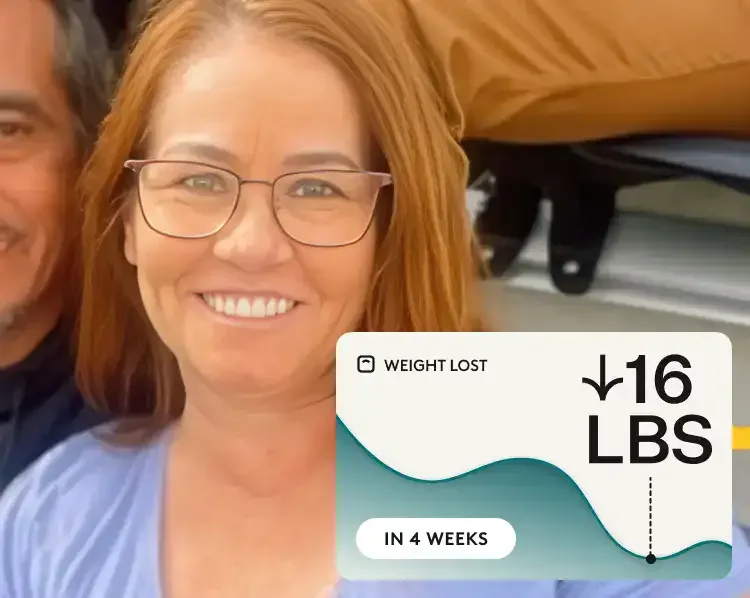
“With the right medication through Noom, hunger and sugar cravings finally quieted and I have the tools to break the cycle.”
Laura TR. – Real Noom user
Jessica S. — Real Noom user
“Cravings and food noise are gone, I finally feel confident in the healthy habits I’ve built to last with Noom.”
Jessica S. – Real Noom user
The bottom line: Water weight is temporary, consistency is what drives fat loss
Water weight is part of your body’s normal rhythm, and it’s one of the biggest reasons your weight can shift from one day to the next. While those changes can feel frustrating in the moment, they’re usually temporary and don’t reflect actual changes in body fat.
“The scale doesn’t tell you the whole story,” says Hudspeth. “When you understand what’s actually behind daily weight changes, it becomes a lot less stressful. Focus on trends over time and how you feel day to day—those are the things that tell you which direction your health is really moving in.”
The real progress happens when you stop reacting to every daily number and start paying attention to the bigger picture. Fat loss is gradual, consistent, and shows up in ways that go beyond the scale. When you know what’s actually moving the number on any given day, it gets a lot easier to stay focused on the habits that lead to lasting change.
If you’re looking for free tools and guidance to connect your daily habits with real progress, download the Noom app on iOS and Android. It can help you build consistent routines and better understand what’s driving your results over time.
Editorial standards
At Noom, we’re committed to providing health information that’s grounded in reliable science and expert review. Our content is created with the support of qualified professionals and based on well-established research from trusted medical and scientific organizations. Learn more about the experts behind our content on our Health Expert Team page.