

What you’ll learn:
- Wegovy® and Ozempic® both contain semaglutide and come as weekly injections and daily pills, but each has its own dosing schedule.
- Semaglutide doses start low and increase gradually to help your body adjust and reduce side effects like nausea.
- Higher doses generally lead to greater weight loss, but they can also cause more side effects and cost more, so the best dose depends on your response and treatment goals.
Most people know semaglutide as the active ingredient in Wegovy® and Ozempic®. But if you’re thinking about taking it—or you’ve just started—you might be surprised to learn that finding the right dose is a process. And with both medications available as weekly injections and daily pills, there’s more than one dosing schedule to understand.
One thing all four versions have in common? You start low and gradually increase your dose. This process, called titration, usually takes several months and gives your body time to adjust, helping reduce side effects like nausea.
But here’s where things get interesting: Higher doses generally lead to greater weight loss, but they can also mean more side effects—and sometimes higher costs.
Not everyone needs the highest dose to see results. The right dose depends on which medication you’re taking, how your body responds, and what you’re trying to achieve.
So, how do you know which semaglutide dose you should take? We’ll walk through the dosing schedules for Wegovy® and Ozempic®, compare pills and injections, look at weight-loss results at different doses, and explain how to tell whether your dose is working. We’ll also cover costs, side effects, and what to do if you miss a dose.
Noom’s Most Powerful Program
A dual-pathway GLP-1 and behavior change for lasting results.
What is semaglutide? Understanding the doses of Wegovy® and Ozempic®
Wegovy® and Ozempic® both contain semaglutide and come as injections and pills, but they’re approved for different things and dosed differently. Let’s go through what to expect with all the forms.
What is Wegovy®?
Wegovy is FDA-approved for weight management for adults with a BMI of 30 or higher, or a BMI of 27 or higher with at least one weight-related condition. The injection is also approved for ages 12 and older, while the pill is only approved for adults.
Other approved uses include lowering the risk of major cardiovascular events in adults with known heart disease and obesity or overweight, and, for the injection, treating a liver disease called MASH.
- Two forms. A once-weekly injection and a once-daily pill.
- Injection doses. 0.25 mg, 0.5 mg, 1 mg, 1.7 mg, 2.4 mg, and Wegovy® HD at 7.2 mg.
- Pill doses. 1.5 mg, 4 mg, 9 mg, and 25 mg.
What is Ozempic®?
Ozempic is approved to improve blood sugar and, for eligible adults with type 2 diabetes, to lower the risk of certain heart and kidney problems. It’s also sometimes prescribed off-label for weight loss.
- Two forms. A once-weekly injection and a once-daily pill. (The semaglutide pill was formerly called Rybelsus® but had different doses.)
- Injection doses. 0.25 mg, 0.5 mg, 1 mg, and 2 mg.
- Pill doses. 1.5 mg, 4 mg, and 9 mg.
Here’s a chart for a quick look at the differences:
Semaglutide dosage chart: Every FDA-approved dose
| Brand and form | Doses | FDA-approved uses |
|---|---|---|
| Wegovy® injection (weekly) | 0.25, 0.5, 1, 1.7, 2.4, and 7.2 mg (HD) | Weight management (adults and adolescents 12+), lowering certain cardiovascular risks, and, for eligible adults, MASH |
| Wegovy® pill (daily) | 1.5, 4, 9, and 25 mg | Weight management in adults, and lowering cardiovascular risk in adults with known heart disease and obesity or overweight |
| Ozempic® injection (weekly) | 0.25, 0.5, 1, and 2 mg | Type 2 diabetes: blood sugar control and lowering certain heart and kidney risks |
| Ozempic® pill (daily) | 1.5, 4, and 9 mg | Type 2 diabetes: blood sugar control and lowering the risk of major cardiovascular events in adults at high risk |
Learn more:
- What dose of Wegovy® is most effective?
- Ozempic® dosage guide: Finding the right dose for effective results
Weight loss: The difference between Wegovy vs. Ozempic
Wegovy® and Ozempic® contain the same medication, but they’re approved for different things. Ozempic has been used off-label for weight loss, but most of the weight loss research has been done with the doses of semaglutide in Wegovy.
That’s why we focus on Wegovy when we talk about dosing for weight loss in this article. The two medications share several doses, so much of what you’ll read applies to both. Both injections start at 0.25 mg and step through 0.5 mg and 1 mg, and both pills start at 1.5 mg and step through 4 mg and 9 mg. After that, the schedules split. Wegovy continues to 1.7 mg, 2.4 mg, and up to 7.2 mg for the injection and to 25 mg for the pill. Ozempic tops out at 2 mg for the injection and 9 mg for the pill, and its later steps are based on blood sugar control rather than weight.
If you have type 2 diabetes, or you take Ozempic for weight loss off-label, your dosing and your weight loss potential may differ from what we describe here. People with type 2 diabetes tend to lose less weight on semaglutide than people without it. In a 68-week trial of adults without diabetes, people taking the 2.4 mg dose lost an average of 14.9% of their body weight. In a separate 68-week trial of adults with type 2 diabetes, people on the same dose lost an average of 9.6%. These were different trials, so they aren’t a direct comparison, but they show the pattern researchers have seen.
That second trial also tested 1 mg, one of the doses Ozempic uses. People on 1 mg lost about 7%. Which medication and dose fit you depends on your health history and your goals, so talk it through with your provider.
Access GLP-1 Weight Loss with Noom
Explore a wide range of prescription medications supported by Noom’s program.
Microdose GLP-1rx
Noom GLP-1rx
Noom GLP-1rx Plus
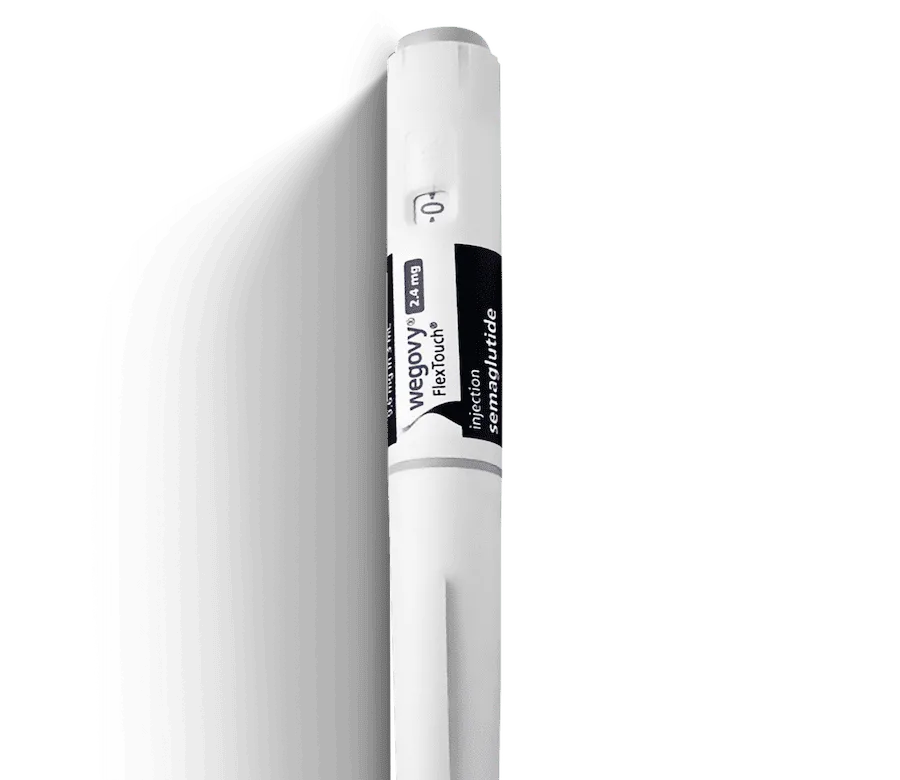
Wegovy®
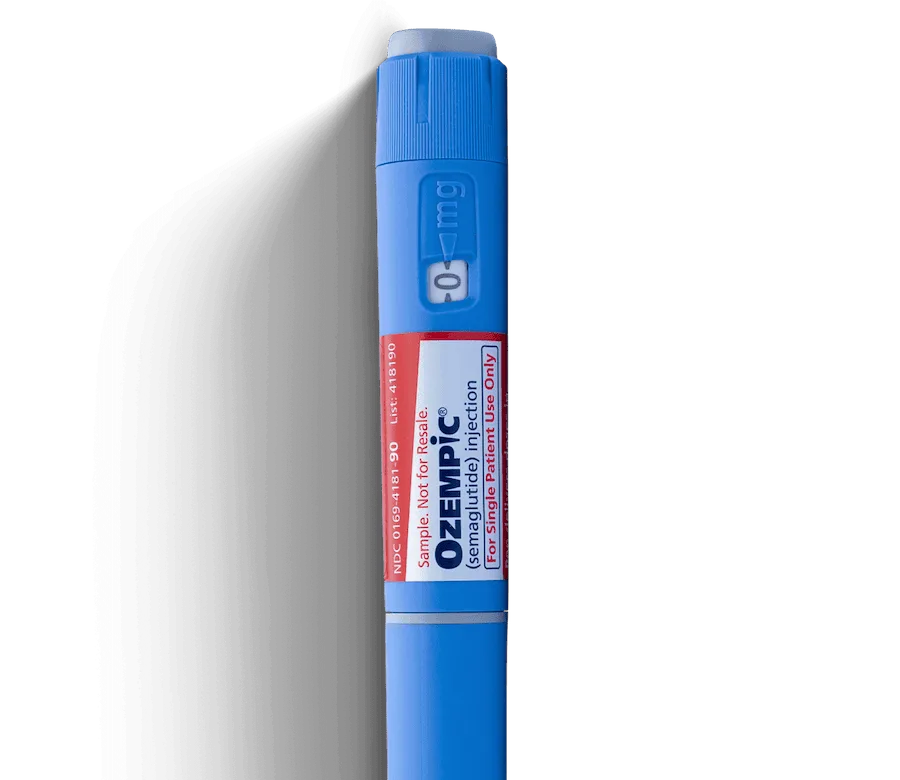
Ozempic®
Metformin
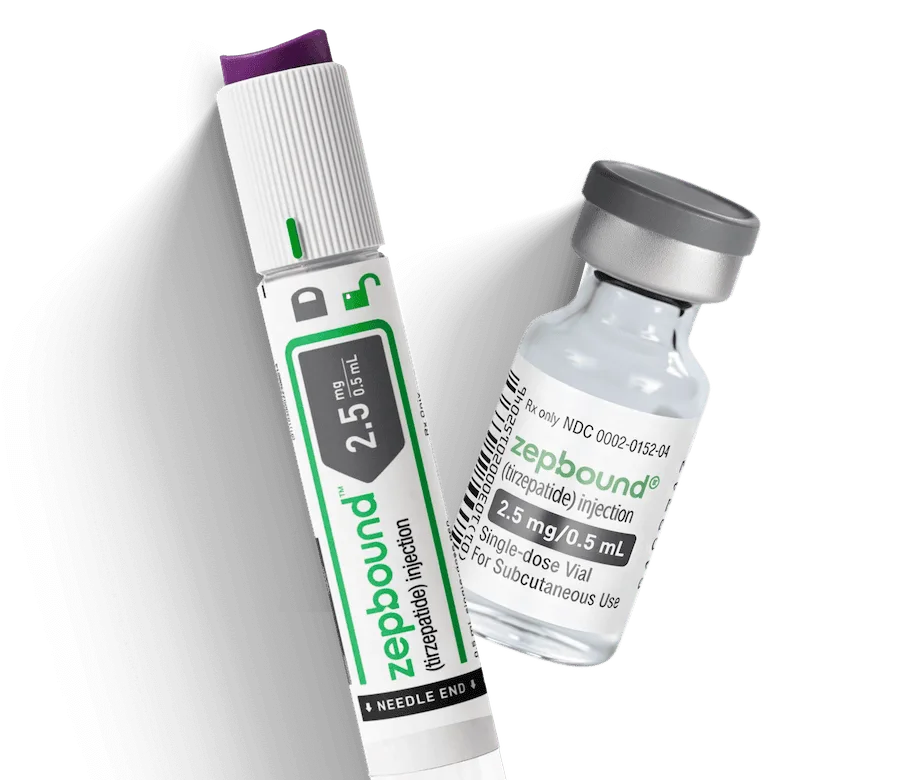
Zepbound®
Mounjaro®
Liraglutide
Learn more:
Finding the right dose of semaglutide for weight loss
Whether you are taking a weekly injection or daily pill, semaglutide is started at the lowest dose, and that’s by design. Doses step up slowly because it helps reduce the risk of side effects, ensuring that you stay on the medication to get the best results.
There is a difference between the path you follow if you are taking the injection versus the pill. Let’s take a look at what you can expect and how your provider will manage your semaglutide dose.
Semaglutide injection: Dosage chart
Both injections start at 0.25 mg once a week, and later increases come at least four weeks apart and will depend on how you respond and your side effects. You must wait four weeks to increase, but you can stay at any dose that works best for you.
| Week | Wegovy® injection | Ozempic® injection |
|---|---|---|
| Weeks 1–4 | 0.25 mg | 0.25 mg |
| Weeks 5–8 | 0.5 mg | 0.5 mg |
| Weeks 9–12 | 1 mg | 0.5 mg |
| Weeks 13–16 | 1.7 mg | 1 mg (if more blood sugar control is needed) |
| Week 17 onward | 2.4 mg | 2 mg (if more blood sugar control is needed) |
| After at least 4 weeks on 2.4 mg | Up to 7.2 mg (Wegovy® HD), if your provider recommends it | N/A |
Semaglutide pill: Dosage chart
Oral Wegovy and Ozempic start at the same dose and can be increased every 30 days as needed and tolerated. Wegovy goes a step beyond 9 mg, up to 25 mg. Again, you can stay at any dose that works for you.
| Days | Wegovy® pill | Ozempic® pill |
|---|---|---|
| Days 1–30 | 1.5 mg | 1.5 mg |
| Days 31–60 | 4 mg | 4 mg |
| Days 61–90 | 9 mg | 9 mg (if more blood sugar control is needed) |
| Day 91 onward | 25 mg | N/A |
Why semaglutide tablet doses are so much higher than the injection doses
You might notice a big difference between the doses of semaglutide pills and injections. For example, the highest Wegovy® injection dose is 7.2 mg once a week, while the Wegovy® pill goes up to 25 mg every day. Why such different numbers?
It comes down to how your body absorbs the medication. When you inject semaglutide, it enters the tissue beneath your skin and is gradually absorbed into your bloodstream. But when you swallow a pill, semaglutide has to pass through your digestive system, where stomach acid and digestive enzymes can break it down before much of it gets absorbed.
To help with this, semaglutide pills contain an ingredient called SNAC that helps protect the medication and improves its absorption through the stomach lining. Even with this ingredient, a smaller amount of the medication reaches your bloodstream.
That doesn’t mean the pill is stronger. Oral and injectable doses aren’t interchangeable milligram for milligram, and you shouldn’t try to convert between them yourself.
It’s also why taking the pill correctly matters. Wegovy® and Ozempic® pills must be taken on an empty stomach with no more than 4 ounces of plain water, followed by at least 30 minutes without food, drinks, or other oral medications. These instructions help your body absorb the medication consistently.
For more details, see our guides to how to take the Wegovy pill and Wegovy pill vs. Ozempic pill.
What is the best maintenance dose of semaglutide?
The starting dose helps your body adjust. The maintenance dose is the one you settle on and stay on. Novo Nordisk, the maker of Wegovy® and Ozempic®, recommends specific maintenance doses, but the decision is ultimately up to your provider. Any dose can be your maintenance dose if your provider says it should be. They choose based on how you’re responding, how you feel, and your goals.
Here’s what Novo Nordisk recommends:
- Wegovy® injection: 1.7 mg or 2.4 mg.
- 7.2 mg is another optional step for people who tolerate 2.4 mg and need more weight loss.
- Wegovy® pill: 25 mg
- Ozempic® injection: For blood sugar control, 0.5 mg, 1 mg, or 2 mg. If you’re taking Ozempic for weight loss, your provider will choose the right dose for you.
- Ozempic® pill: 4 mg or 9 mg is often the maintenance dose for blood sugar control. If you’re taking it off-label for weight loss, your provider will guide your dose.
So why might your provider choose a different dose? Often it comes down to results and side effects. In the main Wegovy trial, some people took lower maintenance doses if they struggled with side effects. And some people do well on a lower dose.
The goal is to get results, not to reach the highest dose. Just keep in mind that most of the weight-loss research was done at the recommended maintenance doses, so there’s less data on how much weight people lose at lower doses.
Noom’s Most Powerful Program
A dual-pathway GLP-1 and behavior change for lasting results.
Your maintenance dose can also affect what you pay, particularly if you don’t have insurance and get your medication through the NovoCare Pharmacy. We break down costs by dose below.
Your dose should feel comfortable, because weight loss takes time.
In the main Wegovy trial, average weight loss kept building until about week 60, or roughly 14 months. The trials of the Wegovy pill and the 7.2 mg dose ran longer, 64 weeks and 72 weeks, so you may be on your dose for a year or more before you see your full results.
That’s a long runway, which is why a dose you can live with day to day matters. A dose that leaves you feeling unwell is hard to stick with, and it’s a reason some people stop. In the main trial, 4.5% of people on semaglutide stopped treatment because of stomach-related side effects, compared with 0.8% on placebo. If a dose isn’t comfortable, tell your provider before your next step up. They can hold you where you are, step you back, or adjust your plan.
Semaglutide dosage: Will costs increase as the dose goes up?
They can, depending on which medication you take and how you pay for it. If you’re paying the retail price, the cost generally stays the same regardless of your dose. But if you’re paying out of pocket through NovoCare® Pharmacy, higher doses can cost more.
Insurance can make a big difference, too. Some people with eligible commercial coverage may pay as little as $25 per month, while others may pay considerably more.
Here’s how the costs compare for a month’s supply, based on current pricing from NovoCare® and its self-pay pricing program.
*The $25 price is available to eligible people with commercial insurance that covers the medication and who qualify for the manufacturer’s savings offer.
What about Medicare coverage? Explaining the Medicare GLP-1 Bridge Program
If you have Medicare, you may qualify for the Medicare GLP-1 Bridge Program, which offers Wegovy injections and pills for $50 per fill through December 31, 2027.
The program began July 1, 2026, and is available to eligible Medicare Part D beneficiaries who meet certain medical criteria. Your healthcare provider must submit a prescription and complete prior authorization when required. You must also participate in a lifestyle program focused on nutrition and exercise.
Are semaglutide prices changing?
Yes, and two changes are worth knowing about:
- December 31, 2026: The introductory $199 offer for eligible new patients is scheduled to end. After that, standard self-pay pricing applies.
- January 1, 2027: Novo Nordisk plans to lower the list prices of Wegovy and Ozempic to $675 per month. This won’t change the prices offered through its self-pay program.
Because prices and savings offers can change, check the latest costs through NovoCare before filling your prescription.
For more information about what you might pay, see our guides:
- Semaglutide cost with and without insurance
- What does Wegovy® cost without insurance?
- Wegovy® pill cost: With and without insurance
- Ozempic® costs: With and without insurance
Weight loss: Results with semaglutide by dose
Higher doses of semaglutide generally lead to greater weight loss, but how much you lose depends on several factors, including your starting weight, how your body responds, and whether you have type 2 diabetes.
Clinical trials have found that people taking Wegovy lost an average of about 10% to 19% of their starting weight, depending on the dose and formulation.
Here’s what those results could look like for someone starting at 200 pounds:
| Semaglutide dose | Average weight loss | Placebo | Pounds lost at 200 lbs |
|---|---|---|---|
| 1.7 mg injection | 9.6% | 3.4% | 19 |
| 2.4 mg injection | 14.9% | 2.4% | 30 |
| 7.2 mg injection | 18.7% | 4.4% | 37 |
| 25 mg pill | 13.6% | 2.2% | 27 |
Note: These results come from different clinical trials lasting 64 to 72 weeks, so they aren’t direct comparisons. The 1.7 mg result comes from a study of Japanese and Korean adults, including some with type 2 diabetes. Individual results will vary.
Does a higher dose of semaglutide mean more weight loss?
Generally, yes. And some studies have compared different doses directly:
- 1.7 mg vs. 2.4 mg: In a 68-week study, people taking 2.4 mg lost 13.2% of their weight, compared with 9.6% for those taking 1.7 mg.
- 2.4 mg vs. 7.2 mg: In a 72-week study, people taking 7.2 mg lost 18.7% of their weight, compared with 15.6% for those taking 2.4 mg.
But higher doses can also mean more side effects. In the 7.2 mg trial, digestive side effects affected about 71% of people taking 7.2 mg versus 61% taking 2.4 mg.
Does that mean you should aim for the highest dose?
Not necessarily. Some people achieve meaningful weight loss at lower doses, and increasing the dose can make side effects harder to manage. Your healthcare provider can help you find the dose that balances results with how you feel.
For a deeper look at what to expect, see our guide to semaglutide weight loss results.
How do you know if your semaglutide dose is working?
The right dose of semaglutide should help you make progress toward your weight-loss goals without causing side effects that interfere with your daily life. Your healthcare provider will consider how much weight you’re losing, how you’re feeling, and where you are in your dosing schedule before recommending any changes.
Here are some signs that your dose might need adjusting:
- You’re still feeling hungry. Semaglutide helps reduce appetite, but it doesn’t eliminate hunger. If you’re experiencing significant hunger or aren’t noticing much change in your appetite, talk with your provider about whether your current dose is appropriate.
- Your weight loss has plateaued. Weight loss naturally slows over time, so a plateau doesn’t automatically mean you need a higher dose. In a major Wegovy clinical trial, average weight loss began leveling off around week 60. If your progress has stalled, your provider can help determine whether a dose adjustment makes sense.
- You’re having persistent side effects. Nausea, vomiting, and other digestive symptoms can become more noticeable when your dose increases. If you’re struggling with side effects, your provider may recommend staying at your current dose longer or reducing it. For Wegovy injections, the prescribing information recommends considering a four-week delay before increasing a dose that isn’t well tolerated.
- Your health needs have changed. Starting another medication or developing a new health condition may affect your treatment plan. For example, people taking insulin or certain diabetes medications may need adjustments to reduce the risk of low blood sugar.
Don’t adjust your semaglutide dose on your own. Increasing too quickly can make side effects worse, while reducing or skipping doses may affect your results. Regular check-ins with your provider can help you find the dose that works best for you.
For more guidance, read our article on what to do if you aren’t losing weight on semaglutide.
How to take semaglutide: The difference between injections and pills
Injectable and oral semaglutide work the same way once they’re in your body, but how you take them is very different. The injection is a weekly routine with flexible timing. The pill is a daily routine with strict rules, because absorption depends on them.
How to inject semaglutide
Semaglutide injections are taken once a week, on the same day each week, at any time of day, with or without food. You inject the medication just under the skin of your stomach, thigh, or upper arm. Rotate injection spots each week to help prevent irritation.
For step-by-step instructions, see our guide to the best Wegovy injection sites and tips.
How to take semaglutide pills
Semaglutide pills are taken once daily, first thing in the morning on an empty stomach. Swallow the pill whole with no more than 4 ounces of plain water. Wait at least 30 minutes before eating, drinking anything else, or taking other oral medications. These steps help your body absorb the medication properly.
For more details, see our guide to how to take the Wegovy pill.
What happens if you miss a dose of semaglutide?
What to do depends on which form you take.
A few more situations:
- If you miss several doses. For Wegovy injection, after two or more missed doses in a row, you may resume as scheduled or restart the step-up schedule. For any form, contact your provider before restarting.
- You may need to restart at a lower dose. Restarting the step-up can reduce stomach side effects when you begin again. Your provider decides where to restart.
- Never double up. Never take two injections at once, and don’t take more than one pill a day.
- If you accidentally take too much, call your provider or the Poison Help line at 1-800-222-1222. Overdoses with GLP-1 medications have caused severe nausea, severe vomiting, and severe low blood sugar. If symptoms are severe, go to the nearest emergency room or call 911.
Semaglutide side effects: Does the dose matter?
Yes. Higher doses of semaglutide can increase the likelihood of certain side effects, particularly nausea, vomiting, and other digestive symptoms. Side effects are also more common when you first start treatment or increase your dose. Most are mild to moderate and improve as your body adjusts, but some can be serious.
Here’s what to know about common side effects, how they change with your dose, and the less common risks to watch for.
Common side effects of semaglutide
The most common side effects of semaglutide affect your digestive system. These include:
- Nausea
- Vomiting
- Diarrhea
- Constipation
- Stomach pain or discomfort
- Bloating, gas, and burping
Are side effects worse at higher doses?
They can be. Clinical trials have found that digestive side effects tend to become more common as the dose increases. For example:
- At 1 mg versus 2.4 mg: In a study of adults with type 2 diabetes, digestive side effects affected 57.5% of people taking 1 mg and 63.5% taking 2.4 mg vs 34.3% taking placebo.
- At 2.4 mg versus 7.2 mg: In the STEP UP trial, digestive side effects affected 61.2% of people taking 2.4 mg and 70.8% taking 7.2 mg vs 43% taking placebo.
There’s also another side effect worth knowing about at the highest Wegovy® dose: dysesthesia.
Dysesthesia describes unusual skin sensations, such as tingling, burning, numbness, or skin that feels unusually sensitive to touch. In the STEP UP trial, about 23% of people taking Wegovy® 7.2 mg experienced dysesthesia, compared with 6% taking 2.4 mg.
These sensations aren’t typically dangerous, but they can be uncomfortable or interfere with daily activities. Tell your provider if you notice new or persistent skin sensitivity, especially after increasing your dose. You can learn more in our guide to Wegovy® HD 7.2 mg.
How can you manage common semaglutide side effects?
Semaglutide doses increase gradually to give your body time to adjust. If you’re experiencing digestive symptoms, a few strategies may help:
- Eat smaller, lighter meals. Bland, low-fat foods like crackers, toast, rice, and broth-based soups may be easier to tolerate when you’re feeling nauseated.
- Stay hydrated. Vomiting and diarrhea can lead to dehydration, so drink fluids regularly, especially if you’re experiencing digestive symptoms.
- Talk to your provider before increasing your dose. If side effects are persistent or interfering with your daily life, your provider may recommend staying at your current dose longer or adjusting your treatment.
For more tips, see our guides to semaglutide side effects and the most common Wegovy® side effects.
Less common but serious side effects of semaglutide
Semaglutide can also cause more serious side effects, although these are less common. Unlike nausea or other digestive symptoms that often improve as your body adjusts, these reactions may require medical treatment or stopping the medication. Some can happen at any dose, so taking a lower dose doesn’t necessarily eliminate the risk.
Potential risks include:
- Pancreatitis: Inflammation of the pancreas that can cause severe, persistent abdominal pain.
- Gallbladder problems: An increased risk of gallstones and gallbladder inflammation.
- Kidney problems: Severe dehydration from vomiting or diarrhea can lead to acute kidney injury.
- Severe allergic reactions: Rare but potentially life-threatening reactions, including anaphylaxis.
- Severe gastrointestinal problems: Significant digestive symptoms, including severe vomiting. Semaglutide isn’t recommended for people with severe gastroparesis (delayed stomach emptying).
- Diabetic retinopathy complications: Worsening of existing diabetes-related eye disease, particularly when blood sugar improves rapidly.
- Hypoglycemia: Low blood sugar, especially when semaglutide is combined with insulin or sulfonylureas.
A note about thyroid tumors and cancer
Semaglutide carries an FDA boxed warning about thyroid C-cell tumors. In animal studies, semaglutide caused these tumors, including a type of thyroid cancer called medullary thyroid carcinoma (MTC). It’s unknown whether semaglutide causes thyroid C-cell tumors in humans.
Because of this potential risk, semaglutide shouldn’t be used by people with a personal or family history of MTC or those with multiple endocrine neoplasia syndrome type 2 (MEN 2).
Tell your provider if you develop a lump or swelling in your neck, persistent hoarseness, or difficulty swallowing.
If you experience severe or unusual symptoms, contact your healthcare provider promptly. For warning signs and guidance on when to seek medical attention, see our guides to semaglutide side effects and Wegovy side effects.
For more information, explore our guides to Wegovy® side effects, Wegovy® pill side effects, and how side effects compare between the Wegovy® pill and injection.
Who shouldn’t take semaglutide?
You shouldn’t take semaglutide if you or someone in your family has had medullary thyroid carcinoma (MTC), if you have multiple endocrine neoplasia syndrome type 2 (MEN 2), or if you’ve had a serious allergic reaction to semaglutide or any of its ingredients.
Before starting semaglutide, tell your prescriber if you:
- Have a history of pancreatitis or gallbladder problems.
- Have kidney problems or a history of dehydration.
- Have severe digestive problems, including gastroparesis (delayed stomach emptying).
- Have diabetic retinopathy (an eye condition related to diabetes).
- Take insulin or sulfonylureas, which can increase the risk of low blood sugar when combined with semaglutide.
- Are pregnant, planning to become pregnant, or breastfeeding. Semaglutide should be stopped at least two months before a planned pregnancy.
Semaglutide also slows stomach emptying, which can increase the risk of aspiration during anesthesia or deep sedation. Tell your healthcare team you’re taking semaglutide before any procedure.
Your prescriber can review your medical history and medications to determine whether semaglutide is appropriate for you.
For complete safety information, review the official Wegovy® prescribing information and Ozempic® prescribing information.
FAQs about semaglutide dosage and weight loss
What is the starting dose of semaglutide for weight loss?
Wegovy® injections start at 0.25 mg once weekly, while Wegovy® pills start at 1.5 mg once daily. Ozempic® uses the same starting doses, but it’s approved for type 2 diabetes rather than weight loss. These low doses give your body time to adjust before gradually increasing to a dose intended for ongoing treatment.
What is the highest dose of semaglutide?
The highest Wegovy® injection dose is 7.2 mg weekly (Wegovy® HD), while the highest pill dose is 25 mg daily. For Ozempic®, the maximum doses are 2 mg weekly for injections and 9 mg daily for pills. Higher doses aren’t necessarily better for everyone, and your provider will help determine which dose is appropriate.
Learn more: Wegovy® HD: What the new 7.2mg dose means for weight loss
Is 0.5 mg of semaglutide enough to lose weight?
It can be. In a 30-week clinical trial involving adults with type 2 diabetes, people taking 0.5 mg of semaglutide lost about 8 pounds on average, compared with about 2 pounds on placebo. But 0.5 mg is a step toward a higher dose for Wegovy®, not a standard maintenance dose. For Ozempic®, it’s an approved dose for ongoing blood sugar management.
Can you switch from semaglutide injections to pills?
Yes, but you’ll need your provider’s guidance. For example, someone taking Wegovy® 2.4 mg injections may be able to switch to the 25 mg Wegovy® pill, starting one week after their last injection. The doses aren’t interchangeable milligram for milligram because your body absorbs oral and injectable semaglutide differently. Your provider will determine the right transition schedule.
Learn more: How can I switch from the Wegovy® injection to pill?
What happens if you miss a dose of semaglutide?
It depends on which version you’re taking. For Wegovy® injections, take a missed dose if your next scheduled dose is more than 48 hours away. Otherwise, skip it and resume your regular schedule. If you miss two or more consecutive doses, contact your provider about whether you need to restart at a lower dose.
For Wegovy® pills, skip the missed dose and take your next dose the following day. Don’t double up to make up for a missed dose.
Check the prescribing instructions for your specific medication, since Ozempic® has different missed-dose guidance.
What happens if you stop taking semaglutide?
Your appetite may increase, and weight regain is common after stopping treatment. In a study following people who stopped Wegovy®, participants regained about two-thirds of the weight they’d lost within a year. If you’re considering stopping, talk with your provider about how to maintain your progress.
For more information, see our guide to what happens when you stop taking semaglutide.
Reviews from real Noom users
“My favorite parts of Noom are the care team and other Noomers. Sharing and getting help made me feel like I wasn’t doing it alone. That support made all the difference.”
Desirea N. — Real Noom user
“Noom has taught me that every day is a new chance to make better, healthier choices. It’s taught me how to stop overeating.”
Matthew M. — Real Noom user
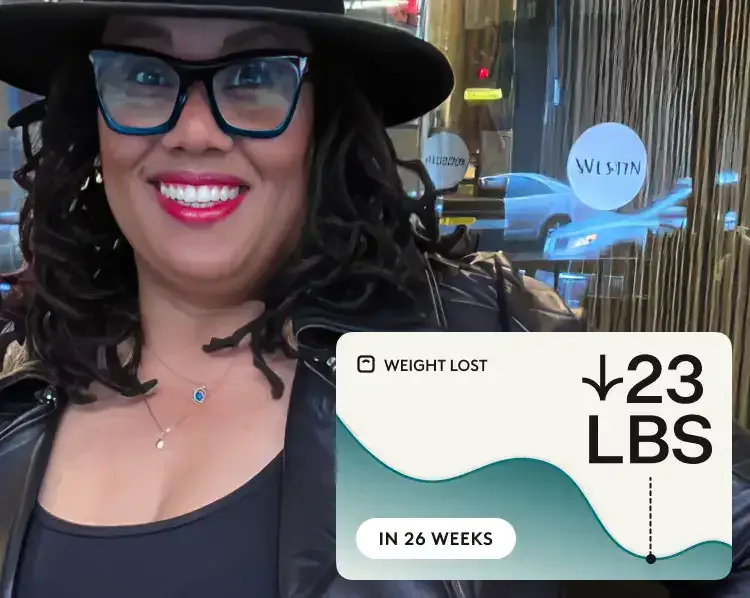
“Clinicians who understand how supportive medication can be is one of the best parts of Noom! I was convinced I wouldn’t have success but I’m down 11 pounds in two months.”
Lila M. — Real Noom user
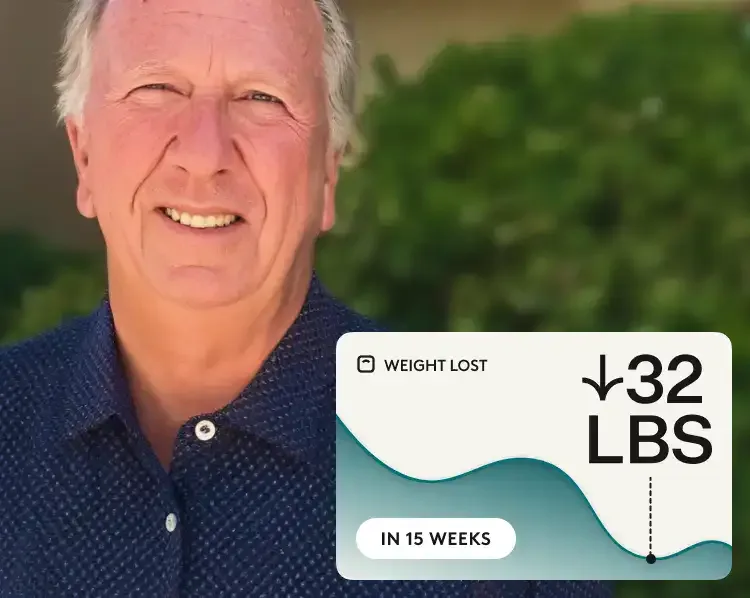
“Noom provided me with the medication which I could not get through Medicare. I have learned the tricks to better eating and life in general.”
Steve M. – Real Noom user
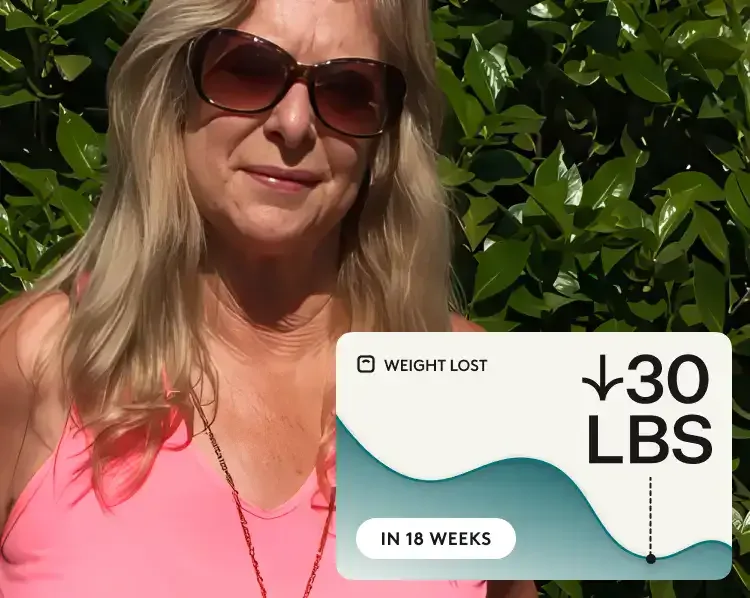
“Noom has changed my life and I’m so thankful, I feel great, have more energy and am no longer prediabetic.”
Daisy R. – Real Noom user
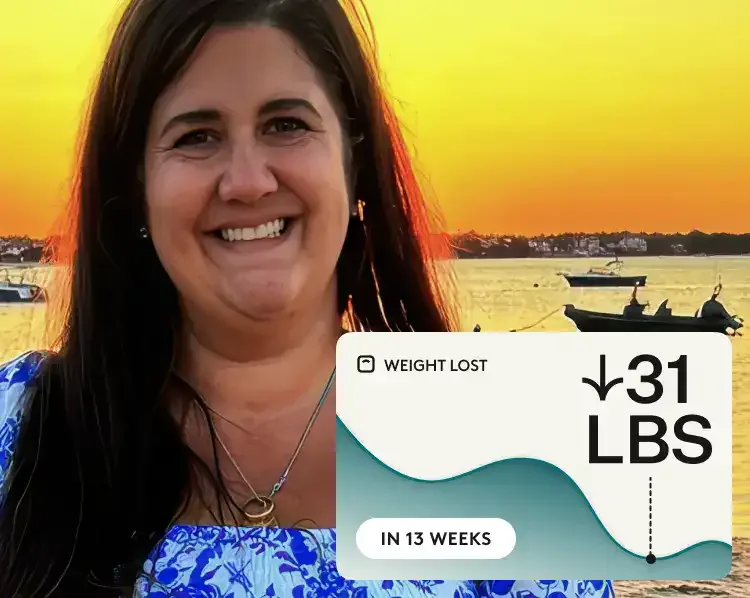
“All of the Noom providers that I’ve met with have been exceptional and prescribed medications that are appropriate for my situation and health.”
Sarah R. – Real Noom user
“Noom made the process so simple and now I feel full, free from diet obsession, and at ease in my body again.”
Madison S. – Real Noom user
“My doctor recommended Noom after I was frustrated trying to lose weight. The lessons helped change my relationship with food. My body feels lighter & energized.”
Sonday K. – Real Noom user
“I built healthy habits with coaching and lessons that make me confident I can maintain my weight loss long term.”
Cam K. – Real Noom user
“With the right medication through Noom, hunger and sugar cravings finally quieted and I have the tools to break the cycle.”
Laura TR. – Real Noom user
“Cravings and food noise are gone, I finally feel confident in the healthy habits I’ve built to last with Noom.”
Jessica S. – Real Noom user
The bottom line: Find the right semaglutide dose for you for the best results
Finding the right semaglutide dose depends on several factors, including whether you’re taking Wegovy® or Ozempic®, whether you prefer a weekly injection or daily pill, and how your body responds to treatment. Each version has its own dosing schedule, but they all start low and increase gradually to help your body adjust and reduce side effects.
Clinical trials show that higher doses of semaglutide generally lead to greater weight loss, but they can also cause more side effects. And while some people see results at lower doses, others may benefit from increasing their dose over time. The goal isn’t necessarily to reach the highest dose. It’s to find one that helps you make meaningful progress while keeping side effects manageable. Your provider can also help you navigate practical considerations, like the cost of different doses and whether a pill or injection fits your routine.
Semaglutide works best alongside balanced nutrition, regular physical activity, and sustainable habits that support long-term weight management. If you’re considering treatment, Noom can help. If you qualify, you’ll be connected with a clinician who can determine whether medication is right for you and prescribe it when appropriate. Your Care Team can then help you navigate dose adjustments, manage side effects, and build healthy habits that support your progress.
Editorial standards
At Noom, we’re committed to providing health information that’s grounded in reliable science and expert review. Our content is created with the support of qualified professionals and based on well-established research from trusted medical and scientific organizations. Learn more about the experts behind our content on our Health Expert Team page.