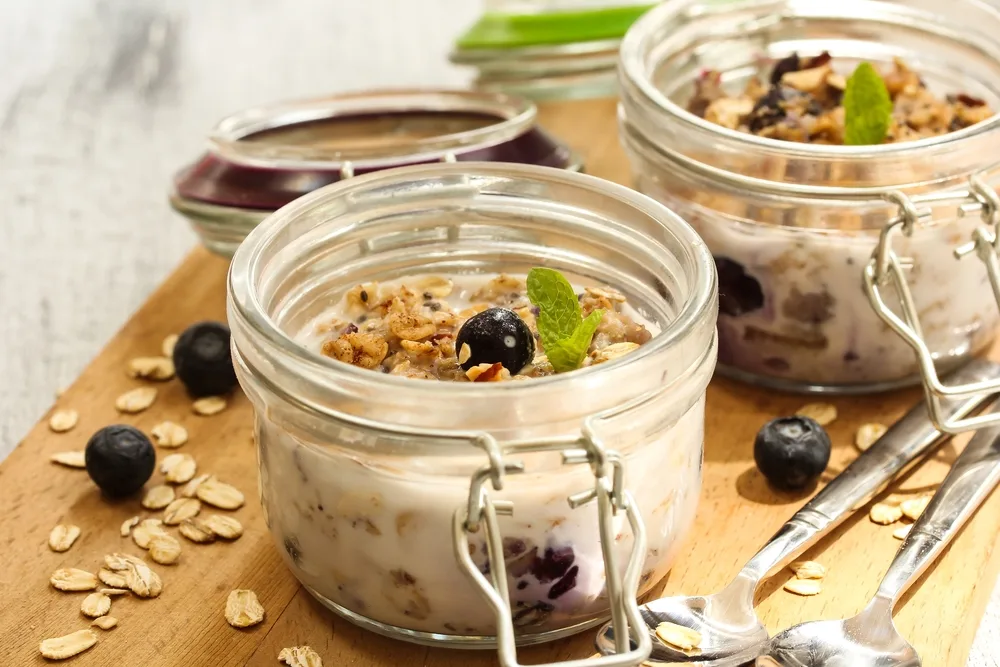
Overnight oats are popular for a reason—they make mornings easier. You can throw everything together in a few minutes the night before, and breakfast is ready when you are. No cooking, no cleanup, and one less decision to make first thing in the morning. But the appeal isn’t just convenience—they can also be a genuinely solid, balanced breakfast.
From a weight loss standpoint, what sets overnight oats apart is how well they keep you full. Oats are rich in fiber and slow-digesting carbs, and when you add protein (like low-fat Greek yogurt) and healthy fats (like chia seeds or nut butter), you get a mix that helps steady blood sugar and hold off hunger for hours. That makes it easier to stay on track without feeling like you’re constantly thinking about your next meal.
The one thing to watch is how easy they are to customize. A simple combo of oats, milk, and fruit is very different from a jar loaded with sweetened yogurt, honey, chocolate chips, and granola. Same base, very different outcome.
Let’s break down what’s actually in a basic serving of overnight oats, how to build it in a way that works for your goals, and what the research says about oats, health, and weight management.
✅ Quick answer
Yes—overnight oats can support weight loss. A basic serving (½ cup oats + unsweetened milk) is around 190 calories with fiber that helps keep you full and blood sugar steady. The key is what you add—simple, balanced toppings help, while sweet extras can quickly raise calories.

The Easy Way
to lose weight and get healthy.
See if you qualify
🚀 Weight-loss benefits
- Beta-glucan fiber for staying full – Oats contain a type of soluble fiber called beta-glucan that slows digestion and helps keep blood sugar steady. In practice, that means you feel full longer and are less likely to get that mid-morning crash that leads to extra snacking. It’s one of the reasons oats are so consistently linked to better appetite control.
- A breakfast that’s already handled – There’s also a behavioral piece here. When breakfast is prepped and waiting in the fridge, you’re much less likely to skip it or grab something less balanced on the go. Starting your day with a fiber-rich meal like this tends to make it easier to stay on track with hunger and portions later.
- Easy to make more filling – On their own, oats are moderate in protein—but they’re easy to build on. Adding Greek yogurt, chia seeds, or nut butter can turn them into a more balanced, higher-protein meal. That combination of fiber, protein, and healthy fat is what helps keep you satisfied for hours, not just full for the moment.
⚠️ Things to be mindful of:
- Toppings and mix-ins can significantly change the calorie count – A plain base of oats, milk, and fruit is a 200–250 calorie breakfast. Add sweetened yogurt, two tablespoons of honey, granola, and chocolate chips and you can easily reach 500–600 calories. The oats themselves are not the issue—it’s the additions. Being intentional about what goes in the jar makes a real difference.
- Sweetened versions can spike blood sugar – Adding large amounts of honey, maple syrup, flavored yogurt, or dried fruit significantly increases the sugar content and can reduce the blood sugar stability benefit that makes oats useful in the first place. Keeping added sweeteners to 1 teaspoon or less and choosing fresh fruit over dried preserves the low-GI advantage.
- Portion size matters more than people tend to think – Most overnight oat recipes call for ½ cup of dry oats, which expands significantly when soaked in liquid. Many people use 1 full cup of dry oats and end up with a much larger serving than they realize. Sticking to ½ cup of dry oats as the base keeps the calorie count manageable while still delivering a filling meal.
🥗 Nutrients in overnight oats
( ½ cup dry rolled oats / 40g, prepared with ½ cup unsweetened almond milk)
| Nutrient | Amount | % RDA* |
|---|---|---|
| Calories | 190 calories | 10% |
| Protein | 5 g | 10% |
| Total carbs | 34 g | 12% |
| Fiber | 4 g | 14% |
| Sugars | 1 g | — |
| Total fat | 4 g | 5% |
| – Saturated fat | 0.7 g | 4% |
| – Monounsaturated fat | 1.1 g | — |
| – Polyunsaturated fat | 1.5 g | — |
| Omega-3 | 0.07 g | — |
| Omega-6 | 1.4 g | — |
*Recommended dietary allowance (RDA) is defined as the average daily amount of nutrients needed to meet the requirements of nearly all healthy people in a specific group.
At around 190 calories, this is a relatively low-calorie breakfast with a strong nutritional foundation. You’re getting mostly complex carbs, a moderate amount of protein, and very little fat, which keeps it light but still filling.
The carbs here are worth calling out. These aren’t fast-digesting, blood sugar–spiking carbs—they break down slowly, thanks in part to the 4 grams of fiber. That leads to steadier energy and fewer mid-morning crashes or cravings.
Where overnight oats really shine is how easy they are to build on. Add Greek yogurt, chia seeds, or a spoonful of nut butter, and you can bring the protein up to 15–20 grams and add some healthy fats—turning it into a more balanced, longer-lasting meal.
💊 Vitamins & minerals in overnight oats (per ½ cup dry rolled oats / 40g)
| Vitamin/Mineral | Amount | % RDA* |
|---|---|---|
| Manganese | 1.9 mg | 83% |
| Phosphorus | 180 mg | 14% |
| Magnesium | 56 mg | 13% |
| Zinc | 1.5 mg | 14% |
| Iron | 2.1 mg | 12% |
| Thiamine (B1) | 0.2 mg | 17% |
| Folate (B9) | 14 µg | 4% |
| Copper | 0.1 mg | 11% |
| Selenium | 12 µg | 22% |
| Niacin (B3) | 0.6 mg | 4% |
| Vitamin B6 | 0.07 mg | 4% |
Oats are more than just carbs—they bring a surprisingly strong micronutrient profile. Manganese is the standout, with about 83% of your daily needs in one serving, supporting metabolism, antioxidant function, and bone health. You’re also getting selenium (~22%) and thiamine (~17%), both important for energy—selenium for thyroid function and thiamine for turning carbs into usable fuel.
Magnesium, zinc, and iron (each around 12–14% RDA) round things out, supporting everything from blood sugar regulation to oxygen transport. It’s a broad, steady contribution—not flashy, but meaningful.
And here’s where overnight oats really work in your favor: they’re a blank canvas. You can add berries for antioxidants and fiber, Greek yogurt for protein, and nuts or seeds for healthy fats—turning a solid base into a more complete, balanced meal without much extra effort.
🔍 Nutrient breakdown
Glycemic index (GI) of overnight oats
Glycemic index: 55 (Low to Moderate)
💡 Tip: Overnight oats have a lower GI than cooked oatmeal because the soaking process partially breaks down the starch differently, resulting in slower digestion. Adding protein sources like Greek yogurt and healthy fats like nut butter lowers the GI of the full meal even further, supporting more stable blood sugar and energy through the morning.
Are overnight oats high in protein?
⚠️ Moderate on their own – overnight oats contain 5g of protein per ½ cup dry serving. Not high-protein on their own, but easy to boost significantly.
💡 Tip: Add ½ cup of Greek yogurt (10–15g protein) or a tablespoon of nut butter (3–4g) to meaningfully increase the protein content and turn overnight oats into a high-protein breakfast.
Better protein additions: Greek yogurt | Chia seeds | Nut butter | Protein powder
Are overnight oats high in fiber?
✔️ Yes – overnight oats provide 4g of fiber per ½ cup dry serving, with a meaningful portion coming from beta-glucan, a soluble fiber with strong research support for reducing appetite and supporting heart health.
💡 Tip: Adding chia seeds (1 tablespoon = 5g fiber) and topping with berries doubles the fiber contribution of your bowl without significantly increasing calories—one of the most practical fiber-boosting strategies available.
Are overnight oats low in carbs?
❌ No – overnight oats have 34g of total carbs per ½ cup dry serving. They’re a whole grain, carbohydrate-forward food.
💡 Tip: For anyone managing carb intake, overnight oats can still work in moderate amounts—the fiber and protein slow the glucose response significantly. If you’re following a strict low-carb or keto plan, overnight oats won’t fit easily, but for most people managing their weight they’re a practical and filling choice.
Are overnight oats gluten-free?
⚠️ Depends on the variety – oats are naturally gluten-free, but they’re frequently processed in facilities that also handle wheat, leading to cross-contamination. If you have celiac disease or significant gluten sensitivity, look specifically for certified gluten-free oats on the label.
Are overnight oats good for fat loss?
✔️ Yes, as part of a balanced approach – overnight oats support fat loss through their fiber and protein contributions that help manage hunger and reduce overall calorie intake throughout the day. The key is building the jar thoughtfully—a high-fiber, moderate-protein base with controlled toppings and minimal added sugar is where overnight oats work best for a calorie deficit.
🍽️ Diet compatibility: Which diets include overnight oats?
| Diet | ✅/❌ | Why |
|---|---|---|
| Keto | ❌ | At 34g of carbs per ½ cup serving, overnight oats exceed the daily carb limit for strict keto (typically 20–50g). They don’t fit a ketogenic framework even in small portions. |
| Paleo | ❌ | Grains, including oats, are excluded from strict paleo eating on the grounds that they weren’t part of a pre-agricultural diet. |
| Mediterranean | ✅ | Whole grains are a cornerstone of the Mediterranean diet, and oats fit naturally. Overnight oats with fruit, nuts, and a drizzle of honey align well with Mediterranean eating principles. |
| Vegan | ✅ | Overnight oats made with plant-based milk are completely vegan. Using nut butter, chia seeds, and fruit as toppings keeps the entire jar plant-based. |
| Gluten-free | ⚠️ | Oats are naturally gluten-free but require a certified gluten-free label to be safe for people with celiac disease or significant gluten sensitivity. |
Overnight oats are broadly compatible with most mainstream eating patterns, with the exception of keto and paleo. For anyone eating in a Mediterranean, plant-based, or generally balanced approach, they’re a practical and nutritious breakfast choice that requires very little adjustment.
The most important compatibility consideration is how the oats are prepared. A plain base with fruit and seeds is universally workable across most diets. Heavily sweetened versions with lots of added sugar start to move away from the nutritional benefits that make overnight oats useful in the first place.
🌟 Are overnight oats healthy? What are the health benefits?
Metabolic health: Are overnight oats good for your metabolism?
- Boosts metabolism? ⚠️ Neutral – Overnight oats don’t boost metabolism directly. What they do is provide steady, slow-releasing carbohydrate energy that supports consistent energy levels throughout the morning, reducing the fatigue-driven snacking that can disrupt a calorie deficit. The B vitamins in oats—particularly thiamine—are essential cofactors for carbohydrate metabolism.
- Improves insulin sensitivity? ✔️ Possibly – The beta-glucan in oats has been shown in multiple studies to reduce post-meal blood sugar and insulin response. Over time, consistently lower post-meal insulin spikes are associated with improved insulin sensitivity, which supports better fat metabolism and reduced visceral fat accumulation.
- Effect on fat storage? Positive – By moderating blood sugar and insulin response through beta-glucan, and supporting sustained fullness that reduces overall calorie intake, overnight oats create conditions that are less favorable to fat storage—particularly the abdominal fat associated with chronically elevated insulin.
Cholesterol impact: Do overnight oats affect cholesterol levels?
- Do they lower LDL (bad) cholesterol? ✔️ Yes – This is one of oats’ most consistently supported health benefits. Beta-glucan fiber binds to bile acids in the gut, reducing cholesterol reabsorption and lowering circulating LDL levels. The FDA has recognized this benefit, allowing oat products to carry a heart health claim for LDL reduction.
- Do they raise HDL (good) cholesterol? ⚠️ Limited evidence – Oats are not strongly associated with HDL increases specifically. The broader cardiovascular benefit comes primarily from LDL reduction and blood sugar moderation rather than HDL elevation.
- Overall impact on heart health? Favorable – The combination of LDL reduction via beta-glucan, blood pressure moderation via magnesium and potassium, and anti-inflammatory properties from oat antioxidants (avenanthramides) puts overnight oats firmly in the heart-supportive category.
💡 Tip: For the strongest cardiovascular benefit, choose rolled oats over instant oats—they retain more of their natural beta-glucan and have a lower glycemic index. Flavored instant oat packets often contain added sugar and less fiber than plain rolled oats.
Can I eat overnight oats in a calorie deficit?
✔️ Yes, with intention about toppings: A base serving of overnight oats runs about 190 calories and provides genuine fullness through fiber and complex carbs—a very manageable breakfast within a calorie deficit. Add Greek yogurt and berries and you’re still at a reasonable 280–320 calories for a filling, nutritious breakfast.
💡 Tip: Build your jar the night before with your toppings already measured out. Making decisions when you’re hungry in the morning tends to lead to larger portions and more add-ons than you intended.
Are overnight oats rich in antioxidants?
✔️ Yes: Oats contain avenanthramides, a unique class of antioxidants found almost exclusively in oats. These compounds have anti-inflammatory and anti-itching properties and have been shown to reduce the oxidation of LDL cholesterol. Oats also provide selenium, vitamin E, and phytic acid, which contribute to their overall antioxidant activity.
Do overnight oats support gut health?
✔️ Yes: Beta-glucan and the resistant starch in oats act as prebiotics, feeding the beneficial bacteria in your gut microbiome. A well-nourished gut microbiome is increasingly linked to better metabolic function, immune response, and appetite hormone regulation. Overnight oats may be particularly beneficial for gut health compared to cooked oats because the soaking process increases resistant starch content.
Do overnight oats support digestion?
Positive: The soluble fiber in oats promotes healthy bowel regularity and supports smooth digestive transit. The soaking process involved in making overnight oats also partially breaks down oat starches, making them easier to digest than cooked oats for some people. Those with significant oat sensitivity or IBS should start with a smaller serving to assess tolerance.
Do overnight oats help you feel satiated and less hungry?
✔️ Yes: This is overnight oats’ strongest attribute for weight management. Beta-glucan fiber forms a viscous gel in the stomach that slows emptying and extends the fullness window significantly. Multiple clinical trials have found that beta-glucan-rich foods reduce subsequent calorie intake and hunger ratings compared to lower-fiber alternatives at the same calorie level.
Satiety level: High
Access GLP-1 Weight Loss with Noom
Explore a wide range of prescription medications supported by Noom’s program.Microdose GLP-1rx
Noom GLP-1rx
Noom GLP-1rx Plus
Wegovy®
Ozempic®

Metformin
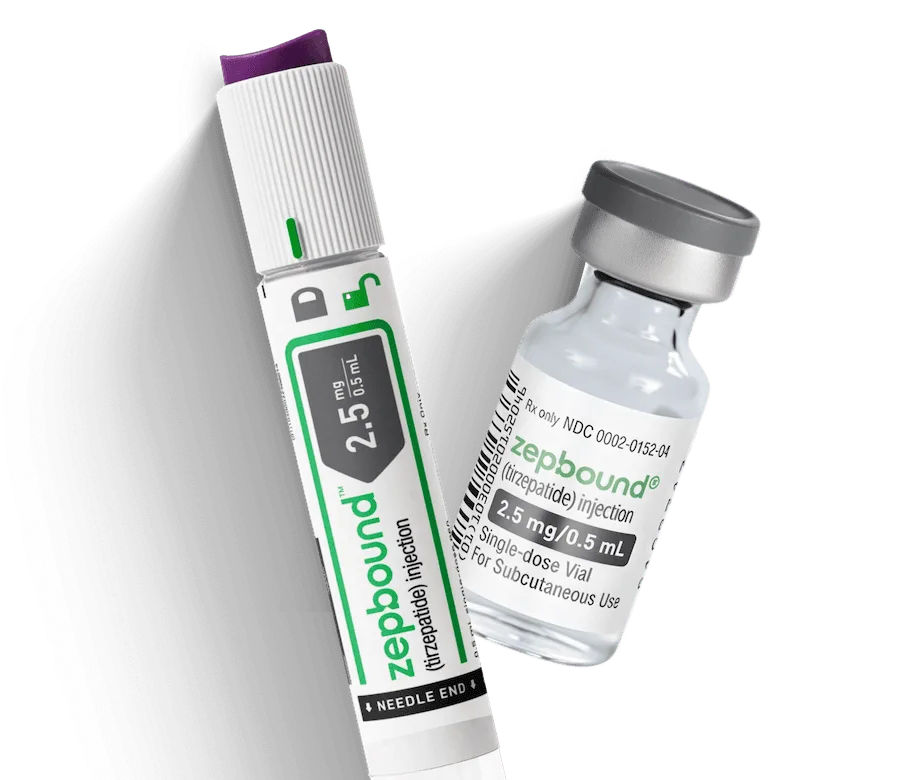
Zepbound®
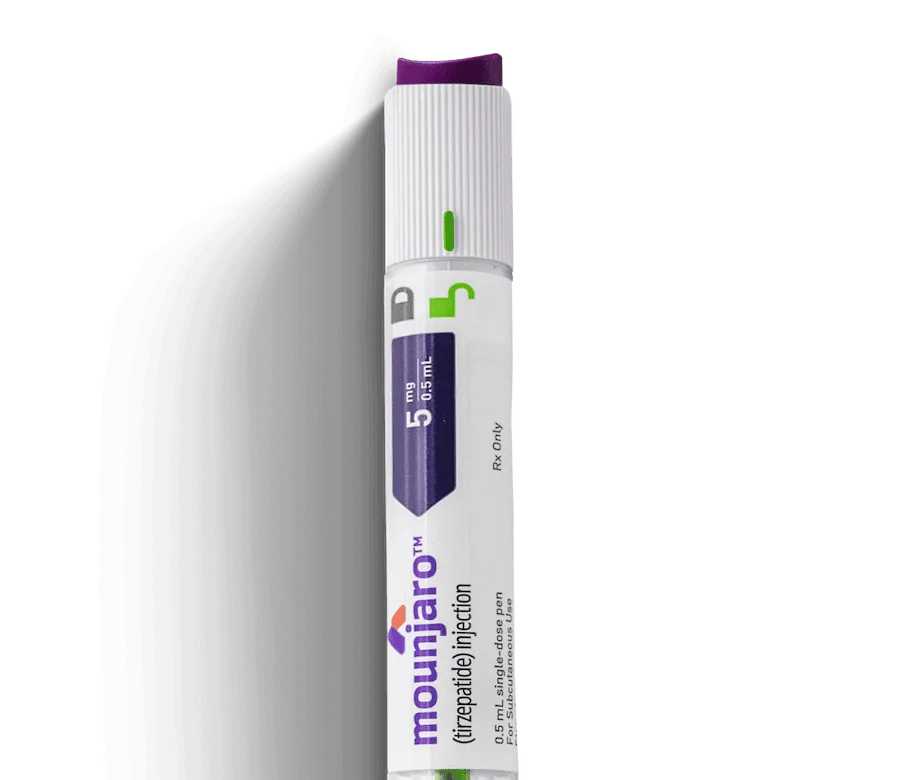
Mounjaro®
Liraglutide
💡 Tip: For maximum fullness from your overnight oats, add both protein (Greek yogurt or protein powder) and fat (nut butter or chia seeds) to the base. This trifecta of fiber, protein, and healthy fat produces the most complete and sustained fullness signal.
Do overnight oats help with nighttime cravings?
✔️ Possibly: A breakfast that keeps you full well into the afternoon reduces the likelihood of the blood sugar dips in the afternoon and evening that drive nighttime snacking. Research on high-fiber breakfasts suggests the fullness benefit can extend for 8–12 hours in some studies—not because you won’t feel hungry again, but because the overall appetite curve throughout the day tends to be flatter.
💡 Tip: If nighttime cravings are a persistent issue, look at your breakfast first. A higher-protein, higher-fiber morning meal like overnight oats is one of the most practical places to start.
Do overnight oats help reduce inflammation?
✔️ Yes: Oat avenanthramides have documented anti-inflammatory activity, particularly in the cardiovascular system. The magnesium in oats also plays a role in reducing inflammatory markers, and the prebiotic fiber supports a gut microbiome composition associated with lower systemic inflammation. Chronic low-grade inflammation is closely linked to obesity and metabolic dysfunction, making anti-inflammatory whole grains a meaningful part of a weight management approach.
Are overnight oats beneficial for brain health?
✔️ Yes, modest benefits: The B vitamins in oats—particularly thiamine (B1) and folate—support neurotransmitter production and nervous system function. The stable blood sugar that comes from beta-glucan’s slow digestion also benefits cognitive function, since the brain runs on glucose and performs better with a steady supply rather than boom-and-bust energy from high-GI foods.
Can overnight oats improve skin and hair health?
✔️ Minor benefits: The zinc and selenium in oats support skin barrier function, collagen production, and protection from oxidative damage. The B vitamins contribute to hair follicle health. These aren’t dramatic effects from a single food, but overnight oats contribute to the broad micronutrient supply that supports healthy skin and hair as part of a varied diet.
Can overnight oats help balance hormones?
✔️ Limited but relevant evidence: The magnesium in oats is associated with reduced cortisol response to stress, and chronically elevated cortisol is one of the key drivers of abdominal fat storage. The fiber also supports the healthy gut microbiome that produces and metabolizes hormones. By moderating blood sugar and insulin response through beta-glucan, oats indirectly support a more favorable hormonal environment for weight management.
💡 Tip: Hormonal balance is most influenced by overall dietary pattern, sleep, and stress management rather than any single food. Overnight oats contribute to the nutritional foundation of hormonal health, but work best as part of a consistent, varied eating plan.
🍽️ Best ways to eat overnight oats for weight loss
- Keep the base simple and add protein – Build your base with ½ cup oats and unsweetened milk, then add chia seeds and a protein source like Greek yogurt or protein powder. That brings you to 15–20g of protein, which is where oats really start to keep you full—not just satisfied for a bit, but actually steady through the morning.
- Prep multiple jars at once – Overnight oats keep well for a few days, so prepping a couple jars ahead of time makes mornings easier. When breakfast is already handled, you’re more likely to stick with something balanced—and that consistency is what really adds up over time.
- Use fruit instead of sweeteners – Instead of honey or syrups, use mashed banana, chopped apple, or berries. You’ll still get sweetness, but with fiber and nutrients that help keep blood sugar more stable (and cravings lower later on).
National Oatmeal Day is October 29. Try these healthy overnight oats recipes:
- Overnight Oats — The Mediterranean Dish
- Golden Milk Overnight Oats — Minimalist Baker
- No Added Sugar Overnight Oats — Skinnytaste
🍏 Best alternatives & comparisons (per standard breakfast serving)
| Food | Calories | Carbs | Fiber | Protein | Fat |
|---|---|---|---|---|---|
| Overnight oats (½ cup dry, almond milk) | 190 | 34 g | 4 g | 5 g | 4 g |
| Cooked oatmeal (½ cup dry, water) | 150 | 27 g | 4 g | 5 g | 2.5 g |
| Greek yogurt (1 cup, plain 2%) | 150 | 11 g | 0 g | 20 g | 4 g |
| Whole grain toast (2 slices) | 160 | 30 g | 4 g | 7 g | 2 g |
| Eggs (2 large, scrambled) | 182 | 2 g | 0 g | 12 g | 14 g |
| Chia pudding (3 tbsp chia, 1 cup almond milk) | 195 | 24 g | 14 g | 6 g | 10 g |
Overnight oats sit in a useful nutritional middle ground among these breakfast options—more fiber than eggs or Greek yogurt, more protein than toast, and a lower glycemic impact than most processed breakfast foods. Cooked oatmeal is the closest nutritional equivalent; the main advantage of overnight oats is the practical one—no morning cooking required.
Chia pudding stands out in fiber at 14 grams per serving—a meaningful advantage if gut health and maximum satiety are the primary goals. Greek yogurt is the clear protein winner and an excellent pairing with overnight oats rather than a replacement. The smartest approach is to combine two of these: overnight oats with Greek yogurt stirred in covers both the fiber and protein bases better than either alone.
Frequently asked questions about overnight oats and weight loss
How many calories are in overnight oats?
A base serving—½ cup dry rolled oats prepared with ½ cup unsweetened almond milk—is about 190 calories. Add Greek yogurt and fresh berries and you’re around 300–320 calories for a complete, filling breakfast. The calorie count rises significantly with additions like granola, honey, nut butter, and sweetened yogurt, so being intentional about toppings is the most practical calorie management strategy.
Can I use steel-cut oats for overnight oats?
You can, but they need more preparation than rolled oats. Steel-cut oats are much denser and don’t soften fully with a standard overnight soak — they’ll stay quite chewy and hard in the center unless you either cook them first and then cool them before refrigerating, or soak them for a full 24 hours rather than the standard 8. For most people, rolled oats are the more practical choice for overnight oats — they soften beautifully overnight, have a creamy texture by morning, and retain the same beta-glucan fiber content that makes oats useful for weight management. If you prefer the slightly chewier, nuttier texture of steel-cut oats, a quick stovetop cook followed by an overnight rest in the fridge with your toppings gets you close to the same make-ahead convenience.
Are overnight oats better than cooked oatmeal for weight loss?
Nutritionally, they’re nearly identical. The main advantage of overnight oats is behavioral—having breakfast pre-made reduces the chance of skipping it or making a less nutritious choice in the morning rush. Overnight oats may also have slightly higher resistant starch content due to the cold soaking process, which could modestly improve gut health and blood sugar response, though the difference is small.
What should I put in overnight oats for weight loss?
Build your jar around fiber, protein, and healthy fat. For fiber: the oats themselves plus chia seeds or berries. For protein: Greek yogurt or a scoop of protein powder. For healthy fat: a tablespoon of nut butter or a sprinkle of nuts. Keep added sweeteners minimal—a teaspoon of honey or maple syrup is enough to add sweetness without significantly spiking the sugar content.
Can I eat overnight oats every day?
Yes—eating oats daily is associated with better cholesterol levels, improved blood sugar control, and better overall diet quality in research. The key is varying your toppings and mix-ins to keep the meal interesting and ensure a broad range of nutrients rather than eating the exact same combination every day.
Are overnight oats useful for people on GLP-1 medications?
Overnight oats can be a great option for people on GLP-1 medications, since appetite is often significantly reduced, and every meal needs to count nutritionally. A smaller portion—¼ cup dry oats with Greek yogurt and berries—delivers concentrated fiber and protein in a compact, easy-to-eat format. The pre-made convenience is also a practical benefit for people whose appetite varies unpredictably throughout the day.
Do overnight oats cause bloating?
They can for some people. Oats contain a moderate amount of FODMAPs, and the fiber can cause gas or bloating in people who aren’t used to eating high-fiber foods regularly. Starting with a smaller portion (¼ cup dry) and building up over a week or two generally resolves the issue as your digestive system adjusts. Choosing certified gluten-free oats can also help if you have any gluten sensitivity.
Are instant oats as good as rolled oats for overnight oats?
Rolled oats (old-fashioned oats) are the better choice for both texture and nutrition. They have a lower glycemic index than instant oats, retain more of their natural beta-glucan structure, and produce a creamier texture when soaked overnight. Instant oats can become mushy and have slightly less fiber per serving. Steel-cut oats require a much longer soak and don’t work as well for overnight oats without cooking.
🧠 The bottom line: Overnight oats can be a good choice for weight loss
Overnight oats are one of the most practical breakfast options for weight loss—and the case for them is grounded in consistent research rather than trends. The beta-glucan fiber is among the most well-studied dietary fibers for reducing appetite and supporting heart health. The slow-digesting complex carbohydrates moderate blood sugar and energy in a way that reduces cravings mid-morning. And the practical advantage of having breakfast already made is genuinely meaningful for anyone trying to build consistent eating habits.
The main variable is what goes in the jar. A plain base with Greek yogurt and berries is a 300-calorie, high-fiber, high-protein breakfast that works well for a calorie deficit. A heavily sweetened, granola-topped version with flavored yogurt can easily reach 500–600 calories without providing meaningfully more fullness.
Use rolled oats, keep added sugar minimal, add a protein source, and prep multiple jars at once—and overnight oats become one of the most reliable tools in a weight loss eating plan.

See if your insurance
covers GLP-1s.
The form only takes 2 minutes to answer. We’ll handle the rest.
GET STARTED📖 Scientific evidence
- Oats may help you stay full—and eat less later (Molecular Nutrition & Food Research, 2009). The fiber in oats (beta-glucan) has been associated with increased fullness hormones and lower calorie intake at the next meal. In some studies, higher intakes were linked to people eating less overall, suggesting a meaningful effect on appetite.
- Oats have been linked to lower cholesterol levels (British Journal of Nutrition, 2016). A large meta-analysis found that oat beta-glucan is associated with reductions in LDL (“bad”) cholesterol and other heart health markers. The effect was seen across multiple studies and populations.
- Oats may help keep blood sugar and insulin steadier (European Journal of Clinical Nutrition, 2021). Oat beta-glucan has been shown to reduce post-meal blood sugar and insulin responses in controlled studies. More stable patterns like this are generally associated with better metabolic health over time.
- Oats may support weight management over time (Critical Reviews in Food Science and Nutrition, 2021). Some research suggests beta-glucan intake is associated with modest reductions in body weight, BMI, and body fat, even without intentional calorie restriction. These effects may be related to fullness, digestion, and gut health.
- Oats may support gut health—and that can influence metabolism (Frontiers in Immunology, 2021). In one study, regular oat intake was associated with improvements in cholesterol and increases in beneficial gut bacteria linked to metabolic health.
Editorial standards
At Noom, we’re committed to providing health information that’s grounded in reliable science and expert review. Our content is created with the support of qualified professionals and based on well-established research from trusted medical and scientific organizations. Learn more about the experts behind our content on our Health Expert Team page.