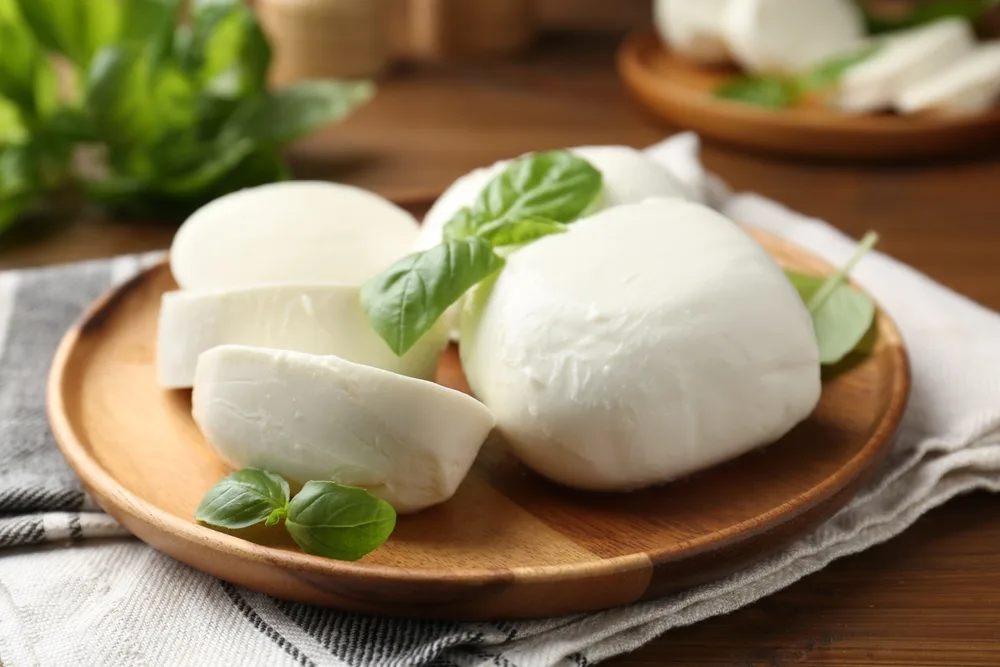
Mozzarella is one of those foods that feels satisfying and comforting while also bringing quite a bit to the table nutritionally. It’s creamy, relatively high in protein, and versatile enough to work in everything from salads and sandwiches to eggs, roasted vegetables, and yes—pizza.
And compared to many other cheeses, mozzarella is surprisingly balanced. Because it contains more water and is less aged than harder cheeses, it’s naturally lighter in calories ounce for ounce while still delivering protein, calcium, vitamin B12, selenium, and other nutrients that support overall health. That mix of protein and fat also helps meals feel more filling, which can make a calorie deficit easier to sustain.
It’s also worth knowing that “mozzarella” covers a pretty wide range nutritionally. Part-skim shredded mozzarella is usually the leanest option and tends to be highest in protein for the calories, while fresh whole-milk mozzarella is creamier and slightly richer. String cheese is typically just pre-portioned mozzarella, making it one of the easier high-protein snacks to keep around. Even buffalo mozzarella, while somewhat higher in fat and calories, can still fit into a balanced eating pattern in reasonable portions.
Like any calorie-dense food, portion size still matters. But mozzarella is one of the easier cheeses to work into a balanced eating pattern because it adds flavor, texture, and protein without calories climbing quite as quickly as some richer cheeses.
So, where does mozzarella actually fit into a weight-loss-friendly way of eating? Let’s take a closer look at the nutrition, benefits, and portions that make the most sense.
✅ Quick answer
Yes—mozzarella, especially part-skim mozzarella, can be a great weight loss food because it’s high in protein, satisfying, and relatively moderate in calories compared to many other cheeses.
🚀 Weight-loss benefits
- It’s high in protein for the calories – Part-skim mozzarella gives you about 7 grams of protein per ounce, which is impressive for a cheese. That protein helps meals feel more filling and satisfying, which can make it easier to eat fewer calories overall without feeling deprived.
- It’s lighter than many other cheeses – At around 72 to 85 calories per ounce, depending on the variety, mozzarella is naturally lower in calories than cheeses like cheddar (113 calories per ounce), Swiss (108), or Parmesan (122). That means you can add creaminess and flavor to meals without calories climbing quite as quickly.
- It’s naturally low in carbs – Mozzarella contains less than 1 gram of carbohydrate per ounce, making it an easy fit for lower-carb or blood sugar-conscious eating patterns. Adding protein and fat to meals can also help slow digestion and make energy levels feel steadier after eating.
⚠️ Things to be mindful of:
- Calories can add up quickly – Mozzarella is still a calorie-dense food, so portions matter more than people sometimes realize. A few extra handfuls of shredded mozzarella or thick fresh slices can easily add 150 to 300 extra calories to a meal.
- It contains saturated fat – Mozzarella has about 3 to 4 grams of saturated fat per ounce, depending on the variety. That’s not automatically a problem, but it’s something to be aware of if you eat a lot of cheese throughout the day or are trying to manage cholesterol and overall heart health. Part-skim versions lower the saturated fat somewhat while keeping most of the protein.
- Sodium can creep up – An ounce of mozzarella contains roughly 175 milligrams of sodium, which is fairly moderate on its own. The bigger issue is that mozzarella often shows up alongside other salty foods like pizza sauce, deli meats, pepperoni, or breaded dishes, making the total sodium in the meal climb faster than expected.
🥗 Nutrients in mozzarella (per 1 oz / 28g, part-skim)
| Nutrient | Amount | % RDA* |
|---|---|---|
| Calories | 72 calories | 4% |
| Protein | 7 g | 14% |
| Total carbs | 1 g | <1% |
| Fiber | 0 g | 0% |
| Sugars | 0 g | — |
| Total fat | 4.5 g | 6% |
| – Saturated fat | 3 g | 15% |
| – Monounsaturated fat | 1.3 g | — |
| – Polyunsaturated fat | 0.1 g | — |
| Omega-3 | 0.03 g | — |
| Omega-6 | 0.08 g | — |
*Recommended dietary allowance (RDA) is defined as the average daily amount of nutrients needed to meet the requirements of nearly all healthy people in a specific group.
Mozzarella is one of the lighter, more balanced cheeses nutritionally, which helps explain why it’s often easier to fit into a weight loss-friendly eating pattern than people expect. One ounce of part-skim mozzarella provides about 7 grams of protein—roughly the same as a large egg—for around 72 calories, along with very little carbohydrate.
That protein can help meals feel more satisfying and filling, especially when mozzarella is paired with foods like vegetables, eggs, beans, or whole grains. And because mozzarella is naturally very low in carbs, it tends to have little effect on blood sugar levels compared to more processed snack foods or refined carbohydrates.
Mozzarella still contains fat and calories, so portion size matters. But compared to many other cheeses, part-skim mozzarella offers a relatively moderate calorie option that can add flavor, texture, and protein to meals without feeling overly heavy.
💊 Vitamins & minerals in mozzarella (per 1 oz / 28g, part-skim)
| Vitamin/Mineral | Amount | % RDA* |
|---|---|---|
| Calcium | 183 mg | 18% |
| Phosphorus | 131 mg | 13% |
| Vitamin B12 | 0.65 µg | 11% |
| Sodium | 175 mg | 8% |
| Selenium | 4.4 µg | 8% |
| Vitamin A | 54 µg RAE | 6% |
| Zinc | 0.78 mg | 7% |
| Riboflavin (B2) | 0.07 mg | 5% |
| Potassium | 21 mg | 1% |
| Magnesium | 6 mg | 1% |
Calcium is probably the biggest nutritional standout here. Just one ounce of part-skim mozzarella gives you about 18% of your daily calcium needs, which is pretty significant for such a small serving. That matters even more during weight loss, when people sometimes cut back on dairy or overall food intake and accidentally miss nutrients that support bone health.
Mozzarella also provides phosphorus, which works alongside calcium, plus vitamin B12—a nutrient involved in energy production and nervous system function that’s mostly found in animal foods. It’s not a multivitamin-level source, but it does contribute meaningful amounts.
You also get smaller amounts of nutrients like selenium, zinc, and riboflavin. None are sky-high individually, but together they’re part of what makes mozzarella more nutritionally substantial than people often give cheese credit for.
🔍 Nutrient breakdown
Glycemic index (GI) of mozzarella
Glycemic index: Very low (~0–15)
💡 Tip: Mozzarella has very little carbohydrate, so it won’t spike blood sugar on its own. Pairing it with foods like pasta or crackers can also make a meal feel more balanced and satisfying thanks to the protein and fat.

The Easy Way
to lose weight and get healthy.
See if you qualify
Is mozzarella high in protein?
✔️ Yes – mozzarella (part-skim) contains 7g of protein per ounce, comparable to a large egg and more than most other cheeses per calorie.
Better protein alternatives: Cottage cheese | Greek yogurt | Ricotta (part-skim)
Is mozzarella high in fiber?
❌ No – mozzarella has 0g of fiber per serving.
💡 Tip: To get the digestive and satiety benefits of fiber, pair mozzarella with high-fiber foods—fresh vegetables in a Caprese salad, whole grain pasta, or whole wheat pizza crust all work well.
Is mozzarella low in carbs?
✔️ Yes – mozzarella has less than 1g of carbs per ounce.
💡 Tip: With almost zero carbohydrates, mozzarella is one of the most carb-friendly cheeses available. This makes it a useful building block for meals across low-carb, keto, and blood-sugar-conscious eating patterns.
Is mozzarella gluten-free?
✔️ Yes – plain mozzarella in any form is naturally gluten-free. It’s made from milk, salt, and cultures or citric acid, none of which contain gluten. If you’re buying flavored or pre-seasoned varieties, check the label for any gluten-containing additives.
Is mozzarella good for fat loss?
✔️ Yes, with attention to portions – mozzarella supports fat loss primarily through its high protein content, which helps preserve lean muscle mass during a calorie deficit. Maintaining muscle is important for keeping your metabolism running efficiently as you lose weight. The key is intentional portioning—an ounce or two as part of a balanced meal works well; using it as a free-pour topping does not.
🍽️ Diet compatibility: Which diets include mozzarella?
| Diet | ✅/❌ | Why |
|---|---|---|
| Keto | ✅ | Virtually no carbs, moderate fat, and solid protein make mozzarella a natural fit for keto. Both part-skim and whole-milk versions work within keto macros. |
| Paleo | ❌ | Strict paleo excludes all dairy, including cheese. Some practitioners make exceptions for minimally processed dairy, but mozzarella is not part of standard paleo guidelines. |
| Mediterranean | ✅ | Fresh mozzarella is traditionally Italian and fits naturally within Mediterranean eating, which includes moderate amounts of dairy. A classic Caprese salad is practically a Mediterranean diet archetype. |
| Vegan | ❌ | Mozzarella is made from animal milk and is not suitable for a vegan diet. Plant-based mozzarella alternatives are widely available. |
| Vegetarian | ✅ | Mozzarella is appropriate for most vegetarians—it’s made from cow’s or buffalo’s milk with no meat-derived ingredients. |
| Gluten-free | ✅ | Plain mozzarella is naturally gluten-free. Check labels on flavored or processed varieties. |
Mozzarella is one of the more versatile cheeses in terms of diet compatibility—it works across keto, Mediterranean, vegetarian, and gluten-free eating patterns without modification. If you’re following a Mediterranean or low-carb approach, mozzarella is particularly well-suited. It adds protein and richness to meals without a significant carbohydrate load, and in Mediterranean-style cooking, fresh mozzarella is already a traditional ingredient.
🌟 Is mozzarella healthy? What are the health benefits?
Metabolic health: Is mozzarella good for your metabolism?
- Boosts metabolism? ⚠️ Neutral – Mozzarella doesn’t directly stimulate metabolism, but its high protein content supports lean muscle mass, which is metabolically active tissue. Maintaining muscle while losing weight helps preserve your resting metabolic rate—meaning your body continues burning calories efficiently even as your overall weight decreases.
- Improves insulin sensitivity? ✔️ Possibly – Mozzarella is low in carbohydrates, so it doesn’t spike blood sugar or insulin. Some research suggests that calcium from dairy may play a modest role in supporting insulin sensitivity, though mozzarella alone isn’t a meaningful intervention.
- Effect on fat storage? Positive (in a calorie deficit) – Mozzarella’s protein-to-calorie ratio makes it a useful food during weight loss. High-protein eating patterns are associated with better preservation of lean mass during a deficit, which helps ensure weight lost is predominantly fat rather than muscle.
Cholesterol impact: Does mozzarella affect cholesterol levels?
- Does it lower LDL (bad) cholesterol? ❌ No – Mozzarella contains saturated fat, which can raise LDL cholesterol at high intake levels. In moderate amounts—one to two ounces per day—the cardiovascular picture from research is more nuanced, with some studies suggesting the full dairy food matrix doesn’t carry the same cardiovascular risk as isolated saturated fat.
- Does it raise HDL (good) cholesterol? ⚠️ Possibly, in small amounts – Some research suggests full-fat dairy may modestly raise HDL cholesterol, though the effect isn’t large enough to use mozzarella as a cholesterol-management strategy.
- Overall impact on heart health? Mixed – A large umbrella review found that cheese consumption was not consistently associated with increased cardiovascular risk, despite its saturated fat content—a finding attributed partly to the food matrix effect of fermented dairy. For most people eating mozzarella in reasonable portions as part of a balanced diet, the cardiovascular risk is low.
💡 Tip: If you’re managing high LDL cholesterol, choosing part-skim mozzarella and keeping portions to one ounce per day is a reasonable middle ground that lets you get the nutritional benefits without overloading on saturated fat.
Can I eat mozzarella in a calorie deficit?
✔️ Yes, with confidence (in measured portions): At 72 to 85 calories per ounce, mozzarella fits comfortably into even a lower-calorie eating plan. One to two ounces at a meal adds protein and satiety without using up a disproportionate share of your calorie budget. The challenge is that mozzarella is easy to overuse—especially when melted—so tracking your portions, at least initially, is worthwhile.
💡 Tip: String cheese is an easy portion-controlled option—one stick is typically 80 to 85 calories and 6 to 7 grams of protein, pre-portioned and portable. It’s a reliable go-to when you want mozzarella as a snack without measuring.
Is mozzarella rich in antioxidants?
⚠️ Limited: Mozzarella is not a significant source of antioxidants. It contains small amounts of selenium and vitamin A, both of which have antioxidant properties—but it doesn’t compare to plant foods in terms of antioxidant density. Focus on adding vegetables, fruits, and herbs to the meals you’re building around mozzarella for broader antioxidant coverage.
Does mozzarella support gut health?
✔️ Yes, in limited ways: Fresh mozzarella is a fermented dairy product, which means it contains some beneficial bacteria from the fermentation process. These aren’t present at the concentration of a probiotic supplement or yogurt, but they may make a modest contribution to gut microbiome diversity. Low-moisture, shredded mozzarella has undergone more processing and is less likely to retain active cultures.
Does mozzarella support digestion?
Neutral: Mozzarella contains no fiber, so it doesn’t contribute to digestive regularity the way plant foods do. It’s generally well-tolerated and easy to digest for people without lactose sensitivity. Those with lactose intolerance may find that aged or low-moisture mozzarella is better tolerated than fresh versions, which tend to have slightly more lactose.
Does mozzarella help you feel satiated and less hungry?
✔️ Yes: Mozzarella’s combination of protein and fat makes it more filling than most low-calorie snacks or carbohydrate-based toppings. Protein triggers the release of satiety hormones while suppressing ghrelin—the hormone that drives hunger. Adding mozzarella to a meal meaningfully extends the time before you feel hungry again.
Satiety level: High
💡 Tip: To maximize satiety from mozzarella, pair it with fiber-rich foods. Fresh mozzarella on a salad loaded with vegetables, or shredded mozzarella over a high-fiber grain bowl, delivers protein, fat, and fiber together—a combination that keeps hunger at bay more effectively than any of those components alone.
Does mozzarella help with nighttime cravings?
✔️ Possibly: A small serving of mozzarella—a string cheese, for example—provides protein and fat with minimal carbohydrates, which can help stabilize blood sugar overnight and reduce the likelihood of waking up ravenous. It’s a lower-sugar option than most evening snacks and one that contributes to your daily protein needs.
💡 Tip: If you’re prone to late-night snacking, keep string cheese in the fridge as a ready option. One stick is self-contained, satisfying, and won’t significantly affect your calorie goals for the day.
Access GLP-1 Weight Loss with Noom
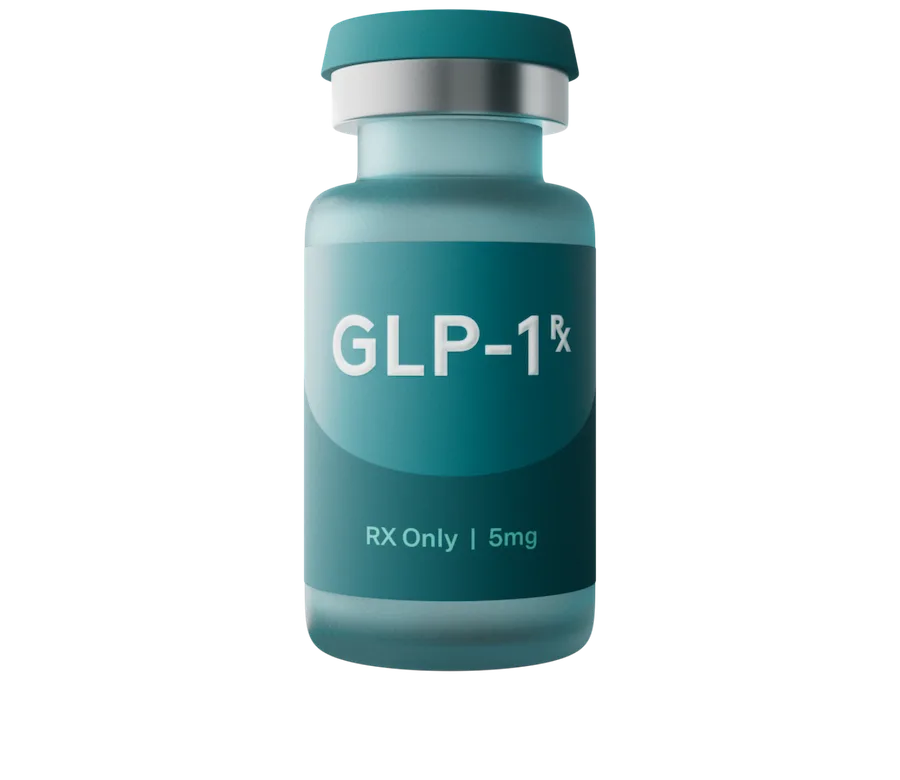
Explore a wide range of prescription medications supported by Noom’s program.Microdose GLP-1rx
Noom GLP-1rx
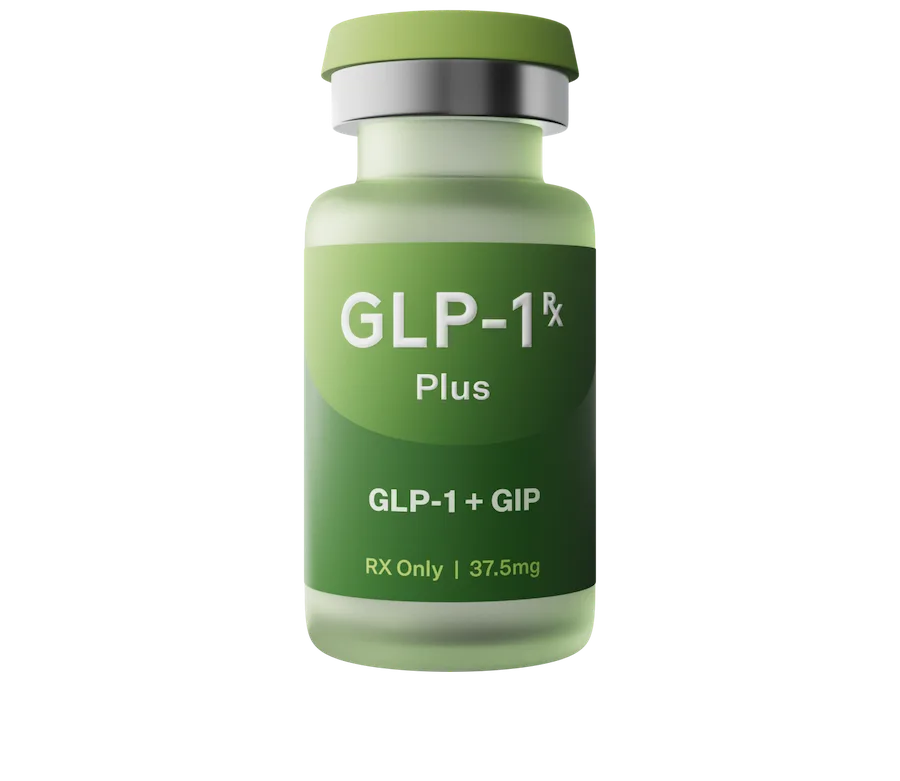
Noom GLP-1rx Plus
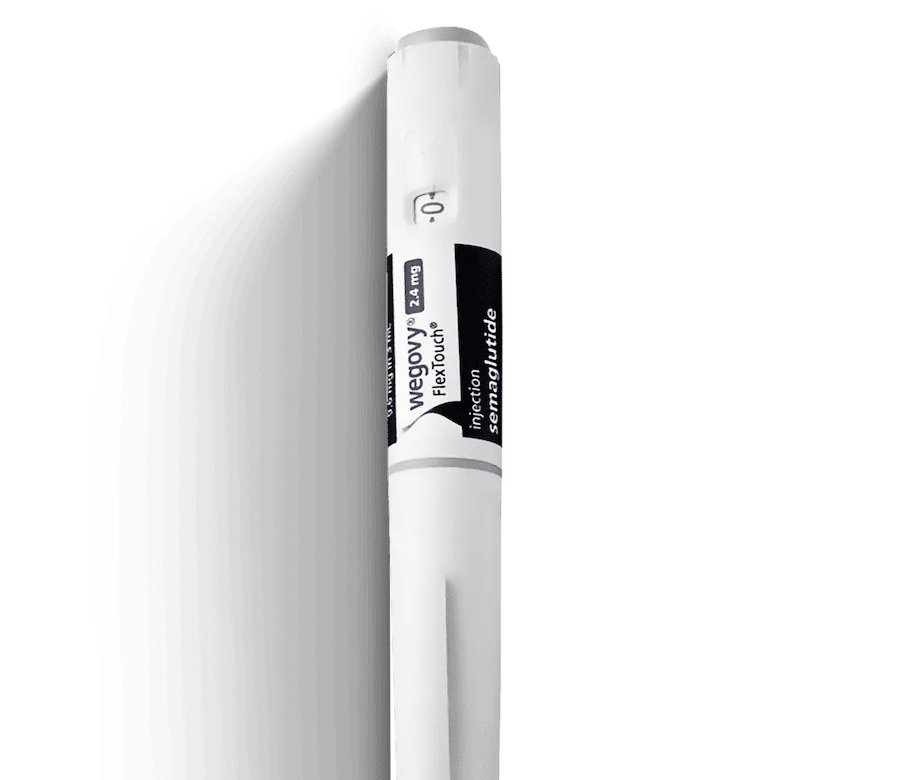
Wegovy®
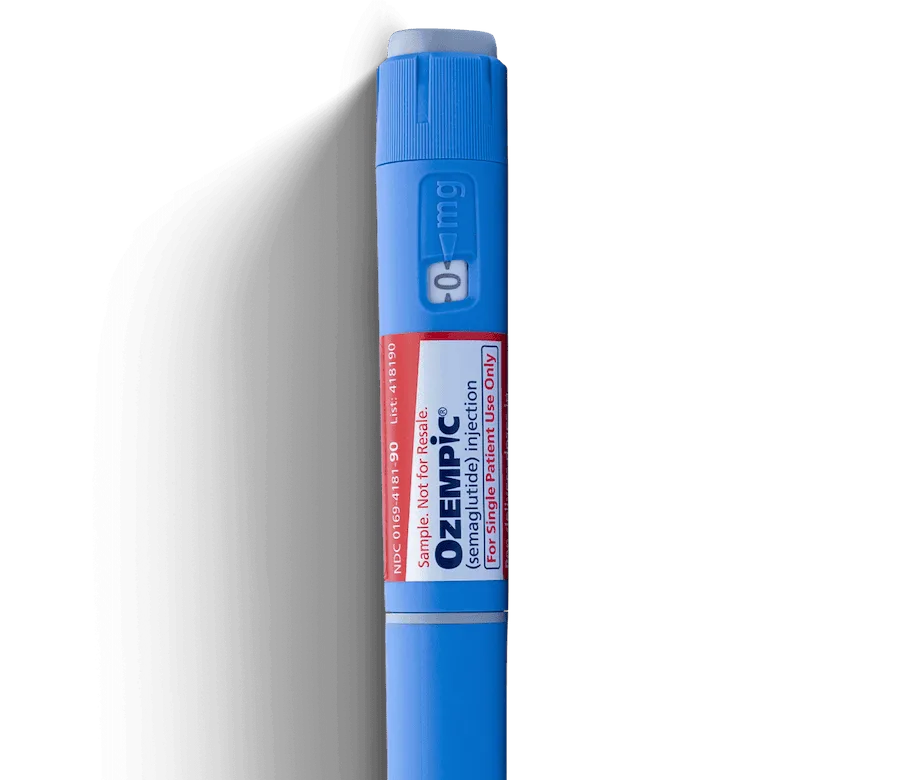
Ozempic®
Metformin
Zepbound®
Mounjaro®
Liraglutide
Does mozzarella help reduce inflammation?
⚠️ Neutral to slightly positive: Mozzarella doesn’t have a strong anti-inflammatory profile the way fatty fish, olive oil, or leafy greens do. However, emerging research on dairy and inflammation suggests that the overall food matrix of fermented dairy products may have a more neutral—or even slightly favorable—effect on inflammatory markers than was previously assumed based on saturated fat content alone.
Is mozzarella beneficial for brain health?
✔️ Limited benefits: Mozzarella provides vitamin B12, which is essential for neurological function and cognitive health—particularly important for older adults, who are at higher risk for B12 deficiency. It also contains phosphorus, which plays a role in brain cell function. Think of its B12 contribution as a useful bonus rather than a primary reason to eat it.
Can mozzarella improve skin and hair health?
✔️ Minor benefits: Mozzarella contains riboflavin (B2) and zinc, both of which support skin cell turnover and tissue repair. These aren’t dramatic beauty benefits, but they contribute to the overall nutrient adequacy that underlies healthy skin and hair over time.
Can mozzarella help balance hormones?
⚠️ Limited evidence: Mozzarella’s protein content supports overall metabolic function, and adequate protein intake is associated with better hormonal regulation, including insulin and appetite hormones. If you’re concerned about the hormonal content of conventional dairy, organic or grass-fed mozzarella is made from milk produced without synthetic hormones.
💡 Tip: Hormonal balance is best supported through a broad, varied diet rather than any single food. Mozzarella can contribute, but it works best as part of an overall pattern of consistent protein intake, adequate sleep, and stress management.
🍽️ Best ways to eat mozzarella for weight loss
- Shredded part-skim mozzarella on vegetables or eggs – A tablespoon or two of shredded mozzarella melted over roasted vegetables or scrambled eggs adds protein and richness without dramatically increasing calories.
- String cheese as a portable snack – String cheese is essentially pre-portioned part-skim mozzarella. One stick delivers about 80 calories and 7 grams of protein, requires no prep, and travels easily. Pair it with a piece of fruit or some raw vegetables for a balanced snack that covers protein, fiber, and volume.
- Homemade pizza with measured mozzarella – Pizza is one of the easiest places to overuse mozzarella. Making pizza at home lets you control the amount—typically one ounce per slice is plenty when the pizza is loaded with vegetables and the sauce is flavorful. A whole-grain crust adds fiber and rounds out the nutritional picture.
National Mozzarella Stick Day is October 30. Try these healthy mozzarella recipes:
- Chicken Caprese Salad – The Mediterranean Dish
- Grilled Chicken with Spinach and Mozzarella – Skinnytaste
- Marinated Mozzarella Balls – Love & Lemons
🍏 Best alternatives & comparisons (per 1 oz / 28g)
| Food | Calories | Carbs | Fiber | Protein | Fat |
|---|---|---|---|---|---|
| Part-skim mozzarella | 72 | 1 g | 0 g | 7 g | 4.5 g |
| Feta | 75 | 1.2 g | 0 g | 4 g | 6 g |
| Swiss | 108 | 1.5 g | 0 g | 8 g | 8 g |
| Cheddar | 113 | 0.4 g | 0 g | 7 g | 9 g |
| Ricotta (part-skim) | 49 | 2 g | 0 g | 3 g | 3 g |
| Parmesan | 122 | 1 g | 0 g | 11 g | 8 g |
| Brie | 95 | 0.1 g | 0 g | 6 g | 8 g |
| Cottage cheese (low-fat) | 28 | 1.1 g | 0 g | 4 g | 0.6 g |
Part-skim mozzarella sits in a strong position relative to most popular cheeses—lower in calories than cheddar, Swiss, parmesan, and brie, while delivering more protein per ounce than feta or ricotta. If you want the absolute lowest-calorie option, low-fat cottage cheese wins handily—but it has a very different texture and flavor, so it’s not always a like-for-like swap.
For people who want maximum protein per calorie, Parmesan is worth noting—its strong flavor means a small amount goes further. But for everyday cooking and snacking, part-skim mozzarella is one of the most versatile and practical cheeses in this group.
Frequently asked questions about mozzarella and weight loss
Is mozzarella or feta better for weight loss?
Both are reasonable choices, but part-skim mozzarella has a meaningful edge in protein—7 grams per ounce compared to feta’s 4 grams—at a similar calorie count. More protein means more satiety per calorie, which is a practical advantage when you’re eating in a deficit. Feta has a stronger flavor, which means some people naturally use less of it. Either works; mozzarella is the better choice if protein intake is a priority.
How much mozzarella can I eat per day if I’m trying to lose weight?
For most people, 1 to 2 ounces of mozzarella per day is a reasonable amount within a weight-loss-friendly eating pattern. That’s roughly one string cheese stick or a small handful of shredded mozzarella—enough to add flavor, protein, and satisfaction to meals without calories climbing too quickly.
Mozzarella is one of the lighter cheeses, but it’s still easy to overdo, especially in dishes where it melts into pasta, casseroles, or pizza. Measuring before cooking can help keep portions realistic without needing to obsess over it.
It’s also worth rotating your cheeses rather than relying on mozzarella for everything. Different cheeses bring different nutrients, flavors, and levels of richness. Lighter, flavorful options like feta, goat cheese, parmesan, ricotta, or cottage cheese can all help make healthy meals more satisfying in different ways.
Is fresh mozzarella or shredded mozzarella better for weight loss?
Neither is better. Fresh whole-milk mozzarella has slightly more fat and calories per ounce than part-skim shredded, but its richer flavor often means people naturally use less of it. Part-skim shredded is a bit leaner and works well for cooking applications where you want the cheese to melt. The practical difference per serving is small—choose whichever you’ll enjoy in a reasonable portion.
Is string cheese a good weight loss snack?
Yes—string cheese is one of the more practical weight loss snacks available. A standard stick is roughly 80 to 85 calories and 6 to 7 grams of protein, pre-portioned, portable, and satisfying without any prep. Pairing it with a piece of fruit or some raw vegetables makes a balanced snack that covers protein, fiber, and volume.
Can I eat mozzarella on a reduced-calorie diet?
Yes. At 72 calories per ounce for part-skim, mozzarella fits into even a lower-calorie eating plan. One ounce at a meal is enough to add meaningful protein and richness without consuming a large portion of your daily budget.
Does mozzarella cause bloating?
It can, for people with lactose sensitivity. Fresh mozzarella has slightly more lactose than aged, hard cheeses. If you notice bloating or digestive discomfort after eating fresh mozzarella, try switching to low-moisture part-skim mozzarella, which has less residual lactose.
Is buffalo mozzarella better for weight loss than regular mozzarella?
Not necessarily. Authentic buffalo mozzarella is richer and creamier than cow’s milk versions, with slightly more fat and calories per ounce. Its more intense flavor means that a smaller portion tends to be satisfying, which can offset the calorie difference in practice. Both work fine for weight loss—the difference per serving is modest.
🧠 The bottom line: Mozzarella can be good for weight loss
Mozzarella is one of those foods that tends to surprise people once they actually look at the nutrition. It’s satisfying, relatively high in protein, lower in calories than many other cheeses, and easy to work into meals that feel balanced.
Portion size still matters, though, especially because mozzarella is so easy to keep eating once it’s melted into something. But a reasonable amount can absolutely fit into a healthy eating pattern.
And honestly, that’s part of what makes mozzarella useful for long-term weight loss. It helps healthy meals feel more enjoyable and normal. Whether it’s added to a salad, melted onto roasted vegetables, layered into a sandwich, or eaten as a quick string cheese snack, it’s one of those foods that can make balanced eating feel a lot more sustainable.

See if your insurance
covers GLP-1s.
The form only takes 2 minutes to answer. We’ll handle the rest.
GET STARTED📖 Scientific evidence
- Eating cheese regularly doesn’t appear to increase your risk of heart disease, and may actually offer some protective benefits. (Advances in Nutrition, 2023) A large review of 54 analyses found that people who ate more cheese tended to have lower rates of death from any cause, cardiovascular disease, and type 2 diabetes—even with the saturated fat that comes with it. Researchers think the fermentation process and the way nutrients work together in dairy may help explain why.
- Eating more protein is consistently linked to feeling less hungry—and the research backs it up pretty clearly. (Physiology & Behavior, 2020) A review of several studies found that higher protein intake lowered ghrelin (the hormone that triggers hunger) and raised fullness hormones like GLP-1 and cholecystokinin. How much of an effect you get may depend on how much protein you’re eating.
- Higher protein diets are consistently linked to modest weight loss, according to a large body of research. (Nutrients, 2021) A review of 43 randomized trials found that people who ate more protein lost an average of about 3.5 pounds more than those who didn’t, with potentially stronger effects in people with prediabetes.
- Getting enough dairy while cutting calories may help protect your bones during weight loss. (Nutrients, 2019) In a 6-month study of women with higher BMIs, those who ate 4 to 5 servings of low-fat dairy per day while lowering calories maintained better bone density than those on a low-calcium diet.
- Eating more protein may help you feel fuller throughout the day when you’re trying to lose weight. (Obesity, 2012) A randomized trial in men with elevated BMIs found that getting 25% of daily calories from protein—compared to 14% on a normal-protein diet—significantly improved feelings of fullness over the course of the day.
Editorial standards
At Noom, we’re committed to providing health information that’s grounded in reliable science and expert review. Our content is created with the support of qualified professionals and based on well-established research from trusted medical and scientific organizations. Learn more about the experts behind our content on our Health Expert Team page.