
What you’ll learn:
- NAD+ is a molecule your cells already use for energy production, DNA repair, and other essential processes
- Interest in supporting NAD+ has grown as researchers study how its levels change with age.
- Oral supplements, at-home injections, and IV infusions can all support or deliver NAD+ in different ways.
NAD+ might sound like a new wellness trend, but your body has relied on it all along. Every cell in your body uses NAD+ to help turn food into energy and repair everyday wear and tear. In other words, it’s part of what keeps your cells—and you—running.
What’s new is the growing interest in what happens to NAD+ as we get older. Levels can decline in some tissues with age. That has researchers looking into whether supporting NAD+ could help people stay healthier as they age. It’s an emerging idea, with a lot of excitement behind it. Researchers are studying whether boosting NAD+ levels could support energy metabolism and slow some markers of cellular aging, but the evidence in humans is still limited
One thing is for sure: NAD+ products are becoming more popular. You can now find oral supplements, easy-to-use at-home injections, and IV drips as options. The major difference between the three is how each one helps your body increase its levels of NAD+.
Let’s take a look at how the NAD+ options work, the differences in effects and cost, and what the research points toward.
NAD+: What it is and how it works
NAD+ (nicotinamide adenine dinucleotide) is a molecule your cells need to turn food into energy. Think of it as a tiny shuttle bus. It picks up electrons released when you digest food and carries them to your mitochondria — the part of the cell that makes energy — where those electrons get turned into fuel your body can actually use.
NAD+ does this so often that it takes part in hundreds of chemical reactions in the body every day. NAD+ also feeds two other important jobs. It powers sirtuins, proteins that help manage stress and keep cells working well, and it powers PARPs, enzymes that fix broken DNA. Every time DNA gets damaged, from things like UV light or normal wear and tear, PARPs step in to repair it, and they use up NAD+ to do it.
Here’s the part that gets people interested in NAD+ as they get older: your NAD+ levels don’t stay steady over time. Research shows NAD+ levels decline with age across multiple tissues in the body.
This decline happens for a few reasons. The enzyme your body uses to make new NAD+ slows down with age. At the same time—an enzyme that breaks NAD+ down—tends to become more active as we age and when there’s more inflammation in the body.
Less NAD+ can mean sirtuins have less fuel to do their job, which may make it harder for cells to manage stress and stay healthy. This is the research that’s driving interest in raising NAD+ levels through diet, exercise, or supplements as a way to support healthy aging.
Read more: What is NAD+? Benefits for energy, healthy aging, and ways to boost it
The 3 main types of NAD+ support: Injections vs. oral vs. IV
If you’ve decided to look into raising your NAD+ levels, the next question is how. There are three main routes people use, and they differ a lot in cost, convenience, and how directly the NAD+ actually gets into your system. Oral supplements are the easiest entry point, injections sit in the middle, and IV infusions are the most intensive option. Here’s how each one works.
- Oral supplements are capsules you take at home, usually once a day.
- Injections under the skin deliver NAD+ into the fatty tissue. These products are typically made by a compounding pharmacy and require a prescription from a clinician.
- IV infusions deliver NAD+ directly into a vein in a clinical setting.
Here’s a look at the differences:
NAD+ injections
NAD+ injections deliver NAD+ into the fatty tissue just under the skin, usually in the abdomen or thigh, where it’s gradually absorbed. Unlike oral versions, injections contain NAD+ itself and bypass digestion. They may be used at home after appropriate training and don’t require a lengthy infusion appointment.
- Who are they for: Someone comfortable with injections who wants an at-home option with clinician guidance.
- How you get it: Injectable NAD+ is typically obtained through a clinician and prescription.
- Cost: Online prices for at-home NAD+ injection programs currently run about $125 to $280 per month, depending on the dose, provider, treatment plan, and what’s included.
- Dosing: There’s no standard dose that works for everyone, so dosing should follow your specific prescription.
- Side effects: Possible injection-site problems include pain, redness, swelling, bruising, bleeding, and infection.
Oral NAD+ supplements
Most oral products designed to increase NAD+ contain precursors that your body can use to make NAD+. The options are nicotinamide riboside (NR) or nicotinamide mononucleotide (NMN).
- Who are they for: Someone who wants an oral option.
- How you get it: Oral NR and NMN products are widely available without a prescription.
- Cost: Many NR and NMN supplements cost about $30 to $120 per month, depending on the ingredient, dose, brand, and serving size.
- Dosing: Doses vary depending on the ingredient and product, so check the label and follow the directions for the specific supplement you’re taking.
- Side effects: Possible side effects include nausea, stomach discomfort, diarrhea, and headache.
NAD+ IV therapy
NAD+ IV therapy delivers NAD+ directly into your bloodstream through a vein, bypassing digestion. Unlike a quick injection that may be used at home, an IV requires a clinician and an appointment. The amount of NAD+ and length of the infusion can vary.
- Who is it for: Someone who prefers clinician-administered treatment and is comfortable with a higher cost.
- How you get it: NAD+ IVs are administered in a clinic or wellness center, or sometimes at home through a mobile IV service.
- Cost: Current advertised prices run roughly $200 to $1,200 or more per infusion, depending largely on the dose and provider.
- Dosing: There isn’t a standard dose used by every provider. The amount of NAD+ and infusion schedule can vary, so follow the plan provided by your clinician.
- Side effects: Possible effects during an NAD+ infusion include nausea, stomach discomfort, increased heart rate, throat discomfort, and chest pressure. IV treatment can also cause bruising, irritation, or infection around the IV site.
What about NAD+ nasal sprays, patches, and sublingual supplements?
You’ll also find NAD+ nasal sprays, patches, and products that dissolve under the tongue. These options are often marketed as a way to improve absorption without an injection or IV.
There isn’t enough human research to know how well these products are absorbed or whether they improve health. Be cautious with exact absorption percentages or promises of fast results.
Which NAD+ form is right for you?
There isn’t one best choice for everyone—and NAD+ is only one piece of a much bigger picture. Your overall health, age, sleep, exercise habits, eating patterns, medications, and other lifestyle factors can all influence how energetic you feel and how your body functions as you get older. Supporting healthy aging isn’t simply about increasing one molecule, so it’s worth thinking about what you’re hoping NAD+ will add to what you’re already doing.
If you’re considering an NAD+ product, start with a few questions:
- What outcome are you hoping for? Increasing NAD+ doesn’t automatically mean you’ll feel more energetic or become healthier. Think about the specific reason you’re interested in it and whether there are other factors—like sleep, nutrition, physical activity, or an underlying health issue—that could be contributing to how you feel.
- What does the rest of your routine look like? Regular exercise, nutritious eating habits, adequate sleep, and managing existing health conditions have much more established roles in supporting long-term health. NAD+ shouldn’t be viewed as a replacement for those basics, regardless of which form you choose.
- How do you want to take it? A daily pill, an at-home injection, and a clinic infusion have very different routines. Think about whether you’re comfortable with needles, how often you want to take something, and whether regular appointments realistically fit into your schedule.
- What does your budget allow? Oral products are usually the least expensive option, injections generally fall somewhere in the middle, and IV therapy can cost hundreds of dollars per session.
Whichever route you’re considering, think of NAD+ as one potential addition to a broader approach to your health—not the thing that determines how well you age. A healthcare professional can help you look at your health history, medications, lifestyle, and goals together and decide whether NAD+ makes sense for you in the first place, as well as which form might be the best fit.
NAD+ safety: What to know with any form
Most studies have been relatively short, and we know much less about long-term use. Share your health history with your clinician before starting an NAD+ product, particularly if you take medications or other supplements, are pregnant, planning to become pregnant, are breastfeeding, or have an upcoming surgery.
What about NAD+ and cancer?
There’s no good evidence that NAD+ supplements cause cancer in people. NAD+ is involved in key processes in all cells, including cancer cells, so researchers are studying how it might affect cancer development and growth.
A review of NAD+ in aging and cancer describes the relationship as complex: NAD+ helps healthy cells repair DNA, but cancer cells can also use it to fuel their own growth. A more recent review agrees the link between boosting NAD+ and cancer risk is complex and depends on context.
The clearer concern is for people already in cancer treatment. A 2026 study found that NAD+ precursor supplements—NAM, NR, and especially NMN—helped pancreatic cancer cells resist three standard chemo drugs in lab tests by boosting the cancer cells’ energy production and lowering their oxidative stress. Researchers are now recommending that clinicians routinely check whether people with cancer are taking these supplements.
If you currently have cancer or are being treated for it, talk to your oncology team before taking any NAD+-boosting product.
When NAD+ side effects need medical attention
For injections and IVs, contact your care team if you develop worsening pain, redness, warmth, swelling, or drainage around the injection or IV site, or if other side effects are persistent or getting worse.
Get urgent medical help for symptoms of a potentially serious reaction, such as trouble breathing, swelling of the face or throat, fainting, or severe chest pain.
NAD+ supplements vs. injections vs. IV: FAQs
Are NAD+ injections better than supplements?
Injections contain NAD+ itself and bypass digestion, while oral products typically contain NR or NMN, which your body can use to make NAD+. Oral NR and NMN have been studied more extensively in humans, but we don’t have good head-to-head trials showing that one approach provides greater health benefits than another.
How much NAD+ should I inject?
There’s no universal dose of injectable NAD+. Because products and prescribing protocols can vary, use only the dose and schedule provided by your prescriber for your specific product.
NAD+ injection vs. IV: Which is better?
Neither has been shown to be better. Both deliver NAD+ without relying on oral absorption, but the experience is quite different. Subcutaneous injections may be used at home after appropriate training, while an IV delivers NAD+ directly into a vein and requires more time and monitoring. There isn’t enough clinical research to say that one produces better health outcomes than the other.
Do you need a prescription for NAD+ injections?
NAD+ injections intended for at-home use are typically prescribed by a clinician and prepared by a compounding pharmacy. How they’re prescribed, prepared, and administered can vary by provider and location.
What’s the difference between NR and NAD+ injections?
NR, or nicotinamide riboside, is a precursor your body can use to make NAD+. NAD+ injections contain NAD+ itself. Research hasn’t established that injectable NAD+ provides greater health benefits than oral NR.
How Noom can help you get the most out of NAD+ therapy
If you’re interested in NAD+ therapy, Noom’s NAD+ Program pairs compounded NAD+ (delivered as a subcutaneous injection you can do at home) as an add-on to any Noom program. You’ll receive:
- A clinician-guided plan. You’ll consult with a licensed provider before starting, and can message your care team directly through the Your Doctor chat in the app with questions about dosing, side effects, or how you’re feeling.
- Habit and lifestyle support. Noom pairs the medication with coaching in the app to help you build the diet, exercise, and hydration habits that support how your body uses NAD+.
- Ongoing monitoring. Your care team can help you track side effects — common ones include flushing, nausea, headache, and mild dizziness — and adjust your plan as needed.
Reviews from real Noom users
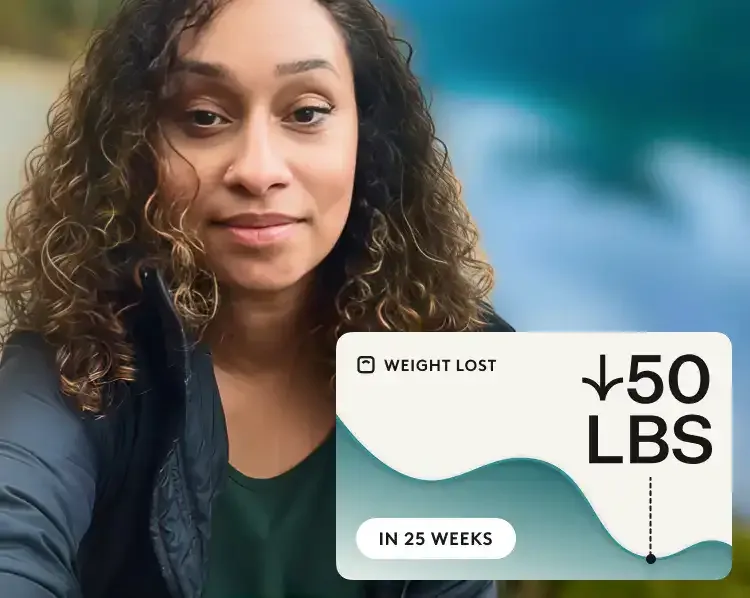
“My favorite parts of Noom are the care team and other Noomers. Sharing and getting help made me feel like I wasn’t doing it alone. That support made all the difference.”
Desirea N. — Real Noom user
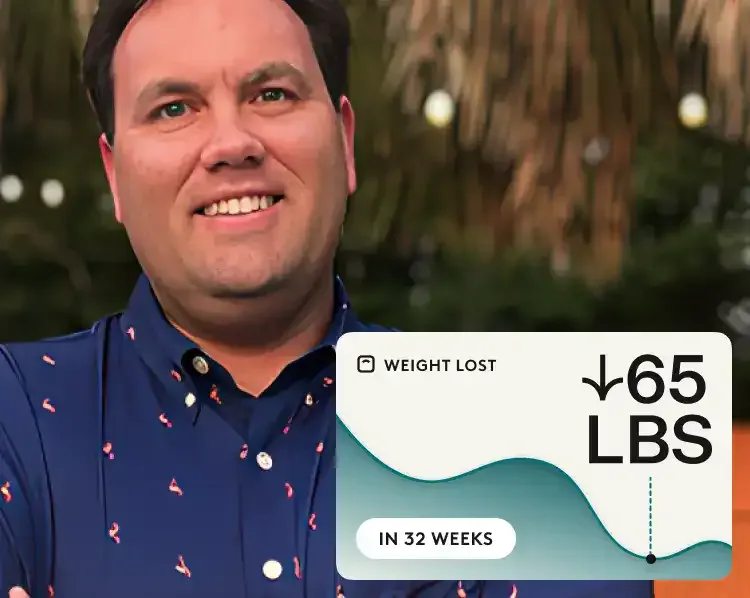
“Noom has taught me that every day is a new chance to make better, healthier choices. It’s taught me how to stop overeating.”
Matthew M. — Real Noom user
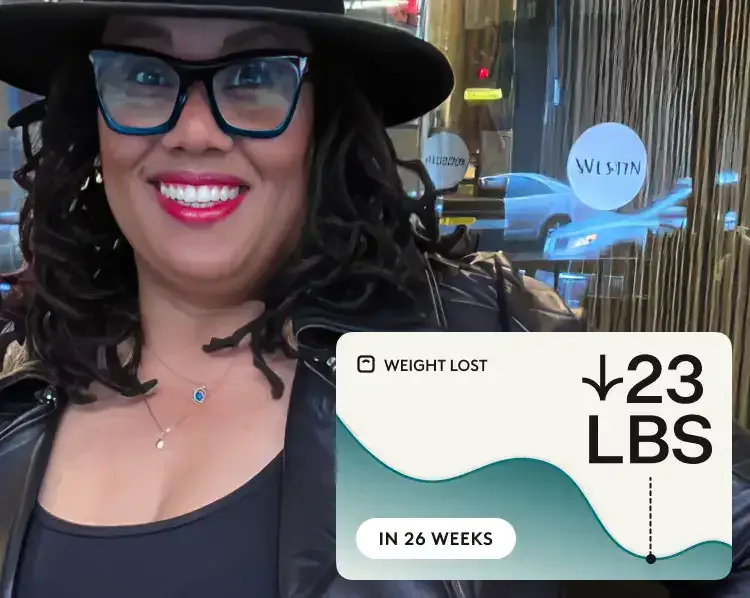
“Clinicians who understand how supportive medication can be is one of the best parts of Noom! I was convinced I wouldn’t have success but I’m down 11 pounds in two months.”
Lila M. — Real Noom user
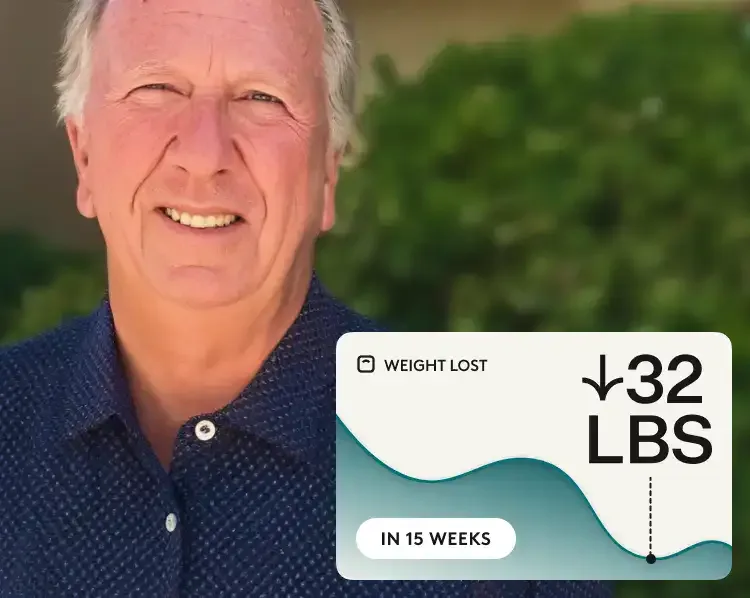
“Noom provided me with the medication which I could not get through Medicare. I have learned the tricks to better eating and life in general.”
Steve M. – Real Noom user
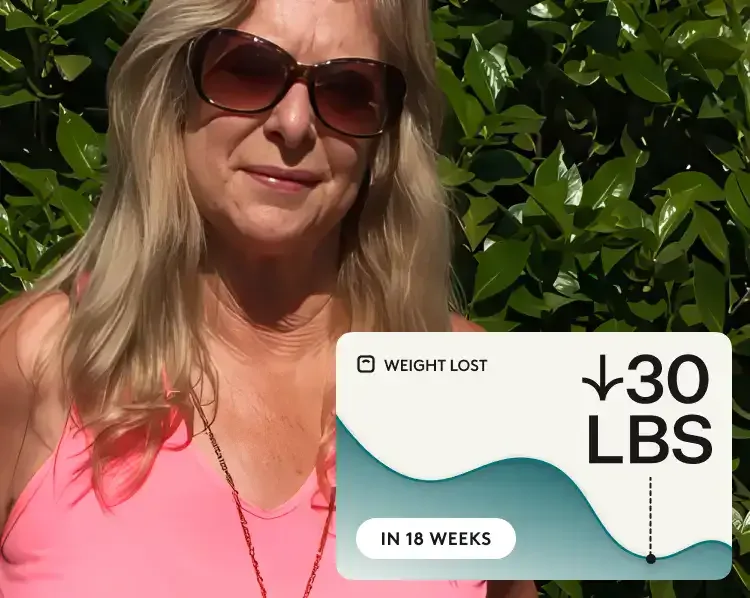
“Noom has changed my life and I’m so thankful, I feel great, have more energy and am no longer prediabetic.”
Daisy R. – Real Noom user
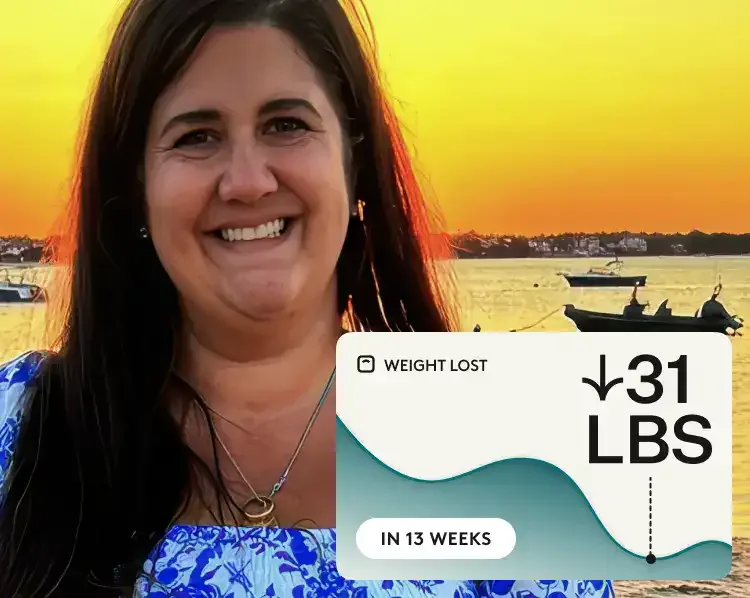
“All of the Noom providers that I’ve met with have been exceptional and prescribed medications that are appropriate for my situation and health.”
Sarah R. – Real Noom user
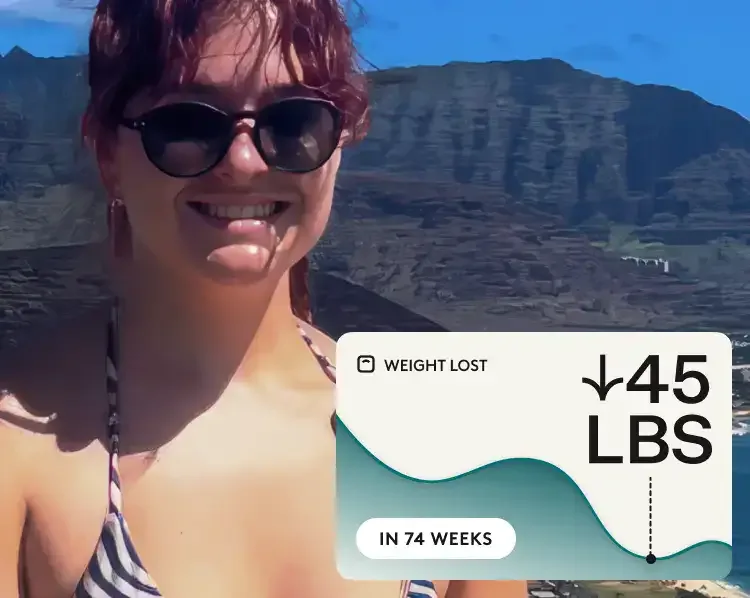
“Noom made the process so simple and now I feel full, free from diet obsession, and at ease in my body again.”
Madison S. – Real Noom user
“My doctor recommended Noom after I was frustrated trying to lose weight. The lessons helped change my relationship with food. My body feels lighter & energized.”
Sonday K. – Real Noom user
“I built healthy habits with coaching and lessons that make me confident I can maintain my weight loss long term.”
Cam K. – Real Noom user
“With the right medication through Noom, hunger and sugar cravings finally quieted and I have the tools to break the cycle.”
Laura TR. – Real Noom user
“Cravings and food noise are gone, I finally feel confident in the healthy habits I’ve built to last with Noom.”
Jessica S. – Real Noom user
The bottom line: NAD+ injections offer a middle ground between a daily pill and a clinic visit
NAD+ plays an essential role in how your cells produce energy, repair DNA, and respond to stress, and changes in NAD+ levels with age are one reason researchers are interested in whether supporting those levels could play a role in healthy aging.
If you want to explore NAD+ support, oral supplements, injections, and IV therapy offer very different experiences. NAD+ injections sit in the middle, offering clinician guidance and at-home convenience.
Whichever form you choose, NAD+ is best thought of as one part of a much bigger approach to healthy aging. Sleep, exercise, nutrition, your overall health, and other daily habits all matter, too. Consider what you’re hoping to get from NAD+, how you want to take it, what fits your budget, and what makes sense alongside the rest of your health routine.
Learn more about adding NAD+ to your Noom program.
Editorial standards
At Noom, we’re committed to providing health information that’s grounded in reliable science and expert review. Our content is created with the support of qualified professionals and based on well-established research from trusted medical and scientific organizations. Learn more about the experts behind our content on our Health Expert Team page.