
What you’ll learn:
- NAD+ plays an essential role in cellular energy, DNA repair, and other processes, and declining levels with age have sparked interest in its potential benefits for healthy aging.
- NAD+ can be supported through oral supplements, injections, or IV therapy, with each option differing in cost, convenience, dosing, and potential side effects.
- NAD+ works best as part of a broader healthy lifestyle that includes nutritious eating, regular movement, good sleep, and stress management.
NAD+ is one of the most talked-about names in the longevity space right now. Why? It’s a substance associated with potential benefits many people want as they get older: more energy, a healthy metabolism, sharper thinking, and greater resilience. That interest has sparked a growing market of pills, injections, and IV drips that aim to replenish your levels as you age.
The excitement comes from what NAD+ is and what it does in your body. Every cell in your body uses NAD+ to help turn food into energy and repair everyday wear and tear. And studies show that NAD+ levels can decline in some tissues with age, making replacing it an emerging area of longevity research.
Early studies have found some promising results, especially for NAD+ levels and certain measures of metabolic health. But what replacing NAD+ can do for energy, sleep, thinking, and longevity is evolving.
Let’s take a look at what NAD+ is associated with, take a look at the forms it comes in, and go through any potential side effects. Plus, we’ll talk about your best bets for trying NAD+ therapy.
What is NAD+ and how does it work?
NAD+ (nicotinamide adenine dinucleotide) is a naturally occurring molecule your cells use to release energy from the food you eat. Your body also needs it for DNA repair and other processes that help cells respond to stress and damage.
You can think of NAD+ as part of your cells’ maintenance crew:
- It helps make energy. Your cells use NAD+ while turning carbohydrates, fats, and proteins into usable fuel.
- It supports DNA repair. Everyday life—from sunlight to normal metabolic processes—can damage DNA. NAD+ helps power some of the enzymes involved in repairing it.
- It helps cells respond to stress. NAD+ is involved in pathways that affect inflammation, immune function, and how cells communicate.
Why might age-related changes in NAD+ matter? Your cells need NAD+ to make energy and keep up with repair work. As less becomes available as you age, researchers think some of those jobs may become less efficient. That’s one reason researchers are exploring whether restoring NAD+ could support metabolism, cellular repair, or other parts of healthy aging.
Researchers are also learning that NAD+ doesn’t necessarily change the same way throughout the entire body. A study of skin samples from people ranging from newborns to age 77 found that older people had lower levels of NAD+ in their skin tissue. That points to an age-related pattern in skin, but it’s not proof that every person over a certain age has low NAD+, that all organs are affected equally, or that raising those levels will improve health. More studies are now trying to answer those questions
How is NAD+ measured?
There’s no simple, at-home test like a blood pressure cuff or a scale for NAD+.
In research settings, scientists typically use a lab method called liquid chromatography-mass spectrometry (or LC-MS), which can detect NAD+ in blood, skin, or other tissue samples with a high degree of precision.
Some studies also use blood spot tests, where a small drop of blood is collected and analyzed in a lab. The tricky part is that NAD+ levels can look different depending on what’s being tested. And keep in mind, blood levels don’t always match what’s happening inside your muscles, liver, or brain, so a single blood test doesn’t tell the whole story about how much NAD+ your cells have to work with. There’s also no agreed-upon “normal” range the way there is for something like cholesterol, which makes it hard to say what counts as low or high for any one person.
What are the benefits of taking NAD+?
NAD+ products are promoted for everything from more energy and a healthier metabolism to better brain function and slower aging. There are biological reasons researchers are interested in these possibilities: NAD+ is involved in cellular energy production, DNA repair, and other processes that help cells function. But NAD+ doesn’t work in isolation. Your diet, physical activity, sleep, stress, and overall health all influence many of the same areas that NAD+ products are promoted to support.
Here are the main potential benefits being studied:
- More energy: NAD+ helps your cells convert nutrients from food into usable energy, which is why increased energy is one of the biggest areas of interest surrounding NAD+ products. But your day-to-day energy also depends on factors like getting enough sleep, eating enough nutritious food, staying active, and managing stress.
- Healthy aging and longevity: NAD+ supports processes involved in cellular repair and stress responses, and NAD+ levels can decline in some tissues with age. That has led researchers to investigate whether restoring those levels might help cells function better as we get older. Healthy aging, though, is influenced by much more than NAD+ levels. Regular physical activity, a nutritious eating pattern, adequate sleep, stress management, and preventive healthcare all play important roles.
- Metabolic health: Because NAD+ is involved in how cells use energy, researchers are studying whether increasing it could affect metabolic health. But metabolism is also shaped by your diet, activity level, muscle mass, sleep, genetics, and overall health.
- Brain health and cognitive function: NAD+ is important for normal brain-cell function, which has led to interest in its potential role in maintaining brain health with age. Brain health is also closely connected with physical activity, sleep, nutrition, stress, and cardiovascular health.
- Better sleep: Improved sleep is another benefit you’ll see associated with NAD+ products, partly because NAD+ is involved in biological processes connected with circadian rhythms. That doesn’t make NAD+ a sleep treatment. Maintaining a regular sleep schedule, creating a sleep-friendly environment, staying active, and addressing stress or other reasons you’re not sleeping well remain important.
The potential benefits associated with NAD+ are connected to real roles it plays in the body, and some early research has produced promising findings. But an NAD+ product isn’t a shortcut around the habits that already support energy, metabolism, brain health, sleep, and healthy aging. If you choose to explore NAD+, it makes the most sense as one potential part of a broader approach that includes nutritious eating, regular movement, good sleep, stress management, and appropriate medical care.
What are the different ways to take NAD+?
If you’re interested in increasing your NAD+ levels, you’ll quickly find that there’s more than one way to do it. And despite all being described as “NAD+” products, they don’t necessarily contain the same thing or get into your body in the same way.
Access GLP-1 Weight Loss with Noom
Explore a wide range of prescription medications supported by Noom’s program.
Microdose GLP-1rx
Noom GLP-1rx
Noom GLP-1rx Plus
Wegovy®
Ozempic®
Metformin
Zepbound®
Mounjaro®
Liraglutide
The biggest difference is whether you’re taking NAD+ itself or giving your body the building blocks it uses to make more NAD+. Most oral supplements contain NAD+ precursors, usually nicotinamide riboside (NR) or nicotinamide mononucleotide (NMN). Your body absorbs these compounds and uses them to produce NAD+. Injections and IV treatments, on the other hand, typically contain NAD+ itself and deliver it without first passing through your digestive system.
That doesn’t automatically make one approach better than another. Getting NAD+ into your body more directly doesn’t necessarily mean your cells will use more of it or that you’ll experience greater benefits. Each route also comes with different costs, routines, potential side effects, and levels of medical oversight.
Here’s how the three main options compare:
| Form | What you take and how | Potential benefits and practical advantages | Costs (estimated) |
|---|---|---|---|
| NAD+ injections | NAD+ injected into the fatty tissue just under the skin | Skips digestion, takes less time than an IV, and may be done at home | Through Noom, you’ll pay $79 for the first month, $129 per month after. |
| Oral | Usually NR or NMN, building blocks your body can turn into NAD+, taken as a pill | Studies show they can raise NAD+ levels, and some have found possible metabolic benefits in specific groups | About $30–$120 per month based on current online supplement prices; higher-dose and premium products may cost more |
| NAD+ IVs | NAD+ delivered into a vein while a clinician monitors you | Skips digestion and includes in-person monitoring during treatment | About $200–$1,200+ per infusion based on advertised clinic prices; cost varies considerably by dose and provider |
The best fit comes down to which route you prefer, how much medical oversight you want, and which possible side effects or costs you’re comfortable with.
Learn more: NAD+ injections vs. supplements vs. IV therapy: What’s the difference?
NAD+: Dosing and side effects
Side effects from NAD+ products can vary depending on what you’re actually taking, how much you take, and how it enters your body. That’s especially important with NAD+ because products sold under the same broad “NAD+” umbrella aren’t all the same. Oral supplements typically contain precursors such as NR or NMN, which your body uses to make NAD+, while injections and IVs can deliver NAD+ itself.
The route matters, too. A pill has to pass through your digestive system, an injection delivers NAD+ into the tissue under your skin, and an IV puts it directly into your bloodstream. Each route can come with its own potential side effects, from stomach discomfort with oral products to injection-site irritation or symptoms that develop during an infusion.
Dose is another piece of the picture, but the numbers aren’t directly comparable across forms. For example, 500 milligrams of NMN taken by mouth isn’t equivalent to 500 milligrams of NAD+ given through an IV. Researchers also haven’t established one ideal NAD+ dose—or a dose at which side effects reliably become more likely. Here’s what we know about dosing and side effects for each form.
NAD+ injections: Dosing and side effects
NAD+ injections are typically given subcutaneously, meaning NAD+ is injected into the fatty tissue just beneath the skin, often in the abdomen or thigh. Depending on the prescription and training provided, they may be self-administered at home.
- Dosing: There isn’t a standard evidence-based dose for subcutaneous NAD+ injections. Current prescribing and clinic protocols found online range from about 20 to 200 milligrams per injection, with 50 to 100 milligrams commonly listed. Frequency varies as well, with some protocols using injections several times per week. These are examples of doses currently being offered or prescribed, not a proven or recommended dose range. Follow the dose and schedule provided for your specific prescription.
- Side effects: As with other subcutaneous injections, possible problems include temporary pain, redness, swelling, bleeding, or bruising at the injection site. Infection is another potential risk, which is why proper injection and handling techniques matter.
Oral NAD+ supplements: Dosing and side effects
Most oral products marketed to support NAD+ levels don’t contain NAD+ itself. They typically contain precursors such as nicotinamide riboside (NR) or nicotinamide mononucleotide (NMN), which are swallowed as capsules, tablets, or powders and then used by the body to make NAD+.
- Dosing: Doses vary considerably by ingredient.
- NR has been studied at doses ranging from about 100 to 3,000 milligrams per day.
- NMN has been studied at roughly 250 to 2,000 milligrams per day.
- Side effects: Short-term studies suggest that NR and NMN are generally well tolerated. Depending on the study, product, and dose, reported side effects have included nausea or stomach discomfort, diarrhea, headache, muscle discomfort, and flushing or feeling warm. In the eight-week NR trial, adverse events weren’t significantly different between the NR and placebo groups, while the NMN review found no clear increase in overall or serious adverse events in studies lasting from 14 days to 24 weeks.
NAD+ IV therapy: Dosing and side effects
IV therapy delivers NAD+ directly into a vein through an intravenous line. It requires a clinician and takes longer than a subcutaneous injection. The infusion rate may also be adjusted during treatment if symptoms develop.
Dosing: There isn’t a standard evidence-based IV NAD+ dose. Current clinics advertise doses ranging from about 250 to 1,000 milligrams or more per infusion, although these are provider protocols rather than an established recommended range. One of the few published studies of IV NAD+ used 500 milligrams per infusion on four consecutive days.
Side effects: IV NAD+ can cause symptoms while the infusion is underway. In the small study, all six people receiving NAD+ experienced moderate to severe symptoms during their infusions, including stomach cramps, nausea, vomiting, diarrhea, increased heart rate, throat discomfort, and chest pressure. Symptoms stopped when the infusions ended, and slower infusion rates were used when people became uncomfortable. As with other IV treatments, bruising, irritation, and infection around the IV site are also possible.
Who is a good candidate for NAD+ therapy?
NAD+ therapy is most often explored by adults who are interested in supporting healthy aging and maintaining energy as they get older. Because NAD+ plays a role in cellular energy production and levels can decline in some tissues with age, it has attracted particular interest among people who want to stay active and support how their bodies function over time.
You might consider discussing NAD+ with a clinician if you:
- Are noticing changes in energy as you get older: NAD+ is essential for cellular energy production, which is one reason it’s being studied for its potential role in maintaining energy with age.
- Are interested in healthy aging: NAD+ supports processes involved in cellular repair and stress responses, making it an area of interest for people looking for additional ways to support their health as they age.
- Want to support metabolic health: Because NAD+ is involved in how cells use energy, researchers are studying whether increasing NAD+ could have metabolic benefits.
- Are interested in maintaining brain health: NAD+ is important for normal brain-cell function, and its potential role in cognitive and neurological health is an active area of research.
- Already have healthy habits in place: NAD+ makes the most sense as a potential addition to—not a replacement for—a nutritious eating pattern, regular exercise, adequate sleep, stress management, and appropriate medical care.
- Have realistic expectations: Increasing NAD+ levels doesn’t guarantee that you’ll feel more energetic, think more clearly, or age more slowly. Many of these potential benefits are still being studied.
You don’t need to wait until you’re experiencing a specific problem to be curious about NAD+. For someone interested in taking a more active approach to healthy aging, NAD+ may be something to explore alongside the habits that have much stronger evidence behind them. A clinician can help you decide whether it’s appropriate for you and, if so, whether an oral supplement, injection, or IV makes the most sense.
When NAD+ may not be the right choice
NAD+ products aren’t right for everyone. It’s important to share your complete health history with a healthcare professional before trying one.
- If you’re pregnant, planning to become pregnant, or breastfeeding: There isn’t enough research to establish the safety of NAD+ supplements, injections, or IV therapy during pregnancy or breastfeeding.
- If you have cancer or a history of cancer: There’s no good evidence that NAD+ products cause cancer in people. But NAD+ plays important roles in both healthy and cancer cells, making the relationship between NAD+ metabolism and cancer complicated. One 2026 study also found NAD+ precursors may help cancer cells resist chemotherapy. Talk to your oncology team before using NAD+ if you have cancer, are in treatment, or have a history of it.
- If you take prescription medications or several supplements: Research on interactions between NAD+ products and medications is limited. Show your doctor or pharmacist the specific ingredient, dose, and full supplement list so they can consider it alongside your medications and health history.
- If you have a significant chronic health condition: Check with the clinician managing your condition before adding NAD+. And if low energy or fatigue is the main reason you’re considering it, it’s worth looking for other possible causes first. Sleep problems, anemia, thyroid conditions, medication side effects, and many other health issues can affect energy. Addressing the underlying cause is more important than assuming low NAD+ is responsible.
How Noom can help you get the most out of NAD+ therapy
If you’re interested in NAD+ therapy, Noom’s NAD+ Program pairs compounded NAD+ (delivered as a subcutaneous injection you can do at home) as an add-on to any Noom program. You’ll receive:
- A clinician-guided plan. You’ll consult with a licensed provider before starting, and can message your care team directly through the Your Doctor chat in the app with questions about dosing, side effects, or how you’re feeling.
- Habit and lifestyle support. Noom pairs the medication with coaching in the app to help you build the diet, exercise, and hydration habits that support how your body uses NAD+.
- Ongoing monitoring. Your care team can help you track side effects—common ones include flushing, nausea, headache, and mild dizziness—and adjust your plan as needed.
Here’s how to add it to your plan.
FAQs about NAD+ benefits and side effects
What is NAD+ used for?
Your body naturally uses NAD+ to help cells produce energy, repair DNA, and respond to stress. NAD+ supplements and therapies are promoted for potential benefits including more energy, metabolic health, brain health, and healthy aging. These uses are based partly on the roles NAD+ already plays in the body, but research is still determining whether increasing NAD+ produces noticeable health benefits in generally healthy people.
Does NAD+ really slow aging?
We don’t know yet. NAD+ is involved in cellular processes connected with aging, and levels can decline in some tissues as we get older. That’s one reason researchers are investigating whether maintaining or increasing NAD+ could support healthy aging. Animal research has produced promising findings, but human studies haven’t established that taking NAD+ or an NAD+ precursor slows aging or extends lifespan.
What are the side effects of NAD+?
Side effects depend on the form, ingredient, and dose, so there isn’t one list that applies to every NAD+ product.
Oral NR and NMN have been associated with effects such as nausea, stomach discomfort, diarrhea, headache, and flushing.
While subcutaneous and IV NAD+ both involve needles, they can be very different in terms of side effects. Why? Subcutaneous injections absorb gradually and tend to cause milder effects—mainly pain, redness, swelling, or bruising at the injection site, with occasional flushing, nausea, or headache. IV NAD+ infusions enter the bloodstream directly and are often linked to symptoms during the infusion itself, including nausea, stomach cramps, increased heart rate, throat discomfort, and chest pressure.
Can NAD+ interact with medications?
Possibly, but research on specific NAD+ and medication interactions is limited. Before using an NAD+ supplement or therapy, review the exact ingredient and dose with your doctor or pharmacist, particularly if you take prescription medications, use several supplements, or are receiving treatment for a health condition.
Reviews from real Noom users
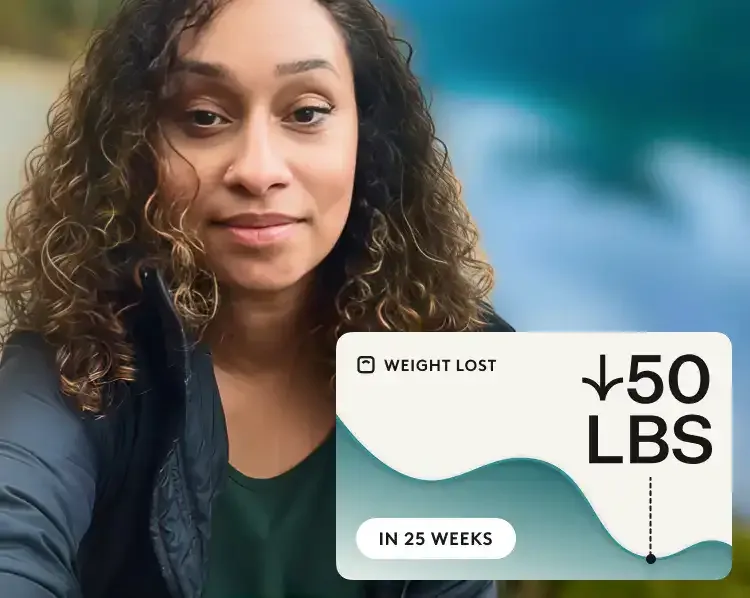
“My favorite parts of Noom are the care team and other Noomers. Sharing and getting help made me feel like I wasn’t doing it alone. That support made all the difference.”
Desirea N. — Real Noom user
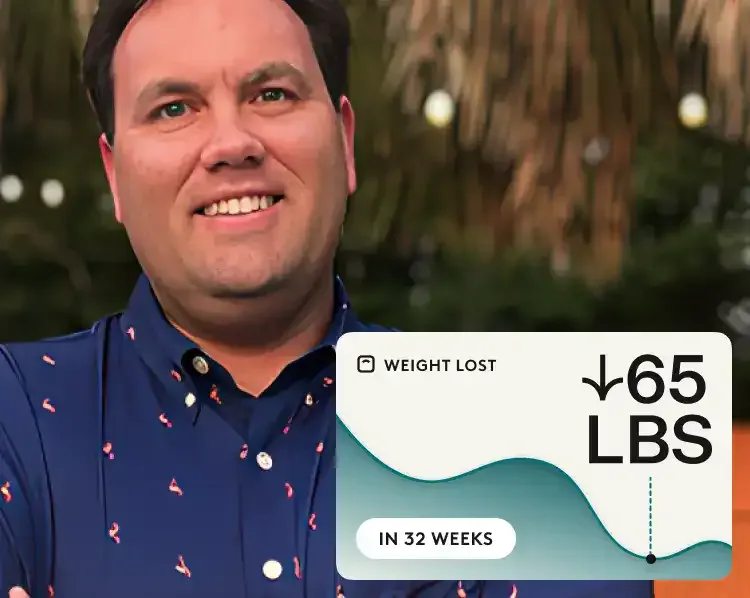
“Noom has taught me that every day is a new chance to make better, healthier choices. It’s taught me how to stop overeating.”
Matthew M. — Real Noom user
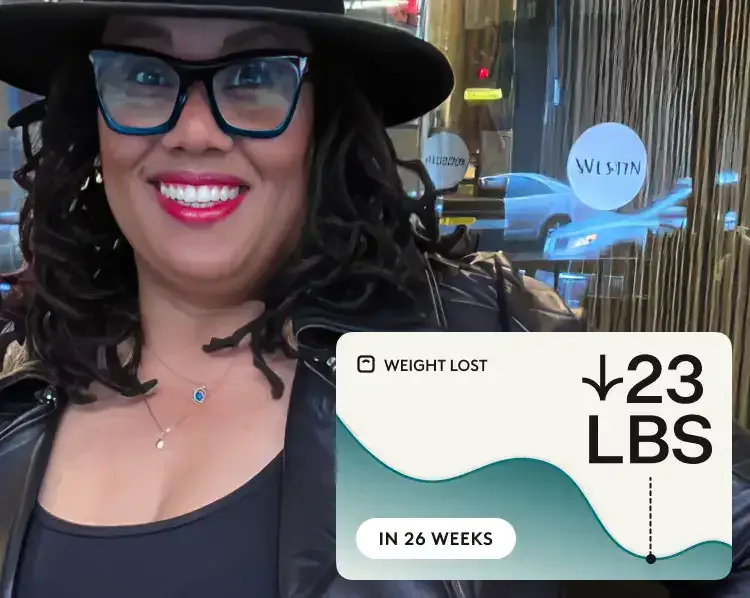
“Clinicians who understand how supportive medication can be is one of the best parts of Noom! I was convinced I wouldn’t have success but I’m down 11 pounds in two months.”
Lila M. — Real Noom user
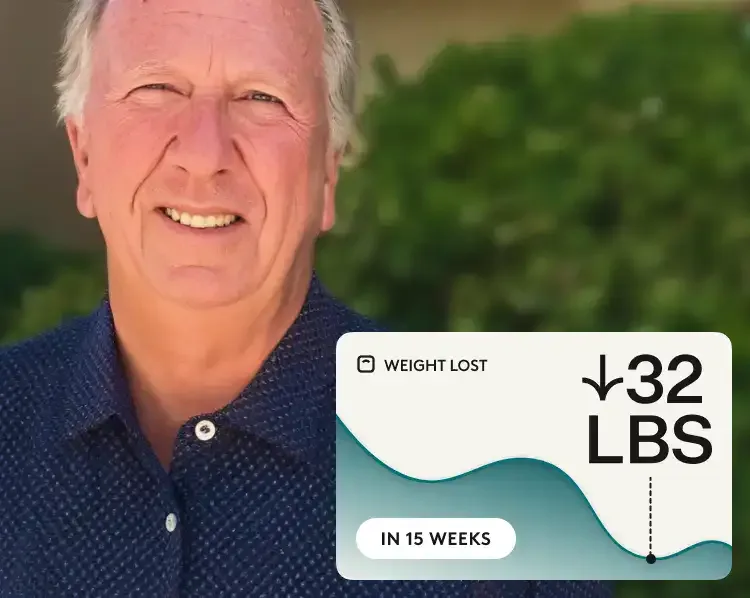
“Noom provided me with the medication which I could not get through Medicare. I have learned the tricks to better eating and life in general.”
Steve M. – Real Noom user
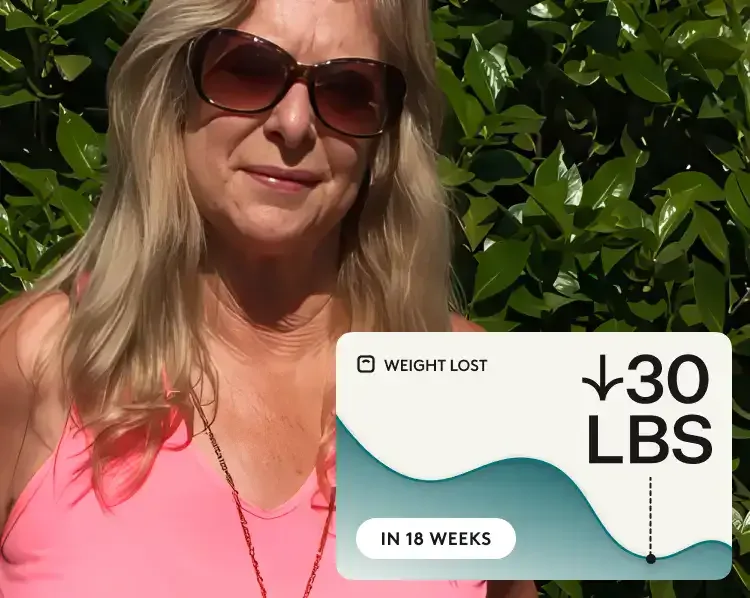
“Noom has changed my life and I’m so thankful, I feel great, have more energy and am no longer prediabetic.”
Daisy R. – Real Noom user
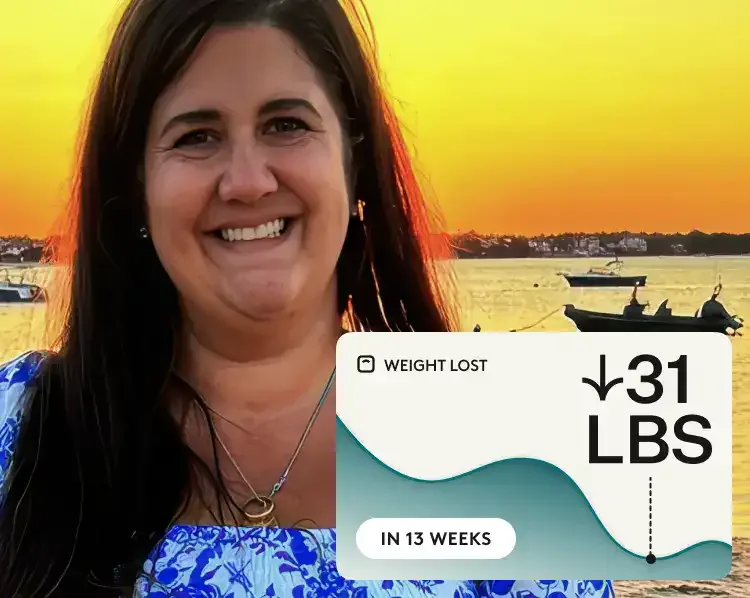
“All of the Noom providers that I’ve met with have been exceptional and prescribed medications that are appropriate for my situation and health.”
Sarah R. – Real Noom user
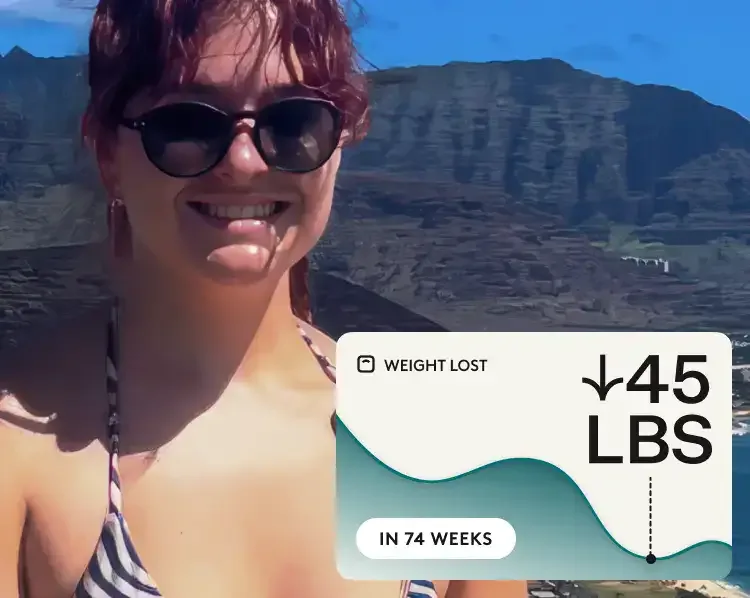
“Noom made the process so simple and now I feel full, free from diet obsession, and at ease in my body again.”
Madison S. – Real Noom user
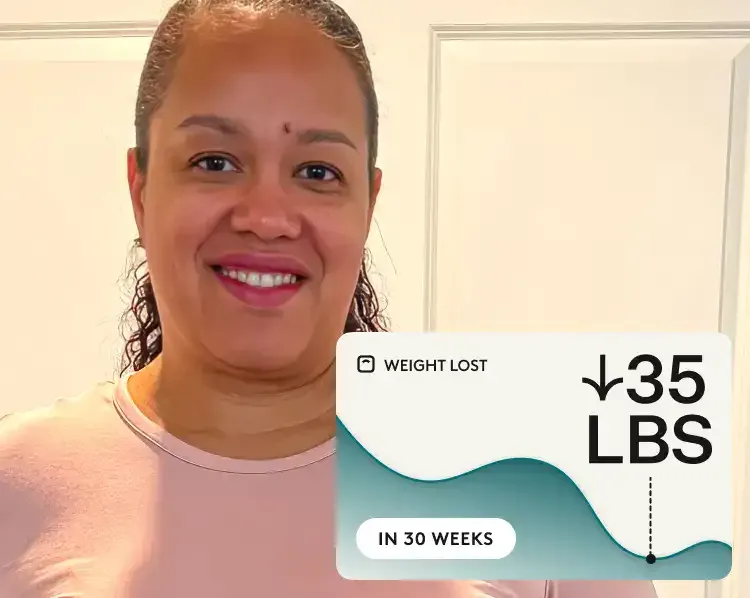
“My doctor recommended Noom after I was frustrated trying to lose weight. The lessons helped change my relationship with food. My body feels lighter & energized.”
Sonday K. – Real Noom user
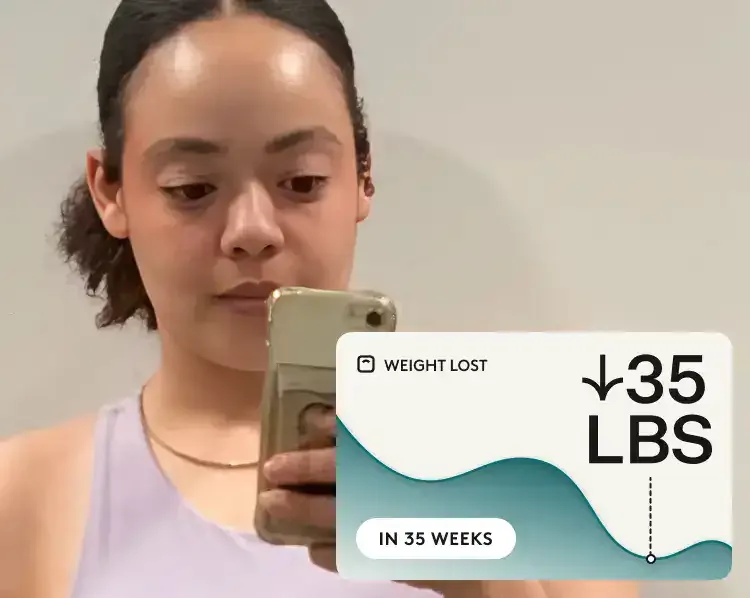
“I built healthy habits with coaching and lessons that make me confident I can maintain my weight loss long term.”
Cam K. – Real Noom user
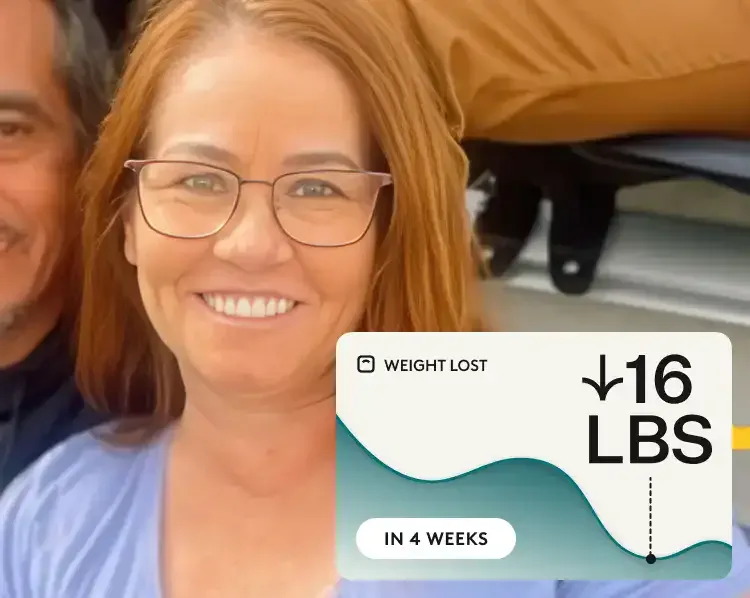
“With the right medication through Noom, hunger and sugar cravings finally quieted and I have the tools to break the cycle.”
Laura TR. – Real Noom user
“Cravings and food noise are gone, I finally feel confident in the healthy habits I’ve built to last with Noom.”
Jessica S. – Real Noom user
The bottom line: Boosting NAD+ may help support energy
NAD+ isn’t just a wellness trend—it’s a molecule your body already depends on for energy production, DNA repair, and other essential cellular processes. The fact that NAD+ levels can decline in some tissues with age has opened up an intriguing area of research: Could supporting those levels help maintain energy, metabolism, brain health, or other aspects of healthy aging?
If you want to explore NAD+, you have several options, including oral supplements, injections, and IV therapy. More intensive doesn’t necessarily mean more effective, so the right route comes down to your goals, preferences, health history, and budget.
Most importantly, NAD+ works alongside healthy lifestyle habits. The same things you’re hoping to support with NAD+—energy, metabolism, brain health, sleep, and healthy aging—are also influenced by what you eat, how much you move, how well you sleep, how you manage stress, and your overall health. Think of NAD+ as one potential addition to those habits, rather than a replacement for them, with realistic expectations about what we know today and what researchers are still working to understand.
Learn more about adding NAD+ to your Noom program.
Editorial standards
At Noom, we’re committed to providing health information that’s grounded in reliable science and expert review. Our content is created with the support of qualified professionals and based on well-established research from trusted medical and scientific organizations. Learn more about the experts behind our content on our Health Expert Team page.