

What you’ll learn:
- Vitamin B12 levels reflect how well the brain, nerves, blood, and digestive systems are functioning as we age.
- Low or borderline B12 is common in older adults and is linked to cognitive decline, frailty, cardiovascular risk, and higher mortality.
- Accurate testing and early correction of B12 insufficiency can help protect long-term function and healthy aging.
Vitamin B12 doesn’t usually get much attention in wellness conversations, but it plays a steady, behind-the-scenes role in how your body functions every day. It helps support energy production, focus, healthy nerves, and red blood cell formation. And while it’s often discussed in the context of aging, low B12 doesn’t just show up later in life. It can affect how you feel now—contributing to fatigue, brain fog, mood changes, tingling sensations, or feeling weaker than usual. The challenge is that our ability to absorb B12 naturally declines with age, so levels can dip even in people who eat a balanced diet.
Researchers are interested in vitamin B12 not only because of its day-to-day impact, but also because of what it may signal over time. Low levels have been linked to memory changes, balance and movement issues, and higher homocysteine levels—a marker associated with heart disease and stroke risk.
In that way, B12 isn’t just a nutrient you either “have enough of” or don’t. It can reflect how well multiple systems in the body are functioning—brain, blood, cardiovascular, and nervous system alike.
Because vitamin B12 influences so many systems at once, changes in levels can sometimes provide early clues before more serious problems develop. Paying attention to B12 isn’t about chasing a perfect lab number. It’s about understanding how this nutrient supports both how you feel today and how your body holds up over time—and making adjustments, if needed, to protect long-term health.
What is vitamin B12?
Vitamin B12, also called cobalamin, is an essential vitamin your body needs but can’t make by itself, which means you have to get it from food or supplements.
Vitamin B12 helps your cells grow and divide, helps nerves send messages properly, and helps red blood cells carry oxygen around your body. Vitamin B12 also helps make DNA, which is the set of instructions inside your cells, and helps control how cells repair themselves. It’s needed to make healthy red blood cells and to keep a protective layer around nerves, called myelin.
When the body doesn’t have enough vitamin B12, red blood cells don’t work as well, nerves have trouble sending signals, and the body has a harder time making energy.
These jobs are important at every age, but they matter even more as people get older. As the body ages, it repairs itself more slowly, nerves become easier to damage, and vitamin stores can run low.
People who eat a balanced diet that includes animal-derived foods typically get enough, because vitamin B12 is found mostly in meat, fish, eggs, and dairy. For vegans or people who eat limited amounts of these foods, some plant-based foods, such as certain breakfast cereals and nutritional yeast, have vitamin B12 added to them so people who don’t eat animal foods can still get enough.
What does a low level of vitamin B12 mean?
Vitamin B12 plays a direct role in several systems that are essential for energy now and healthy aging. When levels are low, those systems can’t function the way they should. Here’s a look at what can be affected:
- The nervous system: Vitamin B12 is required for the development and maintenance of myelin, the protective coating around nerves. Without enough B12, nerve signaling can become disrupted, leading to numbness, balance problems, tingling, or memory changes.
- The blood system: Vitamin B12 deficiency can lead to megaloblastic anemia, a condition in which red blood cells become large and function improperly.
- The digestive system: Low levels can sometimes reflect reduced stomach acid, intrinsic factor deficiency, or problems with absorption in the small intestine.
When a blood test shows low vitamin B12, it often means the body isn’t absorbing it properly rather than simply not getting enough from food. This is more common with aging and can also occur with certain health conditions, chronic inflammation, or medications that interfere with stomach acid or nutrient absorption.
What affects the absorption of vitamin B12
Vitamin B12 absorption isn’t simple. It depends on several steps happening in the right order inside your digestive system.
After you eat foods that contain B12, the vitamin eventually needs to bind to a protein called intrinsic factor, which is made by special cells in your stomach. That B12–intrinsic factor pair then travels to the last part of the small intestine, where the body absorbs it into the bloodstream.
If any part of that process is disrupted, absorption can suffer. What can affect it?
- Autoimmune conditions like pernicious anemia can block intrinsic factor, which prevents B12 from being absorbed.
- Surgeries that affect the stomach or remove part of the small intestine, such as gastric bypass or ileal resection, can also interfere with this pathway.
- Inflammatory conditions that damage the small intestine, including Crohn’s disease or celiac disease, may further reduce absorption.
When B12 can’t be absorbed for a long time, the body’s stored supply gradually runs down. Over time, that can lead to anemia and neurologic symptoms, since B12 is essential for healthy red blood cells and nerve function.
Access GLP-1 Weight Loss with Noom
Explore a wide range of prescription medications supported by Noom’s program.Microdose GLP-1rx
Noom GLP-1rx
Noom GLP-1rx Plus
Wegovy®

Ozempic®

Metformin

Zepbound®
Mounjaro®
Liraglutide

Why vitamin B12 is a crucial predictor of health and longevity
Vitamin B12 isn’t just another number on a lab report. Over the past decade, researchers have started to see it as a meaningful signal of how well the body is aging overall.
Lower B12 levels have been linked to many of the health issues that most affect longevity, including memory decline, heart disease, frailty, loss of independence, and even overall survival. And this isn’t based on one small study. These patterns have shown up repeatedly in large population studies and long-term aging research.
In one large study of more than 24,000 people, the relationship between B12 levels and health outcomes wasn’t as simple as “more is better.” Those with the lowest B12 levels had a modestly higher risk of dying from any cause and a higher risk of cardiovascular death, and were more likely to have anemia and metabolic problems. But very high B12 levels—above 700 pmol/L—were also linked to increased cardiovascular mortality.
Researchers believe this is less about B12 itself causing harm and more about what elevated levels can signal: conditions like liver disease, kidney dysfunction, or certain cancers can cause B12 to build up in the blood when the body isn’t using it properly. The takeaway is that optimal B12 status likely falls in a mid-range—not too low, not abnormally high.
Brain health, cognition, and dementia risk
The brain seems to be especially sensitive to vitamin B12 levels. In a review of the research on B12 and cognitive impairment, older adults with lower vitamin B12 levels showed faster cognitive decline over time, including declines in memory and executive function. What’s notable is that this happened even when B12 levels weren’t low enough to qualify as a classic deficiency.
That finding raised an important question: are “normal” lab ranges always enough to support long-term brain health? In other words, someone might fall within the standard reference range and still not be at an optimal level for preserving cognitive function over time.
Frailty, mobility, and physical independence
Vitamin B12 deficiency doesn’t just affect your blood—it can affect your nerves, too. When B12 levels are low, the nerves that help control movement, sensation, and balance don’t work the way they should. That’s one reason gait instability and frequent falls are common in older adults with significant B12 deficiency. People may feel unsteady, less coordinated, or unsure on their feet.
Cardiovascular and metabolic outcomes
Vitamin B12 helps control homocysteine, a natural substance in your blood. Homocysteine is an amino acid your body makes when it breaks down protein. Normally, your body quickly converts it into other useful compounds with the help of vitamin B12.
But when B12 levels are low, homocysteine can build up. And that’s where it becomes important. High homocysteine levels over time can irritate and damage the lining of blood vessels, which may increase the risk of heart problems.
In a large population research, people with lower vitamin B12 levels tended to have higher homocysteine levels and more heart-related risk factors, including high blood pressure and blood vessel disease.
Lowering homocysteine alone doesn’t always prevent heart attacks or strokes. But consistently high levels are still seen as a warning sign that the cardiovascular system may be under stress. Because vitamin B12 helps keep homocysteine in check, your B12 level can offer useful clues about your heart and metabolic health, especially as you get older.
Vitamin B12 can both signal higher risk and cause issues
It’s worth understanding the difference between B12 as a signal and B12 as a cause. In population studies, poor B12 status is associated with higher rates of cognitive decline and dementia over time—but that association doesn’t automatically mean low B12 caused those problems. It may simply reflect that something about nutrient absorption, metabolism, or overall health isn’t working smoothly.
At the same time, when levels drop low enough, B12 deficiency does directly cause harm: it disrupts red blood cell production, damages nerves, and impairs the energy systems your body depends on. Both roles matter, which is why tracking B12 over time—rather than relying on a single result—gives a more complete picture.
How vitamin B12 is measured and tested
Vitamin B12 status is most commonly checked with a blood test that measures total serum vitamin B12 levels. This is the standard test doctors use and the one we use in Noom Proactive Health Micrdose GLP-1Rx because it’s simple, quick, and widely available. But while the test itself is straightforward, understanding what the number actually means takes a little more context.
The result shows how much B12 is circulating in your blood at that moment. What it doesn’t show is how well your body is actually using that B12 inside your cells, where it helps with things like nerve function, red blood cell production, and energy metabolism. That difference can matter more as people get older, since absorption and cellular use can decline even if blood levels still look “normal.”
Vitamin B12 is water-soluble and travels through the bloodstream attached to transport proteins, so levels can shift slightly depending on things like hydration or recent physical stress. Most people can be tested at any time of day, although some clinicians prefer morning blood draws when they’re monitoring trends over time just to keep things consistent.
Why B12 test results can be tricky
Vitamin B12 levels can change from one test to another, even in the same person. The standard blood test measures total B12 in the bloodstream. But not all of that B12 is actually active or being used by your cells. Some of it is attached to proteins in a way that makes it unavailable for your body to use. That means you can sometimes have a “normal” blood level but still not have enough usable B12 inside your cells.
Levels can also shift because of illness, inflammation, alcohol use, dehydration, or even normal day-to-day variation. Different labs may use slightly different testing methods, which can matter if your result is close to the lower end of normal.
Medications are another major factor. In a systematic review, long-term use of metformin and acid-reducing medications was consistently linked to lower B12 levels. The longer someone used them, the more likely levels were to drop.
Because of all this, doctors usually look at patterns over time instead of relying on a single result. With Noom Proactive Health Microdose GLP-1Rx Program, you’ll get a retest of B12 along with all of your other biomarkers every 4 months.
New from Noom
Microdose GLP-1Rx Plus
An affordable way to start your GLP-1 journey with Compounded Tirzepatide.

*Initial 3 week subscription and 4 weeks of medication from $79 plus tax and $199 per month plus tax for 12 week subscription thereafter. Final pricing depends on program selection. Noom GLP-1Rx Plus Microdose Program involves medication (when appropriate), healthy diet, exercise and support. Individual results vary. Meds & personalization based on need as determined by a third-party clinician. Medications are not reviewed by FDA for safety, efficacy, or quality. No affiliation with Eli Lilly and Company, the only US source of FDA-approved tirzepatide. Not available in all 50 US states.
When a typical vitamin B12 test doesn’t tell the whole story
Sometimes, your regular B12 blood test looks “normal”—but you still have symptoms that suggest something isn’t quite right. That’s because a standard serum B12 test doesn’t always show how well your body is actually using B12 at the cellular level.
In those cases, doctors may look at a couple of additional markers:
- Methylmalonic acid (MMA): When your body doesn’t have enough usable B12, MMA levels rise. An elevated MMA is considered one of the most sensitive signs of a functional B12 deficiency. Note: MMA can be falsely elevated in renal insufficiency, dehydration, and thyroid disease.
- Homocysteine: High homocysteine can signal low B12, but it can also be influenced by low folate or vitamin B6. That’s why it’s usually interpreted alongside other tests.
Research in older people (age 51 and up) shows that MMA testing can detect functional B12 deficiency even when standard B12 levels appear low-normal. In other words, one blood test may not always tell the full story—especially if symptoms don’t match the lab result.
Common things that affect vitamin B12 results
Several factors can temporarily alter vitamin B12 measurements and complicate interpretation:
- Underlying gastrointestinal or systemic illness, which may impair absorption or alter vitamin B12 metabolism
- Heavy alcohol intake, which interferes with absorption and hepatic storage
- Dehydration, which can falsely elevate serum levels, as it does with most blood markers, since lower fluid volume concentrates values in the bloodstream
- Intense exercise shortly before testing, which may transiently alter blood concentrations
- Medication use, especially metformin, proton pump inhibitors, and H2 blockers
Understanding these influences helps prevent overinterpretation of borderline results and reduces unnecessary supplementation or missed diagnoses.
Who should get their vitamin B12 levels tested?
Anyone who wants to follow their health metrics over time should include regular vitamin B12 testing. Those who are at higher risk of deficiency or functional insufficiency are:
- Adults over age 60
- People following strict vegetarian or vegan diets
- People with gastrointestinal disorders or malabsorption, such as celiac disease or Crohn’s disease, pancreatic insufficiency, or chronic atrophic gastritis
- Those with a history of gastric or bariatric surgery, small intestine resection, or post-gastrectomy syndrome
- Long-term users of medications associated with B12 deficiency, including proton pump inhibitors (PPIs), H2 receptor antagonists, or metformin
Those who vitamin B12 deficiency may be suspected and tested for are:
- People with neurologic symptoms, including cognitive changes, numbness, paresthesias, gait disturbance, or neuropathy
- People with macrocytic anemia or unexplained hematologic abnormalities
From a longevity standpoint, testing provides an opportunity to identify early vulnerability before irreversible neurological damage occurs.
Noom Proactive Health Microdose GLP-1Rx Program includes regular vitamin B12 testing. This approach allows you to connect changes in vitamin B12 levels with nutrition, lifestyle habits, and medication over time.
Vitamin B12: Understanding your results
Laboratory reference ranges describe what is common across large populations. They don’t necessarily define what is optimal for healthy aging.
In Noom’s Proactive Health Microdose GLP-1Rx Program, vitamin B12 levels are generally interpreted as follows:
- Generally adequate range: approximately 200–900 pg/mL
- Deficiency range: below 200 pg/mL
- Low-normal or borderline range: values just above 200 pg/mL may still be associated with symptoms, particularly neurological ones, and may warrant closer evaluation
Standard cutoffs are designed to identify overt deficiency. However, some people may experience symptoms even when levels fall within the lower end of the reference range, especially if absorption is impaired or metabolic demand is high.
How to improve vitamin B12 levels
Improving your vitamin B12 levels isn’t just about taking more of one vitamin. It’s really about making sure your body can actually get it from food, absorb it properly, and use it the way it’s supposed to. What works best depends on why your levels are low in the first place. For some people, just eating more B12-rich foods is enough. For others, supplements or medical treatment are needed because their bodies have trouble absorbing it.
How to eat to improve B12
Vitamin B12 is mostly found in animal foods like fish, meat, eggs, and dairy. These are the easiest sources for your body to use. If you eat these foods regularly and your digestion is working well, that’s often enough to keep your B12 levels healthy.
If you’re vegetarian or vegan, you can still get B12 from fortified foods like certain cereals, plant milks, or nutritional yeast.
As people get older, the issue usually isn’t how much B12 they’re eating. It’s whether their body can absorb it. The stomach makes less acid with age, and that acid is needed to pull B12 out of food. So even if someone’s diet looks fine on paper, their levels can still drop over time.
Lifestyle factors that can support healthy vitamin B12 levels
Some everyday habits can make a real difference in keeping your B12 levels steady over time:
- Make sure you’re actually getting enough B12 in your diet. B12 mostly comes from animal foods like meat, fish, eggs, and dairy. If you’re vegetarian or vegan, you’ll need fortified foods or supplements to get enough.
- Don’t overdo alcohol. Heavy drinking can damage your stomach and liver, which makes it harder for your body to absorb and store vitamin B12 properly.
- Pay attention to long-term medications. Some common medications, like metformin (for blood sugar) and acid-reducing drugs for heartburn, can lower B12 levels over time. If you take these regularly, it’s smart to monitor your levels.
- Take care of your digestive system. Conditions that affect your stomach or intestines, like certain autoimmune diseases, celiac disease, or past stomach surgery, can make it harder to absorb B12.
- Be extra mindful as you get older. As people age, the stomach makes less acid, and that acid is needed to pull B12 out of food. That’s why B12 deficiency becomes more common later in life.
Why staying active matters alongside B12 optimization
Staying active helps a lot of the same body systems that vitamin B12 supports, like muscle strength, balance, and overall metabolism. Exercise doesn’t actually increase how much B12 you absorb, but it does help your nerves, blood flow, and blood sugar control work better, which keeps your body functioning well overall.
As people get older, keeping muscle strength and coordination becomes especially important. Early signs of low B12 often show up as balance problems, weakness, or feeling unsteady when walking. So staying active can help you stay steady and independent for longer.
These behaviors do not correct severe deficiency on their own, but they help stabilize the systems that B12 supports and make other interventions more effective.
Noom’s Proactive Health Microdose GLP-1Rx Program takes this a step further by combining sustainable habit change with ongoing biomarker tracking. The program includes at-home testing for key health markers, including vitamin B12, so people can monitor trends over time.
Through structured microhabits in nutrition, movement, sleep, and stress management, along with clinician-guided care and microdose GLP-1 support when appropriate, the program focuses on improving metabolic, inflammatory, and nutrient markers in a measurable way. While it does not directly treat vitamin deficiencies, tracking vitamin B12 alongside other biomarkers can help identify early shifts and guide timely, personalized intervention.
Medical treatment that can improve B12 levels
For many people, especially older adults, supplements are the most reliable way to keep vitamin B12 levels healthy. High-dose B12 pills can still work even if your body doesn’t absorb B12 perfectly. That’s because a small amount can be absorbed directly, even when the usual absorption system isn’t working well.
In a study, high-dose oral vitamin B12 supplements were found to work just as well as injections for correcting deficiency in many patients. For most people, that means a daily pill may be just as effective as getting a shot.
Medical treatment may be needed when the body has serious trouble absorbing B12. Options include:
- Intramuscular injections are commonly used in pernicious anemia
- Sublingual tablets, which may improve adherence
- Nasal sprays, prescribed in certain cases
The key is figuring out why B12 is low in the first place. Once you know the cause, it’s much easier to choose the treatment that will actually work.
Vitamin B12: How to track progress
If you’re working on improving your B12 levels, don’t rely on just one blood test. Think of it like tracking fitness progress—one data point doesn’t tell the whole story.
The best way to track B12 is to combine lab testing with how you actually feel.
Here’s what that looks like in real life:
- Recheck your levels every few months if you’re correcting a deficiency or changing your diet, supplements, or medications.
- Test under similar conditions each time (around the same time of day and with the same medication routine) so your results are easier to compare. This is easy to do with Noom’s Proactive Health Microdose GLP-1Rx Program because you will get an at-home test kit you can use any time.
- Pay attention to symptoms, especially energy, memory, balance, and tingling in your hands or feet.
One important thing to know: nerve-related symptoms can take weeks or even months to fully improve, especially if B12 has been low for a while. Feeling gradual improvement—even before your labs are perfect—is an encouraging sign.
Over time, tracking helps you see what’s really changing versus what’s just a temporary fluctuation. That’s especially important for B12, since levels can be affected by absorption issues and medications.
Signs that can point to vitamin B12 issues
Vitamin B12 deficiency usually doesn’t happen overnight. It tends to build up slowly, and the symptoms can look a lot like “just getting older” or feeling run down.
It’s important to remember: these symptoms don’t automatically mean you have a B12 problem. But if your levels are low, they can be clues worth checking out.
Signs that deserve a conversation with your healthcare provider include:
- Persistent numbness or tingling in the hands or feet
- Difficulty walking, balance problems, or frequent falls
- Memory loss, confusion, or cognitive changes that are new or worsening
- Unexplained fatigue or weakness that does not improve with rest
- Unexpectedly high B12 levels in the absence of supplementation, which can sometimes reflect underlying medical issues or lab-related factors
Case-based neurological reports show that when B12 deficiency affects the nervous system, symptoms can take months—and sometimes longer—to fully improve, even after treatment begins. That’s why catching low levels early matters.
Frequently asked questions about vitamin B12 levels and health
Can you have a vitamin B12 deficiency with normal blood levels?
Yes. Sometimes your blood level looks normal, but your body isn’t using B12 properly. If you are concerned about symptoms, a doctor may order another test, like an MMA, to check more closely.
Do older adults need more vitamin B12?
They often need help absorbing it. As we age, the stomach makes less acid, which makes it harder to pull B12 from food. Supplements or fortified foods can help.
Are injections better than oral supplements?
Not usually. High-dose oral supplements work for many people. Injections are mainly used for severe deficiency or absorption problems.
Is vitamin B12 safe to supplement long-term?
For most people, yes. Extra B12 is usually excreted in urine. One thing worth knowing: if a blood test shows unexpectedly high B12 levels and you’re not taking supplements, it’s worth mentioning to your doctor—in rare cases, it can reflect an underlying condition worth looking into. This is uncommon, and a clinician can help put the number in context.
Reviews from real Noom users
Desirea N. — Real Noom user

“My favorite parts of Noom are the care team and other Noomers. Sharing and getting help made me feel like I wasn’t doing it alone. That support made all the difference.”
Desirea N. — Real Noom user
Matthew M. — Real Noom user

“Noom has taught me that every day is a new chance to make better, healthier choices. It's taught me how to stop overeating.’’
Matthew M. — Real Noom user
Lila M. — Real Noom user

“Clinicians who understand how supportive medication can be is one of the best parts of Noom! I was convinced I wouldn’t have success but I’m down 11 pounds in two months.’’
Lila M. — Real Noom user
Steve M. — Real Noom user

“Noom provided me with the medication which I could not get through Medicare. I have learned the tricks to better eating and life in general.”
Steve M. – Real Noom user
Daisy R. — Real Noom user

‘’Noom has changed my life and I’m so thankful, I feel great, have more energy and am no longer prediabetic.”
Daisy R. – Real Noom user
Sarah R. — Real Noom user

“All of the Noom providers that I’ve met with have been exceptional and prescribed medications that are appropriate for my situation and health.”
Sarah R. – Real Noom user
Madison S. — Real Noom user

“Noom made the process so simple and now I feel full, free from diet obsession, and at ease in my body again.”
Madison S. – Real Noom user
Sonday K. — Real Noom user
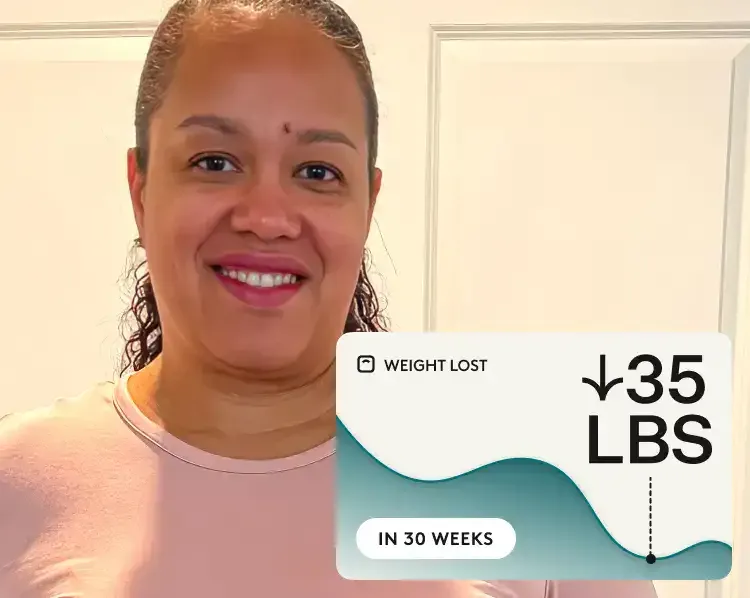
“My doctor recommended Noom after I was frustrated trying to lose weight. The lessons helped change my relationship with food. My body feels lighter & energized.”
Sonday K. – Real Noom user
Cam K. — Real Noom user
“I built healthy habits with coaching and lessons that make me confident I can maintain my weight loss long term.”
Cam K. – Real Noom user
Laura TR. — Real Noom user

“With the right medication through Noom, hunger and sugar cravings finally quieted and I have the tools to break the cycle.”
Laura TR. – Real Noom user
Jessica S. — Real Noom user

“Cravings and food noise are gone, I finally feel confident in the healthy habits I’ve built to last with Noom.”
Jessica S. – Real Noom user
The bottom line: Monitoring your vitamin B12 levels is important for wellness and longevity
Vitamin B12 is a useful and underappreciated biomarker for understanding how the body is aging, often revealing changes in brain, nerve, blood, and metabolic health long before obvious symptoms appear. This simple blood test can surface risks that quietly build over time and give you a chance to address them before they lead to lasting decline.
Your B12 level reflects both long-term biological shifts, like age-related changes in absorption, and ongoing factors such as diet, medication use, inflammation, sleep, and stress. Because vitamin B12 touches so many systems at once, changes in this single marker can offer early insight into overall resilience, functional health, and quality of life.
Noom’s Proactive Health Microdose GLP-1Rx Program is designed to help you understand and act on biomarkers like vitamin B12 in context, connecting lab results with nutrition, lifestyle habits, and symptom patterns over time. This integrated approach helps improvements show up not only on future blood tests, but in how you think, move, and feel day to day. It’s designed to help you stay informed and proactive about your health in a way that fits into everyday life. Get started now.
Editorial standards
At Noom, we’re committed to providing health information that’s grounded in reliable science and expert review. Our content is created with the support of qualified professionals and based on well-established research from trusted medical and scientific organizations. Learn more about the experts behind our content on our Health Expert Team page.