

What you’ll learn:
- Apolipoprotein B (ApoB) is a powerful, actionable biomarker that may predict heart disease and longevity more accurately than traditional cholesterol tests.
- Lowering ApoB levels through lifestyle changes can reduce your risk of heart disease and support healthy aging.
- Regular ApoB testing empowers you to make and sustain meaningful improvements in your long-term health.
Most people have heard about the things measured in a standard lipid panel—total cholesterol, LDL, HDL, and triglycerides—but many haven’t heard of Apolipoprotein B. Often shortened to ApoB, this biomarker reflects the number of harmful cholesterol particles circulating in your blood. Why is it an important number to know?
Research shows that people with higher levels of this blood protein tend to face a higher risk of heart disease and may even have shorter lifespans.
The good news is that ApoB levels are something you can often improve. Understanding ApoB can help you see potential risks earlier—and take action sooner.
Growing research suggests ApoB may be a stronger predictor of long-term heart health than standard cholesterol tests alone. That’s why more health-focused programs are starting to include ApoB testing as part of their approach to longevity and disease prevention.
Let’s take a closer look at what ApoB is, why it matters, how it’s tested, and what you can do to optimize your levels for a longer, healthier life.
What is Apolipoprotein B (ApoB)?
Apolipoprotein B, or ApoB, is a protein that travels through your bloodstream attached to certain cholesterol particles. An easy way to think about it is as a “tag” on cholesterol particles that are more likely to cause trouble for your heart. These particles move through your cardiovascular system, and when there are too many of them, they can start to clog and damage your arteries over time.
These particles can slip into artery walls, trigger inflammation, and gradually form plaque, which is an underlying process behind heart disease.
What makes ApoB especially important is that each of these risky cholesterol particles carries exactly one ApoB protein. That means measuring ApoB gives a direct count of how many harmful particles are circulating in your blood.
Unlike some health markers, ApoB levels usually don’t cause noticeable day-to-day symptoms—you won’t “feel” high or low ApoB the way you might notice changes in energy or mood. Instead, it’s a silent risk marker, reflecting what’s happening in your arteries over time. Changes in ApoB are more about long-term cardiovascular health than how you feel in the moment, which is why testing and tracking it can be so valuable even when you feel completely fine.
Why Apolipoprotein B (ApoB) Is a crucial predictor of health & longevity
Apolipoprotein B stands out because it’s tied to the outcomes that matter most: how long you live, how healthy you stay, and how well your body functions as you age. It’s not just a number on a lab report; ApoB reflects the number of cholesterol particles that can actively drive plaque buildup in your arteries, influencing your risk of heart disease and stroke. Research shows that higher levels are also linked to shorter lifespan and increased risk of conditions like type 2 diabetes and a possible association with Alzheimer’s, though the evidence isn’t clear. Lowering ApoB is associated with meaningful reductions in cardiovascular disease and overall mortality.
What we know ApoB does
- ApoB isn’t just a marker—it actively contributes to disease. Each ApoB protein sits on a cholesterol-carrying particle that can enter artery walls and form plaque. These plaque buildups are a key driver of cardiovascular disease, meaning ApoB is both a predictor of risk and part of the cause. Clinical studies show that people with higher ApoB levels tend to have more carotid artery plaque, which is an early sign of heart disease.
- Lowering ApoB can lead to measurable health benefits. Analyses of large trials (over 330,000 people) show that every 10 mg/dL reduction in ApoB is linked to a 5% lower risk of death from any cause and a 7% lower risk of cardiovascular death. This means ApoB isn’t just something to track—it’s something you can actively improve through lifestyle changes, biomarker tracking, or more structured health programs when needed.
What research suggests (but is still emerging)
- Genetic research suggests that elevated ApoB may shorten lifespan by 1 to 2 years and increase the risk of heart attacks and strokes, as well as conditions like type 2 diabetes.
- More recent research has also suggested an association with higher ApoB levels and an increased risk of Alzheimer’s disease, though the evidence isn’t clear. This suggests ApoB may influence not just how long you live, but how well you function as you age.
How it’s measured and tested: Apolipoprotein B (ApoB)
Getting your ApoB level checked is simple, accessible, and highly reliable. It’s a routine blood test that can be ordered by your clinician or included in many modern preventive health programs. Noom Proactive Health Microose GLP-1Rx Program includes an at-home biomarker testing that will give you your ApoB level. Plus, your subscription includes testing every 4 months, allowing you to even more easily track this value over time. Knowing how the test works—and what can influence the results—helps you get the clearest possible picture of your cardiovascular and longevity risk.
Test methods and logistics
Testing ApoB is simple and similar to most routine blood work. It’s done with a standard blood draw from your arm, done at a lab, or via an at-home test kit.
Reliability and accuracy
ApoB testing gives a more accurate picture of your heart risk than standard cholesterol tests because it measures the number of potentially harmful particles in your blood—not just how much cholesterol they carry.
It’s also a very reliable test. Your levels don’t tend to fluctuate much day to day, and results are generally consistent across labs. That makes ApoB especially useful for tracking your risk over time and seeing how your numbers respond to lifestyle changes or treatment.
Access GLP-1 Weight Loss with Noom
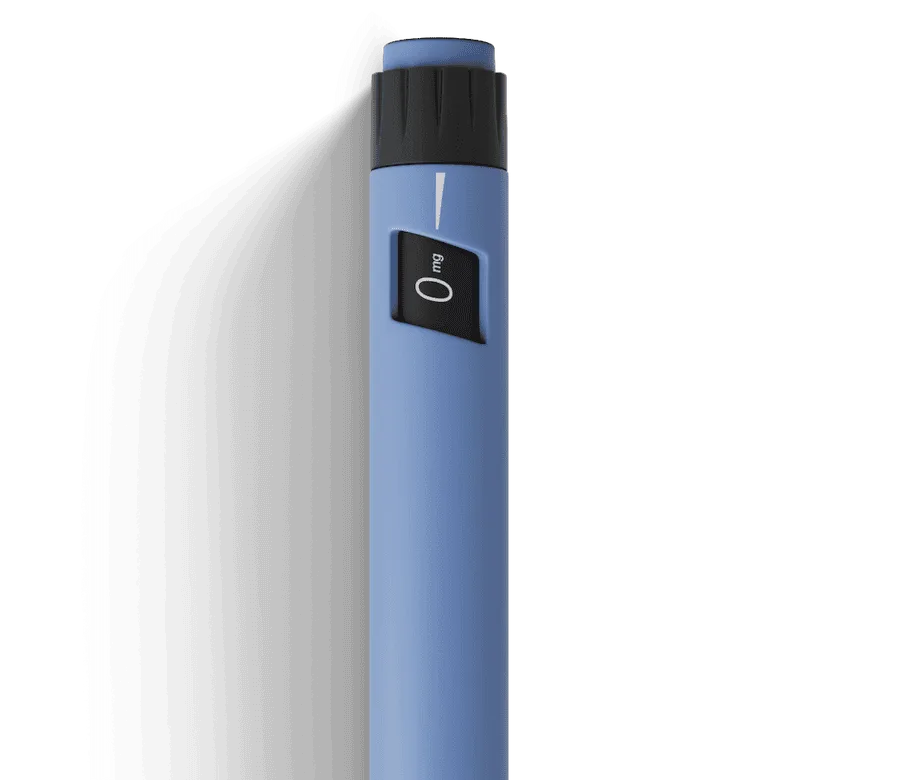
Explore a wide range of prescription medications supported by Noom’s program.Microdose GLP-1rx
Noom GLP-1rx
Noom GLP-1rx Plus
Wegovy®
Ozempic®
Metformin
Zepbound®
Mounjaro®
Liraglutide
Common things that can affect results
- Recent illness or infection. When your body is fighting something off, inflammation can temporarily change how lipids are processed, which can cause changes in your ApoB levels. Studies show that this is more likely to happen with more serious illnesses such as sepsis or Epstein–Barr virus, but it’s always a good idea to check with your doctor if you’ve been sick recently to determine the best time to test.
- New or adjusted medications. Starting or changing medications—especially cholesterol-lowering drugs, hormone therapy, or certain metabolic medications—can directly impact ApoB levels as your body adjusts. Research indicates that many different kinds of medications can impact lipid levels, so it’s best to let your provider know about any medications you take before testing.
- Acute stress around the time of testing. Physical or emotional stress can influence hormone levels and metabolism, which may slightly affect your results in the short term. Studies also indicate that acute mental stress can impact the cholesterol levels in your blood, which could lead to changes in your ApoB levels.
- Intense or prolonged exercise right before testing. A very hard workout can temporarily change how fats are circulating in your bloodstream, which may lead to small shifts in ApoB on that day. For example, one study on ultramarathon runners determined that ApoB levels were much lower after a race. Regular, moderate exercise shouldn’t have any significant impact, but check with your doctor if you have an intense activity planned immediately before your test.
These factors can temporarily shift ApoB levels and may not reflect your usual baseline. Because of this, clinicians often suggest retesting if your results don’t match your overall risk or if the test was done during a period of physical stress.
Who should get tested?
ApoB testing is especially helpful if you:
- Have a family history of early heart disease
- Have diabetes, insulin resistance, or metabolic syndrome
- Have high triglycerides or “normal” LDL, but elevated risk
- Are taking cholesterol-lowering medications and want to track effectiveness
- Are focused on longevity, prevention, and optimizing long-term health
Clinical guidelines increasingly recognize ApoB as a preferred marker for assessing cardiovascular risk, particularly when standard cholesterol tests don’t tell the full story.
Cost and access
ApoB isn’t yet part of every routine checkup, but it’s increasingly seen as one of the most accurate markers for predicting heart disease risk. Out-of-pocket costs usually range from about $30 to $100, depending on the lab. Many insurance plans may cover ApoB when it’s ordered for cardiovascular risk assessment or treatment monitoring, though coverage varies.
Noom Proactive Health Microdose GLP-1Rx includes ApoB in its comprehensive biomarker panels that are repeated every 4 months, making it simpler to follow changes over time with a data-driven approach to heart health and aging.
Apolipoprotein B (ApoB): Understanding your results
When you get your ApoB results, it’s important to know that “normal” doesn’t always mean optimal. Most lab reference ranges are based on population averages, not on the levels linked to the lowest long-term risk. ApoB measures the number of cholesterol-carrying particles that can enter artery walls and form plaque, and research shows it’s a stronger predictor of heart disease than traditional cholesterol tests.
Many labs consider the following ApoB ranges to be normal:
- Males: 66–113 mg/dL
- Females: 60–117 mg/dL
Research suggests that lower ApoB levels are linked to lower cardiovascular risk. Many experts recommend aiming for below 90 mg/dL for those at average risk, while more aggressive targets—below 70 mg/dL—are often used for people at higher risk. Noom’s approach leans toward these lower targets to support long-term prevention and broader heart health across populations.
This means you can fall within a “normal” range and still benefit from lowering ApoB—especially if your goal is prevention and longevity.
Apolipoprotein B (ApoB): What changes the number?
The good news? ApoB is highly actionable, and studies indicate that lifestyle changes can have a significant impact on your levels. For many people, levels improve with higher fiber intake, fewer refined carbohydrates and added sugars, reduced alcohol consumption, regular exercise, and weight loss (especially around the abdomen). If lifestyle changes aren’t enough, medications can make a meaningful difference. Statins, which many people take for cholesterol, lower ApoB by about 20 to 40%, and treatments like ezetimibe or PCSK9 inhibitors can reduce levels even further.
Short-term factors can temporarily shift your number without reflecting your true baseline. These include:
- Recent infections or inflammation
- Intense workouts right before testing
- Dehydration
- Alcohol intake
- Hormonal changes (including menstrual cycle timing)
For the most accurate snapshot, it’s best to test when you’re feeling well, hydrated, and not immediately after strenuous exercise.
Long-term patterns play a much larger role in determining your usual ApoB level. The biggest drivers include:
- Excess weight in your abdomen
- Insulin resistance
- Hypothyroidism
- Kidney disease
- Certain liver disorders
Age, sex, and inherited genetic variants also shape your baseline. ApoB levels tend to increase over time, are often higher in men than in women, and are influenced by lipid-related genetic variants that affect how efficiently your body produces and clears cholesterol particles.
ApoB reflects both your biology and your habits. Because it responds to ongoing lifestyle patterns, tracking it over time—rather than relying on a single test—provides a clearer view of your cardiovascular and longevity risk. And unlike some lab markers, ApoB is a number you can actively work to improve.
How to improve Apolipoprotein B (ApoB)
Lowering ApoB is very achievable, and research consistently shows that diet, movement, and everyday habits play a powerful role. You don’t need extreme changes to see progress—small, consistent adjustments in how you eat, move, and live can meaningfully reduce the number of cholesterol-carrying particles in your blood over time.
Dietary strategies
These tend to have the biggest impact. Eating patterns that emphasize minimally processed, plant-forward foods, such as a Mediterranean-style approach, are consistently linked in studies to lower ApoB levels. Building meals around vegetables, fruits, whole grains, legumes, nuts, and seeds helps reduce the production of harmful cholesterol particles.
Swapping saturated fats for healthier fats like olive oil, avocados, and fatty fish is especially important. Research shows that replacing saturated fat with polyunsaturated fats can lower both LDL and ApoB. Fiber plays a key role, too: foods like oats, beans, and lentils are rich in soluble fiber, which helps reduce cholesterol absorption and supports healthier lipid levels overall.
Exercise and physical activity
These add another layer of benefit. Regular movement helps improve how your body handles fats, and studies show that it can modestly lower ApoB, especially when paired with dietary changes. You don’t need intense or lengthy workouts; consistent walking, cycling, strength training, or other enjoyable forms of movement can make a difference. The goal is sustainability, not perfection, and finding ways to move more throughout your day tends to be more effective than sporadic high-intensity efforts.
Sleep, stress, and daily habits
Lifestyle and behavior matter more than many people realize. Research shows that poor sleep, chronic stress, and irregular routines can negatively affect lipid metabolism and make ApoB harder to control.
Prioritizing sleep, managing stress, and maintaining consistent daily habits help support healthier cholesterol processing. Even small changes, like improving sleep timing, practicing brief stress-reduction techniques, or creating more regular meal patterns, can support long-term improvements.
Medical treatment that can improve ApoB
Lifestyle changes are the first step, but some people need medications to bring ApoB into a healthier range. These treatments are usually prescribed to lower LDL cholesterol and overall cardiovascular risk, and ApoB often improves as a result.
Common evidence-based options include:
- Statins are medications that reduce how much cholesterol the liver makes, which lowers LDL cholesterol and ApoB in studies and has been shown to reduce heart attack and stroke risk; they’re typically prescribed for high LDL or higher heart disease risk, rather than ApoB alone.
- Ezetimibe is a medication that reduces how much cholesterol is absorbed from food in the small intestine, helping lower LDL cholesterol and ApoB, according to research, and is often used with a statin when cholesterol or ApoB targets are not reached or when higher statin doses aren’t well tolerated.
- Other lipid-lowering therapies, such as PCSK9 inhibitors or bile acid sequestrants, work through different pathways shown in studies to significantly lower LDL cholesterol and ApoB, and are usually prescribed for people with very high cholesterol, very high cardiovascular risk, or when standard therapies are not enough.
Current evidence and cardiology guidelines support these medications for lowering LDL cholesterol and reducing cardiovascular events, with ApoB improvements offering a more complete picture of treatment impact on long-term heart health.
Can supplements or other treatments help?
Supplements can play a small supporting role, but they work best when added to an overall heart-healthy pattern, not used as a quick fix or substitute for medical care.
Supplements that may help
- Soluble fiber (from options like psyllium husk or oats) has been shown in research to help lower LDL cholesterol and may slightly lower ApoB when used with a heart-healthy eating pattern.
- Plant sterols and stanols can modestly lower LDL and support ApoB reduction when taken at the doses used in research, usually under a healthcare professional’s guidance.
- Omega-3 fats (from fish oil or algae oil) can lower triglycerides and support heart health overall, and studies indicate they can also lower ApoB, but more research is needed.
Treatments and products to be cautious about
- “Cholesterol cleanse” kits, detox teas, or extreme diets are not evidence-based for lowering ApoB and can sometimes lead to nutrient gaps, rebound weight gain, or other serious health problems, according to studies.
- High-dose niacin supplements were once used for cholesterol but are no longer routinely recommended for most people because the benefits for heart events are limited, and research shows they may actually increase the risk of heart attack and stroke.
- Any supplement promising fast, dramatic cholesterol or ApoB changes without lifestyle or medical support is unlikely to be science-backed and may distract from treatments that work.
Noom Proactive Health Microdose GLP-1Rx can help bridge the gap by combining biomarker tracking with personalized guidance, making it easier to understand your ApoB results and build a plan—across lifestyle, supplements, and medical care—that fits your health goals.
ApoB: How to track progress
Tracking your ApoB over time helps you see whether your changes are actually improving your heart health.
- Retest strategically. If you’re adjusting diet, exercise, or medications, checking every 3 to 6 months gives your body time to respond while allowing you to spot real trends. Once you’re in a stable, healthy range, annual testing is usually enough to maintain progress and catch shifts early.
- Focus on patterns, not one-off results. A drop in ApoB after a few months of higher fiber intake or regular exercise is proof that your habits are working. Pairing lab results with tracking of food, movement, sleep, and stress makes it easier to see what’s driving change. Over time, those trends tell a much clearer story than any single test.
Noom Proactive Health Microdose GLP-1Rx retests ApoB and 16 other biomarkers every 4 months to keep track of how your health changes are impacting your health.
ApoB: When to get medical attention
Knowing when to see a clinician for Apolipoprotein B can help you catch potential problems early and get the right care when you need it. While ApoB testing is generally routine, certain results or situations call for prompt medical attention. Think of these as your body’s way of asking for professional guidance.
Very high or rapidly changing ApoB levels
If your ApoB level comes back above 130 mg/dL, that’s a sign of increased cardiovascular risk and is worth discussing with your doctor. Levels above 145 mg/dL are more concerning and can point to more serious lipid disorders that often require medical treatment. It’s also important to pay attention to how quickly your numbers change. A sudden jump—such as an increase of 30 mg/dL or more between tests—should be evaluated, even if the absolute number isn’t extremely high.
Concerning physical symptoms
Physical symptoms matter just as much as lab results. If you experience chest pain, shortness of breath, unexplained fatigue, or sudden changes in exercise tolerance, don’t wait to seek medical care. When these symptoms occur alongside elevated ApoB, they can indicate developing heart issues that need prompt attention.
Family history
Family history is another key reason to involve a clinician sooner rather than later. If close relatives had heart attacks or strokes at a young age—before 55 in men or 65 in women—it’s important to share that information with your healthcare provider. Early cardiovascular events in a family often point to inherited risk factors, which may call for earlier testing, closer monitoring, or more aggressive prevention strategies.
Frequently asked questions about apolipoprotein B and longevity
Here are some common questions that may help clarify the practical side of testing and monitoring ApoB.
Is ApoB better than LDL cholesterol for predicting heart risk?
Research shows ApoB is often a stronger predictor of heart disease risk than LDL “bad” cholesterol. Multiple studies show that ApoB can predict heart attacks even when LDL cholesterol looks normal. This is especially true for people with type 1 or type 2 diabetes, metabolic syndrome, or higher triglycerides, where LDL calculations can be less accurate.
Can ApoB be too low?
While lower ApoB generally supports heart health, very low ApoB, along with very low LDL, is concerning. Recent research suggests this combination could signal other health issues. Your clinician can help determine if your levels are appropriate for your overall health picture and weight management goals.
Is ApoB affected by what I eat the day before the test?
ApoB levels remain fairly stable regardless of recent meals, unlike triglycerides, which spike after eating. Research shows that while food intake affects how your body processes ApoB particles, the total amount in your blood stays consistent. You don’t need to fast before an ApoB test, making it more convenient than traditional cholesterol panels.
Does insurance cover ApoB testing?
Insurance coverage for ApoB testing varies widely and isn’t always guaranteed. Independent labs typically charge under $100 for the test. Noom Proactive Health includes ApoB testing.
Reviews from real Noom users
Desirea N. — Real Noom user

“My favorite parts of Noom are the care team and other Noomers. Sharing and getting help made me feel like I wasn’t doing it alone. That support made all the difference.”
Desirea N. — Real Noom user
Matthew M. — Real Noom user
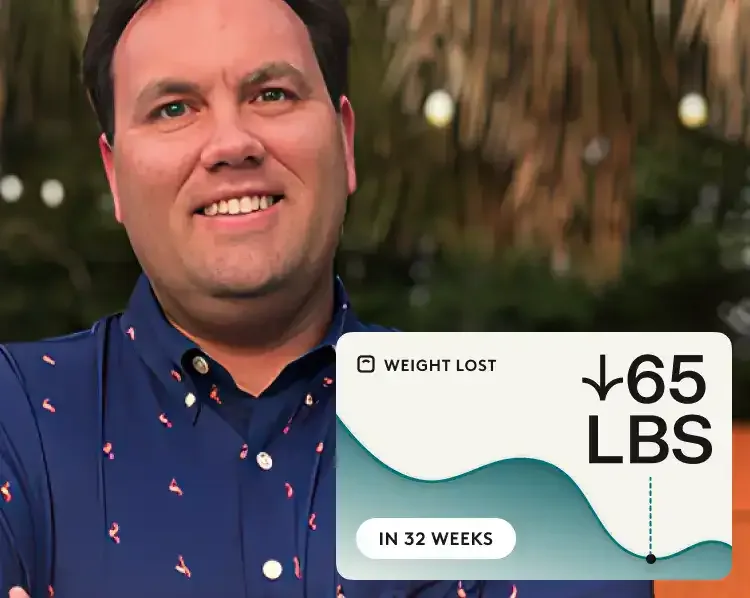
“Noom has taught me that every day is a new chance to make better, healthier choices. It's taught me how to stop overeating.’’
Matthew M. — Real Noom user
Lila M. — Real Noom user

“Clinicians who understand how supportive medication can be is one of the best parts of Noom! I was convinced I wouldn’t have success but I’m down 11 pounds in two months.’’
Lila M. — Real Noom user
Steve M. — Real Noom user
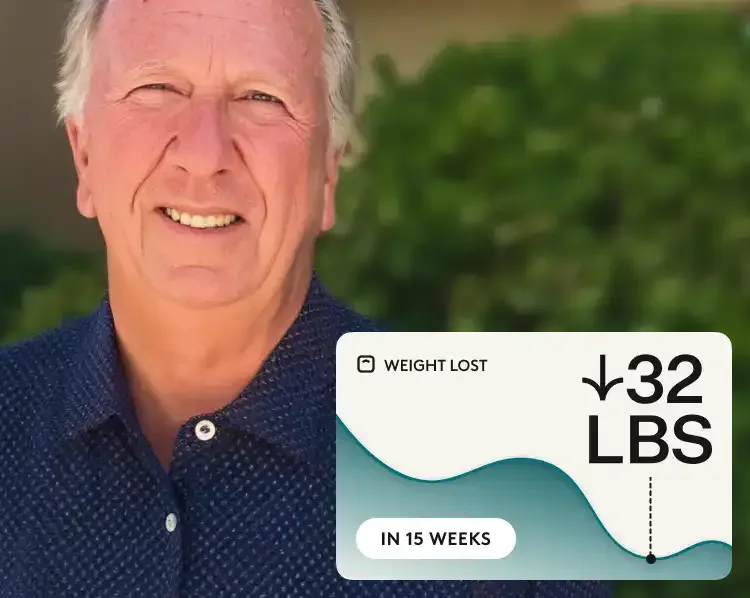
“Noom provided me with the medication which I could not get through Medicare. I have learned the tricks to better eating and life in general.”
Steve M. – Real Noom user
Daisy R. — Real Noom user
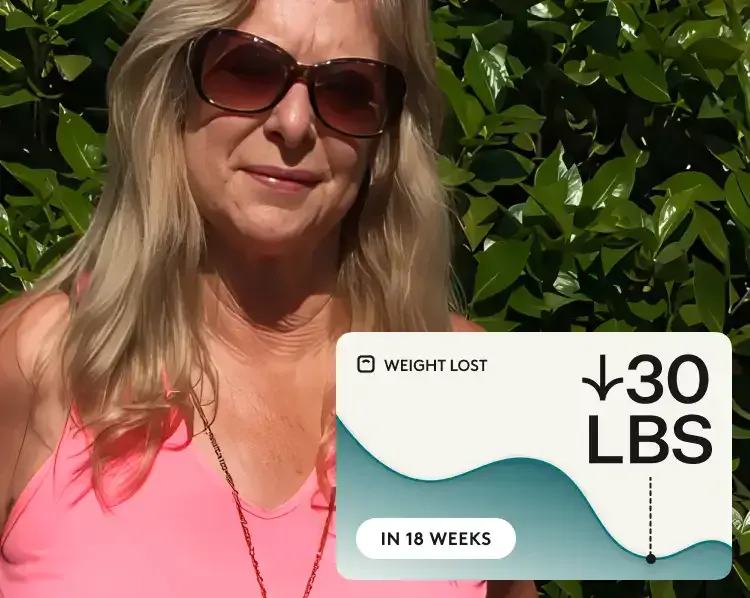
‘’Noom has changed my life and I’m so thankful, I feel great, have more energy and am no longer prediabetic.”
Daisy R. – Real Noom user
Sarah R. — Real Noom user
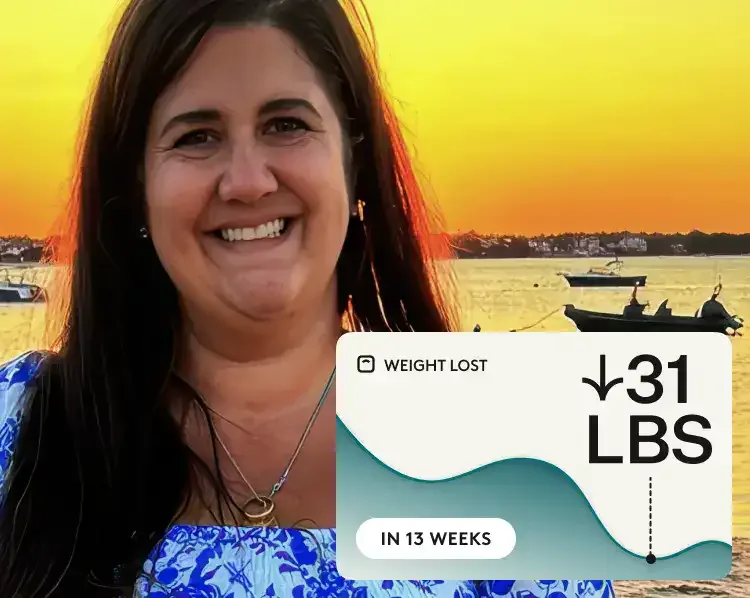
“All of the Noom providers that I’ve met with have been exceptional and prescribed medications that are appropriate for my situation and health.”
Sarah R. – Real Noom user
Madison S. — Real Noom user

“Noom made the process so simple and now I feel full, free from diet obsession, and at ease in my body again.”
Madison S. – Real Noom user
Sonday K. — Real Noom user
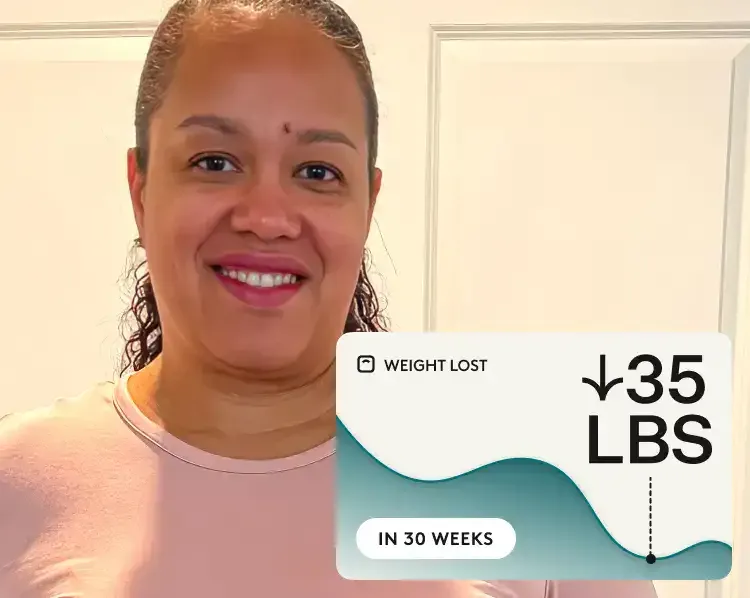
“My doctor recommended Noom after I was frustrated trying to lose weight. The lessons helped change my relationship with food. My body feels lighter & energized.”
Sonday K. – Real Noom user
Cam K. — Real Noom user
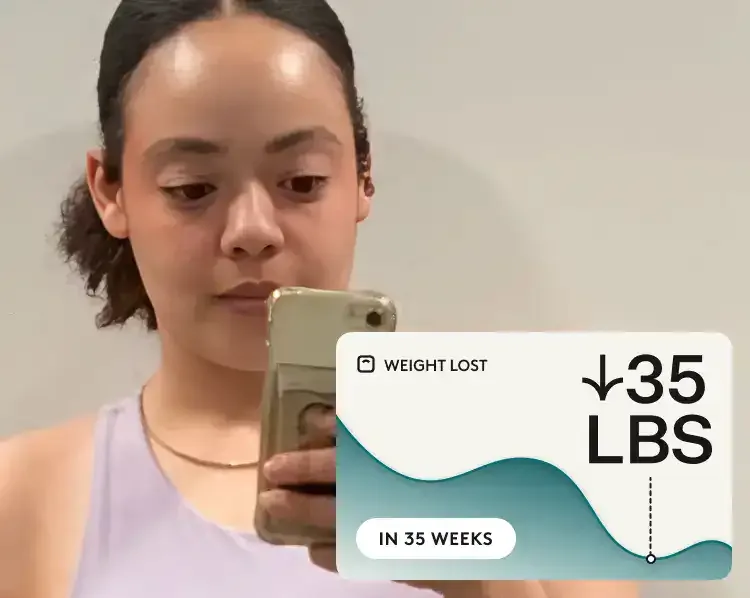
“I built healthy habits with coaching and lessons that make me confident I can maintain my weight loss long term.”
Cam K. – Real Noom user
Laura TR. — Real Noom user

“With the right medication through Noom, hunger and sugar cravings finally quieted and I have the tools to break the cycle.”
Laura TR. – Real Noom user
Jessica S. — Real Noom user
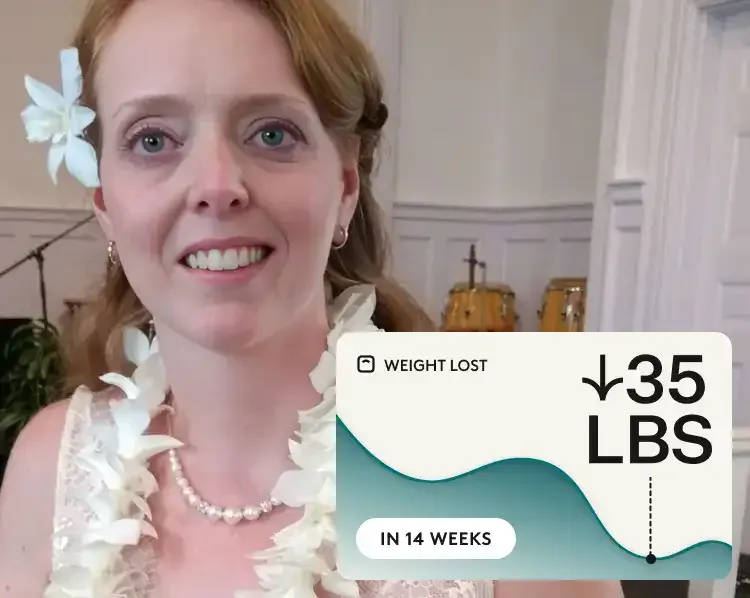
“Cravings and food noise are gone, I finally feel confident in the healthy habits I’ve built to last with Noom.”
Jessica S. – Real Noom user
The bottom line: ApoB is an important number to know for heart health and longevity
ApoB stands out as one of the most useful and actionable markers for understanding your heart health and long-term risk. It goes beyond traditional cholesterol tests by giving you a clearer picture of how many harmful particles are actually circulating in your blood—and research consistently links higher ApoB levels to increased disease risk and shorter lifespan. The good news is that ApoB is highly responsive to everyday choices, and even small, consistent changes can make a meaningful difference over time.
Whether you’re trying to prevent future issues or actively working to improve metabolic health, tracing your ApoB can give you an insider’s look into your heart health. Even better, it directly connects what you do day-to-day with where your health is headed long-term.
Noom’s Proactive Health Microdose GLP-1Rx Program simplifies tracking, combining at-home biomarker testing with habit tracking and low-dose GLP-1 support, if appropriate. It’s designed to help you stay informed and proactive about your health in a way that fits into everyday life. Get started now.
Editorial standards
At Noom, we’re committed to providing health information that’s grounded in reliable science and expert review. Our content is created with the support of qualified professionals and based on well-established research from trusted medical and scientific organizations. Learn more about the experts behind our content on our Health Expert Team page.