What you’ll learn:
- Mushroom coffee hasn’t been proven to help with weight loss, although some mushroom extracts show promise for metabolism, stress, and energy.
- Most research on functional mushrooms has studied individual extracts or supplements, so the potential benefits may not translate to mushroom coffee.
- The best mushroom coffee depends on your preferences, including caffeine content, ingredients, taste, and cost.
Mushroom coffee has grown in popularity as more people look for ways to get extra wellness benefits from their daily cup of coffee. Inspired by the long history of mushrooms in traditional medicine, these drinks typically combine regular coffee with extracts from mushrooms like lion’s mane, reishi, and chaga. That means you’re often still getting caffeine, along with mushroom compounds marketed for better focus, steadier energy, less stress, and even weight loss.
The weight-loss claims center on the idea that certain mushrooms may support metabolism, blood sugar control, and stress management—all factors that can influence weight. But there’s more to consider than the mushrooms themselves, including caffeine, added ingredients, and what you’re drinking now.
Here’s what mushroom coffee actually contains, what the research says about its potential benefits, and how to choose a blend that fits your weight-loss goals. Plus, Maggie Hudspeth, RDN, Noom’s Senior Manager of Coaching, will weigh in on mushroom coffee, weight loss, and health.
What is mushroom coffee?
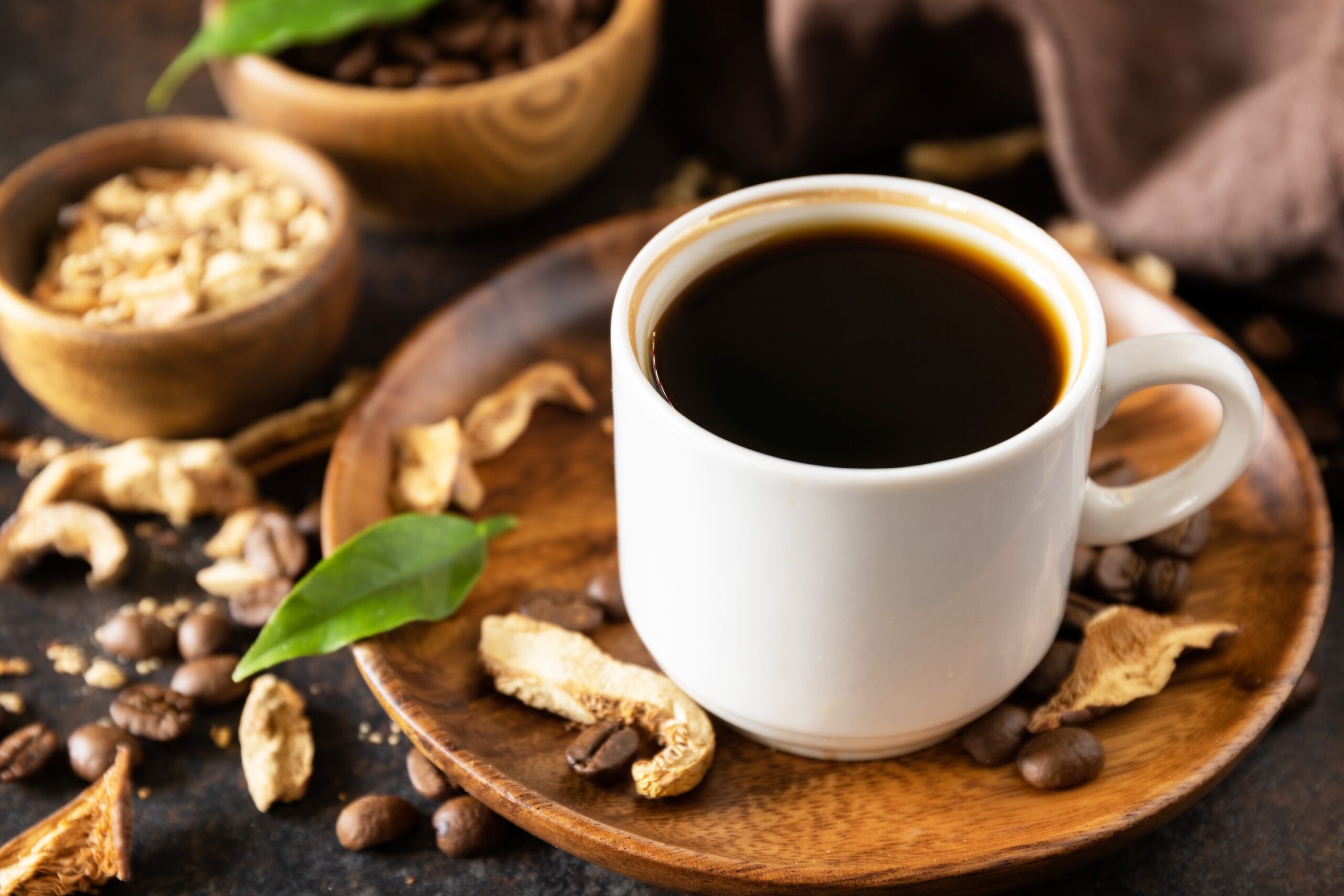
Mushroom coffee is typically made by combining regular ground or instant coffee with powders or extracts from functional mushrooms. Functional mushrooms are varieties valued for their potential health benefits rather than primarily for their flavor. They contain natural compounds that researchers are studying for possible effects on health.
Despite the name, mushroom coffee usually doesn’t taste strongly of mushrooms. Most blends taste similar to regular coffee, sometimes with earthy, nutty, or cocoa-like notes. Some also contain ingredients like collagen, coconut milk powder, adaptogens, or sweeteners.

The Easy Way
to lose weight and get healthy.
“Not all mushroom coffees are created equal,” says Hudspeth. “Some have almost as much caffeine as regular coffee, while others have very little or none at all. The types and amounts of mushroom extracts can also vary quite a bit from one product to another.”
Types of mushrooms used in mushroom coffee
Some mushroom coffees feature just one type of mushroom, while others combine several. Each mushroom is associated with different potential health benefits, from improved focus to stress relief and immune support. Here’s a look at the most common varieties, what they’re known for, and what some of the research has found.
Here’s what the research says about five mushrooms commonly found in coffee blends:
| Mushroom | What it’s known for | What the research says |
|---|---|---|
| Lion’s mane | Focus, memory, and mental clarity | In a study of 41 adults, people taking lion’s mane performed faster on one cognitive test. But a 2025 study found no significant overall improvement in cognition or mood after a single dose. |
| Reishi | Stress relief, relaxation, and immune support | A review of the research found potential effects on anxiety, inflammation, and immune function. But most findings came from laboratory and animal studies, and better human research is needed. |
| Cordyceps | Energy, stamina, and exercise performance | A review of five human studies found that some participants experienced improvements in exercise performance or recovery, but results were inconsistent. |
| Chaga | Antioxidants, inflammation, and immune health | A 2024 review identified compounds with potential antioxidant and anti-inflammatory effects. But most evidence comes from laboratory and animal research, not human trials. |
| Turkey tail | Immune support | The National Cancer Institute reports that certain concentrated turkey tail extracts have been studied for their effects on immune function, including alongside cancer treatment. That doesn’t mean drinking turkey tail in coffee provides the same benefits. |
Types of mushroom coffee: What to look for
| Type of product | What it’s usually like | What to check |
|---|---|---|
| Mushroom-infused coffee | Ground, whole-bean, pod, or instant coffee with mushroom extracts | Caffeine level and how it tastes black or with your usual milk |
| Instant mushroom coffee blend | Powder you stir into water or milk; may include creamer, collagen, or other ingredients | Added sugar, calories, protein, and serving size |
| Coffee alternative | Often made with cacao, chicory, spices, or mushrooms, with little or no coffee | Whether it actually contains caffeine and whether it replaces coffee for you |
Why is mushroom coffee associated with weight loss?
Mushroom coffee has become part of the weight-loss conversation because certain mushrooms contain compounds that may affect metabolism, blood sugar, stress, and energy. In theory, these benefits could help with everything from managing hunger to staying active—both of which can support a healthy weight.
But how much of that is backed by science? Here’s what the research actually says:
- Metabolism and fat burning: Some mushroom compounds may affect how your body uses fat. When researchers looked at several studies in a 2025 review, they found that reishi supplements slightly lowered BMI, but didn’t lead to significant changes in body weight or body fat. The evidence was weak, and mushroom coffee wasn’t tested.
- Blood sugar control: Keeping blood sugar steady can help support consistent energy throughout the day. A review of studies found that mushrooms might have some metabolic benefits, but there wasn’t enough evidence to show they improve blood sugar control.
- Stress and cortisol: Reishi contains natural compounds that researchers are studying for their potential calming and stress-related effects. That’s why it’s sometimes promoted as an adaptogen, or something that helps the body respond to stress. But much of the research is still preliminary, and human studies haven’t established that reishi lowers cortisol or leads to weight loss.
- Energy and exercise: Cordyceps is promoted for stamina, while lion’s mane is linked to focus. Both sound appealing if you’re trying to stay active, but there’s no strong evidence that adding them to coffee helps you burn more calories or lose weight.
“The important thing to remember is that most of the research has looked at individual mushrooms or supplements, not mushroom coffee,” says Hudspeth. “The types and amounts of mushroom extracts in your coffee may be very different from what researchers have studied, and some brands don’t even tell you how much of each mushroom they use.”
Can mushroom coffee help you lose weight?
There’s no strong evidence that mushroom coffee itself helps people lose weight. While some functional mushrooms have shown potential benefits in early research, scientists haven’t established that drinking them in coffee leads to meaningful changes in body weight.
But what about the coffee itself? Caffeine can temporarily increase the number of calories your body burns, although that doesn’t necessarily translate into weight loss. A review of several studies looked at whether drinking different types of coffee and tea affected body weight. The researchers found that the effects varied depending on the drink, and the evidence wasn’t strong enough to establish a reliable weight-loss benefit. The review didn’t test mushroom coffee.
Where mushroom coffee could make a difference is in your daily routine. An unsweetened blend may help you cut back on calories and added sugar if it replaces a sugary latte or flavored coffee drink. But if you already drink your coffee black or with a splash of milk, switching to mushroom coffee probably won’t change much.
It’s also worth checking the label. Some mushroom coffee products contain sweetened creamers or other ingredients that add calories, so they’re not necessarily lower in calories than regular coffee.
Access GLP-1 Weight Loss with Noom
Explore a wide range of prescription medications supported by Noom’s program.
Microdose GLP-1rx
Noom GLP-1rx
Noom GLP-1rx Plus
Wegovy®
Ozempic®
Metformin
Zepbound®
Mounjaro®
Liraglutide
“If you enjoy mushroom coffee, there’s no reason you can’t include it,” says Hudspeth. “Just think of it as another way to enjoy your morning coffee, rather than something that’s going to help you lose weight on its own.”
How to choose mushroom coffee
If you’re curious about mushroom coffee, start by thinking about what you want from your drink. Are you looking for less caffeine, a little extra protein, or simply something different from regular coffee? The best choice depends more on your preferences and the ingredients than on any weight-loss claims.
| If you want… | Look for… | Why it matters | Brands to compare |
|---|---|---|---|
| The taste and ritual of regular coffee | Ground, whole-bean, pod, or instant coffee with mushroom extracts | You can prepare it the way you normally make coffee and see whether you enjoy the taste. | Four Sigmatic |
| Less caffeine | A blend that clearly lists its caffeine content in milligrams | Some mushroom coffees have less caffeine than regular coffee, but others contain nearly as much. | RYZE, Four Sigmatic |
| A little extra protein | A blend with a meaningful amount of protein and little or no added sugar | Some blends contain collagen or other protein sources. Check how much protein you’re actually getting per serving. | Everyday Dose Coffee+ |
| A coffee-free alternative | A mushroom blend made with cacao, chicory, or other coffee substitutes | These may contain less caffeine or none at all, depending on the ingredients. | Rasa, Four Sigmatic |
| Fewer calories and less sugar | An unsweetened blend without added creamers | Comparing labels can help you find an option with fewer calories and less added sugar than your usual drink. | Four Sigmatic, RYZE, Everyday Dose |
“Once you know what you’re looking for in a mushroom coffee, take a closer look at the nutrition label and ingredient list,” says Hudspeth. “The amount of caffeine, added sugar, calories, and even mushroom extracts can vary quite a bit between brands.”
What to check before buying mushroom coffee
Before adding a mushroom coffee to your cart, take a closer look at the label. Beyond calories, added sugar, and caffeine, here’s what matters:
- Mushroom types and amounts: Look for brands that name the mushrooms they use and disclose how much of each extract is in a serving. Some list only a combined mushroom blend, making it harder to know what you’re getting.
- Extra ingredients: Collagen, MCT oil, adaptogens, and probiotics may sound appealing, but they don’t necessarily make a blend better for weight loss. Check whether they add calories or protein.
- Third-party testing: Look for independent testing that verifies ingredients and screens for contaminants, including heavy metals.
- Price per serving: Mushroom coffee often costs more than regular coffee. Consider whether you enjoy it enough to justify the extra expense, especially since its weight-loss benefits haven’t been established.
Is mushroom coffee safe?
Mushroom coffee is generally well tolerated by many healthy adults, but there are a few things to consider before adding it to your routine.
“Just because mushroom coffee contains natural ingredients doesn’t mean it’s automatically safe for everyone,” says Hudspeth. “It’s important to know which mushrooms you’re consuming, how much caffeine is in the blend, and whether any of the ingredients could interact with medications you’re taking.”
It’s also worth analyzing any marketing claims. Many mushroom powders and extracts are sold as dietary supplements. That means claims about burning fat, detoxing your body, or treating health conditions deserve extra scrutiny. Look for products with clear ingredient labels, realistic claims, and independent testing for contaminants.
Check with your healthcare provider before trying mushroom coffee if you:
- Are pregnant or breastfeeding. There isn’t enough safety research on many concentrated mushroom extracts, and you should be aware of safe caffeine levels for you.
- Take prescription medications. Some mushroom extracts and added herbs may interact with medications, including those that affect blood clotting or blood sugar.
- Have liver or kidney disease, an autoimmune condition, or a mushroom allergy. Certain extracts may pose additional risks depending on your condition.
- Are sensitive to caffeine or have a heart rhythm condition. Some blends contain nearly as much caffeine as regular coffee, which can worsen palpitations, jitters, or sleep problems.
- Have diabetes or take blood sugar medication. Some mushroom compounds may affect blood sugar, although their effects in mushroom coffee aren’t well established.
If you develop symptoms after trying a new blend, stop using it and seek medical advice. Some supplements can interact with medications, and some products may contain ingredients not listed on the label.
FAQs: Mushroom coffee and weight loss
Will mushroom coffee make me feel weird?
Mushroom coffee won’t make you high. The mushrooms typically used in these blends aren’t hallucinogenic, so you probably won’t feel dramatically different from drinking regular coffee. Some people report feeling calmer or more focused, and a study found that lion’s mane supplements improved performance on one cognitive test. But that doesn’t mean mushroom coffee will have the same effect. Depending on the caffeine content, you might also notice jitters or trouble sleeping.
How long does it take to see results from mushroom coffee?
It depends on what you’re hoping to notice. If your blend contains caffeine, you may feel more alert within about 30 to 60 minutes. Other potential benefits, like improved focus or reduced stress, have been studied over several weeks, but the findings are mixed. And because mushroom coffee hasn’t been shown to cause weight loss, there’s no established timeline for seeing changes on the scale.
Does mushroom coffee reduce belly fat?
There’s no evidence that mushroom coffee specifically reduces belly fat. Some mushroom compounds are being studied for their effects on metabolism, but that doesn’t mean drinking them will shrink your waistline. You also can’t choose where your body loses fat.
Is mushroom coffee better than regular coffee for weight loss?
Not necessarily. Mushroom coffee hasn’t been proven to cause more weight loss than regular coffee. If you drink your regular coffee unsweetened or with a little milk, it can fit just as well into a weight-loss routine.
Does mushroom coffee suppress your appetite?
There’s no good evidence that mushroom coffee reliably suppresses appetite. Caffeine may temporarily reduce hunger for some people, but the effect varies and isn’t a substitute for eating enough at meals.
Can I drink mushroom coffee every day?
Many healthy adults can drink it daily, but the ingredients matter. Check the caffeine content and mushroom extracts, especially if you drink other caffeinated beverages. If you take medications, are pregnant or breastfeeding, or have a health condition, check with your healthcare professional first.
Noom’s Most Powerful Program
A dual-pathway GLP-1 and behavior change for lasting results.
Is mushroom coffee good for you?
It can be, especially if you enjoy it and it helps you cut back on added sugar. But adding mushrooms doesn’t automatically make coffee healthier. Researchers are still studying whether the compounds in functional mushrooms provide meaningful benefits when consumed in coffee.
Reviews from real Noom users
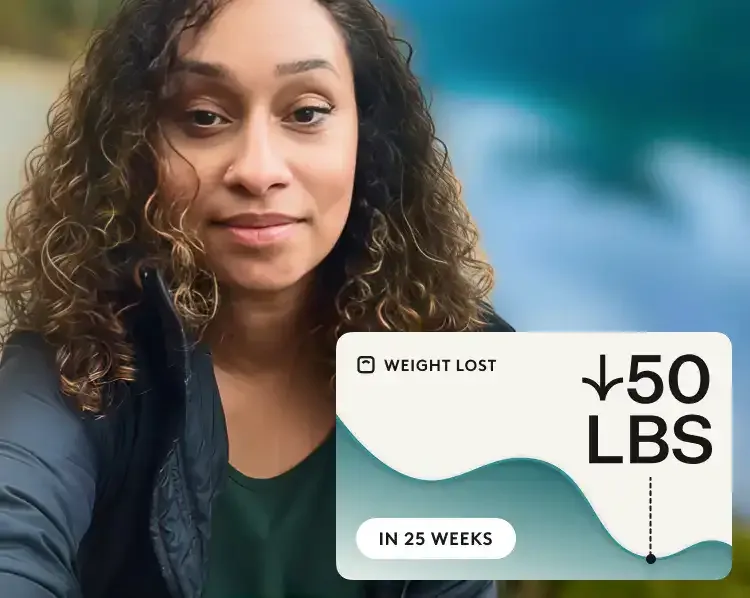
“My favorite parts of Noom are the care team and other Noomers. Sharing and getting help made me feel like I wasn’t doing it alone. That support made all the difference.”
Desirea N. — Real Noom user
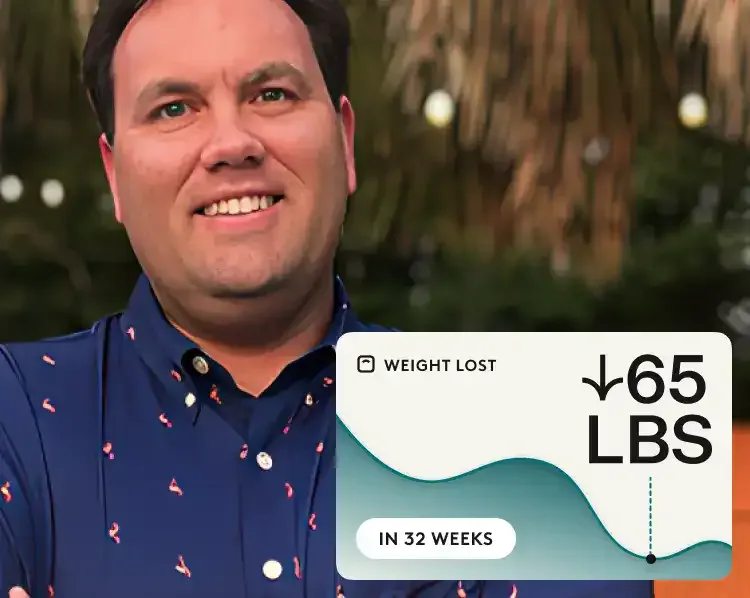
“Noom has taught me that every day is a new chance to make better, healthier choices. It’s taught me how to stop overeating.”
Matthew M. — Real Noom user
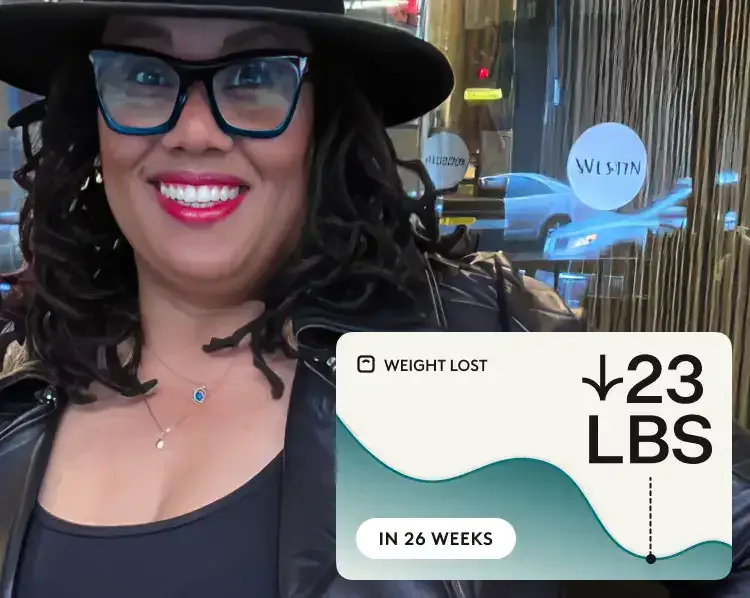
“Clinicians who understand how supportive medication can be is one of the best parts of Noom! I was convinced I wouldn’t have success but I’m down 11 pounds in two months.”
Lila M. — Real Noom user
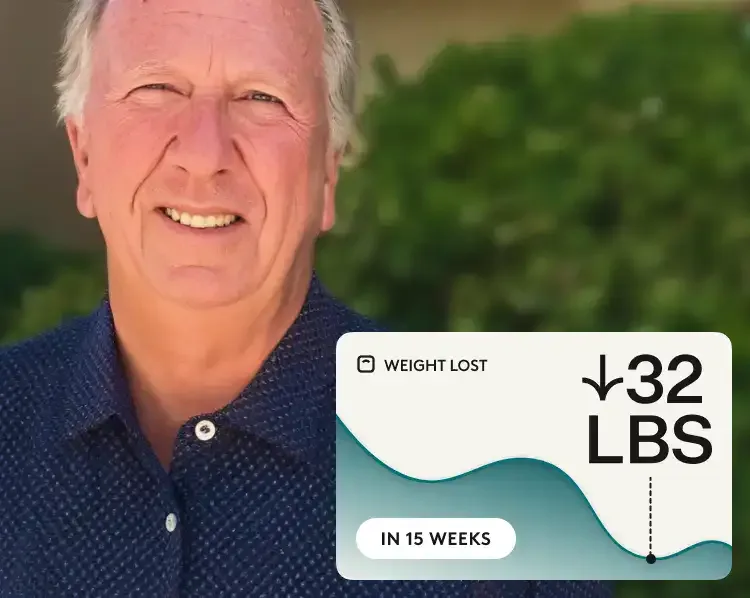
“Noom provided me with the medication which I could not get through Medicare. I have learned the tricks to better eating and life in general.”
Steve M. – Real Noom user
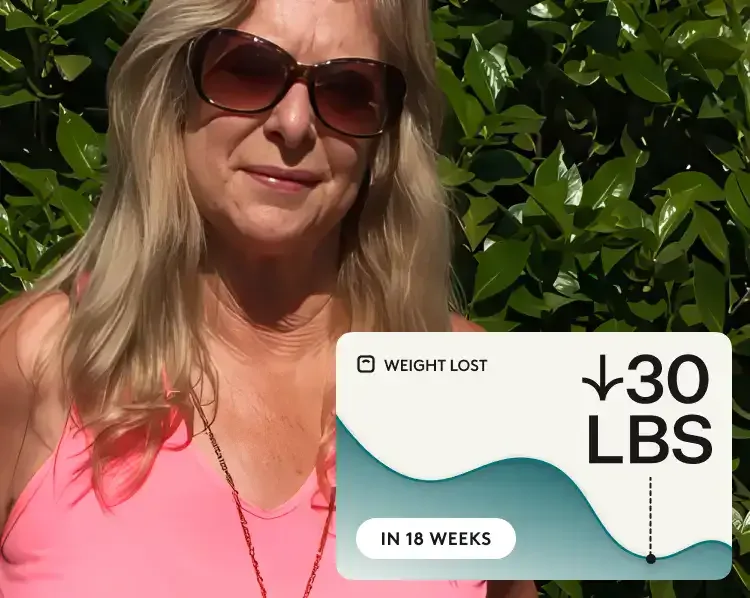
“Noom has changed my life and I’m so thankful, I feel great, have more energy and am no longer prediabetic.”
Daisy R. – Real Noom user
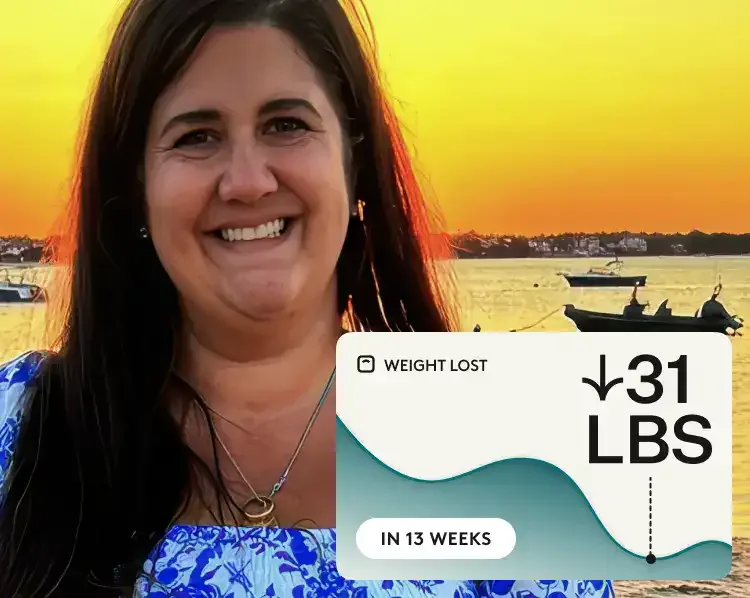
“All of the Noom providers that I’ve met with have been exceptional and prescribed medications that are appropriate for my situation and health.”
Sarah R. – Real Noom user

“Noom made the process so simple and now I feel full, free from diet obsession, and at ease in my body again.”
Madison S. – Real Noom user
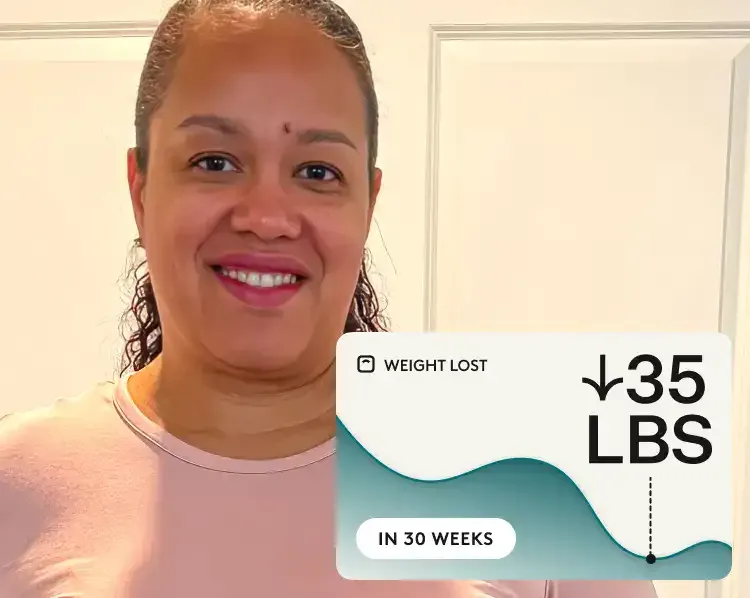
“My doctor recommended Noom after I was frustrated trying to lose weight. The lessons helped change my relationship with food. My body feels lighter & energized.”
Sonday K. – Real Noom user

“I built healthy habits with coaching and lessons that make me confident I can maintain my weight loss long term.”
Cam K. – Real Noom user

“With the right medication through Noom, hunger and sugar cravings finally quieted and I have the tools to break the cycle.”
Laura TR. – Real Noom user
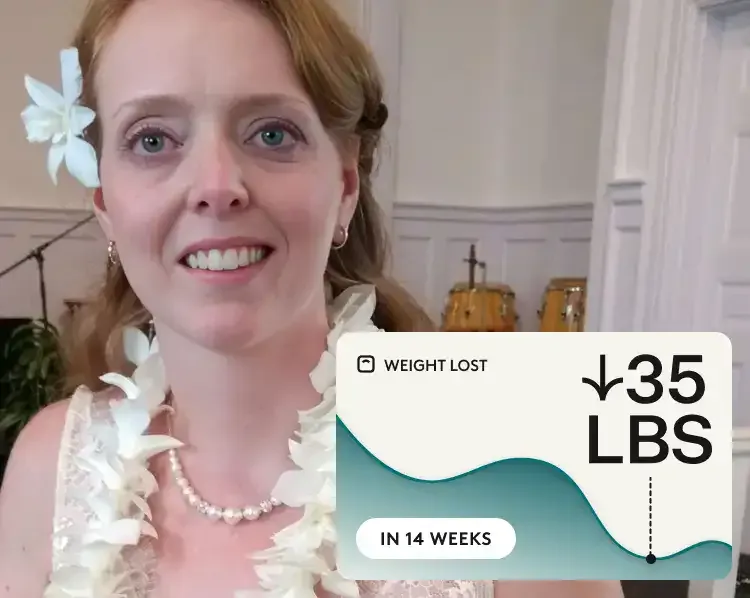
“Cravings and food noise are gone, I finally feel confident in the healthy habits I’ve built to last with Noom.”
Jessica S. – Real Noom user
The bottom line: Mushrooms have potential benefits, but mushroom coffee won’t help with weight loss directly
There’s no scientifically proven best mushroom coffee for weight loss. Mushrooms like lion’s mane, reishi, and cordyceps have shown potential benefits for focus, stress, and exercise performance, but the research is still developing. Most studies have tested individual mushrooms or concentrated extracts, not the blends you buy for your morning cup. And there’s no strong evidence that mushroom coffee boosts weight loss, suppresses appetite, or reduces belly fat.
That said, mushroom coffee offers a few reasons to give it a try. Some blends contain less caffeine than regular coffee, others include ingredients like collagen, and unsweetened versions may help you cut calories if they replace a sugary coffee drink. Just remember that the ingredients vary widely, and more mushrooms or a higher price tag don’t necessarily mean more benefits.
If you’re curious, choose a blend based on what matters to you—taste, caffeine, ingredients, and cost. Look for clearly labeled mushroom amounts, little or no added sugar, and independent testing.
“When it comes to weight loss, it’s the habits you build over time that make the biggest difference,” says Hudspeth. “If mushroom coffee is something you enjoy, there’s room for it in your routine. Just remember that no single food or drink is going to determine your success.”
Download Noom on iOS or Android for more healthy eating and drinking tips, exclusive recipes, and more.
Editorial standards
At Noom, we’re committed to providing health information that’s grounded in reliable science and expert review. Our content is created with the support of qualified professionals and based on well-established research from trusted medical and scientific organizations. Learn more about the experts behind our content on our Health Expert Team page.