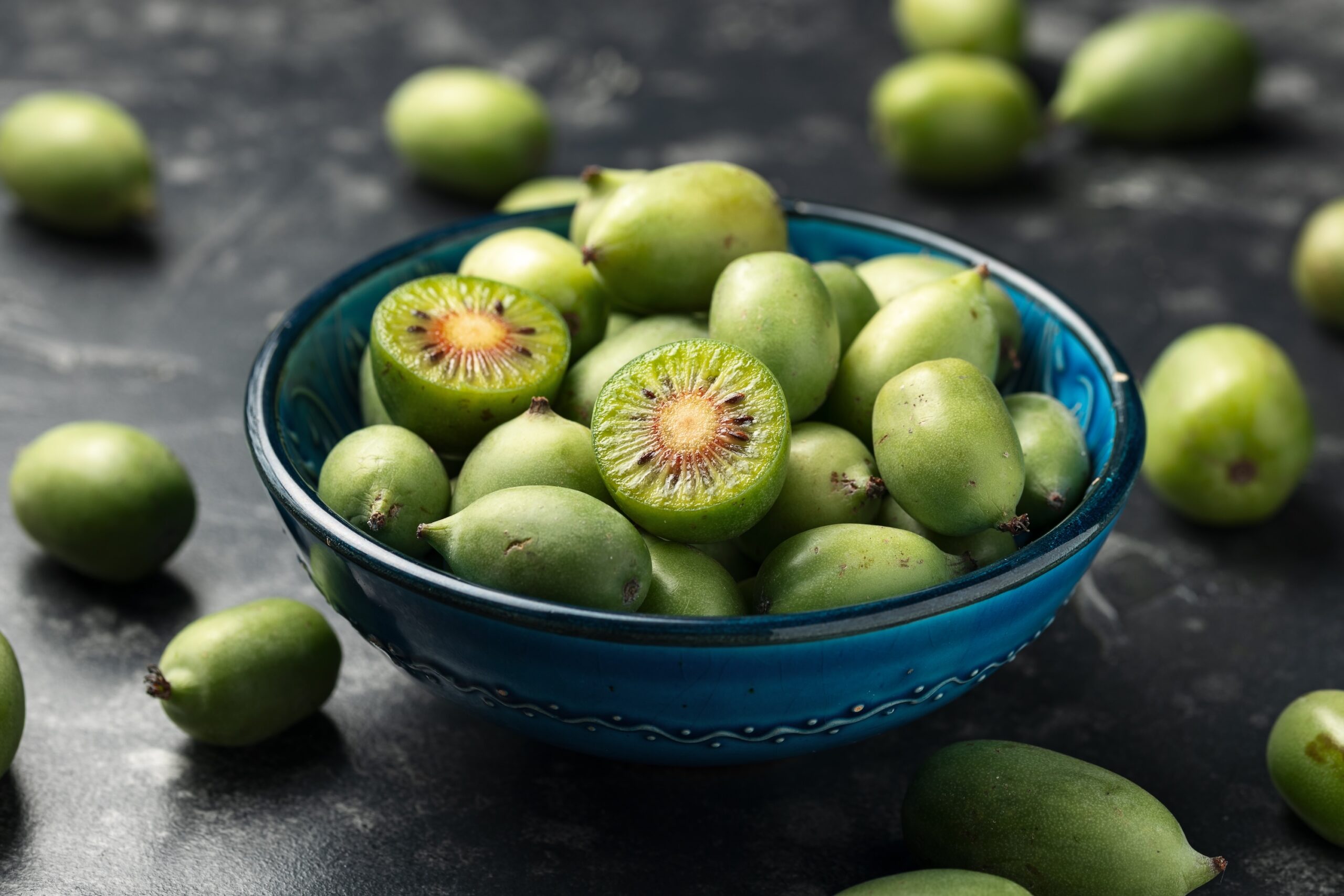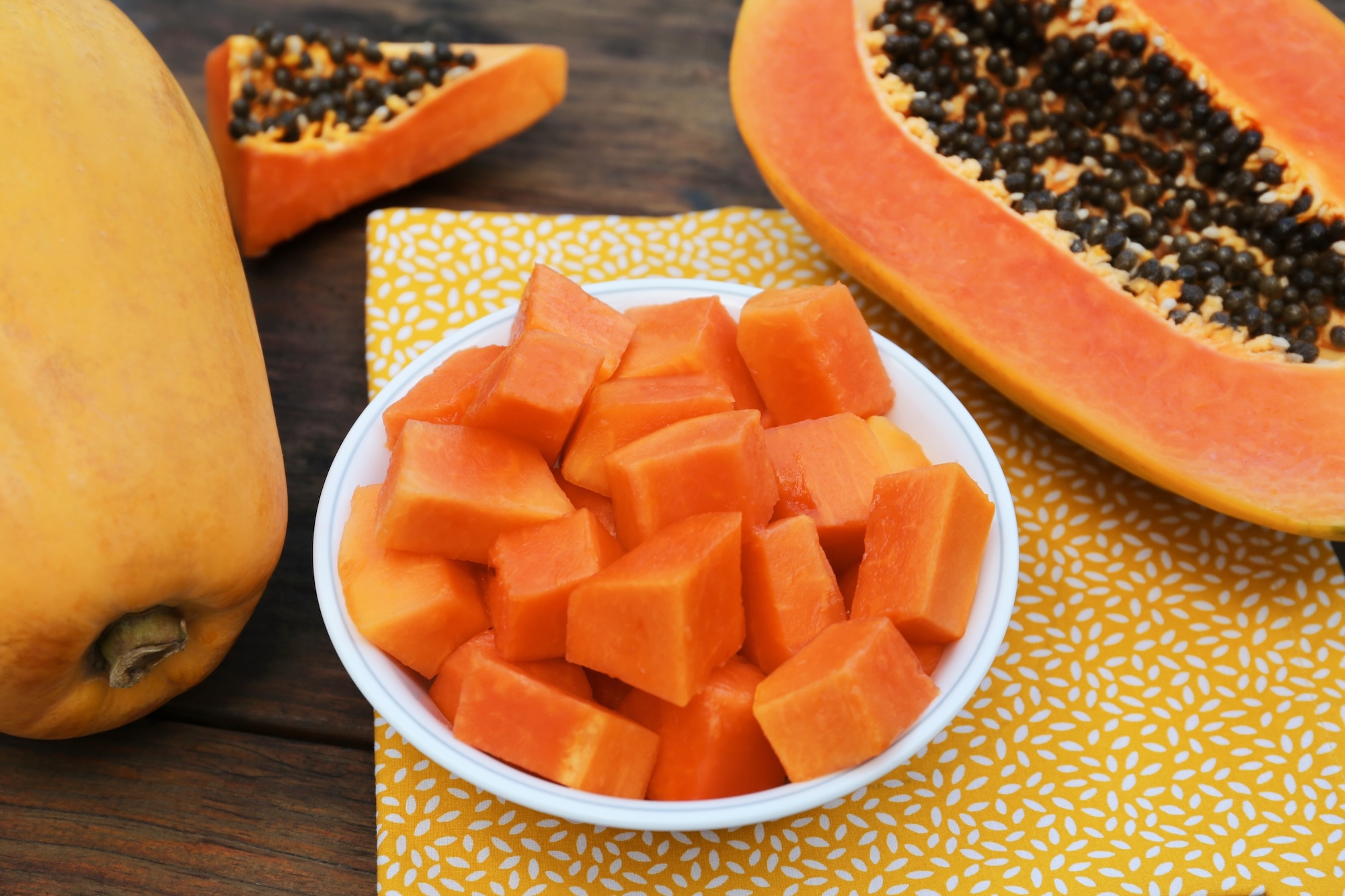
Dragon fruit’s popularity on social media has been driven largely by its looks. It’s hard to miss the neon pink it adds to a smoothie or bowl of oatmeal. But is dragon fruit actually good for weight loss—and is it healthy beyond its picture-perfect peel and striking black seeds?
It can be. Dragon fruit is relatively low in calories, high in water, and provides a good amount of fiber, all qualities that can help make a food more filling without adding a lot of calories. And while different varieties have slightly different nutritional profiles, those differences probably don’t matter much when weight loss is the goal.
Dragon fruit isn’t just one fruit. Depending on the variety, you’ll find it with bright pink, deep red, or white flesh. Red and pink varieties get their color from betalains, antioxidant compounds found in much smaller amounts in white-fleshed dragon fruit. White varieties may contain slightly less sugar, but all three share the low-calorie, high-water, moderate-fiber profile that matters most for weight management.
A cup of dragon fruit has about 110 calories and 5 grams of fiber, and the fruit is roughly 90% water. And while it may look exotic, dragon fruit has become surprisingly easy to find, including in the frozen-food aisle. Here’s a closer look at its calories and nutrition, what research says about its potential benefits, and the best ways to eat dragon fruit when weight loss is the goal.
✅ Quick answers
- How many calories are in dragon fruit? About 110 calories per cup, making it a relatively low-calorie fruit.
- Is dragon fruit high in fiber? Yes. One cup has about 5 grams of fiber, or nearly 20% of the recommended daily amount for women.
- How do you know when dragon fruit is ripe? A ripe dragon fruit should have bright, evenly colored skin and give slightly when gently pressed. If it’s very firm, it likely needs more time to ripen; if it’s very soft or has large brown patches, it may be overripe.
- What does dragon fruit taste like? It’s mildly sweet, with tiny crunchy seeds and a flavor often compared to a cross between kiwi and pear.
- Is frozen dragon fruit as good as fresh? Yes. Frozen dragon fruit retains its fiber and much of its nutritional value, making it a convenient alternative to fresh fruit.
🚀 Dragon fruit weight-loss benefits
- Low in calories for a satisfying portion. A full cup of cubed dragon fruit has about 110 calories. You can eat it straight from the peel with a spoon, cube it into a fruit bowl, or add it to Greek yogurt or oatmeal to add volume and sweetness without dramatically increasing the calories.
- High water content adds volume. Dragon fruit is mostly water, which helps explain why you get a fairly large serving for relatively few calories. Try adding frozen dragon fruit to a smoothie instead of juice, or combine fresh cubes with berries and other fruit for a higher-volume snack or side.
- It provides about 5 grams of fiber per cup. That’s a meaningful amount for a fruit and can help slow digestion and keep you satisfied longer. Keeping the seeds and flesh intact matters here, so whole or frozen dragon fruit will give you more of the fiber benefit than juice.
🥗 Dragon fruit: Nutrition information (per 1 cup, about 180 grams)
| Nutrient | Amount | % RDA* |
|---|---|---|
| Calories | 110 calories | 5% |
| Protein | 2 g | 4% |
| Total carbs | 23 g | 8% |
| Fiber | 5 g | 18% |
| Sugars | 14 g | — |
| Total fat | 0 g | 0% |
*Recommended dietary allowance (RDA) is defined as the average daily amount of nutrients needed to meet the requirements of nearly all healthy people in a specific group.

The Easy Way
to lose weight and get healthy.

Fiber is the number that really stands out here. You’ll get about 5 grams in a cup of dragon fruit. Since most adults are advised to aim for around 25 to 35 grams per day, that’s a pretty solid contribution from one serving of fruit. Fiber also helps slow digestion and keeps food moving through your digestive system, and getting enough can help meals and snacks feel more satisfying.
💊 Vitamins & minerals in dragon fruit (per 1 cup, about 180 grams)
| Vitamin/Mineral | Amount | % RDA* |
|---|---|---|
| Vitamin C | About 36 mg | 40% |
| Potassium | About 720 mg | 15% |
| Magnesium | About 59 mg | 14% |
| Iron | About 1.3 mg | 7% |
Dragon fruit provides a mix of vitamins and minerals, with vitamin C contributing the most at about 40% of your daily needs per cup. Vitamin C supports immune function and helps your body make collagen.
You’ll also get some potassium and magnesium, which play roles in muscle and nerve function, along with a smaller amount of iron. These amounts aren’t especially high, but they add to dragon fruit’s overall nutritional value alongside its fiber and water.
🔍 Dragon fruit: Nutrient breakdown
Glycemic index (GI) of dragon fruit
Glycemic index: 48 to 52 (Low-to-moderate)
Dragon fruit falls toward the lower end of the glycemic index, meaning its carbohydrates are generally digested and absorbed more slowly than those in higher-GI foods. Its fiber helps slow that process.
Is dragon fruit high in protein?
❌ No: Dragon fruit contains about 2 grams of protein per cup, so it isn’t a significant protein source. If you want to turn it into a more filling snack or meal, pair it with a protein-rich food.
Higher-protein options: Greek yogurt | edamame | lentils
Is dragon fruit high in fiber?
✔️ Yes: Dragon fruit provides about 5 grams of fiber per cup, making it a good source of fiber for a fruit. Fiber helps slow digestion and can help you stay satisfied longer after eating.
💡 Good to know: Those tiny black seeds are meant to be eaten along with the flesh and contribute some of the fruit’s fiber.
Is dragon fruit low in carbs?
❌ No: Dragon fruit contains about 23 grams of carbohydrates per cup, including about 14 grams of naturally occurring sugar and 5 grams of fiber. If you’re tracking carbohydrates, portion size will determine how much it contributes to your meal or snack.
The Easy Way
to lose weight and get healthy.
Is dragon fruit gluten-free?
✔️ Yes: Fresh dragon fruit is naturally gluten-free. Plain frozen and dried dragon fruit should be, too, but check the ingredient list on packaged products like smoothie blends, juices, and powders for added ingredients.
Is dragon fruit good for fat loss?
✔️ It can be: Dragon fruit won’t directly cause your body to burn more fat, but its combination of relatively few calories, fiber, and plenty of water can make it a useful food for weight loss. For example, adding dragon fruit to Greek yogurt, oatmeal, or a smoothie can add sweetness and volume while keeping calories relatively low.
🍽️ Diet compatibility: Which diets include dragon fruit?
| Diet | ✅ / ❌ | Why |
|---|---|---|
| Keto | ❌ | A cup of dragon fruit has about 23 grams of carbs, which can take up much of the daily carb allowance on a strict keto diet. A smaller portion may fit, depending on your individual carb target. |
| Paleo | ✅ | Dragon fruit is a whole fruit, so it generally fits within a paleo eating pattern. |
| Mediterranean | ✅ | The Mediterranean diet emphasizes fruits and other plant foods, making dragon fruit an easy fit. Its fiber and vitamin C are an added bonus. |
| Vegan | ✅ | Dragon fruit is entirely plant-based and naturally fits a vegan eating pattern. |
| Gluten-free | ✅ | Fresh dragon fruit is naturally gluten-free. Check labels on packaged dragon fruit products for added ingredients. |
🌟 Is dragon fruit healthy? What are the health benefits?
Metabolic health: Is dragon fruit good for your metabolism?
- Boosts metabolism? ❌ No: There’s no evidence that eating dragon fruit speeds up your metabolism or causes you to burn more calories. Its potential benefit for weight loss is much simpler: it gives you fiber and plenty of water for relatively few calories.
- Helps with blood sugar? ✔️ Maybe: There’s some early evidence here. A 2017 review of four small trials found that dragon fruit lowered fasting blood sugar by about 15 mg/dL in people with prediabetes. The same benefit wasn’t seen in people with type 2 diabetes. The prediabetes finding is promising, but it was based on just 36 people, so much larger studies are needed before we know how meaningful the effect is.
- Reduces fat storage? ❓ Too soon to tell: Animal research has found some interesting effects. Studies in mice and rats suggest that compounds from dragon fruit—including those found in the peel and other parts of the fruit—might affect fat accumulation, glucose metabolism, and other markers of metabolic health. But we don’t yet have evidence showing that eating dragon fruit reduces body fat in people.
Cholesterol impact: Does dragon fruit affect cholesterol levels?
- Does it lower LDL (“bad”) cholesterol? Possibly: A few small studies have found improvements in LDL cholesterol after regular dragon fruit consumption, but there isn’t enough research yet to say that dragon fruit itself lowers cholesterol.
- Does it raise HDL (“good”) cholesterol? Possibly: Some of the same research has reported increases in HDL cholesterol, but again, the studies are small and the results aren’t strong enough to consider this an established benefit.
- Overall impact on heart health? ✔️ It can fit into a heart-healthy diet: Dragon fruit provides fiber and antioxidant compounds, and eating more fruit as part of an overall healthy eating pattern is associated with better cardiovascular health. But there’s no need to choose dragon fruit specifically for your heart—the bigger benefit comes from regularly eating a variety of fruits and other fiber-rich plant foods.
💡 Good to know: Think of any potential cholesterol benefit as a bonus, not a treatment. If you have high cholesterol, dragon fruit isn’t a substitute for the diet, lifestyle changes, or medication recommended by your healthcare provider.
Can you eat dragon fruit in a calorie deficit?
✔️ Yes: At about 110 calories per cup, dragon fruit is easy to fit into a calorie deficit. Its fiber and water also add volume, which can help meals and snacks feel more satisfying when you’re eating fewer calories overall.
💡 Try this: Pair dragon fruit with a protein source, like Greek yogurt or cottage cheese, for a snack that’s likely to keep you satisfied longer.
Is dragon fruit rich in antioxidants?
✔️ Yes: Dragon fruit, especially red-fleshed varieties, contains betalains and vitamin C, which act as antioxidants and help protect cells from oxidative damage. Betalains are the same family of pigments found in beets and are responsible for the vivid red and pink color of some dragon fruit varieties.
💡 Good to know: Red-fleshed varieties tend to contain more betalains than white-fleshed dragon fruit.
Does dragon fruit support gut health?
✔️ Possibly: Dragon fruit contains oligosaccharides that can act as prebiotics, providing food for beneficial gut bacteria. Research suggests dragon fruit oligosaccharides may encourage the growth of beneficial bacteria such as Bifidobacterium, although research in people is still limited.
Does dragon fruit support digestion?
✔️ Yes: The fiber in dragon fruit adds bulk to stool and can help support regular bowel movements. That’s a benefit of fiber generally rather than something unique to dragon fruit, but its roughly 5 grams per cup can make a meaningful contribution to your daily intake.
Does dragon fruit help you feel satiated and less hungry?
✔️ It can: Dragon fruit combines fiber with a high water content, which can help you feel satisfied for relatively few calories. Because it’s low in protein and fat, however, it may not keep you full for as long on its own.
💡 Try this: Add dragon fruit to Greek yogurt or top it with a small amount of nuts or seeds to make it more satisfying.
Does dragon fruit help with nighttime cravings?
❓ It can be a good option: There’s nothing about dragon fruit that specifically reduces nighttime cravings, but its natural sweetness can make it a lighter choice when you’re in the mood for something sweet.
💡 Try this: Keep frozen dragon fruit on hand for an easy option that requires almost no prep.
Does dragon fruit help reduce inflammation?
❓ Possibly: Dragon fruit contains betalains, vitamin C, and other antioxidant compounds that may help counter oxidative stress, which is closely connected with inflammation. But much of the dragon-fruit-specific research comes from laboratory and animal studies, so we don’t yet know whether eating it meaningfully reduces inflammation in people.
Is dragon fruit beneficial for brain health?
❓ Not specifically: Antioxidants help protect cells from oxidative damage, but there isn’t enough dragon-fruit-specific research to say that eating dragon fruit improves brain health or cognitive function. Eating a variety of fruits and vegetables is a much better-supported strategy for overall health.
Can dragon fruit improve skin and hair health?
❓ Not directly: Dragon fruit provides vitamin C, which your body needs to produce collagen, an important structural protein in skin. But there’s no evidence that eating dragon fruit specifically improves your skin or hair.
Can dragon fruit help balance hormones?
❌ Not established: There’s no good evidence that dragon fruit directly regulates or “balances” hormones. If you’re experiencing symptoms that may be hormone-related, it’s worth discussing them with your healthcare provider rather than relying on a particular food or supplement.
🍽️ Best ways to eat dragon fruit for weight loss
Dragon fruit is surprisingly versatile once you get past figuring out how to cut it. Slice it in half and scoop out the flesh with a spoon, or look for frozen dragon fruit cubes or purée in the freezer aisle. Here are a few ways to put it to work:
- Make a dragon fruit smoothie bowl. Blend frozen dragon fruit with Greek yogurt and a little milk until thick, then add fresh fruit and a sprinkle of nuts or seeds. You get the bright pink smoothie-bowl effect that’s all over social media, with protein and fiber to make it more filling.
- Use it to brighten up plain Greek yogurt. Cube fresh dragon fruit and mix it into Greek yogurt for natural sweetness, then add chia seeds or a few nuts for extra texture. It also works well layered into a yogurt parfait.
- Blend it into a smoothie. Frozen dragon fruit adds color, sweetness, and a thick texture without needing juice or added sugar. Pair it with Greek yogurt or another protein source rather than making the smoothie entirely from fruit.
- Add it to overnight oats or chia pudding. Spoon cubed dragon fruit on top, or mash some into the base for a naturally pink breakfast. Both options also give you additional fiber.
- Eat it frozen when you want something sweet. Frozen dragon fruit cubes can be eaten straight from the freezer after they’ve softened for a few minutes. You can also blend the frozen fruit with Greek yogurt for a simple frozen dessert.
- Make a fruit bowl more interesting. Dragon fruit’s flavor is mild, so it pairs well with more flavorful fruits like berries, kiwi, mango, or pineapple. Adding it gives you more volume and variety without adding many calories.
- Choose whole fruit over juice when you can. Dragon fruit juice can contain less fiber than the whole fruit, and some products have added sugar. Fresh or frozen dragon fruit lets you keep the fiber that makes the fruit more filling.
🍏 Dragon fruit vs other fruit (per 1 cup)
| Food | Calories | Carbs | Fiber | Protein | Fat |
|---|---|---|---|---|---|
| Dragon fruit | 110 | 23 g | 5 g | 2 g | 0 g |
| Strawberries | 50 | 12 g | 3 g | 1 g | 0 g |
| Banana | 134 | 34 g | 4 g | 2 g | 0 g |
| Mango | 99 | 25 g | 3 g | 1 g | 1 g |
| Papaya | 62 | 16 g | 3 g | 1 g | 0 g |
| Kiwi | 110 | 26 g | 5 g | 2 g | 1 g |
| Cantaloupe | 53 | 13 g | 1 g | 1 g | 0 g |
Dragon fruit falls somewhere in the middle when it comes to calories, but it does particularly well on fiber. Its 5 grams per cup is more than you’ll get from most of the fruits here and about the same as kiwi.
If keeping calories as low as possible is your priority, strawberries, cantaloupe, and papaya give you more fruit for fewer calories. Dragon fruit and kiwi provide more fiber, while banana gives you more carbohydrates, which can be useful before or after a workout. There’s no need to pick one “best” fruit—the differences can help you choose what works for what you need that day.
Access GLP-1 Weight Loss with Noom
Explore a wide range of prescription medications supported by Noom’s program.
Microdose GLP-1rx

Noom GLP-1rx
Noom GLP-1rx Plus
Wegovy®

Ozempic®

Metformin

Zepbound®

Mounjaro®

Liraglutide

Frequently asked questions about dragon fruit and weight loss
Is dragon fruit high in sugar?
Not particularly. A cup of dragon fruit contains about 14 grams of naturally occurring sugar, which is less than you’ll get from the same amount of banana or mango but more than papaya or cantaloupe. You’re also getting about 5 grams of fiber, which helps slow digestion and makes whole dragon fruit a different choice nutritionally than a sugary drink or sweet.
How much dragon fruit should you eat for weight loss?
There’s no specific amount of dragon fruit you need to eat to lose weight. A one-cup serving provides about 110 calories and 5 grams of fiber and can easily fit into a weight-loss eating plan. Think of it like any other fruit: choose a portion that works with your hunger, preferences, and overall calorie needs.
Is dragon fruit good for weight loss at night?
It can be. There’s nothing about dragon fruit that makes it better or worse for weight loss at night, but its natural sweetness can make it a satisfying option when you want something sweet after dinner. Try frozen dragon fruit on its own or pair fresh dragon fruit with Greek yogurt if you want something more filling.
Can you eat dragon fruit every day?
Yes. For most people, dragon fruit is fine to eat every day. That said, rotating it with berries, kiwi, citrus, melon, and other fruits gives you a wider variety of vitamins, minerals, fiber, and plant compounds over time.
Does dragon fruit juice help with weight loss?
Whole dragon fruit is the better choice. Juicing reduces or removes much of the fiber, so juice generally won’t be as filling as eating the fruit itself. Some bottled dragon fruit drinks also contain added sugar, so check the ingredient list and nutrition label if you buy one.
Is dragon fruit good for weight loss during pregnancy?
Dragon fruit can be part of a healthy diet during pregnancy and provides fiber, vitamin C, and other nutrients. But pregnancy generally isn’t a time to intentionally pursue weight loss unless your healthcare provider specifically recommends it. Talk with your doctor about appropriate weight and nutrition goals during pregnancy.
Is dragon fruit safe for people with diabetes who are trying to lose weight?
Dragon fruit can fit into an eating plan for people with diabetes, but it still contains carbohydrates—about 23 grams per cup. Some early research suggests dragon fruit may improve fasting blood sugar in people with prediabetes, but evidence in people with type 2 diabetes is less clear. If you monitor your blood sugar, you can see how your usual portion affects your individual response, and your healthcare provider or dietitian can help you determine how it fits into your overall plan.
🧠 The bottom line: Dragon fruit is a good choice for weight loss
Dragon fruit isn’t a weight-loss shortcut, but it has a lot going for it. A cup has about 110 calories and 5 grams of fiber, plus plenty of water. That combination gives you a satisfying amount of food for relatively few calories, while the fiber can help you stay full. There’s also some early research on potential benefits for gut health and blood sugar, though we need larger studies before we know how much dragon fruit itself contributes.
The easiest way to make dragon fruit work harder for you is to pair it with something that provides protein or healthy fats. Add it to Greek yogurt, cottage cheese, or overnight oats, blend frozen dragon fruit into a protein-rich smoothie, or top it with a few nuts or seeds. You’ll get the sweetness, fiber, and bright color of the fruit along with more staying power.
And you don’t need to eat dragon fruit every day—or choose it over other fruit—to get the benefits. If you enjoy it, fresh or frozen dragon fruit can be another colorful, fiber-rich option to rotate in with berries, kiwi, melon, papaya, and the other fruits you already like.
The Easy Way
to lose weight and get healthy.
📖 Scientific evidence
- Dragon fruit may help lower fasting blood sugar in people with prediabetes. (PLOS ONE, 2017) Researchers combined the results of four clinical trials and found that people with prediabetes who ate dragon fruit lowered their fasting blood sugar by about 15 mg/dL on average. The researchers didn’t see the same clear benefit in people with type 2 diabetes. While the prediabetes finding is promising, the studies were small, so more research is needed to know whether dragon fruit can reliably help with blood sugar control.
- Dragon fruit may support blood vessel and heart health. (American Journal of Clinical Nutrition, 2022) In a small study of 19 healthy adults, people who consumed betalain-rich dragon fruit powder every day for two weeks had improvements in how well their blood vessels widened and in measures of arterial stiffness. Researchers think betalains—the red pigments also found in beets—may be responsible for the effect. The study was small and used dragon fruit powder rather than whole fruit, so more research is needed to see whether regularly eating dragon fruit has similar benefits.
- Dragon fruit may help support beneficial gut bacteria. (Food Research International, 2023) In a study of 107 healthy adults, people who consumed oligosaccharides—a type of prebiotic carbohydrate—from dragon fruit every day for four weeks had increases in Bifidobacterium, a group of beneficial bacteria found in the gut. Researchers also saw decreases in E. coli and changes in certain immune-related antibodies. The findings suggest that compounds in dragon fruit may act as prebiotics, essentially providing food for beneficial gut bacteria, though more research is needed to understand what these changes mean for long-term gut health.
- Dragon fruit contains compounds that may have antioxidant and anti-inflammatory effects. (Nutrients, 2023) A review of research on dragon fruit found promising evidence that its plant compounds may help protect cells from oxidative stress and reduce inflammation. Researchers also found early signs of potential benefits for blood sugar and cholesterol. But much of the research so far has been done in animals or cells rather than people, so we still need larger human studies to know whether regularly eating dragon fruit produces the same effects.
Editorial standards
At Noom, we’re committed to providing health information that’s grounded in reliable science and expert review. Our content is created with the support of qualified professionals and based on well-established research from trusted medical and scientific organizations. Learn more about the experts behind our content on our Health Expert Team page.