
What you’ll learn:
- Orforglipron and tirzepatide are both GLP-1 medications from the company Eli Lilly, but they work in different ways.
- Tirzepatide is available as a weekly injection under the name Zepbound®. Orforglipron is available as a daily pill under the name Foundayo®.
- Tirzepatide is associated with greater weight loss over time than orforglipron, but individual results vary.
If you’ve been exploring weight loss medications, you may have heard that orforglipron is now approved under the brand name Foundayo®. It’s made by the same company (Eli Lilly) that makes Zepbound®, which has the active ingredient tirzepatide.
While both medications work through the GLP-1 pathway, they aren’t interchangeable. Beyond the obvious difference—a daily pill versus a once-weekly injection—they differ in weight-loss results, dosing, side effects, convenience, cost, and who may be a good candidate for each.
In this guide, we’ll compare how they work, how effective they are for weight loss, how they’re taken, possible side effects, costs, and other key differences so you can better understand what to discuss with your healthcare provider.
Orforglipron vs. tirzepatide: How do they work?
Both medications are designed to mimic hormone signals that help lower appetite, slow digestion, and regulate blood sugar. These actions can help a person eat less comfortably and lose weight, along with healthy lifestyle changes. Let’s look at how they work:
Orforglipron (Foundayo)
Orforglipron is a GLP-1 receptor agonist, which means it mimics the action of GLP-1. It focuses on one main pathway to help reduce appetite, slow digestion, and support blood sugar control. Orforglipron is taken once a day, and unlike the other GLP-1 pills on the market, it can be taken at any time of day. This is because it’s what’s called a non-peptide. Orforglipron is designed so it can be absorbed through the digestive system, which allows it to be taken by mouth, unlike Zepbound, which must be injected.
Tirzepatide (Zepbound)
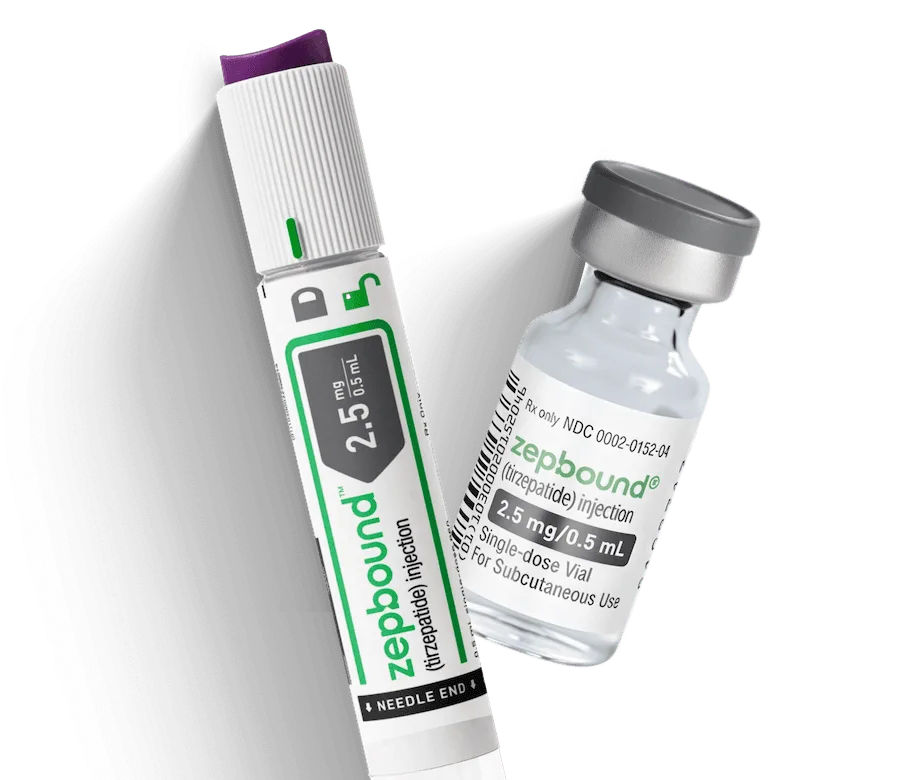
Tirzepatide mimics two hormones: GLP-1 and GIP. GIP is involved in regulating blood sugar and how the body handles energy. This dual action is thought to be a reason that tirzepatide is more effective than other GLP-1 medications. Tirzepatide is taken as a once-weekly injection under the skin.
Orforglipron vs. tirzepatide: What are the differences?
While both medications help with weight management, the main differences between orforglipron and tirzepatide come down to how you take them and how they work in your body.
- How they’re taken: Orforglipron is a daily pill that you swallow. Tirzepatide is a once-weekly injection given under the skin.
- How often they’re used: Orforglipron is taken every day. Tirzepatide is taken once a week.
- What they are approved for: Orforglipron is approved for weight loss as Foundayo. Tirzepatide is approved for weight loss and obstructive sleep apnea as Zepbound. It is also approved for type 2 diabetes as Mounjaro.
- How they work: Orforglipron targets GLP-1, a hormone signal that helps control appetite, digestion, and blood sugar. Tirzepatide targets both GLP-1 and GIP, another hormone involved in blood sugar and how the body uses energy.
- Storage and convenience: Orforglipron can be kept at room temperature. Tirzepatide pens and vials need refrigeration before use, which can matter for travel, storage space, and daily planning.
- Cost: Cost can vary and depends on whether you have insurance coverage and what the medication is prescribed for. When paying cash through Lilly Direct, tirzepatide (Zepbound®) starts at a higher price than orforglipron (Foundayo®). We’ll take a closer look at the costs and available options below.
Orforglipron vs. tirzepatide: What are the similarities?
Even though orforglipron and tirzepatide are taken differently, they share several important similarities. Both treatments come from the same pharmaceutical company (Eli Lilly) and work through similar biological pathways to support weight management.
- Both mimic GLP-1 receptors: Orforglipron and tirzepatide both act on GLP-1 receptors, which help lower appetite, slow digestion, and regulate blood sugar.
- Both can cause side effects: GI side effects are the most common, especially when starting treatment or increasing the dose.
- Both are slowly increased: You will start at the lowest dose, and it will be gradually increased to the dose that works best for you with the lowest side effects.
- Both are long-term treatments: Studies of both medications evaluate progress over more than one year, so they aren’t intended to be quick fixes.
- Both are meant for use alongside healthy lifestyle changes: Both are meant to be used alongside a reduced-calorie diet and increased physical activity to support weight loss.
Orforglipron vs. tirzepatide: Which is better for weight loss?
Tirzepatide has shown greater average weight loss in studies, but individual differences matter. Here’s what the research can tell us so far.
Orforglipron vs. tirzepatide: How much weight can you lose?
Studies suggest that tirzepatide may lead to more weight loss on average, but the two haven’t been studied against each other. Here’s what we see as of now:
- People taking orforglipron (Foundayo) lost an average of 11% of their body weight after 72 weeks.
- People taking tirzepatide lost an average of 21% of their body weight after 72 weeks.
What does this mean? Both medications can support meaningful weight loss, but tirzepatide shows a larger average effect in clinical trials. It’s important to note that these studies were conducted separately — there has been no head-to-head trial directly comparing the two medications in the same study, so individual differences in how people respond may matter more than the averages suggest.
The better choice may depend on your health history, whether you prefer a daily pill or a weekly injection, your side effect tolerance, and what your insurance covers.
How long does it take to see results?
With both medications, weight loss builds gradually as your dose increases and your body adjusts. Your habits still play a big role — the medication lowers appetite, slows digestion, and regulates blood sugar, but a balanced, lower-calorie diet helps lead to weight loss.
Foundayo® (orforglipron)
- By 3 months: Weight loss typically starts within the first 12 weeks, even while your dose is still increasing.
- By 6 months: Most people have reached their maintenance dose by now, and weight loss continues to build steadily.
- Over a year: Average weight loss at 72 weeks ranges from 7.5% to 11.2%, depending on dose.
Tirzepatide (Zepbound)
Access GLP-1 Weight Loss with Noom
Explore a wide range of prescription medications supported by Noom’s program.Microdose GLP-1rx
Noom GLP-1rx
Noom GLP-1rx Plus
Wegovy®
Ozempic®
Metformin
Zepbound®
Mounjaro®
Liraglutide
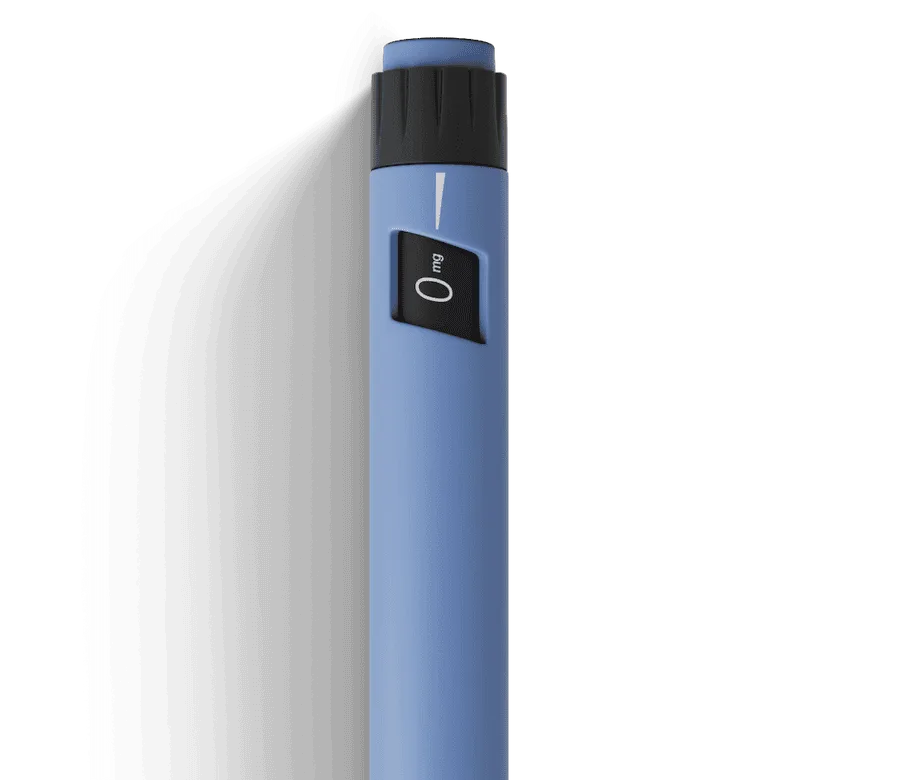
- By 3 months: Most people who go on to see strong results have already started losing weight by this point, even if progress feels slow at first.
- By 6 months: Slow starters often catch up more than expected — many who hadn’t lost much in the first 3 months reach meaningful weight loss by 6 months.
- Over a year: Average weight loss at 72 weeks ranges from 15% to 21%, depending on dose.
These timelines are patterns, not definites. Some people see results within the first month or two; others need several months. Your dose, side effects, habits, starting weight, and consistency with treatment can all shape how quickly results show up.
Who can take orforglipron or tirzepatide for weight loss?
Orforglipron and tirzepatide are intended for people who meet certain health criteria. Your healthcare provider will look at your BMI, health history, current medications, and weight-related conditions before deciding whether either medication is a good fit.
Both medications may be prescribed for people with:
- A BMI of 30 or higher
or
- A BMI of 27 or higher with at least one weight-related health condition, such as high blood pressure or high cholesterol.
Can you switch between orforglipron and tirzepatide?
Switching between orforglipron and tirzepatide may be possible, but it should only be done with help from a healthcare provider. These medications are taken differently, have different dosing schedules, and may affect appetite, digestion, and blood sugar in different ways.
People may consider switching because of cost, insurance coverage, side effects, medication availability, or personal preference. For example, some people may prefer a daily pill, while others may prefer a once-weekly injection.
Your provider can help decide how to switch safely, including when to stop one medication, when to start the other, and what dose makes sense based on your current treatment and side effects.
If you take orforglipron or tirzepatide to lose weight, will you need to keep taking them indefinitely?
Orforglipron and tirzepatide are designed for long-term weight management. For many people, that means the medication may need to be continued to help maintain results.
These medications can help lower appetite and support weight loss, but they do not permanently change how the body regulates weight. If treatment stops, appetite may increase again, and weight regain can happen.
What happens if you stop taking them?
Research on tirzepatide shows that many people regain weight after stopping treatment. In one major study, people who stopped tirzepatide regained 14% of their body weight within about a year, while those who continued taking it were more likely to maintain or improve their results.
We know less about what happens after stopping orforglipron because it is newer and has less long-term data. Based on what we know about GLP-1 medications as a class, researchers still need more information to understand how well weight loss holds up after stopping orforglipron.
A few things may help with long-term maintenance:
- Healthy habits matter: Regular movement, balanced meals, sleep, and behavior change support can make it easier to maintain progress.
- Some people may need ongoing treatment: Weight management is often long-term, similar to managing blood pressure or blood sugar. Some people may need ongoing treatment or a tirzepatide maintenance dose.
- Your provider may adjust your plan: Some people continue medication, some use maintenance dosing, and others explore different options depending on their progress and side effects.
- Support can make a difference: Programs like Noom Med can pair medical treatment with behavior-based support to help you build habits that last, whether you stay on medication or eventually stop taking tirzepatide.
If you’re thinking about stopping or switching medications, talk with your healthcare provider. They can help you make a plan that protects your progress and fits your long-term health goals.
Orforglipron vs. tirzepatide: Costs and insurance
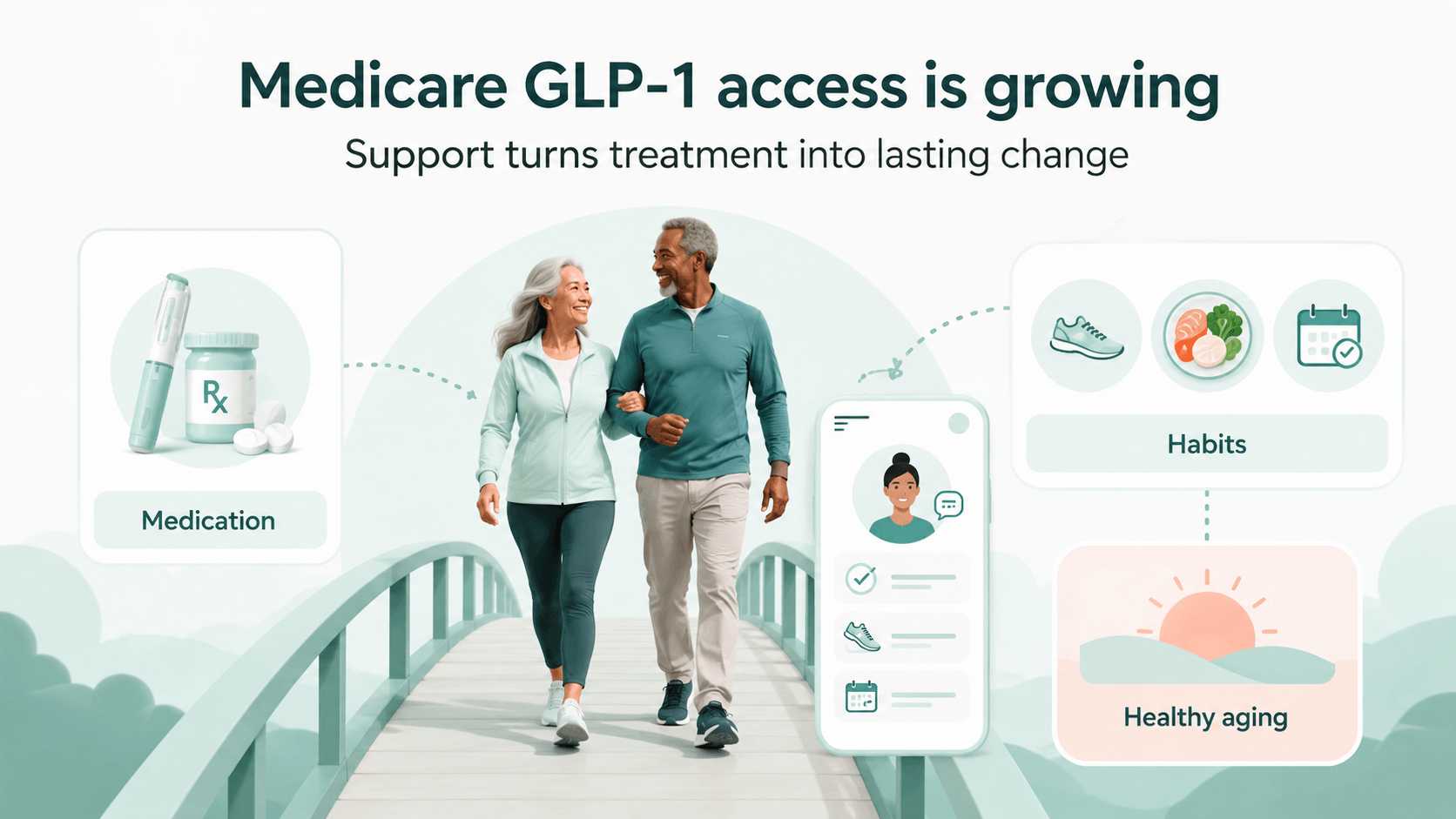
When getting orforglipron or tirzepatide for weight loss, pricing varies depending on insurance coverage, type of insurance, or whether you pay cash through LillyDirect®. Coverage for weight-loss medications is still limited, but access is changing, so it is worth checking your benefits first with Noom’s GLP-1 Insurance Checker. Medicare access is also expanding through the Bridge program which began in July 2026, and both Foundayo® and Zepbound® are included for eligible people.
| Medication | Cost (monthly) |
|---|---|
| Foundayo® | With commercial insurance: As little as $25 per month with the Foundayo® Savings Card. Medicare: $50 per month for eligible Medicare Part D beneficiaries through the Medicare GLP-1® Bridge program. Medicaid: Varies; check with your insurance provider LillyDirect® (cash): $149: 0.8 mg$199: 2.5 mg$299: 5.5 mg and 9 mg$349: 14.5 mg and 17.2 mg Learn more about the cost of Foundayo®. |
| Zepbound® | With eligible commercial insurance: As little as $25 per month with the Zepbound® Savings Program. Medicare: $50 per month for eligible Medicare Part D beneficiaries through the Medicare GLP-1® Bridge program. Bridge coverage applies to the Zepbound® KwikPen®. Medicaid: Varies; check with your insurance provider LillyDirect® (cash for vials or KwikPen®, depending on the dose): $299: 2.5 mg$399: 5 mg$449: 7.5 mg, 10 mg, 12.5 mg, and 15 mg Learn more about the cost of Zepbound®. |
When does insurance cover orforglipron or tirzepatide for weight loss?
Insurance coverage for Foundayo® and Zepbound® depends on your specific plan. Some insurance plans help pay for weight loss medications, but others don’t. Some plans may also ask your doctor to send extra information before they approve coverage.
New from Noom
Microdose GLP-1Rx Plus
An affordable way to start your GLP-1 journey with Compounded Tirzepatide.

*Initial 3 week subscription and 4 weeks of medication from $79 plus tax and $199 per month plus tax for 12 week subscription thereafter. Final pricing depends on program selection. Noom GLP-1Rx Plus Microdose Program involves medication (when appropriate), healthy diet, exercise and support. Individual results vary. Meds & personalization based on need as determined by a third-party clinician. Medications are not reviewed by FDA for safety, efficacy, or quality. No affiliation with Eli Lilly and Company, the only US source of FDA-approved tirzepatide. Not available in all 50 US states.
Let’s look at a few common situations:
Employer-sponsored insurance and private insurance
Coverage is still rare, but it depends on the plan. Insurance rules can change, so the best way to know your cost is to check directly with your insurance company or pharmacy benefits manager.
Medicare
The temporary Medicare GLP-1® Bridge program runs through December 31, 2027. Eligible Medicare Part D beneficiaries can get Foundayo® or the Zepbound® KwikPen® for weight loss with a $50 monthly copay. The program has specific eligibility requirements and operates separately from regular Part D coverage.
Orforglipron vs. tirzepatide: Side effects and safety
Orforglipron and tirzepatide can both cause side effects, with the most common ones affecting the digestive system. That’s common with GLP-1 medications because they slow down how quickly food leaves the stomach and affect appetite signals in the brain.
For many people, side effects are mild to moderate and are more noticeable when first starting treatment or when the dose goes up. They often improve as the body adjusts. Still, it’s important to know the difference between common symptoms and rare but more serious risks. Here’s a look at how often the side effects occurred at the highest doses:
| Side effect | Zepbound® 15 mg | Foundayo® 17.2 mg |
|---|---|---|
| Nausea | 28% | 35% |
| Vomiting | 13% | 24% |
| Diarrhea | 23% | 25% |
| Constipation | 11% | 24% |
| Dyspepsia (indigestion) | 10% | 13% |
| Abdominal pain | 10% | 14% |
| Fatigue | 7% | 9% |
Are there any differences?
Overall, the side effect profiles are very similar. Both medications most commonly cause nausea, diarrhea, vomiting, constipation, stomach pain, and indigestion because they work on the same GLP-1 pathway.
That said, there are a few noticeable differences in the trial results:
- Nausea was the most common side effect with both medications, but it was reported more often in the Foundayo® trial (35% vs. 28%).
- Vomiting was also reported more frequently with Foundayo® (24% vs. 13%).
- Constipation showed one of the largest differences, occurring in 24% of Foundayo® participants compared with 11% of those taking Zepbound®.
- Diarrhea occurred at similar rates in both trials (25% with Foundayo® vs. 23% with Zepbound®).
- Indigestion (dyspepsia), abdominal pain, and fatigue were all somewhat more common with Foundayo®, although the differences were smaller.
These percentages shouldn’t be used to conclude that one medication causes more side effects than the other. Foundayo® and Zepbound® were studied in separate clinical trials with different participants, study designs, and dosing schedules. Because of those differences, the prescribing information for both medications cautions against comparing side effect rates across studies.
The clearest real-world difference is how the medications are taken. Zepbound® is a once-weekly injection, so it can cause injection-site reactions such as redness or irritation. Foundayo® is a once-daily pill, so it doesn’t carry that risk. \
Serious side effects and warnings
Orforglipron and tirzepatide are safe options for many people when prescribed and monitored by a healthcare provider. Still, both have important warnings. Some risks are shared because both affect GLP-1, while others are tied to how the medication is taken or how it works in the body.
Boxed warning for Foundayo® and Zepbound®:
Foundayo® and Zepbound® both have an FDA boxed warning about thyroid C-cell tumors. This warning comes from animal studies. Because of this, people with a personal or family history of medullary thyroid carcinoma or people with multiple endocrine neoplasia syndrome type 2 shouldn’t take either medication.
Get medical help immediately if you have symptoms related to any of these rare side effects:
- Pancreatitis: Symptoms include severe stomach pain that may spread to the back, with or without vomiting.
- Gallbladder problems: Signs include pain in the upper stomach area, fever, yellowing of the skin or eyes, or pale-colored stools.
- Kidney problems: Less urination, swelling, tiredness, or shortness of breath, especially after vomiting or diarrhea, can lead to kidney issues.
- Low blood sugar: Shakiness, sweating, dizziness, fast heartbeat, blurred vision, or feeling anxious are signs of low blood sugar. This is more likely if the medication is used with insulin or certain diabetes medications.
- Severe allergic reaction: Swelling of the face, lips, tongue, or throat; trouble breathing or swallowing; rash; or a fast heartbeat can signal an allergic reaction.
- Vision changes: Sudden vision changes should be reported right away, especially for people with diabetes-related eye disease.
For a full list of risks, review the official safety information for Foundayo® and Zepbound® with your healthcare provider.
Who can’t take tirzepatide or orforglipron?
Not everyone is a good candidate for these medications. Your provider will review your medical history, family history, current medications, and pregnancy plans before prescribing either one.
You shouldn’t take these medications if you have:
- A personal or family history of medullary thyroid carcinoma or multiple endocrine neoplasia syndrome type 2 (MEN-2)
- An allergy to tirzepatide, orforglipron, or any ingredient in the medication
- Are pregnant, planning to become pregnant, or breastfeeding
Zepbound® and Foundayo® aren’t recommended for people with severe gastroparesis, and they can affect how oral medications are absorbed, including oral birth. Foundayo isn’t recommended for people with severe hepatic impairment.
Before starting either medication, tell your healthcare provider if you:
- Have had pancreatitis
- Have kidney or gallbladder problems
- Have type 2 diabetes or diabetes-related eye disease
- Have a history of depression, suicidal thoughts, or other mental health concerns
Your clinician can help you understand whether the benefits outweigh the risks for your situation.
Orforglipron vs. tirzepatide: Dosage and administration
Both orforglipron and tirzepatide will begin with a lower dose that will be increased step by step if your body is handling the medication well. This gradual approach can help reduce stomach-related side effects.
- Orforglipron: Foundayo is taken once daily as a pill. It can be taken with or without food, and there are no special meal timing, water, or fasting rules listed on the label. It will be increased every 30 days, as tolerated and needed.
- Tirzepatide: Tirzepatide is taken once weekly as an injection under the skin. You can take it with or without food, but it should be used on the same day each week. It will be increased every 4 weeks, as tolerated and needed
Here’s how the dosing schedules compare:
| Foundayo® doses | Zepbound® doses |
|---|---|
| 0.8 mg starting dose 2.5 mg 5.5 mg 9 mg 14.5 mg 17.2 mg maximum approved dose | 2.5 mg starting dose 5 mg 7.5 mg 10 mg 12.5 mg 15 mg maximum dose |
Your healthcare provider will decide when to increase your dose based on how you’re responding and whether you’re having side effects.
Which is right for me when choosing between tirzepatide or orforglipron?
Choosing between tirzepatide (Zepbound®) and orforglipron (Foundayo®) comes down to what fits best with your health needs, routine, and cost. Your healthcare provider can help you compare the options, but this side-by-side chart can make the main differences easier to understand.
| Medication | Tirzepatide (Zepbound) | Orforglipron (Foundayo) |
|---|---|---|
| Manufacturer | Eli Lilly | Eli Lilly |
| Available doses | 2.5 mg, 5 mg, 7.5 mg, 10 mg, 12.5 mg, 15 mg | 0.8 mg, 2.5 mg, 5.5 mg, 9 mg, 14.5 mg, 17.2 mg |
| Dosing format | Once-weekly injection | Daily pill |
| Pricing per month (without insurance) | Around $1,087 list price | Not widely available |
| Discount programs | Multi-dose KwikPen and single-dose vials through LillyDirect: $299: 2.5 mg $399: 5 mg $449: 7.5 mg, 10 mg, 12.5 mg, and 15 mg | Through LillyDirect: $149: 0.8 mg $199: 2.5 mg $299: 5.5 mg, 9 mg, 14.5 mg, and 17.2 mg |
| Dosing instructions | Taken once weekly, you choose a consistent day of the week and can take it with or without food | Daily pill; can be taken anytime, with or without food |
| Average weight loss | 21% of starting body weight over 72 weeks | 11% of starting body weight over 72 weeks |
Reviews from real Noom users
Desirea N. — Real Noom user
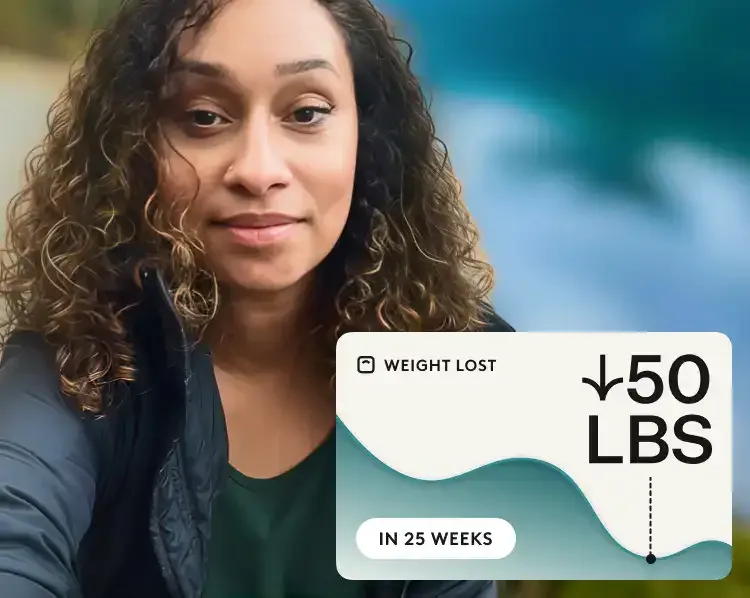
“My favorite parts of Noom are the care team and other Noomers. Sharing and getting help made me feel like I wasn’t doing it alone. That support made all the difference.”
Desirea N. — Real Noom user
Matthew M. — Real Noom user
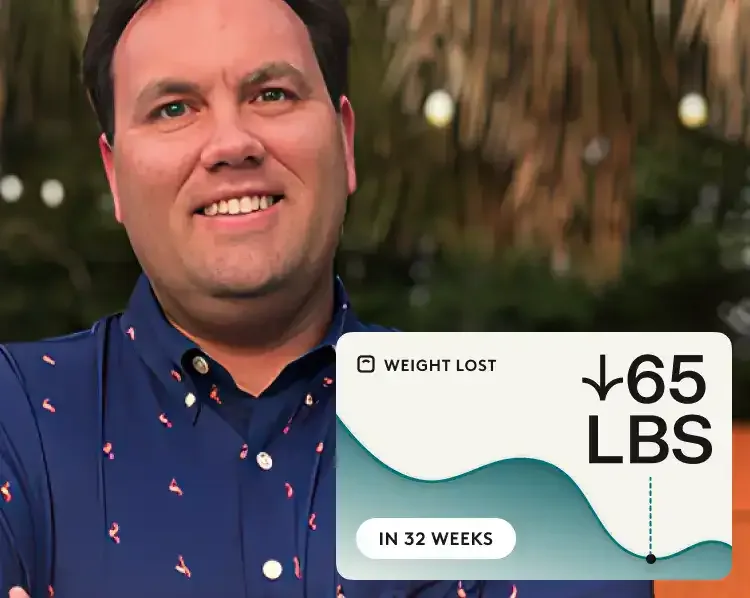
“Noom has taught me that every day is a new chance to make better, healthier choices. It's taught me how to stop overeating.’’
Matthew M. — Real Noom user
Lila M. — Real Noom user
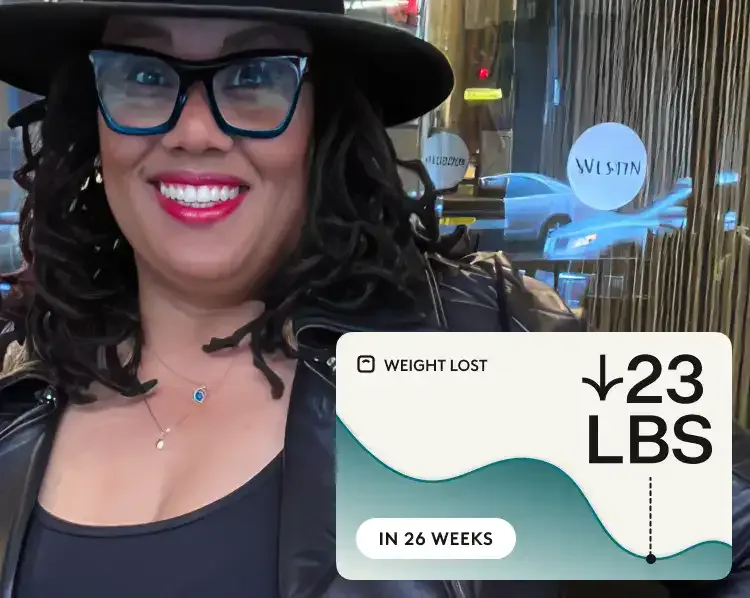
“Clinicians who understand how supportive medication can be is one of the best parts of Noom! I was convinced I wouldn’t have success but I’m down 11 pounds in two months.’’
Lila M. — Real Noom user
Steve M. — Real Noom user
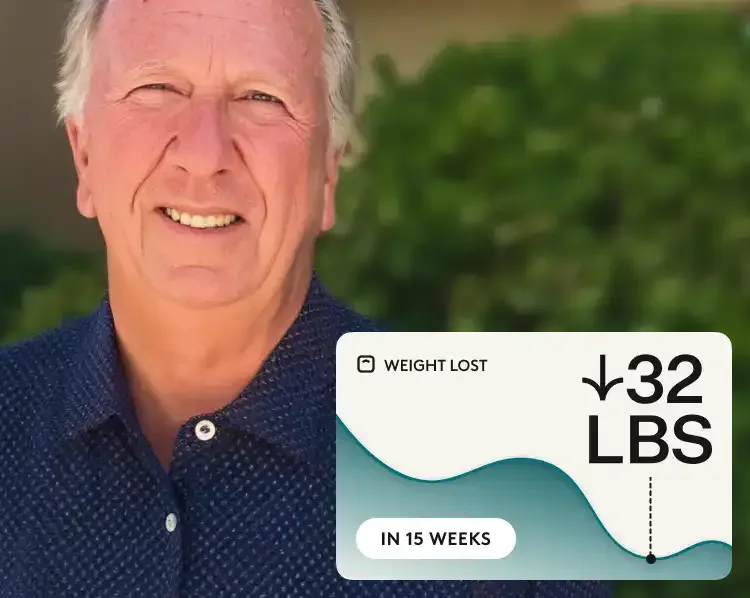
“Noom provided me with the medication which I could not get through Medicare. I have learned the tricks to better eating and life in general.”
Steve M. – Real Noom user
Daisy R. — Real Noom user
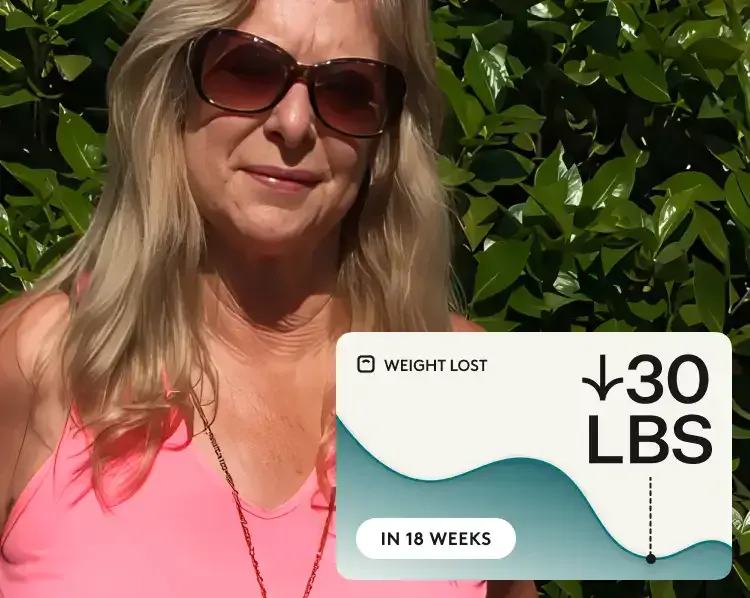
‘’Noom has changed my life and I’m so thankful, I feel great, have more energy and am no longer prediabetic.”
Daisy R. – Real Noom user
Sarah R. — Real Noom user
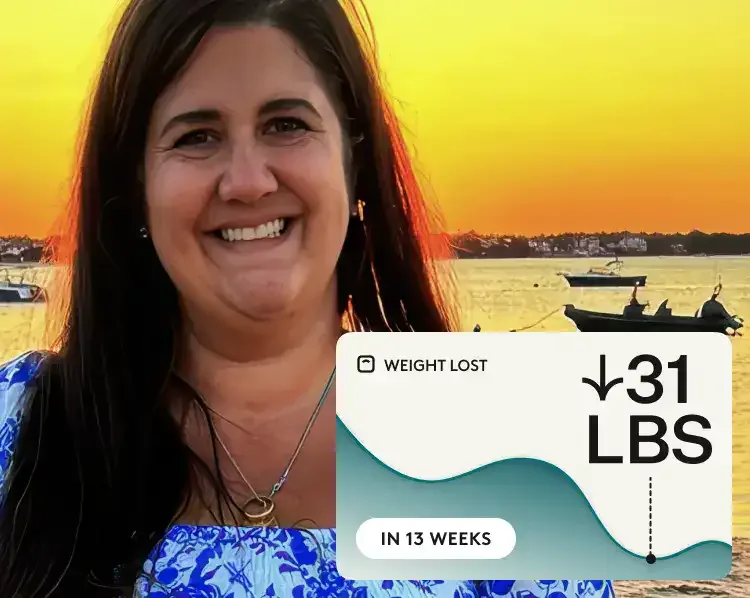
“All of the Noom providers that I’ve met with have been exceptional and prescribed medications that are appropriate for my situation and health.”
Sarah R. – Real Noom user
Madison S. — Real Noom user
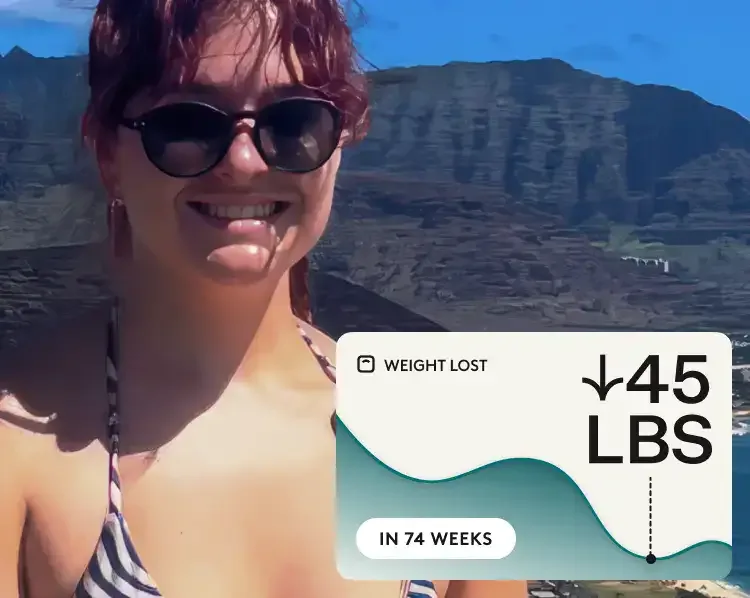
“Noom made the process so simple and now I feel full, free from diet obsession, and at ease in my body again.”
Madison S. – Real Noom user
Sonday K. — Real Noom user
“My doctor recommended Noom after I was frustrated trying to lose weight. The lessons helped change my relationship with food. My body feels lighter & energized.”
Sonday K. – Real Noom user
Cam K. — Real Noom user
“I built healthy habits with coaching and lessons that make me confident I can maintain my weight loss long term.”
Cam K. – Real Noom user
Laura TR. — Real Noom user
“With the right medication through Noom, hunger and sugar cravings finally quieted and I have the tools to break the cycle.”
Laura TR. – Real Noom user
Jessica S. — Real Noom user
“Cravings and food noise are gone, I finally feel confident in the healthy habits I’ve built to last with Noom.”
Jessica S. – Real Noom user
The bottom line: Both orforglipron vs. tirzepatide can help people lose weight, but costs, effectiveness, and use vary
Orforglipron (Foundayo®) and tirzepatide (Zepbound®) are two effective medications that can help support long-term weight loss by reducing appetite, slowing digestion, and improving blood sugar regulation. While tirzepatide has produced greater average weight loss in clinical trials, orforglipron offers something many people have been waiting for: a daily GLP-1 pill that doesn’t require injections or special timing around meals.
The right choice isn’t necessarily the medication associated with the largest average weight loss. It may be the one you’re most likely to take consistently, can tolerate well, and can afford long-term. Factors like side effects, insurance coverage, lifestyle, medical history, and whether you prefer a daily pill or weekly injection can all influence which option makes the most sense.
Whichever medication you use, it works best when paired with healthy habits, ongoing support, and a plan you can stick with over time. If you qualify for Noom Med, our clinicians can help you explore your options and prescribe the right medication for you. Then the program and your Care team will help you build lasting habits alongside your treatment.
Editorial standards
At Noom, we’re committed to providing health information that’s grounded in reliable science and expert review. Our content is created with the support of qualified professionals and based on well-established research from trusted medical and scientific organizations. Learn more about the experts behind our content on our Health Expert Team page.