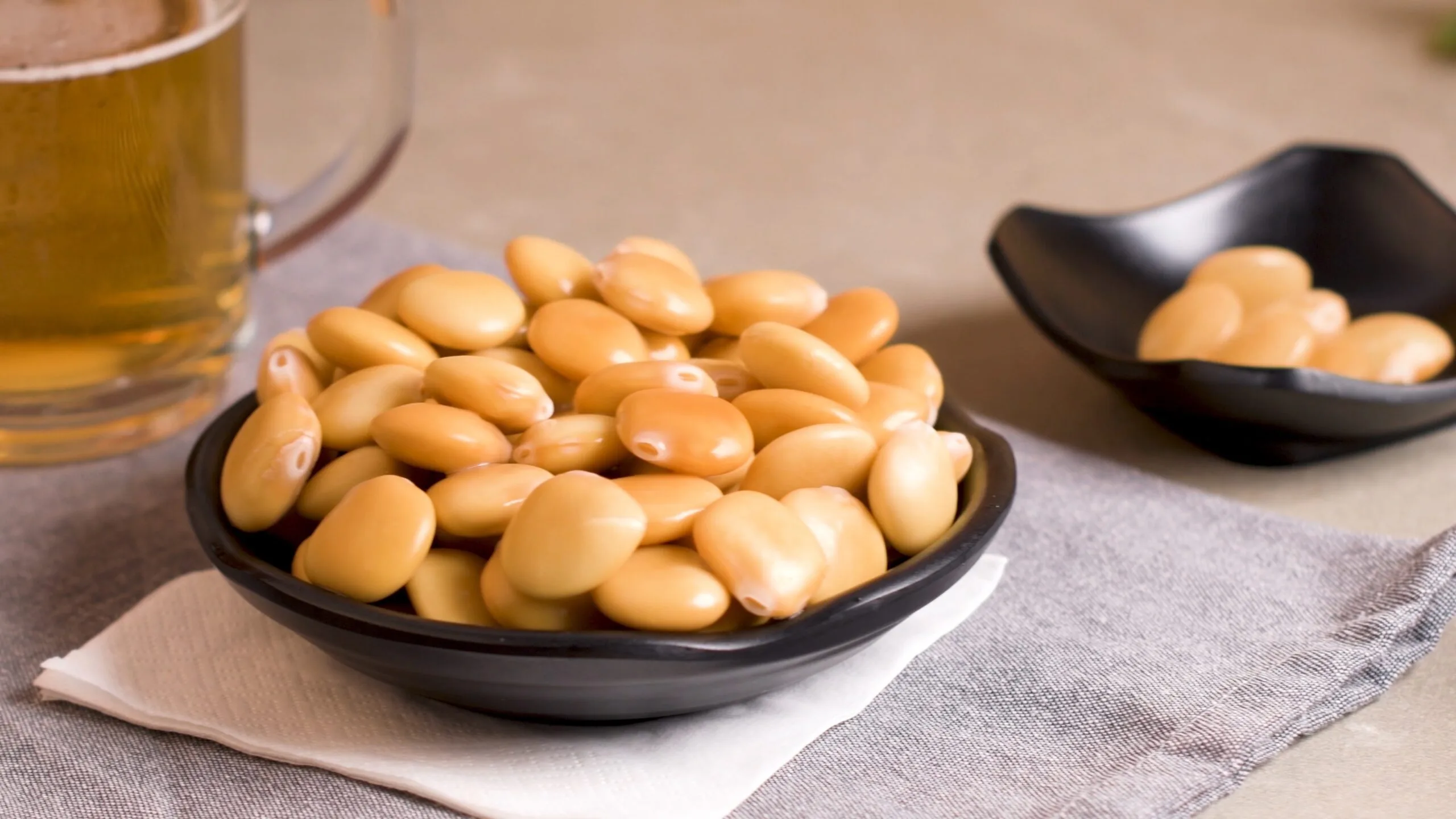
Lupini beans may seem like a new discovery thanks to social media, but they’ve been enjoyed for generations in Mediterranean countries like Italy, Portugal, and Lebanon. Recently, they’ve started showing up in Trader Joe’s hauls, high-protein recipes, and snack reviews, with many people wondering whether they’re worth adding to their grocery list.
From a nutrition standpoint, lupini beans have a lot going for them. A half-cup serving (about 3 ounces) provides around 13 grams of protein for about 100 calories, along with very little impact on blood sugar. That combination of protein and slow digestion can help you stay fuller between meals, making lupini beans a satisfying snack or addition to meals if you’re working toward a weight-loss goal.
Like any packaged food, there are a few things to keep in mind. Some jarred or packaged varieties are high in sodium, and people with peanut or soy allergies may also react to lupini beans. Here’s what to know about their nutrition, potential health benefits, and whether they deserve a place in your routine.
✅ Quick answer
Yes—lupini beans can be a smart choice if you’re trying to lose weight. A half-cup serving (about 3 ounces) provides around 13 grams of protein and 2 grams of fiber for about 100 calories. That combination can help you feel fuller for longer, making it easier to manage hunger between meals. Lupini beans are also very low in starch and have a minimal effect on blood sugar, which may keep energy steady.
🚀 Weight-loss benefits of lupini beans
- Lupini beans are high in protein for their calories. A half-cup serving provides about 13 grams of protein for only 100 calories, giving them one of the best protein-to-calorie ratios among legumes. Protein digests more slowly than carbohydrates, helping you stay full longer while supporting muscle maintenance during weight loss.
- Lupini beans are very low in starch and digestible carbs. A half-cup contains about 8 grams of total carbohydrates, with much of that coming from fiber rather than starch. Because they have very little impact on blood sugar, they may help support steadier energy levels and reduce the hunger that can follow rapid spikes and drops in blood sugar.
- Lupini beans provide fiber that supports fullness. While a half-cup contains about 2 grams of fiber, it still helps slow digestion and adds bulk to meals. Enjoying lupini beans as a snack or alongside a higher-carbohydrate meal may also help blunt the post-meal rise in blood sugar, which can promote more stable energy and help keep hunger in check.
⚠️ Things to be mindful of
- Lupini beans can be high in sodium. Most packaged lupini beans are sold in a salted brine, and a half-cup serving may contain 200 to 300 milligrams of sodium or more, depending on the brand. Draining and rinsing the beans before eating can help reduce the sodium content.
- Lupini beans may trigger allergies in some people. Lupin proteins are similar to those found in peanuts and soybeans, so some people with peanut or soy allergies may also react to lupini beans. If you have a known legume allergy, talk with your healthcare provider before trying them.
- Lupini beans must be prepared properly. Raw bitter lupin beans naturally contain alkaloids that can be toxic if they’re not processed correctly. Packaged canned or brined lupini beans have already been debittered and are safe to eat. If you’re preparing dried bitter lupin beans at home, they must be soaked and rinsed repeatedly over several days to remove these compounds before eating.
🥗 Nutrients in lupini beans (per ½ cup, cooked, about 3 oz)
| Nutrient | Amount | % RDA* |
|---|---|---|
| Calories | 100 calories | 5% |
| Protein | 13 g | 26% |
| Total carbs | 8 g | 3% |
| Fiber | 2 g | 7% |
| Sugars | 0 g | — |
| Total fat | 2 g | 3% |
| – Saturated fat | 0.2 g | 1% |
| – Monounsaturated fat | 1 g | — |
| – Polyunsaturated fat | 0.5 g | — |
*Recommended dietary allowance (RDA) is defined as the average daily amount of nutrients needed to meet the requirements of nearly all healthy people in a specific group.
New from Noom
Microdose GLP-1Rx Plus
An affordable way to start your GLP-1 journey with Compounded Tirzepatide.

*Initial 3 week subscription and 4 weeks of medication from $79 plus tax and $199 per month plus tax for 12 week subscription thereafter. Final pricing depends on program selection. Noom GLP-1Rx Plus Microdose Program involves medication (when appropriate), healthy diet, exercise and support. Individual results vary. Meds & personalization based on need as determined by a third-party clinician. Medications are not reviewed by FDA for safety, efficacy, or quality. No affiliation with Eli Lilly and Company, the only US source of FDA-approved tirzepatide. Not available in all 50 US states.
Lupini beans are best known for their protein. A half-cup serving provides about 13 grams—roughly one-quarter of an average adult’s daily protein needs—while keeping calories relatively low. They also contain all nine essential amino acids, making them one of the few plant foods considered a complete protein.
They’re also naturally low in starch, sugar, and fat. Most of their carbohydrates come from fiber rather than rapidly digested starch, and the small amount of fat they contain is primarily unsaturated. Together, those qualities make lupini beans a filling option that can fit well into a balanced eating pattern.
💊 Vitamins & minerals in lupini beans (per ½ cup, cooked, about 3 oz)
| Vitamin/Mineral | Amount | % RDA* |
|---|---|---|
| Manganese | 0.58 mg | 25% |
| Copper | 0.20 mg | 22% |
| Folate | 51 mcg | 13% |
| Zinc | 1.2 mg | 11% |
| Magnesium | 46 mg | 11% |
| Thiamin (B1) | 0.11 mg | 9% |
| Phosphorus | 109 mg | 9% |
| Iron | 1.0 mg | 6% |
| Potassium | 208 mg | 4% |
| Selenium | 2.2 mcg | 4% |
| Calcium | 43 mg | 3% |
*Based on FDA Daily Values for adults on a 2,000-calorie diet.
Lupini beans provide more than just protein. They’re a good source of several minerals, including manganese and copper, which help support normal metabolism and protect cells from oxidative stress. They also provide folate, a B vitamin that’s important for making healthy red blood cells and supporting healthy fetal development during pregnancy.
You’ll also get smaller amounts of magnesium, zinc, phosphorus, and thiamin. These nutrients play roles in everything from energy production and nerve function to muscle health and normal immune function. While lupini beans aren’t an exceptionally rich source of any one vitamin or mineral, they contribute to your overall nutrient intake while adding protein and fiber to your meal or snack.
🔍 Nutrient breakdown
Glycemic index (GI) of lupini beans
Glycemic index: under 15 (Low)
💡 Their combination of protein, fiber, and minimal starch means they have little impact on blood sugar, which may help support steadier energy and fullness as part of a balanced meal.
Are lupini beans high in protein?
✔️ Yes: lupini beans contain about 13 grams of protein per half-cup serving, more than most other beans and on par with some animal proteins by weight. They also provide all nine essential amino acids, which is uncommon for a plant food.
Better protein alternatives: Edamame | Lentils | Greek yogurt
Are lupini beans high in fiber?
➖ Not compared with most beans. A typical serving provides a modest amount of fiber, though the exact amount varies by product. While lupini beans aren’t a fiber standout, they make up for it with an unusually high protein content and relatively few calories.
Are lupini beans low in carbs?
✔️ Yes. Lupini beans contain about 8 grams of total carbohydrates per half-cup serving, with around 2 grams coming from fiber. That leaves about 6 grams of net carbs, making them lower in digestible carbohydrates than many other legumes. Their combination of relatively few net carbs and plenty of protein makes them a filling option for a variety of eating patterns.
Are lupini beans gluten-free?
✔️ Yes. Lupini beans are naturally gluten-free because they’re a legume, not a grain. They can be a good source of plant-based protein for people following a gluten-free diet. If you have Celiac disease or a gluten sensitivity, check the label to make sure the product hasn’t been exposed to gluten during processing. People with peanut or soy allergies should also talk with their healthcare provider before trying lupini beans, since allergic cross-reactivity can occur.
Are lupini beans good for fat loss?
✔️ They can be. Lupini beans are high in protein and relatively low in calories, which can help you feel full and make it easier to stick to a calorie deficit over time. Like any single food, they won’t cause fat loss on their own, but they can be a satisfying, nutrient-dense addition to an overall eating pattern that supports your goals.
🍽️ Diet compatibility: Which diets include lupini beans?
| Diet | ✅ / ❌ | Why |
|---|---|---|
| Keto | ✅ | With roughly 6 grams of net carbs per half-cup serving, lupini beans fit comfortably within most keto carb budgets. Their high protein and moderate fat content also align with the macro targets keto dieters track. |
| Paleo | ❌ | Strict paleo eating excludes legumes, including lupini beans, regardless of their nutrient profile. Some modified paleo approaches make exceptions for nutrient-dense legumes, but this varies by interpretation. |
| Mediterranean | ✅ | Lupini beans are a traditional Mediterranean snack food, eaten for centuries throughout Italy, Spain, and Greece. They fit naturally into the legume-forward, plant-heavy pattern the diet emphasizes. |
| Vegan | ✅ | As a plant-based legume, lupini beans provide complete protein without any animal products, making them a useful staple for vegan diets. They’re especially valuable given how few plant foods supply all essential amino acids. |
| Gluten-free | ✅ | Lupini beans contain no gluten naturally, since they’re a legume rather than a wheat-based product. They’re safe for people with celiac disease or gluten intolerance. |
Lupini beans work across most major eating plans except for strict paleo, which excludes legumes as a category. Their combination of low carbs, no gluten, and complete protein makes them a flexible addition to keto, Mediterranean, and vegan diets in particular.
The main practical consideration across all of these patterns is sodium. Brined lupini beans can be high in salt, so rinsing them thoroughly before eating helps them fit more comfortably into diets that also emphasize lower sodium intake, like many Mediterranean-style eating plans.
🌟 Are lupini beans healthy? What are the health benefits?
Metabolic health: Are lupini beans good for your metabolism?
- Do lupini beans boost metabolism? ➖ Not directly. Lupini beans haven’t been shown to increase metabolic rate. Like other high-protein foods, they require slightly more energy to digest than carbohydrates or fat, but the effect is modest and isn’t enough to meaningfully change calorie burn on its own.
- Do lupini beans improve insulin sensitivity? 🟡 They may support healthy blood sugar control. Research suggests lupin-based foods can reduce the rise in blood sugar after a meal, particularly when they’re eaten with higher-carbohydrate foods. More research is needed to know whether regularly eating lupini beans improves insulin sensitivity over the long term.
- Do lupini beans help reduce body fat? 🟡 Possibly, but the evidence is limited. Some studies have found small reductions in body weight or fat mass when people ate lupin-enriched foods, but the changes weren’t consistently significant. Lupini beans are most likely to support fat loss by helping you stay full and making it easier to maintain a calorie deficit as part of an overall healthy eating pattern.
Cholesterol impact: Do lupini beans affect cholesterol levels?
- Do lupini beans lower LDL (“bad”) cholesterol? 🟡 Possibly. Some studies have found that concentrated lupin protein can lower LDL cholesterol in people with elevated cholesterol levels. However, these studies used isolated lupin protein rather than whole lupini beans, so it’s not clear whether eating the beans has the same effect.
- Do lupini beans raise HDL (“good”) cholesterol? 🟡 The evidence is limited. One study found a temporary increase in HDL cholesterol with lupin protein supplementation, but the effect didn’t last throughout the study. More research is needed to understand whether whole lupini beans have a meaningful impact on HDL levels.
- Are lupini beans good for heart health? ✔️ They can be part of a heart-healthy eating pattern. Lupini beans are high in plant protein and provide fiber, magnesium, and potassium, nutrients that support overall cardiovascular health. While more research is needed on whole lupini beans specifically, replacing less nutritious snacks with beans and other legumes is a well-supported strategy for supporting heart health.
Can you eat lupini beans in a calorie deficit?
✔️ Yes. A half-cup serving of lupini beans provides about 13 grams of protein for around 100 calories, making them a filling, nutrient-dense choice when you’re trying to eat fewer calories. They work well as a snack or as a protein boost in salads, grain bowls, and other meals, helping you stay satisfied while leaving room in your calorie budget for a variety of other nutritious foods.
Are lupini beans rich in antioxidants?
🟡 They contain antioxidants, but they aren’t among the richest sources. Lupini beans provide naturally occurring plant compounds, including polyphenols such as flavonoids and phenolic acids, that help protect cells from oxidative stress. While the amount varies by variety and preparation method, they’re best thought of as one of many foods that contribute antioxidants as part of an overall plant-rich eating pattern.
Do lupini beans support gut health?
✔️ They may. Lupini beans provide fiber that supports healthy digestion and helps promote regular bowel movements. Some research also suggests that fiber from lupin can support beneficial gut bacteria, although more studies are needed to understand its long-term effects on the gut microbiome. For overall gut health, lupini beans can be part of a balanced eating pattern that also includes a variety of fiber-rich plant foods and fermented foods, such as kimchi.
Do lupini beans support digestion?
✔️ They can. Lupini beans provide fiber that helps support healthy digestion and regular bowel movements while also contributing to feelings of fullness after eating. If you’re not used to eating beans or other high-fiber foods, introducing lupini beans gradually may help minimize gas or bloating as your digestive system adjusts.
Do lupini beans help you feel satiated and less hungry?
✔️ They can. Lupini beans are high in protein and contain fiber, two nutrients that help promote fullness. Research suggests that foods made with lupin can increase feelings of satiety and, in some studies, lead people to eat fewer calories at subsequent meals. Some longer-term studies have also found modest weight loss, likely because participants naturally ate less over time. While more research on whole lupini beans is needed, they can be a satisfying snack or meal addition that supports healthy eating habits.
Satiety level: High
Do lupini beans help with nighttime cravings?
🟡 They may. Because lupini beans provide protein and fiber, they can be a satisfying snack that helps you stay full between meals. If evening cravings are driven by hunger, eating a protein-rich, high-fiber snack like lupini beans may help reduce the urge to reach for less filling, higher-calorie foods. Nighttime cravings can also be influenced by habits, stress, or lack of sleep, so no single food will prevent them on its own.
Do lupini beans help reduce inflammation?
🟡 They may contribute to an anti-inflammatory eating pattern. Lupini beans contain polyphenols and other plant compounds with antioxidant and anti-inflammatory properties. While laboratory and animal studies are promising, there isn’t enough human research to conclude that eating lupini beans alone reduces inflammation.
Are lupini beans beneficial for brain health?
🟡 They support overall nutrition that’s important for brain health. Lupini beans provide nutrients such as folate and thiamin, which help support normal nervous system function and energy metabolism. Their combination of protein and relatively few digestible carbohydrates may also help promote steadier energy levels throughout the day, but they haven’t been shown to directly improve memory or cognitive function.
Can lupini beans improve skin and hair health?
🟡 They provide nutrients that support healthy skin and hair. Lupini beans contain protein, zinc, and copper, which are involved in tissue repair and collagen production. However, there’s no evidence that eating lupini beans specifically improves skin or hair health on their own.
Can lupini beans help balance hormones?
– Not directly. Lupini beans don’t contain compounds known to regulate hormones. However, their protein, fiber, and low glycemic impact can support healthy blood sugar control, which is an important part of overall metabolic health. For people with insulin resistance, that may indirectly support normal hormone function as part of a balanced eating pattern.
🍽️ Best ways to eat lupini beans for weight loss
- Enjoy them as a high-protein snack. Drain and rinse brined lupini beans, then portion about a half-cup into a small container for an easy grab-and-go snack. Their protein can help keep you satisfied between meals.
- Add them to salads and grain bowls. Lupini beans are an easy way to boost the protein content of salads, grain bowls, and roasted vegetable dishes. Pairing them with vegetables and a healthy fat, such as an olive oil-based dressing, can make for a more balanced and satisfying meal.
- Keep preparation simple. Lupini beans are naturally nutrient-dense, so they don’t need much to taste good. Instead of breading or frying them, try seasoning them with herbs, spices, lemon juice, or a drizzle of olive oil. If you’re using brined beans, rinsing them first can also help reduce their sodium content.
Recipes to try:
- Crispy Roasted Lupini Beans — Wholesome Yum
- Classic Marinated Lupini Beans — Mangia with Nonna
- Italian Lupini Bean Salad with Crushed Pistachio — Plant Based with Amy
🍏 Best alternatives & comparisons (per ½ cup, cooked)
| Food | Calories | Carbs | Fiber | Protein | Fat |
|---|---|---|---|---|---|
| Lupini beans | 100 | 8 g | 2 g | 13 g | 2 g |
| Edamame | 95 | 7 g | 4 g | 9 g | 4 g |
| Chickpeas | 134 | 22 g | 7 g | 7 g | 2 g |
| Lentils | 115 | 20 g | 8 g | 9 g | 0 g |
| Black beans | 114 | 21 g | 8 g | 8 g | 0 g |
| Greek yogurt (plain, 2%) | 90 | 5 g | 0 g | 12 g | 2 g |
Lupini beans are one of the most protein-dense legumes, providing more protein for their calories than chickpeas, lentils, or black beans. They also contain fewer digestible carbohydrates than many other beans, making them a filling option for people looking to increase protein without adding many calories.
On the other hand, lupini beans provide less fiber than many other legumes. Lentils, black beans, and chickpeas are all better sources of fiber, while edamame offers a balance of protein, fiber, and healthy fats. Rather than choosing one “best” bean, consider rotating different legumes throughout the week. That way, you can take advantage of each one’s unique nutritional strengths while adding more variety to your meals.
Frequently asked questions about lupini beans and weight loss
How many lupini beans should I eat per day for weight loss?
A half-cup serving is a good place to start. It provides about 13 grams of protein for around 100 calories, making it an easy way to add satisfying protein to meals or snacks while staying within your calorie goals.
Can I eat lupini beans every day?
Lupini beans can be part of a healthy daily eating pattern. If you’re choosing brined varieties, rinsing them before eating or opting for a lower-sodium product can help keep your sodium intake in check.
Access GLP-1 Weight Loss with Noom
Explore a wide range of prescription medications supported by Noom’s program.Microdose GLP-1rx
Noom GLP-1rx
Noom GLP-1rx Plus
Wegovy®
Ozempic®

Metformin
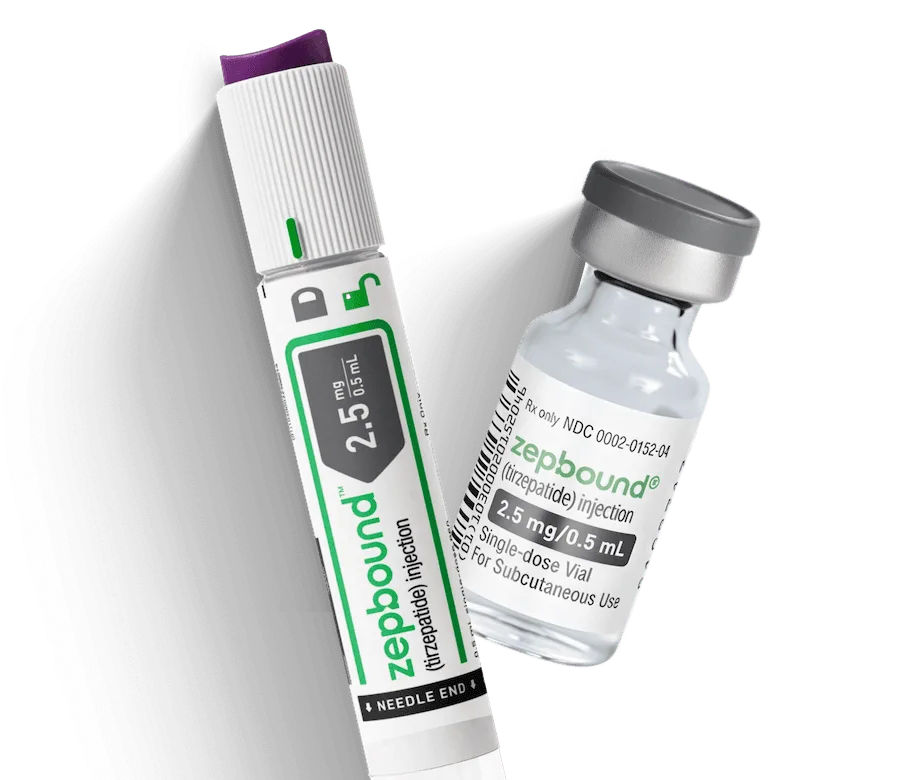
Zepbound®
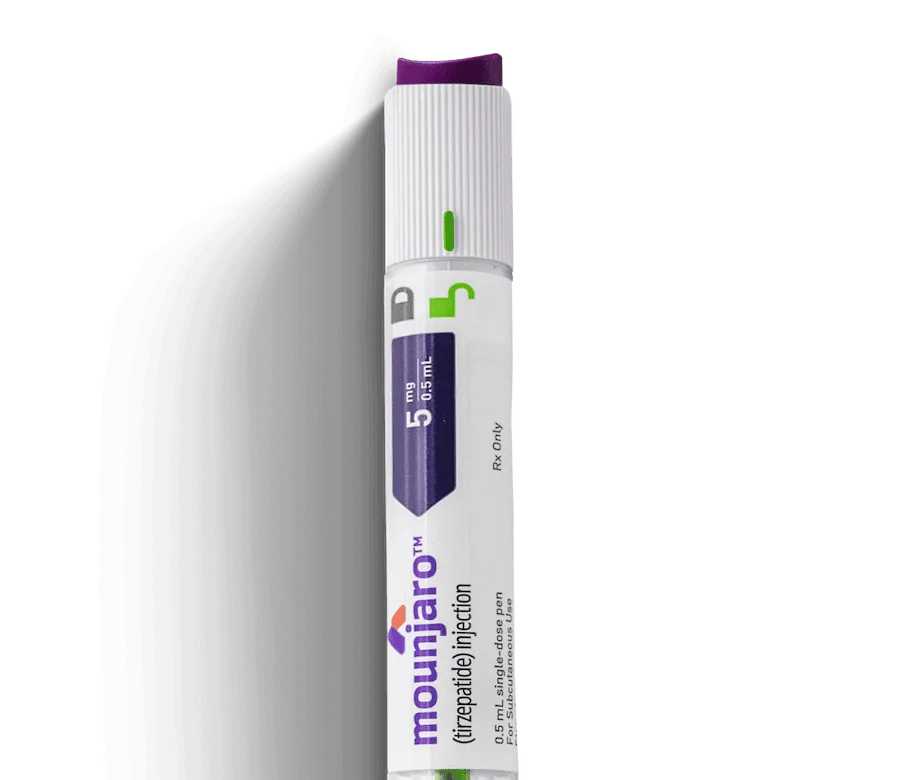
Mounjaro®
Liraglutide
Are lupini beans safe for people with diabetes?
Lupini beans are low in digestible carbohydrates and have a very low glycemic index, so they tend to have little effect on blood sugar. If you have type 2 diabetes or another condition that affects blood sugar, it’s still a good idea to discuss dietary changes with your healthcare provider.
Do lupini beans cause bloating?
They can at first. Like many high-fiber legumes, lupini beans may cause gas or bloating when you first add them to your diet. Starting with a smaller portion and increasing it gradually can help your digestive system adjust.
Are canned or jarred lupini beans as healthy as dried ones?
The protein and other nutrients are similar, but jarred or brined lupini beans are usually higher in sodium. Rinsing them before eating can help reduce the sodium while preserving their nutritional value.
Can pregnant women eat lupini beans?
Properly prepared lupini beans can be part of a healthy pregnancy diet and provide protein, folate, and other nutrients. Because lupin can cross-react with peanut and soy allergies, anyone with those allergies should avoid lupini beans unless advised otherwise by their healthcare provider. Pregnant women with questions about their diet should also discuss them with their prenatal care provider.
🧠 The bottom line: Lupini beans can be a smart addition to a weight-loss-friendly eating pattern.
Lupini beans pack an impressive amount of protein into a relatively small number of calories, making them a filling snack or easy way to add more plant-based protein to meals. Research suggests they may help support fullness, which can make it easier to stick with healthy habits over time.
The simplest way to enjoy them is on their own as a snack or tossed into salads, grain bowls, and other meals for an extra protein boost. Just keep an eye on sodium if you’re buying brined varieties, and rinse them before eating to remove some of the excess salt. If you have a peanut or soy allergy, talk with your healthcare provider before trying lupini beans, as cross-reactivity is possible.
Like any single food, lupini beans aren’t a weight-loss solution on their own. But as part of a balanced eating pattern, they can be a satisfying, nutrient-dense option that helps you stay fuller for longer.

See if your insurance
covers GLP-1s.
The form only takes 2 minutes to answer. We’ll handle the rest.
GET STARTED📖 Scientific evidence
- Lupin-containing foods may help increase fullness. (Nutrients, 2022) A review of clinical studies found that whole lupini beans and other foods made with lupin often increased feelings of fullness and, in some studies, helped people naturally eat fewer calories or experience modest weight loss over time. These findings suggest that whole lupini beans may be a satisfying addition to a weight-loss-friendly eating pattern, although more research on the beans themselves is still needed.
- Replacing some refined flour with lupin flour helped reduce the blood sugar impact of a meal. (European Journal of Clinical Nutrition, 2005) In a small crossover study, replacing part of the white flour in bread with Australian sweet lupin flour lowered the meal’s glycemic index without affecting how much participants liked the bread. The findings suggest that lupin-based foods may help reduce post-meal blood sugar spikes when used in place of more refined carbohydrates.
- Concentrated lupin protein may help lower LDL (“bad”) cholesterol. (Nutrition Journal, 2013) In a small randomized crossover trial, adults with elevated cholesterol who consumed 25 grams of lupin protein daily for eight weeks experienced lower LDL cholesterol and an improved LDL-to-HDL ratio. Because the study used isolated lupin protein rather than whole lupini beans, more research is needed to know whether eating the beans provides similar benefits.
- Lupin protein may support healthy cholesterol levels. (Clinical Nutrition, 2015) In a randomized trial of adults with elevated cholesterol, consuming 25 grams of lupin protein daily in foods such as bread and sausage lowered LDL (“bad”) cholesterol and triglycerides compared with milk protein. Because the study evaluated added lupin protein rather than whole lupini beans, more research is needed to determine whether the beans have similar effects.
- Lupin-enriched foods may support weight management, but the evidence is mixed. (International Journal of Obesity, 2010) In a 16-week trial of adults with BMIs over 25, participants who ate lupin-enriched bread consumed more protein and fiber than the control group. Although they tended to lose more body weight and fat mass, the differences between the groups were not statistically significant.
Editorial standards
At Noom, we’re committed to providing health information that’s grounded in reliable science and expert review. Our content is created with the support of qualified professionals and based on well-established research from trusted medical and scientific organizations. Learn more about the experts behind our content on our Health Expert Team page.