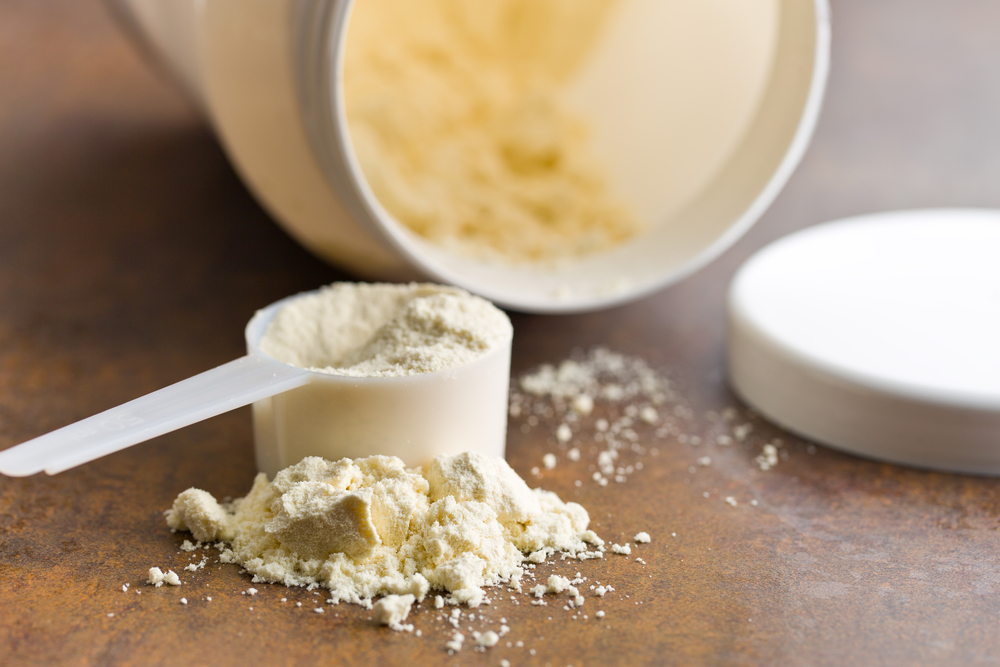
Whey protein has earned a reputation as one of the most popular supplements for people trying to lose weight, and there’s good reason for that. It’s a high-quality protein that can help you feel fuller between meals, preserve muscle mass during weight loss, and make it easier to reach your daily protein goals.
That doesn’t mean whey protein directly causes weight loss. No protein powder can create fat loss on its own. Weight loss still comes down to maintaining a calorie deficit over time. But getting enough protein is one of the most effective ways to make that process easier, and whey protein happens to be a convenient, efficient source.
Research consistently shows that higher-protein diets can help reduce hunger, improve feelings of fullness, and support the retention of lean muscle during weight loss. That’s important because when people lose weight, they often lose both fat and muscle. Adequate protein intake, combined with physical activity, can help shift that balance toward losing more fat while preserving more muscle.
Whey protein can also help fill a practical gap. Many people struggle to get enough protein from food alone, especially at breakfast or during busy workdays. A scoop of whey protein can provide roughly 20 to 30 grams of protein for around 100 to 150 calories, making it an easy way to increase protein intake without increasing calories too much.
So, is whey protein good for weight loss? For many people, yes. Not because it’s a magic fat-burning ingredient, but because it can support the habits that make sustainable weight loss easier.

The Easy Way
to lose weight and get healthy.
Before diving into the specific weight-loss benefits, it helps to understand what whey protein actually is and the different forms you’ll find on store shelves.
✅ Quick answer
Yes—whey protein is a smart addition to a weight-loss plan for most people. It delivers a high amount of quality, complete protein in very few calories, which helps reduce hunger and preserve lean muscle during a calorie deficit.
🚀 Weight-loss benefits
- Whey protein can make a calorie deficit easier to stick with – One of the biggest challenges of weight loss is managing hunger. Protein tends to be more filling than carbohydrates or fat, and whey protein can help increase protein intake without adding many calories.
- Whey protein helps support muscle maintenance during weight loss – Weight loss isn’t just about losing pounds; it’s also about preserving lean muscle. Getting enough protein can help reduce muscle loss during a calorie deficit, particularly when combined with regular physical activity. Whey protein is a convenient source of high-quality protein that can help you meet those needs.
- Whey protein can make it easier to reach your protein goals – Many people don’t get enough protein at breakfast or lunch. Whey protein can help fill that gap, making it easier to build meals and snacks that are satisfying and supportive of long-term weight-management goals.
⚠️ Things to be mindful of
- Whey protein calories can add up depending on how you use it – Whey protein itself is relatively calorie-efficient, with most servings providing about 100 to 130 calories. However, the ingredients commonly added to shakes—such as whole milk, nut butters, sweetened yogurt, or large portions of fruit—can significantly increase the calorie count. If weight loss is the goal, what you mix with whey protein can matter just as much as the protein powder itself.
- Whey protein isn’t a whole food – Whey protein is a highly processed source of protein that can be useful for convenience, but it doesn’t offer the same nutritional package as whole-food protein sources. Foods like eggs, Greek yogurt, fish, poultry, beans, and lentils provide protein alongside other nutrients that support overall health. Whey protein works best as a supplement to a balanced diet rather than a replacement for whole foods.
- Whey protein may cause digestive discomfort for some people – Some whey protein products, particularly whey concentrate, contain lactose. For people who are lactose intolerant or sensitive to dairy, this can lead to bloating, gas, or stomach discomfort. Whey isolate contains much less lactose and is often better tolerated.
🥗 Nutrients in whey protein isolate (per 1 scoop / 30 g)
| Nutrient | Amount | % RDA* |
|---|---|---|
| Calories | 113 calories | 6% |
| Protein | 25 g | 50% |
| Total carbs | 2 g | 1% |
| Fiber | 0 g | 0% |
| Sugars | 1 g | — |
| Total fat | 1.2 g | 2% |
| – Saturated fat | 0.7 g | 4% |
| – Monounsaturated fat | 0.3 g | — |
| – Polyunsaturated fat | 0.1 g | — |
| Omega-3 | 0.02 g | — |
| Omega-6 | 0.06 g | — |
*Recommended dietary allowance (RDA) is defined as the average daily amount of nutrients needed to meet the requirements of nearly all healthy people in a specific group.
Whey protein isolate is one of the most protein-dense foods available. A typical serving provides about 25 to 27 grams of protein for roughly 100 to 130 calories, making it an efficient way to increase protein intake without adding many calories.
To put that in perspective, a serving of whey isolate can provide about as much protein as 3 to 4 ounces of cooked chicken breast. That convenience is one reason whey protein has become a popular option for busy schedules, post-workout snacks, and higher-protein eating plans.
Whey isolate is also very low in carbohydrates and fat because most of the lactose and milk fat have been removed during processing. However, it contains little to no fiber. For that reason, whey protein is often best used alongside fiber-rich foods such as fruit, vegetables, oats, or other whole-food sources of carbohydrates rather than as a standalone meal.
💊 Vitamins & minerals in whey protein isolate (per 1 scoop / 30 g)
| Vitamin/Mineral | Amount | % RDA* |
|---|---|---|
| Vitamin B12 | 0.36 µg | 15% |
| Calcium | 180 mg | 14% |
| Phosphorus | 165 mg | 13% |
| Zinc | 1.4 mg | 13% |
| Vitamin B2 (Riboflavin) | 0.15 mg | 12% |
| Selenium | 5.5 µg | 10% |
| Magnesium | 27 mg | 6% |
| Vitamin B5 | 0.3 mg | 6% |
| Sodium | 100 mg | 4% |
| Potassium | 145 mg | 3% |
While whey protein is best known for its protein content, it also provides small amounts of several vitamins and minerals naturally found in milk. Calcium, phosphorus, and vitamin B12 are among the most notable contributors, while smaller amounts of zinc, selenium, magnesium, and potassium are also present.
Calcium and phosphorus help support bone health, and vitamin B12 plays an important role in red blood cell formation and energy metabolism. Whey protein can contribute to your overall intake of these nutrients, although it shouldn’t be relied on as a primary source.
The bigger nutritional story is still the protein. Compared with many protein-rich whole foods, the vitamin and mineral content of whey protein is relatively modest. Think of these nutrients as a bonus rather than the main reason to use whey protein.
🔍 Nutrient breakdown
Glycemic index (GI) of whey protein
Glycemic index: 15 (Low)
The Easy Way
to lose weight and get healthy.
💡 Tip: Whey protein has a low glycemic index and typically has little effect on blood sugar when consumed on its own. Some studies suggest that whey protein consumed before or with carbohydrate-rich foods may help blunt post-meal blood sugar spikes, making it a useful option for people looking to build more balanced meals.
Is whey protein high in protein?
✔️ Yes – Whey protein is very high in protein. Most servings provide about 25 grams of protein for roughly 100 to 130 calories, making it an efficient way to increase protein intake. Whey is also a complete protein, meaning it contains all nine essential amino acids.
Better whole food protein sources: Greek yogurt | Chicken breast | Eggs | Cottage cheese
Is whey protein high in fiber?
❌ No – 0 grams of fiber per serving. As a processed dairy product, it lacks the indigestible carbohydrates found in whole plant foods.
💡 Tip: Pair your shake with a high-fiber ingredient—like a handful of spinach, a tablespoon of ground flaxseed, or a small portion of oats—to support gut health and extend how long you stay full.
Is whey protein low in carbs?
✔️ Generally, yes – Most whey protein isolates are very low in carbohydrates, often containing just 1 to 3 grams per serving. Whey concentrates may contain slightly more because they retain more lactose, the natural sugar found in milk.
💡 Tip: Check the Nutrition Facts panel before buying. While plain whey protein is typically low in carbs, flavored powders may contain added sugars or other ingredients that increase the carbohydrate content. If keeping carbs low is a priority, whey isolate and unsweetened or lightly sweetened products are often the best choices.
Is whey protein gluten-free?
✔️ Usually, yes. Pure whey protein is naturally gluten-free because it’s derived from milk, not wheat, barley, or rye. However, some flavored protein powders may contain gluten-containing ingredients or be manufactured in facilities that also process gluten. If you have celiac disease or a medically diagnosed gluten-related disorder, look for products that are specifically labeled gluten-free or certified gluten-free.
Is whey protein good for fat loss?
✔️ It can be – Whey protein can support fat loss by helping you feel fuller, making it easier to maintain a calorie deficit, and helping preserve muscle during weight loss. Research consistently shows that higher-protein diets can improve satiety and help protect lean mass while losing weight.
💡 Tip: Whey protein doesn’t directly burn fat, and it won’t cause weight loss on its own. Think of it as a tool that can make a fat-loss plan easier to follow by helping you meet your protein goals with relatively few calories.
🍽️ Diet compatibility: Which diets include whey protein?
| Diet | ✅/❌ | Why |
|---|---|---|
| Keto | ✅ | With only about 2 grams of carbs per scoop, whey protein isolate fits easily within a ketogenic carb budget. Choose isolate over concentrate, which may have slightly more carbs and lactose. |
| Paleo | ❌ | The Paleo diet excludes both dairy and processed foods. Egg white protein or collagen peptides are more aligned with Paleo principles. |
| Mediterranean | ✅ | The Mediterranean diet doesn’t exclude supplementation. Whey protein can be a practical addition for anyone following a Mediterranean pattern who struggles to meet protein targets through food alone. |
| Vegan | ❌ | Whey is derived from cow’s milk. Pea protein, soy protein, and blended plant-based protein powders can replicate many of whey’s benefits—especially when multiple plant proteins are combined to cover all essential amino acids. |
| Gluten-free | ✅ | Pure whey protein is naturally free of gluten. People with celiac disease should verify that their chosen product carries certified gluten-free labeling. |
Whey protein fits naturally into most dietary patterns that allow dairy—keto, Mediterranean, and gluten-free eaters can all use it without much thought. The firm exceptions are vegan diets (dairy is excluded by definition) and strict Paleo approaches. For everyone else, whey is one of the most flexible protein tools available.
🌟 Is whey protein healthy? What are the health benefits?
Metabolic health: Is whey protein good for your metabolism?
- Boosts metabolism? ✔️ Somewhat – Protein has a higher thermic effect than carbohydrates or fat, meaning your body uses more energy to digest and process it. Whey protein can contribute to that effect, but the impact is modest. Its bigger metabolic benefit may be helping people maintain muscle while losing weight, since muscle tissue requires more energy to maintain than fat tissue.
- Improves insulin sensitivity? ⚠️ Potentially – Some research suggests whey protein may help improve blood sugar control, particularly when consumed before or alongside carbohydrate-rich meals. Whey protein can also reduce post-meal blood sugar spikes in some people. However, the evidence is stronger for improvements in post-meal glucose responses than for directly improving insulin sensitivity.
- Effect on body composition? ✔️ Potentially positive – When combined with a calorie-controlled diet and regular physical activity, whey protein may help preserve lean muscle during weight loss. Maintaining more muscle can contribute to a healthier body composition, even if the number on the scale doesn’t change dramatically.
Cholesterol impact: Does whey protein affect cholesterol levels?
- Does whey protein lower LDL (“bad”) cholesterol? ⚠️ Possibly – Some studies have found modest reductions in LDL cholesterol among people who regularly consume whey protein, particularly those with elevated BMIs or cholesterol levels. The findings aren’t consistent enough to consider whey protein a cholesterol-lowering treatment.
- Does whey protein raise HDL (“good”) cholesterol? ⚠️ Unclear – Research on HDL cholesterol has produced mixed results. Some studies have reported small increases, while others have found little or no effect. Overall, whey protein doesn’t appear to have a large impact on HDL levels.
- Overall impact on heart health? ✔️ Potentially positive – Some research suggests whey protein may have modest benefits for cardiovascular risk factors, including blood pressure and cholesterol levels. That said, the effects tend to be relatively small. Whey protein is best viewed as one component of a heart-healthy eating pattern rather than a specific strategy for improving cardiovascular health.
💡 Tip: When it comes to cholesterol and heart health, your overall eating pattern matters far more than any single food or supplement. Whey protein can be part of a balanced diet, but it’s most beneficial when paired with other heart-healthy foods such as vegetables, fruits, legumes, whole grains, nuts, and sources of unsaturated fats.
Can I use whey protein in a calorie deficit?
✔️ Yes. Whey protein can be a useful tool during a calorie deficit because it provides a large amount of protein for relatively few calories. Higher-protein diets are often associated with greater feelings of fullness and can help preserve muscle during weight loss, which may make a calorie deficit easier to maintain.
💡 Tip: If you’re trying to keep calories low, mixing whey protein with water will typically result in the fewest calories. Unsweetened almond milk or other unsweetened plant milks can also be lower-calorie alternatives to dairy milk. Just remember that the total calorie content depends on what you add to the shake, not just the protein powder itself.
Is whey protein rich in antioxidants?
⚠️ Not directly. Whey protein isn’t a significant source of antioxidants, but it does provide cysteine, an amino acid that your body uses to produce glutathione. Glutathione is one of the body’s most important natural antioxidants and helps protect cells from oxidative stress.
💡 Tip: If you’re looking to increase antioxidant intake, foods such as fruits, vegetables, nuts, seeds, herbs, and spices are much more important sources than whey protein. The primary nutritional benefit of whey protein remains its high-quality protein content.
Does whey protein support gut health?
⚠️ Potentially, but it’s not a major gut-health food. Some research suggests whey protein may have beneficial effects on the gut, but the evidence is still emerging. What is clear is that whey protein contains little to no fiber, which is one of the most important nutrients for supporting a healthy gut microbiome.
💡 Tip: If you’re using whey protein regularly, consider pairing it with fiber-rich foods such as fruit, oats, nuts, seeds, or vegetables. This can help create a more balanced meal and support overall digestive health.
Does whey protein support digestion?
✔️ Generally, it’s well tolerated by most people. Whey protein isolate contains very little lactose, making it easier to digest for many people compared with whey concentrate or other dairy products. However, digestive responses vary. Some people may experience bloating, gas, or stomach discomfort, particularly if they’re sensitive to lactose or certain ingredients added to flavored protein powders.
Does whey protein help you feel satiated and less hungry?
✔️ Yes. Whey protein is generally considered a satiating food, meaning it can help increase feelings of fullness and reduce hunger compared with lower-protein foods. Research suggests that higher-protein meals and snacks may help people stay satisfied longer, which can support weight-management goals.
Access GLP-1 Weight Loss with Noom
Explore a wide range of prescription medications supported by Noom’s program.
Microdose GLP-1rx
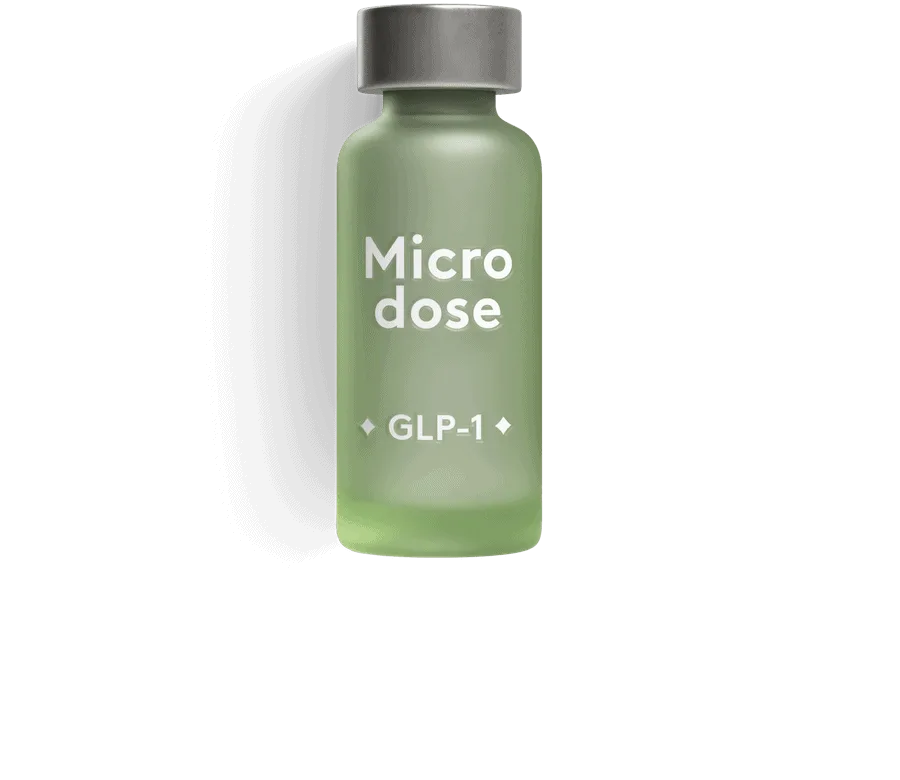
Noom GLP-1rx
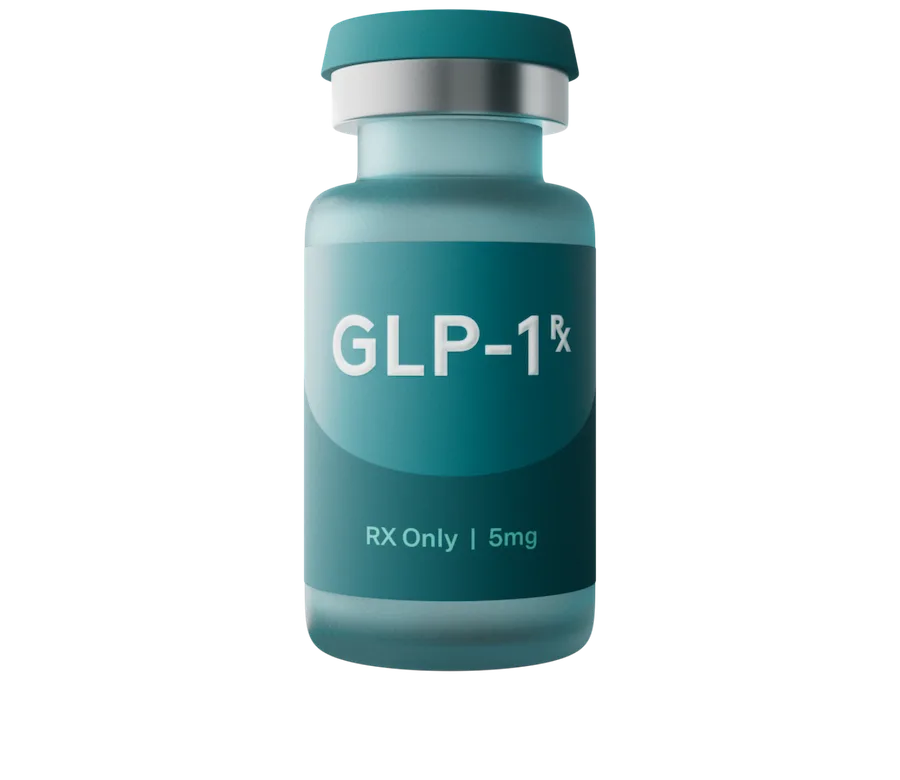
Noom GLP-1rx Plus
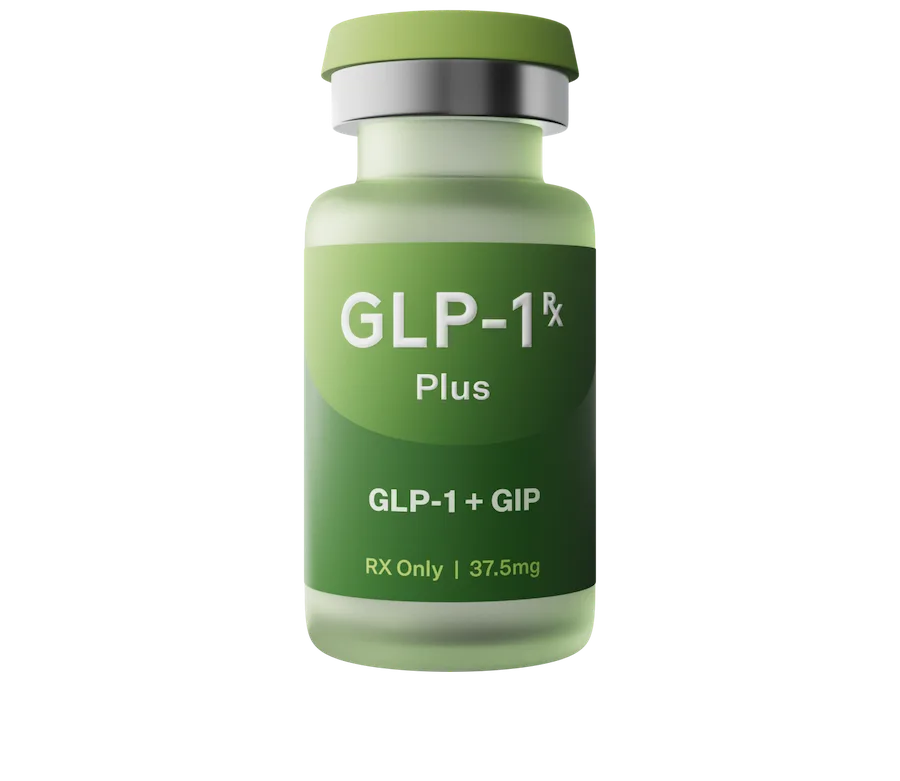
Wegovy®

Ozempic®

Metformin

Zepbound®

Mounjaro®
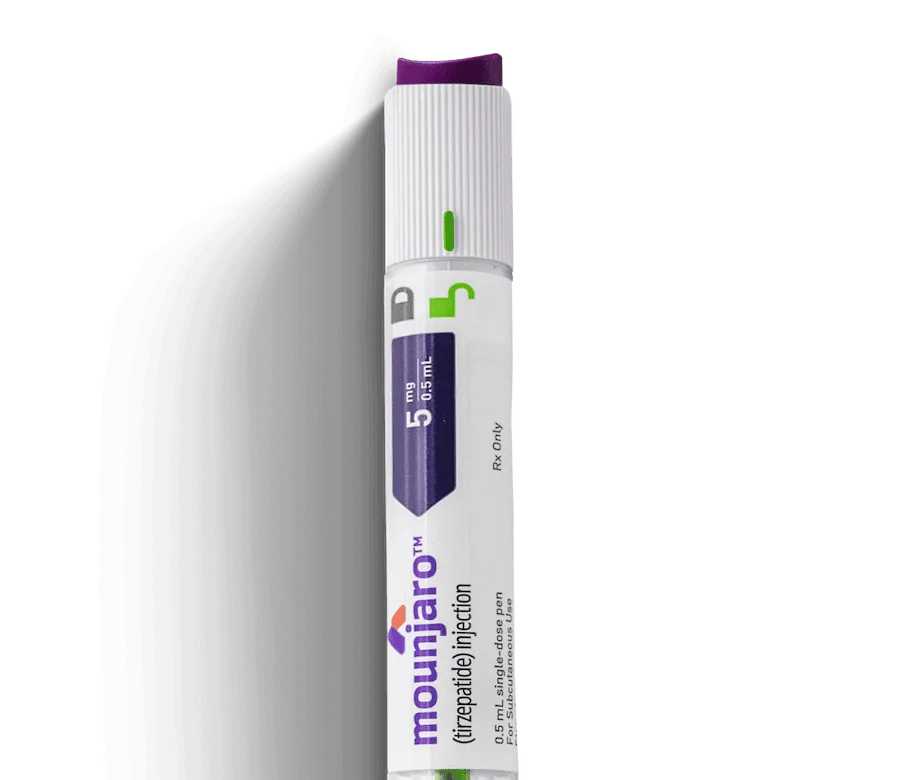
Liraglutide

Satiety level: High
💡 Tip: If your breakfast is low in protein, adding 15 to 20 grams of whey protein may help increase fullness and make it easier to stay satisfied until your next meal. The biggest benefit is often seen when whey protein is used to increase total daily protein intake rather than simply adding extra calories on top of your usual diet.
Does whey protein help with nighttime cravings?
⚠️ It may help. If nighttime cravings are driven by hunger or inadequate protein intake during the day, a whey protein shake may help you feel more satisfied than a typical high-carb snack. Because whey protein is relatively filling and provides a substantial amount of protein for few calories, it can be a reasonable option when you’re hungry in the evening.
💡 Tip: If you regularly feel hungry after dinner, look at your overall eating pattern as well. Many people find that increasing protein, fiber, or meal size earlier in the day reduces nighttime hunger more effectively than relying on a late-night snack.
Does whey protein help reduce inflammation?
⚠️ Potentially. Some research suggests whey protein may support the body’s natural antioxidant and inflammatory-response systems, but the evidence is not strong enough to consider it an anti-inflammatory food. Its primary benefit remains providing high-quality protein, which can support overall health and recovery.
Is whey protein beneficial for brain health?
⚠️ Potentially. Whey protein contains amino acids, including tryptophan, that your body uses to make neurotransmitters such as serotonin. Getting enough protein is important for overall health, including brain function, but there’s limited evidence that whey protein provides unique brain-health benefits beyond helping meet your protein needs.
Can whey protein improve skin and hair health?
✔️ It can help support them. Protein is required to build and maintain many of the structures that make up skin, hair, and nails. If your protein intake is inadequate, increasing it may support healthier skin and hair over time. However, whey protein is unlikely to produce noticeable cosmetic changes on its own if you’re already meeting your protein needs.
Can whey protein help support hormone health?
⚠️ Indirectly. Protein provides amino acids that the body uses to make and regulate many important compounds, including some hormones. Whey protein can help you meet your overall protein needs, but there is little evidence that it directly “balances” hormones. Factors such as sleep, stress, physical activity, body weight, and overall nutrition play much larger roles.
💡 Tip: Hormone health depends on your overall lifestyle and dietary pattern, not any single food or supplement. Whey protein can be a convenient way to increase protein intake, but it’s best viewed as one part of a balanced approach to health.
🍽️ Best ways to use whey protein for weight loss
- Add it to a high-protein breakfast smoothie – Whey protein can be an easy way to increase the protein content of your breakfast. Try blending a scoop with unsweetened milk or a plant-based alternative, fruit, and a source of fiber such as flaxseed or oats. Pairing protein with fiber may help create a more satisfying breakfast than one built primarily around refined carbohydrates.
- Stir it into blended soups – Unflavored whey protein can be mixed into pureed soups such as tomato, butternut squash, cauliflower, or carrot soup to increase the protein content without dramatically changing the flavor. Just add it after cooking and whisk well to prevent clumping.
- Mix it into pancake or waffle batter – Whey protein can replace a portion of the flour in pancakes or waffles, boosting the protein content of breakfast without requiring a separate shake. Pairing protein with a carbohydrate-rich breakfast may help make the meal more satisfying.
Types of whey protein: Concentrate vs. isolate vs. hydrolysate
Whey protein isn’t a single product. Depending on how it’s processed, it can be sold in three main forms: whey concentrate, whey isolate, and whey hydrolysate.
- Whey protein concentrate – Whey concentrate is the least processed form and the one most commonly found in protein powders. It typically contains between 70% and 80% protein by weight, with the remainder coming from small amounts of carbohydrates, lactose, and fat. Because it undergoes less processing, whey concentrate is usually the most affordable option. It also retains more of the naturally occurring compounds found in milk. For most healthy adults, it provides plenty of protein and is an effective choice for supporting weight loss and muscle maintenance.
- Whey protein isolate – Whey isolate undergoes additional filtration to remove most of the fat and lactose. The result is a product that is typically 90% protein or higher by weight. Because it contains less lactose, whey isolate is often easier to digest for people who are sensitive to dairy. It also delivers slightly more protein and fewer calories per serving than concentrate. For people focused on maximizing protein while minimizing calories, whey isolate is often the preferred option.
- Whey protein hydrolysate — Whey hydrolysate is processed further so that some of the protein is broken down into smaller peptides before consumption. This process is sometimes described as “pre-digestion.” Hydrolysate may be absorbed somewhat faster than other forms of whey, but for most people, the practical benefits are small. It is typically the most expensive form and is often used in specialized sports nutrition products, medical nutrition formulas, and certain infant formulas.
For weight loss, the differences between the three forms are relatively minor. The most important factor is finding a product you’ll use consistently, and that helps you meet your daily protein needs.
If you’re looking for the highest protein content with the fewest calories and the least lactose, whey isolate is often the best fit. If cost is a priority and you tolerate dairy well, whey concentrate can be just as effective. Whey hydrolysate is generally not necessary for weight loss and may not provide enough additional benefit to justify the higher price.
🍏 Whey vs. other protein powders (per 30 g serving)
| Protein powder | Calories | Carbs | Fiber | Protein | Fat |
|---|---|---|---|---|---|
| Whey protein isolate | 113 | 2 g | 0 g | 25 g | 1.2 g |
| Pea protein powder | 108 | 2 g | 1 g | 24 g | 2 g |
| Soy protein powder | 102 | 2.5 g | 0.5 g | 24 g | 1.2 g |
| Casein protein powder | 105 | 2 g | 0 g | 23 g | 1.2 g |
| Egg white powder | 111 | 1.2 g | 0 g | 25 g | 0.1 g |
Whey protein isolate competes closely with pea, soy, casein, and egg white protein powders on both protein content and calories—the differences between them are small enough that personal preference, digestive tolerance, and dietary values matter more than numbers. Egg white powder is the leanest option with virtually zero fat; pea protein has a slight fiber edge; soy protein is the best fit for vegans who want a complete amino acid profile.
The smart approach for most people is to use whey protein to fill gaps rather than replace whole food proteins entirely. If whey works for you—in terms of digestion, taste, and budget—it’s one of the most efficient protein sources available. If it doesn’t, any of the alternatives in this table will serve your weight-loss goals equally well.
❓ Frequently asked questions about whey protein and weight loss
How much whey protein should I take for weight loss?
There isn’t a specific amount of whey protein required for weight loss. Instead, whey protein is best viewed as a convenient way to help meet your daily protein needs. Many experts recommend aiming for roughly 0.7 to 1 gram of protein per pound of goal body weight during weight loss, particularly for active adults. Depending on your diet, that may mean using anywhere from a half scoop to two scoops of whey protein per day to help fill protein gaps.
Whole-food protein sources should still make up the majority of your protein intake whenever possible. Whey protein works best as a supplement to a balanced diet, not a replacement for it.
Is whey protein an ultra-processed food?
Technically, yes. Most whey protein powders are considered ultra-processed because they undergo multiple manufacturing steps to separate and concentrate the protein found in milk. Many products also contain added ingredients such as flavors, sweeteners, emulsifiers, or thickeners.
But the term “ultra-processed” doesn’t tell you everything about a food’s nutritional value. Unlike many ultra-processed foods that are high in added sugars, refined grains, or unhealthy fats, whey protein is primarily a concentrated source of protein. Research suggests it can help support muscle maintenance, satiety, and weight-management goals when used as part of a balanced diet.
If minimizing processing is a priority, look for products with short ingredient lists. Unflavored whey protein powders typically contain fewer additives than heavily flavored varieties.
When is the best time to take whey protein for weight loss?
There’s no single best time, but the most practical windows are at breakfast (to reduce mid-morning hunger), post-workout (to support muscle repair and recovery), and before a large dinner (to arrive less hungry). What matters most is total daily protein intake, not the clock.
Does whey protein help burn fat?
Not directly—whey doesn’t have a significant fat-burning effect on its own. What it does is create the conditions that make fat loss easier: it reduces hunger, helps preserve muscle during a calorie deficit, and has a higher thermic effect than carbs or fat. Fat loss ultimately comes down to a sustained calorie deficit, and whey protein is a practical tool for maintaining that deficit without constant hunger.
Is whey protein isolate better than concentrate for weight loss?
For most weight-loss goals, isolate is the better choice. It’s higher in protein per gram, lower in carbs and fat, and significantly lower in lactose, which means better digestive tolerance for the many people who are sensitive to dairy. Concentrate is cheaper and still effective, but the digestive discomfort it can cause makes consistent use harder for some people.
Can women use whey protein for weight loss?
Yes—there’s nothing gender-specific about the benefits of whey protein. The same satiety, muscle-preservation, and metabolic effects apply regardless of gender. Women sometimes worry that protein supplementation will cause them to “bulk up,” but building significant muscle mass requires both a calorie surplus and dedicated strength training—not a daily protein shake while eating at a calorie deficit.
Is whey protein safe to take every day?
For most healthy adults, yes. One to two scoops daily is well within the range studied in clinical research without adverse effects. People with kidney disease or a history of kidney stones should consult a doctor before significantly increasing protein intake. For everyone else, a daily scoop is considered safe and beneficial.
Can I replace a meal with a whey protein shake?
Occasionally, yes—but not as a long-term habit. A whey protein shake lacks fiber, complex carbohydrates, and the full spectrum of micronutrients that a whole-food meal provides. Using it as a backup on a busy day is fine; relying on it daily as a meal replacement risks nutritional gaps over time.
🧠 The bottom line: Whey protein can be good for weight loss
Whey protein can be a useful addition to a weight-loss plan, particularly if you’re struggling to get enough protein from food alone. Its biggest advantage isn’t that it burns fat or speeds up metabolism in a dramatic way—it’s that it makes some of the fundamentals of weight loss easier. Higher-protein diets are associated with greater feelings of fullness and can help preserve muscle during a calorie deficit, both of which can support long-term weight-management efforts.
Whey protein is also convenient. A single serving provides a substantial amount of high-quality protein with relatively few calories, making it an easy option for busy mornings, post-workout recovery, or protein-rich snacks between meals.
That said, whey protein isn’t a replacement for a balanced diet. Whole-food protein sources such as Greek yogurt, eggs, fish, poultry, beans, and lentils provide protein alongside fiber, vitamins, minerals, and other nutrients that protein powder can’t fully replicate.
The best way to think about whey protein is as a supplement to healthy eating habits rather than a shortcut around them. If it helps you reach your protein goals, stay satisfied between meals, and maintain muscle while losing weight, it can be a valuable tool. Just remember that lasting weight loss still depends on the overall quality of your diet, your activity level, and your long-term habits—not any single food or supplement.
The Easy Way
to lose weight and get healthy.
📖 Scientific evidence
- Research suggests whey protein can support weight-loss efforts, particularly when it’s used to help meet protein needs during a calorie deficit. (Clinical Nutrition ESPEN, 2022) A meta-analysis of 35 randomized controlled trials found that people using whey protein experienced modest reductions in BMI, body fat mass, and waist circumference, with the greatest benefits seen when whey protein was paired with a calorie-controlled diet.
- Whey protein may help you hold on to more muscle while losing weight. (Nutrients, 2026) A review of the research found that whey protein helped preserve lean mass in people with elevated BMIs during weight loss. That’s important because maintaining muscle supports strength, mobility, and overall metabolic health as the number on the scale goes down.
- Whey protein may support satiety and metabolic health during weight loss. (Nutrition, Metabolism and Cardiovascular Diseases, 2023) Researchers found evidence that whey protein supplementation may improve markers of insulin sensitivity, enhance feelings of fullness, and support fat loss when used as part of a calorie-restricted diet.
- Research suggests whey protein may support heart and metabolic health. (Clinical Nutrition, 2025) A review of clinical trials found that whey protein supplementation was associated with modest improvements in blood pressure, LDL (“bad”) cholesterol, and markers of insulin sensitivity.
- Higher protein intake may help protect muscle during weight loss. (Clinical Nutrition ESPEN, 2024) Researchers concluded that people with elevated BMIs often require more protein than the standard recommended intake during calorie restriction to help preserve muscle mass, strength, and physical function. Whey protein can be a practical way to increase protein intake and help close that gap.
Editorial standards
At Noom, we’re committed to providing health information that’s grounded in reliable science and expert review. Our content is created with the support of qualified professionals and based on well-established research from trusted medical and scientific organizations. Learn more about the experts behind our content on our Health Expert Team page.