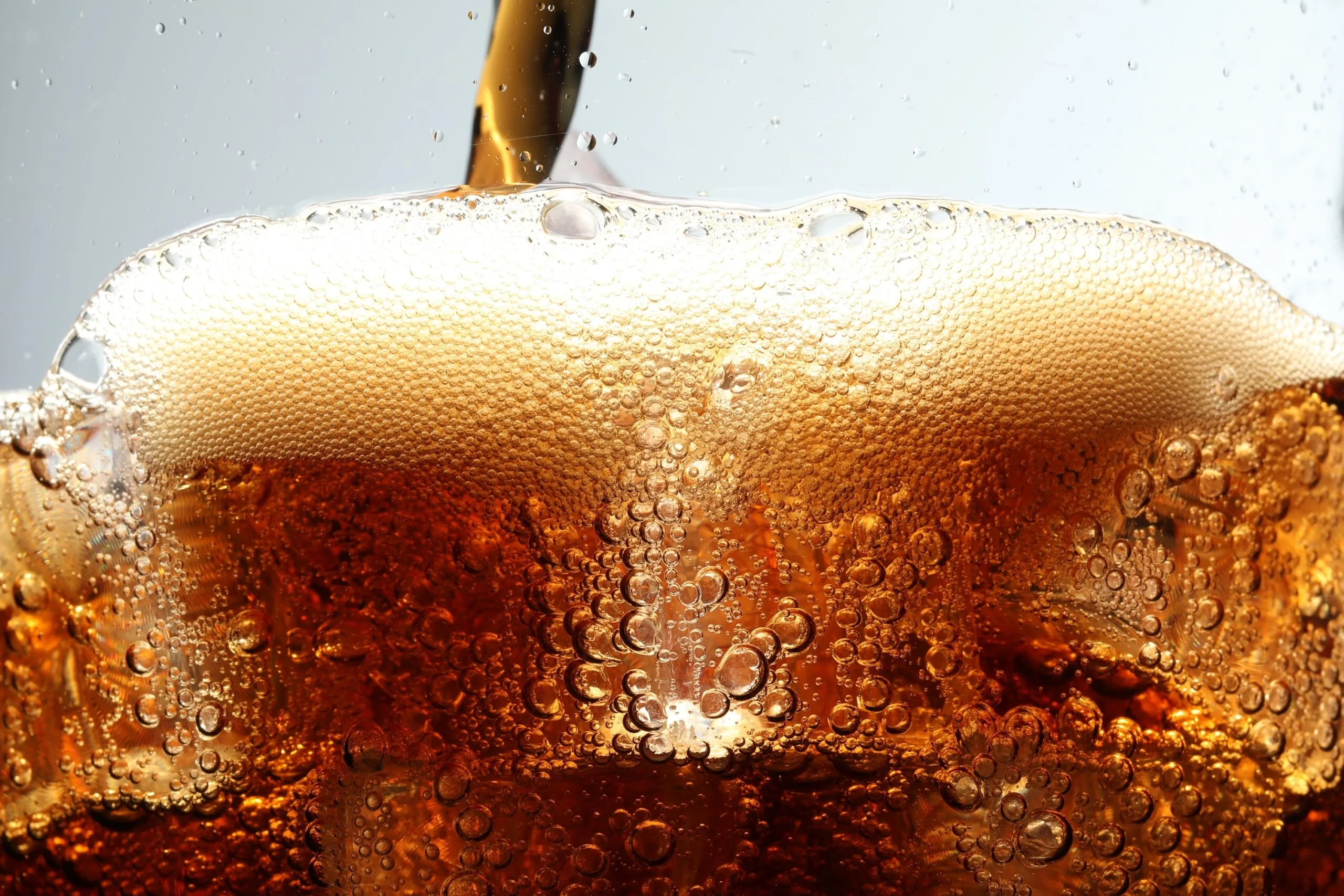
Diet Coke has been a go-to option for people looking to cut back on sugar since it was introduced in 1982. It contains virtually no calories or sugar, while offering a sweet taste that’s similar to regular Coke. For someone trying to reduce calorie intake without giving up soda entirely, it can seem like an easy swap.
That simplicity, however, has fueled decades of debate. Diet Coke gets its sweetness primarily from aspartame, a low-calorie sweetener that has been extensively studied and approved by regulatory agencies around the world. At the same time, questions continue to surface about how artificial sweeteners affect appetite, cravings, gut health, metabolism, and long-term health outcomes. While most experts agree that replacing sugary drinks with diet versions can reduce calorie intake, there is less agreement about how these beverages fit into a healthy diet over the long term.
When it comes to weight loss, the story is more nuanced than calorie counts alone. On paper, replacing a regular Coke with a Diet Coke can significantly reduce calorie intake. A 12-ounce can of Coca-Cola contains about 140 calories and 39 grams of sugar, while Diet Coke contains virtually none.
What makes the question more complicated is that weight loss isn’t determined by a single food or drink. Researchers have spent years studying whether low- and no-calorie sweeteners influence appetite, food cravings, eating behaviors, and even the gut microbiome. While some studies suggest these sweeteners can help people reduce overall calorie intake, others have found that some people may compensate by eating more later or experience stronger cravings for sweet foods.
Individual responses matter, too. Some people report bloating, digestive discomfort, headaches, or a stronger desire for sweet foods after consuming artificially sweetened beverages, while others notice no effects at all. The question isn’t just whether Diet Coke contains calories—it’s how it affects your overall eating habits and how your body responds.

The Easy Way
to lose weight and get healthy.
See if you qualify
For some people, Diet Coke can be a useful tool, especially when replacing sugar-sweetened beverages that would otherwise add calories and sugar to their day. For others, relying on it heavily may make it harder to build habits around less-sweet beverages. That’s why the most important factor isn’t what’s on the nutrition label—it’s whether drinking Diet Coke helps support the habits that make weight loss easier and more sustainable for you.
✅ Quick answer
It depends. Diet Coke contains virtually no calories, so replacing regular Coke with it can help reduce your calorie intake and support weight loss. However, some research suggests artificial sweeteners may affect appetite, cravings, or eating habits in certain people. If Diet Coke helps you cut calories without increasing cravings or overeating elsewhere, it can be a useful tool. Water and unsweetened sparkling water remain the best everyday choices.
🚀 Weight-loss benefits
- Diet Coke contains virtually no calories – A 12-ounce can has 0 calories. Replacing a regular Coke (about 140 calories) with Diet Coke can significantly reduce your calorie intake over time, especially if you drink soda regularly.
- It won’t cause the blood sugar spike that regular soda does – Regular Coke contains sugar that rapidly raises blood glucose levels. Diet Coke is sweetened with aspartame, which does not have the same effect on blood sugar.
- It can be a useful bridge away from sugary drinks – For people who struggle to give up soda entirely, Diet Coke provides the familiar taste and carbonation of soda without the sugar and calories. As a transitional tool, it may help make healthier beverage habits easier to maintain
⚠️ Things to be mindful of
- Diet Coke may not reduce cravings for sweets – Because Diet Coke is intensely sweet, some researchers have questioned whether regularly consuming low-calorie sweeteners may reinforce a preference for sweet flavors. While the evidence is mixed, some people find that diet soda leaves them wanting more sweet foods rather than less.
- The calorie savings can be easy to undo – Some studies suggest that people who drink diet beverages may compensate by eating more calories elsewhere. If Diet Coke helps you stay in a calorie deficit, it can support weight loss. If it becomes a reason to indulge more often, the benefit may disappear.
- The caffeine and acidity may be drawbacks for some people – A 12-ounce can of Diet Coke contains about 46 mg of caffeine. For people who are sensitive to caffeine, drinking it later in the day may interfere with sleep. Diet Coke is also acidic, which can contribute to tooth enamel erosion over time. Since poor sleep can increase hunger and make weight management more difficult, timing may matter.
🥗 Nutrients in Diet Coke (per 355 mL / 12 fl oz can)
| Nutrient | Amount | % RDA* |
|---|---|---|
| Calories | 0 calories | 0% |
| Protein | 0 g | 0% |
| Total carbs | 0 g | 0% |
| Sugars | 0 g | — |
| Total fat | 0 g | 0% |
*Recommended dietary allowance (RDA) is defined as the average daily amount of nutrients needed to meet the requirements of nearly all healthy people in a specific group.
Diet Coke is essentially a calorie-free beverage. A 12-ounce can contains no calories, protein, fat, carbohydrates, or sugar. Its sweetness comes from artificial sweeteners, while carbonation, acids, caramel color, and natural flavors provide its familiar taste.
Because it contains virtually no calories, Diet Coke can fit into most calorie-controlled eating plans. However, it also doesn’t contribute meaningful amounts of nutrients such as vitamins, minerals, fiber, or antioxidants.
That doesn’t necessarily make it a poor choice. If Diet Coke helps you replace higher-calorie beverages, it may support your weight-loss efforts. But unlike beverages such as water, unsweetened tea, or some sparkling waters, its primary benefit is what it doesn’t contain—namely, calories and sugar.
💊 Vitamins & minerals in Diet Coke (per 355 mL / 12 fl oz can)
| Vitamin/Mineral | Amount | % RDA* |
|---|---|---|
| Phosphorus (from phosphoric acid) | 41 mg | 3% |
| Sodium | 40 mg | 2% |
| Calcium | 14 mg | 1% |
| Potassium | 18 mg | <1% |
| Magnesium | 4 mg | <1% |
Diet Coke contains small amounts of a few minerals, including phosphorus, sodium, calcium, potassium, and magnesium, but none in meaningful quantities. Even the highest amount—phosphorus—provides only about 3% of the daily recommended intake per can.
The main takeaway is that Diet Coke is neither a significant source of nutrients nor a major contributor to nutrient deficiencies. While some studies have explored potential links between heavy cola consumption and lower bone mineral density, the evidence is mixed and may be influenced by overall dietary patterns. For most people, an occasional Diet Coke is unlikely to have a meaningful impact on bone health.
🔍 Nutrient breakdown
Glycemic index (GI) of Diet Coke
Glycemic index: 0 (None—contains no carbohydrates)
💡 Tip: Because Diet Coke contains no sugar or carbohydrates, it does not raise blood sugar the way regular soda does. While researchers continue to study how artificial sweeteners may affect appetite, insulin, and metabolism, current evidence suggests Diet Coke has little direct effect on blood glucose levels. For most people, its biggest advantage over regular soda is the absence of sugar and calories.

See if your insurance
covers GLP-1s.
The form only takes 2 minutes to answer. We’ll handle the rest.
GET STARTEDIs Diet Coke high in protein?
❌ No – 0 g of protein per can. Diet Coke doesn’t contain protein.
Better protein alternatives: Greek yogurt | Cottage cheese | Grilled chicken | Edamame
Is Diet Coke high in fiber?
❌ No – 0 g of fiber per can. Diet Coke doesn’t contain fiber.
Is Diet Coke low in carbs?
✔️ Yes – 0 g of carbohydrates per can, which makes it compatible with very low-carb diets, including keto. Some people following strict ketogenic diets report that the intensely sweet taste—even without sugar—can trigger cravings or make it harder to stay on track. Your experience may vary.
Is Diet Coke gluten-free?
✔️ Yes – Diet Coke contains no gluten-containing ingredients and is considered safe for people with celiac disease or gluten sensitivity. As always with packaged goods, check the current label if you have a severe sensitivity.
Is Diet Coke good for fat loss?
⚠️ Maybe – Diet Coke contains virtually no calories, so replacing sugary beverages with it can help reduce your overall calorie intake. That said, fat loss depends on your overall eating pattern, not a single drink. If Diet Coke helps you cut calories and stick to healthy habits, it may support your goals. If it leaves you craving more sweet foods or leads you to eat more elsewhere, the benefit may be smaller than expected.
🍽️ Diet compatibility: Which diets include Diet Coke?
| Diet | ✅/❌ | Why |
|---|---|---|
| Keto | ✅ | Zero carbs and zero calories make Diet Coke technically keto-compatible. Some practitioners avoid it because artificial sweeteners may trigger cravings or affect ketosis in sensitive individuals. |
| Paleo | ❌ | Paleo excludes all artificial and highly processed ingredients. Aspartame, caramel color, and phosphoric acid don’t fit the whole-foods philosophy. |
| Mediterranean | ⚠️ | The Mediterranean diet prioritizes water, coffee, tea, and red wine in moderation—not artificially sweetened beverages. Diet Coke isn’t in the spirit of the diet. |
| Vegan | ✅ | Diet Coke contains no animal products and is considered vegan-friendly. |
| Gluten-free | ✅ | Diet Coke contains no gluten and is safe for people with celiac disease or gluten sensitivity. |
Diet Coke fits easily into calorie-controlled and low-carb eating plans because it contains virtually no calories, carbohydrates, or fat. However, some eating patterns place a greater emphasis on food quality and minimally processed ingredients than on calories alone.
For example, Diet Coke is generally considered compatible with keto, vegan, and gluten-free diets. Paleo eating patterns typically exclude it because it contains artificial sweeteners and other processed ingredients. The Mediterranean diet doesn’t specifically prohibit Diet Coke, but it emphasizes water as the primary beverage and encourages minimally processed foods and drinks.
Whether Diet Coke fits your eating style ultimately depends on your goals. If you’re using it to replace sugary beverages and reduce calorie intake, it may be a helpful tool. If your focus is on consuming mostly whole, minimally processed foods, it may be less aligned with your overall approach.
🌟 Is Diet Coke healthy? What are the health benefits?
Metabolic health: Is Diet Coke good for your metabolism?
- Boosts metabolism? ❌ No – Diet Coke isn’t a meaningful metabolism booster. While a 12-ounce can contains about 46 mg of caffeine, the effect on calorie burning is small and temporary.
- Improves insulin sensitivity? ⚠️ Unclear – Because Diet Coke contains no sugar, it doesn’t cause the blood sugar spikes associated with regular soda. However, research on artificial sweeteners and insulin sensitivity has produced mixed results. At this point, Diet Coke isn’t considered a tool for improving metabolic health, but neither is there strong evidence that moderate consumption directly harms insulin sensitivity in most people.
- Effect on fat storage? ⚠️ Indirect at most – Diet Coke itself doesn’t promote fat storage because it contains virtually no calories. Some observational studies have found links between diet soda consumption and higher body weight, but these studies can’t prove cause and effect. It’s possible that people already concerned about their weight are more likely to choose diet beverages. Ultimately, Diet Coke’s effect on body fat depends less on the drink itself and more on how it influences overall calorie intake and eating habits
Cholesterol impact: Does Diet Coke affect cholesterol levels?
- Does it lower LDL (“bad”) cholesterol? ❌ No – Diet Coke contains no fiber, plant sterols, or other nutrients known to lower LDL cholesterol. While replacing sugary beverages with Diet Coke may reduce added sugar intake, the drink itself does not directly improve cholesterol levels.
- Does it raise HDL (“good”) cholesterol? ❌ No – There is no evidence that Diet Coke raises HDL cholesterol. Factors that tend to increase HDL include regular physical activity, not smoking, and certain dietary patterns.
- Overall heart impact? ⚠️ Unclear – Diet Coke is likely a better choice than sugar-sweetened soda when it comes to reducing added sugar and excess calories. However, it isn’t considered a heart-healthy food or beverage. Some observational studies have linked high diet soda consumption with poorer cardiovascular outcomes, but these studies cannot determine whether diet soda is the cause. More research is needed to understand the relationship.
Can I drink Diet Coke in a calorie deficit?
✔️ Yes – Diet Coke contains virtually no calories, so it can fit into a calorie deficit. If you’re using it to replace regular soda or other sugary beverages, it may help reduce your overall calorie intake.
💡 Tip: Pay attention to how Diet Coke affects your hunger, cravings, and eating habits. Some people find it helps them avoid higher-calorie drinks, while others notice they reach for more snacks or sweets later. The best choice is the one that makes it easier to stay consistent with your calorie goals.
Is Diet Coke rich in antioxidants?
❌ No – Diet Coke doesn’t contain meaningful amounts of antioxidants such as polyphenols, flavonoids, vitamin C, or carotenoids. Foods like fruits, vegetables, nuts, coffee, and tea are much better sources.
Does Diet Coke support gut health?
⚠️ Not directly – Diet Coke contains no fiber, prebiotics, or probiotics. Researchers continue to study how artificial sweeteners may affect the gut microbiome, but the evidence in humans remains mixed and inconclusive.
Does Diet Coke support digestion?
⚠️ Not really – Diet Coke doesn’t contain nutrients that support digestion, such as fiber. While some people enjoy carbonation after meals, others find it contributes to gas, bloating, or reflux symptoms.
Does Diet Coke help you feel full?
❌ Not much – Because it contains no protein, fiber, or fat, Diet Coke is unlikely to provide lasting fullness. The carbonation may create a temporary feeling of fullness, but it doesn’t replace a balanced snack or meal.
💡 Tip: If you’re genuinely hungry, reach for a snack that combines protein and fiber. It will satisfy hunger much more effectively than a diet soda.
Does Diet Coke help with nighttime cravings?
⚠️ Sometimes – If Diet Coke helps you avoid higher-calorie desserts or snacks, it may reduce overall calorie intake. However, its caffeine content may interfere with sleep when consumed later in the day, and poor sleep can make hunger and cravings harder to manage.
Does Diet Coke help reduce inflammation?
❌ No – Diet Coke isn’t a source of anti-inflammatory nutrients. If reducing inflammation is your goal, focus on overall dietary patterns that emphasize foods like vegetables, fruits, legumes, nuts, fish, and olive oil.
Is Diet Coke beneficial for brain health?
⚠️ No known benefit – Diet Coke isn’t a source of nutrients linked to brain health. Aspartame is considered safe for most people when consumed within established guidelines, though individuals with phenylketonuria (PKU) should avoid it.
Can Diet Coke improve skin or hair health?
❌ No – Diet Coke doesn’t provide nutrients associated with skin or hair health, such as vitamin C, zinc, protein, or biotin.
Access GLP-1 Weight Loss with Noom
Explore a wide range of prescription medications supported by Noom’s program.Microdose GLP-1rx
Noom GLP-1rx
Noom GLP-1rx Plus
Wegovy®
Ozempic®

Metformin
Zepbound®
Mounjaro®
Liraglutide
Can Diet Coke help balance hormones?
❌ No – Diet Coke is not known to improve hormone balance. Factors such as sleep, stress management, physical activity, and overall diet quality play a much larger role in hormonal health than any single beverage.
💡 Tip: When evaluating Diet Coke, focus less on what it adds nutritionally and more on what it replaces. Swapping it for regular soda can reduce sugar and calories, but water remains the best choice for hydration and overall health.
🍽️ Best ways to drink Diet Coke for weight loss
- Use it to replace sugary drinks – This is where Diet Coke is most likely to help. If you’re currently drinking regular soda, swapping it for Diet Coke can significantly reduce your calorie and sugar intake. For many people, it works best as a transition away from sugar-sweetened beverages rather than as a hydration staple.
- Pay attention to how much you’re drinking – An occasional Diet Coke is different from several cans a day. While research on artificial sweeteners is still evolving, moderation can help you avoid relying on diet soda as your primary beverage. Water, sparkling water, and unsweetened tea are still better everyday choices.
- Don’t let it influence food decisions – Diet Coke can reduce the calories in your drink, but it doesn’t change the calories in your meal. Some people find that choosing a diet beverage makes them feel more flexible about food choices, which can offset the calorie savings. Staying mindful of your overall eating pattern is what matters most.
💡 Noom tip: Think of Diet Coke as a swap, not a strategy. Its biggest benefit comes from replacing higher-calorie drinks—not from any special weight-loss effect of its own.
Diet Coke vs. Coke Zero: What are the differences?
From a nutrition standpoint, Diet Coke and Coke Zero Sugar are nearly identical. Both contain virtually no calories, sugar, carbohydrates, fat, or protein, making them functionally equivalent for weight loss and blood sugar management.
So why does Coca-Cola make both? The answer is taste. Diet Coke was introduced in 1982 and developed its own distinct flavor profile rather than trying to perfectly mimic the taste of original Coca-Cola. Coke Zero Sugar, which launched years later, was designed to taste as close to regular Coke as possible while still containing virtually no calories or sugar. Here’s a look at how they compare:
| Feature | Diet Coke | Coke Zero Sugar |
|---|---|---|
| Calories | 0 | 0 |
| Sugar | 0 g | 0 g |
| Carbohydrates | 0 g | 0 g |
| Caffeine (12 oz) | ~46 mg | ~34 mg |
| Main sweeteners | Aspartame | Aspartame + acesulfame potassium (Ace-K) |
| Taste | Lighter, distinct flavor | Designed to taste more like regular Coke |
| Best for weight loss | ✔️ Comparable | ✔️ Comparable |
| Keto-friendly | ✔️ Yes | ✔️ Yes |
| Vegan-friendly | ✔️ Yes | ✔️ Yes |
When it comes to weight loss, there isn’t a meaningful difference between Diet Coke and Coke Zero. Both provide the sweetness and carbonation of soda without the calories or sugar found in regular Coke. The better choice is simply the one you prefer and can enjoy without increasing cravings or replacing healthier beverages like water.
🍏 Best alternatives & comparisons (per 355 mL / 12 fl oz)
| Beverage | Calories | Carbs | Fiber | Sugar | Caffeine |
|---|---|---|---|---|---|
| Diet Coke | 0 | 0 g | 0 g | 0 g | 46 mg |
| Regular Coke | 140 | 39 g | 0 g | 39 g | 34 mg |
| Plain sparkling water | 0 | 0 g | 0 g | 0 g | 0 mg |
| Flavored sparkling water | 0–10 | 0–2 g | 0 g | 0 g | 0 mg |
| Unsweetened green tea | 0–2 | 0 g | 0 g | 0 g | 28 mg |
| Black coffee | 2 | 0 g | 0 g | 0 g | 95 mg |
| Low-sugar kombucha | 30–60 | 7–14 g | 0 g | 5–8 g | 15 mg |
Diet Coke matches plain sparkling water on calories—both zero—but sparkling water wins across every other consideration. No artificial sweeteners, no caffeine, no acidity concerns, and no potential effects on gut bacteria or cravings. If the goal is weight loss and your only constraint is “zero calories and fizzy,” plain or flavored sparkling water is the better default.
Green tea and black coffee are the most nutritionally useful zero-calorie options—both offer caffeine comparable to or exceeding Diet Coke, plus antioxidants that Diet Coke entirely lacks. Low-sugar kombucha has a small calorie and sugar cost, but comes with fermentation benefits that support the gut microbiome—something Diet Coke can’t offer.
❓ Frequently asked questions about Diet Coke and weight loss
Does Diet Coke make you gain weight?
Not directly. Diet Coke contains virtually no calories, so it doesn’t contribute meaningful energy to your diet. Some observational studies have found links between diet soda consumption and higher body weight, but these studies can’t prove cause and effect. Your overall eating habits and calorie intake matter far more than whether you occasionally drink Diet Coke.
Is Diet Coke better than regular Coke for weight loss?
Generally, yes. A 12-ounce can of regular Coke contains about 140 calories and 39 grams of sugar, while Diet Coke contains virtually none. If you’re making a direct substitution, Diet Coke can help reduce calorie intake. For many people, that’s a meaningful advantage when trying to lose weight.
How many Diet Cokes per day is safe?
For most healthy adults, moderate consumption is considered safe. The FDA’s acceptable daily intake for aspartame is far higher than what most people consume. That said, if Diet Coke is replacing water or becoming your primary beverage, it may be worth reassessing the habit.
Does aspartame in Diet Coke affect blood sugar?
Aspartame doesn’t contain sugar or carbohydrates, so it doesn’t directly raise blood glucose levels. Researchers have studied whether artificial sweeteners may influence insulin or metabolism in other ways, but the evidence remains mixed.
Is Diet Coke okay on a keto diet?
Yes. Diet Coke contains virtually no carbohydrates, making it keto-compatible from a macronutrient perspective. However, some people find that sweet-tasting beverages increase cravings, which can make keto harder to maintain.
What’s the healthiest alternative to Diet Coke?
Water is the healthiest everyday choice. If you’re looking for something more flavorful, unsweetened sparkling water, sparkling water with citrus, or unsweetened tea are all good options. These beverages provide hydration without added sugar or alternative sweeteners.
Can Diet Coke cause bloating?
It can. The carbonation in Diet Coke may cause gas or bloating in some people, especially if consumed quickly or in large amounts. People with acid reflux, GERD, or sensitive digestive systems may also find that carbonated beverages worsen symptoms.
🧠 The bottom line: Diet Coke can be good for weight loss
Diet Coke isn’t a weight-loss drink, but it can be a useful weight-loss tool. Because it contains virtually no calories or sugar, replacing regular soda with Diet Coke can reduce your overall calorie intake—a change that may support weight loss over time.
That doesn’t mean Diet Coke is automatically helpful for everyone. The most important question is how it affects your habits. For some people, it satisfies a craving for something sweet and makes it easier to avoid sugary drinks. For others, it may encourage more cravings for sweet foods or simply become a daily habit that crowds out healthier beverages.
The simplest way to think about it: Diet Coke is generally a better choice than regular soda when weight loss is the goal, but it’s not necessarily better than water, unsweetened tea, or sparkling water. If you enjoy Diet Coke and it helps you cut back on sugar and calories, there’s room for it in a balanced eating pattern. Just don’t expect it to do the work of weight loss on its own.
The Easy Way
to lose weight and get healthy.
See if you qualify📖 Scientific evidence
- Some animal research suggests that consuming sweet-tasting foods without calories may make it harder to regulate appetite over time. (Behavioural Neuroscience, 2008) In a frequently cited rat study, animals exposed to artificial sweeteners consumed more calories and gained more weight than animals whose sweet taste consistently predicted calories. Whether the same effect occurs in humans remains unclear, and human studies have produced mixed results.
- Swapping caloric drinks for artificially sweetened ones can reduce calorie intake, but long-term weight effects are unclear. (American Journal of Clinical Nutrition, 2009) A review noted that individual responses vary, and factors such as compensatory eating behaviors may influence whether calorie savings translate into long-term weight changes.
- Some research suggests that certain non-caloric sweeteners may affect the gut microbiome. (Nature, 2014) In a widely cited study, saccharin, sucralose, and aspartame altered gut bacteria in mice and a small group of human participants, changes that were associated with impaired glucose tolerance. Subsequent human studies have produced mixed results, and researchers are still working to understand whether these microbiome changes meaningfully affect health in most people.
- High consumption of artificially sweetened beverages has been associated with increased cardiovascular risk in some observational studies. (Stroke, 2019) In a large study of postmenopausal women followed for nearly 12 years, those who reported drinking two or more artificially sweetened beverages per day had a higher risk of stroke, heart disease, and death than women who consumed them less frequently. Because the study was observational, it can’t determine whether the beverages themselves caused the increased risk, and researchers noted that underlying health differences may have contributed to the findings.
Editorial standards
At Noom, we’re committed to providing health information that’s grounded in reliable science and expert review. Our content is created with the support of qualified professionals and based on well-established research from trusted medical and scientific organizations. Learn more about the experts behind our content on our Health Expert Team page.