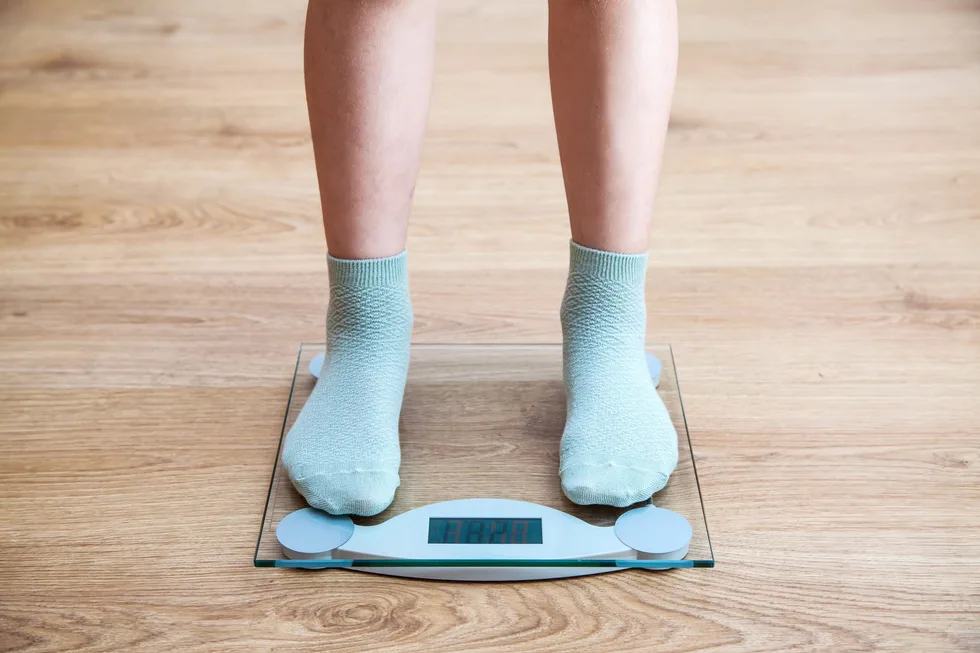

What you’ll learn:
- The best time to weigh yourself is in the morning, but the most important thing is doing it the same way every time.
- Your weight is not a fixed number—it’s a trend, and the only way to see it clearly is to step on the scale at a similar time.
- Daily fluctuations are normal and expected—what matters is the pattern over time, not the number on any given day.
If you’ve ever stepped on the scale in the morning, then again at night, and wondered how those two numbers could possibly belong to the same body—you’re not misreading it. Weight fluctuates naturally throughout the day, sometimes by several pounds. And most of those swings have nothing to do with fat. Research shows that short-term weight changes are driven largely by water and glycogen—the way your body stores carbohydrates—along with hormones, digestion, and sleep. A lot of what moves the number is just biology doing its job.
That’s what makes the scale a tool that requires some context. It can be useful for tracking trends over time, but any single reading is only part of the story. Knowing what’s behind the swings—and when to step on the scale if you’re going to use it— is what turns it from a source of daily frustration into something that actually tells you something useful.
In this article, we’ll cover what the research says about weight fluctuation and timing, what’s actually driving the day-to-day changes, when to weigh yourself for the most reliable read, and when you might be better off skipping the scale altogether.
Plus, Maggie Hudspeth, RDN, Senior Manager of Coaching at Noom, will give her expert take on when the scale is useful for your weight loss journey and when you should rely on alternatives.
Why tracking weight can matter
Weight tracking isn’t something that only makes sense when you’re starting a weight loss plan. There are a few distinct moments in life where stepping on the scale consistently—and doing it right—can serve a real purpose, whether that’s guiding a medication decision, protecting progress you’ve already made, or giving your healthcare provider accurate information to work with.

The Easy Way
to lose weight and get healthy.
See if you qualify

When you’re actively trying to lose weight
Regular weigh-ins have been shown to support weight loss—not because the scale does anything on its own, but because the awareness it creates tends to influence behavior.
- When you’ve started a new plan – A baseline weight only means something if it’s taken under conditions you can repeat. But beyond the starting number, regular weigh-ins in the early weeks of a new diet or exercise program give you real feedback on whether what you’re doing is working—and help you catch and course-correct quickly if it isn’t.
- When you’re takin a GLP-1 medication – For people taking GLP-1 medications like Wegovy, Zepbound, and Foundayo, the scale plays a specific role in the titration process. Injectable medications are typically increased every four weeks and oral medications every 30 days, with those decisions based on weight loss results and how well the current dose is being tolerated. Weighing yourself consistently under the same conditions is one of the clearest ways to know whether the current dose is working and whether it’s time to adjust.
When you’re maintaining your weight
The scale may actually be most useful after you’ve hit your goal, not before. Research found that weight loss happened during periods of daily weighing, while breaks longer than a month were associated with weight gain—suggesting that something about knowing your progress is helpful to keep weight off. A larger study of 10,000 smart scale users found a similar pattern. Regular weigh-ins during maintenance aren’t about chasing a number—they’re about catching small shifts early, before they become harder to reverse.
When you’re managing a chronic condition
For people living with type 2 diabetes, hypertension, heart disease, or kidney disease, tracking weight isn’t just about progress—it’s part of managing health. Weight trends can be meaningful clinical information that helps providers adjust medication dosing and monitor how a condition is responding to treatment. In this context, consistency matters in a practical way: the number your provider is working with needs to actually reflect what’s happening in your body.
In all cases, the value of the scale comes down to one thing: consistency. And consistency starts with when you weigh yourself —which is where the research gets interesting.
What the research says about the best time to weigh yourself
The scale isn’t a perfect tool, but research does support it as a helpful one when used consistently. People who weigh themselves regularly tend to notice small changes earlier and adjust their habits more quickly than those who do it less frequently.
“For some people, the scale is helpful for accountability. For others, they don’t need the added stress and can focus on paying attention to their bodies,” reminds Hudspeth.
A review in Current Obesity Reports looked at 20 studies on self-weighing and found that, while the psychological picture is complicated (more on that below), regular weigh-ins showed real promise for supporting weight management—particularly for people actively working on it.
The emphasis there is on consistent. A single number, taken at a random time under variable conditions, doesn’t mean much. What matters more is the pattern—readings taken the same way, over time, that let you actually see which direction things are moving.
Why weight can fluctuate from day to day
If you weigh yourself daily, you’ve probably noticed the number looks different in the morning than it does at night. That’s normal—and expected. Weight naturally shifts throughout the day and can even follow a predictable pattern across the week. Understanding why makes the number on the scale a lot less stressful and a lot more useful.
Research on people tracking weight under typical conditions found that most short-term weight changes are driven by water and stored carbs—not fat. Fat loss happens slowly, over weeks. The day-to-day swings are almost always something else.
Access GLP-1 Weight Loss with Noom
Explore a wide range of prescription medications supported by Noom’s program.Microdose GLP-1rx

Noom GLP-1rx

Noom GLP-1rx Plus

Wegovy®
Ozempic®

Metformin

Zepbound®
Mounjaro®
Liraglutide
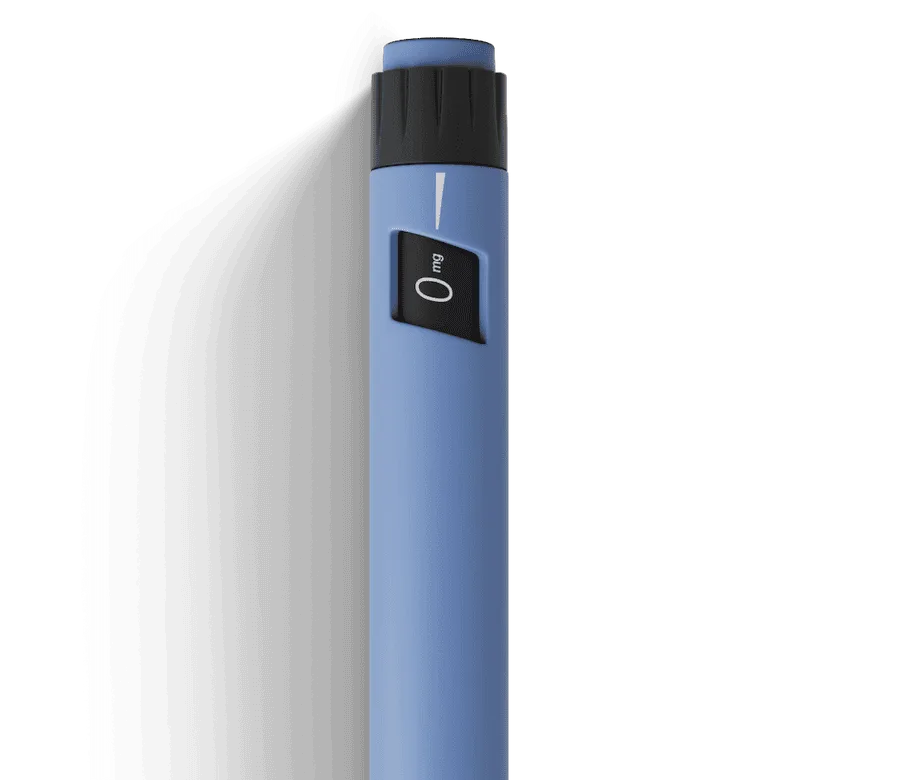
“Habits in diet and exercise are what lead to weight loss, and those habits take time to build,” says Hudspeth.
Here’s what’s actually moving the number:
- Food and fluids are the most direct factor. Eating a meal and drinking a few glasses of water can add 2 to 4 lbs to the scale right away—because that food and water are physically in your body.
- Carbohydrates pull water with them. When your body stores carbs as glycogen in your muscles and liver, it holds onto water in the process—about 3 grams of water for every gram of glycogen stored. “This is largely what drives the quick scale movement people see in the first week of a new or low-carb diet,” says Hudspeth.
- Sodium causes temporary fluid retention. A salty meal prompts your body to hold onto extra fluid as it works to stay in balance.
- Digestion timing adds weight literally—whatever’s moving through your system right now shows up on the scale, sometimes hours after you’ve eaten.
- Hormones play a role, especially for people who menstruate. Estrogen and progesterone fluctuations across the menstrual cycle affect fluid retention—it’s common to see weight climb a few pounds in the days before a period and drop right back down after.
- Morning is usually your lowest reading. After a night of sleep, you’ve gone hours without eating or drinking, your body has been excreting fluid, and a trip to the bathroom clears things out further.
- The day of the week matters too. Research following the daily weight patterns of 80 people over several months found that weight tends to peak early in the week—especially Sunday and Monday—and gradually drops through Friday or Saturday. People who lost or maintained weight over time tended to naturally compensate during the week, suggesting this rhythm is actually part of how long-term weight management works.
The best time to weigh yourself: What research shows
You can weigh yourself whenever feels right—but if you’re looking for the most reliable number, morning wins.
There’s no single landmark study that has directly compared morning versus evening weigh-ins and declared a winner. But when you look at what we know about how weight shifts throughout the day, the case for morning builds itself.
Food, water, sodium, digestion—all of these variables stack up as the day goes on, and all of them move the number on the scale for reasons that have nothing to do with fat. Body composition researchers recommend morning fasted measurements specifically to reduce this kind of error, because the fewer variables in play, the more the number actually tells you something.
A large study tracking 10,000 smart scale users found time of day significant enough that it had to be controlled for in the analysis—morning and evening readings weren’t interchangeable.
That’s also why morning fasted weigh-ins are the standard across clinical weight research, including clinical trials for GLP-1 weight loss medications.
For the most consistent results:
- Weigh yourself first thing in the morning
- Use the bathroom first
- Step on the scale before eating or drinking anything
“The goal isn’t to nail a perfect number every day. It’s to track the trend,” says Hudspeth. “Checking multiple times a day isn’t going to show the overall trend in how your body is responding to changes.”
What is the best day to weigh yourself if you weigh in once a week?
Some people prefer to weigh in once a week rather than daily—and that works too, as long as you’re consistent. And when it comes to the best day, this is actually an area where the research is a bit more direct.
Earlier, we mentioned the study tracking the daily weight patterns of 80 people over several months—the one that found weight tends to be highest on Sundays and Mondays and lowest around Friday or Saturday. The likely reason is the weekend pattern most people fall into without thinking: eating out more, drinking more, moving less. It all adds up, and the scale reflects it by Monday morning. Then the more structured weekday routine quietly brings it back down.
What makes this finding particularly useful is what the researchers noticed in people who successfully maintained or lost weight over time: they showed the same weekend rise as everyone else. The difference was that they naturally compensated during the week and brought their weight back down by Friday.
That weekly rhythm wasn’t a problem—it was part of how long-term weight management worked for them.
“The research shows that if you’re weighing yourself once a week, Friday or Saturday morning gives you the lowest, most stable reading. We know that sometimes calories increase over the weekend, so Monday may not be a great indication of the overall trend,” explains Hudspeth.
When it might be better to skip the scale
The scale is a useful tool—but it’s not always the right moment to use it. There are times when the number you see is more likely to mislead you than inform you, and times when the habit of checking is doing more harm than good. Knowing when to step back is just as useful as knowing when to step on.


Here’s when you might want to skip weighing yourself:
- Right after a salty meal or an intense workout. Both can cause temporary water retention that pushes the number up in a way that has nothing to do with fat or real progress.
- In the days before your period. Hormonal shifts can cause temporary fluid retention that adds a few pounds to the scale. If you track consistently over time, you’ll start to recognize the pattern—but in the moment, it can feel discouraging when there’s nothing to actually be discouraged about.
- After a rough night of sleep. Poor sleep can raise cortisol levels, which may cause your body to hold onto extra water temporarily.
- When your routine is off. Traveling, eating differently than usual, or adjusting to a new schedule can all shift your weight temporarily in ways that have nothing to do with your actual progress.
But the most important reason to skip the scale has nothing to do with timing.
Weighing yourself regularly can help you track weight loss progress—but for some people, it comes at an emotional cost that shouldn’t be minimized.
A review of 20 self-weighing studies found that most showed a negative relationship between frequent weighing and mood, self-esteem, and body image. The pattern was clearest in people who weren’t actively trying to lose weight—for people in weight loss programs who were seeing the scale move, the results were more neutral or even positive.
Which makes sense: the same number feels different depending on whether you’re expecting change or not. But if stepping on the scale regularly leaves you feeling discouraged, anxious, or preoccupied with the number, that’s worth taking seriously. “The scale is meant to give you useful information—not set the tone for your whole day. If it’s causing emotional distress, it’s okay to put it down for a while,” encourages Hudspeth.
Other ways to track weight loss progress
The scale is one data point—a useful one, but a limited one. It doesn’t tell you whether you’ve gained muscle, improved your body composition, gotten fitter, or simply have more energy than you did a month ago. For a lot of people, combining scale and non-scale tracking gives a fuller, more motivating picture of what’s actually changing.
Some non-scale options worth paying attention to:
- How your clothes fit. One of the most practical measures. Clothes fitting differently tells you something real about body composition—and it doesn’t fluctuate the way the scale does.
- Body measurements. Waist, hip, and chest circumference, taken consistently at the same time of day, can capture changes the scale misses entirely. Waist circumference in particular is a well-established marker of health risk. The Noom Body Scan may be helpful. It uses your smartphone’s camera to show your body composition, including body fat percentage and lean mass.
- Progress photos. Taken under consistent conditions—same lighting, same angles—photos over time reveal gradual changes that feel invisible day to day. Many people find these more motivating than scale numbers, especially over longer stretches.
- Energy and sleep. Both often improve before the scale moves much. Feeling more energetic, sleeping better, or noticing a lift in mood are real signs that something is working—even if the number hasn’t caught up yet.
- Workout performance. Getting stronger, running longer, or recovering faster are measurable changes that matter. Progress in the gym doesn’t always show up on the scale, especially early on.
- How hunger and fullness feel. For people on GLP-1 medications especially, shifts in appetite—feeling satisfied on less, thinking about food less, fewer intense cravings—are meaningful signs that things are working, whether or not the scale reflects it yet.
“Weight loss can feel challenging, and adding to that stress with the scale isn’t helpful,” says Hudspeth. “We want people to feel confident in how they’re losing weight—not fixated on a number. If that sounds like you, there are plenty of other ways to see that your efforts are paying off.”
Read more: Noom’s guide to tracking weight loss
More questions about the best time to weigh yourself
When is the best time to weigh yourself?
First thing in the morning, after using the bathroom, before eating or drinking anything. That’s when your weight is at its most consistent—your body has gone several hours without food or water, and you haven’t started adding anything new yet. Weighing under the same conditions every time is what makes it possible to actually track a trend.
What time of day is your true body weight?
There isn’t a single “true” weight—your body naturally shifts by a few pounds throughout the day depending on what you’ve eaten, how much you’ve had to drink, and how much fluid your body is holding at any given moment. Morning readings are the most consistent baseline because they control for the most variables, which is what makes them the most useful for tracking over time.
Is it normal to be 4 pounds lighter in the morning?
Completely normal. After several hours without food or water, you’ve lost some fluid through breathing and light sweating overnight. After a trip to the bathroom, you’ve cleared out a bit more. Research on short-term weight change confirms that most of these fluctuations come down to water and glycogen—not fat. A difference between an evening and morning reading is expected and doesn’t reflect any change in body composition.
Why am I 5 pounds heavier at night?
Because you’ve spent the day eating, drinking, and going about your life—and all of that has physical weight. Food and beverages add up quickly, and if your meals were on the saltier side, your body may be holding onto some extra fluid on top of that. None of this reflects fat gain—it’ll largely clear by morning.
Why did I lose 2 pounds overnight?
Your body loses fluid through breathing and light sweating throughout the night—over 7–9 hours, that adds up. Your metabolism also keeps working, burning through some glycogen stores and releasing the water stored with them. Since you’re not eating or drinking during that window, nothing is being added back in. It’s not fat loss—but it’s real, and it’s part of why morning tends to be your lowest reading of the day.
Why do I weigh less after a shower?
Most likely, it comes down to timing and clothing. If you’re stepping on the scale after undressing, clothes account for more weight than most people realize—easily a pound or two, depending on what you’re wearing. If you’re comparing a post-shower weight to an earlier reading, the conditions aren’t quite the same either. Either way, it’s not a meaningful signal—just variables doing what variables do.
Reviews from real Noom users
Desirea N. — Real Noom user
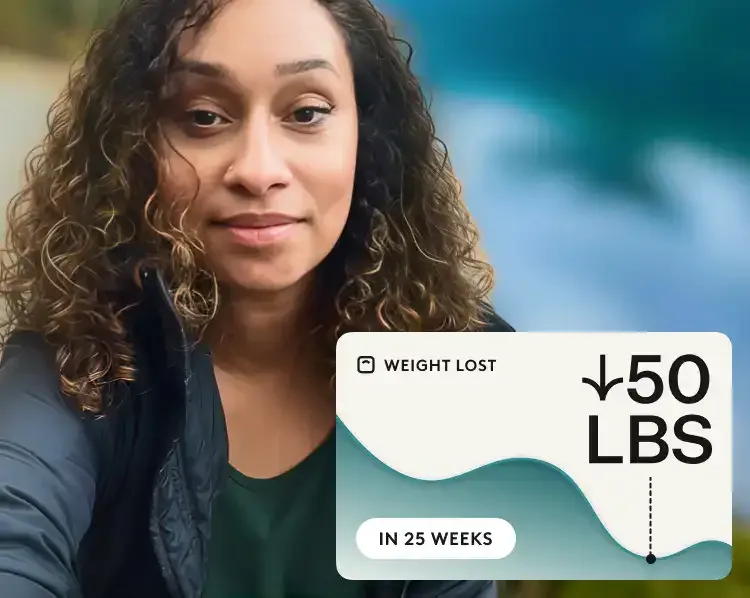
“My favorite parts of Noom are the care team and other Noomers. Sharing and getting help made me feel like I wasn’t doing it alone. That support made all the difference.”
Desirea N. — Real Noom user
Matthew M. — Real Noom user
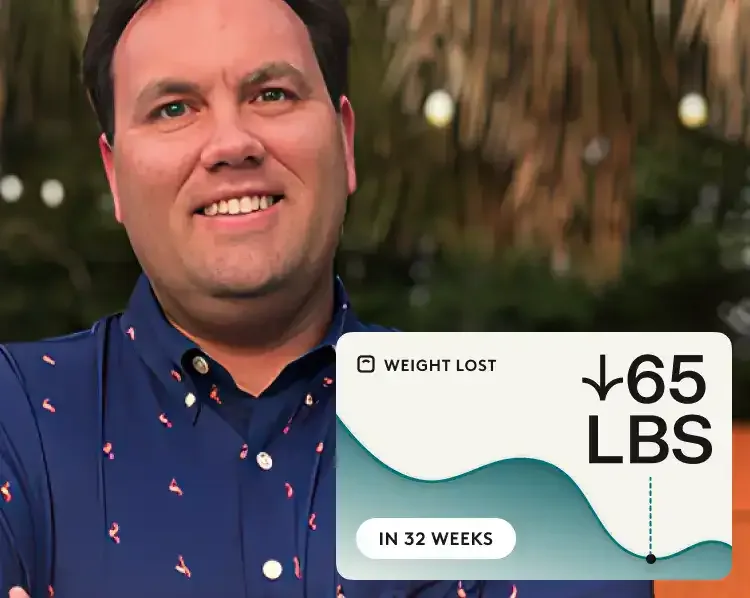
“Noom has taught me that every day is a new chance to make better, healthier choices. It's taught me how to stop overeating.’’
Matthew M. — Real Noom user
Lila M. — Real Noom user
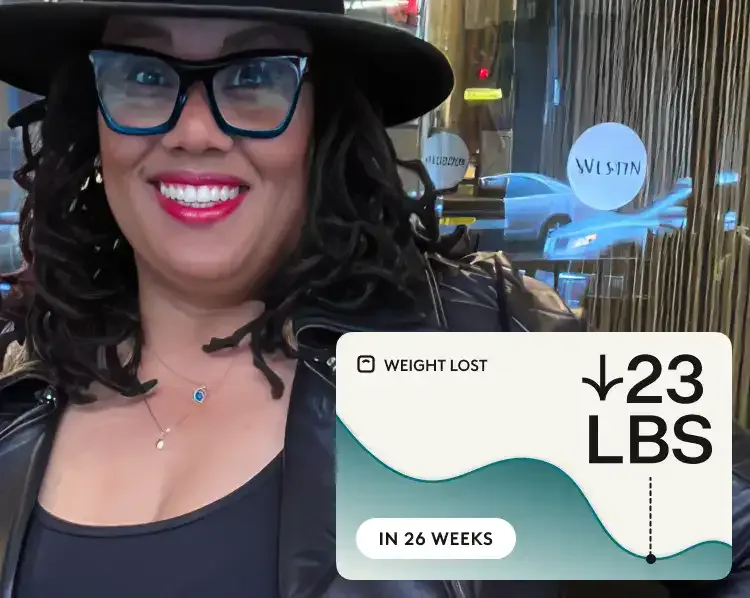
“Clinicians who understand how supportive medication can be is one of the best parts of Noom! I was convinced I wouldn’t have success but I’m down 11 pounds in two months.’’
Lila M. — Real Noom user
Steve M. — Real Noom user
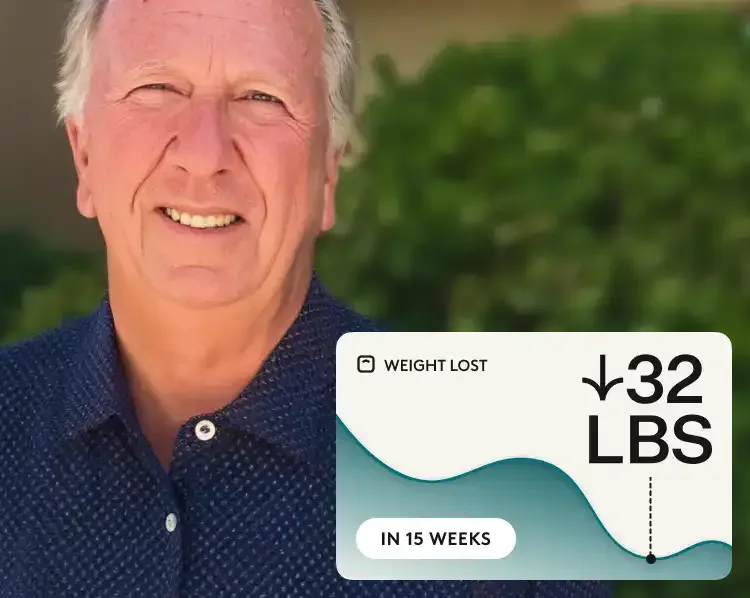
“Noom provided me with the medication which I could not get through Medicare. I have learned the tricks to better eating and life in general.”
Steve M. – Real Noom user
Daisy R. — Real Noom user
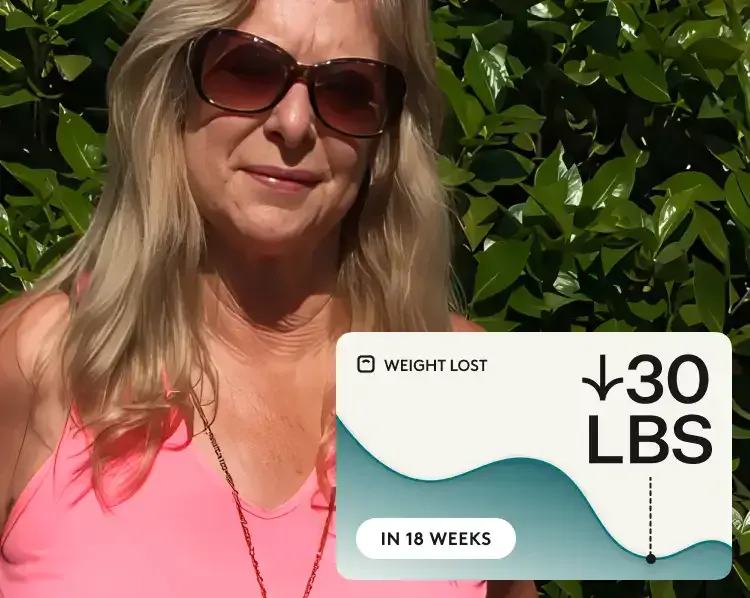
‘’Noom has changed my life and I’m so thankful, I feel great, have more energy and am no longer prediabetic.”
Daisy R. – Real Noom user
Sarah R. — Real Noom user
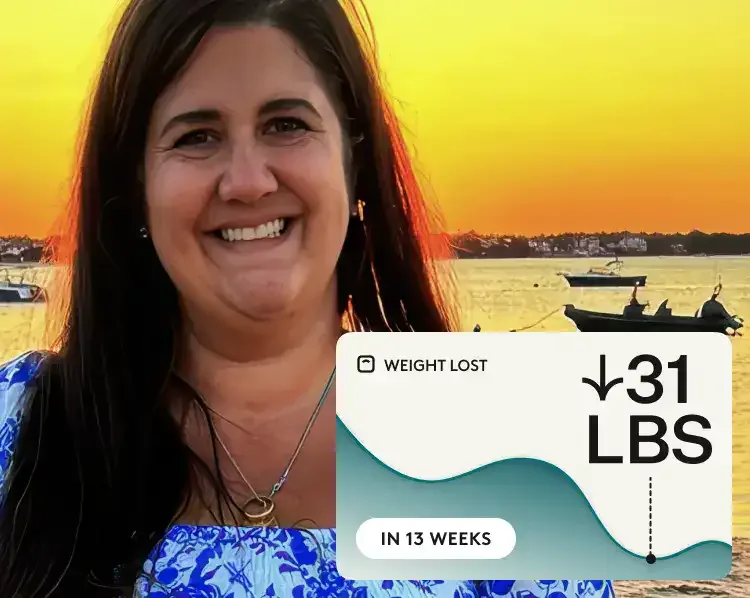
“All of the Noom providers that I’ve met with have been exceptional and prescribed medications that are appropriate for my situation and health.”
Sarah R. – Real Noom user
Madison S. — Real Noom user

“Noom made the process so simple and now I feel full, free from diet obsession, and at ease in my body again.”
Madison S. – Real Noom user
Sonday K. — Real Noom user
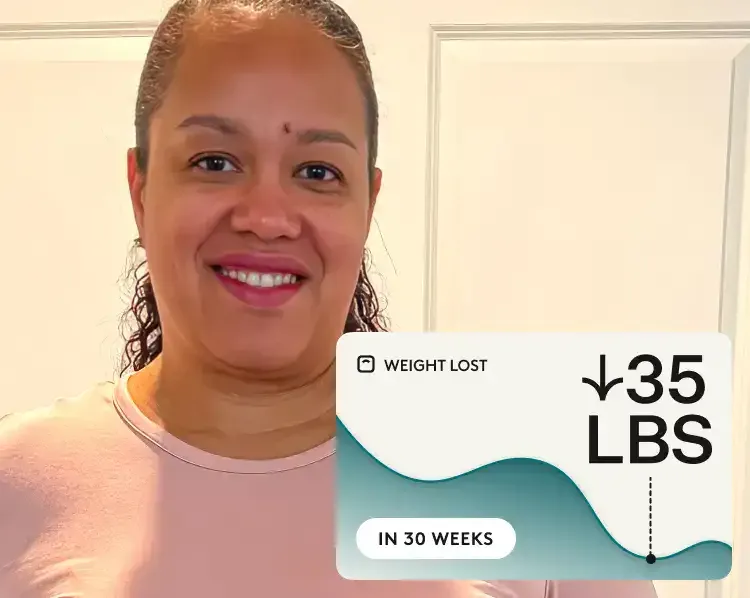
“My doctor recommended Noom after I was frustrated trying to lose weight. The lessons helped change my relationship with food. My body feels lighter & energized.”
Sonday K. – Real Noom user
Cam K. — Real Noom user
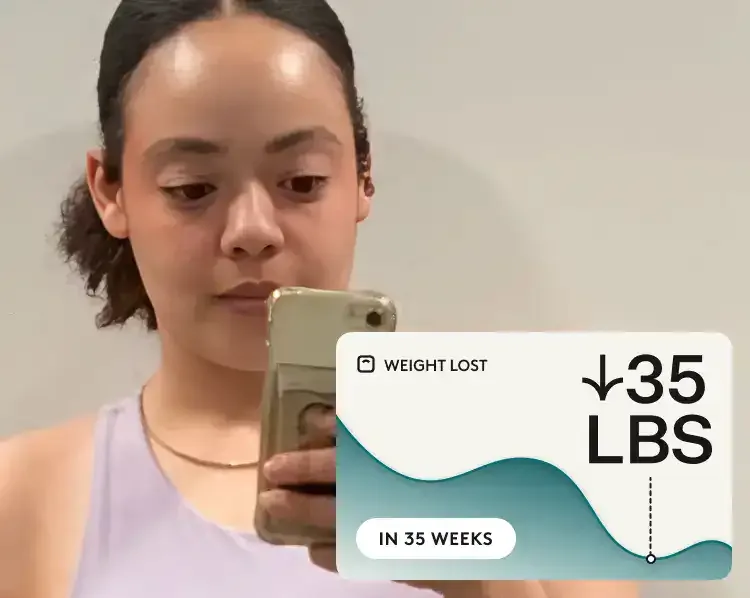
“I built healthy habits with coaching and lessons that make me confident I can maintain my weight loss long term.”
Cam K. – Real Noom user
Laura TR. — Real Noom user
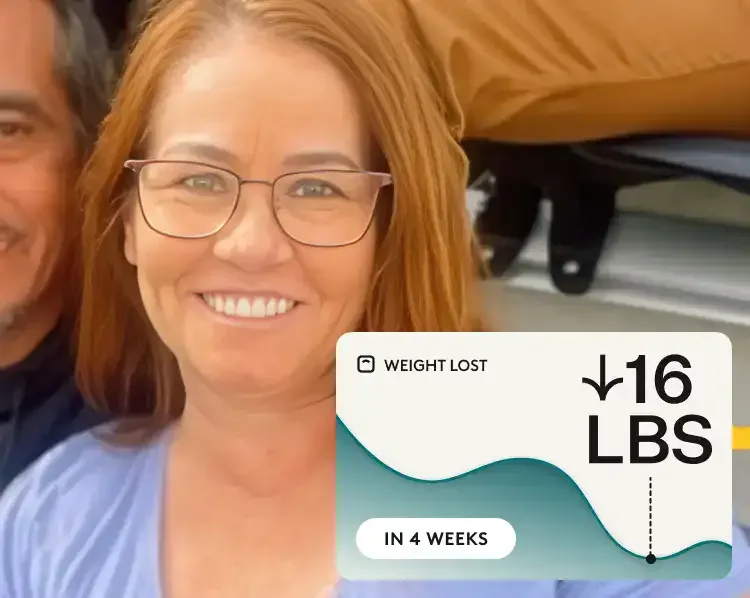
“With the right medication through Noom, hunger and sugar cravings finally quieted and I have the tools to break the cycle.”
Laura TR. – Real Noom user
Jessica S. — Real Noom user
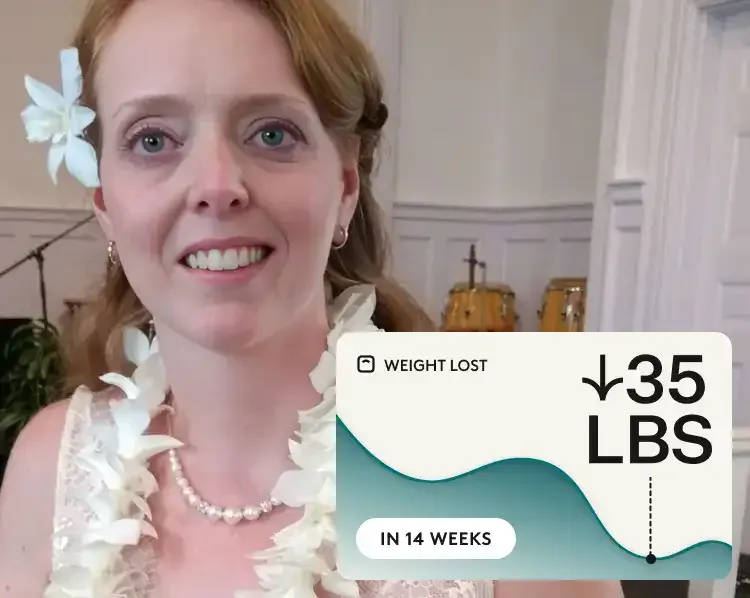
“Cravings and food noise are gone, I finally feel confident in the healthy habits I’ve built to last with Noom.”
Jessica S. – Real Noom user
The bottom line: In general, the best time to weigh yourself is in the morning
If you’re going to use the scale as a tracking tool, the morning is your best bet—after using the bathroom, before eating or drinking, on the same scale each time. Those conditions matter because they keep things consistent, which is what makes it possible to actually see how things are changing over time. And if you’re only stepping on the scale once a week, research suggests Friday or Saturday morning tends to give you the most stable reading.
But the number itself is just a data point, not a verdict. Weight shifts by a few pounds every day in almost everyone—driven by water, food, hormones, and normal biology, not fat gain or loss. What matters is the trend over weeks and months, not what Tuesday looked like compared to Monday.
And if the scale isn’t the right tool for you, that’s worth taking seriously too. Progress shows up in a lot of places before it shows up on the scale—in how your clothes fit, how you feel, how you’re moving. If you’re looking for support that goes beyond the number, Noom combines body composition tracking and weight tools with the behavioral coaching that makes the difference between short-term results and long-term change.
Editorial standards
At Noom, we’re committed to providing health information that’s grounded in reliable science and expert review. Our content is created with the support of qualified professionals and based on well-established research from trusted medical and scientific organizations. Learn more about the experts behind our content on our Health Expert Team page.