

What you’ll learn:
- Common orforgliproon side effects include nausea, vomiting, and constipation.
- Side effects are the most common when first starting Foundayo or around dose increases.
- Working closely with your healthcare provider can make it easier to manage symptoms, adjust doses, and navigate treatment with more confidence.
Starting a new weight loss medication almost always comes with questions, and one of the biggest tends to be: What side effects should I actually expect? If you’ve been looking into orforglipron, that’s exactly the kind of question worth answering before you begin.
Orforglipron is the active ingredient in Foundayo®, a newly-approved once-daily pill developed by Eli Lilly for weight management. It works by activating GLP-1 receptors. GLP-1 (short for glucagon-like peptide-1) is a natural hormone your body produces to help regulate appetite and slow digestion, and orforglipron mimics those effects. Because it’s a nonpeptide molecule (meaning it’s built differently from protein-based compounds), it can be made into a stable pill that can be taken at any time of day.
Similar to other GLP-1 medications, orforglipron is started at a lower dose that gradually increases over time so your body has a chance to adjust. Even with that approach, some digestive side effects can happen and tend to be more likely when you first start the medication, or when your dose goes up.
Whether you’re getting ready to start orforglipron or still weighing your options, knowing what to expect, when side effects are most likely, and how to handle them makes the whole experience feel a lot more manageable. We’ll also cover a few rare but serious risks and how orforglipron compares to other GLP-1 medications.
How orforglipron works
Orforglipron works by activating GLP-1 receptors, which are part of the system your body already uses to manage hunger, digestion, and blood sugar. When those receptors are activated, a few things happen at once:
Noom’s Most Powerful Program
A dual-pathway GLP-1 and behavior change for lasting results.

- Appetite signals in the brain get reduced, which naturally leads to eating less over time
- Digestion slows
- Your pancreas releases more insulin when blood sugar rises, helping keep levels from spiking after meals
- Glucagon gets suppressed—glucagon is the hormone that signals your liver to release stored sugar into your bloodstream, so dialing it back helps keep blood sugar more stable throughout the day
Together, those effects are what drive the weight loss people experience on orforglipron. Because it also affects digestion and how your stomach empties, GI (gastrointestinal) side effects are the most common ones that come with it.
Learn more: What is Foundayo®? New GLP-1 weight loss pill explained
When are side effects most likely with orforglipron?
Side effects with orforglipron are dose-dependent and most likely to happen when your body is adjusting to Foundayo, especially during the first few weeks of treatment or after a dose increase. That’s why Foundayo follows a gradual step-up schedule, starting at a low dose of orforglipron and increasing every 30 days or longer if needed. This slower approach gives your digestive system and appetite-regulating hormones more time to adapt, which can help the adjustment period feel more manageable for many people.
Common side effects of taking orforglipron
Side effects of orforglipron are well documented, and most are manageable, especially when you know what to look out for. Foundayo is available in several daily tablet strengths, allowing providers to slowly adjust the dose based on how your body responds to the medication.
For reference, available doses include:
- 0.8 mg (starting dose)
- 2.5 mg
- 5.5 mg
- 9 mg
- 14.5 mg
- 17.2 mg (maximum dose)
Gastrointestinal issues with orforglipron
Like other GLP-1 medications, the most common side effects with orforglipron involve digestion. That’s not surprising given how these medications work. Orforglipron slows stomach emptying, changes appetite signaling, and affects the gut-brain connection that helps regulate fullness and food intake. For many people, that’s part of why the medication can help with weight loss—but it’s also why nausea and stomach discomfort can happen, especially early on or after dose increases.
One thing worth noticing in the trial data is that side effects generally became more common as doses increased, particularly nausea and vomiting. At the highest dose studied (17.2 mg), about 1 in 3 people experienced nausea, and nearly 1 in 4 experienced vomiting. Diarrhea and constipation were also both fairly common, which may sound contradictory until you realize GLP-1 medications can disrupt digestion in multiple ways at once as the body adjusts.
The table below shows how often they came up across the three doses studied in clinical trials.
| Symptom | Orforglipron 5.5 mg | Orforglipron 9 mg | Orforglipron 17.2 mg |
|---|---|---|---|
| Nausea | 26% | 34% | 35% |
| Vomiting | 13% | 21% | 24% |
| Diarrhea | 21% | 23% | 25% |
| Constipation | 20% | 27% | 24% |
| Abdominal pain | 13% | 14% | 14% |
| Dyspepsia (indigestion) | 12% | 16% | 13% |
| GERD (acid reflux) | 6% | 6% | 7% |
| Abdominal distension | 7% | 9% | 8% |
The encouraging part is that these side effects are often temporary and tend to improve as the body adapts. Many people find that smaller meals, eating more slowly, limiting greasy foods, and staying hydrated help significantly.
But if symptoms feel intense, persistent, or are interfering with daily life, it’s important not to just “push through.” A healthcare provider may recommend slowing dose increases, adjusting eating habits, treating symptoms directly, or considering whether another approach makes more sense for you.
Access GLP-1 Weight Loss with Noom
Explore a wide range of prescription medications supported by Noom’s program.
Microdose GLP-1rx

Noom GLP-1rx
Noom GLP-1rx Plus
Wegovy®
Ozempic®

Metformin
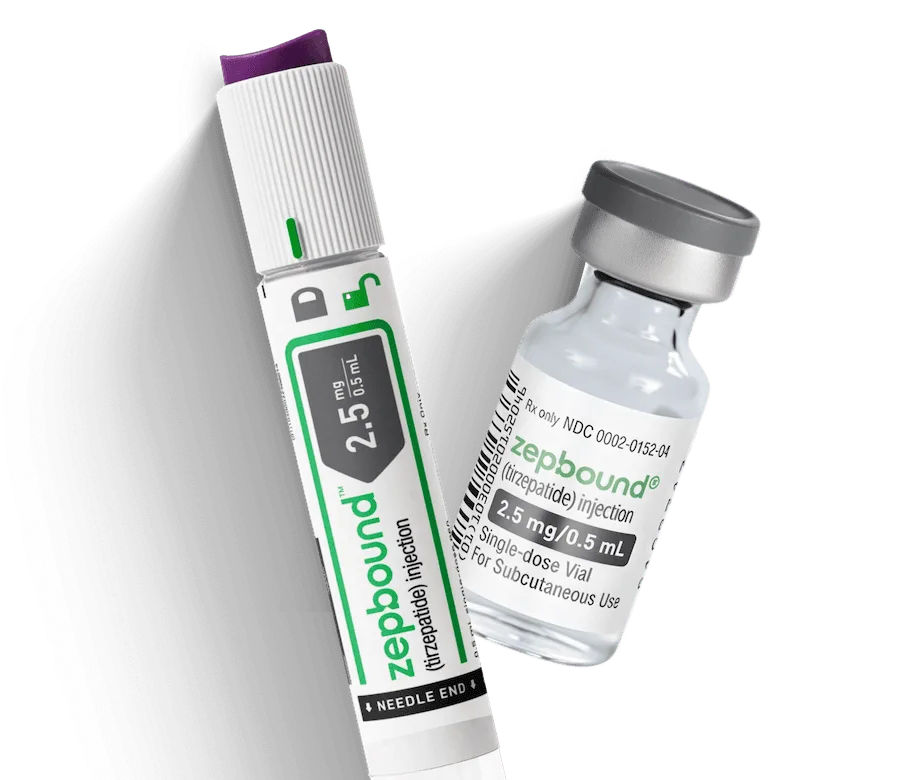
Zepbound®
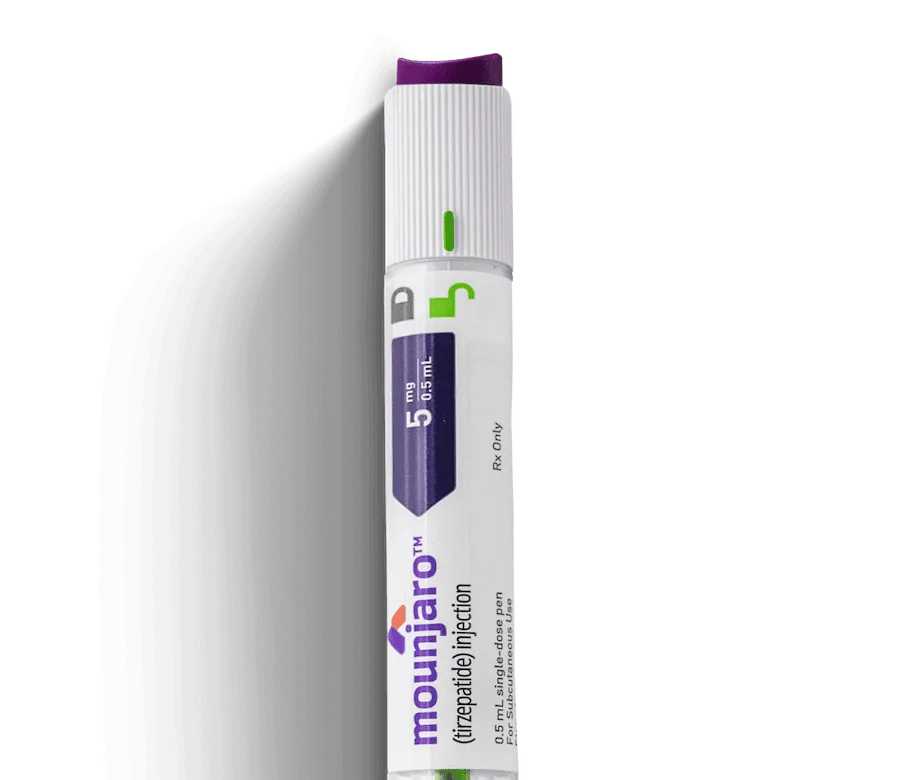
Mounjaro®
Liraglutide
Other orforglipron side effects
The digestive side effects tend to get most of the attention with orforglipron, but they’re not the only changes people reported in clinical trials with orforglipron. Some participants also experienced symptoms like headaches, fatigue, dizziness, and even hair loss.
None of these were among the most common side effects overall, but they’re still worth paying attention to—especially because a few of them may overlap with the weight-loss process itself. For example, fatigue can sometimes happen when people are eating significantly less, adjusting to lower calorie intake, or simply adapting to the medication. Hair loss is another one that can sound alarming, but rapid weight loss itself can sometimes trigger temporary hair shedding, regardless of which weight loss method someone is using.
The table below shows how often these side effects appeared across the doses studied in trials:
| Symptom | Orforglipron 5.5 mg | Orforglipron 9 mg | Orforglipron 17.2 mg |
|---|---|---|---|
| Headache | 8% | 9% | 9% |
| Fatigue | 6% | 7% | 9% |
| Hair loss | 4% | 4% | 5% |
| Dizziness | 4% | 4% | 4% |
One thing the numbers show is that these side effects didn’t rise dramatically with higher doses the way nausea and vomiting did. That may suggest they’re influenced by multiple factors—not just the medication itself, but also reduced calorie intake, dehydration, changes in eating habits, and the body adapting to weight loss.
That’s also why some of these symptoms can sometimes improve with surprisingly practical adjustments: eating enough protein, staying hydrated, slowing down weight loss if it’s happening very rapidly, or making sure you’re not undereating overall.
And as always, if side effects are lingering, worsening, or simply making daily life harder, it’s worth checking in with your healthcare provider. Sometimes, relatively small adjustments can make the medication much easier to tolerate.
Metabolic and cardiovascular symptoms
A few metabolic and cardiovascular changes showed up in orforglipron clinical trials that are worth being aware of, even if they’re not the most common ones on the list.
- Low blood sugar (hypoglycemia): Feeling shaky, dizzy, or suddenly wiped out can sometimes point to blood sugar that’s dropped too low. The risk goes up if you’re combining orforglipron with insulin or a sulfonylurea, so your provider may want to adjust those medications when you start.
- Faster heart rate: Orforglipron was linked to an average resting heart rate increase of 4 to 5 beats per minute in clinical trials, and about 3% of people reported tachycardia, which just means a noticeably elevated heart rate. It’s usually not dangerous, but it is something to mention to your provider if you’re feeling it.
If either of these comes up for you, it’s worth letting your provider know so they can keep an eye on things and adjust your plan if needed.
Learn more: Foundayo® side effects: Symptom guide & management tips
Other potential side effects of orforglipron
Not every side effect you might notice on orforglipron is a direct result of the medication. Some are general effects of significant weight loss, and a couple come directly from orforglipron’s prescribing information. Here’s what’s worth keeping on your radar:
- Muscle loss: Losing weight quickly can sometimes mean losing some muscle along with fat, especially without enough protein or resistance exercise in your routine. Prioritizing protein at meals and adding some strength training goes a long way toward protecting your muscles while you lose weight.
- Facial volume loss: As your body loses fat overall, that includes fat in your face, which can make your features look a little more hollowed out. A steady, gradual pace of weight loss tends to be kinder to your appearance, and staying hydrated helps, too.
- Feeling cold more often: A lower body weight and reduced calorie intake can slow your metabolism slightly, making it harder to stay warm. Staying active throughout the day helps keep circulation going — layering up and keeping your body moving are simple ways to manage this.
- Changes in fertility: Weight loss may improve hormone balance, which may affect ovulation, particularly for people with PCOS or irregular cycles. If pregnancy is something you’re thinking about — either planning for or trying to prevent — have that conversation with your provider. Effective contraception is recommended throughout treatment.
- Oral contraceptive effectiveness: Because orforglipron slows how quickly your stomach empties, it can affect how well oral birth control pills are absorbed into your body. The prescribing information recommends switching to a non-oral contraceptive method or adding a barrier method for 30 days after starting orforglipron and for 30 days after each dose increase.
None of these are reasons to stress, but they are worth keeping on your radar. If something starts to feel off, your provider can help you make sense of it and adjust your plan from there.
Do females experience different side effects with orforglipron?
Orforglipron doesn’t have any specific side effects that are unique to females, but some experiences can show up more often or feel a little different based on how weight loss and hormonal changes interact with your body. Below are a few things worth knowing:
- Menstrual cycle changes: Weight loss can influence estrogen levels, which may temporarily affect your cycle. Some people notice irregular periods or spotting, particularly in the earlier stages of treatment.
- Fertility shifts and oral contraceptive effectiveness: As mentioned above, weight-related hormonal changes may affect ovulation, and orforglipron’s effect on digestion can interfere with how oral birth control is absorbed.
- Hair loss: In clinical trials, hair loss was reported in 7% of females taking orforglipron compared to 0.9% of males. This appears to be linked to the weight loss process itself rather than the medication directly, and it typically resolves on its own once weight loss stabilizes.
If any of this applies to you, your provider can help you plan ahead and make sure you have the right support in place.
Side effects of stopping orforglipron
There are no officially recognized side effects of stopping orforglipron — it doesn’t cause physical dependence or withdrawal in the traditional sense. That said, your body will notice the change as the medication’s effects on appetite and digestion wind down, and it helps to know what to expect.
Here are a few things to keep in mind:
Noom’s Most Powerful Program
A dual-pathway GLP-1 and behavior change for lasting results.
- Hunger returns: The appetite-reducing effects of orforglipron don’t stick around once you stop taking it, so hunger cues will likely return and may feel more intense than you’re used to at this point.
- Weight regain is possible: Without the medication supporting your appetite and digestion, some weight regain can happen, particularly if lifestyle habits like regular movement and balanced eating aren’t already solid.
- Work with your provider before stopping: Whether you’re pausing due to side effects, cost, or another reason, your provider can help you put a plan in place so the transition feels as smooth as possible.
- Your habits carry more weight than you think: The routines you build while on orforglipron are what help protect your progress after you stop. Tools like Noom can help you stay accountable and keep that momentum going.
Any changes to your orforglipron treatment should always be made with your provider’s guidance, not on your own. They know your full health picture and can help you make the transition in a way that protects your progress.
Learn more: Stopping a GLP-1: What to expect & how to manage weight after
Severe side effects and warnings for orforglipron
Most side effects with orforglipron are mild and tend to improve as your body adjusts, especially during the early dose increases. Still, there are a few more serious risks that are important to recognize early.
Orforglipron may cause serious side effects, including:
- Pancreatitis: This is uncommon, but it can become serious quickly. Watch for strong stomach pain that doesn’t go away, especially if it spreads to your back or comes with nausea and vomiting. Stop taking the medication and contact a healthcare provider right away if this happens.
- Severe digestive problems: Orforglipron slows digestion, so some people may develop ongoing vomiting, severe stomach pain, or symptoms that make it hard to eat or drink normally. If you can’t keep fluids down or symptoms become intense, it’s important to seek medical care.
- Dehydration and kidney injury: Losing too much fluid from vomiting or diarrhea can put stress on your kidneys. Signs can include dizziness, weakness, dry mouth, dark urine, or peeing less often than usual. Staying hydrated matters even more if side effects are lingering.
- Low blood sugar (hypoglycemia): The risk is higher if you also take insulin or medications called sulfonylureas. Symptoms may include shakiness, sweating, blurry vision, confusion, fast heartbeat, or feeling suddenly weak. Severe low blood sugar needs urgent medical attention.
- Serious allergic reactions: Although rare, reactions like swelling of the lips, tongue, or throat, trouble breathing, or widespread rash can happen. These symptoms should be treated as a medical emergency.
- Vision changes in people with diabetes: Rapid changes in blood sugar may temporarily worsen diabetic eye problems in some people. If your vision suddenly changes or becomes blurry, contact your provider.
- Gallbladder problems: Fast weight loss and changes in digestion can sometimes increase the risk of gallstones or gallbladder inflammation. Pain in the upper right side of the abdomen, fever, nausea, or vomiting should be checked by a healthcare provider.
- Risks during surgery or anesthesia: Since orforglipron slows stomach emptying, food may still be in the stomach during procedures that use anesthesia or deep sedation. Make sure your healthcare team knows you’re taking the medication before any planned surgery.
- Thyroid tumor warning: Orforglipron carries a boxed warning about thyroid C-cell tumors seen in animal studies. The risk in humans isn’t known, but symptoms like a lump in the neck, trouble swallowing, ongoing hoarseness, or shortness of breath should be reported to your provider.
Paying attention to new or severe symptoms and keeping your healthcare provider updated about how you’re feeling can go a long way toward making treatment feel safer and more manageable.
Who shouldn’t take orforglipron?
Orforglipron isn’t the right fit for everyone, and your medical history plays a big role in deciding if it’s safe for you to take. Your provider will usually look at your full health picture before prescribing it.
You shouldn’t take orforglipron if you:
- Have a personal or family history of medullary thyroid carcinoma (MTC)
- Have a personal or family history of Multiple Endocrine Neoplasia syndrome type 2 (MEN 2)
- Have had a serious allergic reaction to orforglipron or another ingredient in the medication
- Are pregnant, planning to become pregnant, or breastfeeding
There are also situations where orforglipron may need extra caution or closer monitoring. Your provider will decide if it is right for you if you:
- Have a history of pancreatitis
- Have gallstones or gallbladder problems
- Have severe digestive conditions like gastroparesis, which means the stomach empties very slowly
- Have kidney problems or a history of dehydration
- Take insulin or sulfonylureas, since combining these medications can raise the risk of low blood sugar
- Take oral medications that depend on predictable absorption, because orforglipron slows stomach emptying
Keeping your provider updated on side effects, appetite changes, medications, and new symptoms can help them adjust your treatment plan to better support your body and your goals.
Comparing orforglipron to other GLP-1 drugs
If you’re weighing your options or just curious about how orforglipron fits into the broader GLP-1 landscape, understanding how its side effects compare to other medications in the same class is a good place to start.
While all GLP-1 medications work on the same receptors and tend to produce similar types of side effects, how often those effects show up can vary quite a bit from one medication to the next.
Side-effect frequency comparison
Here’s how GI side effect rates compare across GLP-1 medications at their highest studied doses. Because these numbers come from separate clinical trials with different patient groups, dosing schedules, and study conditions, they’re best viewed as a general guide rather than a perfect head-to-head comparison.
One thing that becomes clear quickly: no GLP-1 medication is completely “side-effect free.” Even the options generally considered easier to tolerate still caused digestive symptoms in a meaningful percentage of people. Another important pattern is that side effects often become more noticeable during dose increases. Many people find that symptoms improve over time as the body adjusts, which is one reason these medications are usually started slowly and increased gradually.
| Medication (dose) | Nausea | Vomiting | Diarrhea | Constipation | Dyspepsia |
|---|---|---|---|---|---|
| Orforglipron – Foundayo (17.2 mg) | 35% | 24% | 25% | 24% | 13% |
| Semaglutide injection – Wegovy (2.4 mg) | 44% | 24% | 30% | 24% | 9% |
| Semaglutide pill – Wegovy (25 mg) | 47% | 31% | 18% | 20% | 18% |
| Tirzepatide – Zepbound (15 mg) | 28% | 13% | 23% | 11% | 10% |
A few patterns stand out:
- The Wegovy pill appears to be the toughest on nausea and vomiting. It had the highest rates of both, with nearly half of people taking it reporting nausea.
- Tirzepatide (Zepbound) looks somewhat easier to tolerate overall from a GI perspective. Rates of nausea, vomiting, and constipation were noticeably lower than the semaglutide options.
- Orforglipron (Foundayo) lands somewhere in the middle. Nausea rates were lower than injectable semaglutide but still fairly common, especially at higher doses.
- Injectable semaglutide (Wegovy) had the highest diarrhea rates among the medications listed. The Wegovy pill had the lowest.
- Constipation was surprisingly common across multiple medications. Both orforglipron (Foundayo) and injectable semaglutide (Wegovy) reached about 24%. Tirzepatide (Zepbound) had the lowest rate.
- Indigestion (dyspepsia) showed up more often with the oral medications. That may partly reflect the way oral GLP-1 medications interact with the digestive tract directly.
Wegovy pill vs. Foundayo side effects: What are the important differences?
Looking specifically at side effects, both oral GLP-1 medications cause many of the same digestive issues, but the pattern of those side effects looks a little different.
- Nausea and vomiting: The Wegovy® pill (semaglutide) appears to cause nausea and vomiting more often than Foundayo™ (orforglipron), especially at the highest studied doses. In clinical trials, oral semaglutide had some of the highest nausea rates seen among major GLP-1 medications overall, with nearly half of participants reporting nausea and about one-third reporting vomiting.
- Diarrhea and constipation: Foundayo® (orforglipron) still caused significant digestive side effects, but the balance shifted a bit more toward diarrhea and constipation. Nausea was still common, just somewhat less frequent than with the semaglutide pill.
One interesting thing the numbers suggest is that oral semaglutide may feel “more upper GI” for some people, meaning symptoms like nausea, vomiting, reflux, and indigestion stand out more prominently. Foundayo™ still affects digestion heavily, but the symptom pattern looks a little more spread across the digestive tract overall.
A few bigger-picture takeaways:
- Neither medication is side-effect-free
- Both can significantly affect digestion because that’s part of how GLP-1 medications work
- Side effects often become more noticeable during dose increases
- Many people find symptoms improve over time as the body adapts
- Individual tolerance varies a lot—some people tolerate one medication much better than another
Reviews from real Noom users
“My favorite parts of Noom are the care team and other Noomers. Sharing and getting help made me feel like I wasn’t doing it alone. That support made all the difference.”
Desirea N. — Real Noom user
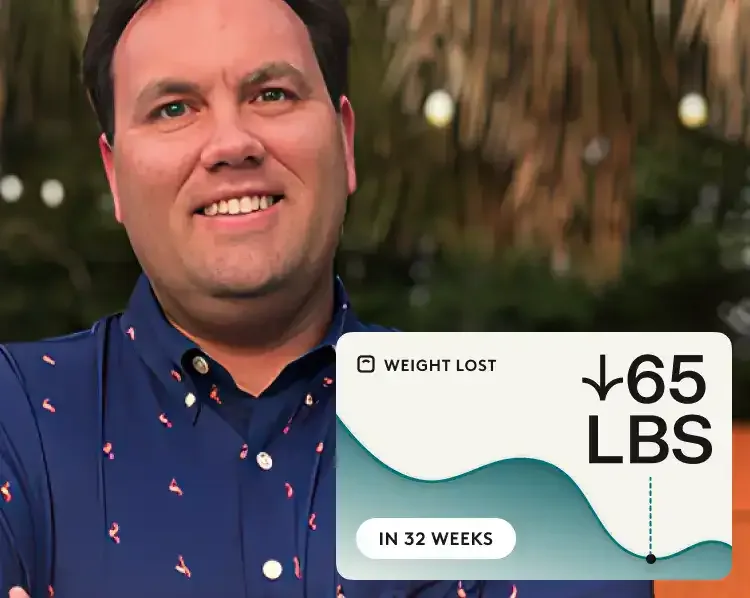
“Noom has taught me that every day is a new chance to make better, healthier choices. It’s taught me how to stop overeating.”
Matthew M. — Real Noom user

“Clinicians who understand how supportive medication can be is one of the best parts of Noom! I was convinced I wouldn’t have success but I’m down 11 pounds in two months.”
Lila M. — Real Noom user
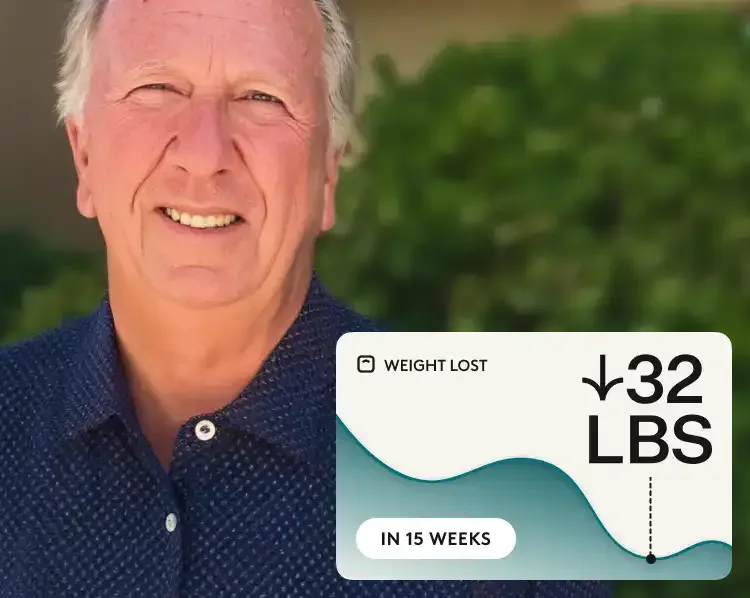
“Noom provided me with the medication which I could not get through Medicare. I have learned the tricks to better eating and life in general.”
Steve M. – Real Noom user
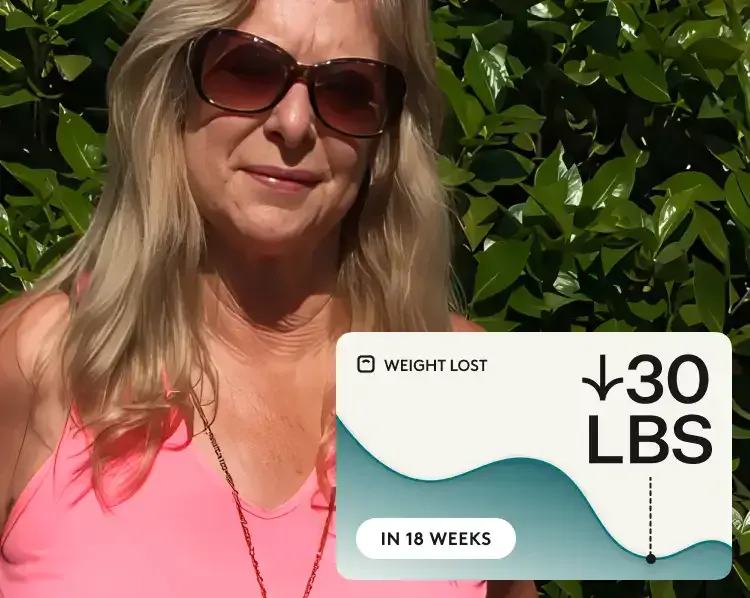
“Noom has changed my life and I’m so thankful, I feel great, have more energy and am no longer prediabetic.”
Daisy R. – Real Noom user
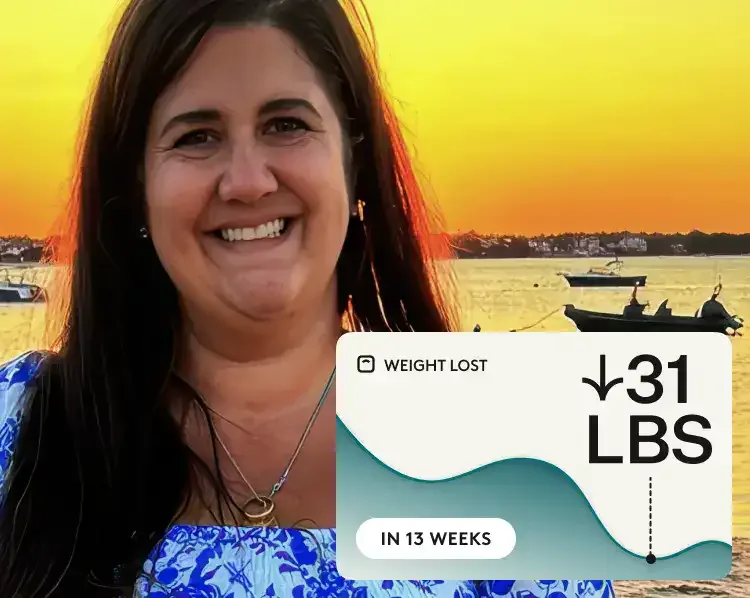
“All of the Noom providers that I’ve met with have been exceptional and prescribed medications that are appropriate for my situation and health.”
Sarah R. – Real Noom user
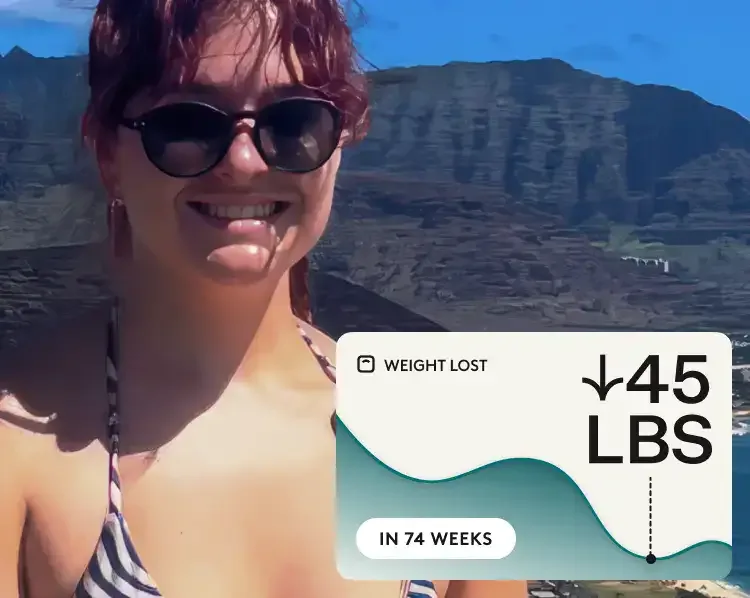
“Noom made the process so simple and now I feel full, free from diet obsession, and at ease in my body again.”
Madison S. – Real Noom user
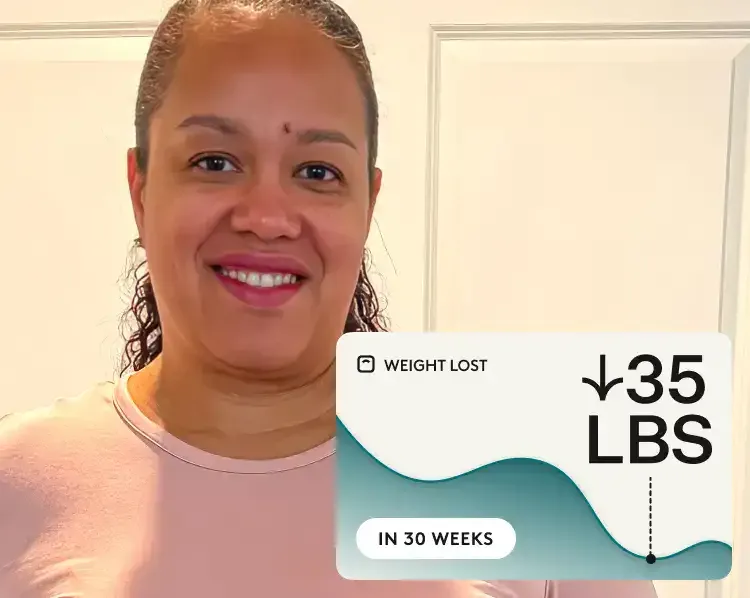
“My doctor recommended Noom after I was frustrated trying to lose weight. The lessons helped change my relationship with food. My body feels lighter & energized.”
Sonday K. – Real Noom user
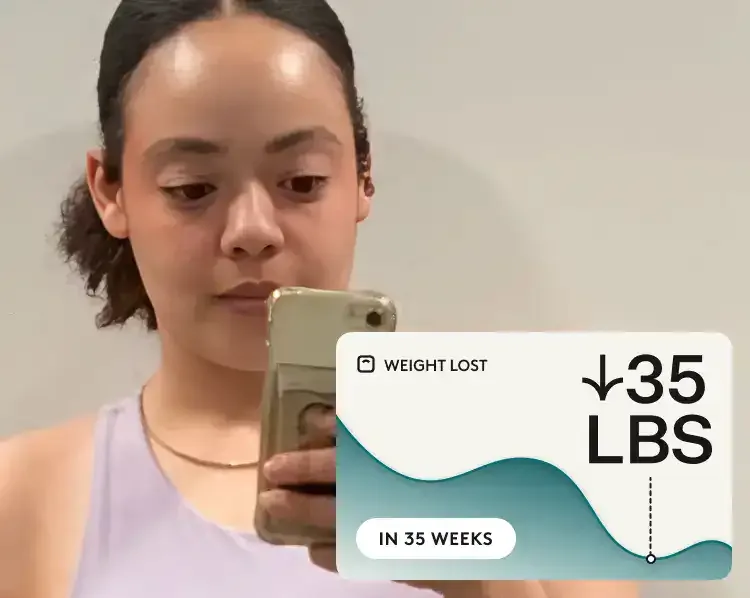
“I built healthy habits with coaching and lessons that make me confident I can maintain my weight loss long term.”
Cam K. – Real Noom user
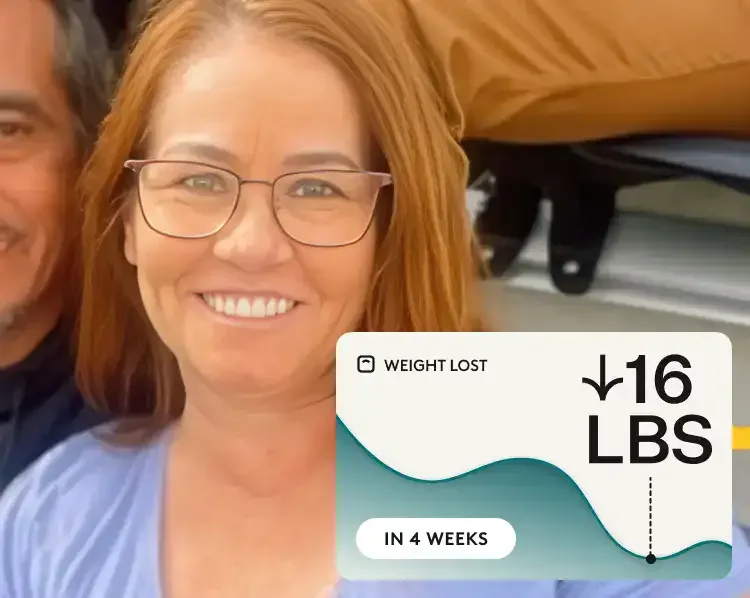
“With the right medication through Noom, hunger and sugar cravings finally quieted and I have the tools to break the cycle.”
Laura TR. – Real Noom user
“Cravings and food noise are gone, I finally feel confident in the healthy habits I’ve built to last with Noom.”
Jessica S. – Real Noom user
The bottom line: Orforglipron side effects are common but manageable
Orforglipron (Foundayo) can help people lose weight, but it’s still a medication your body needs time to adjust to. Changes in digestion can feel pretty noticeable early on, and side effects are often strongest during the first few weeks or after dose increases. Knowing that those changes are part of the adjustment process can make them feel a little less surprising when they happen.
Most people who take orforglipron experience mild to moderate side effects that improve with time, though it’s important to stay aware of symptoms that feel intense, persistent, or out of the ordinary. Your healthcare provider can help you decide when symptoms are expected, when your dose may need adjusting, and when it’s worth checking for something more serious.
If you’re exploring GLP-1 medications for weight management, support matters just as much as the prescription itself. See if you qualify for Noom Med. If you do, you’ll be paired with a clinician who can prescribe medication if needed, help guide treatment decisions, and manage side effects. The Noom program and your Care Team will help you build habits that support long-term health and sustainable weight loss.
Editorial standards
At Noom, we’re committed to providing health information that’s grounded in reliable science and expert review. Our content is created with the support of qualified professionals and based on well-established research from trusted medical and scientific organizations. Learn more about the experts behind our content on our Health Expert Team page.