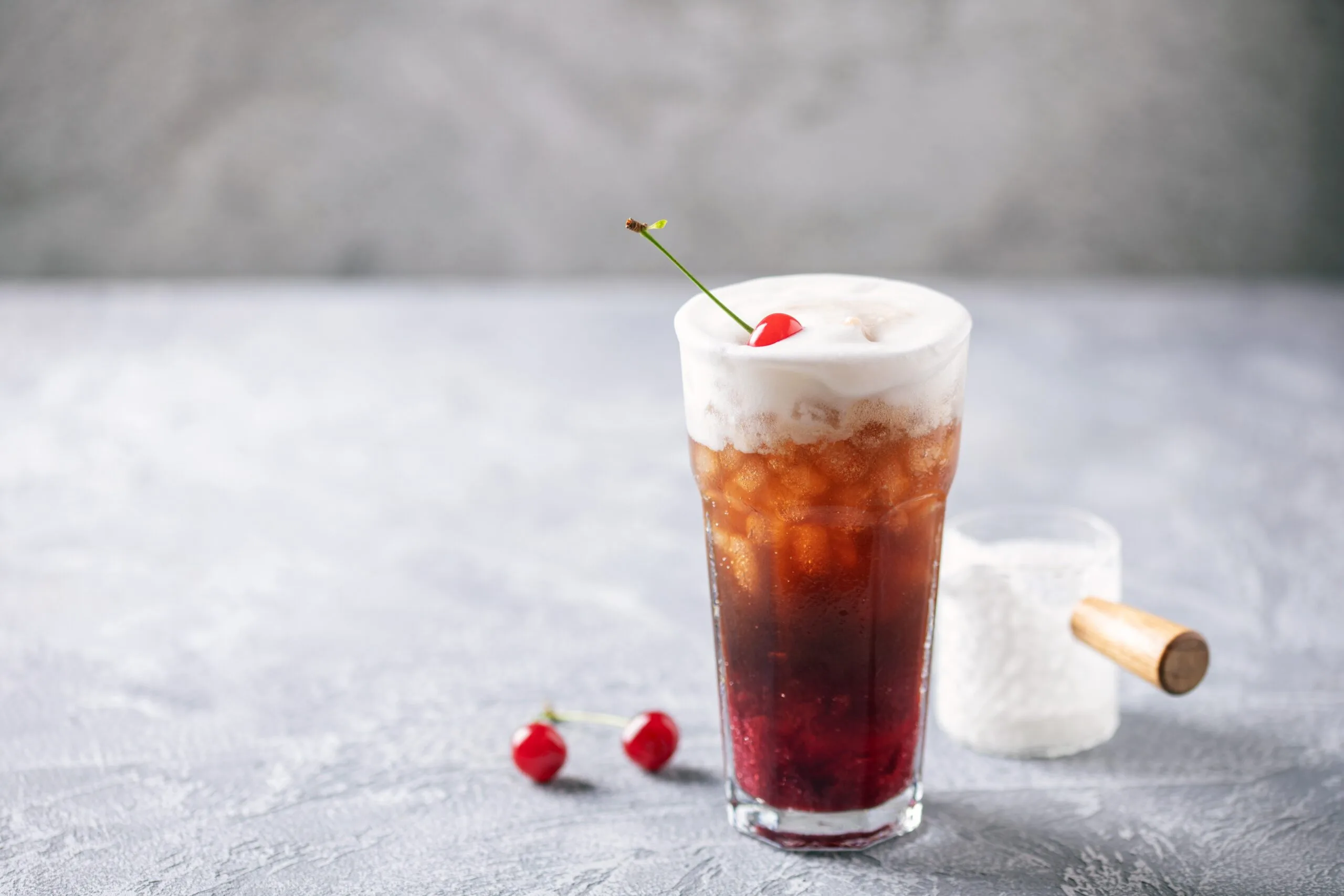
By now, you’ve likely heard the term dirty soda. This twist on the classic fizzy beverage began in Utah soda shops and spread nationwide through viral social media posts and reality TV. What began as a regional trend is now showing up at major chains like McDonald’s, Taco Bell, Dunkin’, and Sonic—making dirty sodas easier to find than ever.
What is a dirty soda? Typically, it involves a soda base, a flavored syrup, and a finish with a pour of cream or coconut milk. Adding that cream is what “dirties” it up—the same concept as a dirty martini (which gets olive brine) or a dirty chai (which gets a shot of espresso).
That simple formula creates drinks with very different nutrition profiles. A dirty soda made with regular soda, multiple flavored syrups, and heavy cream can pack a significant amount of sugar and calories. One made with diet soda and a lighter splash of half-and-half may contain very little sugar and far fewer calories.
From a health perspective, dirty sodas tend to land somewhere between a soft drink and a dessert. Most are high in added sugar and calories—but that doesn’t mean they’re off-limits. They’re also highly customizable, and small changes can dramatically cut the sugar and calories while preserving most of the flavor.
Dirty soda fits into a broader trend of customizable beverages, which we’ve covered extensively—from Dunkin’ iced coffee buckets to protein coffee. Depending on the combination and size, a dirty soda can function more like a refreshing low-calorie drink—or more like a liquid dessert.

The Easy Way
to lose weight and get healthy.
See if you qualify
What do you need to know before ordering one? This article breaks down dirty soda nutrition by component—base soda, cream, and syrup—and looks at how those pieces add up in real drink combinations. You’ll also learn ways to customize these drinks to cut sugar and calories while still keeping the flavor and experience.
What is a dirty soda?
A dirty soda is a cold, carbonated drink made with a soda base, flavored syrup, and a cream or dairy-based topping, served over ice. The cream floats on top and slowly mixes in as you sip—and that creamy addition is what makes it “dirty.”
If you’ve never had one, think of it as similar to a soda float crossed with a cold foam-topped cold brew.
The trend is thought to have originated in Utah, where a strong non-drinking culture created demand for interesting, customizable non-alcoholic beverages. Soda shop chains like Swig (founded in 2010) and Fiiz became local institutions, building loyal followings around creative, highly customizable drinks. Singer Olivia Rodrigo was photographed with a Swig cup, which sent search interest through the roof. Then, The Secret Lives of Mormon Wives—a Hulu reality series—featured dirty sodas prominently and introduced the drink to a completely new national audience. Now you’ll find dirty soda menus at McDonald’s, Dunkin’, Taco Bell, and other chains across the country.
Swig is still widely considered the brand that put dirty soda on the map, and their signature drinks show the range of what these can be. Their Texas Tab—Dr. Pepper with vanilla syrup and coconut cream—is considered the classic.
What’s in a dirty soda?
Even though there’s a huge range of flavors, most dirty sodas come down to the same three-part formula:
- The base: A carbonated soda—usually something sweet and fizzy like Dr. Pepper, Mountain Dew, Pepsi, or root beer.
- The syrup: Flavored sugar syrup added to the base to give the drink its character. Common flavors include vanilla, coconut, raspberry, peach, lime, and cherry. Most shops use 2–4 pumps per drink.
- The cream: A float or swirl of cream, half-and-half, or coconut cream poured on top. This is what makes the drink “dirty.”
The flavor combinations are infinitely customizable, but it also means the nutrition info will change depending on what you order.
Dirty soda: Nutrition overview and what to know
A dirty soda can range from a relatively light treat to something that rivals a milkshake in calories and sugar. Most 24-ounce dirty sodas contain roughly 250 to 350 calories, though the exact number depends on the soda, syrups, and cream used.
The biggest contributor is usually the soda itself. A regular 24-ounce soda contains about 45 to 55 grams of sugar before any mix-ins are added. Flavored syrups can contribute another 12 to 23 grams of sugar, while cream adds varying amounts of fat and calories.
Want to lighten things up? A few simple swaps can dramatically change the nutrition profile. Choosing a diet soda or sparkling water base and opting for sugar-free syrups can significantly reduce both calories and sugar while preserving much of the sweetness and flavor.
The Easy Way
to lose weight and get healthy.
See if you qualifyThe soda base
The soda base is where most of the sugar—and often the caffeine—comes from.
- Regular soda: About 43 to 48 grams of sugar per 24-ounce serving
- Diet soda: Zero sugar and virtually no calories
- Sparkling water: Zero sugar and zero calories
If you’re looking to lower the sugar content of a dirty soda, switching the base is the most impactful change you can make. Keep in mind that diet sodas contain artificial sweeteners, and people respond to them differently. Some find they help satisfy a craving for something sweet, while others notice digestive symptoms, an aftertaste, or that sweet-tasting drinks leave them wanting more sweets later.
Cream
Cream is what gives dirty soda its signature smooth, rich texture. It also contributes most of the fat and a meaningful share of the calories. The estimates below are based on a ¼-cup serving (about 4 tablespoons), which is a reasonable approximation for a generously poured 24-ounce dirty soda. Actual amounts will vary by shop and recipe.
- Heavy cream: About 200 calories; rich in fat with virtually no sugar
- Sweetened condensed coconut milk: About 240 calories and 38 grams of sugar
- Coconut cream: About 140 calories with minimal sugar
- Half-and-half: About 78 calories with minimal sugar
- Flavored non-dairy creamer: About 70 calories and roughly 10 grams of sugar
Syrups
Syrups are where many dirty sodas get their signature flavors, from vanilla and coconut to raspberry and lime. They can also add a surprising amount of sugar.
- Regular flavored syrup: About 66 calories and 17 grams of sugar per three pumps
- Sugar-free flavored syrup: Zero calories and zero sugar
Many coffee shops and soda shops offer sugar-free versions of their most popular flavors, making it easy to customize your drink based on your preferences and nutrition goals. Like diet sodas, sugar-free syrups contain alternative sweeteners that can affect people differently. Some people enjoy the lower-sugar option with no issues, while others find that certain sweeteners don’t agree with them or leave them less satisfied than the original version.
How dirty sodas compare at popular chains
Dirty soda isn’t just a soda shop thing anymore. We’re looking at the top national chains offering cola or Dr Pepper versions—each puts its own spin on the format, but they all borrow from the same basic idea. Here’s how the numbers compare.
| Chain | Drink | Cream/Foam type | Size | Calories | Sugar |
|---|---|---|---|---|---|
| McDonald’s | Dirty Dr Pepper (Dr Pepper, vanilla syrup, cold foam) | Oil-based cold foam | 21 oz | 300 | 65g |
| Dunkin’ | Dirty Soda (Pepsi, coffee milk, sweet cold foam) | Cream & skim milk foam | 24 oz | 320 | 59g |
| Taco Bell | Pepsi Dirty Soda (Pepsi, vanilla crème) | Heavy cream-based crème, mixed in | 20 oz | 300 | 76g |
| Sonic | Dirty Dr Pepper (Dr Pepper, coconut syrup, sweet cream, lime) | Dairy sweet cream, poured in | 20 oz | 240 | 61g |
What the numbers tell you
- Sonic comes in lowest on calories (240) despite having the most ingredients—the coconut syrup and sweet cream add flavor without as many calories as a vanilla crème or coffee milk base.
- Taco Bell has the highest sugar count (76g) in the smallest cup, driven almost entirely by the sweetened vanilla crème mixed directly into the Pepsi.
- Dunkin’ has the most volume at 24 oz, which accounts for most of its higher calorie count—and it’s the only one with a coffee element, which adds a subtle flavor layer without much extra sugar.
- McDonald’s and Taco Bell are tied on calories at 300, but McDonald’s has significantly less sugar (65g vs 76g)—the cold foam adds calories through fat rather than sugar.
- Across all four, sugar runs high regardless of which version you order. The soda base alone contributes the majority before any add-ins.
Why the cream or foam type matters
The cream or foam component varies more than you’d expect across chains, and it has a real impact on the nutrition.
- McDonald’s uses an oil-based cold foam—lower in saturated fat than dairy but still calorie-contributing.
- Dunkin’s sweet cold foam is whipped from cream and skim milk, so it’s aerated and lighter by volume than it looks.
- Taco Bell’s vanilla crème is heavy cream-based and sweetened, mixed directly into the drink, which is the main reason its sugar count is the highest of the four.
- Sonic’s sweet cream is also poured in rather than foamed, but it’s less sweetened on its own—at Sonic, the coconut syrup is doing most of the sugar work, not the cream.
If you’re ordering a dirty soda somewhere other than these chains, it’s worth asking about the ingredients or checking the menu before you order. Recipes vary a lot from shop to shop—what goes into the cream, syrup, or base can differ significantly, and that matters if you have dairy, soy, or other sensitivities. When in doubt, most shops are happy to walk you through what’s in the drink.
Is dirty soda unhealthy? What to consider
Dirty soda isn’t inherently “bad.” Like many treats, it can fit into an overall healthy eating pattern. The bigger question is how often you’re having it and how it’s made. Here are a few things to keep in mind.
No significant nutritional value
A dirty soda is built for flavor and enjoyment, not nutrition—and that’s okay as long as you’re treating it that way. The soda base, syrup, and cream don’t contribute much beyond calories and sugar, so it’s worth being mindful of how often it’s showing up in your day, especially if it’s quietly replacing something more filling or nutritious.
Dirty sodas tend to be high in sugar
A medium dirty soda made with regular soda and flavored syrups typically contains 55 to 70 grams of added sugar—most nutrition guidelines suggest keeping added sugar to a maximum of 25 to 36 grams per day. That’s worth keeping in mind, since research consistently links high added sugar intake with increased risk of weight gain, type 2 diabetes, and cardiovascular disease. A landmark study found that people who got 17 to 21% of their calories from added sugar had a 38% higher risk of cardiovascular disease mortality compared to those who consumed 8% or less.
That doesn’t mean you need to avoid dirty sodas entirely. Many people find that choosing a smaller size, ordering fewer syrup pumps, or opting for a diet soda base can significantly reduce the sugar while keeping much of the flavor.
Dirty sodas tend to be high in calories
Most medium dirty sodas land in the 250 to 320 calorie range—not a problem on its own, and pretty comparable to other specialty drinks. Where it starts to add up is if it becomes a daily habit or is part of a larger meal. If you’re going bigger, a 32 oz can push into the 400 to 500 calorie range, depending on how much cream and syrup go in, so size is worth factoring in if you’re ordering regularly.
Caffeine can add up
Caffeine varies more than people expect, depending on the base. Most cola and Dr Pepper builds fall in the 50 to 100 mg range, which is roughly on par with a small cup of coffee. Mountain Dew-based builds run a bit higher, and some specialty soda shops now offer energy drink bases that can push 150 mg or more per drink. If you’re already having coffee in the morning or are sensitive to caffeine, it’s worth checking the base before you order.
Liquid calories don’t always feel as filling
One thing worth knowing about dirty sodas—or any specialty drink—is that liquid calories tend to be less satisfying than the same calories from food. Research consistently shows that drinks don’t trigger the same fullness cues that solid food does, which makes them easy to underestimate. If you’re keeping an eye on your intake, it’s worth factoring drinks into the picture the same way you would a snack.
Tips for lightening up a dirty soda
If you’re looking for less sugar, fat, or calories, dirty sodas are one of the most customizable drinks out there, and small swaps make a real difference.
- Swap the base. Choosing a diet soda base or even seltzer eliminates 40 to 50g of sugar. Keep in mind that diet sodas use alternative sweeteners like aspartame or sucralose—most people tolerate them fine, but some notice digestive sensitivity or find they affect cravings differently. It’s worth paying attention to how your body responds.
- Choose a lighter cream. Half-and-half or a non-dairy creamer saves 120+ calories over heavy cream at the same pour size.
- Order a smaller size. Going from 24 oz to 16 oz drops calories and sugar by roughly 25 to 30%.
- Fewer pumps of syrup. Ask for 1 to 2 pumps instead of 3 to 4—you’ll still get the flavor without as much sugar.
FAQs about dirty soda
Why do they call it a dirty soda?
The “dirty” in dirty soda refers to the looks of the soda with added cream, similar to the way a “dirty chai” has a shot of espresso. Adding cream or creamer to a plain soda is what “dirties” it up. The term originated in Utah soda shop culture, where the style has been popular since at least 2010, when Swig opened. The word also signals it’s not your basic fountain drink—it’s been customized.
What kind of cream is used in dirty soda?
It depends on the shop. Common options include heavy cream, half-and-half, coconut cream, and sweetened condensed coconut milk. Flavored non-dairy creamers are also popular. At most independent soda shops, you can choose. At chains, the cream is built into the recipe—McDonald’s uses an oil-based cold foam with vanilla syrup, Dunkin’ uses coffee milk and sweet cold foam made with cream and skim milk, Taco Bell swirls in a heavy cream-based vanilla crème, and Sonic pours in dairy sweet cream with coconut syrup and lime.
How much sugar is in a dirty soda?
It depends on size and ingredients. A medium dirty soda (20 to 24 ounces) made with a regular soda base and standard syrup typically contains 55 to 70 grams of sugar—though it can vary depending on how many syrup pumps and how much cream goes in. Larger sizes can hit 80 to 100 grams or more. Diet-based versions with sugar-free syrups reduce that dramatically—under 5 grams of sugar for most builds, since the cream contributes very little on its own.
Access GLP-1 Weight Loss with Noom
Explore a wide range of prescription medications supported by Noom’s program.Microdose GLP-1rx
Noom GLP-1rx
Noom GLP-1rx Plus
Wegovy®
Ozempic®
Metformin
Zepbound®
Mounjaro®
Liraglutide
What’s the most popular dirty soda?
Dr Pepper–based dirty sodas are consistently among the most popular, both at independent soda shops and at chains—McDonald’s launched their national dirty soda line in May 2026 with a Dirty Dr Pepper as the flagship. Swig, the Utah-based soda chain widely credited with helping bring dirty soda to a national audience, built much of its following around Dr Pepper builds like their Texas Tab, made with Dr Pepper, vanilla, and coconut cream.
How can I make a dirty soda at home?
The basic formula is simple: fill a glass with ice, pour in your soda base, add 1 to 2 tablespoons of syrup, then slowly pour 1 to 2 ounces of cream over the back of a spoon so it layers on top rather than mixing in right away. Stir gently before drinking.
Some people prefer to whip the cream first using a small whisk or handheld milk frother, which gives it more of a cold foam texture similar to what you’d get at a chain. For the cream, half-and-half gives a good balance of richness without going as heavy as full cream—and if you want an even easier route, a handful of creamer brands now sell dirty soda-specific creamer blends that combine the syrup and cream component in one.
Is dirty soda a Mormon thing?
Sort of—its origins are deeply tied to Utah’s strong non-drinking culture, where soda shops emerged as a social alternative to coffee and alcohol. The drinks became community institutions in ways that aren’t common elsewhere. But dirty soda has long since outgrown those roots. It’s now a mainstream beverage trend showing up at fast food chains coast to coast.
The Easy Way
to lose weight and get healthy.
See if you qualifyThe bottom line: Dirty soda in moderation can still be part of your health or weight loss plan
Dirty sodas have exploded in popularity because they’re fun, customizable, and offer nearly endless flavor combinations. But the nutrition can vary just as much as the flavors. Depending on the ingredients you choose, a dirty soda can range from a relatively light beverage to a drink that contains a significant amount of sugar and calories.
The good news is that you have a lot of control over the final result. Choosing a different base, cutting back on syrup, or opting for a smaller size can substantially change the nutrition profile while keeping the experience largely the same. Whether you order one as an occasional treat or customize it to better fit your preferences, understanding what’s in your drink can help you make a choice that feels right for you.
If you’re looking for more healthy habit strategies, explore the Noom app on iOS & Android. The app offers more learning about how all foods can fit into a balanced approach.
Editorial standards
At Noom, we’re committed to providing health information that’s grounded in reliable science and expert review. Our content is created with the support of qualified professionals and based on well-established research from trusted medical and scientific organizations. Learn more about the experts behind our content on our Health Expert Team page.