
What you’ll learn:
- Without insurance, tirzepatide medications can cost more than $1,000 per month, but the amount you pay depends on where you fill your prescription and whether you qualify for manufacturer programs or discounts.
- Zepbound® is now available through LillyDirect’s self-pay program, with the vial and KwikPen® starting at $299 per month.
- Mounjaro® is more likely to cost the full retail price without insurance, though some manufacturer savings cards and pharmacy discounts may still help lower out-of-pocket costs.
If you’ve been thinking about weight loss medications, tirzepatide has probably come up. It’s the active ingredient in Zepbound® and Mounjaro®. It’s gotten a lot of attention for how effective it can be. In clinical trials, people taking tirzepatide for weight loss lost an average of about 21% of their starting body weight.
Tirzepatide can be highly effective, but for many people, the cost is what gives them a lot to think about. What will tirzepatide cost without insurance? The monthly list prices for both tirzepatide medications are typically over $1,000.
But if you’ve ruled tirzepatide out because of the price, it may be worth taking another look. Prices can change, insurance coverage can shift, and the beginning of 2026 brings some notable updates.
Also, recent cash-pay price reductions that took effect in late 2025, along with expanded manufacturer savings programs, have changed what some people will pay. And insurance isn’t always necessary to make Zepbound® affordable.
Understanding the different ways to access tirzepatide and the medications that contain it can make the process feel a lot less overwhelming—and help you decide whether it makes sense for your health goals and your budget.
Price snapshot:
- List price:
- Zepbound: $1,060 / month
- Mounjaro: $1,112 / month
- With insurance:
- Zepbound: $25–$150 / month (varies by plan)
- Mounjaro: $25–$150 / month (varies by plan)
- Without insurance (cash):
- Zepbound: $299–$449 / month (with manufacturer direct-pay)
- Mounjaro: $1,056–$1,150 / month
Tirzepatide cost: News and changes for 2026
Tirzepatide pricing has shifted quite a bit since 2025, with several key changes affecting how much people pay. Knowing what’s changed can make a real difference in managing your monthly prescription costs.
- July 1, 2026: Medicare launched a temporary GLP-1 Bridge program that gives eligible Medicare Part D members access to certain weight-loss medications through the end of 2027. For tirzepatide, only the new KwikPen® multi-dose version of Zepbound® is included in the program. Neither the Zepbound® single-dose pens and vials nor Mounjaro® qualify. The program runs separately from standard Medicare Part D coverage. Learn more about eligibility and how the program works.
- February 23, 2026: Eli Lilly announced a new multi-dose KwikPen® device for Zepbound®. The pen contains four weekly doses in a single device, offering an alternative to single-dose injection formats, with pricing ranging from about $299–$449 depending on dose. This means that those paying cash through LillyDirect now have a pre-filled pen option rather than only the vial and syringe format, helping to improve accessibility.
- December 1, 2025: Eli Lilly and Company lowered cash-pay pricing for single-dose tirzepatide vials purchased through LillyDirect. Monthly pricing dropped to roughly $299–$449, depending on dose, down from previous pricing of about $349–$499 for people paying without insurance coverage.
- November 6, 2025: A new federal Most-Favored-Nation pricing framework was announced for certain high-cost medications, including GLP-1 and GIP/GLP-1 therapies like tirzepatide. The policy is designed to tie U.S. drug pricing more closely to the lower prices paid in comparable countries, with the goal of reducing out-of-pocket costs for consumers. Under the proposed framework, monthly tirzepatide pricing on a planned government discount platform could fall substantially, with additional caps on Medicare copays for eligible patients. For Zepbound® specifically, the price could drop from about $1,086 per month to about $346, with Medicare copays capped at $50 for eligible people.
Does your insurance cover Zepbound® or Mounjaro?:
- Use Noom’s Insurance Checker to find out in minutes.
How much does tirzepatide cost per month?
Retail list prices for tirzepatide medications are typically around $1,000 or more per month, with Zepbound® listed at $1,060 per month and Mounjaro® listed at $1,112 per month, but insurance coverage, manufacturer savings cards, and direct-pay pharmacy programs can lower what many people actually pay.
Because of that, it’s usually more helpful to look at common payment scenarios instead of focusing only on the list price.
It’s also worth remembering that the medication itself is only part of the overall treatment cost. Many people also need ongoing clinician visits, prescription renewals, dose adjustments, and occasional lab work to monitor blood sugar and metabolic health. Depending on what your provider requires, these can add $150 to $300 per visit and $100 to $200 for labs, unless they’re bundled into a program or covered by insurance.
Another factor that affects pricing is dose escalation. Tirzepatide is started at the lowest dose and slowly increased over time to help your body adjust and minimize side effects. As doses increase, monthly pricing may change, too.
Tirzepatide costs in 2026: Real-life scenarios
Instead of one fixed monthly price, tirzepatide costs are best understood by looking at how people actually access the medication. Depending on insurance status, savings eligibility, and pharmacy choice, monthly costs can vary significantly.
| Payment scenario | Zepbound® monthly cost | Mounjaro® monthly cost | Who is this for |
|---|---|---|---|
| Full retail price | $1,080–$1,100 (for single-dose pen) | $1,000–$1,100 | People paying full price at retail pharmacies without insurance or discounts |
| With insurance | $25–$150 | $25–$150 | People whose commercial insurance plans cover the medication and who can use savings cards |
| With cash-pay discounts | $299–$449(vial and multi-dose QuikPen) | Cash-pay discounts not available | People filling their prescription through LillyDirect or through a partner pharmacy. Mounjaro® isn’t available through LillyDirect |
*Estimated pricing varies based on eligibility, dose, coverage, and available discounts.
Why you need a prescription for tirzepatide
Tirzepatide is only available with a prescription from a licensed healthcare provider. That could be your primary care doctor, an obesity medicine specialist or endocrinologist, a nurse practitioner or physician assistant, or even a telehealth provider licensed in your state. Here’s why:
Tirzepatide dosing is gradually increased over time
Treatment starts at a low dose (2.5 mg once weekly) and is increased every 4 weeks or longer if needed. This helps your body adjust and reduces side effects. Your provider will work with you to find the lowest effective dose that delivers results while keeping side effects manageable.
Learn more: Tirzepatide dosage guide: How to find the right dose for you
Access GLP-1 Weight Loss with Noom
Explore a wide range of prescription medications supported by Noom’s program.Microdose GLP-1rx
Noom GLP-1rx
Noom GLP-1rx Plus
Wegovy®
Ozempic®
Metformin
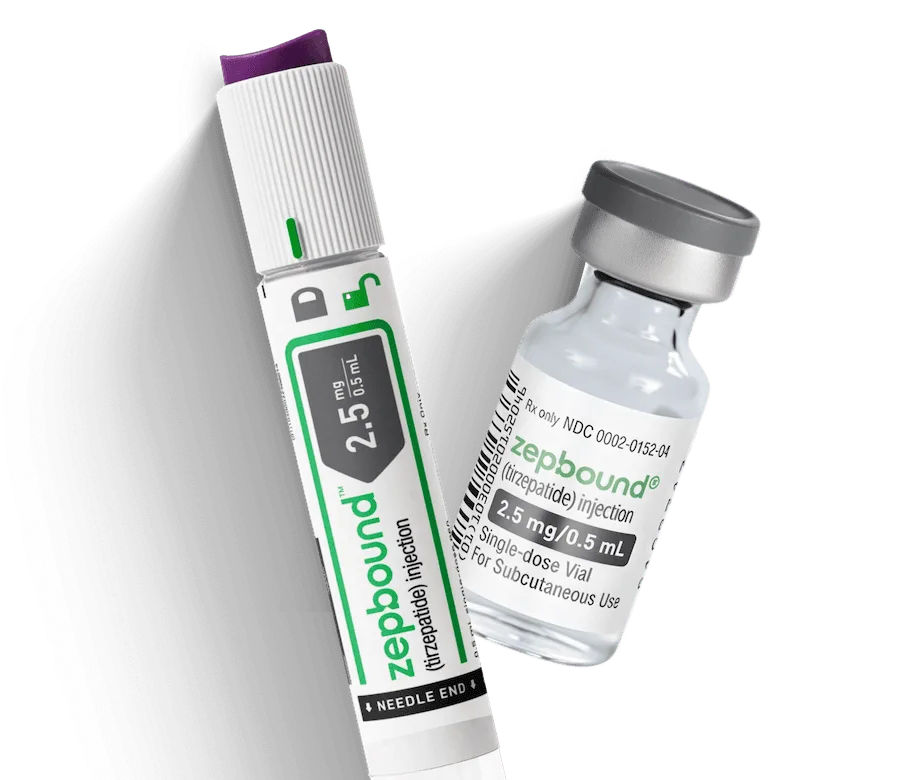
Zepbound®
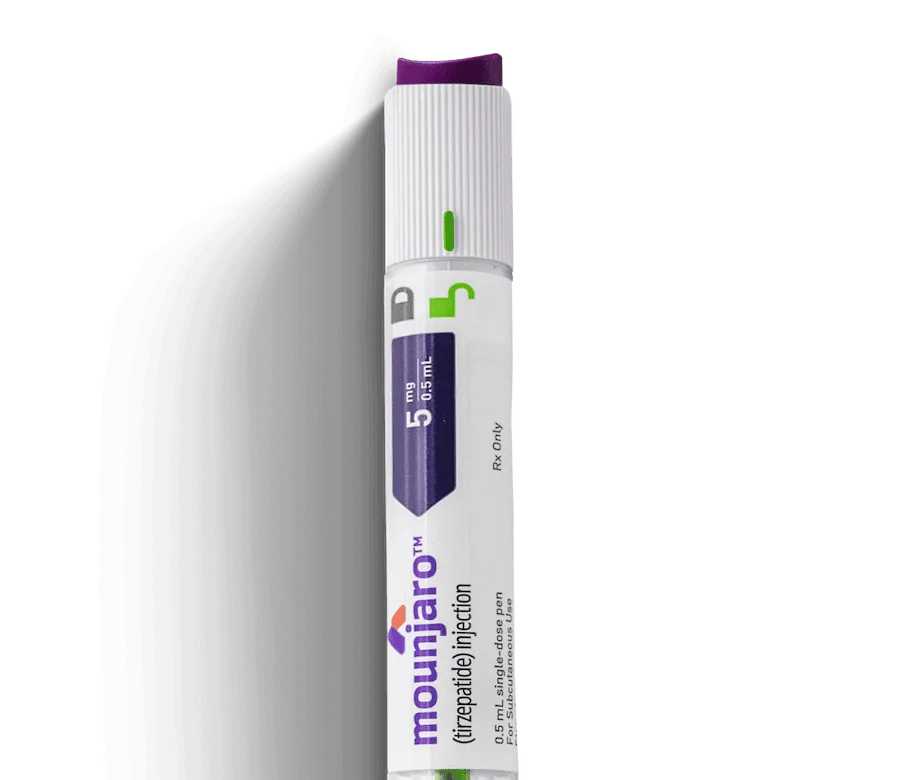
Mounjaro®
Liraglutide
Tirzepatide can cause side effects that need monitoring
Common side effects include nausea, vomiting, diarrhea, constipation, and stomach discomfort. These often improve over time, but your provider will monitor how you’re doing and make adjustments if needed. Ongoing check-ins help keep treatment both safe and effective.
Learn more: Tirzepatide side effects: Symptom guide and management tips
Some people shouldn’t take tirzepatide
Tirzepatide isn’t right for everyone. Your healthcare provider will review your medical history, current medications, and overall health before prescribing it.
You can’t take tirzepatide if:
- You or a family member has had medullary thyroid carcinoma (MTC) or multiple endocrine neoplasia syndrome type 2 (MEN 2).
- You’ve had a serious allergic reaction to tirzepatide or any of its ingredients.
- You are pregnant, planning to become pregnant, or breastfeeding.
Your provider may recommend avoiding tirzepatide if you:
- Have a history of pancreatitis or severe digestive conditions like gastroparesis.
How to get a prescription for tirzepatide without insurance
There’s more than one way to get a prescription for tirzepatide, even if you’re paying out of pocket. You can work with a clinician in person or online, and the total cost depends largely on how you access care. Telehealth has expanded access significantly, making it easier to connect with licensed providers—but pricing models and levels of support can vary, so it helps to understand your options.
- Primary care provider (in person). Primary care clinicians can prescribe tirzepatide. Without insurance, you’ll typically pay out of pocket for office visits, follow-ups, and any required lab work, which are often billed separately.
- Obesity medicine specialist or endocrinologist. These providers tend to have deeper experience with GLP-1s like Zepbound®. Specialist care often comes at a higher cost, with initial visits running several hundred dollars and additional fees for ongoing care and labs.
- Telehealth programs focused on weight or metabolic health. Telehealth platforms connect you with licensed clinicians through virtual visits. Some charge per appointment, while others use a flat monthly fee that includes evaluation, prescription management, and ongoing support. Medication costs are typically not included, so it’s important to review what each program covers.
- Online clinician marketplaces. Certain platforms offer one-time virtual consultations with independent providers. These visits can be less expensive upfront, but ongoing care—such as dose changes, monitoring, or refills—may require additional appointments and fees.
The cheapest way to get a prescription: Telehealth vs. In-person
If cost is your main concern, how you get the prescription matters just as much as the medication itself.
- Traditional in-person care adds up fast. An initial doctor’s visit often runs $200 or more; follow-ups can cost $150 each, and lab work is usually billed separately. Even before you fill a prescription, you could be several hundred dollars in.
- Telehealth programs tend to use a flat monthly fee, which includes the clinician evaluation, prescription management, follow-ups, and often lab coordination. There are no surprise bills for every appointment, which makes costs far more predictable, especially if you’re paying without insurance.
For people without insurance—or those using insurance for branded medications—telehealth can be one of the most predictable ways to access prescription weight-loss care. Instead of paying per visit or navigating specialist referrals, Noom Med combines clinician evaluation, prescription support, and ongoing behavior-change tools in one place.
If you’re interested in tirzepatide, Noom Med starts at $39 for an initial 30-day trial; medication isn’t included. You’ll fill the prescription at the pharmacy of your choice. You’ll also receive Noom’s full program, GLP-1 Companion access, and support from a dedicated Care Team.
Who is eligible for Noom Med?
Noom Med is built for people who may need extra medical support to reach their health goals. A licensed clinician reviews your health history to decide if prescription weight-loss medications—including GLP-1s—are a good fit for you. It’s often a great option if you’ve had a hard time losing weight on your own and want a combination of medical care and structured support.
Tirzepatide cost without insurance: Pharmacy comparison
If you’re paying cash, where you fill your prescription can make a noticeable difference in how much you spend each month. Prices for medications containing tirzepatide—such as Zepbound® and Mounjaro®—can vary depending on the pharmacy, delivery service, and whether you’re using manufacturer programs.
If you’re paying for Zepbound® without insurance, you may save money by using the manufacturer’s direct cash program through LillyDirect, which offers Zepbound® in a single-dose vial and syringe and as the multi-dose KwikPen®. Mounjaro® is currently only available as a single-dose pen in the U.S. and is not available through LillyDirect, so there are no cash-pay discounts through the manufacturer.
One note:
The table below shows estimated cash prices based on publicly available pharmacy pricing data. Actual prices may vary by location, dose, and available discounts.
| Retailer / Pharmacy | Cash price — Mounjaro® | Cash price — Zepbound® |
|---|---|---|
| LillyDirect (manufacturer program) | Not available | $299–$449 (single-dose vials and multi-dose KwikPen) |
| Costco Pharmacy | $995–$1,100 | Single dose pens: $995–$1,100 Single-dose vials and multi-dose KwikPen: $299–$449 |
| Walmart Pharmacy | $995–$1,100 | $995–$1,100 Single-dose vials and multi-dose KwikPen: $299–$449 |
| Amazon Pharmacy | $950–$1,100 | $499* Single-dose vials and multi-dose KwikPen: $299–$449 |
| CVS / Walgreens | $1,000–$1,200 | $1,000–$1,200 Single-dose vials and multi-dose KwikPen: $299–$449 |
| Grocery Store Pharmacies (Kroger, Publix, etc.) | $950–$1,100 | $950–$1,100 Single-dose vials and multi-dose KwikPen: $299–$449 |
* Amazon automatically applies Lilly’s manufacturer savings card at checkout, bringing the single-dose pen to $499/month. This requires commercial insurance—government insurance holders are not eligible. The KwikPen self-pay program is different: it’s available to anyone with a valid prescription regardless of insurance status, including Medicare, Medicaid, and the uninsured. However, participants in the self-pay program cannot seek reimbursement from insurance or count costs toward their deductible or out-of-pocket maximum.

The Easy Way
to lose weight and get healthy.
See if you qualify
How to get tirzepatide for $25
Manufacturer savings programs can significantly reduce the Zepbound® and Mounjaro® monthly cost—but understanding how these programs work is important. Both medications offer official manufacturer coupons/savings cards from Eli Lilly designed to lower out-of-pocket costs for eligible people.
The widely advertised $25 savings card price is real, but it only applies under specific circumstances. In most cases, you must have commercial (private) insurance that covers the medication and meets the program requirements. If your insurance plan covers part of the cost, the savings card can reduce your out-of-pocket price to as little as $25 per month for eligible prescriptions.
However, there’s an important distinction: the savings card may still provide a discount even if your insurance does not cover the medication. In that situation, the card typically reduces the price but does not bring it down to $25. Instead, many people pay several hundred dollars per month after the discount, depending on pharmacy pricing and the specific program terms.
Eligibility requirements for the Zepbound® Savings Card
To qualify for the Zepbound® Savings Card, you generally must:
- Have commercial (private) insurance
- If your insurance covers Zepbound®, you will pay as little as $25 for a 1-month, 2-month, or 3-month prescription fill of the Zepbound® single-dose pen
- If your insurance doesn’t cover Zepbound®, you will pay as low as $499 for a 1-month prescription fill of the Zepbound® single-dose pen
- Have a prescription written for an FDA-approved use, such as chronic weight management or obstructive sleep apnea (OSA)
- Not be enrolled in government-funded insurance programs like Medicare, Medicaid, TRICARE, or VA coverage
- Be 18 years or older with a valid prescription from a licensed healthcare provider, as well as a resident of the U.S. or Puerto Rico
If you have insurance that covers Zepbound®, your card savings are subject to a maximum monthly savings of up to $100 per 1-month prescription, $200 per 2-month prescription, or $300 per 3-month prescription fill, and a separate maximum annual savings of up to $1,300 per calendar year.
If you have insurance but it doesn’t cover Zepbound®, your card savings are subject to a maximum monthly savings based on the difference between the retail price and $499. In both cases, the card can be used for a maximum of up to 13 prescription fills per calendar year.
Eligibility requirements for the Mounjaro® Savings Card
To qualify for the Mounjaro® Savings Card, you generally must:
- Have commercial (private) insurance
- If your insurance covers Mounjaro®, you will pay as little as $25 for a 1-month, 2-month, or 3-month prescription fill of the Mounjaro® single-dose pen
- If your insurance doesn’t cover Mounjaro®, you will pay as low as $499 for a 1-month prescription fill of Mounjaro® single-dose pen.
- If your insurance covers Mounjaro®, you will pay as little as $25 for a 1-month, 2-month, or 3-month prescription fill of the Mounjaro® single-dose pen
- Have a prescription written for the FDA-approved use of type 2 diabetes
- Not be enrolled in government-funded insurance programs like Medicare, Medicaid, TRICARE, or VA coverage
- Be 18 years or older with a valid prescription from a licensed healthcare provider, as well as a resident of the U.S. or Puerto Rico
If you have insurance that covers Mounjaro®, your card savings are subject to a maximum monthly savings of up to $150 per 1-month prescription, $300 per 2-month prescription, or $450 per 3-month prescription fill, and a separate maximum annual savings of up to $1,950 per calendar year.
If you have insurance but it doesn’t cover Mounjaro®, your card savings are subject to a maximum monthly savings of up to $647 and a separate maximum annual savings of up to $8,411 per calendar year. In both cases, the card can be used for a maximum of up to 13 prescription fills per calendar year.
How to Use a Zepbound® or Mounjaro® Savings Card
If you qualify, the process for using a tirzepatide manufacturer coupon or savings card is straightforward:
- Step 1: Visit the official manufacturer website
Go to the official savings page for Zepbound® or Mounjaro® to check eligibility and enroll in the program. - Step 2: Download or save the savings card
Once enrolled, you can add the card to your digital wallet or print a copy for use at the pharmacy. - Step 3: Bring the card to the pharmacy
When filling your prescription, present the savings card along with your insurance information. The pharmacist will enter the BIN, PCN, and GRP codes from the card to apply the discount.
Savings programs change periodically, so it’s always a good idea to review the current terms on the manufacturer’s website before filling your prescription. As of the latest program details, both savings cards are currently scheduled to run through December 31, 2026, although terms may be updated by the manufacturer.
Tirzepatide without insurance: Tips to lower your monthly cost
If you’re paying out of pocket, the cost of medications like Mounjaro® or Zepbound® can add up quickly. The good news is that there are several ways to reduce your expenses. Using a combination of pharmacy shopping, manufacturer programs, and tax-advantaged accounts can make a meaningful difference in your monthly budget.
Here are some practical tips for how to save money on tirzepatide:
- Ask your doctor about a 90-day prescription. Some insurance plans and pharmacies offer lower overall costs for a three-month supply. In certain cases, a 90-day fill may cost the equivalent of two monthly copays instead of three.
- Use HSA or FSA funds to pay with pre-tax dollars. If you have a Health Savings Account (HSA) or flexible spending account (FSA), you can often use those funds for prescription medications. Because these accounts are funded with pre-tax income, this can effectively reduce the overall cost of treatment.
- Explore manufacturer direct-pay programs. Eli Lilly’s LillyDirect platform offers self-pay pricing for Zepbound® vials and multidose KwikPens® from $299 to $449 per month.
- Compare pharmacy prices before filling your prescription. Cash prices for tirzepatide medications can vary between pharmacies. Checking multiple retailers—such as warehouse pharmacies, large chains, and online pharmacies—can sometimes save hundreds of dollars per month.
- Look into financial assistance programs. Some nonprofit organizations offer financial assistance for tirzepatide and other specialty medications for eligible people. Programs such as the PAN Foundation periodically provide grants to help offset prescription costs.
- Consider telehealth programs for prescription access. Noom Med can connect you with licensed providers, who can prescribe medication if appropriate, and bundles prescription management and clinical support into a predictable monthly fee, which may help simplify ongoing care costs.
When does insurance cover tirzepatide?
Insurance coverage for tirzepatide can vary widely depending on your diagnosis and your specific insurance plan. In general, insurers are more likely to cover Mounjaro® when it’s prescribed for type 2 diabetes and Zepbound® when it’s prescribed for obstructive sleep apnea (OSA). Weight loss is unlikely but worth checking because plans change.
Employer-sponsored and private plans
Coverage for Zepbound® for weight loss is less consistent, and unlikely for Mounjaro® as an off-label use. Many plans still treat obesity medications as optional benefits, so some people may need to pay the full cost unless their insurance includes weight-loss drug coverage.
Most insurance plans that do cover Zepbound® or Mounjaro® also require prior authorization (PA) before approving tirzepatide. This means your healthcare provider must submit documentation showing why the medication is medically necessary and that other treatments may not have worked.
Medicare or Medicaid
- Medicare: Medicare Part D generally covers Mounjaro® when prescribed for type 2 diabetes with pre-authorization.
- Medicare is currently offering a temporary GLP-1 Bridge program (launched July 2026, running through the end of 2027) that gives eligible Medicare Part D members access to certain weight-loss medications. Only the multi-dose KwikPen® version of Zepbound® is included—the single-dose Zepbound® pens and vials don’t qualify. It doesn’t include Mounjaro®. Learn more about eligibility and how the program works.
- Medicaid: Coverage varies significantly by state. Many state Medicaid programs will cover Mounjaro® for type 2 diabetes, often with prior authorization requirements. Coverage for Zepbound® or other GLP-1 medications prescribed for weight loss is much more limited and inconsistent. Some states have begun expanding benefits for weight-related care, but in most cases, people seeking coverage for these medications may face stricter eligibility criteria or no coverage at all.
Frequently asked questions (FAQs) about tirzepatide cost without insurance
When researching tirzepatide costs, you probably have practical questions about savings and affordability. These answers provide clear, actionable information to help you understand your options and make informed decisions about affording your medication.
What is the cheapest way to get tirzepatide without insurance?
The most affordable option is Zepbound® vials and multi-dose pens through Lilly Direct, starting at $299 for the 2.5 mg dose. Combine this with telehealth services like Noom Med to reduce doctor visit costs compared to traditional in-person appointments.
Does the $25 coupon work if I have no insurance?
No — but here’s what most people miss: your insurance doesn’t have to cover these medications for you to get a discount. Both the Zepbound® Savings Card and Mounjaro® Savings Card work even if your plan doesn’t cover them — you’ll pay as low as $499 instead of $25, but that’s still well below retail. The cards are only off the table if you have government insurance (Medicare, Medicaid, TRICARE, VA) or no insurance at all. In that case, the cash-pay program for Zepbound® through LillyDirect is your best option—$299 to $449/month.
How much is tirzepatide out of pocket?
It depends on your insurance status and which form you use, but here’s the short version: with commercial insurance and the savings card, as little as $25/month. With commercial insurance that doesn’t cover it, as low as $499/month. Without any insurance, the self-pay program through LillyDirect brings it to $299 to $449 per month for the KwikPen or vials, depending on dose. Without any discounts at retail, expect $1,000 to $1,100 permonth. Keep in mind these are medication costs only — clinician visits, lab work, and other monitoring may add to your total out-of-pocket costs.
Do Noom Med costs include Zepbound?
No, Noom Med fees cover consultations with your clinician, prescription and side effect management (helping coordinate refills and dosage adjustments), but medication costs are separate. You’ll fill your tirzepatide prescription independently through your chosen pharmacy or manufacturer program. Noom Med helps streamline the prescription process and ongoing care at a predictable monthly rate. We can also help you check if your insurance covers GLP-1 medication in minutes with Noom’s Insurance Checker.
Does the monthly cost of tirzepatide include doctor visits?
No. The monthly price of tirzepatide medications typically covers only the medication itself, not doctor visits or lab tests. You’ll still need a healthcare provider to prescribe and monitor the treatment, which may involve periodic appointments and blood work.
Reviews from real Noom users
Desirea N. — Real Noom user
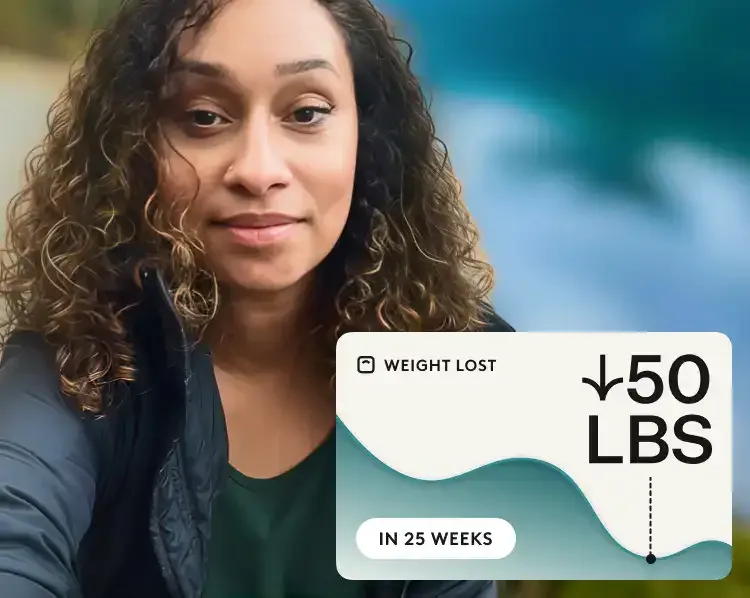
“My favorite parts of Noom are the care team and other Noomers. Sharing and getting help made me feel like I wasn’t doing it alone. That support made all the difference.”
Desirea N. — Real Noom user
Matthew M. — Real Noom user
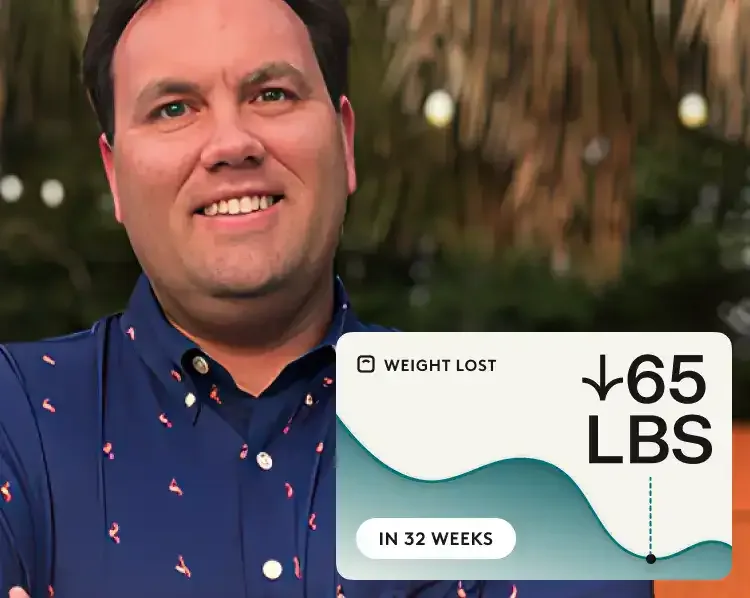
“Noom has taught me that every day is a new chance to make better, healthier choices. It's taught me how to stop overeating.’’
Matthew M. — Real Noom user
Lila M. — Real Noom user
“Clinicians who understand how supportive medication can be is one of the best parts of Noom! I was convinced I wouldn’t have success but I’m down 11 pounds in two months.’’
Lila M. — Real Noom user
Steve M. — Real Noom user
“Noom provided me with the medication which I could not get through Medicare. I have learned the tricks to better eating and life in general.”
Steve M. – Real Noom user
Daisy R. — Real Noom user
‘’Noom has changed my life and I’m so thankful, I feel great, have more energy and am no longer prediabetic.”
Daisy R. – Real Noom user
Sarah R. — Real Noom user
“All of the Noom providers that I’ve met with have been exceptional and prescribed medications that are appropriate for my situation and health.”
Sarah R. – Real Noom user
Madison S. — Real Noom user
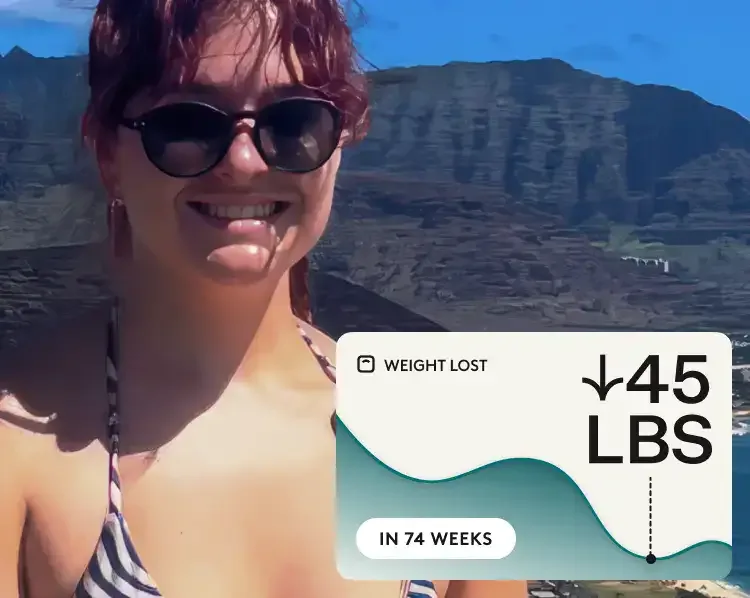
“Noom made the process so simple and now I feel full, free from diet obsession, and at ease in my body again.”
Madison S. – Real Noom user
Sonday K. — Real Noom user
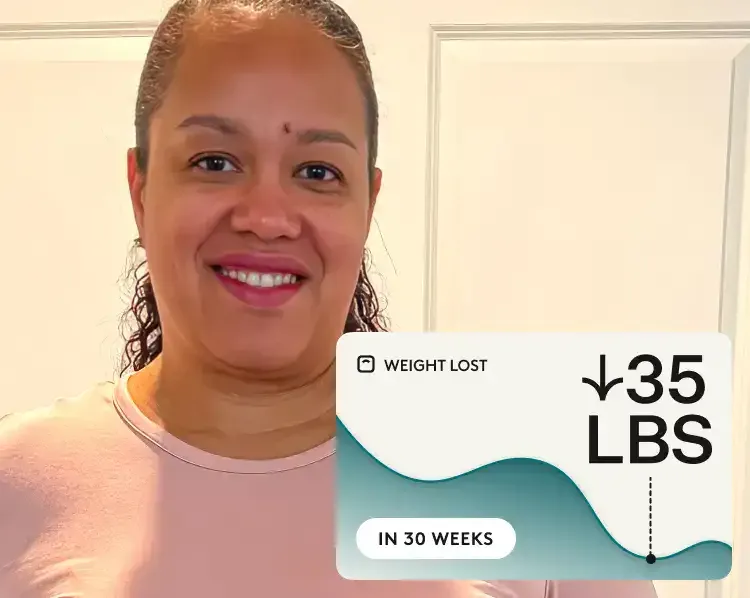
“My doctor recommended Noom after I was frustrated trying to lose weight. The lessons helped change my relationship with food. My body feels lighter & energized.”
Sonday K. – Real Noom user
Cam K. — Real Noom user
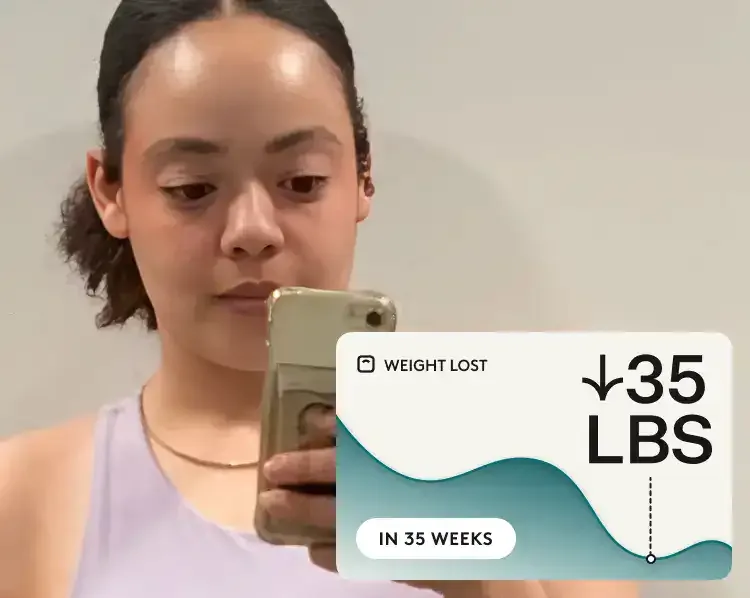
“I built healthy habits with coaching and lessons that make me confident I can maintain my weight loss long term.”
Cam K. – Real Noom user
Laura TR. — Real Noom user
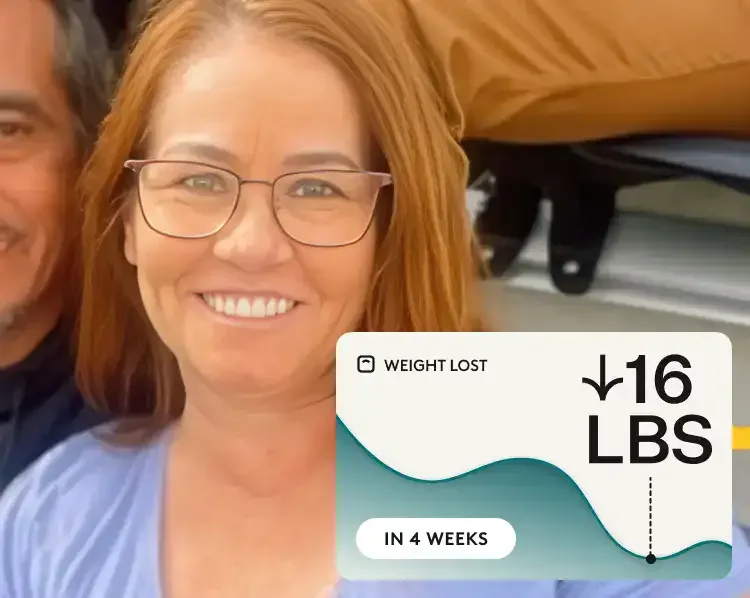
“With the right medication through Noom, hunger and sugar cravings finally quieted and I have the tools to break the cycle.”
Laura TR. – Real Noom user
Jessica S. — Real Noom user
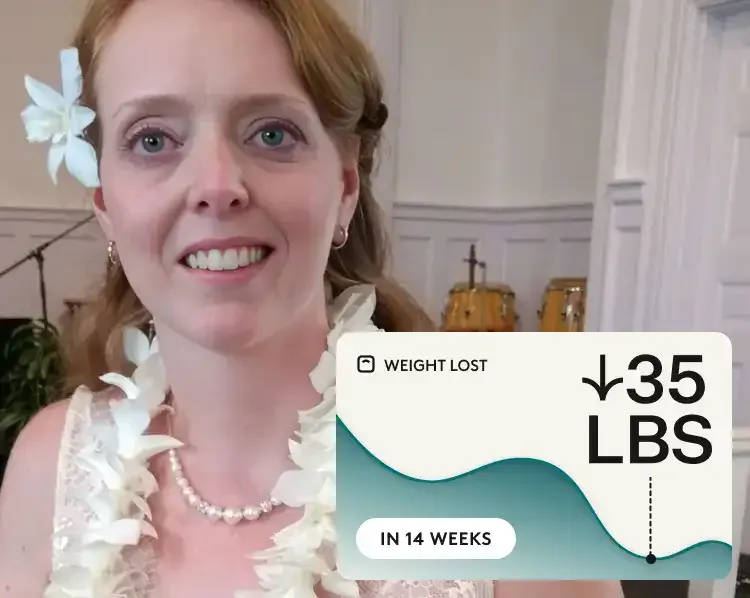
“Cravings and food noise are gone, I finally feel confident in the healthy habits I’ve built to last with Noom.”
Jessica S. – Real Noom user
The bottom line: The cost of tirzepatide can vary depending on the medication and coverage
Tirzepatide medications like Mounjaro® and Zepbound® can be expensive at first glance, but there are several ways to lower the monthly cost. Depending on your situation, manufacturer programs may offer prices starting around $299 per month, savings cards can reduce costs for eligible people, and comparing pharmacy prices can sometimes save hundreds of dollars.
It’s also important to consider the full cost of care—not just the medication itself. Doctor visits, prescription management, and lab work may add to your total expenses, which is why some people prefer programs that bundle clinical support into a predictable monthly fee.
Because insurance coverage rules and manufacturer programs can change over time, staying informed about the latest options can help you plan ahead and keep treatment more affordable. If you’re exploring tirzepatide for weight management, programs like Noom Med can help connect you with licensed providers while offering tools and support designed to help you stay on track.
Note: Mounjaro® is not FDA-approved to treat obesity or for weight loss.
Editorial standards
At Noom, we’re committed to providing health information that’s grounded in reliable science and expert review. Our content is created with the support of qualified professionals and based on well-established research from trusted medical and scientific organizations. Learn more about the experts behind our content on our Health Expert Team page.