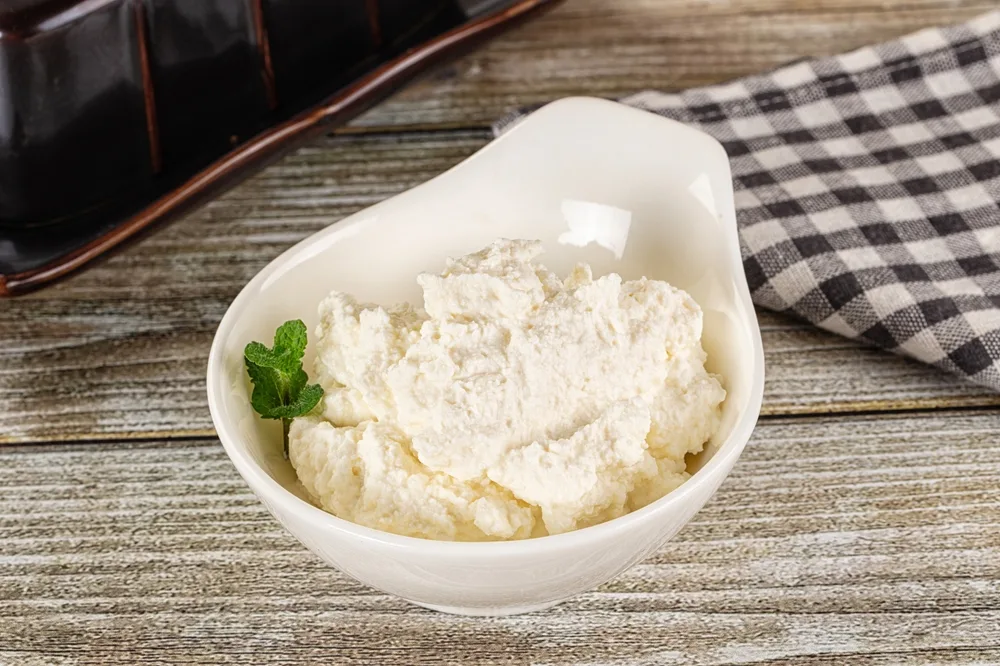
Ricotta is a soft Italian cheese made from whey, the liquid left behind during the cheesemaking process. It has a creamy texture and mild, slightly tangy flavor that makes it more versatile than people often give it credit for.
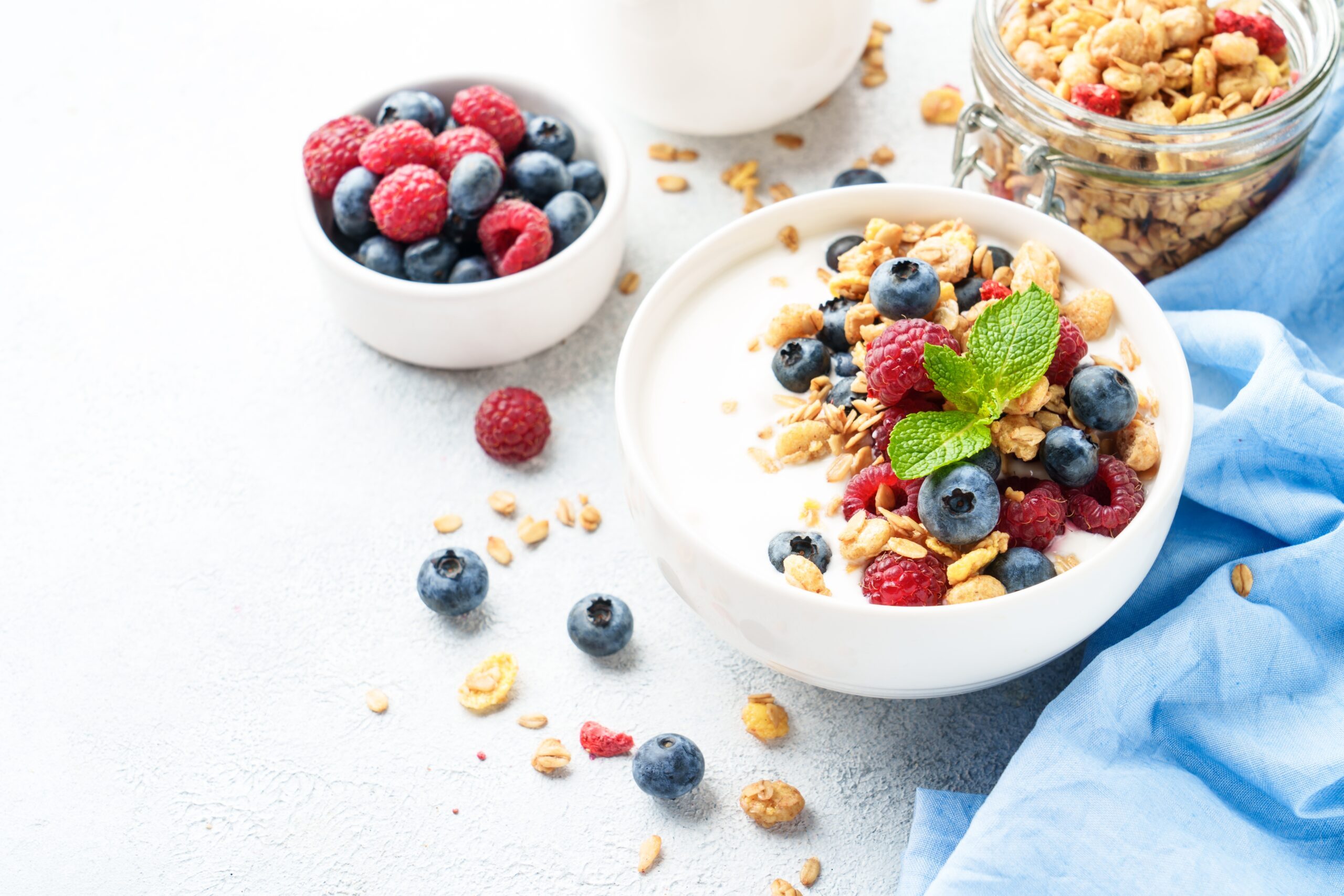
While it’s best known for dishes like lasagna and stuffed shells, ricotta also works well in more everyday meals. Some people spread it on toast, blend it into pasta sauces, add it to eggs, or pair it with fruit as a high-protein snack or breakfast.
If you’re wondering whether ricotta fits into a weight loss plan, the answer is yes—with a little context. Ricotta isn’t especially low in calories, but it does offer a meaningful amount of high-quality protein, particularly compared to many other soft cheeses. Because it’s made largely from whey, ricotta contains proteins that digest relatively quickly and may help support fullness and muscle maintenance during weight loss.
That doesn’t automatically make ricotta a “weight loss food,” but it can be a practical one. Its rich texture means a smaller amount often goes a long way, especially when paired with foods like vegetables, eggs, fruit, or high-fiber toast.
You’ll also find part-skim, low-fat, and fat-free versions, which can significantly lower the calories and saturated fat. Ingredient lists vary quite a bit by brand, though. Some ricottas are made with just milk, whey, vinegar or cultures, and salt, while others include stabilizers, gums, or preservatives to change the texture and shelf life.
Here’s the full nutrition breakdown, what to watch for, how ricotta compares to other cheeses, and the easiest ways to make it work in a balanced eating pattern.
✅ Quick answer
Yes – ricotta cheese can fit into a weight loss plan when you choose the right variety and keep portions reasonable. Part-skim ricotta provides about 14 grams of protein per half-cup serving for roughly 170 calories, making it a more protein-rich option than many soft cheeses
🚀 Weight-loss benefits
- Its high-quality protein may help support fullness and muscle maintenance – Ricotta contains a mix of milk and whey proteins, including leucine, an amino acid involved in muscle preservation. Getting enough protein during weight loss is important because it helps protect lean muscle while you lose fat.
- It’s naturally low in carbs and has a low glycemic impact – Ricotta is relatively low in carbohydrates. Its low glycemic index means it’s less likely to cause rapid blood sugar spikes and crashes that can leave you feeling hungry again soon after eating. Pairing ricotta with fiber-rich foods like berries, vegetables, or high-fiber toast can make it even more balanced and filling.
- It provides calcium along with protein – Ricotta is also a good source of calcium, with roughly 250mg per half-cup serving. Some research has found that dairy foods may support weight management during calorie restriction, although the effects are likely modest and tied to overall eating patterns rather than any single nutrient.
⚠️ Things to be mindful of:
- The calories can add up quickly – Whole-milk ricotta is fairly calorie-dense, with about 200 calories per half-cup. Because it’s creamy and easy to scoop generously into pasta dishes, toast, dips, or desserts, portions can creep up fast without you realizing it. The difference between a quarter-cup and a half-cup is roughly 100 calories, which can matter if you’re eating it regularly.
- Whole-milk ricotta is higher in saturated fat – A half-cup serving of whole-milk ricotta contains around 10 grams of saturated fat. Part-skim versions cut that down significantly—usually closer to 5 grams—while still providing a similar amount of protein. If you’re watching LDL cholesterol or overall saturated fat intake, that swap can make a meaningful difference.
- It still contains lactose – Ricotta generally contains less lactose than milk, but more than aged cheeses like Parmesan or cheddar. Some people with mild lactose intolerance tolerate it well in smaller portions, while others may notice bloating or digestive discomfort. If you’re sensitive to dairy, it’s probably worth starting with a smaller serving to see how your body responds.
🥗 Nutrients in part-skim ricotta (per ½ cup / 124g)
| Nutrient | Amount | % RDA* |
|---|---|---|
| Calories | 171 calories | 9% |
| Protein | 14 g | 28% |
| Total carbs | 6.1 g | 2% |
| Fiber | 0 g | 0% |
| Sugars | 6.1 g | — |
| Total fat | 10.1 g | 13% |
| – Saturated fat | 6.4 g | 32% |
| – Monounsaturated fat | 2.8 g | — |
| – Polyunsaturated fat | 0.4 g | — |
| Omega-3 | 0.1 g | — |
| Omega-6 | 0.3 g |
*Recommended dietary allowance (RDA) is defined as the average daily amount of nutrients needed to meet the requirements of nearly all healthy people in a specific group.
The biggest advantage of part-skim ricotta is that you keep most of the protein while dialing back the saturated fat and calories. At 14 grams of protein for 171 calories, it still delivers one of the better calorie-to-protein ratios in the cheese category, while feeling noticeably richer and more satisfying than foods people often think of as “diet” options.
The carbohydrate count is slightly higher than whole-milk ricotta because part-skim varieties tend to contain a bit more lactose, but it’s still relatively modest overall. The more meaningful shift is in the fat profile: saturated fat drops from about 10 grams in whole-milk ricotta to roughly 6.4 grams per serving. That makes part-skim ricotta a more heart-conscious option while still keeping the creamy texture that makes ricotta work in everything from toast and dips to desserts and pasta dishes.
💊 Vitamins & minerals in part-skim ricotta (per ½ cup / 124g)
| Vitamin/Mineral | Amount | % RDA* |
|---|---|---|
| Vitamin B12 | 0.9 µg | 38% |
| Selenium | 17 µg | 31% |
| Riboflavin (B2) | 0.34 mg | 26% |
| Calcium | 335 mg | 34% |
| Phosphorus | 264 mg | 21% |
| Vitamin A | 116 µg | 13% |
| Zinc | 1.4 mg | 13% |
| Pantothenic acid (B5) | 0.5 mg | 10% |
| Vitamin B6 | 0.1 mg | 8% |
| Folate | 15 µg | 4% |
| Choline | 18 mg | 3% |
| Magnesium | 16 mg | 4% |
| Potassium | 176 mg | 4% |
| Iron | 0.3 mg | 2% |
| Vitamin D | 0.2 µg | 1% |
Vitamin B12 and selenium are still the standout nutrients here. A half-cup serving provides close to 40% of your daily B12 needs, which matters because B12 plays a major role in energy metabolism, nervous system function, and red blood cell production. Selenium contributes about a third of daily needs and acts as an antioxidant-supporting mineral involved in immune and thyroid function.
Part-skim ricotta is also surprisingly strong in calcium, delivering about 34% of the daily value in a relatively moderate-calorie serving. That’s notable because dairy foods consistently show up in research on satiety and weight management, likely due to the combination of protein, calcium, and overall food structure. Riboflavin also deserves mention: at roughly 26% of daily needs, it helps your body convert carbohydrates, fats, and protein into usable energy.
🔍 Nutrient breakdown
Glycemic index (GI) of ricotta cheese
Glycemic index: 27 (Low)
💡 Tip: Ricotta’s low GI means it won’t spike your blood sugar the way refined carbs do. Pairing it with fiber-rich vegetables or whole grains amplifies this effect and extends how long you stay full after eating.
Is ricotta cheese high in protein?
✔️ Yes – ricotta contains 14g of protein per half-cup serving.
Better protein alternatives: Non-fat Greek yogurt | Cottage cheese (1%) | Egg whites
Is ricotta cheese high in fiber?
❌ No – ricotta has 0g of fiber per serving.
💡 Tip: Since ricotta has no fiber, building the rest of your meal around high-fiber foods like leafy greens, roasted vegetables, or whole grains is the most effective way to maximize satiety from ricotta-based dishes.
Is ricotta cheese low in carbs?
✔️ Yes – ricotta has 3.8g of carbs per half-cup serving.
💡 Tip: The minimal carb content makes ricotta one of the most blood-sugar-friendly cheeses available – it adds creaminess and protein to a meal without meaningfully affecting your carb budget.
Is ricotta cheese gluten-free?
✔️ Yes – pure ricotta is naturally gluten-free, made from whey, milk, and an acidifying agent. Check labels on pre-flavored or seasoned varieties, and if you have celiac disease, verify that the brand you’re buying is manufactured in a gluten-free facility.
Is ricotta cheese good for fat loss?
✔️ Yes – ricotta’s high-protein, low-carb profile can make it supportive of fat loss, particularly when you choose part-skim and use it in place of higher-calorie, lower-protein dairy fats like cream cheese or mascarpone. Consistent portion awareness is the key variable.
🍽️ Diet compatibility: Which diets include ricotta cheese?
| Diet | ✅/❌ | Why |
|---|---|---|
| Keto | ✅ | Part-skim ricotta is still relatively low in carbohydrates, with about 6g per half-cup, while providing substantial protein and moderate fat. It fits best into more moderate or high-protein keto approaches where dairy is included strategically rather than eaten freely. |
| Paleo | ❌ | Paleo frameworks exclude dairy entirely. Some more flexible paleo practitioners allow minimally processed dairy, but ricotta is generally excluded in strict interpretations. |
| Mediterranean | ✅ | Ricotta is a Mediterranean diet native—it originated in Italy and fits naturally into the diet’s emphasis on whole, minimally processed foods. It works beautifully in vegetable-forward dishes, pasta, and as a spread. |
| Vegan | ❌ | Ricotta is an animal-derived dairy product and is not compatible with vegan eating. Cashew-based and tofu-based ricotta alternatives exist but differ nutritionally. |
| Gluten-free | ✅ | Ricotta in its natural form contains no gluten-containing ingredients. Check labels on flavored varieties and confirm manufacturing practices if you have celiac. |
Ricotta is notably diet-inclusive for a cheese—it fits keto, Mediterranean, and gluten-free approaches, which together represent a large portion of people trying to eat in a more structured or health-conscious way. Its only firm exclusions are vegan and strict paleo, both of which eliminate dairy entirely.
The keto compatibility is worth highlighting because it’s somewhat counterintuitive. Ricotta is often associated with pasta dishes and Italian comfort food, which can make it feel carb-heavy. In reality, part-skim ricotta is still moderate in carbs and relatively high in protein for a soft cheese, making it workable in many lower-carb eating patterns depending on portion size and overall macros. It’s not uniquely low-carb—many hard cheeses contain almost no carbohydrates at all—and plenty of lean protein foods provide more protein per calorie. Ricotta’s advantage is more about versatility and balance: it delivers protein, calcium, and a creamy texture in a form that can make meals and desserts feel more satisfying and substantial.
🌟 Is ricotta cheese healthy? What are the health benefits?
Metabolic health: Is ricotta cheese good for your metabolism?
- Boosts metabolism? ✔️ Slightly – Ricotta’s protein content may modestly increase the amount of energy your body uses during digestion and metabolism compared to carbohydrates or fat. This effect isn’t dramatic, but higher-protein foods do tend to be more filling and slightly more metabolically active overall.
- Improves insulin sensitivity? ✔️ Possibly – Dairy proteins, including whey, may help stimulate gut hormones involved in appetite and blood sugar regulation, including GLP-1. Ricotta can fit well into a balanced eating pattern that emphasizes protein, fiber, and minimally processed foods.
- Effect on fat storage? Potentially positive – Some research suggests dairy-rich eating patterns are associated with better weight management and less fat accumulation over time, possibly due to the combined effects of protein, calcium, and satiety. The evidence is stronger for overall dietary patterns than for ricotta specifically, and these effects appear more consistent with whole dairy foods than calcium supplements alone.
Cholesterol impact: Does ricotta cheese affect cholesterol levels?
- Does it lower LDL (bad) cholesterol? ❌ Not directly – Ricotta isn’t considered a cholesterol-lowering food, and whole-milk versions are relatively high in saturated fat, which can raise LDL cholesterol in some people. Part-skim ricotta contains substantially less saturated fat and is generally the more heart-conscious option, especially for people already managing elevated cholesterol levels.
- Does it raise HDL (good) cholesterol? Possibly, but modestly – Some research suggests dairy foods may have a more neutral effect on HDL and cardiovascular risk than once thought, particularly compared to ultra-processed foods high in refined carbohydrates and trans fats. But ricotta shouldn’t be viewed as a meaningful strategy for boosting HDL.
- Overall impact on heart health? Depends on the overall diet – Part-skim Ricotta can fit comfortably into a heart-healthy eating pattern when paired with foods rich in fiber and unsaturated fats, like vegetables, beans, olive oil, and nuts. Portion size and frequency matter more than treating ricotta as inherently “good” or “bad” for cholesterol. Whole-milk ricotta eaten frequently and in large amounts may be less ideal for people with existing cardiovascular risk factors.
💡 Tip: If heart health is a priority, make part-skim your default and pair ricotta-based dishes with plenty of fiber—vegetables, legumes, and whole grains help offset the impact of dietary saturated fat on cholesterol.
Can I eat ricotta cheese in a calorie deficit?
✔️ Yes, with awareness: A half-cup of part-skim ricotta comes in around 171 calories with 14 grams of protein—a strong calorie-to-protein ratio for a calorie-restricted plan. The key is measuring rather than eyeballing, since ricotta’s creamy texture makes it easy to use more than intended.
💡 Tip: Use ricotta as a protein-forward base ingredient rather than a topping. Building a meal around it rather than adding it on top gives you more control over portions while keeping the protein benefit front and center.
Is ricotta cheese rich in antioxidants?
✔️ Yes, modestly: Ricotta contains beta-carotene, vitamin E, and selenium, all of which contribute to antioxidant defense. Selenium at 34% of daily needs per serving is the standout – it works alongside one of the body’s primary antioxidant enzyme systems to protect cells from oxidative damage.
Does ricotta cheese support gut health?
✔️ Limited benefits: Ricotta is not a fermented food, so it doesn’t contribute live probiotic cultures the way yogurt or kefir do. That said, its whey-based protein contains bioactive peptides that may support gut barrier integrity. It’s generally well-tolerated by people without lactose intolerance.
Does ricotta cheese support digestion?
Positive: Ricotta is one of the easier dairy foods to digest. It’s soft, mild, and relatively low in lactose compared to milk and many fresh soft cheeses. Its protein is highly bioavailable with no fiber, tannins, or anti-nutrients to interfere with absorption. People with significant lactose intolerance should still approach it with care.
Does ricotta cheese help you feel satiated and less hungry?
✔️ Yes: The combination of protein and fat in ricotta creates a fullness response that outlasts most carbohydrate-based snacks. At 14 grams of protein per half-cup, it’s enough to meaningfully reduce hunger hormones between meals.
Satiety level: Moderate to High
💡 Tip: To maximize ricotta’s staying power, always pair it with a fiber source – even a handful of cherry tomatoes or a side of roasted zucchini extends how long you stay full without adding significant calories.
Does ricotta cheese help with nighttime cravings?
✔️ Yes: A small portion of ricotta in the evening can satisfy the craving for something creamy and rich without the sugar spike that comes from ice cream or sweetened yogurt. The protein also supports overnight muscle recovery.
💡 Tip: Whip part-skim ricotta with a small drizzle of honey and a pinch of cinnamon, and top with a few berries – a genuinely satisfying late-night snack at under 200 calories.
Access GLP-1 Weight Loss with Noom
Explore a wide range of prescription medications supported by Noom’s program.Microdose GLP-1rx
Noom GLP-1rx
Noom GLP-1rx Plus
Wegovy®
Ozempic®
Metformin
Zepbound®
Mounjaro®
Liraglutide
Does ricotta cheese help reduce inflammation?
✔️ Yes, modestly: Ricotta contains selenium, vitamin A, and riboflavin, all of which support antioxidant systems involved in regulating inflammation. Dairy calcium has also been associated with reductions in obesity-related oxidative stress. This isn’t a dramatic anti-inflammatory effect, but it’s consistent across ricotta’s micronutrient profile.
Is ricotta cheese beneficial for brain health?
✔️ Yes: Ricotta is one of the better food sources of vitamin B12, providing 43% of daily needs per serving. B12 is essential for neurological function and mood regulation, and deficiency is associated with cognitive decline, fatigue, and nerve damage. Ricotta also contributes choline, a nutrient involved in memory and neurotransmitter production.
Can ricotta cheese improve skin and hair health?
✔️ Yes, minor benefits: Vitamin A, riboflavin, and selenium contribute to healthy skin cell turnover and protection against UV-related oxidative damage. Ricotta’s protein also supplies the amino acids needed for collagen production, which supports skin elasticity over time.
Can ricotta cheese help balance hormones?
✔️ Limited evidence: Adequate dietary protein—which ricotta helps supply—supports muscle mass, which in turn helps regulate insulin and cortisol. Getting enough dietary fat, including from whole-milk ricotta in moderation, also supports fat-soluble hormone production.
💡 Tip: Hormonal health is best supported through a broad, varied diet rather than any single food. Ricotta can contribute, but it works best as part of an overall pattern of consistent protein intake, adequate sleep, and stress management.
🍽️ Best ways to eat ricotta cheese for weight loss
- Turn it into a creamy, protein-packed meal base – Whip part-skim ricotta with lemon zest, garlic, black pepper, and fresh herbs until it’s light and spreadable, then pile it onto toasted whole-grain bread with juicy tomatoes, roasted vegetables, or a drizzle of olive oil. It also works beautifully spooned into stuffed peppers, layered into zucchini roll-ups, or spread inside warm roasted portobello mushrooms. Ricotta has a way of making healthy meals feel comforting and substantial instead of overly “light.”
- Pair it with vegetables in savory dishes – Ricotta’s rich, mild flavor melts into vegetables in a way that makes them genuinely craveable. Stir it into roasted spaghetti squash, dollop it onto sheet-pan vegetables, fold it into sautéed spinach, or layer it into zucchini lasagna for a creamy texture without a heavy cream sauce. The combination of protein plus fiber tends to be far more satisfying than vegetables alone, which is part of why these meals can actually keep you full.
- Use it instead of richer dairy ingredients – Part-skim Ricotta gives you a creamy, indulgent texture for far fewer calories than ingredients like mascarpone or cream cheese. It works surprisingly well in dips, baked pasta dishes, cheesecakes, whipped toast toppings, and even higher-protein desserts. The result still tastes rich and comforting, but with more protein and a lighter overall calorie load.
Try these healthy ricotta recipes:
- Spinach Ricotta Quiche – Skinnytaste
- Whipped Ricotta – Love & Lemons
- Vegetarian Lasagna – Love & Lemons
🍏 Best alternatives & comparisons (per ½ cup / 124g)
| Food | Calories | Carbs | Fiber | Protein | Fat |
|---|---|---|---|---|---|
| Ricotta (whole milk) | 216 | 3.8 g | 0 g | 14 g | 16.1 g |
| Ricotta (part-skim) | 171 | 7.9 g | 0 g | 14.1 g | 9.8 g |
| Cottage cheese (1%) | 82 | 3.1 g | 0 g | 14.1 g | 1.2 g |
| Non-fat Greek yogurt | 67 | 3.8 g | 0 g | 11.5 g | 0.5 g |
| Cream cheese | 396 | 4.8 g | 0 g | 6.9 g | 39.4 g |
| Mascarpone | 502 | 4.1 g | 0 g | 5.4 g | 51.5 g |
The table makes one thing clear: the real comparison for ricotta isn’t cottage cheese or Greek yogurt—it’s cream cheese and mascarpone, which are often used in the exact same recipes. Both deliver less than half the protein at two to three times the calories and fat. Swapping either for part-skim ricotta is one of the most calorie-efficient kitchen substitutions you can make.
Cottage cheese and Greek yogurt outperform ricotta on pure calorie efficiency—both deliver comparable protein at significantly fewer calories. If those textures work for what you’re eating, they’re excellent choices.
But ricotta occupies a distinct culinary role: it’s the right tool for a pasta filling, a baked dish, or a savory spread that neither Greek yogurt nor cottage cheese can fully replicate. Think of them as complementary rather than competing.
Frequently asked questions about ricotta cheese and weight loss
Is ricotta cheese good for weight loss?
Yes, particularly part-skim ricotta. It delivers around 14 grams of protein per half-cup serving at a moderate calorie cost, which helps with satiety and muscle preservation during a calorie deficit. The key is portioning intentionally—ricotta is more calorie-dense than options like cottage cheese, so measuring goes a long way.
How many calories are in a half-cup of ricotta cheese?
Whole-milk ricotta has about 216 calories per half-cup (124g). Part-skim ricotta comes in around 171 calories for the same amount. Both deliver roughly 14 grams of protein, so part-skim is the more calorie-efficient choice for most weight loss goals.
Is ricotta cheese better than cottage cheese for weight loss?
Cottage cheese wins on pure calorie efficiency—it delivers similar protein at about half the calories and a fraction of the fat. But ricotta and cottage cheese aren’t always interchangeable in the kitchen. Ricotta is creamier and less tangy, which makes it better suited for pasta dishes, savory spreads, and baked recipes. For snacking straight from the container, cottage cheese has the edge.
Can I eat ricotta cheese every day on a diet?
Yes, in reasonable portions. Part-skim ricotta used daily as a protein source in meals—on toast, in dishes, or as a snack with fruit—fits comfortably into a balanced, calorie-conscious eating plan. Where it can become a problem is if it’s being used generously in calorie-dense dishes without accounting for what else is in the meal.
What is the best type of ricotta for weight loss?
Part-skim ricotta is the best choice for weight loss. It has nearly identical protein to whole-milk ricotta—around 14g per half-cup—but significantly less saturated fat (about 4.7g vs. 10.2g) and roughly 45 fewer calories per serving. The texture difference is minimal in cooked applications.
Does ricotta cheese have a lot of saturated fat?
Whole-milk ricotta does—about 10.2g per half-cup, which is roughly half the recommended daily limit. Part-skim ricotta cuts this to around 4.7g per serving. If you’re managing cholesterol or cardiovascular risk, part-skim is the clear call.
Is ricotta good for building muscle?
Yes – ricotta’s whey protein is rich in leucine, the amino acid most directly involved in triggering muscle protein synthesis. It’s the same reason whey protein powder is popular in fitness nutrition, and ricotta delivers that protein in a whole-food form. Including it regularly as part of adequate total protein intake supports both muscle building and preservation during weight loss.
🧠 The bottom line: Ricotta cheese can be part of a weight loss plan, with exceptions
Ricotta is a genuinely useful food for weight loss when you approach it with a little intention. It’s not a low-calorie option, but it is a high-quality protein source with a low glycemic index, meaningful micronutrient contributions, and the kind of creamy richness that makes eating a calorie deficit feel less restrictive. Used in place of calorie-dense dairy alternatives like cream cheese or mascarpone, it can cut hundreds of calories per week from familiar recipes without changing what you’re cooking.
The practical advice is simple: default to part-skim ricotta, measure your portions, and pair it with fiber-rich foods to maximize how full it keeps you. Think of it as a protein source that happens to taste satisfying—not something to feel conflicted about, and not something to use without awareness. That balance is how any food earns a sustainable place in your routine. If you’re looking for support building those kinds of habits, Noom’s program is built around exactly that approach.
📖 Scientific evidence
- A high-dairy diet was associated with more fat loss in a small trial. (Nutrients, 2009) In one 12-week study of 93 adults with higher BMIs, everyone ate the same number of calories—but the group eating more dairy lost about twice as much body fat, particularly around the belly area, compared to the group eating very little calcium. Researchers think dairy foods may influence appetite, fat storage, and metabolism in ways that go beyond calories alone, though the research is still evolving.
- The calcium and whey in dairy are linked to potential fat loss. (The Physician and Sportsmedicine, 2009) One review suggested that dairy calcium accounts for roughly half of this effect, while whey protein—ricotta’s primary protein source—may contribute the other half through mechanisms like muscle preservation and energy balance during a calorie deficit. But more research is needed.
- Higher protein intake may support modest weight loss. (Nutrients, 2021) A large review of dozens of studies found that people who ate more protein lost about 3.5 pounds more on average than those who didn’t. Ricotta’s whey protein may play a small role here—especially when it comes to holding onto muscle while losing fat.
- Ricotta’s whey protein may help support muscle maintenance. (Frontiers in Nutrition, 2025) A review of cheese and health noted that ricotta is primarily a whey-based cheese, and that whey protein supports muscle protein synthesis through a steady release of amino acids, which may be especially relevant as we age.
- Higher-protein, lower-fat diets may make it easier to stick to a calorie deficit. (Journal of Nutrition, 2004) One study found that people on a higher-protein, lower-fat diet lost about the same amount of weight as those on a standard diet—but reported feeling more satisfied along the way. That kind of day-to-day satisfaction can make a real difference in whether a diet actually sticks.
Editorial standards
At Noom, we’re committed to providing health information that’s grounded in reliable science and expert review. Our content is created with the support of qualified professionals and based on well-established research from trusted medical and scientific organizations. Learn more about the experts behind our content on our Health Expert Team page.