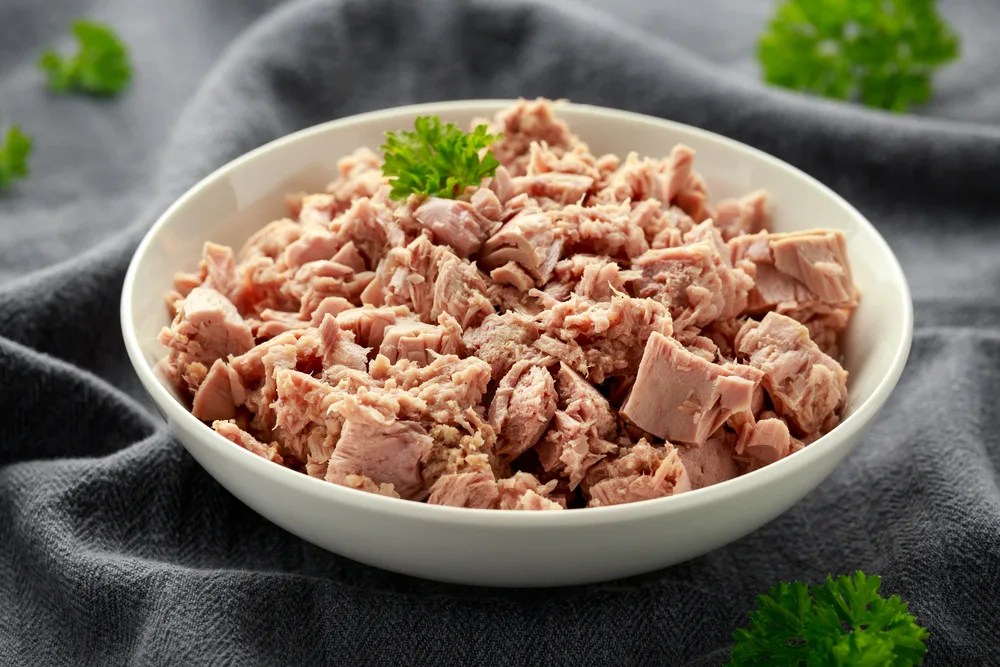
If you’ve ever kept a can of tuna in the cabinet as a quick go-to protein, you’ve been making a good call. Tuna is one of the most protein-dense, calorie-efficient foods available—and it’s affordable, shelf-stable, and ready in minutes. That combination of convenience and nutrition puts it in a category that many foods can’t match. A standard 3-ounce serving has about 22 grams of protein for roughly 73 calories. That’s a hard ratio to match.
But, there’s more that you need to be aware of with tuna than just grabbing any can off the shelf, though. The type you choose—canned light, albacore, oil-packed, water-packed, or fresh—affects both the calorie count and the mercury level, and those differences matter when you’re eating it regularly. This article focuses primarily on canned light tuna in water, while covering important things you need to know about the other types, too.
The bottom line is that tuna earns its reputation as a weight-loss-friendly food. Here’s the full picture.
✅ Quick answer
Yes, tuna is a great food for weight loss. It’s very high in protein and very low in calories, a combination that helps you feel full, hold onto muscle as you lose fat..
🚀 Weight-loss benefits
- It’s high protein, which can keep you full – Tuna is one of the highest-protein foods by calorie. Protein is considered the most filling macronutrient, and canned tuna has lots of it with little to no fat.
- It’s protein supports muscle preservation during weight loss – When you cut calories, your body can break down muscle for energy if you’re not eating enough protein. Losing muscle slows your metabolism and makes it harder to keep losing weight. Tuna’s protein gives your body what it needs to hold onto lean mass while losing fat.
- Its omega-3 fatty acids may reduce inflammation and support fat metabolism – Tuna contains EPA and DHA, the two most active forms of omega-3 fats. Research suggests that including seafood in a calorie-reduced diet is associated with modestly greater weight loss compared to similar diets without fish. These fats also help reduce chronic inflammation, which can contribute to metabolic issues and weight gain over time.
⚠️ Things to be mindful of:
- It’s higher in mercury than most other fish – Tuna contains methylmercury, which accumulates in larger fish and builds up in the body over time. Canned light (skipjack) tuna is among the lowest-mercury options, and it’s generally safe for people to eat 2 to 3 servings per week. Albacore, yellowfin, and bigeye tuna have significantly higher mercury levels and should be eaten less often. Pregnant people and young children should follow FDA guidelines and stick to the lowest-mercury varieties only.
- Canned tuna can be high in sodium – A standard 3-ounce serving of regular canned light tuna contains roughly 210 to 300mg of sodium, which adds up if you’re eating it multiple times a week. Choosing “no salt added” versions or rinsing regular canned tuna before eating is an easy fix.
- Oil-packed tuna adds significant calories – Tuna packed in oil absorbs extra fat during processing, adding 60 to 100 calories per serving compared to water-packed, with no added protein benefit. If you’re tracking calories for weight loss, water-packed is the smarter choice.
🥗 Nutrients in tuna (per 3 oz / 85g serving)
| Nutrient | Amount | % RDA* |
|---|---|---|
| Calories | 73 calories | 4% |
| Protein | 21.7 g | 43% |
| Total carbs | 0 g | 0% |
| Fiber | 0 g | 0% |
| Sugars | 0 g | — |
| Total fat | 0.8 g | 1% |
| – Saturated fat | 0.18 g | 1% |
| – Monounsaturated fat | 0.09 g | — |
| – Polyunsaturated fat | 0.19 g | — |
| Omega-3 | ~0.14 g | — |
| Omega-6 | ~0.03 g | — |
*Recommended dietary allowance (RDA) is defined as the average daily amount of nutrients needed to meet the requirements of nearly all healthy people in a specific group.
Tuna is one of the most protein-dense foods you can keep on hand. A 3-ounce serving delivers nearly 22 grams of protein for just 73 calories, with almost no carbs and very little fat. That makes it especially useful if you’re trying to build a filling meal without using up a lot of your daily calorie budget.
Because tuna has zero carbs, it won’t raise blood sugar on its own. That can make it a helpful option for low-carb meals or for pairing with higher-fiber foods like vegetables, beans, or whole-grain crackers if those fit your plan. The fat content is minimal, but most of what’s there is unsaturated, including a small amount of omega-3 fatty acids.
The nutrition can shift depending on the type you choose. Fresh tuna steaks may offer more omega-3s, but mercury levels vary by species. Oil-packed tuna has a similar amount of protein as water-packed tuna, but it can add 60 to 100 calories per serving from the oil. Tuna pouches are usually similar to canned tuna and may be a little more convenient. For an everyday, calorie-conscious option, water-packed canned light tuna is usually the most efficient pick.
💊 Vitamins & minerals in tuna (per 3 oz / 85g serving)
| Vitamin/Mineral | Amount | % RDA* |
|---|---|---|
| Selenium | 60 µg | 109% |
| Vitamin B12 | 2.17 µg | 90% |
| Vitamin B3 (Niacin) | 8.6 mg | 54% |
| Phosphorus | 118 mg | 17% |
| Vitamin B6 | 0.27 mg | 16% |
| Sodium | 210 mg | 9% |
| Iron | 1.39 mg | 8% |
| Zinc | 0.59 mg | 5% |
| Magnesium | 20 mg | 5% |
| Vitamin D | 1.0 µg | 5% |
| Vitamin B2 (Riboflavin) | 0.07 mg | 5% |
| Vitamin E | 0.28 mg | 2% |
| Potassium | 152 mg | 3% |
| Calcium | 14 mg | 1% |
Selenium and vitamin B12 are the standouts here. A 3-ounce serving of tuna provides more than a full day’s worth of selenium and about 90% of the daily value for vitamin B12. Selenium helps support thyroid function and acts as an antioxidant, while vitamin B12 plays a key role in nerve function, red blood cell production, and energy metabolism.
Tuna is also a strong source of niacin, or vitamin B3, which helps your body turn the food you eat into usable energy. It also provides smaller amounts of phosphorus, vitamin B6, iron, zinc, and magnesium—nutrients that support everything from oxygen transport to muscle and nerve function.
The vitamin D content is modest, but still worth noting. Very few foods naturally contain vitamin D, and tuna is one of them. That doesn’t make it a major source on its own, but it can contribute to your intake, especially if you eat fish regularly.
🔍 Nutrient breakdown
Glycemic index (GI) of tuna
Glycemic index: 0 (None—tuna contains no carbohydrates)
💡 Tip: Foods with no carbs have no glycemic index because they have zero impact on blood sugar. That means no energy spikes, no crashes, and no insulin-driven hunger shortly after eating—all useful for weight management.
Is tuna high in protein?
✔️ Yes – tuna contains 21.7g of protein per 3 oz (85g) serving.
Better protein alternatives: Chicken breast | Greek yogurt | Cottage cheese | Eggs

See if your insurance
covers GLP-1s.
The form only takes 2 minutes to answer. We’ll handle the rest.
GET STARTEDIs tuna high in fiber?
❌ No – tuna has 0g of fiber per serving.
💡 Tip: Since tuna doesn’t contribute any fiber, make sure the rest of your meal does. Pair it with leafy greens, beans, or whole grains to get the digestion and fullness benefits that fiber provides.
Is tuna low in carbs?
✔️ Yes – tuna has 0g of carbs per 3 oz serving.
💡 Tip: Zero carbs means tuna won’t affect your blood sugar or carb count for the day, making it easy to incorporate, whether you’re eating low-carb, keto, or just trying to reduce refined carb intake.
Is tuna gluten-free?
✔️ Yes – plain tuna in any unflavored form—fresh, frozen, canned in water, or pouched—contains no gluten. Check labels on any flavored or seasoned varieties, since some sauces or seasonings may contain wheat-derived ingredients.
Is tuna good for fat loss?
✔️ Yes – between its high protein content, near-zero calorie density, and ability to help preserve muscle mass, tuna checks every practical box for a fat-loss diet. It helps you stay full, supports your metabolism, and fits into almost any calorie target. Stick to water-packed over oil-packed, and vary your protein sources to stay within mercury guidelines.
🍽️ Diet compatibility: Which diets include tuna?
| Diet | ✅/❌ | Why |
|---|---|---|
| Keto | ✅ | Zero carbs and high protein make tuna a natural fit for keto. Since it’s low in fat on its own, pair it with avocado, olive oil, or full-fat mayo to reach your fat targets. |
| Paleo | ✅ | Tuna is a whole animal food with no processed ingredients, which aligns with paleo principles. Choose fresh tuna steaks or plain canned tuna without additives for the most straightforward option. |
| Mediterranean | ✅ | Fish is a cornerstone of the Mediterranean diet, and tuna is no exception. It pairs naturally with olive oil, lemon, tomatoes, capers, and whole grains. |
| Vegan | ❌ | Tuna is a fish and is not compatible with a vegan diet. Chickpeas or jackfruit can sometimes approximate the texture in tuna-style dishes, though the protein and omega-3 profile won’t be equivalent. |
| Gluten-free | ✅ | Plain tuna is naturally gluten-free. Check labels on seasoned or sauce-marinated varieties to make sure no wheat-derived ingredients were added. |
Tuna is one of the more universally compatible foods across dietary frameworks—it fits into almost everything except vegan and vegetarian diets. That flexibility matters practically: a food you can eat across different eating patterns is one that tends to stick around in your routine long-term.
The Mediterranean diet is arguably tuna’s best home. The diet’s emphasis on fish, olive oil, vegetables, and whole grains creates a natural backdrop for tuna, and research consistently shows the Mediterranean pattern is one of the most effective for sustainable weight management and long-term heart health.
🌟 Is tuna healthy? What are the health benefits?
Metabolic health: Is tuna good for your metabolism?
- Boosts metabolism? ✔️ Yes – Protein has a significantly higher thermic effect than carbohydrates or fat, meaning your body uses more energy just to digest and process it. Tuna’s near-pure-protein profile gives it a metabolic edge at every meal. Selenium also supports thyroid hormone conversion, and your thyroid is one of the primary regulators of your resting metabolic rate.
- Improves insulin sensitivity? ✔️ Possibly – Diets higher in protein and lower in refined carbs are generally associated with better insulin sensitivity over time. The omega-3 fatty acids in tuna have also been studied for anti-inflammatory effects that may support insulin sensitivity, particularly in people with metabolic syndrome.
- Effect on fat storage? Positive – By keeping you full, reducing between-meal snacking, and supporting lean muscle mass, tuna creates conditions that discourage fat storage. High-protein diets are consistently associated with lower fat mass compared to calorie-matched lower-protein diets.
Cholesterol impact: Does tuna affect cholesterol levels?
- Does it lower LDL (bad) cholesterol? ✔️ Possibly – Tuna’s omega-3 fatty acids are most well-studied for their effect on triglycerides, but replacing saturated-fat-heavy proteins with fish like tuna can contribute to lower LDL over time as part of a broader dietary pattern.
- Does it raise HDL (good) cholesterol? ✔️ Possibly – Regular fish consumption is associated with modest HDL improvements in some studies, though results vary by individual and overall diet quality.
- Overall impact on heart health? Favorable – Long-term studies consistently link higher intake of fish and marine omega-3 fatty acids with lower risk of coronary heart disease and cardiovascular mortality. The benefit appears strongest when tuna replaces less heart-healthy protein sources like processed red meat.
💡 Tip: For the most heart-protective benefit, aim for at least two fish-based meals per week—the American Heart Association’s recommendation. Tuna counts, especially when paired with heart-healthy sides like leafy greens, legumes, and olive oil.
Can I eat tuna in a calorie deficit?
✔️ Yes, with confidence: At around 73 calories per 3 oz serving, tuna is one of the most calorie-efficient protein sources available. You can build a genuinely satisfying meal around tuna and still have plenty of calories left for vegetables, whole grains, and a healthy fat.
💡 Tip: Use water-packed canned tuna as your default. Oil-packed versions can add 60–100 extra calories per serving without any additional protein—a significant difference when you’re working within a daily calorie goal.
Is tuna rich in antioxidants?
✔️ Yes: Tuna’s standout antioxidant is selenium, which covers more than 100% of the daily value in a single serving. Selenium is a core component of an enzyme that neutralizes oxidative damage to cells and protects the thyroid gland. Tuna also contains vitamin E and small amounts of vitamin A for additional antioxidant support.
Does tuna support gut health?
✔️ Limited: Tuna doesn’t contain the prebiotic fiber or probiotics that directly feed beneficial gut bacteria. As a low-inflammatory protein source with anti-inflammatory omega-3s, though, it doesn’t disrupt gut health the way highly processed or high-saturated-fat foods can. It’s a neutral-to-positive food for gut health rather than a primary contributor.
Does tuna support digestion?
Positive: Tuna is easy to digest and generally gentle on the digestive tract. Its very low fat content means it moves through the digestive system without the slower gastric emptying associated with fatty meals. For people with sensitive digestion, plain water-packed tuna is one of the more tolerable protein options.
Does tuna help you feel satiated and less hungry?
High: Protein is the most satiating macronutrient, and tuna delivers it in large quantities relative to its calorie cost. It triggers fullness hormones while suppressing the hunger hormone ghrelin, which translates to feeling genuinely full after eating rather than just temporarily satisfied.
Satiety level: High
💡 Tip: Mix tuna with mashed avocado instead of mayo for a fat-and-protein combination that extends how long you stay full after a meal.
Does tuna help with nighttime cravings?
✔️ Possibly: A high-protein meal or snack in the evening can help with late-night hunger more effectively than carb-heavy options. Protein slows digestion and helps stabilize blood sugar overnight, reducing the urge to snack after dinner.
💡 Tip: Keep pouches of water-packed tuna on hand for a quick, no-cook evening protein option—pair with cucumber slices or whole-grain crackers for fiber and crunch.
Does tuna help reduce inflammation?
✔️ Yes: The EPA and DHA in tuna’s omega-3 fats are among the most well-studied anti-inflammatory compounds in nutrition. Chronic low-grade inflammation is a known driver of weight gain and metabolic issues, which makes regular fish consumption a useful part of a healthy diet.
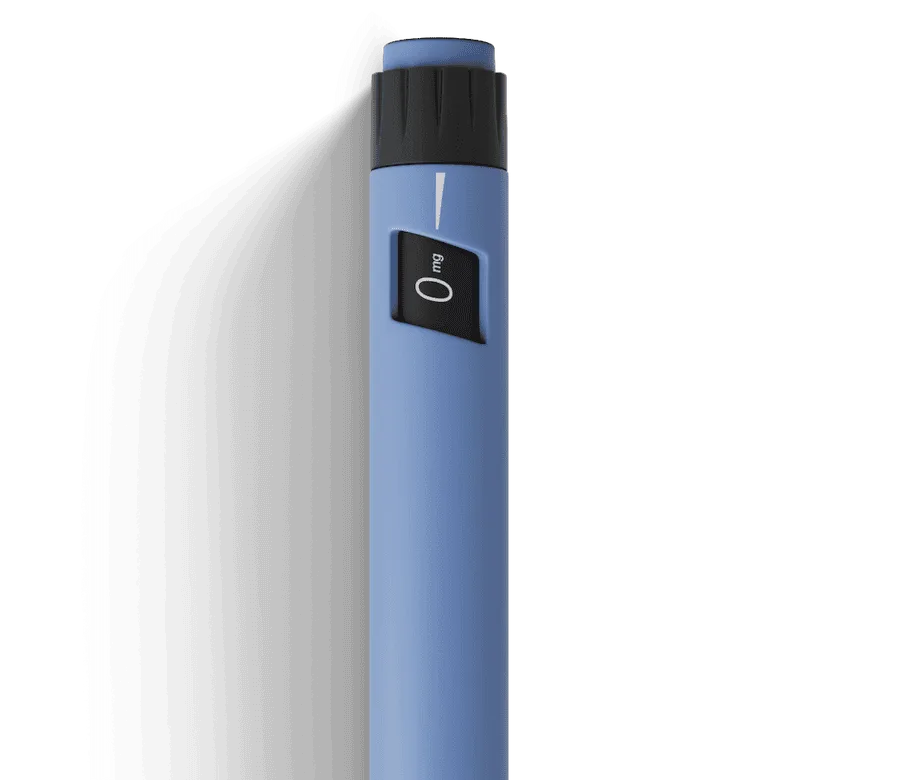
Access GLP-1 Weight Loss with Noom
Explore a wide range of prescription medications supported by Noom’s program.Microdose GLP-1rx
Noom GLP-1rx
Noom GLP-1rx Plus
Wegovy®
Ozempic®
Metformin
Zepbound®
Mounjaro®
Liraglutide
Is tuna beneficial for brain health?
✔️ Yes: DHA is a primary structural component of brain cell membranes, and regular intake of DHA-rich foods is associated with better cognitive function. Vitamin B12 supports nerve health and plays a key role in neurotransmitter production. These are meaningful reasons to include tuna in your diet beyond just the weight-loss benefits.
Can tuna improve skin and hair health?
✔️ Yes, modest benefits: Tuna’s protein provides the amino acids needed to produce collagen and keratin—the proteins that make up skin structure and hair. Selenium supports skin barrier function and helps reduce oxidative damage. Omega-3s contribute to skin hydration and may help reduce inflammatory skin conditions.
Can tuna help balance hormones?
✔️ Limited evidence: Selenium plays a direct role in thyroid hormone conversion—specifically helping convert the less active T4 hormone into the more active T3 form. Since thyroid hormones regulate metabolism, energy, and mood, selenium-rich foods like tuna have an indirect but real connection to hormonal health.
💡 Tip: Thyroid and hormone health is influenced by your whole dietary pattern—not any single food. Think of tuna as a useful contributor alongside iodine-rich foods, adequate zinc, and vitamin D, rather than a standalone approach.
🍽️ Best ways to eat tuna for weight loss
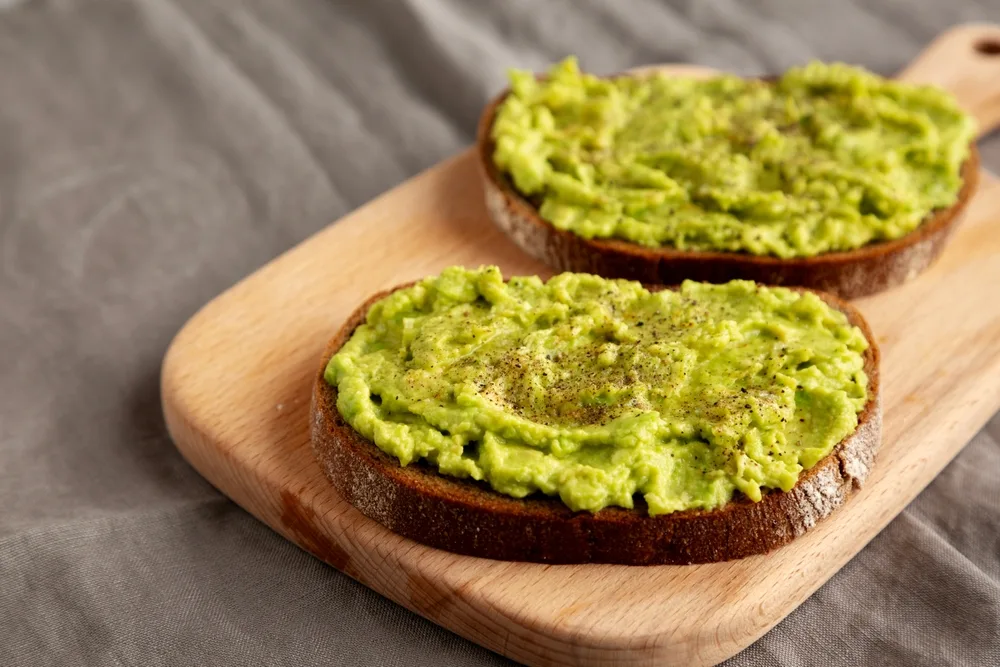
- Tuna with avocado instead of mayo – Mix canned water-packed tuna with mashed avocado, lemon juice, red onion, and a pinch of salt and pepper. The fat from the avocado extends how long you stay full compared to a plain protein meal, and you’re getting more healthy fats than with traditional mayo-based tuna salad. Serve on leafy greens, in a lettuce wrap, or on whole-grain toast.
- Tuna grain bowls – Drain a can of tuna over a base of cooked quinoa or brown rice with roasted vegetables, a drizzle of olive oil, and a squeeze of lemon. This adds fiber and complex carbs to the mix, creating a more balanced and filling meal. Easy to batch-prep the grains and vegetables in advance—one of the most practical high-protein lunches for a busy week.
- Tuna-stuffed peppers – Mix tuna with Greek yogurt or a little mayo, Dijon mustard, chopped celery, herbs, and lemon juice, then spoon it into halved bell peppers. You get the crunch of the pepper, the protein from the tuna, and a lighter, fresher take on tuna salad without needing bread or crackers. For a more filling meal, add a side of fruit, beans, or whole-grain toast.
World Tuna Day is May 2. Try these healthy tuna recipes:
- Chickpea Tuna Salad—Skinnytaste
- 15-Minute Mediterranean Tuna Rice Bowls—The Mediterranean Dish
- Avocado Tuna Salad with Citrus—The Mediterranean Dish
🍏 Best alternatives & comparisons (per 3 oz / 85g serving)
| Food | Calories | Carbs | Fiber | Protein | Fat |
|---|---|---|---|---|---|
| Tuna (canned, water-packed) | 73 | 0 g | 0 g | 21.7 g | 0.8 g |
| Chicken breast (grilled) | 140 | 0 g | 0 g | 26 g | 3.1 g |
| Shrimp (cooked) | 84 | 0 g | 0 g | 20 g | 0.2 g |
| Sardines (canned in water) | 92 | 0 g | 0 g | 17.8 g | 4.2 g |
| Salmon (baked) | 177 | 0 g | 0 g | 17 g | 11 g |
| Firm tofu | 65 | 1.6 g | 0.3 g | 7 g | 4 g |
Tuna sits near the top of this group on calorie efficiency—it’s the lowest-calorie animal protein on the list while still delivering over 20 grams of protein per serving. Shrimp is the closest competitor, but it doesn’t bring the same omega-3 content.
Salmon and sardines provide more fat and significantly more omega-3s, making them stronger for cardiovascular and anti-inflammatory benefits—but that fat comes with more calories. If you’re optimizing for calorie efficiency, tuna wins. If you’re prioritizing omega-3 intake, salmon or sardines are the better call. Rotating all three regularly is a practical way to get the benefits of each.
Frequently asked questions about tuna and weight loss
Is it okay to eat canned tuna every day for weight loss?
Not every day. Tuna can absolutely fit into a weight-loss plan—it’s high in protein, low in calories, and easy to keep on hand—but eating it daily isn’t the best approach because of mercury. Canned light tuna is one of the lower-mercury tuna options, but the FDA still recommends eating a variety of fish and keeping “Best Choice” options like canned light tuna to about 2 to 3 servings per week. Rotating tuna with other protein sources, like chicken, eggs, salmon, Greek yogurt, tofu, beans, or lentils, also gives you a wider mix of nutrients and keeps meals from feeling repetitive.
What’s the best type of canned tuna for weight loss?
Water-packed light tuna (usually skipjack) is the best everyday option. It has the lowest mercury of any tuna variety, the fewest calories per serving, and just as much protein as pricier alternatives. Oil-packed tuna absorbs extra fat during processing, adding 60 to 100 calories per serving with no additional protein. Albacore (“white tuna”) is higher in omega-3s but also higher in mercury, so it’s best as an occasional choice rather than a staple.
What’s the difference between canned tuna and fresh tuna?
Nutritionally, they’re similar in terms of protein and calorie content. Fresh and frozen tuna steaks tend to be higher in omega-3 fatty acids, giving them an edge for heart and anti-inflammatory benefits. They’re also higher in mercury, so the same serving frequency guidance applies. Canned light tuna wins on convenience, cost, and lowest mercury; fresh tuna wins on omega-3 content and culinary flexibility. Both are good choices.
Is tuna salad good for weight loss?
It depends on what’s in it. Tuna itself is great for weight loss, but traditional mayo-based tuna salad can add 100 to 200 calories per serving with minimal satiety benefit. Swapping mayo for mashed avocado, Greek yogurt, or a light olive oil-and-lemon dressing keeps the flavor while reducing the calorie load. What you serve it on matters too—over a salad or on a slice of whole-grain bread are better choices than standard white bread.
Can tuna help with belly fat?
Tuna doesn’t target belly fat directly—no food does. But it supports the conditions that lead to overall fat loss, including reduced belly fat: high protein intake preserves muscle mass, omega-3s may help reduce inflammation that contributes to fat storage, and the low calorie density makes it easier to maintain a calorie deficit. Research on fish consumption in calorie-reduced diets does show modestly greater fat loss with seafood included.
What should I eat with tuna to make it more filling?
Pair it with fiber and fat. Fiber slows digestion and keeps you full longer, while fat extends the satiety window. Good options include avocado, leafy greens, chickpeas or beans, whole-grain crackers or bread, and olive oil-based dressings. A tuna bowl with quinoa, roasted vegetables, and a drizzle of olive oil covers all three and keeps you full for hours.
Is tuna good for building muscle while losing weight?
Yes, tuna’s complete amino acid profile makes it a solid choice for muscle maintenance during weight loss. When you’re in a calorie deficit, getting enough protein is one of the most important things you can do to make sure the weight you’re losing is fat rather than muscle. Tuna makes it easier to hit a high-protein target without using up a lot of your calorie budget.
🧠 The bottom line: Tuna is a good choice for weight loss
Tuna earns its place as one of the most reliable weight-loss foods available—not because it’s trendy, but because its nutritional profile genuinely delivers. Very high in protein, very low in calories, zero carbs, rich in selenium, vitamin B12, niacin, and omega-3 fatty acids. It’s affordable, shelf-stable, and takes about 30 seconds to prepare.
The mercury conversation is real but manageable. Stick to canned light tuna and keep servings to 2 to 3 per week. Occasionally, rotate in salmon, sardines, or other proteins to diversify your nutrient intake. If you’re pregnant or feeding young children, follow your doctor’s advice and FDA guidelines for choosing the lowest-mercury options.
Use tuna as a protein anchor—build meals around it that include fiber-rich vegetables, some healthy fat, and whole grains when you want them.
📖 Scientific evidence
- Including fish in a calorie-reduced diet may support greater weight loss. (International Journal of Obesity, 2007) Researchers found that adding fish to a calorie-controlled diet led to about 2 pounds more weight loss after 4 weeks than a similar diet without seafood, suggesting fish like tuna may support fat loss.
- Higher protein diets are associated with reduced fat mass and preserved muscle during weight loss. (Journal of Obesity & Metabolic Syndrome, 2020) A review found that eating more protein than recommended can help reduce body fat while keeping muscle, even without cutting calories—supporting high-protein foods like tuna for weight management.
- Regular fish consumption is associated with lower cardiovascular risk in long-term studies. (International Journal of Molecular Sciences, 2020) Large studies found that eating more fish and omega-3s is linked to a lower risk of heart disease, likely due to benefits for cholesterol, blood pressure, and inflammation.
- Higher protein intake is associated with reduced muscle loss during weight loss. (Clinical Nutrition ESPEN, 2024) A review found that eating more protein helps preserve muscle during weight loss, with the best results seen at intakes above 1.3 grams per kilogram of body weight per day. So, for someone who weighs 150 pounds, that would be about 90 grams of protein per day.
- Canned tuna may be safe in moderate amounts, but mercury exposure varies by brand, serving size, and age group. (Journal of Food Composition and Analysis, 2025) Researchers tested 60 samples of water-packed canned tuna and found that one 80-gram serving, about 3 ounces, per week did not pose a mercury risk for most groups, though infants would be more vulnerable to overexposure. The study supports the idea that canned tuna can fit into a healthy diet, but it also reinforces why rotating tuna with other protein sources is a smart choice.
Editorial standards
At Noom, we’re committed to providing health information that’s grounded in reliable science and expert review. Our content is created with the support of qualified professionals and based on well-established research from trusted medical and scientific organizations. Learn more about the experts behind our content on our Health Expert Team page.