What you’ll learn:
- Starbucks’ new Energy Refreshers are sweetened fruit drinks with a moderate caffeine boost and some added B vitamins.
- In terms of caffeine, a grande-size Energy Refresher has more than a standard Refresher, but less than a standard cup of coffee.
- Starbucks’ new Energy Refreshers are fine in moderation, but they’re still mostly sweetened drinks with caffeine rather than a major nutritional upgrade.
Both Starbucks and Dunkin’ have been expanding what a coffee shop drink can be, rolling out protein drinks, revamped menu staples, and now fruity energy drinks. Dunkin’s Zero Sugar drinks launched in March, and now Starbucks has introduced amped up version of its Refreshers called Energy Refreshers.
There’s a lot of demand right now for drinks that do something beyond just tasting good. That shift reflects real changes in what people are looking for, whether it’s cutting back on sugar, experimenting with intermittent fasting, or simply being more selective about what feels worth it—including for some people on GLP-1 medications. Starbucks’ new Energy Refreshers seem squarely aimed at that moment.
But are they actually healthy? And what’s in them? Here’s a clear-eyed look at the new drinks, their ingredients, and how they fit into your day.
What are Starbucks’ new Energy Refreshers?
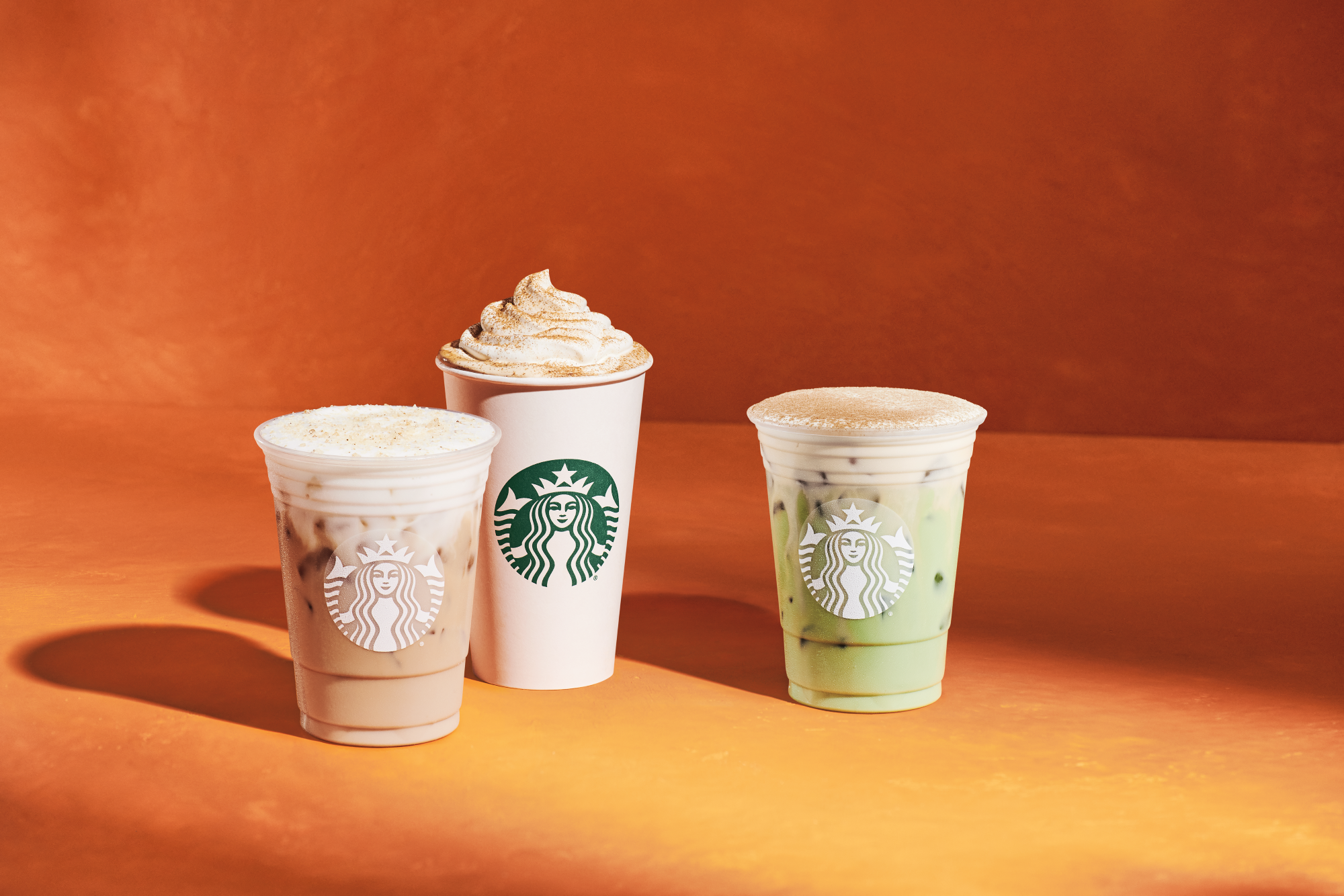
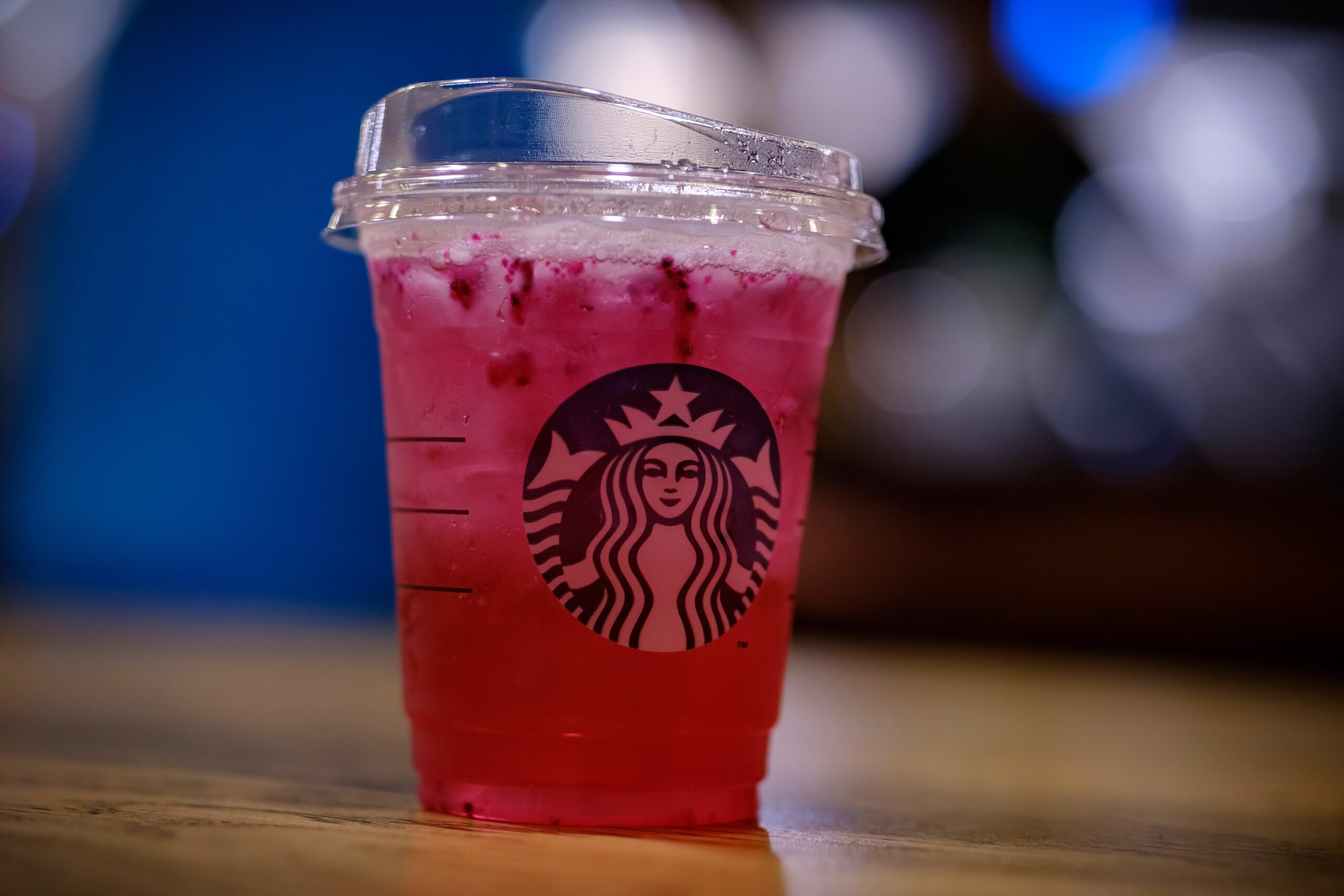
Starbucks launched its new Energy Refreshers in April 2026 as a permanent addition to the menu. They’re an evolution of the brand’s classic Refreshers, which are fruity, iced drinks that have been a summer staple since 2012. The new Energy Refreshers are largely the same as the classic lineup, but with added B vitamins and a higher-caffeine setup. Starbucks also appears to let some other Refresher-based drinks be customized with different caffeine levels.
The positioning is straightforward: more energy, naturally sourced. Starbucks is promoting these as energy drinks with customizable caffeine levels, naturally sourced green coffee extract, and a dose of B vitamins.

The Easy Way
to lose weight and get healthy.
The Energy Refreshers can be customized with different bases (water, lemonade, or coconut milk), extra fruit inclusions, or adjusted caffeine levels by modifying the number of pumps of green coffee extract.
Starbucks’ Energy Refreshers: The drinks
The Energy Refreshers aren’t an entirely new lineup—they’re mostly the existing Refreshers flavors with extra caffeine and B vitamins, plus one new flavor (mango strawberry) added to the permanent menu. Here’s what each includes:
- Mango Strawberry Energy Refresher – Mango and strawberry flavors with freeze-dried strawberry pieces
- Strawberry Açaí Energy Refresher – Strawberry, passionfruit, and açaí flavors with freeze-dried strawberries
- Mango Dragonfruit Energy Refresher – Mango and dragonfruit flavors with dragonfruit pieces
- Mango Dream Energy Drink – Mango and strawberry flavors with a coconut milk base and strawberry pieces
- Pink Energy Drink – Strawberry flavor with coconut milk base and real strawberries
- Dragon Energy Drink – Mango and dragonfruit flavors with a coconut milk base and dragonfruit pieces
What’s in Starbucks Energy Refreshers?
Each Energy Refresher is built from three main components: a flavored Refresher base, a green coffee extract blend that includes B vitamins, and freeze-dried fruit pieces. Here’s what each one contains:
- The refresher base: This is the flavor foundation of every drink. All bases share the same basic structure—water, sugar, white grape juice concentrate, natural flavors, citric acid, and stevia extract—with different fruit and vegetable juice concentrates added for color depending on the flavor. One thing worth noting: the Mango Strawberry and Mango Dream drinks are built on the Strawberry Açaí base, with the mango flavor coming from a separately added mango syrup rather than a mango-based Refresher base.
- The green coffee extract blend: This is what makes the Energy Refreshers different from the classic lineup. It’s a prepared liquid blend containing water, coffee extract, citric acid, potassium sorbate (a preservative), xanthan gum, and the B vitamin blend. The caffeine and the B vitamins both come from this component.
- Freeze-dried fruit pieces: Strawberry drinks get freeze-dried strawberries; dragonfruit drinks get freeze-dried dragonfruit pieces. These are shaken in with ice at the time of preparation.
Energy Refreshers vs. regular Refreshers?
The key difference is caffeine content. Regular Starbucks Refreshers have roughly 45 to 55 mg of caffeine per grande—less than a single shot of espresso (75 mg). The Energy Refreshers bring that up to 125 mg per grande, and up to 175 mg in larger sizes—all from extra pumps of the green coffee extract blend. (You can also order any Refresher caffeine-free if you want the flavor without the lift.)
The B vitamins—niacin (B3), calcium pantothenate (B5), pyridoxine hydrochloride (B6), and cyanocobalamin (B12)—come bundled inside that same green coffee extract blend, not as a separate addition. Starbucks hasn’t published the specific amount of vitamins in each pump, so it’s hard to say exactly how much you’re getting per drink.
Starbucks Energy Refreshers: Nutrition info
| Drink | Caffeine (grande) | Calories | Total carbs | Sugars | Protein | Fat |
|---|---|---|---|---|---|---|
| Mango Strawberry Energy Refresher | 125 mg | 130 | 31g | 28g | 0g | 0g |
| Strawberry Açaí Energy Refresher | 125 mg | 100 | 23g | 21g | 0g | 0g |
| Mango Dragonfruit Energy Refresher | 125 mg | 100 | 22g | 20g | 0g | 0g |
| Mango Dream Energy Drink | 125 mg | 170 | 36g | 32g | 0g | 2g |
| Pink Energy Drink | 125 mg | 140 | 28g | 25g | 0g | 2g |
| Dragon Energy Drink | 125 mg | 140 | 27g | 24g | 1g | 3g |
Are Starbucks Energy Refreshers healthy?
The calories in these drinks come almost entirely from carbohydrates, and most of those carbs are sugars, though some are natural fruit sugar. The primary sugar sources are the white grape juice concentrate and added cane sugar in the refresher base, plus mango syrup in the drinks that contain it.
While these are fruit-adjacent drinks, the sugar level is more equivalent to a juice or a juice-sweetened beverage than to eating whole fruit. It’s not inherently a problem, but it’s worth knowing that you’re not getting the same thing as a piece of fruit or a smoothie made with whole fruit.
The freeze-dried fruit pieces do contribute a small amount of fiber—you’ll see 1 gram of dietary fiber in most of the water-based drinks—but it’s a modest amount that doesn’t meaningfully change the nutritional profile. The fruit is doing more for texture and flavor than it is for nutrition.
The coconut milk drinks land higher in calories (140 to 170) because coconut milk adds fat—specifically saturated fat, at 2 grams per serving. That’s not a lot in the context of a full day’s eating, but it’s worth noting if fat intake is something you’re tracking.
Protein is effectively zero across the board. These are not a meaningful source of any nutrient beyond caffeine and B vitamins.
The Easy Way
to lose weight and get healthy.
Are the Starbucks Energy Refreshers ingredients safe?
The short answer is yes, for most people. Here’s what’s worth knowing about the two ingredients that set these apart from a regular Refresher: the green coffee bean extract and the B vitamins.
Is green coffee extract safe?
Green coffee extract comes from unroasted coffee beans. In Starbucks Energy Refreshers, it’s mainly used as a caffeine source.
A small crossover study found that caffeine from green coffee bean extract and synthetic caffeine had similar absorption patterns, with no adverse events reported in the study. Green coffee bean extract has also been studied as a supplement for possible effects on blood pressure and other metabolic markers, with mixed results. But in a Starbucks Energy Refresher, the main effect most people will notice is the caffeine.
That means the side effects are likely to be the usual caffeine-related ones—like jitteriness, anxiety, or a faster heart rate—especially if you’re sensitive to caffeine or already consuming a lot of it that day. People with heart conditions, anxiety disorders, or caffeine sensitivity may want to be more mindful of drinks like these.
How much caffeine is in Starbucks’ Energy Refreshers?
At 125 mg per grande, the Energy Refreshers have significantly more caffeine than their classic counterparts (which run about 45 to 55 mg), but considerably less than a standard brewed coffee. A 12-ounce (tall) brewed coffee at Starbucks contains between 235 and 290 mg of caffeine—more than twice what’s in a grande Energy Refresher.
To put it in practical terms: 125 mg of caffeine is roughly one and a half shots of espresso (about 75 mg). For most healthy adults, the FDA notes that up to 400 mg of caffeine per day is generally considered safe—so one grande Energy Refresher is well within that range. That said, pairing it with other caffeinated drinks throughout the day adds up, so it’s worth being aware of your total intake.
What do the B vitamins do in Starbucks’ Energy Refreshers?
B vitamins help your body convert carbohydrates, fats, and proteins into usable energy. They’re often added to energy drinks because of that connection, but they don’t work like caffeine.
That distinction matters. B vitamins support normal energy metabolism, but they don’t have a stimulant effect. If you’re not deficient, getting extra B vitamins in a drink isn’t likely to make you feel noticeably more energized.
At the levels typically added to drinks, B vitamins are generally considered safe.
Noom’s Most Powerful Program
A dual-pathway GLP-1 and behavior change for lasting results.
The bottom line: Starbucks’ Energy Refreshers are fruit-flavored drinks with moderate caffeine and some B vitamins
Starbucks’ new Energy Refreshers sit in that increasingly crowded middle ground between a soft drink, a coffee drink, and an energy drink. They’re lighter and fruitier than many coffee-shop orders, and the caffeine level is moderate enough that they may work well for people who want a boost without going full-brewed coffee. But nutritionally, they’re still mostly sweetened drinks. They’re not high in calories, but they are high in sugar for what they offer, and they don’t bring much in the way of protein, fiber, or staying power.
That doesn’t mean they’re unhealthy. It just means they’re best understood for what they are: a flavored caffeine delivery system with some added B vitamins, not a wellness drink or a meaningful source of nutrition. If you like the taste, want a refreshing pick-me-up, and they fit comfortably into the rest of your day, they can absolutely have a place. But if your goal is to keep sugar low or choose something more filling, there are better options on the Starbucks menu.
The best approach to food and drink is one that fits your actual life—not a rigid set of rules about what’s allowed. If you want help thinking through how drinks like these fit into your bigger nutrition picture, Noom can help you build a sustainable approach that always makes room for the things you enjoy.
Editorial standards
At Noom, we’re committed to providing health information that’s grounded in reliable science and expert review. Our content is created with the support of qualified professionals and based on well-established research from trusted medical and scientific organizations. Learn more about the experts behind our content on our Health Expert Team page.