
What you’ll learn:
- Both Zepbound® and Foundayo® can support long-term weight loss, but they have different active ingredients.
- Zepbound® is a once-weekly injection, while Foundayo® is taken as a daily pill..
- Studies show that Zepbound® tends to lead to greater weight loss, with an average of 21% compared to an average of 11% with Foundayo®.
For a long time, the most effective weight loss medications, GLP-1s, have mostly come as once-weekly injections. Zepbound® is one of the most well-known examples, with strong results that have made it an important option for many people. The company that manufactures it, Eli Lilly, just introduced Foundayo® as another option for weight-loss treatment. Foundayo® is a daily pill, the second GLP-1 receptor agonist pill to be approved for weight loss. The Wegovy® pill, approved in late 2025, is the other.
Zepbound® and Foundayo® can both help people lose weight alongside a healthy diet and exercise, but they are not the same medication and work very differently. Let’s take a look at how they actually compare when it comes to results. Go through whether the side effects are different and talk about what you should expect in terms of cost and access.
Understanding how these two medications stack up can make a big difference when you’re deciding what fits your routine and goals. We’ll walk through all the details you need to know before choosing the right medication for you and then show you how to begin the process of getting a prescription.
Zepbound® vs Foundayo®: How do they work?
Both Zepbound® and Foundayo® belong to the GLP-1 receptor agonist group. GLP-1 medications work by mimicking hormone signals that help control appetite, slow down digestion, and manage blood sugar after you eat. When these signals are stronger and more consistent, it can feel easier to eat less without constantly thinking about food.
But even though these medications share that foundation, they don’t all work in exactly the same way—and that can shape both the experience and the results.

See if your insurance
covers GLP-1s.
The form only takes 2 minutes to answer. We’ll handle the rest.
GET STARTEDEven though they share that foundation, they work a little differently:
- Zepbound®: Zepbound contains tirzepatide, which activates both GLP-1 and another hormone called GIP. This dual action is what makes it stand out. By working on two pathways instead of one, researchers think it creates a stronger overall signal around fullness and metabolism, which contributes to the higher average weight loss seen in studies. It’s also a once-weekly injection, which provides a steady, long-lasting effect.
- Foundayo®: Approved in April 2026, Foundayo® is a once-daily pill. It contains orforglipron. It targets only the GLP-1 receptor, so it still helps reduce hunger, slow digestion, and support blood sugar control—but without the added GIP effect. It’s also a non-peptide, meaning it doesn’t mimic the hormone structure the same way injectable medications do. Instead, it activates the same receptor through a different pathway. For you, that doesn’t change the goal—it still helps with appetite and fullness—but it can lead to a slightly different feel, dosing routine, and overall effect compared to injectable options.
Read more:
- What is Zepbound®? Exploring the weight loss benefits, side effects, and cost
- What is Foundayo®? New GLP-1 weight loss pill explained
Zepbound® vs Foundayo®: What are the similarities?
Zepbound® and Foundayo® may look very different at first glance, especially since one is an injection and the other is a pill. Still, you’ll notice they share several things in common.
- They are made by the same company. Zepbound® and Foundayo® are both manufactured by Eli Lilly, the same company behind Mounjaro®, another well-known GLP-1 medication.
- Both help control appetite through GLP-1. Even though Zepbound® also works on another hormone, both medications use the GLP-1 pathway to help you feel full sooner and stay full longer after eating.
- They generally have a similar side effect profile. Since they work through the same GLP-1 pathway, many of the side effects overlap, with digestive side effects like nausea, vomiting, diarrhea, and constipation being the most likely.
- The doses are slowly increased. You will start at the lowest dose, and it will be increased over time depending on your personal reaction to the medication. The goal is to get the best results with the fewest side effects
- Both can be expensive and are unlikely to be covered by insurance. Insurance coverage for weight loss medications can be limited, so what you pay will depend on your plan and the available manufacturer discounts.
Zepbound® vs Foundayo®: What are the differences?
Even though Zepbound® and Foundayo® aim to support weight loss in a similar way, the experience of using them can feel quite different once you get into the details.
- Injection vs pill. Zepbound® is a once-weekly injection, while Foundayo® is a pill. This is usually the first big decision point; some people may prefer taking a once-daily pill while others like the convenience of taking an injection once a week.
- They use different active ingredients and pathways. As we’ve mentioned earlier, Zepbound® contains tirzepatide, which works on two hormones, GLP-1 and GIP. Foundayo® contains orforglipron, which focuses only on GLP-1.
- Zepbound® may lead to higher average weight loss. In clinical trials, people taking Zepbound® (tirzepatide) lost an average of 21% of their body weight. For Foundayo® (orforglipron), studies have shown an average weight loss of 11%.
- Storage and handling are different. The pills can be kept at room temperature. The injection pens and vials require refrigeration.
- Zepbound® has an added health indication. In addition to weight management, it’s also approved for obstructive sleep apnea (OSA).
Zepbound® vs Foundayo®: Which is better for weight loss?
Both Zepbound® and Foundayo® are designed to support weight loss, and both can lead to meaningful results over time. That said, studies suggest that Zepbound® may lead to higher average weight loss for many people. Still, your experience can depend on how your body responds and the choices you make with diet and exercise. Let’s take a closer look at what people experience.
Zepbound® vs Foundayo®: How much weight can you lose?
Clinical studies can give you a helpful starting point when you’re trying to get a clearer picture of what weight loss might look like over time. While everyone’s experience is different, these averages help set expectations.
- Zepbound®: People taking the highest dose (15 mg) lost an average of about 21% of their starting weight over 72 weeks. For a person starting at 200 pounds, that’s about 42 pounds.
- Foundayo®: People taking higher doses lost an average of about 11% of their starting weight over 72 weeks. At 200 pounds, that’s around 30 pounds lost.
Zepbound® shows higher average weight loss in research, but Foundayo® still leads to solid results. What matters most is finding an option you can stick with, and that works well for your body.
How long does it take to see results?
If you’re starting a weight loss medication, it helps to know what kind of timeline to expect. With both Zepbound® and Foundayo®, results tend to build gradually. You might notice changes in appetite early on, and the weight loss tends to follow over the next few months.
Here’s what average progress looked like in clinical trials for Zepbound® and Foundayo®:
After 3 months
- Zepbound®: 8%
- Foundayo®: 7%
After 6 months
- Zepbound®: 15%
- Foundayo®: 10%
After 1 year and beyond
- Zepbound®: 21%
- Foundayo®: 11%
Both medications show meaningful progress, especially in the first few months. Over time, Zepbound® tends to lead to greater overall weight loss, but consistency plays a big role in what your own results will look like.
Who can take Zepbound® or Foundayo® for weight loss?
Before starting Zepbound® or Foundayo®, your doctor will want to make sure the medication matches your health needs. That decision is usually based on your BMI and any related conditions you may have.
You may be a candidate if you:
- Have a BMI of 30 or higher
- Have a BMI of 27 or higher and a related health condition, like high blood pressure or high cholesterol
Again, both medications are designed to work best when paired with consistent lifestyle habits that support long-term progress.
Who shouldn’t take Zepbound® or Foundayo®?
Zepbound® and Foundayo® can be helpful for weight loss, but they’re not meant for everyone. Your provider will check your health history first to make sure one of these options makes sense for you.
You shouldn’t take Zepbound® or Foundayo® if you:
- Have a personal or family history of medullary thyroid cancer (MTC) or MEN 2
- Have had a serious allergic reaction to tirzepatide, orforglipron, or related medications
- Are pregnant, planning a pregnancy, or breastfeeding
There are also a few health conditions your provider will want to know about before starting treatment. These may include:
- Pancreatitis or kidney concerns
- Gallbladder issues, including gallstones
- Digestive conditions like gastroparesis
- Vision changes linked to diabetes
If you have any procedures coming up, including surgery, it’s important to mention that too. These conversations help make sure the plan you choose fits your health, safety, and comfort.
Can you switch between Zepbound® and Foundayo®?
Switching between Zepbound® and Foundayo® is possible, but it’s something you’ll want to do with your provider’s guidance. Even though they’re in the same drug class, they work a little differently and follow different routines.
- Why do people switch? Sometimes it comes down to cost or insurance coverage. Other times, it’s about how the medication fits into your day. You might prefer a daily pill over a weekly injection, or the other way around. Side effects or weight loss plateaus can also play a role.
- What might feel different after switching? Since Zepbound® works on two hormone pathways and Foundayo® works on one, your body may respond differently to each medication. Your routine will also change, since one is taken once a week and the other is taken daily.
- How does the switch usually happen? Your provider will guide you through the switch by adjusting your dose and timing. They’ll make sure the transition from a weekly injection to a daily pill, or the other way around, happens in a way your body can handle.
Before making any changes, it’s always best to talk it through with your provider so you can switch safely.
Zepbound® and Foundayo®: How long do you need to take them?
Zepbound® and Foundayo® are meant to be part of a longer-term plan. They help support steady progress over time, rather than quick, short-term changes. While you’re taking them, they help regulate appetite and how your body handles food. If you stop, those effects don’t stay forever, and your body may slowly return to its old patterns.
If you’re thinking about stopping, here are a few things to keep in mind:
- Weight regain can happen. While it doesn’t happen to everyone, many people regain some weight after stopping GLP-1 medications.
- Tapering may help your body adjust. Instead of stopping all at once, your provider may suggest gradually lowering your dose.
- Some people remain on a lower maintenance dose to help maintain their weight loss.
- Your habits make a big difference. Daily routines, like how you eat and move, can help you maintain your results after stopping.
- Restarting is an option. Some people go back on medication or try a different one if their weight begins to change again.
Your provider can help you decide how long to stay on treatment and what the next step should look like based on your goals.
Read more: Does staying on a maintenance dose of Zepbound® help keep weight off?
Zepbound® vs Foundayo®: How much do they cost?
When you’re comparing Zepbound® and Foundayo®, cost can play a significant role in your decision. Even though both medications come from the same company, pricing can still vary depending on your coverage and whether you’re using a savings program.
Here’s a side-by-side look at typical monthly costs to help you compare:
| Brand name | Cost (monthly) |
|---|---|
| Zepbound® | List price: $1,087 With insurance: Some people with commercial insurance may pay as little as $25/month with savings programs. Learn more. Cash-pay: When purchased through Lilly Direct as single-use vials or multi-dose KwikPen: $299: 2.5 mg $399: 5 mg $449: 7.5 mg, 10 mg, 12.5 mg, and 15 mg Learn more about the cost of Zepbound®. |
| Foundayo® | List price: Unavailable With insurance: Some people with commercial insurance may pay as little as $25/month with savings programs. Learn more. Cash-pay: LillyDirect program pricing $149: 0.8 mg $199: 2.5 mg $299: 5.5 mg, 9 mg, 14.5 mg, and 17.2 mg |
Since insurance coverage for weight loss medications can vary, checking your options ahead of time can help you avoid surprises.
Does insurance cover Zepbound® or Foundayo®?
Insurance coverage is one of the biggest question marks when it comes to medications like Zepbound® and Foundayo®. The short answer is that it depends on your plan, and coverage can vary more than you might expect.
Here are a few things to keep in mind:
- Weight loss medications aren’t always included. Some plans cover them, while others don’t, especially when it comes to newer treatments.
- The two medications may not be treated the same. Even though both are approved for weight management, Zepbound® also has an approved use for obstructive sleep apnea (OSA), which may influence coverage in some cases.
Insurance policies can change over time, so the best way to get a clear answer is to check your specific plan. If you want a quicker starting point, Noom’s free insurance checker can help you see your potential coverage and help explore your options.
Read more: Are weight loss drugs covered by insurance? Costs, coverage & how to save
Does Medicare cover Zepbound® or Foundayo®?
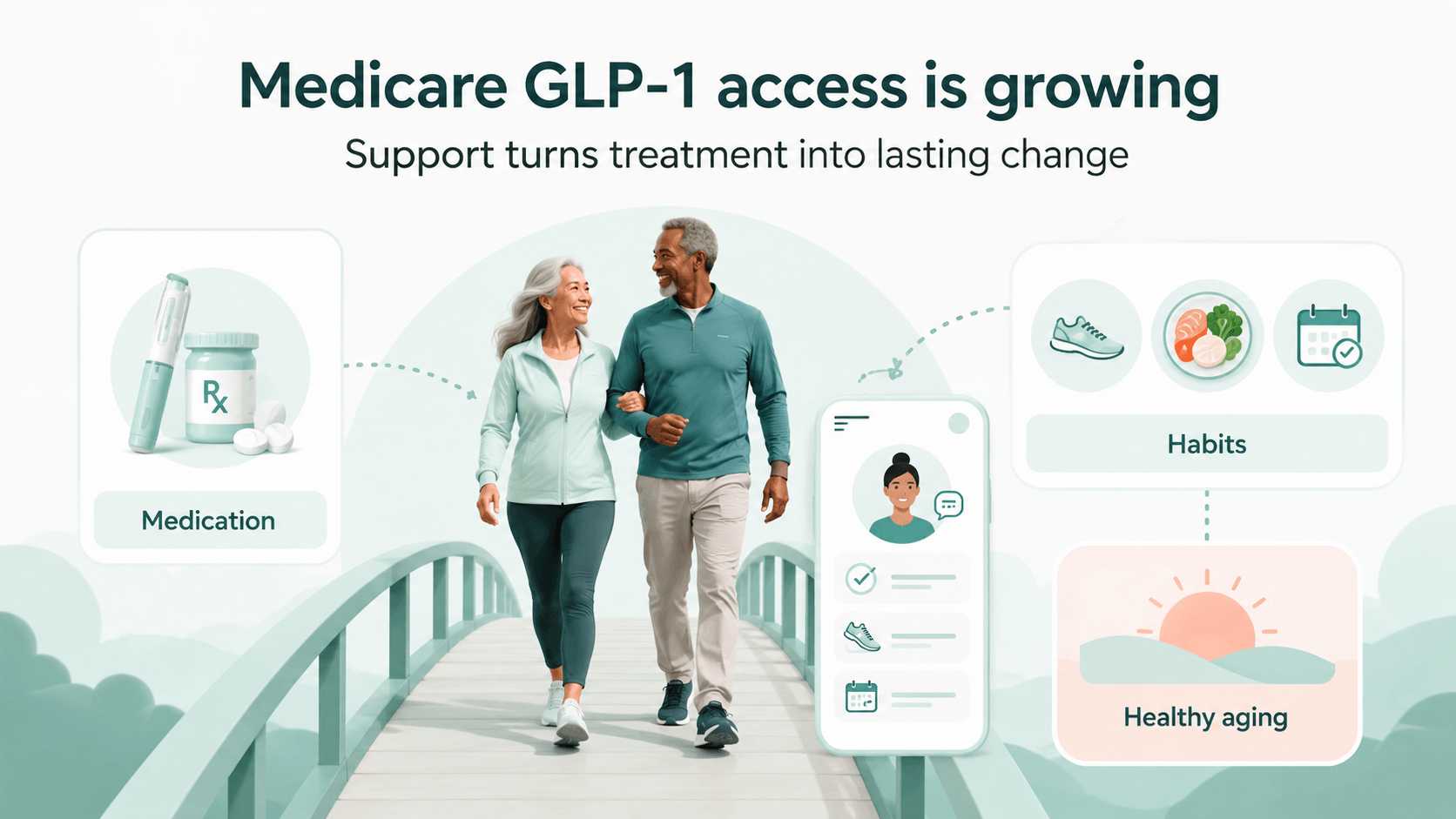
If you’re on Medicare, coverage for medications like Zepbound® and Foundayo® is unlikely. Medicare doesn’t cover medications used solely for weight loss. But there are a few factors that can make a difference:
- Coverage can depend on the reason it’s prescribed. Zepbound® has an additional approved use for obstructive sleep apnea (OSA), so in some cases, that may affect how coverage is handled. Foundayo® is currently approved only for weight management.
- Policy changes are being explored. Medicare has been looking into ways to expand access to medications like these through pilot programs. Some early changes may roll out over time, but nothing is guaranteed yet.
Since these policies can shift, the best way to stay informed is to check directly with your Medicare provider and review your plan details so you know exactly what applies to you.
Read more: Does Medicare cover weight loss drugs? How access to GLP-1s is changing
Zepbound® vs Foundayo®: Side effects and safety
Side effects are a big part of figuring out which option might feel more manageable for you. Zepbound® and Foundayo® both target GLP-1 receptors so many of their side effects overlap. Most of what you’ll notice tends to happen in your digestive system.
Common side effects
Side effects for both Zepbound® and Foundayo® usually show up early, especially when you’re just starting or increasing your dose. That’s your body getting used to the medication, and things often settle down over time.
Here’s a look at common side effects based on the highest doses of each:
| Side effect | Zepbound® 15 mg | Foundayo® 17.2 mg |
|---|---|---|
| Nausea | 28% | 35% |
| Vomiting | 13% | 24% |
| Diarrhea | 23% | 25% |
| Constipation | 11% | 24% |
| Dyspepsia (indigestion) | 10% | 13% |
| Abdominal pain | 10% | 14% |
| Fatigue | 7% | 9% |
Zepbound® tends to show lower rates for all the common side effects compared to Foundayo®. That said, these numbers come from separate studies, so they’re not a perfect comparison.
Another thing to keep in mind is how the medication is taken. Zepbound® is a once-weekly injection, which means mild injection-site reactions, such as redness or irritation, are possible. Foundayo® is taken by mouth, so it doesn’t come with that particular side effect.
Read more:
- Zepbound® side effects: Symptom guide & management tips
- Foundayo® side effects: Symptom guide & management tips
Serious side effects and warnings
While most people do well on both Zepbound® and Foundayo®, there are rare but serious side effects you need to know about and watch for. Paying attention to how your body feels during treatment can help you stay on track safely.
- Pancreatitis: Signs include severe, constant pain in your upper stomach that may spread to your back. If that kind of pain shows up and doesn’t go away, especially with nausea or vomiting, it’s time to get medical care right away.
- Vision changes: Sudden changes, such as blurry vision or difficulty focusing, should be reported to your provider as soon as possible, especially if you have diabetes.
- Low blood sugar: You might feel shaky, sweaty, dizzy, or confused, or notice your heart racing. This is more likely if you’re also taking other blood sugar medications. If this happens, reach out to your provider quickly.
- Kidney problems: Watch for things like peeing less than usual, swelling in your legs or feet, or feeling unusually tired. These are signs your body needs a check-in with your doctor.
- Gallbladder problems: Pain in the upper right side of your stomach, along with nausea or fever, should be assessed immediately.
- Severe allergic reactions: If you notice swelling in your face, lips, tongue, or throat, or you’re having trouble breathing, get emergency help right away.
- Boxed warning for Zepbound® and Foundayo®: Both Zepbound® and Foundayo® include an FDA boxed warning about a possible risk of thyroid C-cell tumors. This showed up in animal studies, but hasn’t been found in humans.
If something feels off, even if you’re not sure what it is, it’s always okay to check in with your provider. You know your body best.
Which is safer: Zepbound® or Foundayo®?
Zepbound® and Foundayo® share many of the same safety considerations because they both work through the same appetite and digestion system in your body. That means their risks and side effects often look very similar. Rather than one being the safer option across the board, the better choice usually depends on your personal health, your preferences, and how your body responds once you start treatment.
Zepbound® vs Foundayo®: Dosage and administration
Both Zepbound® and Foundayo® are designed to build up slowly in your system. You start at a lower dose and increase it over time, which helps your body get used to the medication and keeps side effects more manageable.
- Zepbound®: Zepbound® is taken once a week as a small injection under the skin. You can take it at any time of day, with or without food. Your provider will usually increase your dose about every 4 weeks until you reach a level that supports your weight loss and feels manageable.
- Foundayo®: Foundayo® is taken once a day as a table anytime with or without food.
Here’s a quick look at the available dose strengths for each:
| Zepbound® doses | Foundayo® doses |
|---|---|
| 2.5 mg (starting dose) 5 mg 7.5 mg 10 mg 12.5 mg 15 mg (maximum dose) | 0.8 mg (starting dose) 2.5 mg 5.5 mg 9 mg 14.5 mg 17.2 mg (maximum approved dose) |
Your provider will help you move through these steps at a pace that works for your body and your goals.
Learn more about Zepbound dosage.
Choosing between Zepbound® vs Foundayo®: Which is right for me?
Deciding between Zepbound® and Foundayo® can come down to a few key details that affect your everyday routine. Even though both support weight loss, they’re built differently, and those differences can shape how they feel once you start using them.
Some people like the simplicity of a once-weekly injection, while others prefer a daily pill they can take anytime. Your provider will help guide the decision, but seeing the main details side by side can make it easier to figure out what might fit best for you.
| Medication | Zepbound® | Foundayo® |
|---|---|---|
| Active ingredient | Tirzepatide | Orforglipron |
| Available doses | 2.5 mg, 5 mg, 7.5 mg, 10 mg, 12.5 mg, 15 mg | 0.8 mg, 2.5 mg, 5.5 mg, 9 mg, 14.5 mg, 17.2 mg |
| Dosing format | Once-weekly injection | Daily pill |
| Pricing per month (without insurance) | Around $1,087 list price | Not available |
| Discount programs | Multi-dose KwikPen and single-dose vials through LillyDirect: $299: 2.5 mg; $399: 5 mg; $449: 7.5 mg, 10 mg, 12.5 mg, and 15 mg | Through LillyDirect program: $149: 0.8 mg; $199: 2.5 mg; $299: 5.5 mg, 9 mg, 14.5 mg, and 17.2 mg |
| Dosing instructions | Taken once weekly, you choose a consistent day of the week and can take it with or without food | Daily pill; can be taken anytime, with or without food |
| Average weight loss | 21% of starting body weight over 72 weeks | 11% of starting body weight over 72 weeks |
| Manufacturer | Eli Lilly | Eli Lilly |
Frequently asked questions about Zepbound® and Foundayo®
When you’re comparing weight loss medications, practical questions about cost, effectiveness, and coverage naturally come up. Here are simple answers to help you feel more confident about your options.
Is Zepbound® cheaper than Foundayo®?
The price you pay for Zepbound® and Foundayo® will vary depending on your insurance and any savings programs you qualify for.
Without insurance, you pay based on dose through Lilly direct. In that case, Foundayo is cheaper $149 to $299 depending on the dose. Zepbound starts at $299 and goes up to $499.
Read more: Zepbound® costs in 2026: With and without insurance coverage
Does Zepbound® work as well as Foundayo®?
Both medications can help you lose weight, but studies show that Zepbound® tends to lead to greater average weight loss. At higher doses, people taking Zepbound® lost an average of 21% of their body weight, while Foundayo® showed an average of 11% weight loss in studies. Your results can still vary, so what works best for you may depend on how your body responds.
Read more:
- What is Zepbound®? Exploring the weight loss benefits, side effects, and cost
- What is Foundayo®? New GLP-1 weight loss pill explained
Does Zepbound® have fewer side effects than Foundayo®?
It’s possible. While Zepbound® appears to have lower rates of some of these side effects than Foundayo® based on their prescribing information, these numbers come from separate studies, not direct head-to-head trials, so they aren’t perfectly comparable. Overall, you’ll see a lot of overlap in side effects between the two, mostly around digestion. However, your experience can still vary depending on how your body responds to the medication.
Read more:
- Zepbound® side effects: Symptom guide & management tips
- Foundayo® side effects: Symptom guide & management tips
Will insurance cover Zepbound® or Foundayo®?
Insurance coverage can vary quite a bit depending on your plan, and not all plans include weight loss medications. Zepbound® may be covered more often in some cases, especially since it also has an approved use for OSA, while Foundayo® is newer and approved solely for weight management.
Even so, coverage is never guaranteed, and some plans may require extra steps like prior authorization. The best way to know for sure is to check directly with your provider or use a tool like Noom’s insurance checker to see what’s available to you.
Read more: Are weight loss drugs covered by insurance? Costs, coverage & how to save
See if your insurance
covers GLP-1s.
The form only takes 2 minutes to answer. We’ll handle the rest.
GET STARTEDThe bottom line: The best choice between Zepbound® and Foundayo® is the one that works best for you
Both Zepbound® and Foundayo® can help with long-term weight loss by working with your body’s hunger signals. Zepbound® shows higher average weight loss, but Foundayo® still provides meaningful results.
At the same time, your experience isn’t just about the weight loss numbers. Cost, insurance coverage, and how easy it feels to stay consistent with the medication can make a big difference. Choosing something that fits into your routine can make it easier to keep going and see progress over time.
Noom Med can help you sort through those decisions with expert guidance. If you qualify, you’ll be matched with a clinician who can assess whether prescription options like GLP-1 medications are appropriate. From there, you’ll get a personalized plan built to support steady, lasting progress.
Editorial standards
At Noom, we’re committed to providing health information that’s grounded in reliable science and expert review. Our content is created with the support of qualified professionals and based on well-established research from trusted medical and scientific organizations. Learn more about the experts behind our content on our Health Expert Team page.