

What you’ll learn:
- There’s no single definition of a weight loss plateau; researchers define them differently, and slowing weight loss doesn’t always mean you’ve stopped making progress.
- If your weight loss has truly stalled, small adjustments to nutrition, activity, sleep, or your GLP-1 treatment plan may help without resorting to drastic changes.
- Before trying to lose more, consider changes in body composition, health markers, and whether you’re already at a healthy weight—sometimes maintaining the weight you’ve lost is progress, too.
During the first few months of weight loss, progress can feel steady as changes to your eating, activity, and daily routines begin to feel second nature. But over time, things can slow down, even if you continue doing the things that worked before.
You might notice the scale hasn’t moved in days, and then days turn into weeks. That’s what people mean when they talk about a weight loss plateau.
Plateaus are a common part of long-term weight loss, whether you’re losing weight through lifestyle changes alone or taking a GLP-1 medication like Wegovy® or Zepbound®. And hitting one while taking a medication doesn’t necessarily mean it has stopped working.
What’s happening? It could be several things. As you lose weight, your body needs less energy simply because there’s less of it to maintain. It can also respond by conserving additional energy through a process called adaptive thermogenesis. Changes in hunger and fullness signals can make it harder to maintain the calorie gap that produced faster weight loss at the start. Or, you might be gradually slipping back into older habits—eating a little more than you realize if you aren’t tracking, for example, or becoming less active.
Because so many factors can cause weight loss to slow, there’s no single timeline for when a plateau starts or how long it lasts. But understanding why weight loss can slow can help you determine whether you’ve actually hit a plateau and, more importantly, what to do next without overcorrecting.

The Easy Way
to lose weight and get healthy.

We’ll look at why plateaus happen, how they can differ with and without GLP-1 medication, and which adjustments may help you continue making progress. Plus, Dr. Karen Mann, MD, Noom’s Medical Director, will also share her insights and expert tips on recognizing and managing a plateau.
What is a weight loss plateau?
What actually counts as a weight loss plateau? The answer isn’t as straightforward as you might think.
Researchers don’t use one universal definition. A 2026 review describes a plateau broadly as a period when weight loss slows or stops despite continued efforts. But individual studies can set much more specific criteria. For example, an analysis of tirzepatide trials considered people to have reached a plateau when they were losing less than 5% of their body weight over a 12-week period and that slower rate continued. In other words, you could technically be at a plateau and still be losing some weight.
That’s why a plateau is better thought of as a sustained slowdown in your weight-loss trend, rather than a specific number of weeks when the scale doesn’t move at all.
It’s also different from normal day-to-day fluctuations. A few flat weigh-ins—or even a temporary increase—can reflect changes in hydration, sodium or carbohydrate intake, digestion, hormones, or when you stepped on the scale. What matters more is the trend over time.
So, don’t assume you’ve hit a plateau because the scale hasn’t budged this week. If your average weight has changed very little for several weeks after a period of consistent loss, that’s a better reason to take a closer look at what might be happening.
Why do weight loss plateaus happen?
Weight loss rarely follows a straight line. As you lose weight, your body and your daily habits change, which can gradually shrink the calorie deficit that produced weight loss earlier. Eventually, the calories you take in and the calories your body uses may move closer to balance—and weight loss slows or stops.
Here’s what can be happening behind the scenes.
Your body needs less energy after you lose weight
A smaller body generally requires less energy to maintain. That means you may burn fewer calories at rest and during everyday activities than you did at a higher weight.
There can be another change, too. During weight loss, your body may reduce its energy expenditure by more than would be expected from the change in body size alone. This response is known as adaptive thermogenesis.
Noom’s Most Powerful Program
A dual-pathway GLP-1 and behavior change for lasting results.

Neither means your metabolism is “broken.” Your energy needs have changed as your body has changed, so the same eating and activity patterns that created a calorie deficit earlier may eventually produce a smaller one.
Your appetite may increase as you lose weight
The other side of the equation is how much you want to eat. Weight loss can affect hormones and other biological signals involved in hunger and fullness, making it harder to maintain the same calorie intake over time.
In fact, research modeling the physiology of weight loss plateaus suggests that increasing appetite may be an especially important reason weight loss eventually levels off. As weight decreases, the biological drive to eat increases. Eventually, that increased intake can catch up with your lower energy expenditure, narrowing or eliminating the calorie deficit.
GLP-1 medications can change this equation by reducing appetite and calorie intake, which helps explain why people taking medications such as Wegovy® or Zepbound® may lose considerably more weight before reaching a plateau. But even with medication, weight loss eventually tends to slow as the body approaches a new energy balance. GLP-1s buy more time before the plateau than diet alone, the drugs aren’t just suppressing appetite in the moment, they’re turning down the dial on the body’s resistance to weight loss itself.
Your habits and body composition can change, too
Biology isn’t the only thing that can shift over months of weight loss. Small changes in your routine can gradually affect the balance between how much energy you take in and how much you use.
- You may move less without realizing it. Fatigue, changes in your routine, or simply spending less time walking and standing can reduce activity outside of planned exercise.
- Your eating patterns may drift. Slightly larger portions, more snacks, restaurant meals, or untracked bites can add up without being obvious.
- You may lose some lean mass. Weight loss generally includes some lean tissue along with fat. Because lean tissue contributes to daily energy expenditure, preserving muscle through adequate protein and resistance exercise is an important part of a long-term weight-management plan.
Often, there isn’t one single reason for a plateau. Your energy needs, appetite, activity, eating patterns, and body composition can all be changing at the same time. Understanding which factors may be affecting you can help you decide what—if anything—needs to change next.
When are weight loss plateaus most common?
A plateau can happen at any point, but studies offer a few rough timelines. Weight loss often begins to slow after several months, whether you’re losing weight through lifestyle changes alone or with medication and lifestyle changes. The timing—and the amount of weight lost before reaching a plateau—can vary considerably.
With lifestyle changes alone: A 2026 review found that plateaus often begin around six to eight months (26 to 35 weeks) into a weight loss program. The amount of weight lost varies widely depending on the approach and the individual, but one study included in the review found that participants had lost an average of 12.4% of their starting weight when they reached a plateau at around eight months.
With medication and lifestyle changes: People taking weight loss medications may lose more weight before their weight levels off, and the timing varies by medication.
- Zepbound® (tirzepatide): In an analysis of two key trials, weight loss generally began to slow around 24 to 36 weeks, but people continued losing weight. By week 72, about 88% to 90% of participants had reached a plateau, ultimately losing an average of about 15% to 21% of their starting weight, depending on the dose and study.
- Wegovy® (semaglutide): In one trial, participants lost an average of about 15% of their starting weight, with weight loss beginning to level off around week 60 and then remaining relatively stable through two years of treatment. The higher-dose Wegovy HD (7.2 mg) is now another option for people who need additional weight loss after taking the 2.4 mg dose.
These numbers aren’t meant as a direct comparison—the studies included different people, interventions, and definitions of a plateau. But they illustrate an important point: when you reach a plateau and how much weight you’ve lost by then are two different things. Weight loss can begin slowing within a similar general timeframe with different approaches, even when the total amount of weight lost is different.
Remember: Studies describe patterns across groups of participants. They can offer helpful context, but they can’t predict exactly when—or whether—you will reach a plateau.
How long does a weight loss plateau typically last?
There isn’t a standard amount of time that a weight loss plateau lasts. In fact, researchers don’t even use one universal definition of a plateau. One study of lifestyle-based weight loss considered weight remaining relatively stable for at least two weeks a plateau, while a study of people taking Zepbound® (tirzepatide) looked at weight changes over 12-week periods.
That means a few days—or even a couple of weeks—without a change on the scale doesn’t necessarily tell you that your weight loss has stalled for good..
“As a practical rule, a few unchanged weigh-ins—or even a week or two—may simply reflect normal fluctuation. If your average weight has stayed about the same for several weeks despite consistent habits, it’s reasonable to treat it as a plateau and review your plan,” says Dr. Mann.
Another reason not to focus on how long plateaus last is because what you think of as a plateau could really just be a new baseline or maintenance weight rather than an actual plateau. “A plateau is not a failure. The weight you have already lost and maintained can be seen as a win, and not losing more is because weight loss can feel threatening to the body, causing it to push back,” explains Dr. Mann.
How to break a weight loss plateau
So how do you get past a plateau?
Before you try to break a plateau, take a closer look at what the scale is actually telling you. Not every stretch of stable weight means your weight loss has stalled—or that you need to lose more.
Start by looking at the trend. A few days or even a week or two without a lower number can reflect normal shifts in water, digestion, hormones, sodium intake, or carbohydrate intake. Weigh yourself under similar conditions, such as in the morning after using the bathroom, and compare averages over several weeks rather than individual weigh-ins.
Then consider what else may be changing:
- Are you losing inches or changing body composition? If you’ve recently started or increased strength training, you may be preserving or gaining muscle while losing fat. Your weight may change more slowly even as your waist measurement, clothing fit, strength, or body composition improves. Noom’s Body Scan can help you track some of those changes beyond the scale by estimating body composition and measurements over time, giving you another way to see progress that your weight alone might miss.
- Has your activity changed? A new exercise program can temporarily increase water retention, while a drop in everyday movement can reduce how much energy you use even if your planned workouts haven’t changed.
- Are you already at a weight that’s healthy for you? If you’ve lost a significant amount of weight and your weight is now within a range that supports your health, continuing to push for a lower number may not be necessary. BMI can provide one piece of information, but your clinician can also consider factors such as waist circumference, blood pressure, blood sugar, cholesterol, medications, health conditions, and your overall well-being.
- Has something else changed? New medications, changes in sleep, stress, hormonal changes, or certain health conditions can affect weight and may be worth discussing with your healthcare provider if the change is significant or unexpected.
If your weight trend really has flattened for several weeks and continued weight loss is appropriate for you, resist the urge to change everything at once. Review what may have shifted, choose one or two manageable adjustments, and give them time to work. The goal isn’t simply to make your plan more restrictive—it’s to figure out what, if anything, needs adjusting.
Access GLP-1 Weight Loss with Noom
Explore a wide range of prescription medications supported by Noom’s program.
Microdose GLP-1rx

Noom GLP-1rx

Noom GLP-1rx Plus
Wegovy®
Ozempic®
Metformin
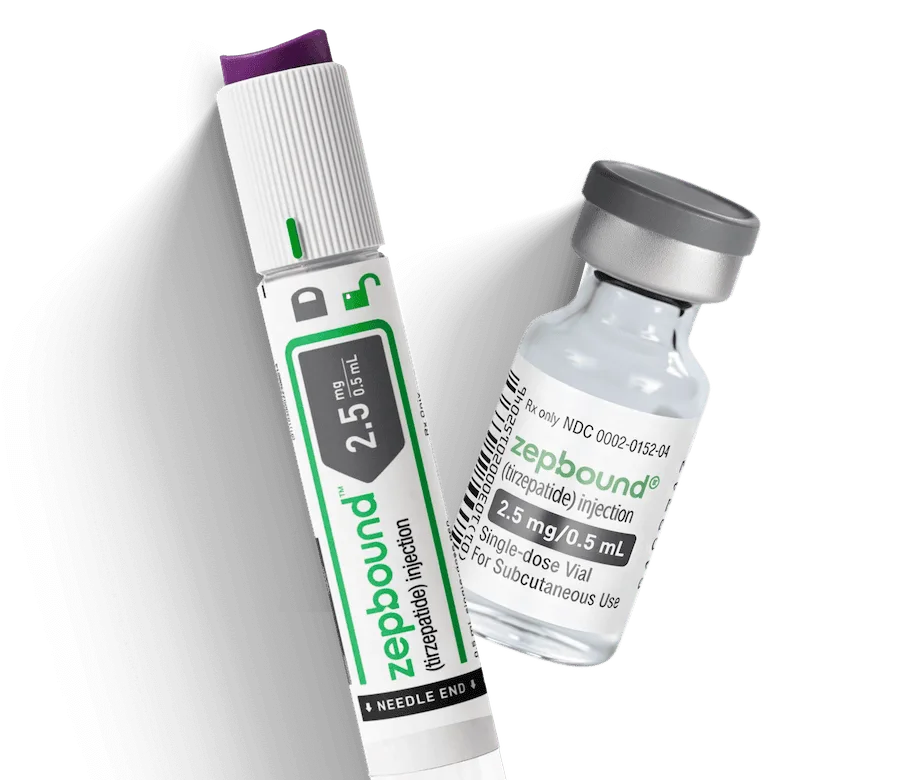
Zepbound®
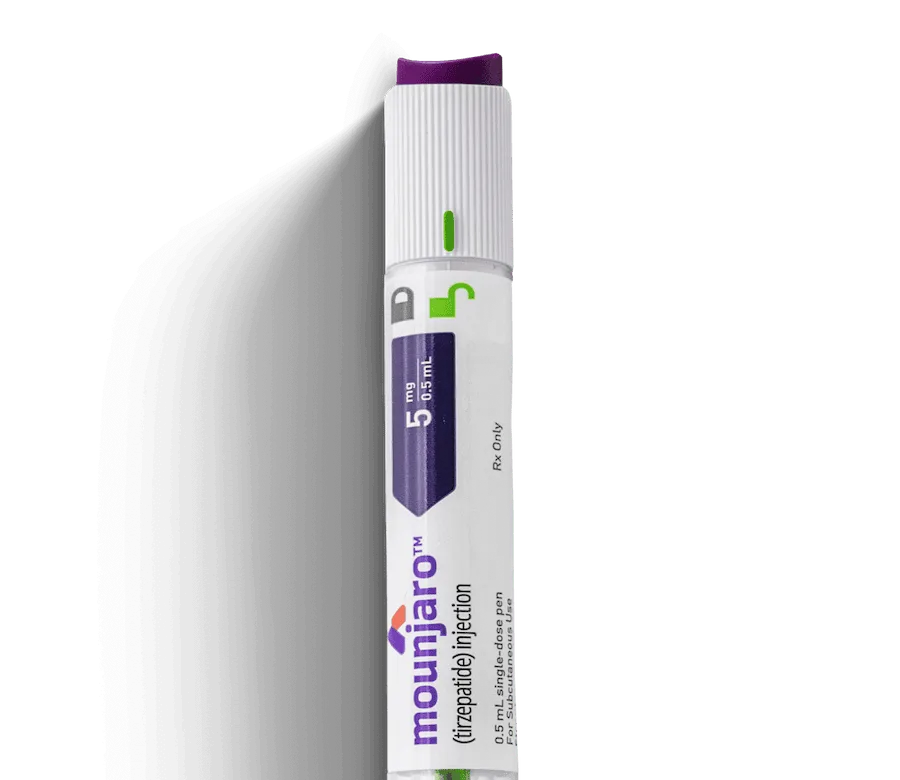
Mounjaro®
Liraglutide
“I suggest you use all the tools when it comes to pushing past a plateau – diet, sleep, movement, medication, and even surgery. Sometimes, acceptance of where you’re at and acknowledging how much you’ve already achieved is what’s needed. That acceptance and acknowledgment can feel better than feeling tension that you’re not doing enough,” offers Dr. Mann.
1. Take a look at how much you’re eating in relation to how much you need
After some weight loss, the calorie deficit that worked earlier may not be the same one you need now. If you’ve lost weight, you might need fewer calories, and small changes in portions or eating patterns can also add up over time.
Start with a short review of what and how much you’re eating. Logging meals for a week or two can help you spot portions, snacks, drinks, restaurant meals, and other patterns that are easy to overlook. You can also use Noom’s calorie deficit calculator to get an updated estimate of your needs, keeping in mind that any calculator is only a starting point.
“Even though plateaus are frustrating, avoid making drastic cuts,” reminds Dr. Mann. “Very low calorie intake can be difficult to sustain and may increase fatigue, hunger, and the risk of losing lean mass. All of those things can make weight loss even harder.”
The goal isn’t necessarily to eat dramatically less. Sometimes identifying a small change that has narrowed your calorie deficit—or adjusting your intake modestly as your energy needs change—is enough.
2. Make protein and fiber work for you
Instead of simply cutting portions when weight loss slows, look at what’s on your plate. Protein and fiber can help meals feel more satisfying, which may make it easier to eat fewer calories without feeling like you’re eating less. They each bring something different to the table: Protein helps with fullness and preserving muscle during weight loss, while high-fiber foods add volume and can help you stay satisfied between meals.
For protein, a clinical review of plateau management suggests 1.2 to 1.5 grams per kilogram of body weight per day as a potentially helpful range for preserving lean mass and supporting satiety. That works out to approximately:
- 150 pounds: 80 to 100 grams per day
- 200 pounds: 110 to 135 grams per day
That’s general guidance, not a requirement. Protein needs vary based on age, activity, overall calorie intake, and health conditions. If counting grams feels like too much, start by including a protein source at each meal, such as eggs, Greek yogurt, beans, tofu, fish, or poultry.
For fiber, a good general target is about 25 to 30 grams per day, though individual needs vary. Vegetables, fruit, beans, lentils, chickpeas, peas, whole grains, oats, barley, avocado, chia seeds, flaxseed, nuts, and seeds can all help you get there.
Rather than trying to hit your entire fiber goal at once, spread high-fiber foods throughout the day. For example, add berries or chia seeds to breakfast, beans or lentils to lunch, snack on fruit, and make vegetables or a whole grain part of dinner.
Some foods give you both protein and fiber, making them especially useful when you’re trying to make meals more filling. Beans, lentils, chickpeas, peas, edamame, nuts, and seeds all provide some of both.
If you’re currently eating much less fiber, increase it gradually and drink enough fluids. Adding a lot at once can cause bloating, gas, or constipation.
3. Update your exercise—and look at how much you move all day
You don’t necessarily need harder or longer workouts to move past a plateau. First, look at your overall activity.
Exercise supports cardiovascular health, fitness, mood, and weight maintenance, even when it doesn’t produce a dramatic change on the scale by itself. Strength training can be particularly useful during weight loss because it helps preserve lean mass.
A balanced routine can include:
- Strength training at least twice per week. Body-weight exercises, resistance bands, or weights can all count. Try movements such as squats, lunges, rows, presses, and modified push-ups.
- Regular moderate activity. Walking, cycling, dancing, and swimming are all options. Get at least 150 minutes of moderate-intensity activity per week.
- More movement between workouts. Short walks, standing breaks, stairs, household tasks, and active errands all contribute to daily energy expenditure. HIIT workouts and other high calorie-burning activities can be helpful, too.
That last category can be easy to miss. You could be completing the same workouts while walking or standing less during the rest of your day, reducing your overall activity without realizing it.
4. If you take a GLP-1 medication, review your treatment plan
A plateau while taking Wegovy®, Zepbound®, or another weight loss medication doesn’t automatically mean the medication has stopped working.
First, consider where you are in your treatment. If you’re still increasing your dose, your response may continue to change as you move through your prescribed dosing schedule. If you’ve been at the same dose for a while and your weight has truly leveled off, talk with your clinician about your progress.
Depending on the medication, your current dose, side effects, and treatment goals, your clinician may review whether a dose adjustment or another treatment strategy makes sense. For example, people taking Wegovy® 2.4 mg who need additional weight loss may now have the option of the higher 7.2 mg Wegovy HD dose if appropriate.
And remember that continued weight maintenance can still be evidence that treatment is working. Weight regain is common after weight loss, so maintaining a substantial loss is a meaningful outcome even if the scale is no longer going down.
Learn more:
5. Prioritize sleep and stress management
Sleep and stress aren’t magic plateau breakers, but both can affect appetite, food choices, energy, and your ability to stick with your routine. In one study, sleep restriction led people to eat significantly more calories without a corresponding increase in energy expenditure. Stress can also influence eating patterns, particularly emotional eating, and research suggests that strategies such as mindful eating may help reduce it.
Try to:
- Keep your bedtime and wake time fairly consistent.
- Aim for at least seven hours of sleep per night.
- Choose one small way to decompress each day, such as walking, stretching, journaling, talking with a friend, or doing a short breathing exercise.
- Build repeatable cues into your routine, such as putting your phone away 30 minutes before bed or taking a brief walk after lunch.
If you regularly struggle to sleep, snore loudly, wake up gasping, or feel very sleepy during the day, talk with a healthcare professional. A sleep disorder, such as sleep apnea, can interfere with sleep quality and may make weight management more difficult.
6. Track progress—but look beyond the scale
If the scale has stopped moving, it can be tempting to assume your progress has stopped, too. But weight is only one measure of what’s changing. Tracking a few different markers can give you a better picture of whether your current approach is still benefiting your health.
Regular self-weighing can be useful for spotting trends over time. Research suggests that weighing more frequently is associated with better weight-loss outcomes. If you choose to weigh yourself, use the same scale under similar conditions and pay attention to the overall trend rather than any single number.
“Weigh-ins may not work for everyone. If weighing worsens anxiety or encourages restrictive behavior, choose another way to monitor progress,” recommends Dr. Mann.
Other signs of progress can include:
- Body composition and measurements: Are you losing inches even if your weight is stable? Noom Body Scan can help you track changes in body composition and measurements over time.
- Strength and fitness: Are you lifting more weight, walking farther, or recovering faster after exercise?
- Energy and stamina: Do everyday tasks feel easier or are you able to be active for longer?
- Clothing fit: Are your clothes fitting differently even if the number on the scale hasn’t changed?
- Mobility: Is walking, climbing stairs, or other movement becoming easier or more comfortable?
- Health markers: Have your blood pressure, blood sugar, cholesterol, or other measures your healthcare provider tracks improved?
Looking at several measures together can help you distinguish a true lack of progress from a scale that simply isn’t capturing all the changes taking place.
7. Know when maintaining is progress
Sometimes the right response to a plateau isn’t another calorie cut or a harder workout. If you’ve already lost a significant amount of weight, built habits you can sustain, and improved your health markers, maintaining that progress can be an important achievement in itself.
It may also be worth asking whether your original goal still makes sense. If you’re at a weight that supports your health and you feel good there, continuing to push the scale lower may not provide additional benefits. Your healthcare provider can help you look at the bigger picture, including your weight history, body composition, waist circumference, blood pressure, blood sugar, cholesterol, medications, and other health factors.
Give yourself some room to maintain, too. Weight loss doesn’t have to be a continuous push toward a lower number. A period of maintaining your weight while continuing the habits you’ve built can give you a chance to focus on strength, fitness, nutrition, sleep, and other measures of health without constantly trying to create a larger calorie deficit.
If your weight changes unexpectedly, you’re experiencing significant fatigue or other new symptoms, or you’ve made consistent adjustments without seeing the results you expect, talk with a healthcare professional. They can review medications, health conditions, and other factors that may be affecting your weight.
Think of a plateau as information rather than an instruction to immediately eat less or exercise more. Take a look at what has changed, what’s still working, and whether your next step should be losing more weight—or maintaining the progress you’ve already made.
What to do if you hit a plateau on a GLP-1 medication
Weight loss plateaus can happen even when you take a GLP-1 medication like Wegovy® (semaglutide) or Zepbound® (tirzepatide). Reaching one doesn’t necessarily mean your medication has stopped working, but there are a few additional things to consider beyond the strategies above.
Check where you are in your dosing schedule
First, look at your current dose and how long you’ve been taking it. GLP-1 medications are started at a low dose and gradually increased to help your body adjust and reduce side effects. That means you may still have room to increase your dose if you haven’t yet reached an appropriate maintenance dose.
For example, Zepbound® starts at 2.5 mg once weekly and can be increased in 2.5-mg steps after at least four weeks at each dose up to 15 mg.
If your weight has been stable for several weeks, talk with your clinician. They can consider how long you’ve been at your current dose, how much weight you’ve lost, whether your appetite or food cravings have changed, how well you’re tolerating the medication, and whether moving to a higher dose makes sense.
Consider how long you’ve been taking the medication
A slowdown later in treatment may simply be part of the expected weight-loss pattern.
In tirzepatide studies, weight loss generally began to slow around 24 to 36 weeks, although participants continued losing weight after that point. In a long-term semaglutide study, average weight loss began to level off around week 60 and remained relatively stable through two years.
These are averages from clinical trials, not deadlines for when your weight loss should stop. Some people plateau earlier, later, or not as clearly.
Ask whether another dose or treatment strategy makes sense
If you’re already taking a maintenance dose and your weight has been stable for an extended period, your clinician can help you decide whether staying at your current dose, increasing it when appropriate, or considering another treatment strategy makes sense.
There may also be newer dosing options depending on which medication you take. In 2026, the FDA approved Wegovy HD, a 7.2-mg dose of injectable semaglutide, for eligible adults who may benefit from additional weight loss after treatment with standard-dose Wegovy®.
A plateau alone doesn’t mean you should automatically increase your dose or switch medications. Higher doses can also affect side effects and tolerability, and medication changes should be made with your prescriber.
Look at whether the medication is still helping in other ways
Also consider what has happened to your appetite and eating patterns. Are you still getting full sooner? Are portions still smaller? Is it easier to stop eating when you’re satisfied? If those effects have noticeably changed, tell your clinician. That information can help them assess your response along with your weight trend.
On the other hand, a medication may still be benefiting you even if you aren’t continuing to lose weight. GLP-1 medications used for weight management are intended to support long-term weight reduction and maintenance, not just continuous weight loss. Maintaining the weight you’ve already lost can be a meaningful part of treatment.
Your clinician can help you look at the full picture—including your current dose, weight-loss history, side effects, appetite, health markers, and goals—to decide whether your treatment actually needs to change.
Read more: Why a tirzepatide plateau happens and what to do
Read more: Why a semaglutide plateau happens and what to do
Frequently asked questions about weight loss plateaus
How many weeks is considered a weight loss plateau?
There’s no universal number of weeks that defines a weight loss plateau. Researchers use different definitions, and a week or two of stable weight may simply reflect normal fluctuations. If your average weight has changed very little for 3 weeks despite consistent habits, it’s reasonable to take a closer look at what might be happening.
How do you break a weight loss plateau?
First, make sure you’ve actually hit a plateau and aren’t seeing normal weight fluctuations or changes in body composition. Then look for small adjustments that may help, such as reassessing your calorie needs, getting enough protein and fiber, strength training, increasing everyday movement, and prioritizing sleep. Avoid responding with drastic calorie cuts or excessive exercise.
How long does a weight loss plateau last?
There’s no set timeline. A plateau can last several weeks or longer depending on why your weight has stabilized and whether your eating, activity, health, or treatment changes. In some cases, maintaining the weight you’ve already lost may be a more appropriate goal than continuing to push for a lower number.
Should you eat less when you hit a plateau?
Not necessarily. Your calorie needs generally decrease as you lose weight, so you may need a modest adjustment. But first look at your current intake, portions, activity, and weight trend. Cutting calories too aggressively can increase hunger and fatigue and make it harder to get enough protein and other nutrients.
Does a plateau mean my GLP-1 medication has stopped working?
No. Weight loss eventually slows for many people taking GLP-1 medications, and a plateau doesn’t automatically mean the medication has stopped working. Your clinician can review your current dose, how long you’ve been taking it, appetite changes, side effects, weight-loss progress, and goals to determine whether staying at your current dose, adjusting it, or considering another treatment makes sense.
When should you talk with a healthcare professional about a weight loss plateau?
Check in if your weight has been stable for an extended period despite consistent habits, you take weight loss medication and are considering a dose or treatment change, or your weight changes unexpectedly. New symptoms such as significant fatigue, feeling unusually cold, menstrual changes, hair loss, or persistent digestive problems also warrant a conversation with a healthcare professional.
The Easy Way
to lose weight and get healthy.
The bottom line: Weight loss plateaus are normal and can be managed
A weight loss plateau can be frustrating, but a slower-moving scale doesn’t always mean your progress has stopped. It could reflect normal weight fluctuations, changes in body composition, lower energy needs after weight loss, increased appetite, shifts in your eating or activity habits, or simply your body settling into a new weight.
Before trying to push past a plateau, look at the bigger picture. Check your weight trend over several weeks, consider whether you’re losing inches or gaining strength, and ask whether continued weight loss is still the right goal for you. If an adjustment makes sense, start small: Reassess your calorie needs, prioritize protein and fiber, keep strength training and moving throughout the day, and support your sleep and stress levels. As Dr. Mann says, “Simple habits, practiced regularly, can lead to powerful, long-term shifts.”
If you take a GLP-1 medication, a plateau doesn’t automatically mean the medication has stopped working. Where you are in your dosing schedule, how much weight you’ve already lost, your appetite, side effects, and whether you’re maintaining that loss all matter. Your clinician can help you decide whether staying at your current dose, adjusting it, or considering another treatment option makes sense.
And sometimes, maintaining the weight you’ve already lost is progress. The goal isn’t to force the scale down indefinitely—it’s to find an approach that supports your health and that you can realistically maintain over time.
For structured support, start with the free Noom app on iOS or Android. If you want to explore whether prescription weight loss treatment is appropriate for you, Noom Med can connect eligible members with a clinician and pair personalized care with tools for lasting behavior change.
Editorial standards
At Noom, we’re committed to providing health information that’s grounded in reliable science and expert review. Our content is created with the support of qualified professionals and based on well-established research from trusted medical and scientific organizations. Learn more about the experts behind our content on our Health Expert Team page.