What you’ll learn:
- Starbucks’ 2026 chai latte lowers sugar in the base and separates sweetness into a syrup, giving people more control over how sweet their drink is.
- A standard grande version has about 50 fewer calories and 11 fewer grams (g) of sugar than the previous chai.
- Using fewer syrup pumps or choosing a different milk can lower calories and further customize the drink.
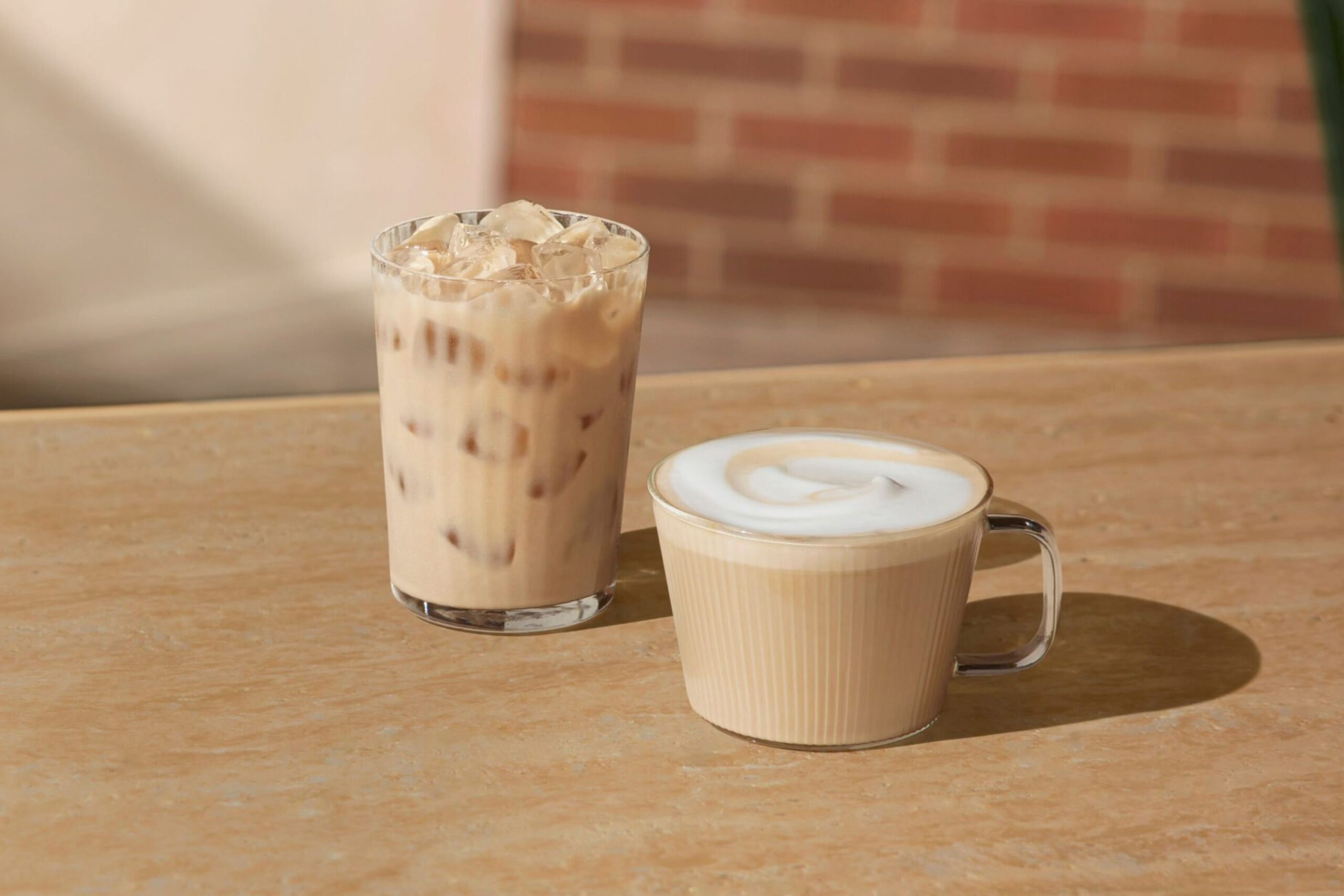
Starbucks’ chai has long been a popular menu item for people who crave warming spices like cardamom, cinnamon, and ginger. The chai tea latte first appeared in Starbucks stores in January 1998 and has remained a year-round favorite, served both hot and iced. Over the years, seasonal versions have also appeared, including pumpkin spice, gingerbread, and spring flavors like cherry.
For more than 25 years, the core chai recipe changed very little. But as demand for lower-sugar drinks and customizable options has grown, Starbucks has started adjusting how its drinks are built. Last year, the company introduced a new protein menu that increased the protein content of some popular lattes and cold foam toppings—an update many see as connected to the broader interest in higher-protein foods, including among people using GLP-1 medications like Wegovy and Zepbound.
In spring 2026, Starbucks introduced a redesigned “premium chai” that separates the spice base from the added sweetness. In the previous version, most of the sugar was blended directly into the chai concentrate, which meant every drink started at a fixed sweetness level. The updated version keeps the same core ingredients—black tea, cardamom, cinnamon, ginger, and a hint of honey—but moves most of the sweetness into a syrup that can be adjusted or removed.
So what does this change actually mean nutritionally—and does it make the drink any healthier? Let’s take a closer look at what changed, how the ingredients differ, and where this new drink can fit into your plan.
Starbucks’ chai: What’s new in 2026?
Black tea, cinnamon, clove, cardamom, and ginger are still the main ingredients in Starbucks chai. What’s changed is how sweetness is added or removed from the drinks. Here’s a look at the new vs. old chai concentrate:

The Easy Way
to lose weight and get healthy.
| Older chai concentrate | New chai concentrate |
|---|---|
| Chai tea concentrate: An infusion of (water, black tea, cardamom, black pepper, ginger, cinnamon, cloves, natural flavors, star anise), sugar, honey, ginger juice, natural flavors, vanilla, citric acid | Chai tea concentrate: An infusion of (water, black tea, black pepper, ginger, cardamom, cinnamon, cloves, natural flavor, star anise), honey, ginger juice, natural flavors, citric acid |
The older concentrate contained both sugar and honey, while the newer version lists only honey as a sweetener. Starbucks hasn’t published the exact sugar amount in the concentrate itself. But the updated ingredient list suggests the base likely contains less added sugar, with more sweetness coming from optional syrups added when the drink is prepared.
What the old chai latte looked like
A standard grande chai latte typically included:
- 2% milk
- 4 pumps chai concentrate
Because the concentrate itself was already sweetened, those four pumps contained most of the drink’s sugar.
What the new chai looks like
The updated drink separates the chai flavor from the added sweetener. A standard drink without customization now includes:
- 2% milk
- 4 pumps chai
- 4 pumps classic syrup
But this formula isn’t fixed. Customers can request fewer pumps of classic syrup, swap in another flavor like vanilla or cinnamon, or remove the added sweetener entirely.
This change gives customers more control over both flavor and added sugar.
So, what does this update actually mean nutritionally? And is the new chai healthier than the original version? Let’s compare what changed and how the nutrition stacks up.
Nutrition: Starbucks 2026 chai vs. original version
Calories and sugar are where most people see the biggest difference between the old and new versions. The new premium grande chai latte has about 50 fewer calories and 11 fewer g of sugar than the previous drink, but that is including the extra pump of syrups. If you wanted a less sweet version, you could remove some or all of the sugar syrup.
Let’s take a look at a new and older grande hot chai latte with 2% milk to get an idea of how much sugar can be customized:
| Version | Calories | Sugar (g) |
|---|---|---|
| Original chai latte | 240 | 42 |
| New 2026 chai | 190 | 31 |
| New 2026 chai without pumps of sugar syrup (est.) | 110 | 11 |
Most regular Starbucks syrups add about 20 calories and 5 g of sugar per pump.
Noom’s Most Powerful Program
A dual-pathway GLP-1 and behavior change for lasting results.
At the standard four pumps, that’s 80 calories and 20 g of added sugar, though you’ll still be getting the sugars naturally present in milk and a little from the honey in the chai base.
Noom tip: You don’t have to remove all four pumps to make a difference. Cutting just one pump saves 5 g of sugar. Reducing to two saves 10 g—often without dramatically changing the flavor. Small tweaks can add up, especially if chai is part of your regular routine.
Starbucks chai nutrition info: Choosing your milk
Choosing the type of milk that fits your diet plan will also shift calories and sugar. The standard Starbucks chai latte comes with 2% milk, but it also offers lower-fat and plant-based options.
While Starbucks doesn’t publish exact numbers for each milk type, here’s an estimate of how many calories and fat are in a grande chai latte for each type of milk:
| Milk type | Calories | Sugar (g) |
|---|---|---|
| 2% milk (baseline) | 181 | 29.3 |
| Whole milk | 214 (+33) | 29.1 (−0.2) |
| Skim milk | 156 (−25) | 29.5 (+0.2) |
| Almond milk | 132 (−49) | 24.6 (−4.7) |
| Soy milk | 166 (−15) | 24.6 (−4.7) |
| Oat milk | 200 (+19) | 26.2 (−3.1) |
| Coconut milk | 172 (−9) | 26.8 (−2.5) |
Almond milk results in the largest drop in both calories and sugar. Switching from 2% milk to almond milk lowers the drink by about 49 calories and nearly 5 g of sugar, making it the largest change you can make just by swapping milk.
So while changing the milk won’t completely transform the drink’s nutrition, it can shift the balance between calories, sugar, and creaminess, depending on what you’re prioritizing.
Noom tip: None of these options is inherently “good” or “bad.” They simply create different outcomes. But if your goal is to lower calories, milk choice can make a noticeable difference. Choose almond milk if you’re looking to decrease the calories by over 50%.
Is the Starbucks 2026 lower-sugar chai latte healthier?
The new chai is more customizable and has fewer calories and less sugar than the previous version. But whether it’s “healthier” really depends on your biology and goals. The biggest advantage is flexibility.
The new premium chai starts with a base that’s lower in calories and sugar. Because sweetness is layered on separately, you can adjust the amount of syrup and choose your milk. Those small changes can meaningfully lower total calories while keeping the spice-forward flavor that makes chai satisfying.
It’s also helpful to remember that nothing is off-limits. Sugar isn’t inherently “bad.” It’s just one component of your overall eating pattern. What matters more is frequency, portion size, and how a drink fits into the bigger picture of your day.
Trying to eliminate every sweet drink can sometimes backfire if it leaves you feeling restricted. In many cases, a slightly lighter version of the drink you actually want—fewer syrup pumps, a different milk, or a smaller size—is more sustainable than swapping it for something you don’t enjoy.
Small adjustments can add up over time. Cutting two syrup pumps saves about 10 g of sugar. Switching milk may lower calories while keeping the drink satisfying. Those shifts may feel minor in the moment, but repeated regularly, they can meaningfully change your overall intake without making you feel deprived.
In the end, the 2026 premium chai tea latte isn’t automatically “healthy” or “unhealthy.” It’s customizable—and that flexibility can help you shape the drink to better match your goals.
What else is on the Starbucks spring 2026 menu?
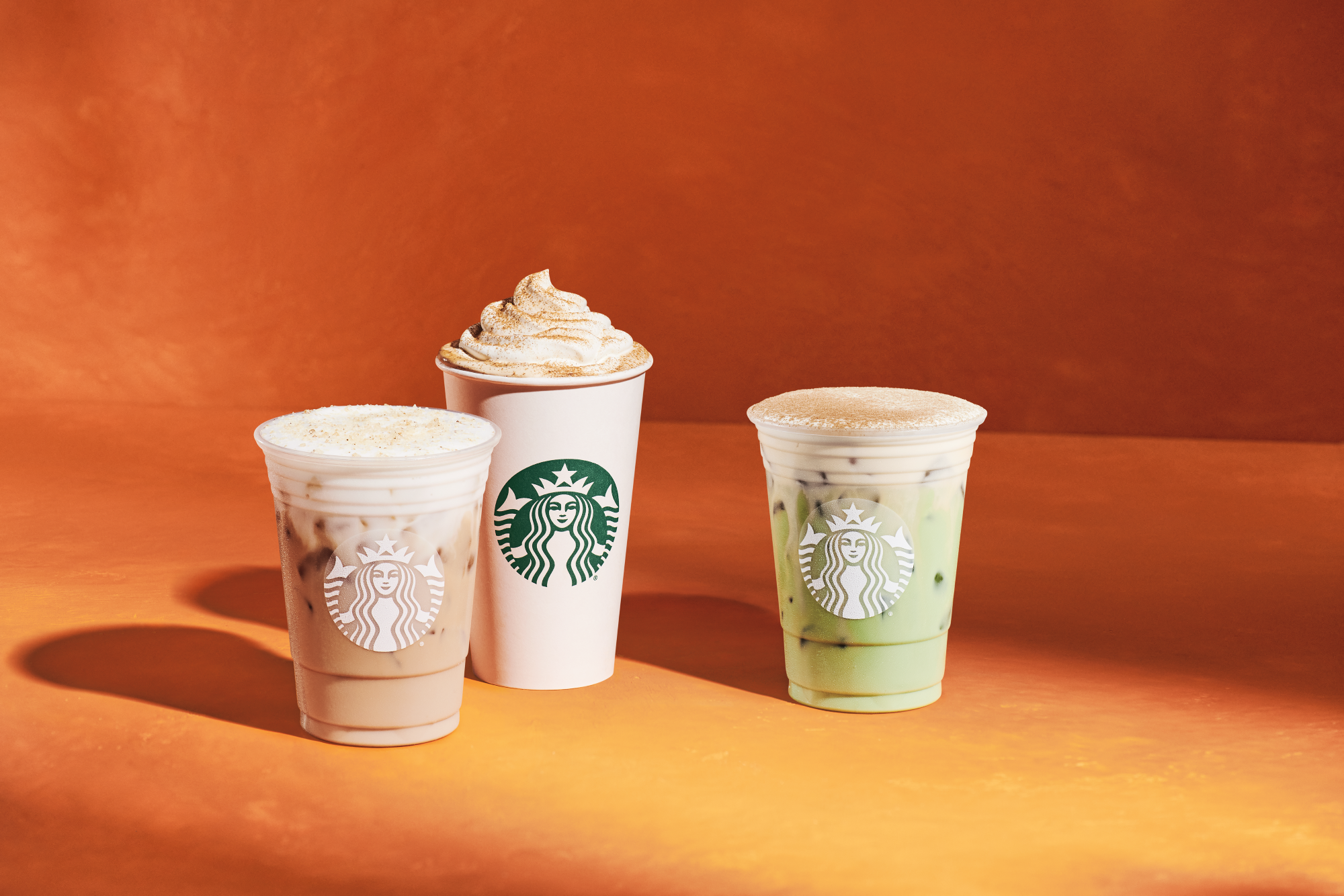
Besides debuting the new premium chain, Starbucks’ 2026 spring menu leans into bold color and limited-time seasonal flavors, highlighting floral notes, tropical ingredients, and more cold foam combinations. The menu mixes returning fan favorites with new, eye-catching drinks designed to feel fresh and inspiring.
Here’s what you’ll find:
- Iced Lavender Cream Chai (380 calories, 48 g sugar, 16 g fat): The new premium chai served over ice and topped with lavender cream cold foam, adding a lightly floral, slightly sweet finish that feels dessert-like but still spice-forward.
- Iced Ube Coconut Macchiato (380 calories, 41 g sugar, 18 g fat): A layered espresso drink featuring milk, ube coconut cream cold foam, and toasted coconut flakes. The vibrant purple ube topping makes it one of the most visually striking drinks of the season.
- Toasted Coconut Cream Cold Brew (240 calories, 27 g sugar, 13 g fat): Smooth cold brew coffee finished with toasted coconut cold foam for a subtly sweet, tropical-inspired twist on a classic cold brew.
- Toasted Coconut Latte (Hot or Iced): Espresso combined with toasted coconut flavor and your choice of milk, offering a simpler coconut-forward option without cold foam.
- Lavender Latte (240 calories, 32 g sugar, 7 g fat): Espresso and milk infused with lavender flavor for a lightly floral, aromatic take on a traditional latte.
- Lavender Crème Frappuccino (370 calories, 52 g sugar, 16 g fat): A blended, creamy lavender drink made without coffee by default, positioned as a sweet spring treat.
- Iced Lavender Cream Matcha (350 calories, 38 g sugar, 17 g fat): Iced matcha latte topped with lavender cream cold foam returns, combining earthy green tea with floral sweetness.
- Coming in April 2026: Iced Mango Cream Matcha and Iced Mango Cream Chai: Mango-forward cream beverages that add a fruity, tropical element to the lineup as the season progresses.
The Easy Way
to lose weight and get healthy.
The bottom line: Starbucks’ new chai offers less sugar and more customization
Starbucks’ 2026 chai update gives you more control than ever before. The new premium chai starts lower in calories and sugar than the old version, but the real difference comes down to how you order it. Adjusting syrup pumps has the biggest impact on sugar, and choosing your milk carefully can meaningfully shift calories and sugar.
If you enjoy chai regularly, you don’t necessarily need to cut it out to support your goals. Small, intentional tweaks can make a noticeable difference over time.
And if you want help figuring out how your everyday choices—from coffee drinks to takeout meals—fit into your bigger health picture, Noom can help you build awareness, understand the psychology behind your habits, and make changes that actually stick.
Download Noom on iOS and Android for daily tips, exclusive recipes, and more to help you on your wellness journey.
Editorial standards
At Noom, we’re committed to providing health information that’s grounded in reliable science and expert review. Our content is created with the support of qualified professionals and based on well-established research from trusted medical and scientific organizations. Learn more about the experts behind our content on our Health Expert Team page.